



Ancient sites
The best places for ancient sites are Athens, Mykonos, Kusadasi, Thessaloniki, Santorini and Rhodes. They hold the Acropolis and Parthenon, the sanctuary island of Delos, Ephesus, Roman forum remains, Ancient Akrotiri and Ancient Thera, and the Acropolis of Lindos.


Where it's best


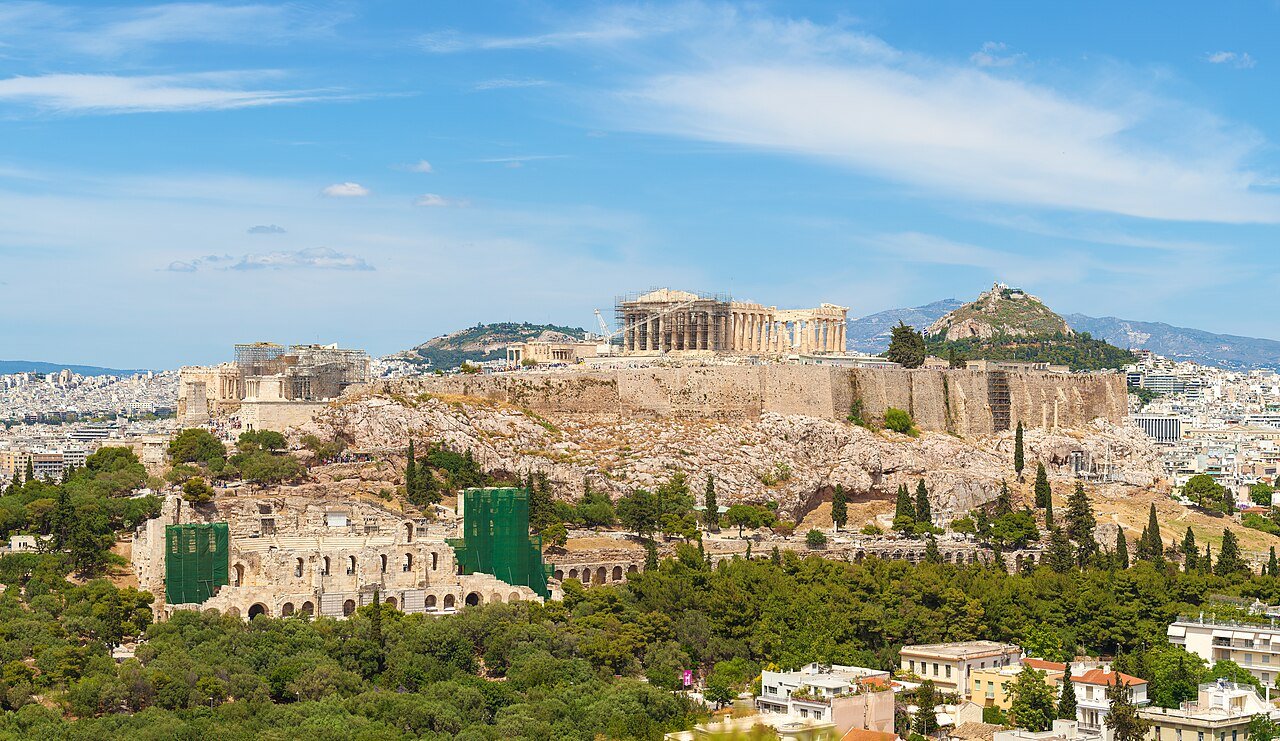


Athens centers on the Acropolis, where you walk up to the Parthenon, Propylaea, Erechtheion and Temple of Athena Nike. The Ancient Agora has remains of commercial, assembly and residential buildings, and Roman-era ruins sit among the houses of Plaka.

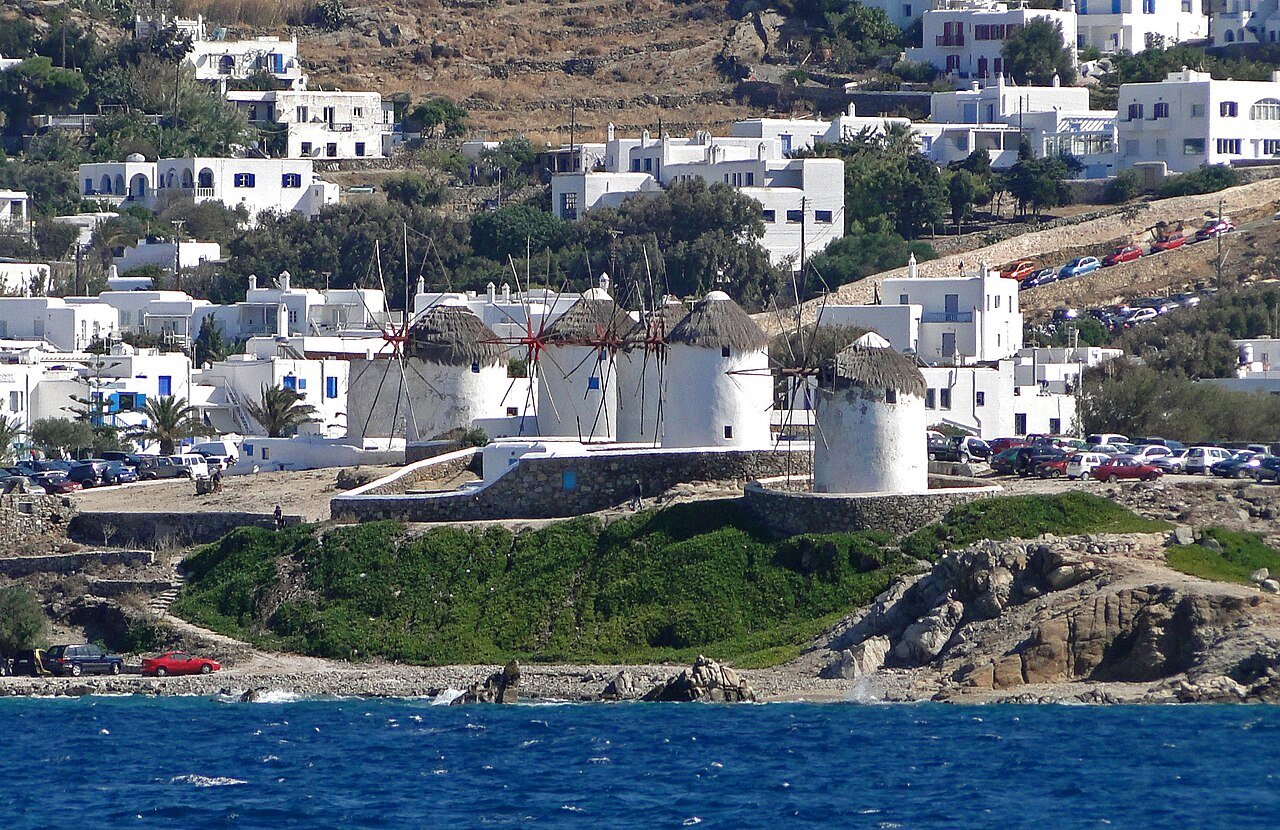
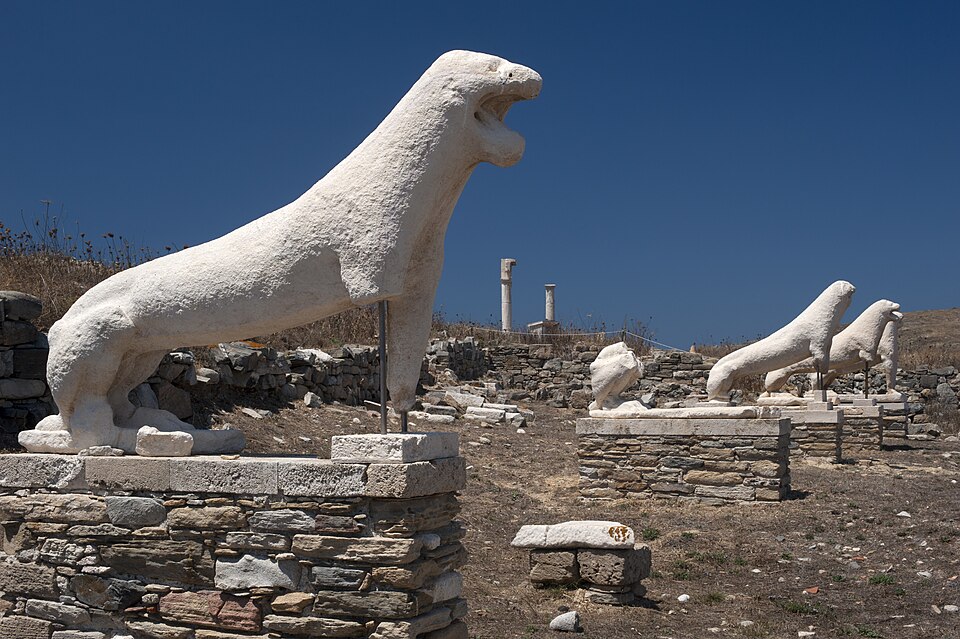
Delos has the ruins of the Sanctuary of Apollo, reached along the Sacred Way, and the Lion Terrace with the lions given by the Naxians. A good part of the Hellenistic town has been excavated, and the Houses of Dionysos, the Masks and the Dolphins contain mosaics.


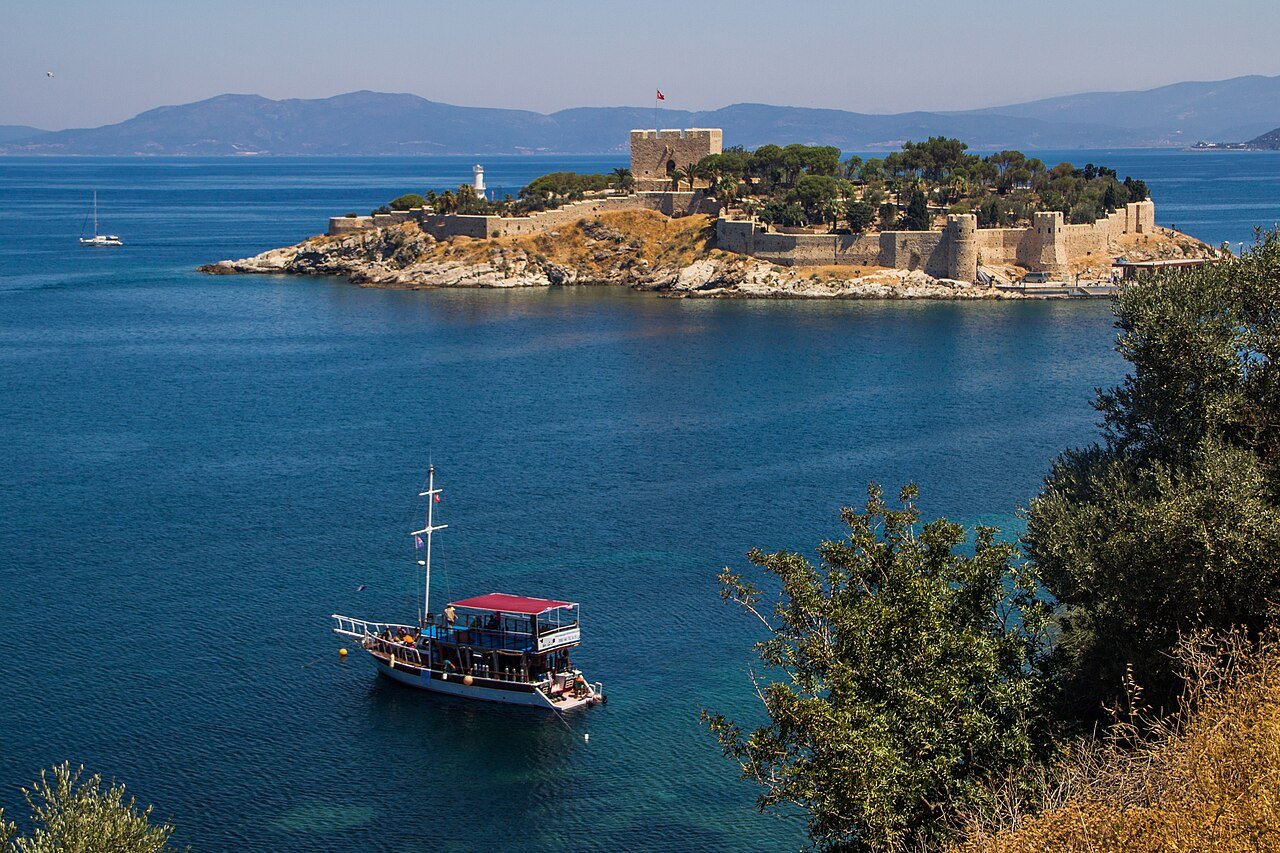
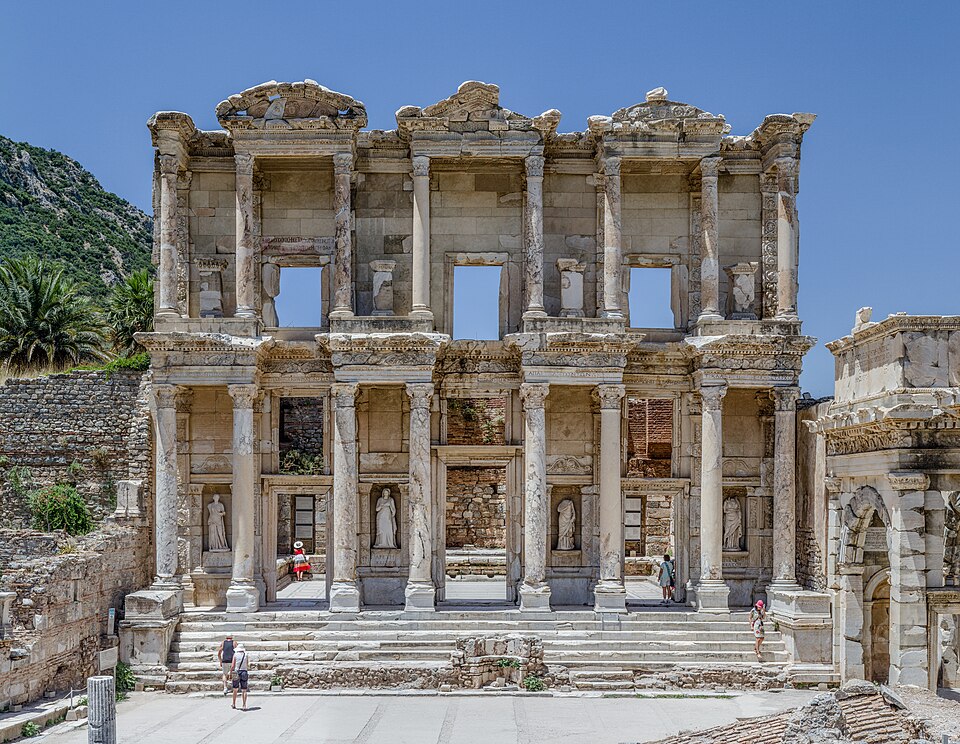
Ephesus is a UNESCO World Heritage Site where you walk the marble road past the Library of Celsus and the great theatre. Magnesia on the Maeander, with one of the largest stadiums in Asia Minor, is still being excavated.


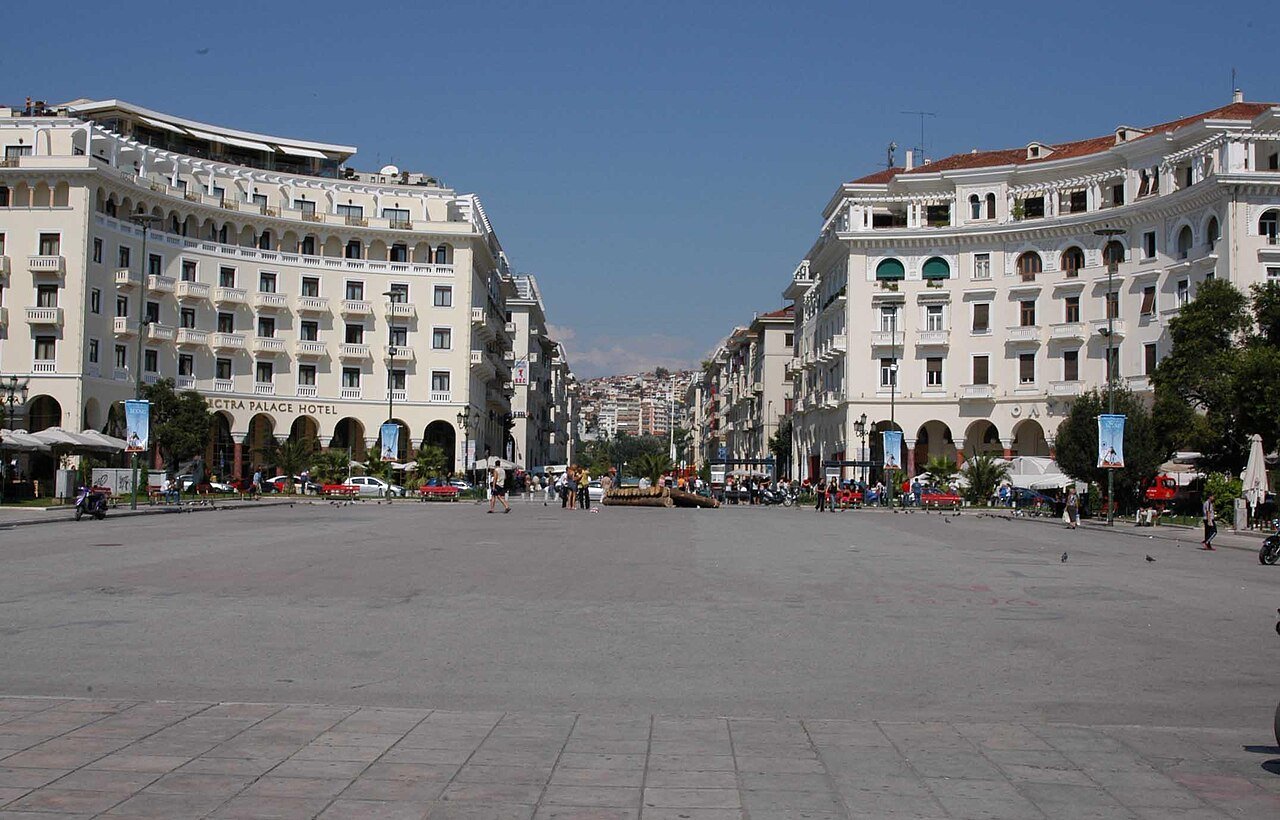
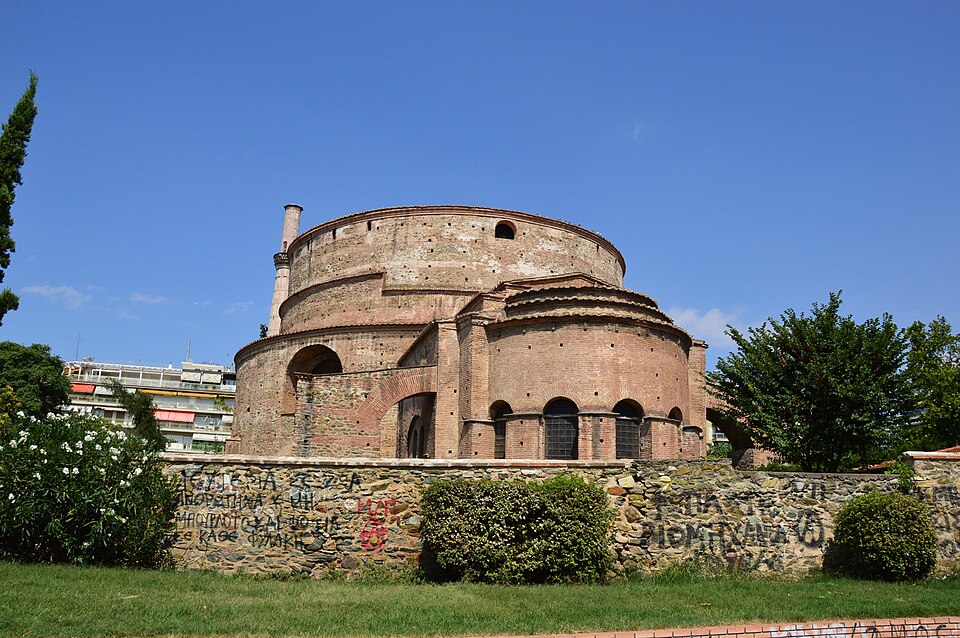
Thessaloniki has the Roman Forum with two terraces and two-storey stoas, and the Rotunda, which began as a Roman temple of Zeus. The Galerian Complex has open-air remains of Galerius's palace, and the Arch of Galerius stands on Egnatia Street.


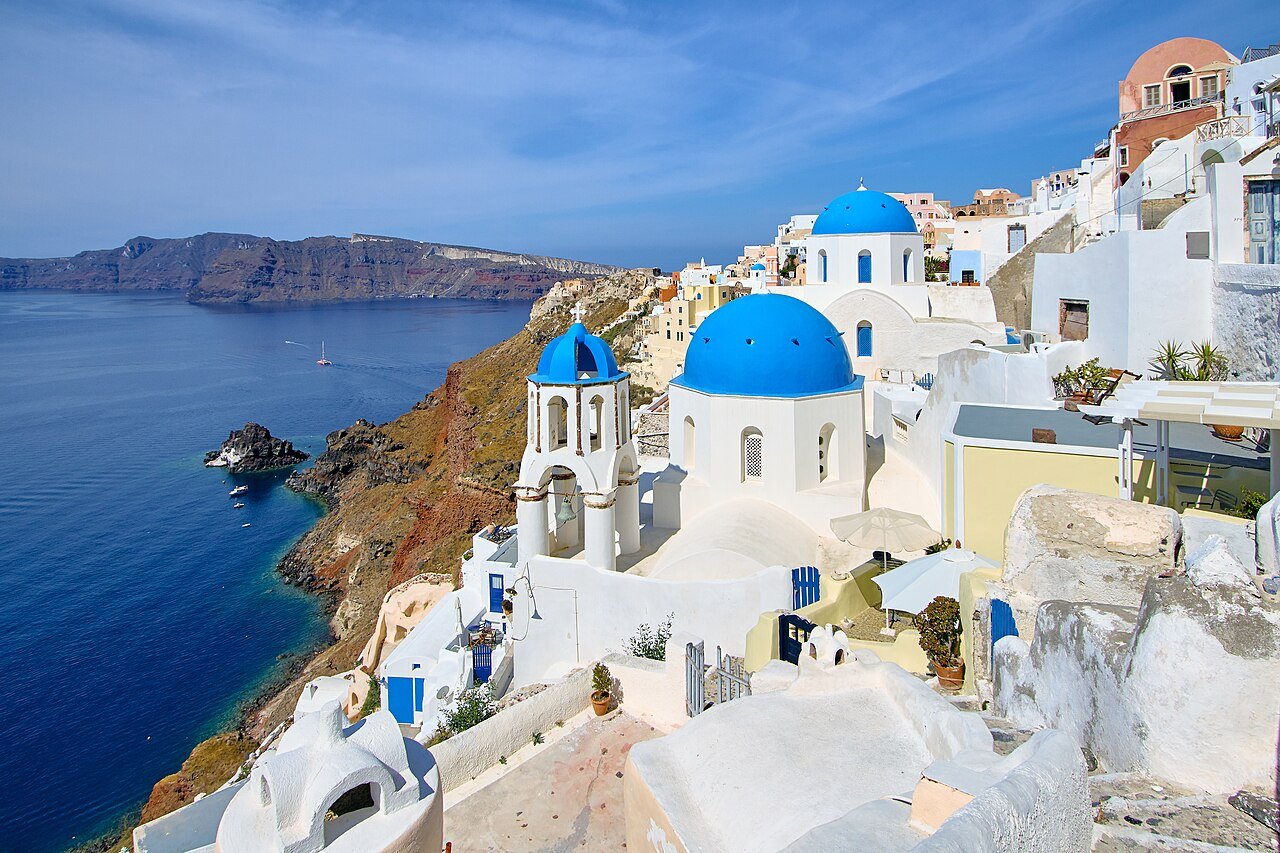
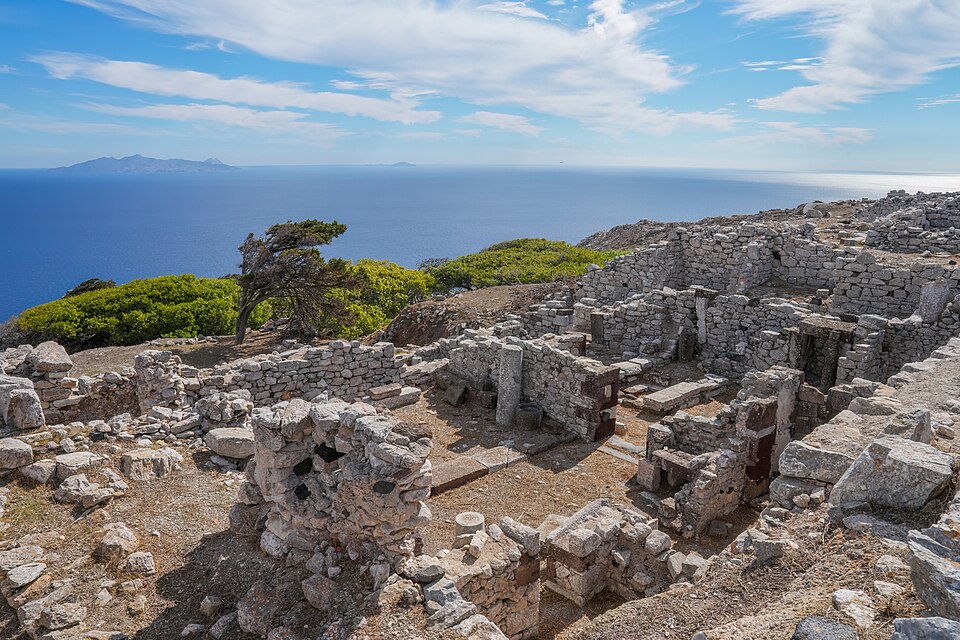
Akrotiri is a Bronze Age Minoan town buried under volcanic ash, with the whole site under a large canopy. Ancient Thera is a Classical-era city on Mesa Vouno, with the Sellada necropolis excavated across the hill.


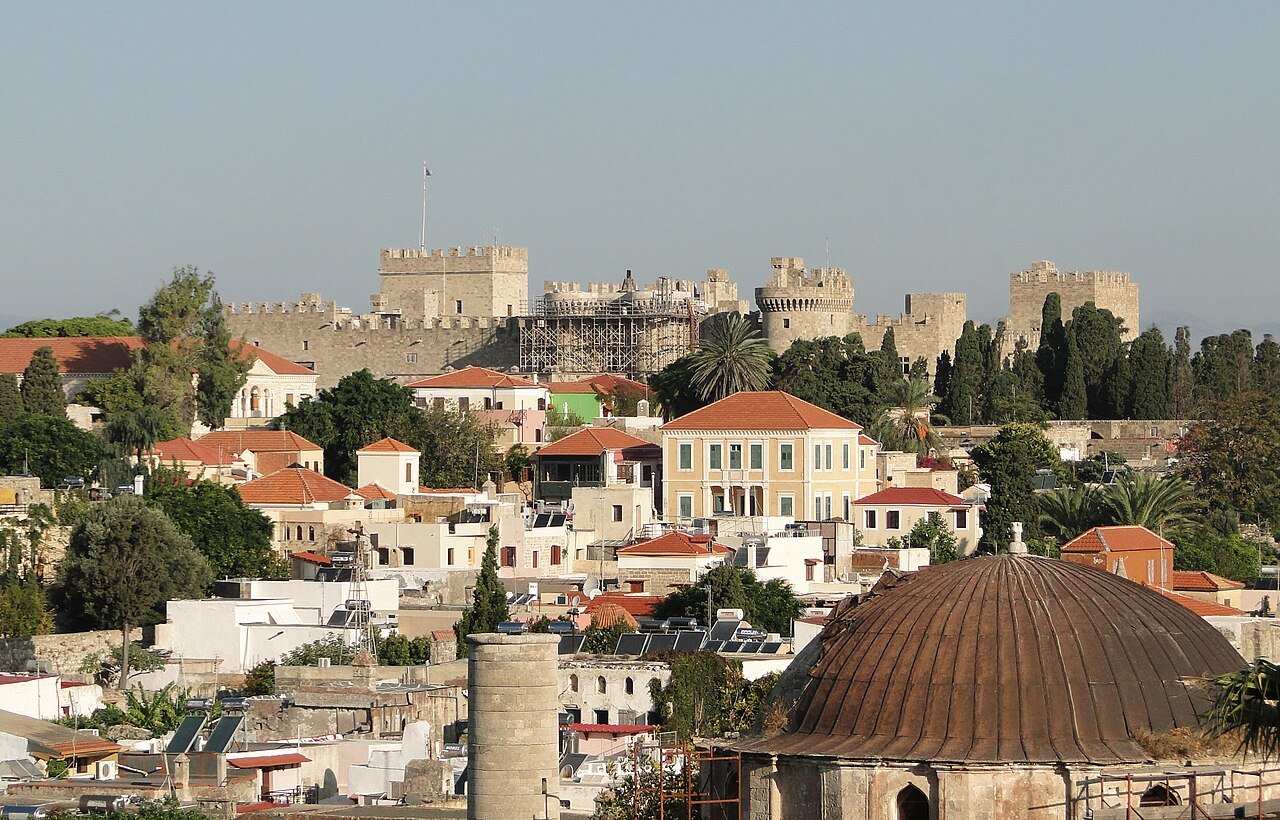


The Acropolis of Lindos holds a 4th-century BC Doric Temple of Athena Lindia and an ancient amphitheatre carved into the slope. Kamiros has the stone remains of an ancient Greek city, one of three ancient cities on Rhodes.


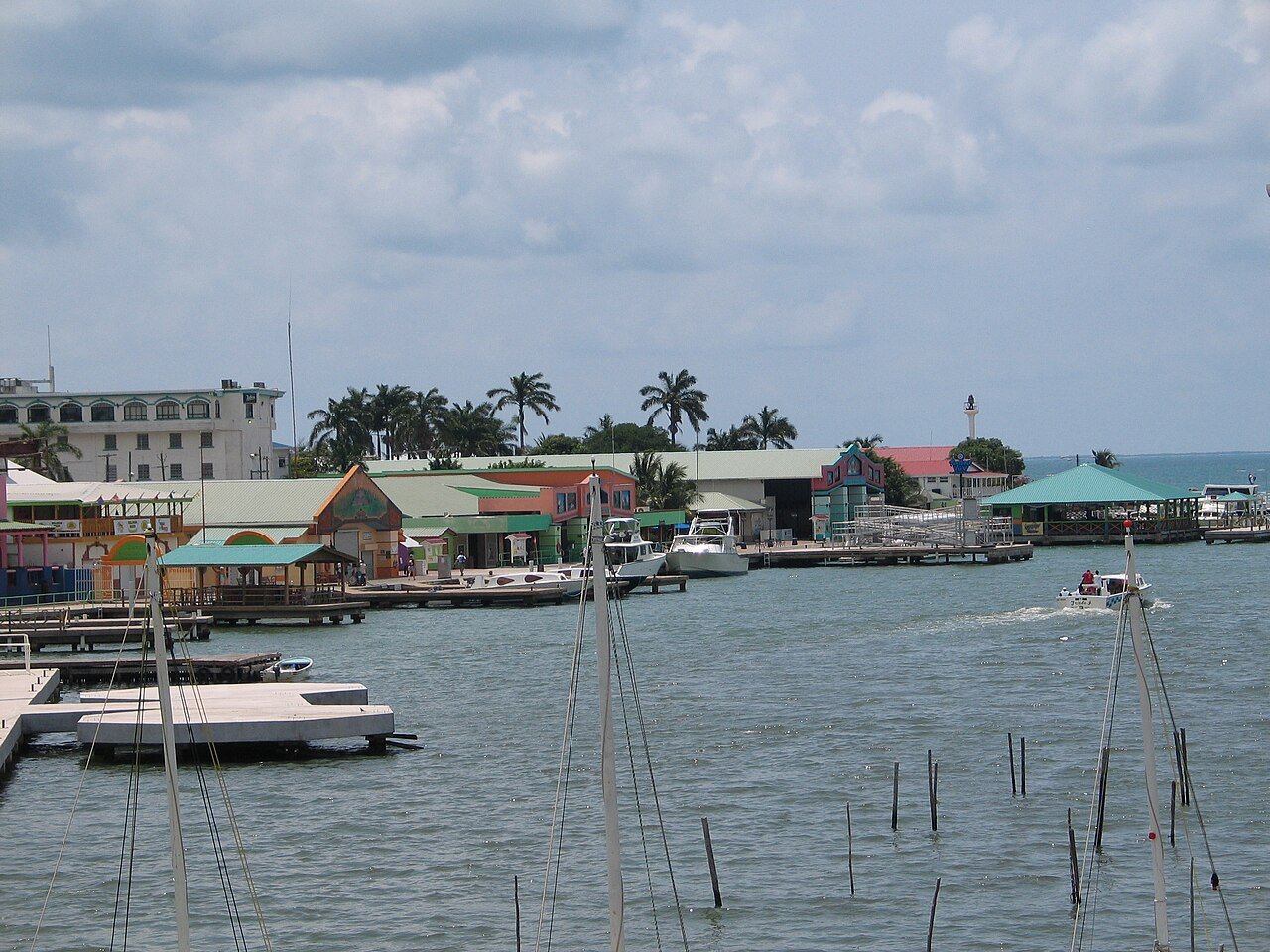
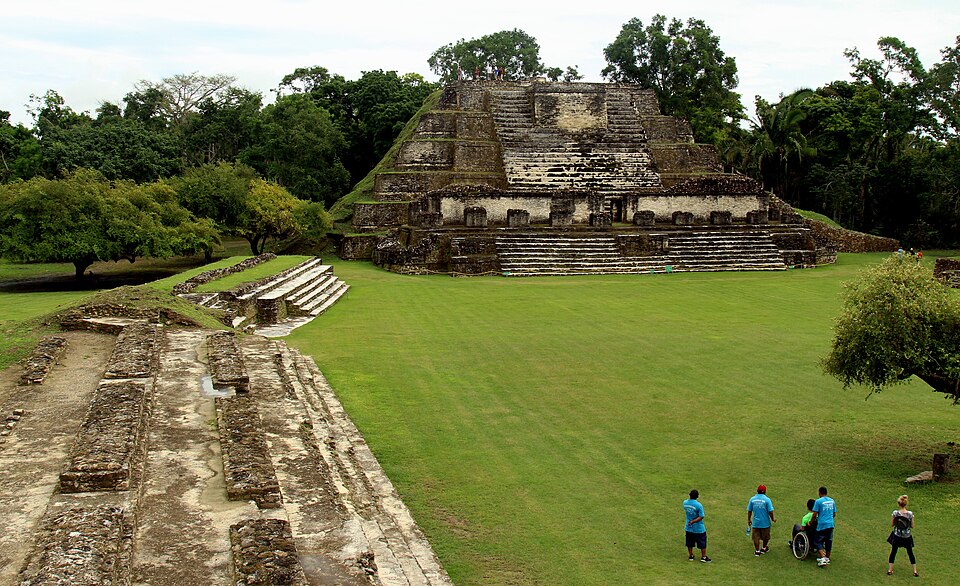
Altun-Ha is a Maya ruin dating from about 200 BC, with two main plazas and the Temple of the Sun God to climb. In town, Yarborough Cemetery next to St. John's Cathedral is an archaeological reserve.


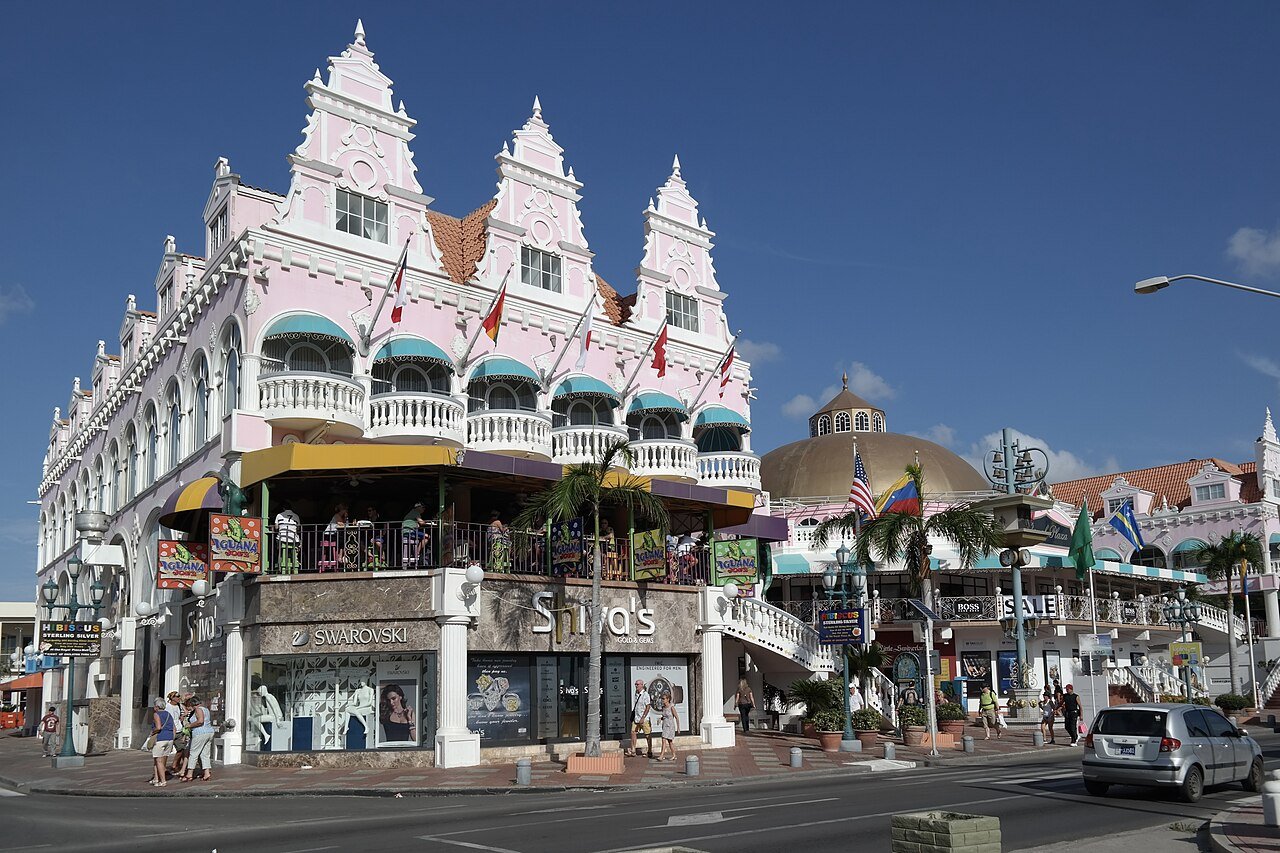

Aruba has Amerindian petroglyphs at Fontein Cave, the Quadirikiri Caves and the Ayo rock formations. Arikok National Park also holds abandoned gold ruins and mines, and the Bushiribana Gold Mill ruins can be walked into.


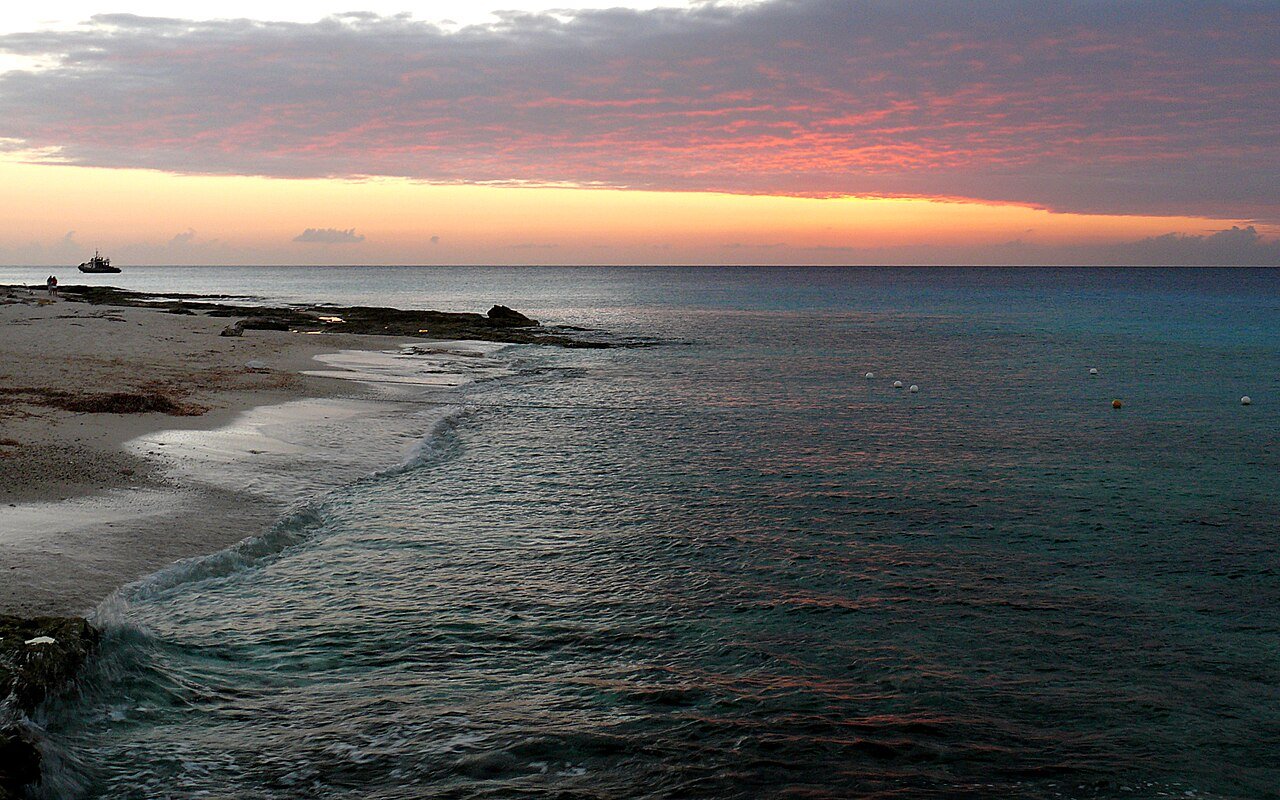
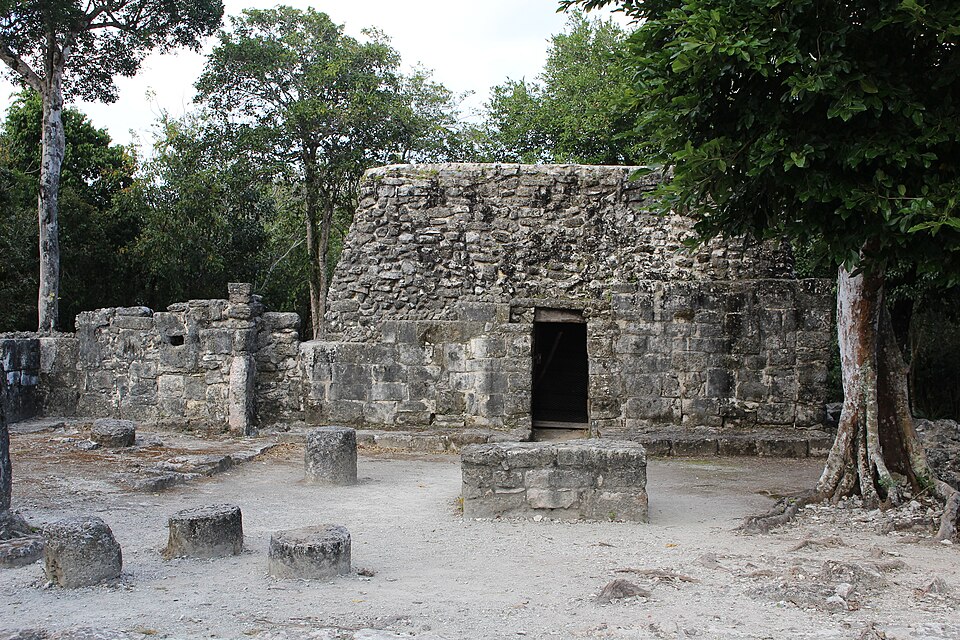
San Gervasio is a pre-Columbian Maya site in the northern third of the island, with six architectural groups and a shrine to Ixchel. Visitors walk through the jungle among its plazas and temples. The Caracol, a post-classic Maya building, stands just northeast of the Celarain lighthouse.


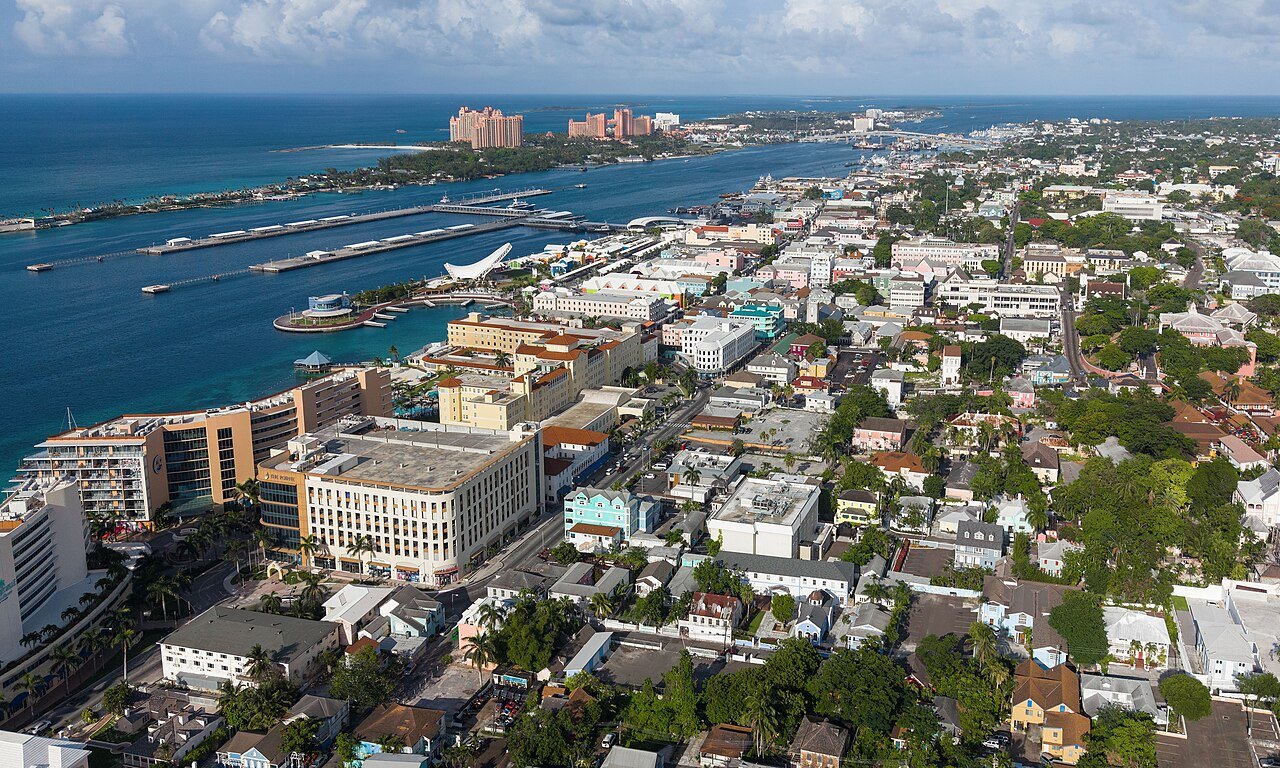

The Queen's Staircase is 66 steps carved by hand from solid limestone in 1793 and 1794, climbing toward Fort Fincastle. Fort Fincastle is a small 1793 fort with cannons on display, and Fort Charlotte is the largest of the Nassau forts.

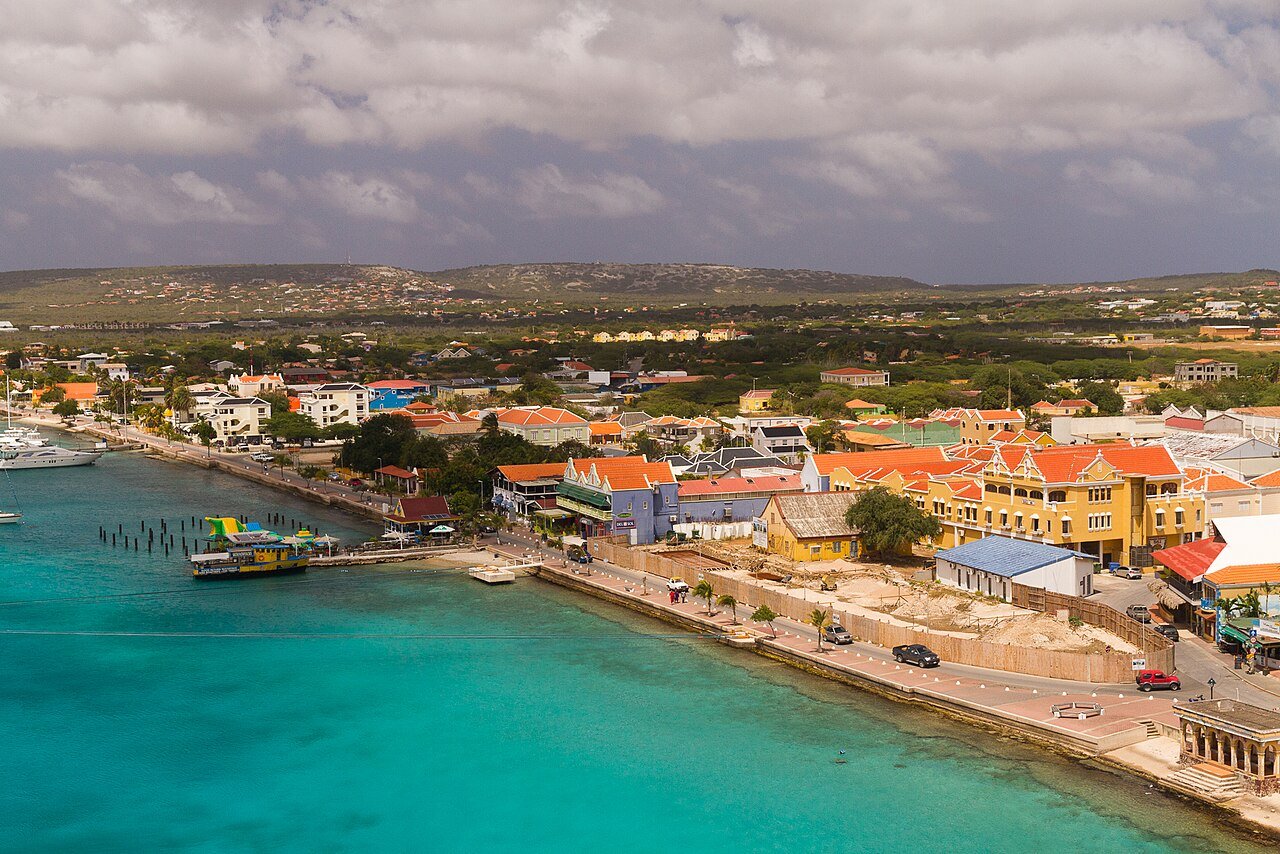
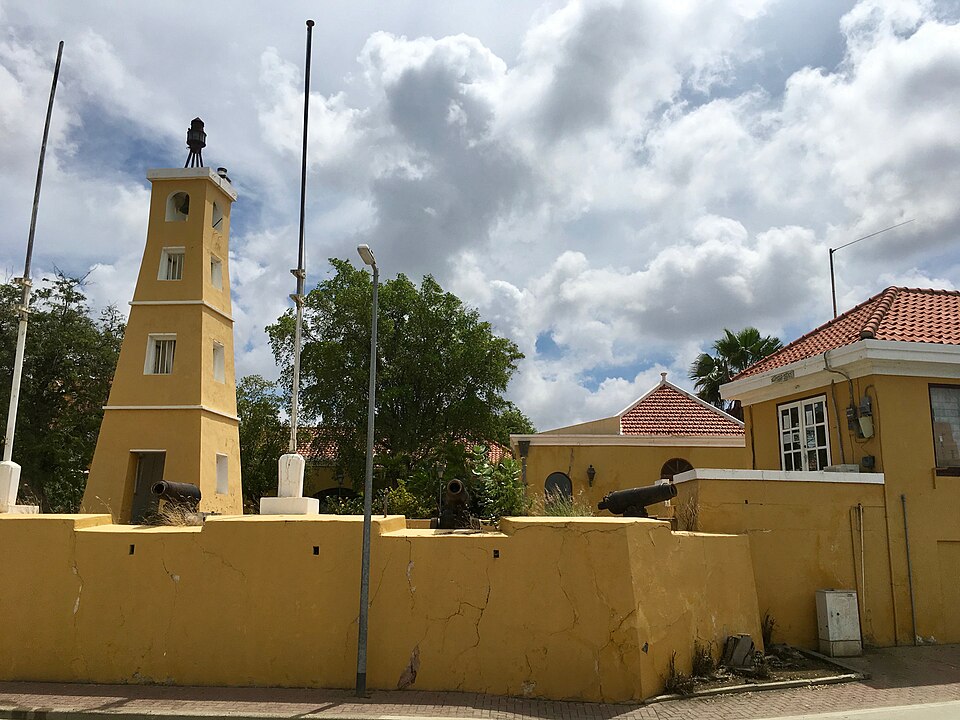
Fort Orange, built in 1639, is a historic site on Bonaire. At Slagbaai, the four yellow historic buildings and the remains of a salt grinding windmill can be seen.


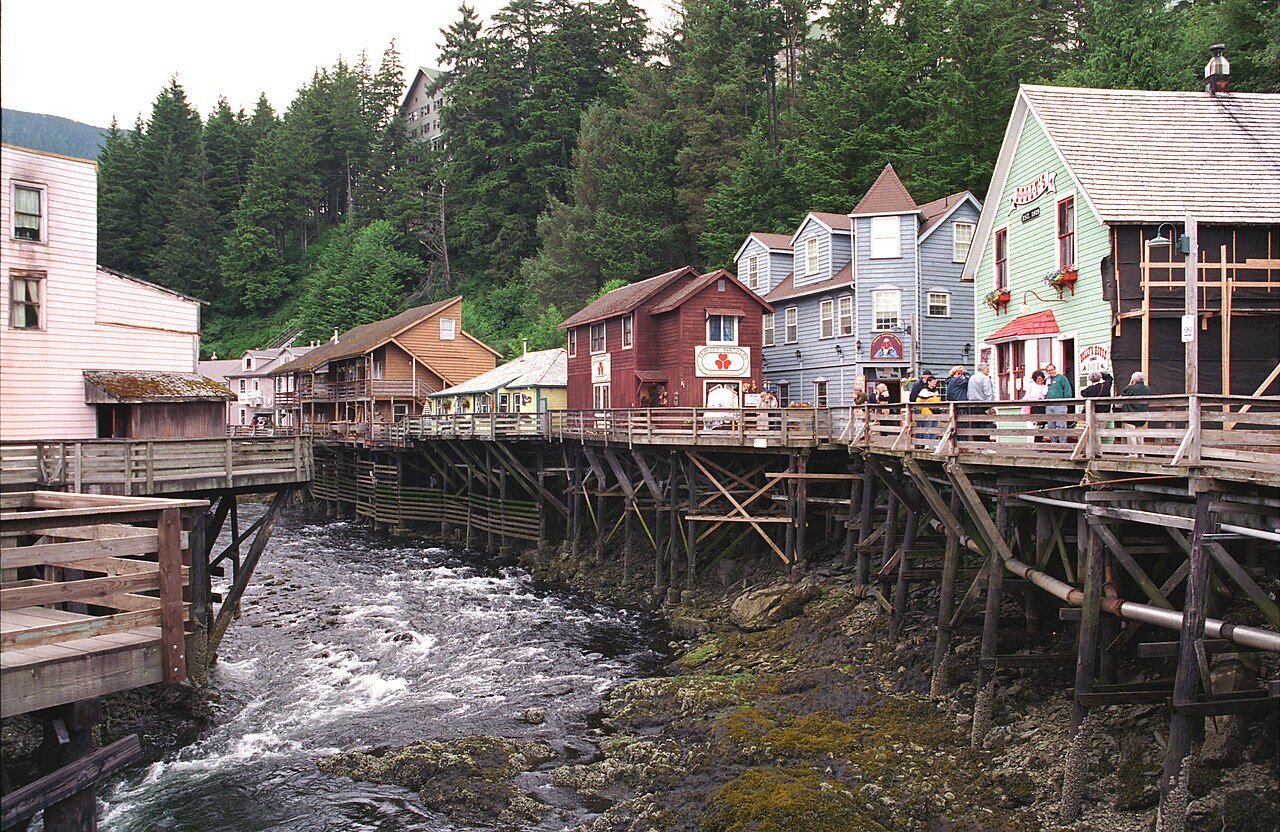
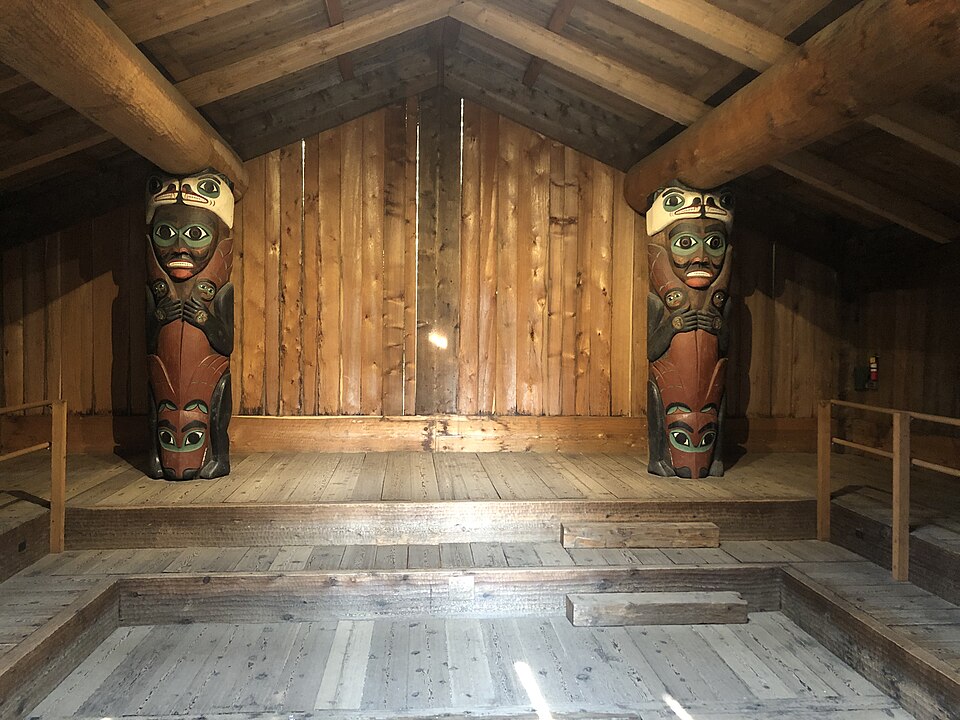
Ketchikan is a place for totem poles. Totem Bight has 15 poles placed by a CCC project, most of them replicas of 19th-century poles, plus a replica chieftain's house. Saxman Totem Park has poles taken from abandoned Tlingit villages.

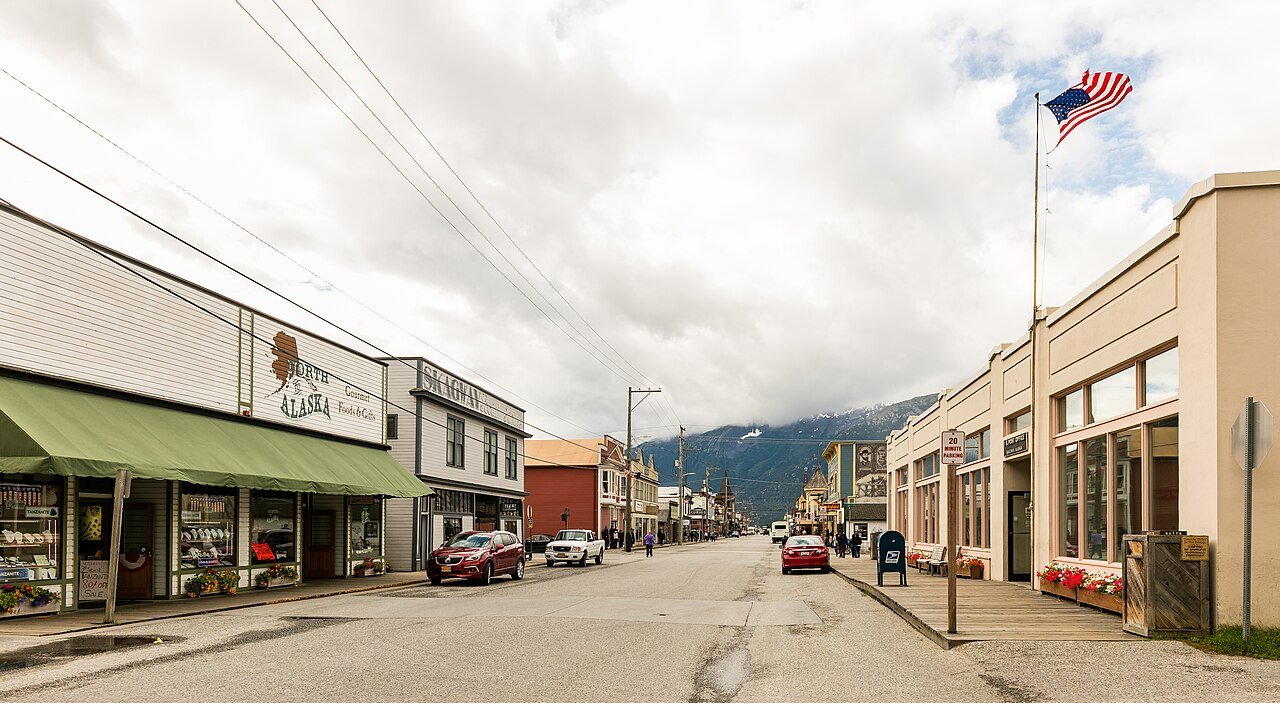

Dyea townsite can be walked on a self-guided tour covering its history, plants and animals.

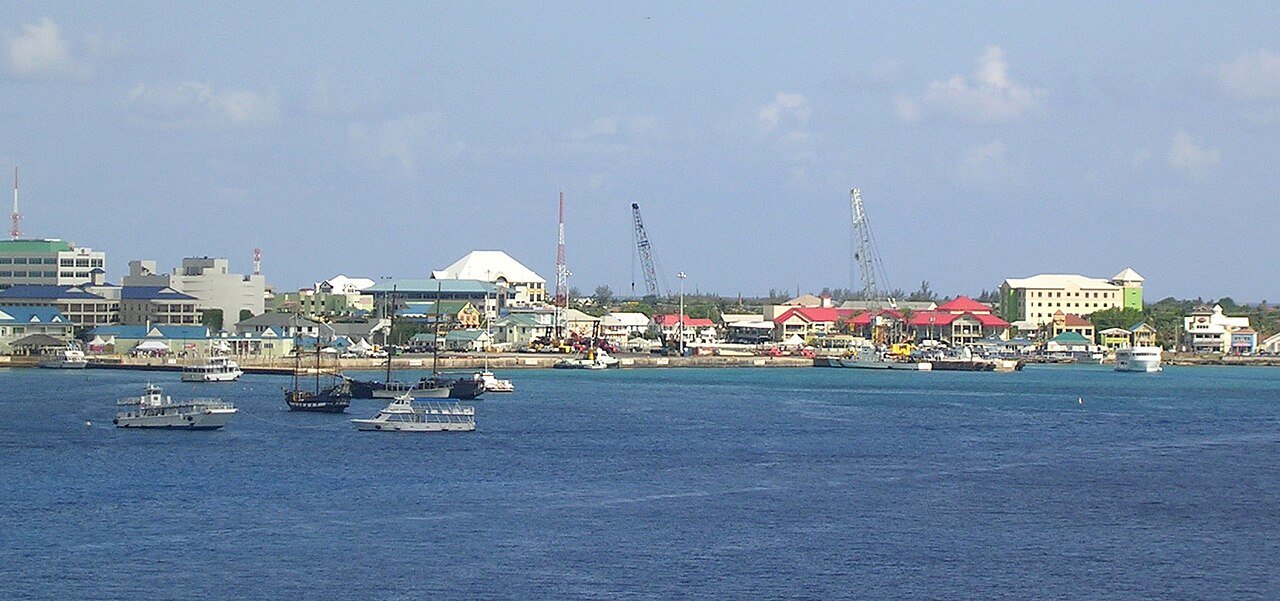
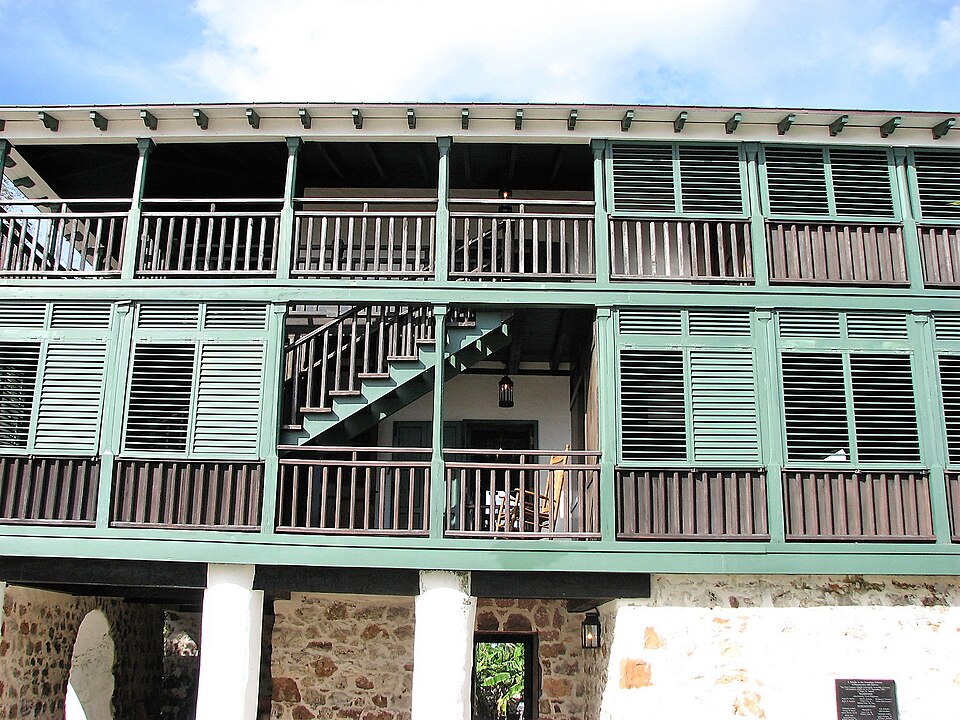
Fort George remains on Harbour Drive in George Town are what is left of a 1790 fort built to protect the harbour, and entry is free. Pedro St. James, also called Pedro's Castle, is one of the oldest stone structures in the islands and has a Great House and a visitor center.

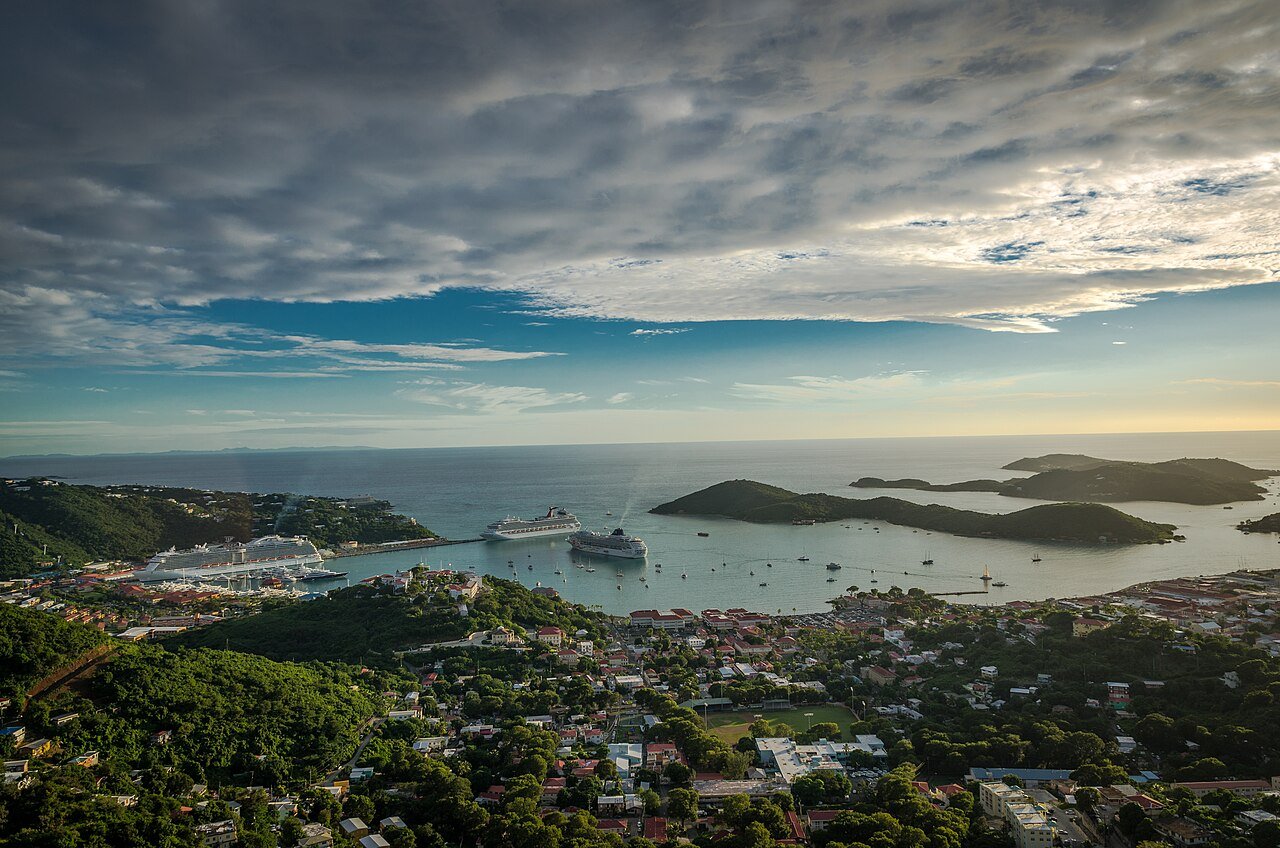
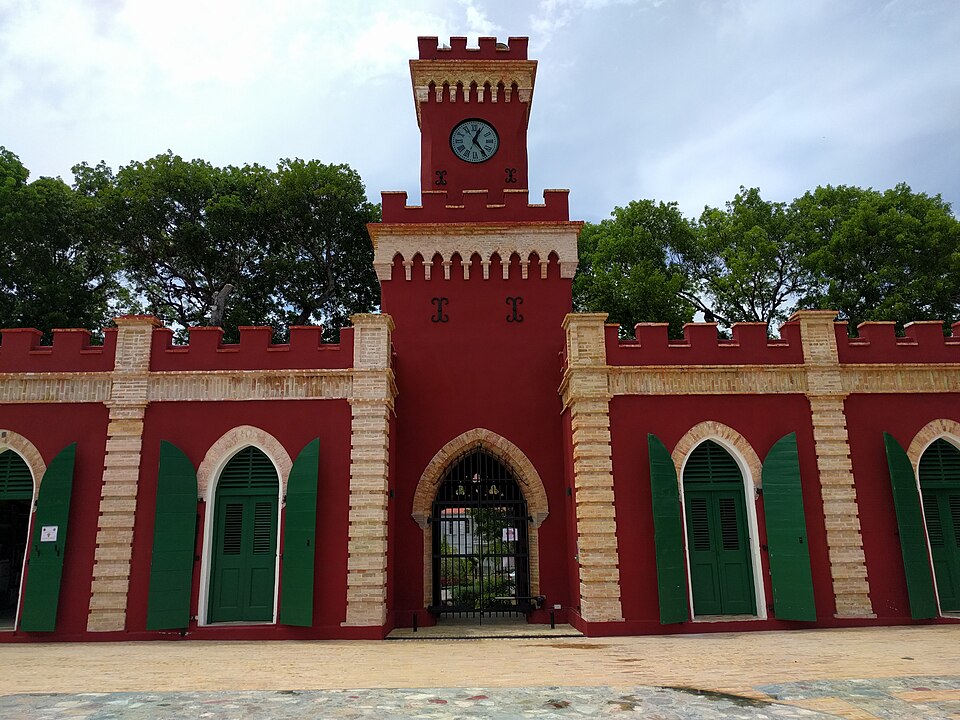
Fort Christian is a red Danish-built fort from the mid 1600s in Charlotte Amalie, with a museum and harbor views from its roof.

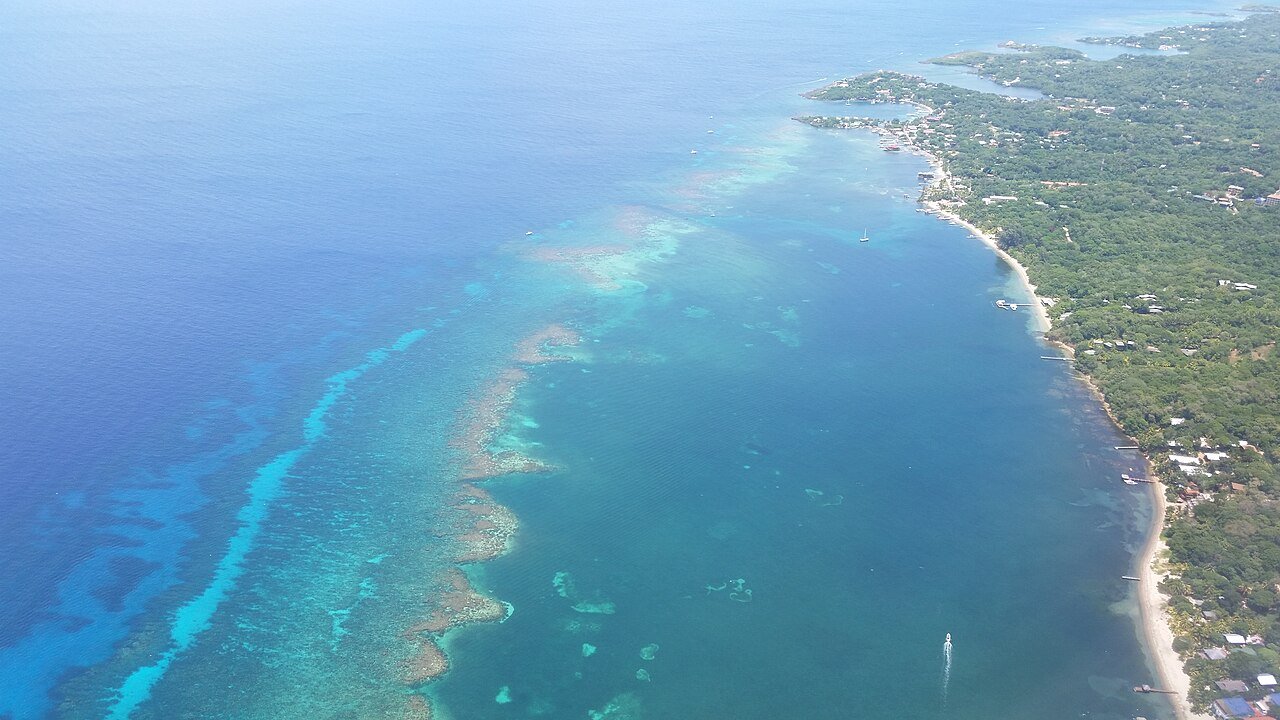
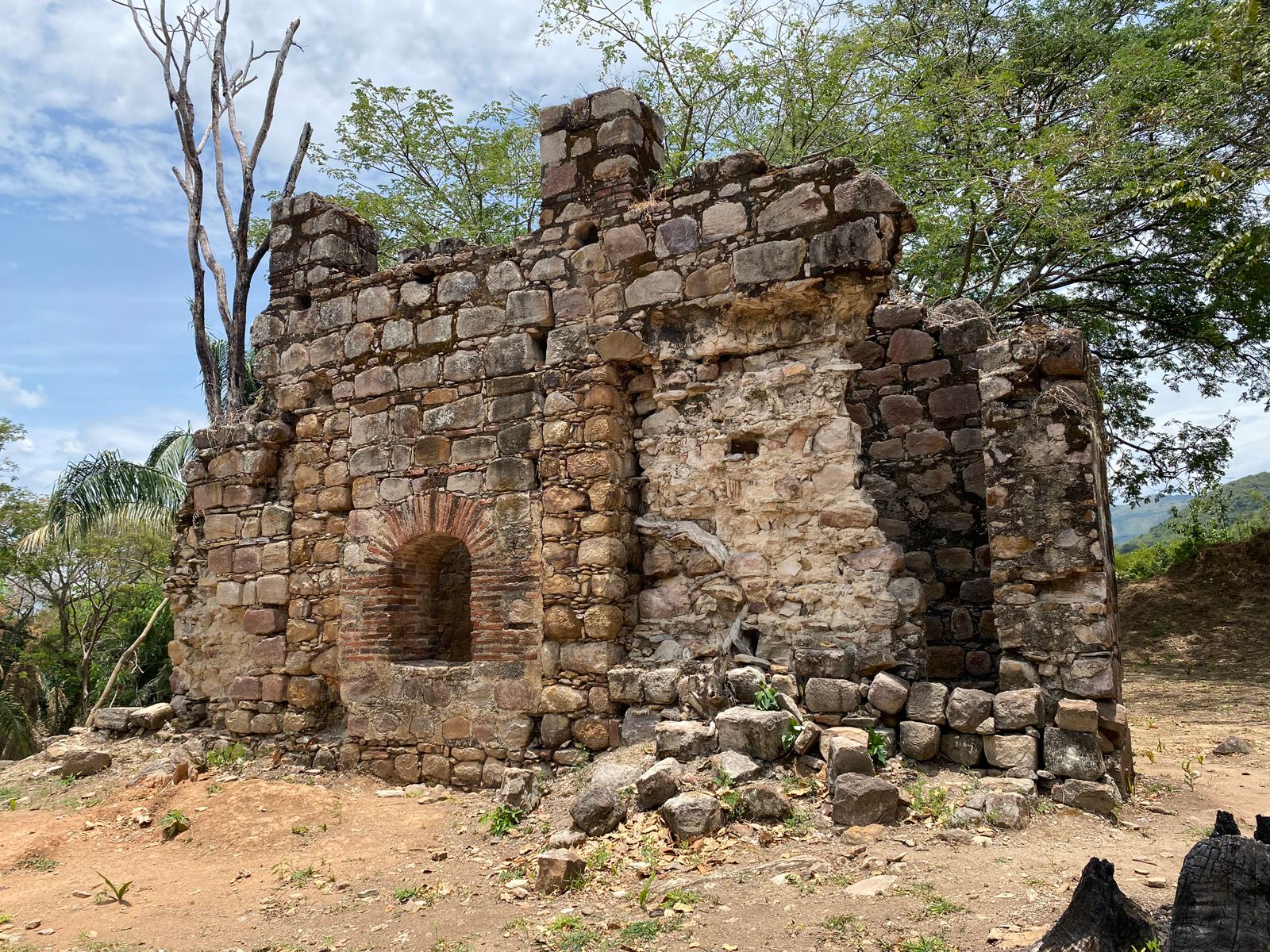
Fort Consolation is a colonial-era fort built to defend the island from pirates, with ruins to explore and the story of the island in the Caribbean piracy era.
Tours to book
Prices are per person, booked with our partner, Shore Excursions Group.


Exclusive Ancient Ephesus, Travel Through Time


Guided Ephesus, Selcuk City Stroll, and Street Food


Ancient Ephesus, Terrace Houses, and House of Virgin Mary with Lunch


