



Aruba
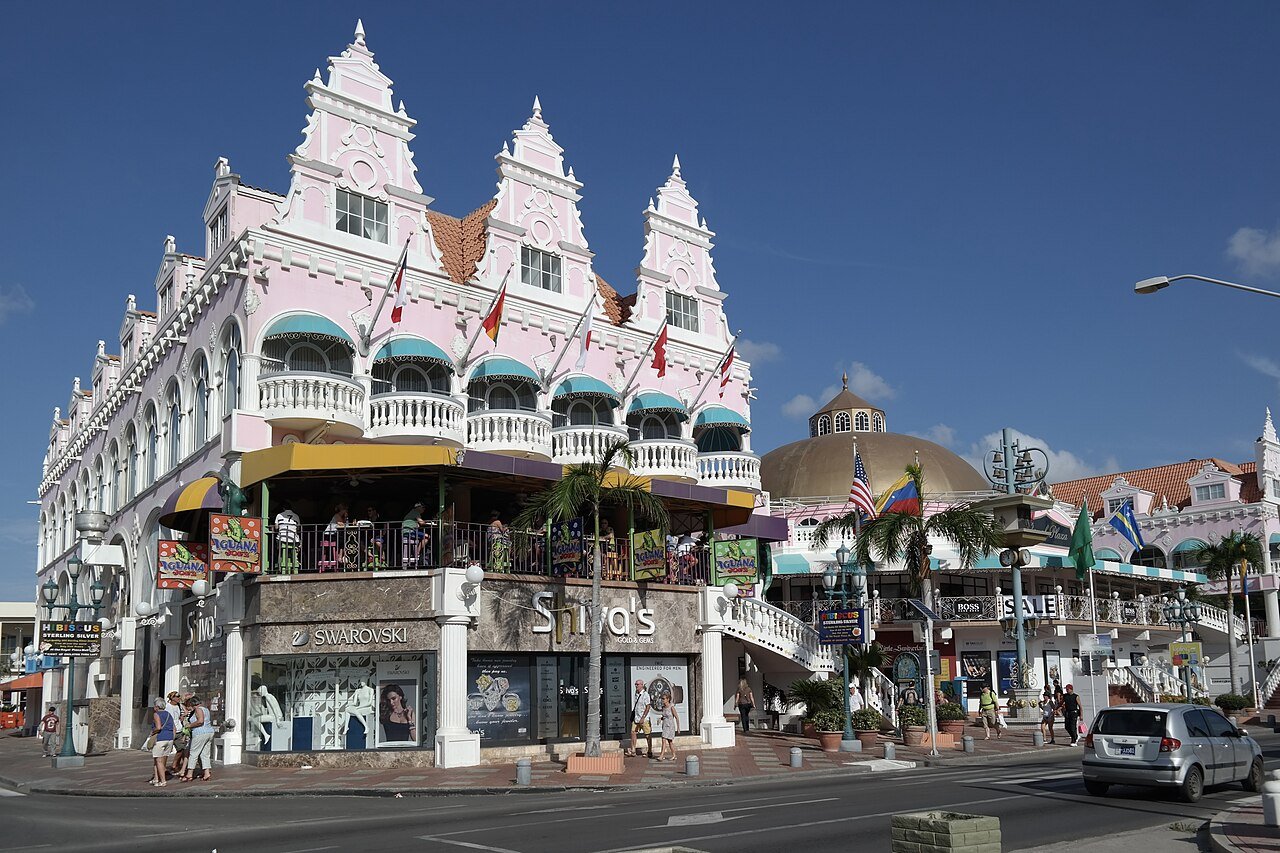
Aruba is a flat, dry island off the coast of Venezuela, known for white sand beaches and steady trade winds. Downtown Oranjestad is walkable, and a day here can mix a stroll through town with a beach, a snorkel trip or a drive to the island's wild northeast side.






The most reviewed first. Prices are per person, booked with our partner, Shore Excursions Group.


Aruba Coastline, Urirama Cove, Beach and Horseback Riding


Small Group Aruba Guided Spirits Tasting with Local Sommelier
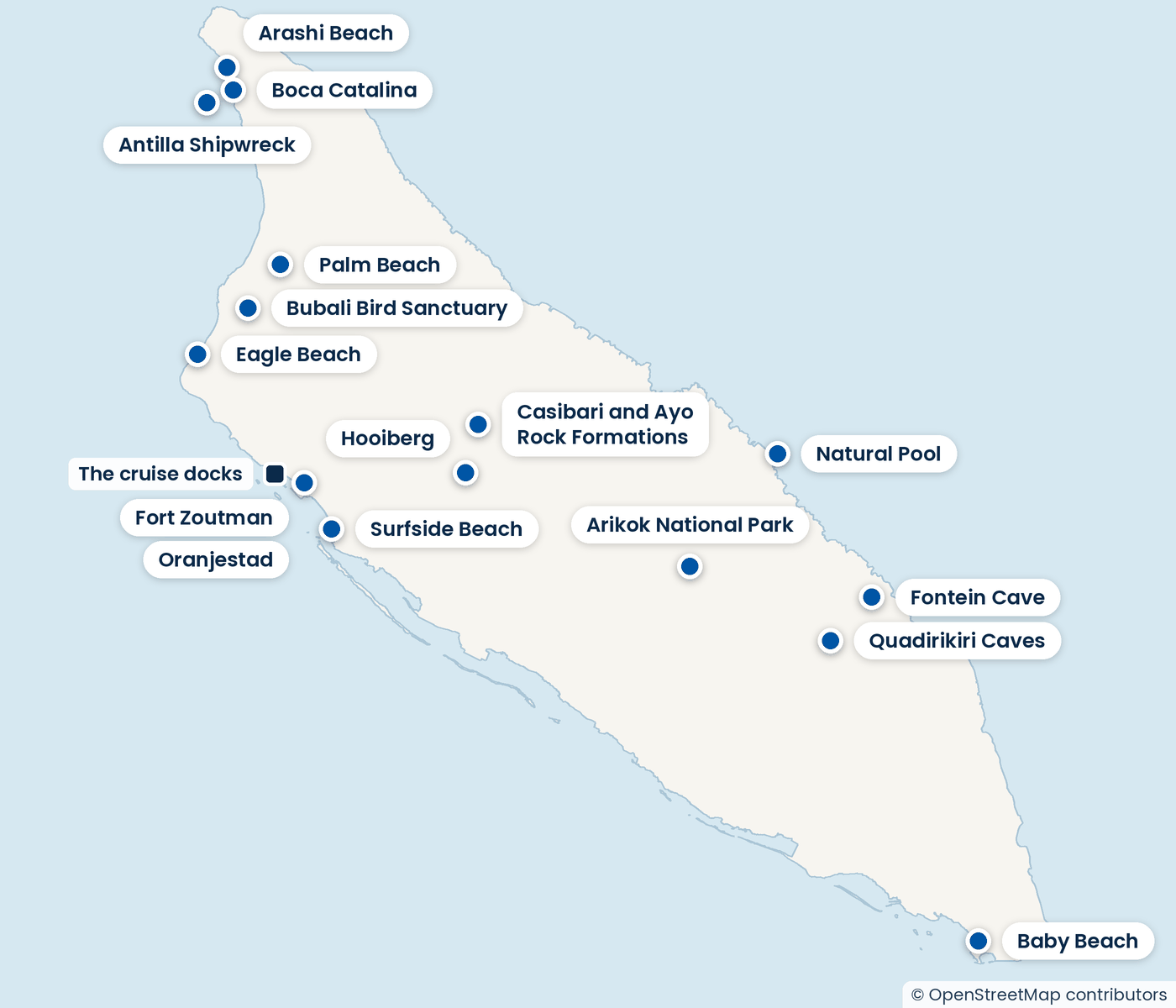

Eagle Beach
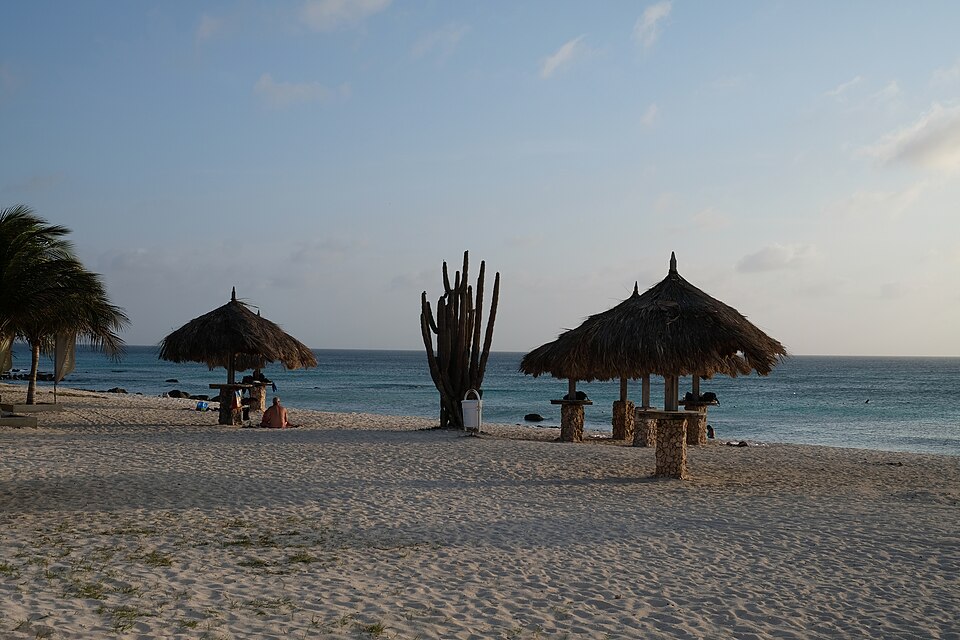
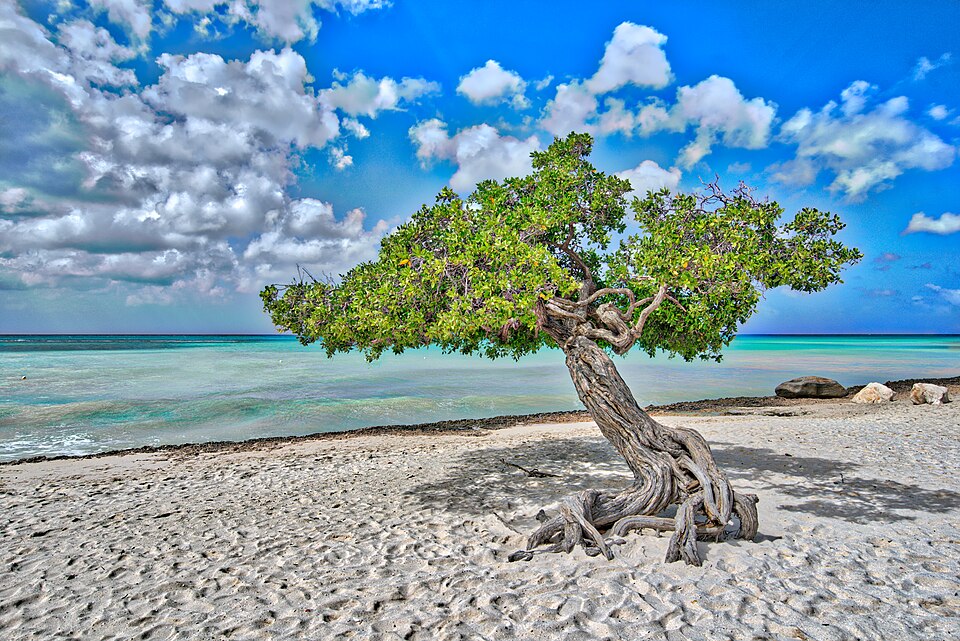
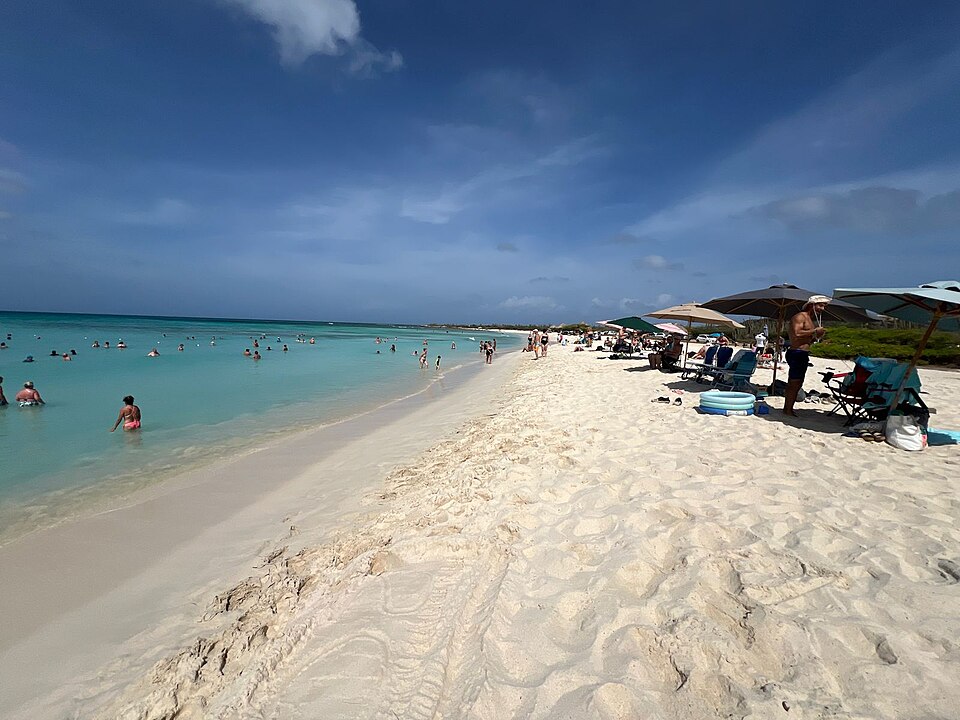
Eagle Beach is a long, wide stretch of soft white sand on Aruba's west coast, with wind-bent fofoti trees, palapas and calm water for swimming. It is one of the island's best-known beaches.

Arashi Beach
Arashi Beach is a calm, shallow stretch of white sand on Aruba's northwestern coast, near the California Lighthouse. A reef lies about 150 meters offshore, and it is known for snorkeling and diving.

Antilla Shipwreck
The Antilla is a scuttled German freighter lying off Malmok Beach on Aruba's west coast. Snorkelers and divers reach it by catamaran, and the wreck is one of the largest in the Caribbean.

Baby Beach
Baby Beach is a shallow, sheltered lagoon at the southeast tip of Aruba, near San Nicolas. The calm water makes it one of the easiest places on the island to wade, float and snorkel.

Boca Catalina
Boca Catalina is a small bay near Malmok on Aruba's northwest coast, with a little sandy beach, some rocky areas and a reef close to shore. People come to swim out and snorkel over it.

Palm Beach
Palm Beach is the busy main strip of sand in front of most of Aruba's high-rise hotels. It is the island's resort hub, with restaurants, bars and water sports close by.

Surfside Beach
Surfside Beach is a sandy stretch on Aruba's southwest coast, near downtown Oranjestad. It is the beach to reach for an easy swim in shallow, calm water.

Natural Pool
Conchi, also called the Natural Pool or Cura di Tortuga, is a small saltwater tide pool on Aruba's wild north coast. You reach it inside Arikok National Park, across rough volcanic rock.

Arikok National Park
Arikok National Park is Aruba's large wild reserve, covering about a fifth of the island on the rugged east side. Its dry trails, caves, old gold ruins and limestone cliffs make it the place for hiking and wildlife on land.

Quadirikiri Caves
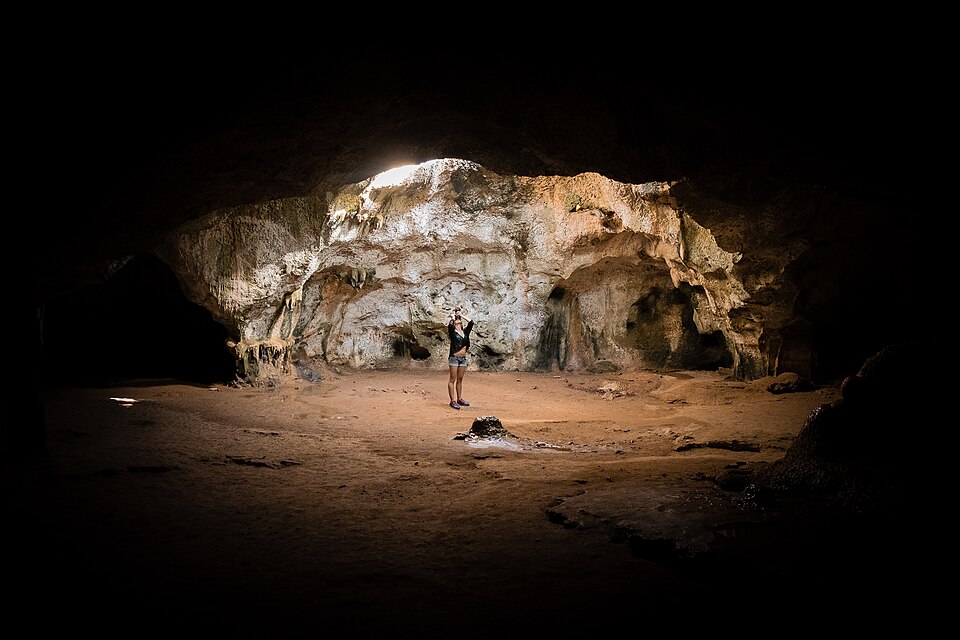
Limestone caves inside Arikok National Park, reached by back roads on jeep tours. Two chambers open to the sky, with stalactites, bats and Amerindian petroglyphs nearby.

Fort Zoutman
Fort Zoutman is a Dutch-era fort in downtown Oranjestad, now home to the Historical Museum of Aruba. It sits in the center of downtown Oranjestad, within walking distance of the main streets.

Oranjestad
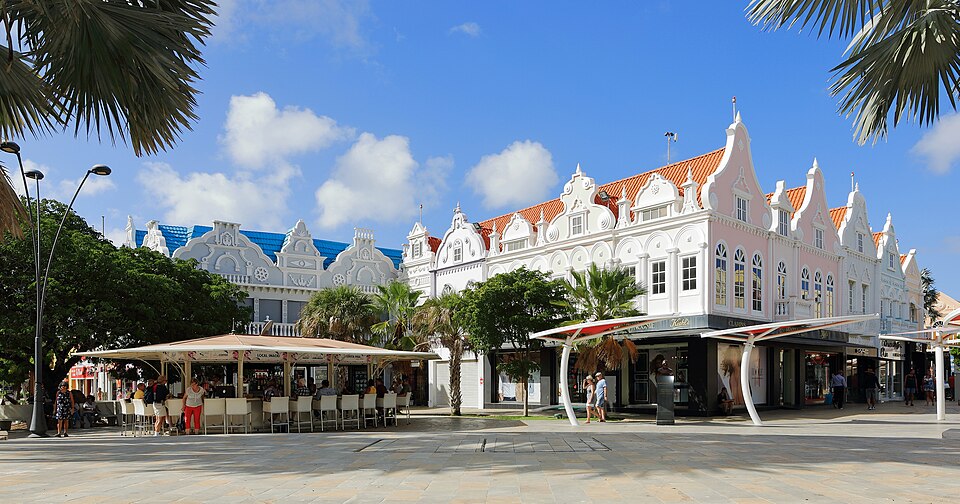
Oranjestad is the capital of Aruba, a compact downtown of shops, pastel buildings and historic landmarks.

Bubali Bird Sanctuary
A wetland sanctuary at the north-western end of Aruba, known for birds that come and go with the seasons. Visitors walk the paths and climb an observation tower to watch herons, egrets and migrating waders.

Casibari and Ayo Rock Formations
Casibari and Ayo are clusters of giant boulders inland in Aruba, near Hooiberg. Visitors climb the rocks and paved paths lead to the tops for views across the island.

Hooiberg
Hooiberg is a conical hill in the center of Aruba, rising 165 meters above the flat land. Visitors climb 561 steps to the top for wide views over the island.

Fontein Cave
Fontein Cave is a shallow limestone cave on Aruba's northwest side, known for reddish-brown rock drawings made by the Caquetio, the Arawak people who lived on the island. A visit is short and mostly about looking up at the ceiling.
Good to know
Beaches

Eagle Beach is one of the island's best-known stretches of sand. Its calm, shallow water suits small children. Take a chair and umbrella, swim, and have lunch at a beach bar.
Snorkeling

Most visitors book a three-to-five-hour catamaran sail that stops at the Antilla wreck and a reef, such as Boca Catalina or Malmok. Boca Catalina and Arashi Beach can also be snorkeled from shore with your own gear. The south and west coasts are calm and protected, which suits swimming and snorkeling. Catamaran trips usually need to be booked in advance.
Highlights and island tours
Air-conditioned bus tours and private car tours take in several highlights in four to five hours, including a beach stop. The longest listed highlights tour runs about 4.5 hours with several stops. A jeep route is another way to see the island. Many tour operators pick up from a hotel or from central Oranjestad.
When to go
Early morning is cool and calm, which suits town and nature visits. Late afternoon works well for beaches and relaxed observation of local life. Aruba is warm all year, with little seasonal change.
Good to know
- Avoid the tram tracks downtown. Accidents happen when tourists expect the tram to stop for them.
- Keep some cash on hand. Local market vendors and wharf fish sellers may not take cards.
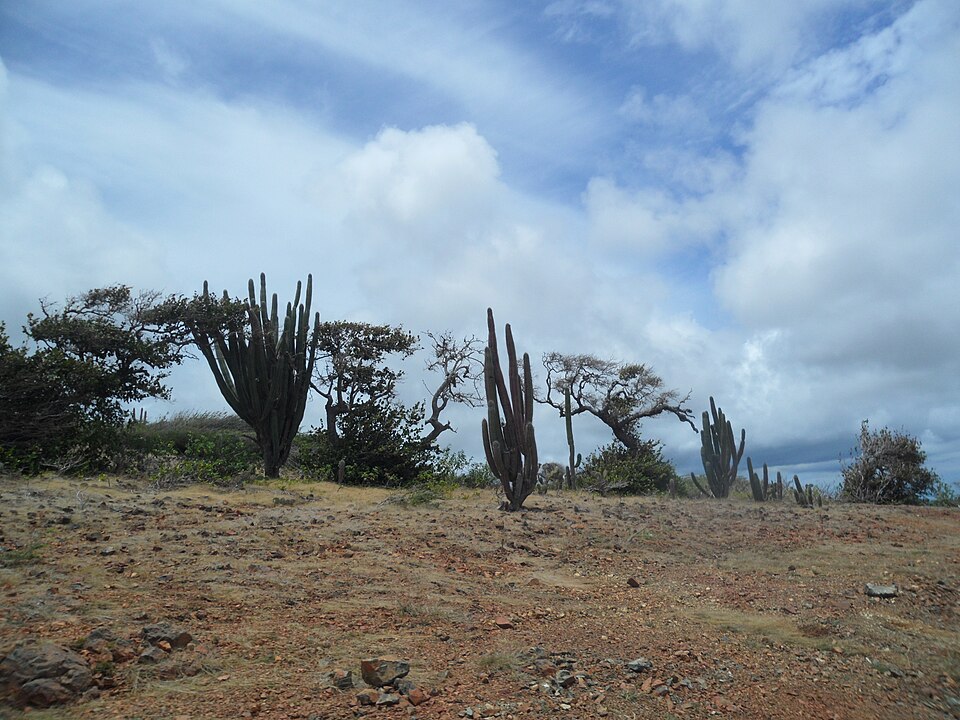
- Bring plenty of water and a hat, since the sun is strong and there is little shade in the desert landscape.
Coming by ship
Ships usually stay about 12 hours in Aruba, and most arrive between 7 and 9 am.
Getting ashore and around
Many stores, restaurants and services are within walking distance in downtown Oranjestad, so you can explore on foot. The tram line along Caya G. F. Betico Croes is a fare-paying option downtown. Taxis wait at hotels.
Baby Beach has a small snack stand and chairs and umbrellas to rent.
Questions people ask
Can I snorkel in Aruba?
Yes. Most visitors book a three-to-five-hour catamaran trip with a snorkel stop at the Antilla wreck and a reef. Boca Catalina and Arashi Beach can also be snorkeled from shore with your own gear.
These places share what it's known for.


