



Athens
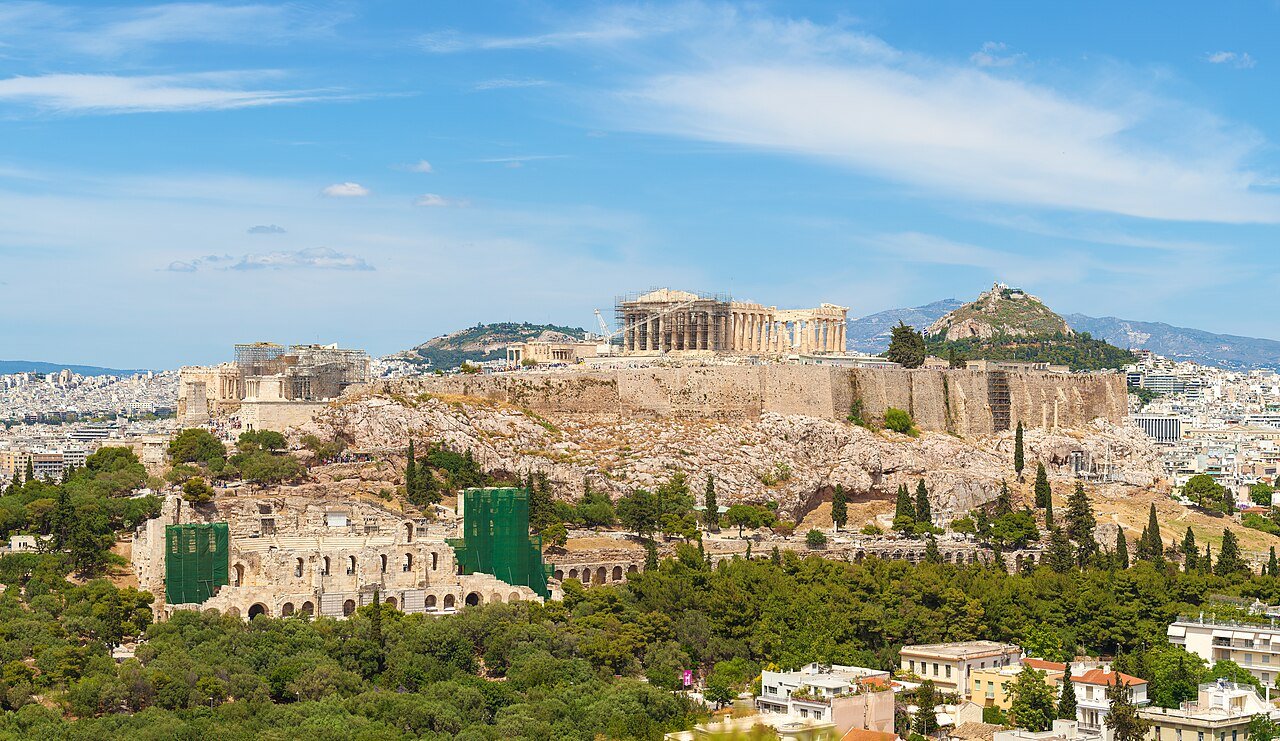
Athens is the capital of Greece, a fast, busy city built around the Acropolis and its ancient monuments. It suits anyone who wants to walk among classical ruins and then wander old neighborhoods full of shops and cafes. Most of the sights sit in the center or at the foot of the Acropolis, and the city has a lot to see.





The most reviewed first. Prices are per person, booked with our partner, Shore Excursions Group.


Hop-on Hop-off Athens Highlights Tour (Athens, Piraeus & Beach Riviera)


Ancient Olympian Workout Experience with Private Transfers


Democratic Origins, Acropolis, and Ancient Agora with Private Transfers

Greek Souvenir and Designer Shopping Experience with Private Transfers

Hidden Treasures Athens Orientation with Private Transfers


Private Views of Athens from Mount Lycabettus by Underground Railway

Small Group Athens Street Food Experience with a Local Guide


Acropolis
The Acropolis is the ancient citadel above central Athens, with the Parthenon at its heart. You climb the rock on foot to reach the ruins and the views over the city.

Plaka
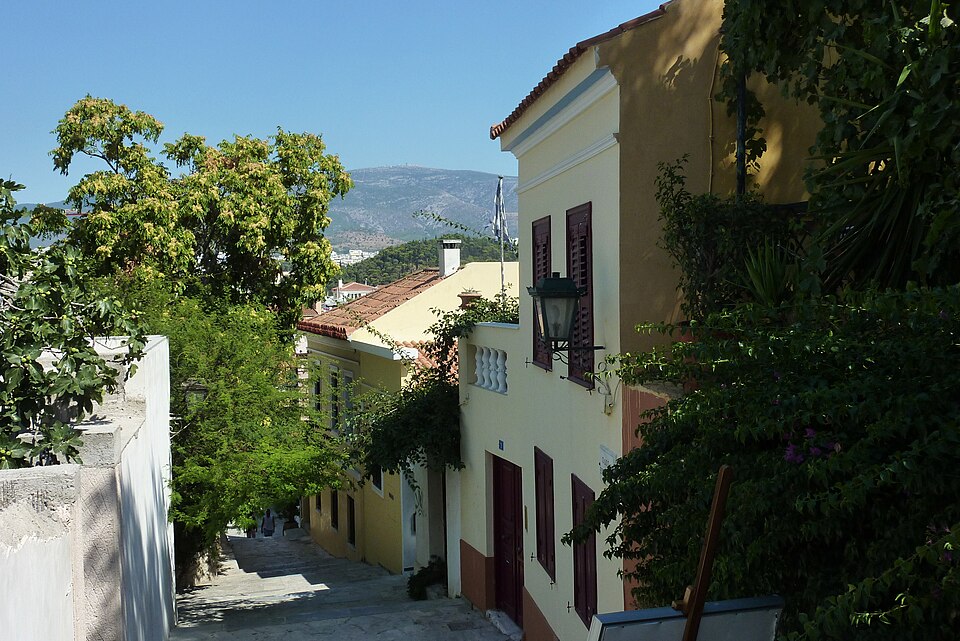
Plaka is the old neighborhood of Athens, climbing the northern and eastern slopes of the Acropolis. Its streets are pedestrian, lined with shops, cafes and restaurants.

Ancient Agora of Athens
The Ancient Agora was the civic heart of classical Athens, a marketplace that also held assembly and residential remains. You walk its open grounds among ruined stoas, temples and foundations.

National Archaeological Museum
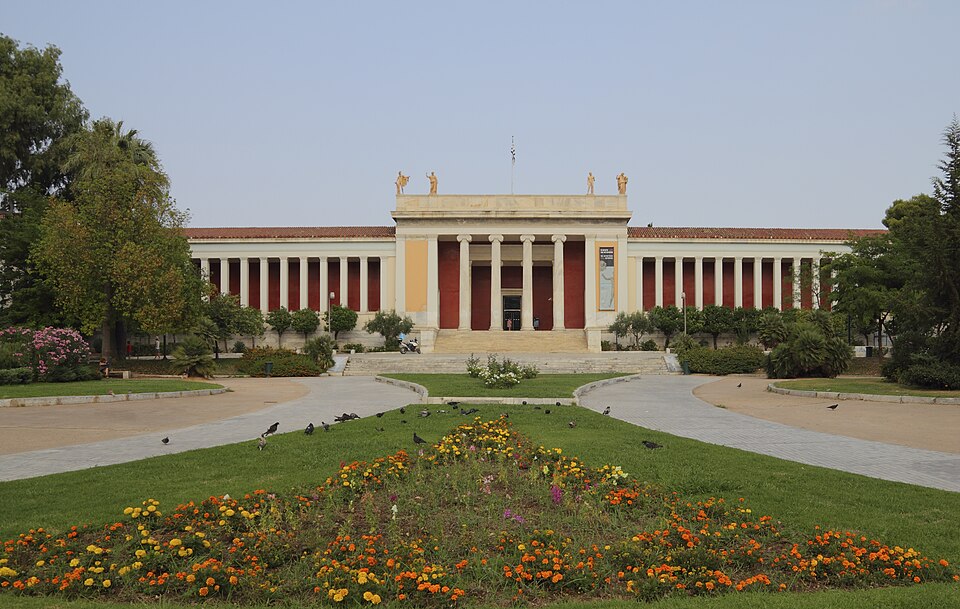
The National Archaeological Museum holds Greek antiquities from prehistory to late antiquity, gathered from sites across the country. It sits in Exarcheia, a short trip from the center of Athens.

Archaeological Museum of Piraeus
Small museum in central Piraeus with Mycenaean to Hellenistic pottery and the bronze statues found near the harbor in 1959. A good indoor stop in central Piraeus.

Ancient Walls of Piraeus
The Ancient Walls of Piraeus are the remains of the defensive circuit built to guard the port town in ancient times. Stone gates and wall stretches still show the line of the fortifications.

Hellenic Maritime Museum
The Hellenic Maritime Museum sits on the waterfront at Akti Moutsopoulou and covers Greek naval history. Ship models, old charts and seascape paintings line its rooms.

Lycabettus Hill
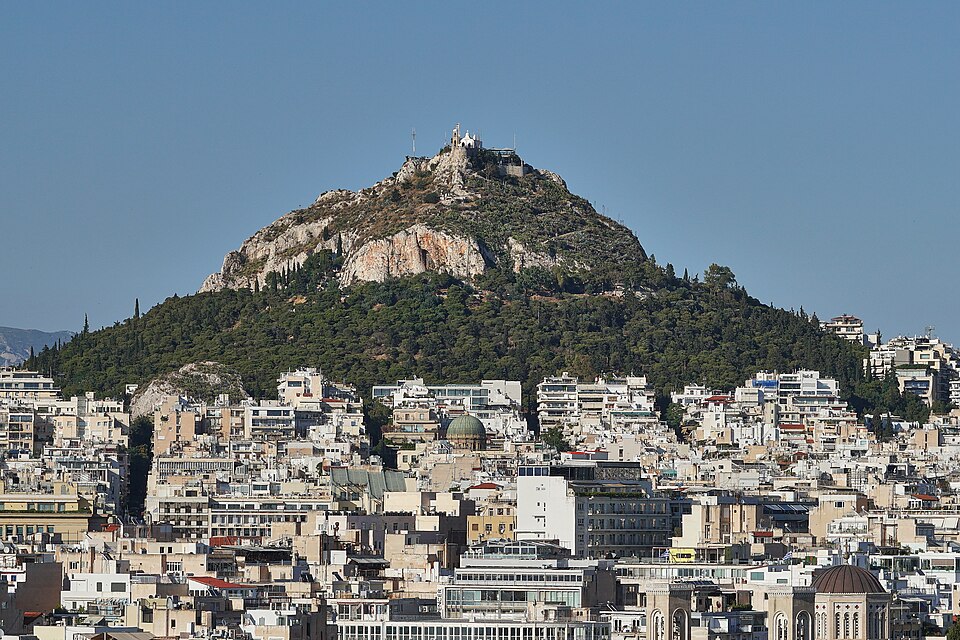
Lycabettus Hill is the highest point in central Athens, a wooded rise that gives the city's best known view. You can climb it on foot or ride part of the way up.

Philopappou Hill
Philopappou Hill is a pine-clad hill in central Athens with shaded paths, a nature walk and a viewpoint at the top over the city. It is one of the few green places in the middle of the city to walk in.

Kastella
Kastella is a hilltop neighborhood in Piraeus, built on Profitis Ilias hill, with steep alleys that climb above the harbor. The top rewards the walk with a wide view.

Vouliagmeni Lake
Vouliagmeni Lake is a flooded limestone cave on the Athens Riviera, filled with mineral water. People come for a short therapeutic dip in water that stays around 22 to 24C.

Votsalakia public beach
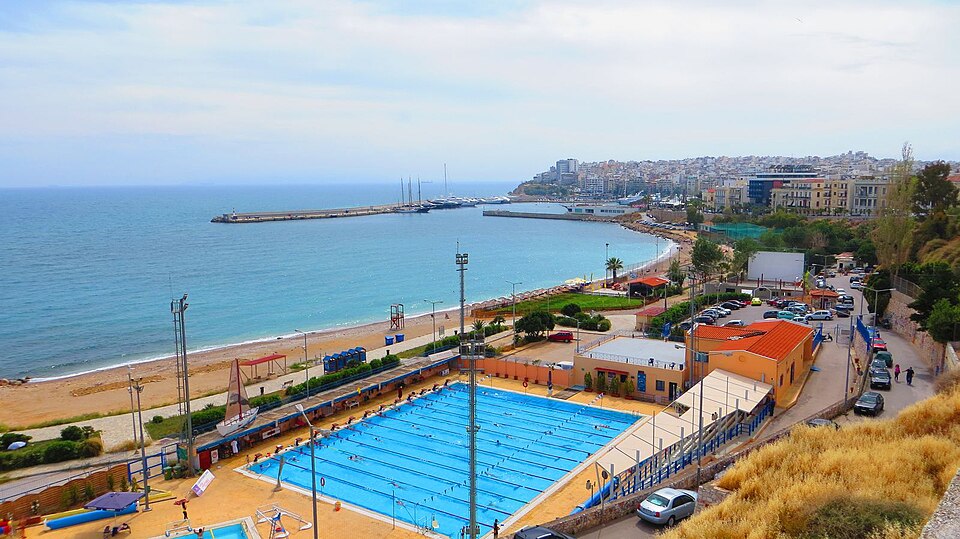
Votsalakia is the organized public beach of Piraeus, a calm swim on the Saronic Gulf side of the city. It lies on the seaside road between Passalimani and Mikrolimano.

Athens Riviera beaches
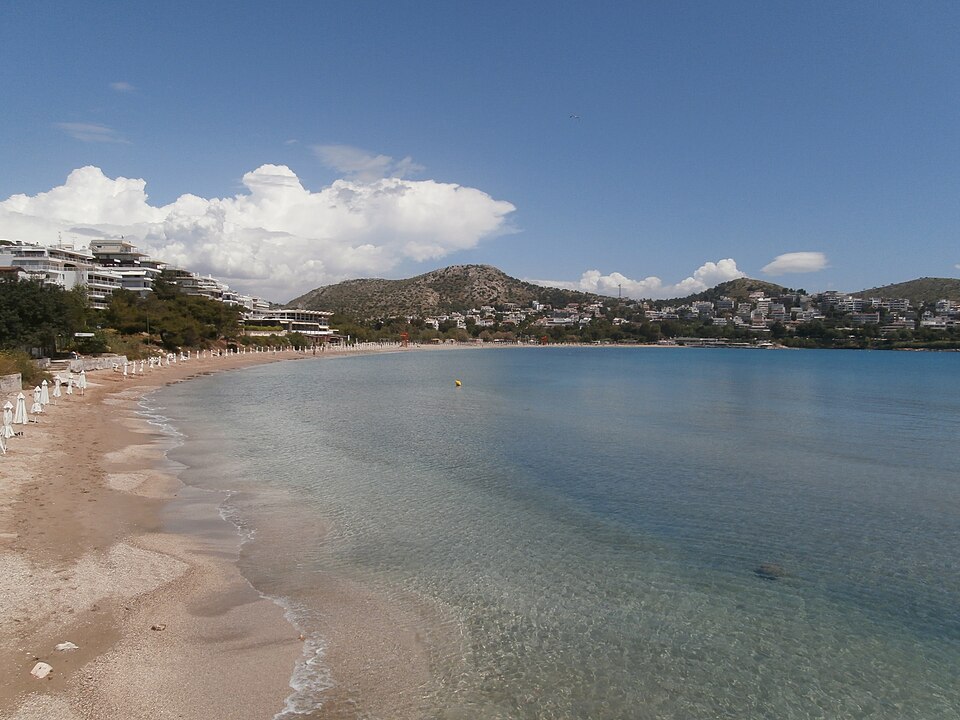
A string of beaches along the Athens Riviera, near Flisvos on the coast south of Piraeus. Some are undeveloped, others have umbrellas, bars and restaurants.

Mikrolimano
Mikrolimano is a small harbor in Piraeus, full of fishing boats, small craft and luxury yachts. Its waterfront tavernas are the reason most people come, for fish and seafood at lunch.

Zea Marina
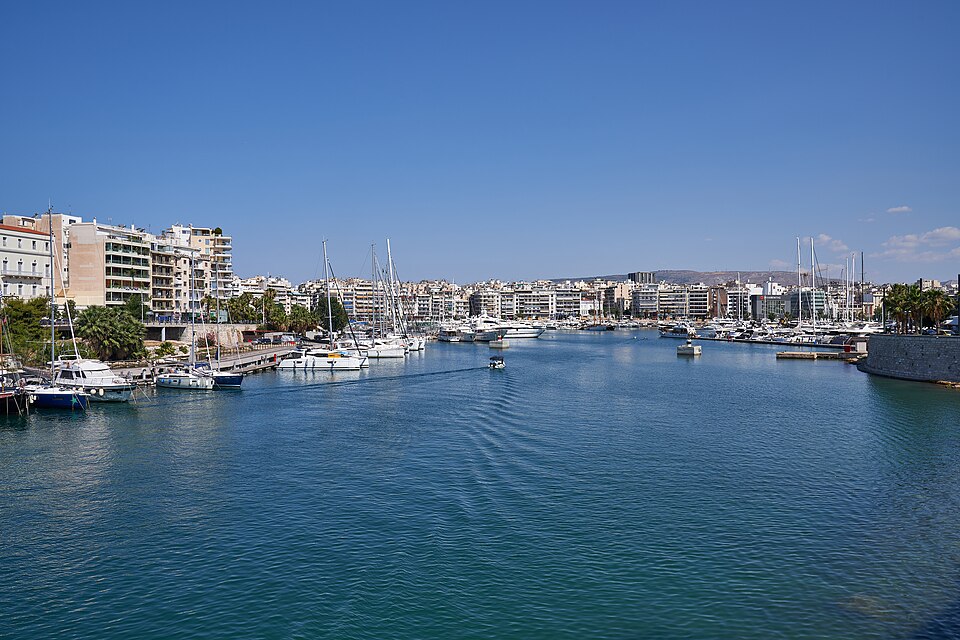
Zea Marina is the Pasalimani harbor at Piraeus, lined with seafront restaurants, tavernas, bars and shops. Large yachts anchor here, and it is the base for hovercraft services to the Argosaronikos Gulf islands.

Monastiraki
Monastiraki is a bohemian district between Plaka and Thissio, full of small shops selling antiques, cookware, souvenirs, arts and crafts, and funky clothing. It is the commercial and craft heart of old Athens.
Good to know
Museums
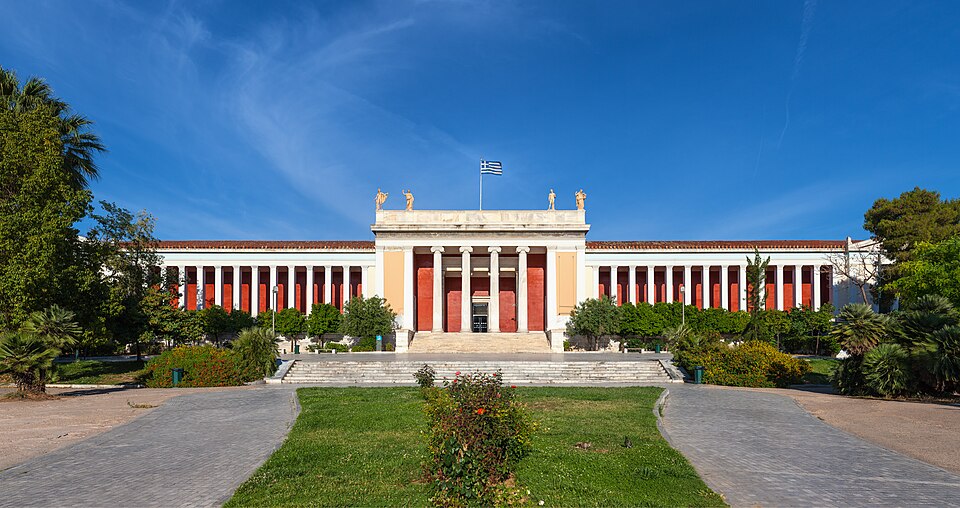
Athens has some of the strongest museums in Greece. The National Archaeological Museum is considered one of the greatest museums in the world, with the richest collection of Greek antiquities. The Acropolis Museum sits about 300 meters from the Acropolis and has a café. The small Archaeological Museum of Piraeus, on Ch. Trikoupi Street, holds bronze statues of Apollo and Athena. Half a day at the Acropolis Museum, then the National Archaeological Museum, is a common plan.
Ancient sites
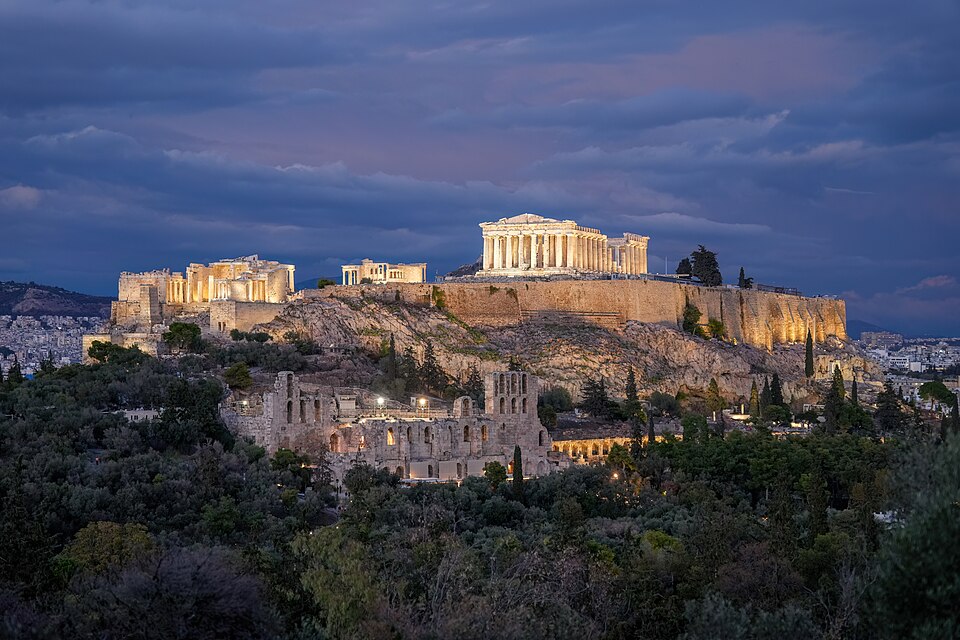
The Acropolis is the reason most visitors come. The Parthenon, the best known of its buildings, has sculptures counted among the high points of classical Greek art. The hill was inhabited as early as the 4th millennium BC. Expect heavy crowds on most days, and a climb up the rock. The Ancient Agora lies near the Acropolis and can be reached on foot. Guided visits to the Acropolis often run from 3.5 to 7.5 hours.
Old town and historic sights
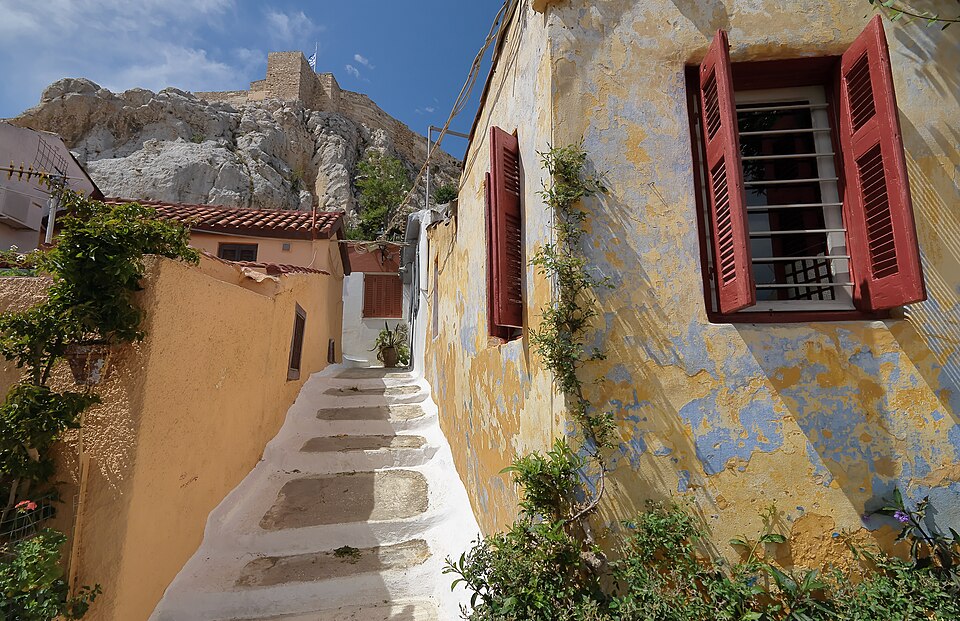
Plaka is a restored old neighborhood at the foot of the Acropolis, with 19th-century neoclassical homes, pedestrian lanes and Roman-era ruins. It is nicknamed the Neighborhood of the Gods. Anafiotika, inside Plaka, has quieter lanes and green spaces. Plaka is very popular, so expect crowds in the main streets. Thissio, on the west side of the Acropolis, is similar and has many cafes.
When to go
Spring and late autumn are the best times to visit Athens. Summer can be extremely hot and dry during heatwaves, though this rarely happens. Winter is low season with fewer tourists.
Good to know
- Wear comfortable shoes. The Acropolis involves a climb over uneven rock, and Plaka's lanes are steep in places.
- Peak traffic hours can be smoggy on main roads, so the hills and shaded paths offer cleaner air and better views.
- Plan the Acropolis early in the day, when the crowds are lighter.
Coming by ship
Ships usually stay about 12 hours in Athens.
Getting ashore and around
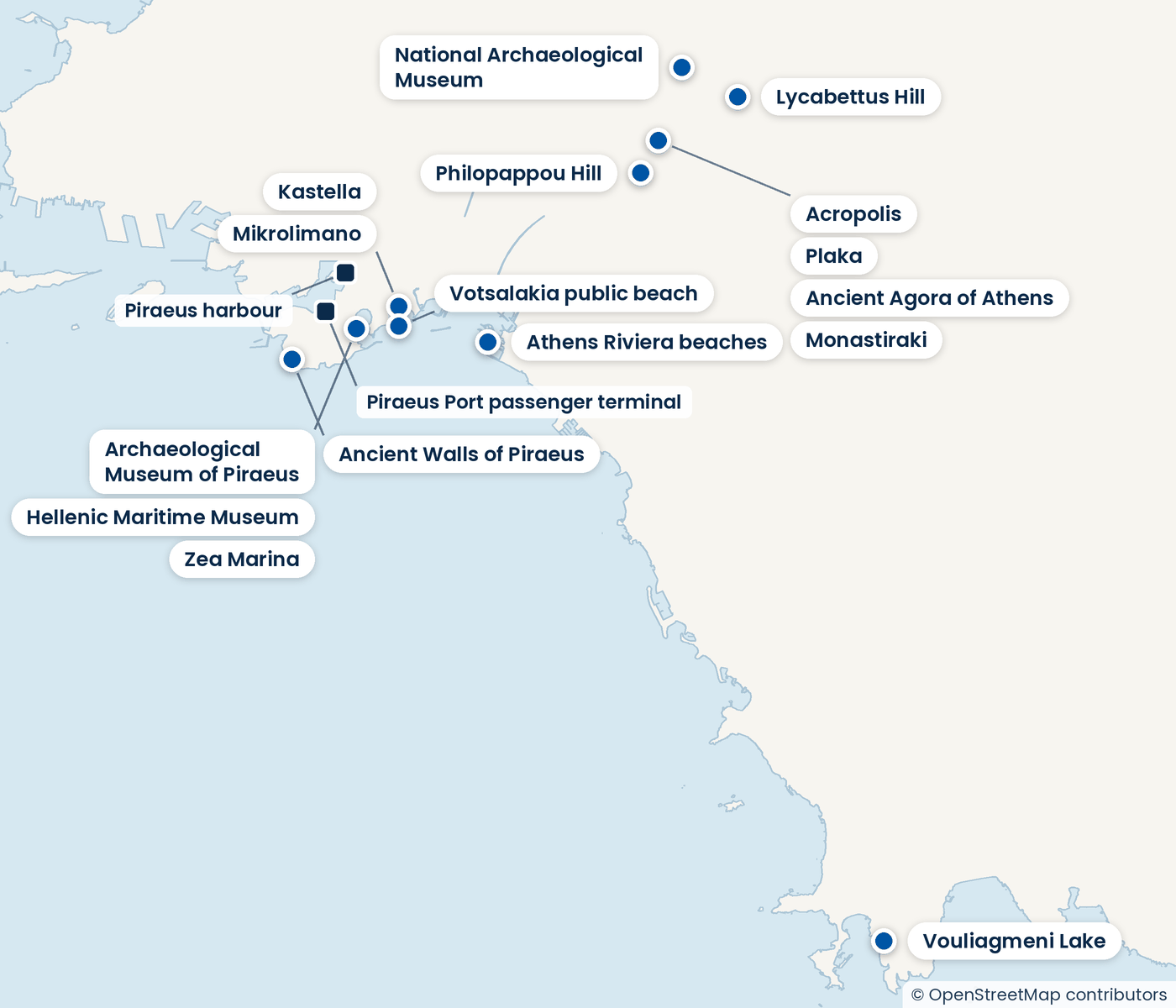
Metro Line 1 and Line 3 meet at Piraeus station and reach Monastiraki, which is a short walk from Plaka and the Acropolis. Taxis and buses cover the rest of the city. Most sights in the center are walkable once you arrive. Piraeus itself is compact around the marinas and harbor, and the Archaeological Museum of Piraeus is within walking distance of the port.
Questions people ask
How far is the Acropolis from Piraeus?
The Acropolis is about 12 km from Piraeus. Most visitors reach it by metro, which connects at Monastiraki, or by taxi. A round trip from Piraeus takes about half a day.
These places share what it's known for.


