



Bonaire
Bonaire is a flat, quiet coral island in the Dutch Caribbean, known above all for diving and snorkeling along its west coast. Anyone who wants to get in the water will find shore entries, reefs and boat trips here. Visitors who want a bit more land time head north to Washington Slagbaai National Park.


The most reviewed first. Prices are per person, booked with our partner, Shore Excursions Group.

Cultural Museum, Island Sightseeing with Optional Beach Drop Off


Full Island Sightseeing Tour and Beach Break


Small Group Bonaire Cultural and Indian Inscriptions Experience
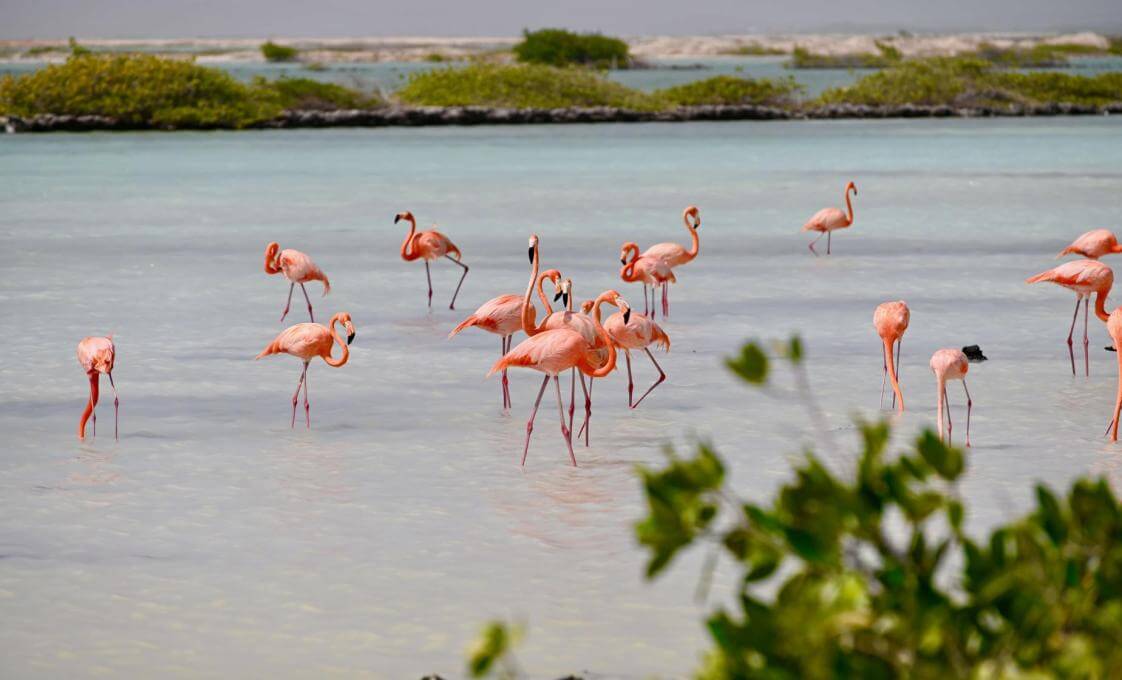
Small Group Mangrove Wildlife Experience with Flamingo Viewing

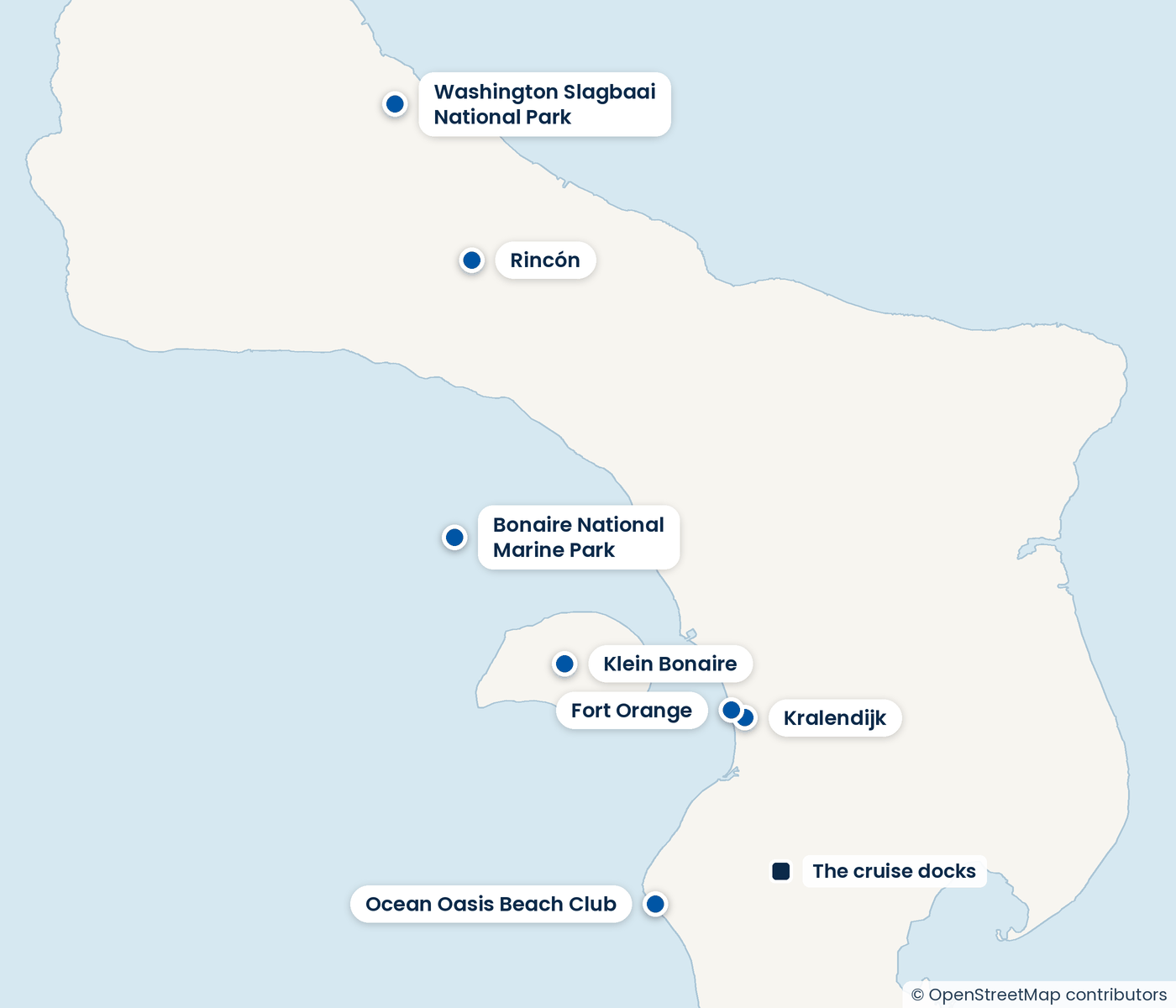

Bonaire National Marine Park
Bonaire National Marine Park is the protected sea around the island and Klein Bonaire, home to reefs, shallow lagoons and 86 public dive sites. Most of the diving and snorkeling happens here.

Bonaire western reef
A protected reef along Bonaire's western shore, where divers wade in from the beach in front of their hotel. Divers can walk in from the sand in front of their hotel and start the dive there.

Klein Bonaire
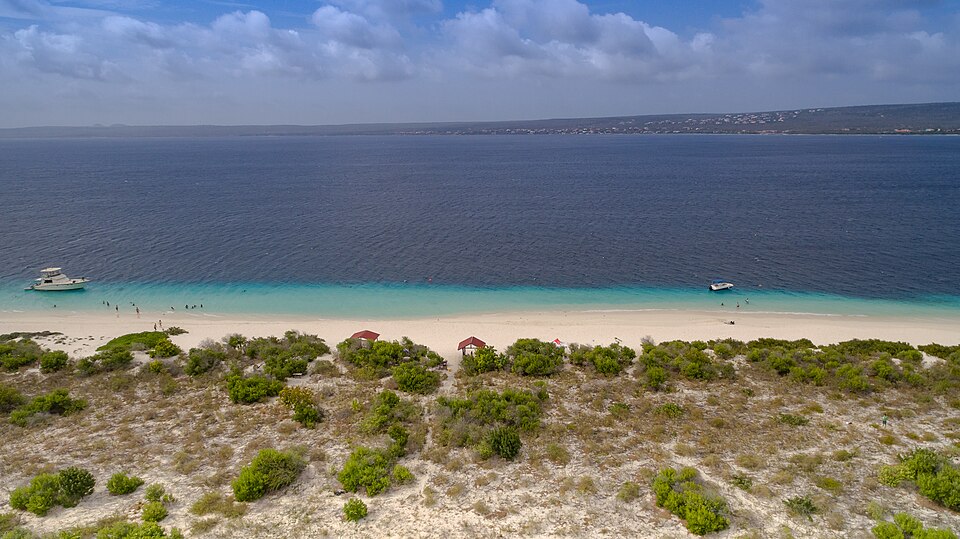
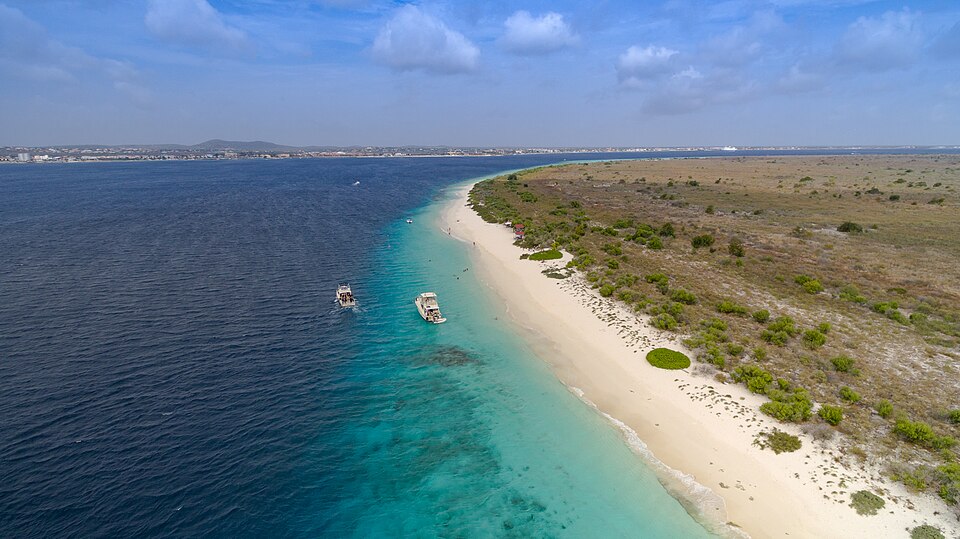
Klein Bonaire is a small uninhabited islet about 800 meters off Bonaire's west coast. It is a marine preserve, and people come for the snorkeling, the turtles and the beach.

Bonaire shore snorkel sites
Bonaire's shore snorkel sites are reef spots you enter straight from the land, with no boat needed. Over thirty are open year-round, and many are led by experienced guides.

Washington Slagbaai National Park
Washington Slagbaai National Park is a wild reserve covering most of Bonaire's north. Visitors drive rough dirt roads past salt pans, blowholes and bird spots, with flamingos and the endemic Lora parrot among the wildlife.

Rincón
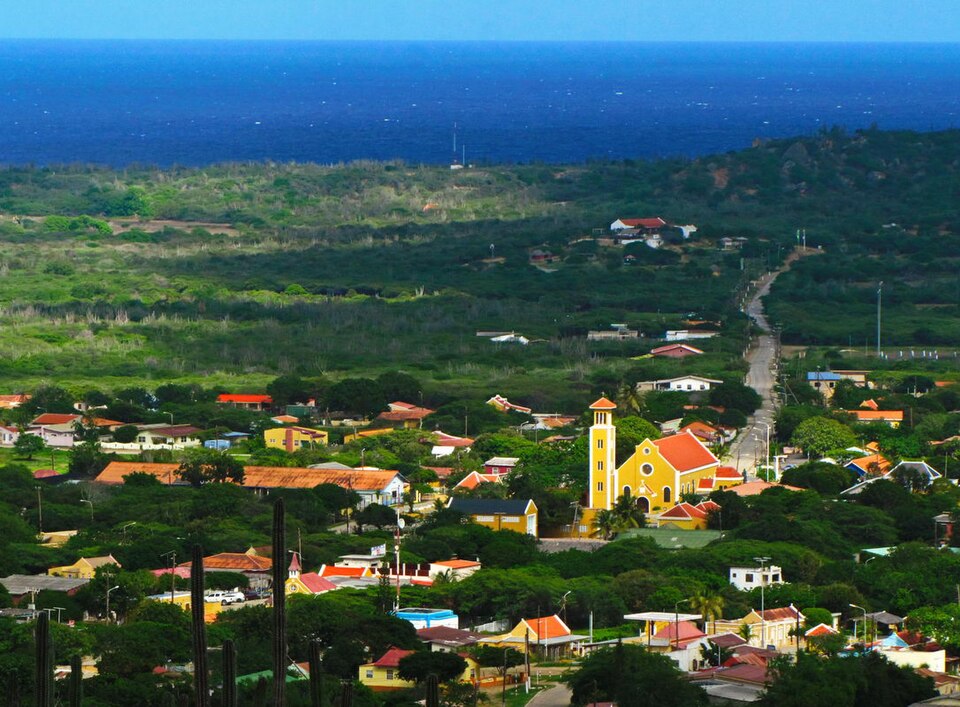
Rincón is the oldest village on Bonaire, where the island's history begins. Visitors walk its streets, see the old houses, and stop at the distillery.

Kralendijk
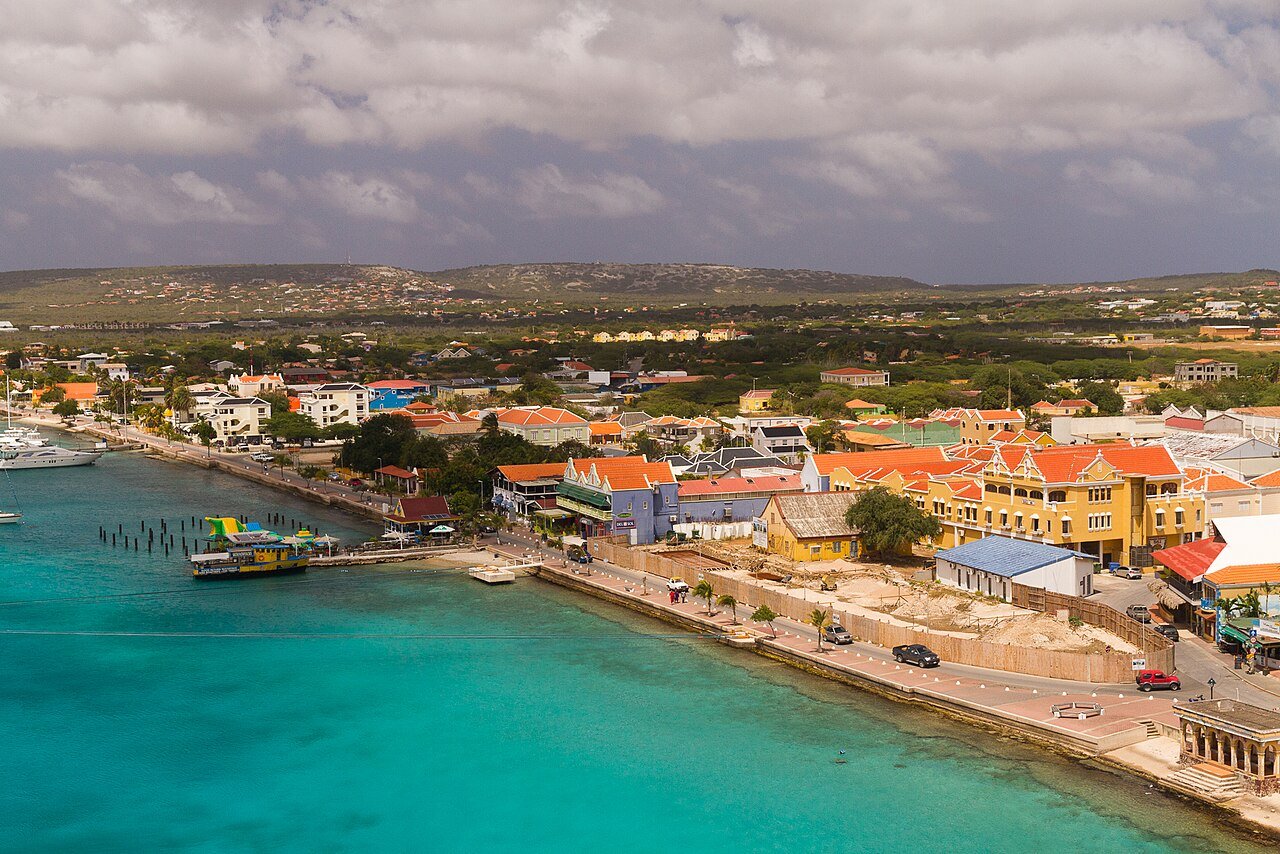
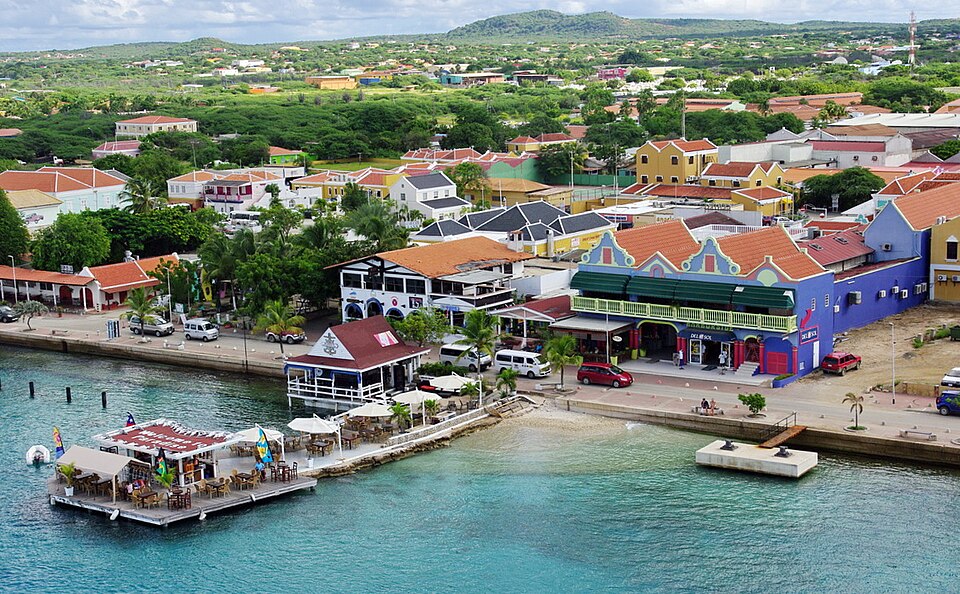
Kralendijk is the capital and main port of Bonaire, a small town on the west coast with shops, restaurants and the island's sightseeing tours starting from its streets.
Landhuis Bolivia
Landhuis Bolivia is a ruined 18th and 19th century plantation complex on Bonaire's east coast. You walk among the old walls and see how plantation life was laid out.

Fort Orange
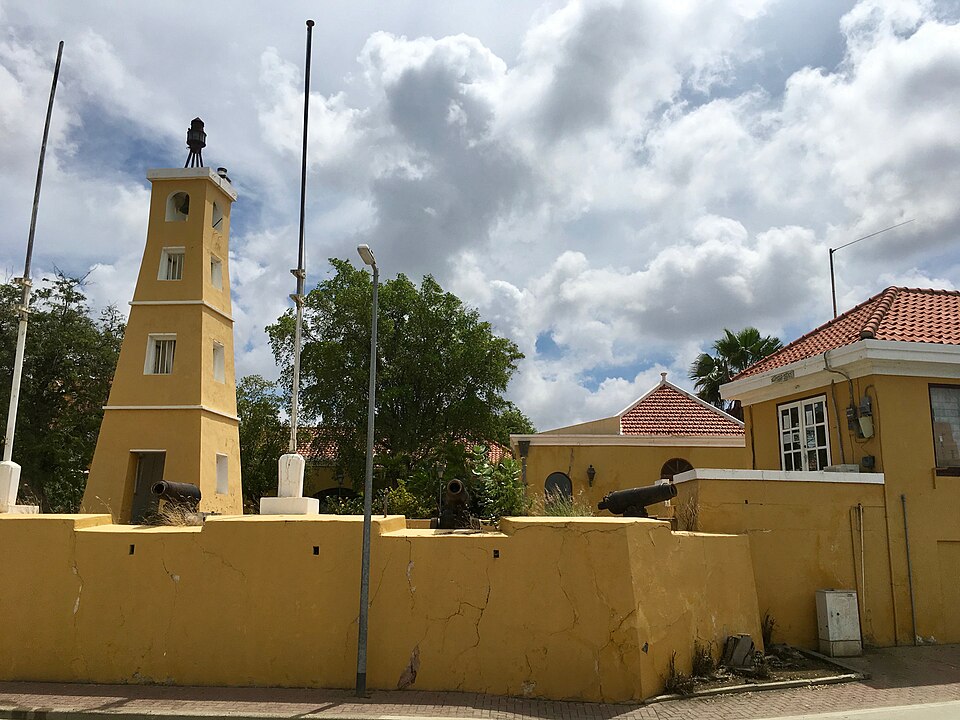
Fort Orange is a historic fort on Bonaire, built in 1639. It is one of the old landmarks of the island and a place to see Dutch colonial stonework.

Horse Ranch Bonaire
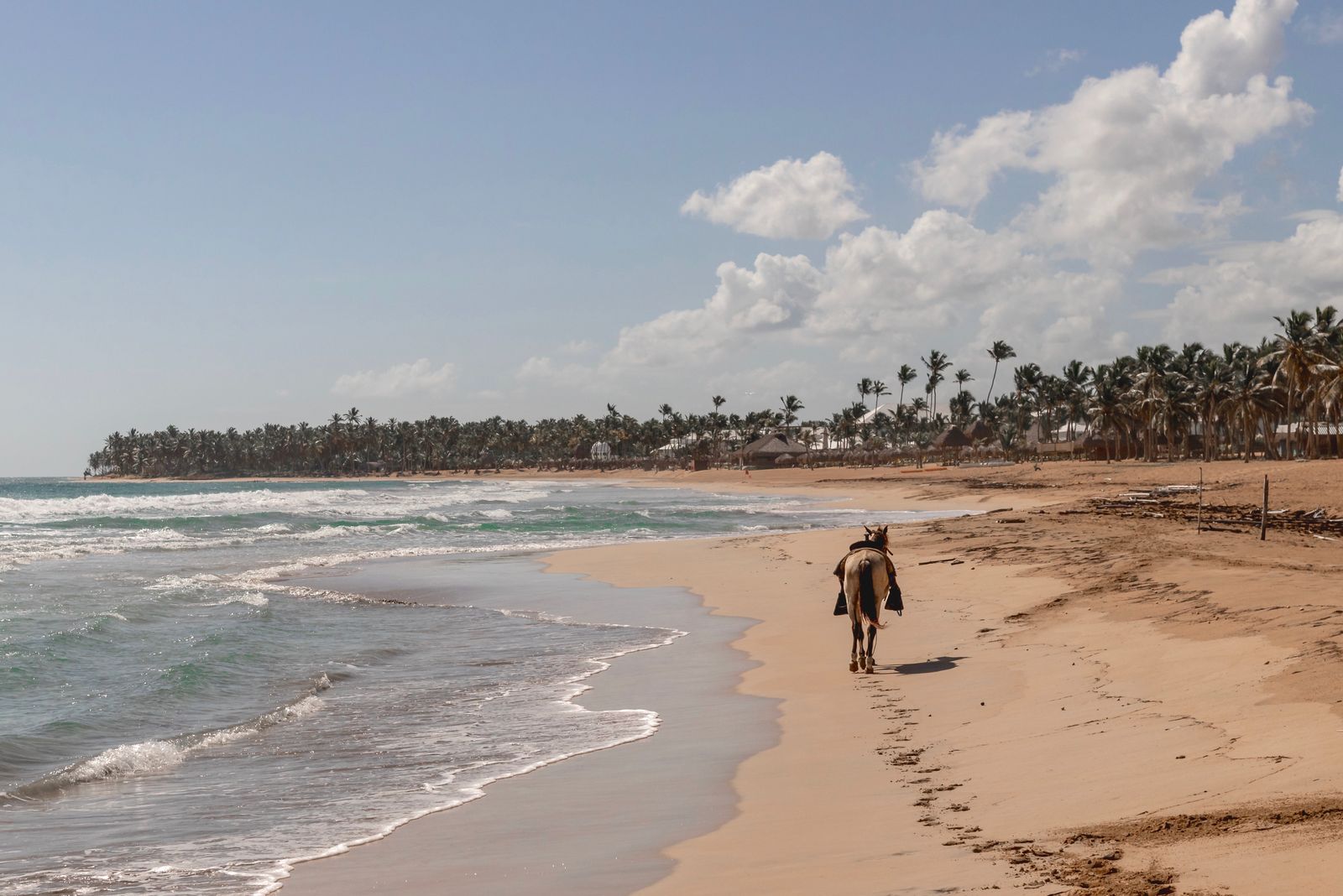
Horse Ranch Bonaire is a horse ranch on Bonaire where visitors ride out on trails, sometimes along the beach. It also has a petting zoo with rescued animals.
Ocean Oasis Beach Club
Ocean Oasis is a beachfront club on Bonaire where you can spend a day on the sand from a day bed or cabana, with restaurant dining close by.
Good to know
Scuba diving
Bonaire is named among the top shore-diving locations in the world. The protected reef runs along the western coast, and many dive sites are entered straight from the beach, marked by painted yellow rocks or moorings. The reef is fairly shallow, with depths from about 10 to 40 meters. The eastern coast is exposed to the Atlantic, so there diving is guided and only on the calmest days.
Snorkeling
The west-coast reef holds more than 30 shore snorkel sites that you can reach on foot from the shore. Guided shore snorkel tours run about 2.5 to 3 hours. Klein Bonaire, a small uninhabited island about 800 meters offshore, is another favorite. Remote park beaches also offer snorkeling, but go with a companion and do not swim alone there.
When to go
Bonaire has little seasonal change, with steady trade winds and water near 26°C (80°F). Rain is most common from late October to January, usually in the early morning or late night.
Good to know
- Pay the marine park fee before you enter the water. Snorkelers and divers need it, and you can pay at any dive shop or online.
- Bring cash in U.S. dollars and agree on taxi fares first, since rates are negotiated.
- Do not leave valuables in a rental car at a dive site, because break-ins are common there.
- Bring a bag for keys and cash when you go to the water, and wear booties for rough shore entries.
Coming by ship
Ships usually stay about 12 hours in Bonaire, and most arrive between 8 and 10 am.
Getting ashore and around
Kralendijk is the island's capital and main port. The best snorkeling and shore diving begin right along the west coast. Klein Bonaire is reached by water taxi from Bonaire, and the crossing takes about 800 meters at its shortest point. Many dive shops and tour companies run boats to the island as well.
Getting around the island is simple. Taxis have no set rates, so agree on the price before you ride. Cars, scooters and bicycles are available for rent, and the island has no stoplights. The park roads at Washington Slagbaai need an off-road vehicle or mountain bike.
Questions people ask
Can you snorkel at Bonaire from the shore?
Yes. The west-coast reef has more than 30 shore snorkel sites, reached on foot from the beach. Wear booties for rough entries, and carry the marine park tag you must buy before entering the water.
How far is Klein Bonaire from Bonaire?
Klein Bonaire lies about 800 meters off the shore of Bonaire at the nearest point. It is reached by water taxi or by boat from a dive operator. It has no running water or sanitation facilities.
Do I need a special vehicle to see Washington Slagbaai?
Yes. The park has about 34 km of rough dirt road, so an off-road vehicle or mountain bike is needed. The park also charges a nature fee and requires photo ID, and it is closed on national holidays and after heavy rain.
These places share what it's known for.


