



Thessaloniki
Thessaloniki is Greece's second largest city, with Byzantine churches, Roman ruins and an Ottoman-era hillside quarter all within walking distance of the waterfront. The city suits people who want history on foot. The center is compact, the churches and markets are a short walk from the waterfront, and the ancient sites beyond the city need a coach or minibus.


The most reviewed first. Prices are per person, booked with our partner, Shore Excursions Group.

Ancient Pella Archaeological Site and Guided Museum Visit with Free Time

Dion Ruins and Wine Tasting in the Mount Olympus Region by Minibus


Private Ancient Thessaloniki Acropolis, Museums and Landmarks Drive and Walk

Private Edessa Waterfalls and Pella Thermal Springs by Minibus

Private Vergina Royal Tombs and Artifacts Walking Exploration
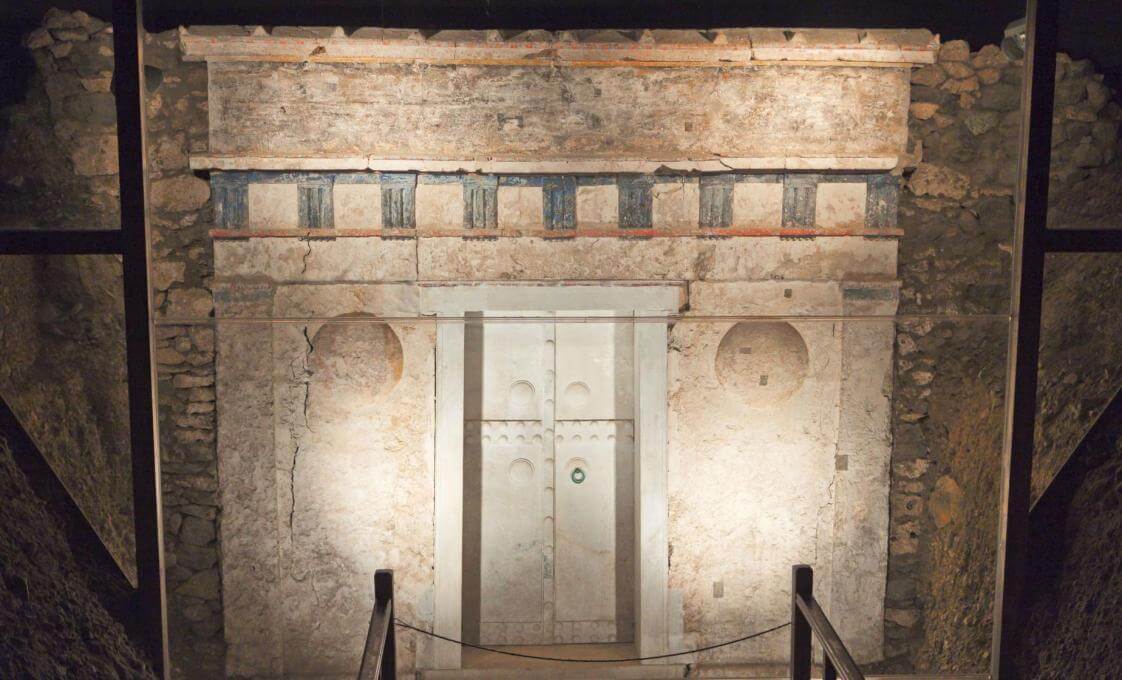
Vergina Royal Tombs and Aigai Archaeological Highlights from Thessaloniki

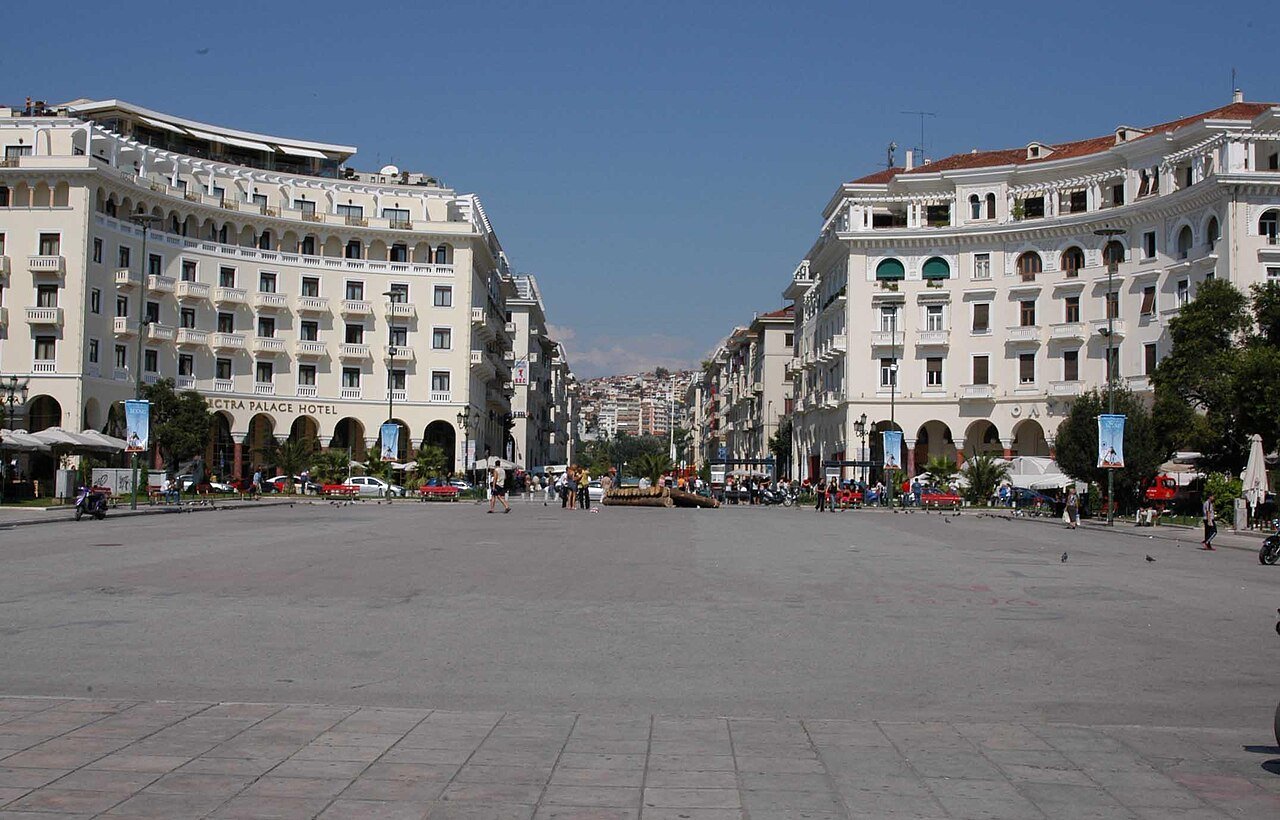
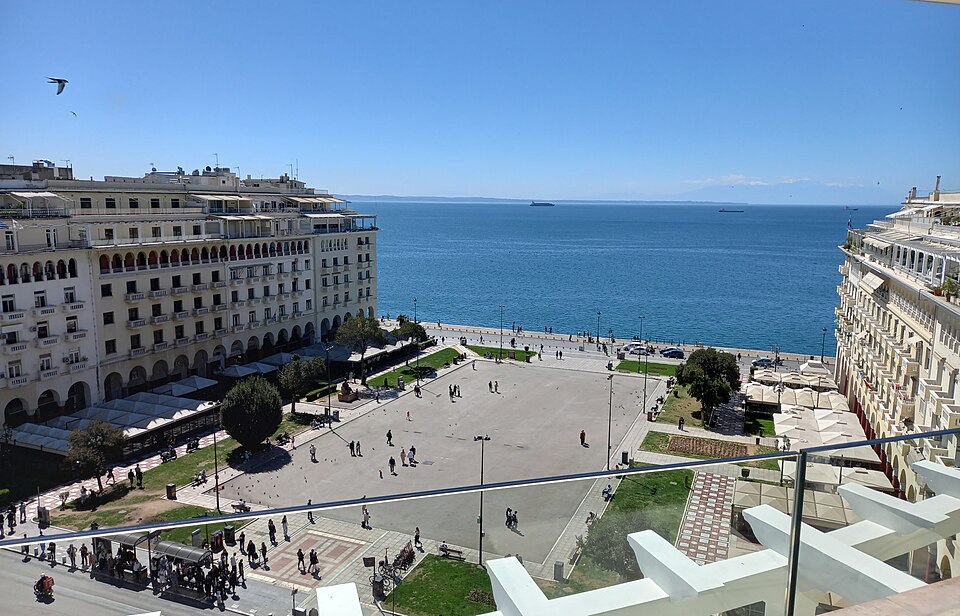
Aristotelous Square
Aristotelous Square is the open heart of Thessaloniki, a broad square where the city gathers for festivals and seasonal celebrations. It is the starting point for much of the old center.

Byzantine Walls of Thessaloniki
The Byzantine Walls run uphill from the center of Thessaloniki, with the Acropolis and the Heptapyrgion along the way. You walk the old fortifications on foot.

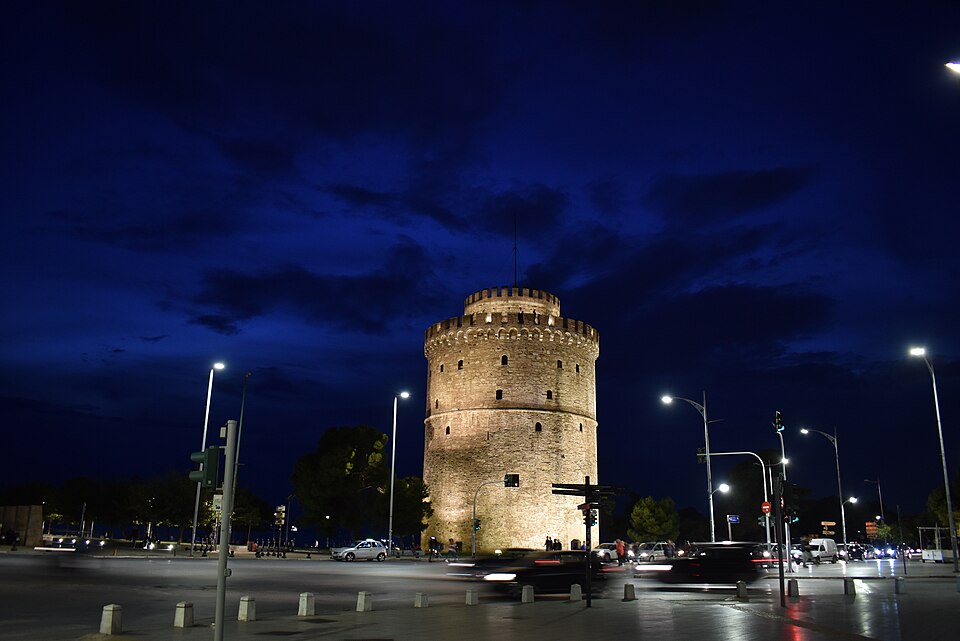
White Tower
The White Tower is the 15th-century landmark on the waterfront that stands for Thessaloniki itself. Inside, a permanent exhibition traces the city's history from its founding onward.

Ano Poli
Ano Poli, the Upper City, is a medieval hillside quarter of narrow stone-paved streets climbing toward Mount Chortiatis. It is a place to wander on foot, with the old city feel most of the way up.

Byzantine churches of Thessaloniki
A cluster of UNESCO-listed Byzantine churches in the city center, including Agia Sophia, Agios Dimitrios and the Rotunda. Most are free to enter.

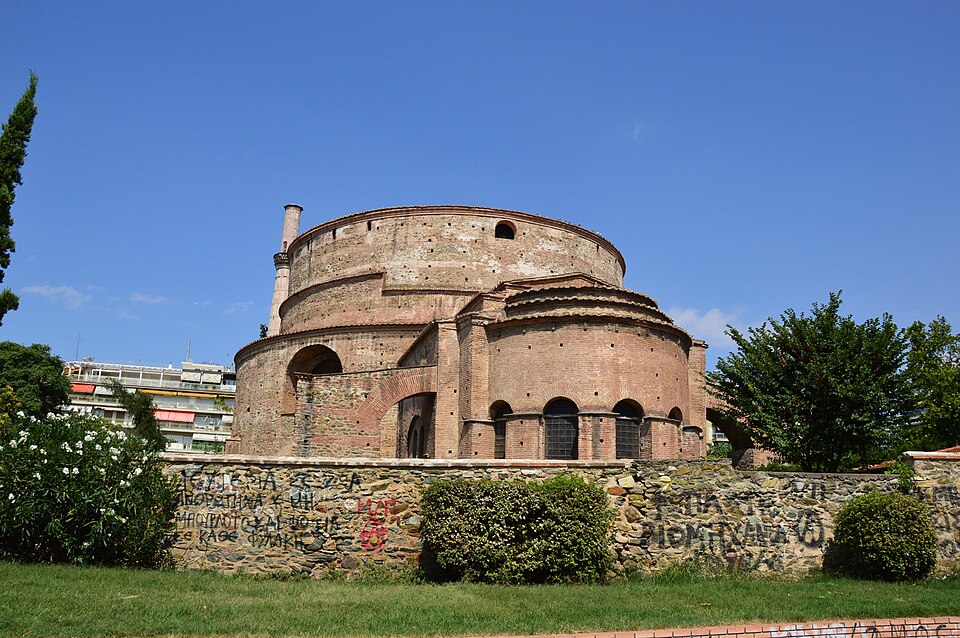
Rotunda
The Rotunda stands on St. George Square in central Thessaloniki. It began as a Roman temple and later became a Christian church, so one building holds both periods.

Galerian Complex and Arch of Galerius
Open-air Roman ruins and a triumphal arch in the middle of modern Thessaloniki. You walk among the remains and stop at the arch on Egnatia Street.

Roman Forum of Thessaloniki
The Roman Forum of Thessaloniki is the city's ancient Roman-era forum, a two-terraced complex with excavated stoas and a museum underneath. Visitors walk through the ruins and the nearby baths and theater.

Archaeological Museum of Thessaloniki
The Archaeological Museum of Thessaloniki is the city's main collection of Macedonian history, from prehistory through late antiquity. It is one of the top attractions listed for Thessaloniki.

Museum of Byzantine Culture
The Museum of Byzantine Culture sits on the seafront near City Hall, beside the White Tower in Thessaloniki. It holds early Christian, Byzantine and post-Byzantine works, mainly from Macedonia.

Museum of the Ancient Agora of Thessaloniki
The Museum of the Ancient Agora of Thessaloniki is a separate museum site in the city, listed by the directorate. It is a museum of its own, apart from the excavated forum nearby.

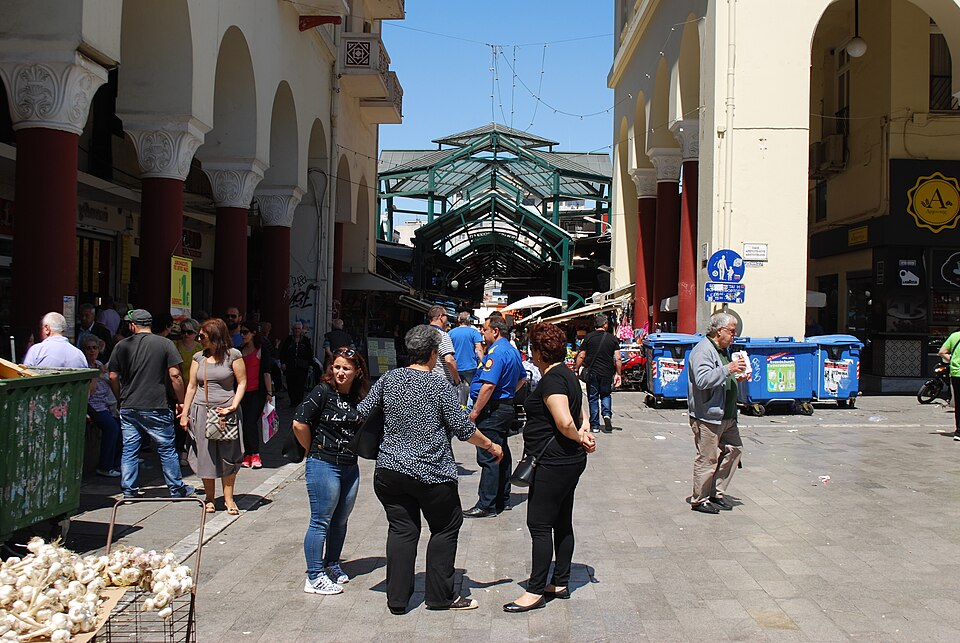
Kapani and Modiano Markets
Kapani and Modiano are two covered food markets in the historic center of Thessaloniki. Visitors come for Greek coffee, local bites and the craftsmen working around the stalls.

Pier 1
Pier 1 is a converted pier beside the port where three cultural venues sit side by side. Visitors come for the photography, cinema and experimental art spaces.

Potamos Beach
Potamos Beach is a golden sand beach just outside Thessaloniki, with clear water and views of Mount Olympus. Most visitors reach it on a bus excursion rather than on their own.
Good to know
Old town and historic sights

Thessaloniki's Byzantine churches are listed by UNESCO, and many sit in the walkable center. Agioi Apostoloi, Panagia Acheiropoietos and Agia Aikaterini are among them. Entry to the churches is free, except for the Rotunda, which charges a fee. The Byzantine Walls and the Upper City, Ano Poli, make a good addition on foot.
Ancient sites

The Roman Forum sits at the upper end of Aristotelous Square, reached by the promenade. The Galerian Complex and Arch of Galerius are in the city center, though most of the Galerian remains lie under the historic center and are not visible.
When to go
The season for most city sights and the out-of-town tours runs from October to August. Potamos Beach is a May to August option.
Good to know
- Wear comfortable shoes. The Upper City has steep, narrow stone streets, and the markets are walked on foot.
- Entry to the Byzantine churches is free, except the Rotunda, which charges a fee.
- Tourist Information is at Tsimiski 136 by Aristotelous Square. It is closed on Sundays, and its hours change between winter and summer.
- Taxis are hard to find at peak times, so plan early if you need one.
Coming by ship
Ships usually stay about 14 hours in Thessaloniki, and most arrive between 7 and 9 am.
Getting ashore and around
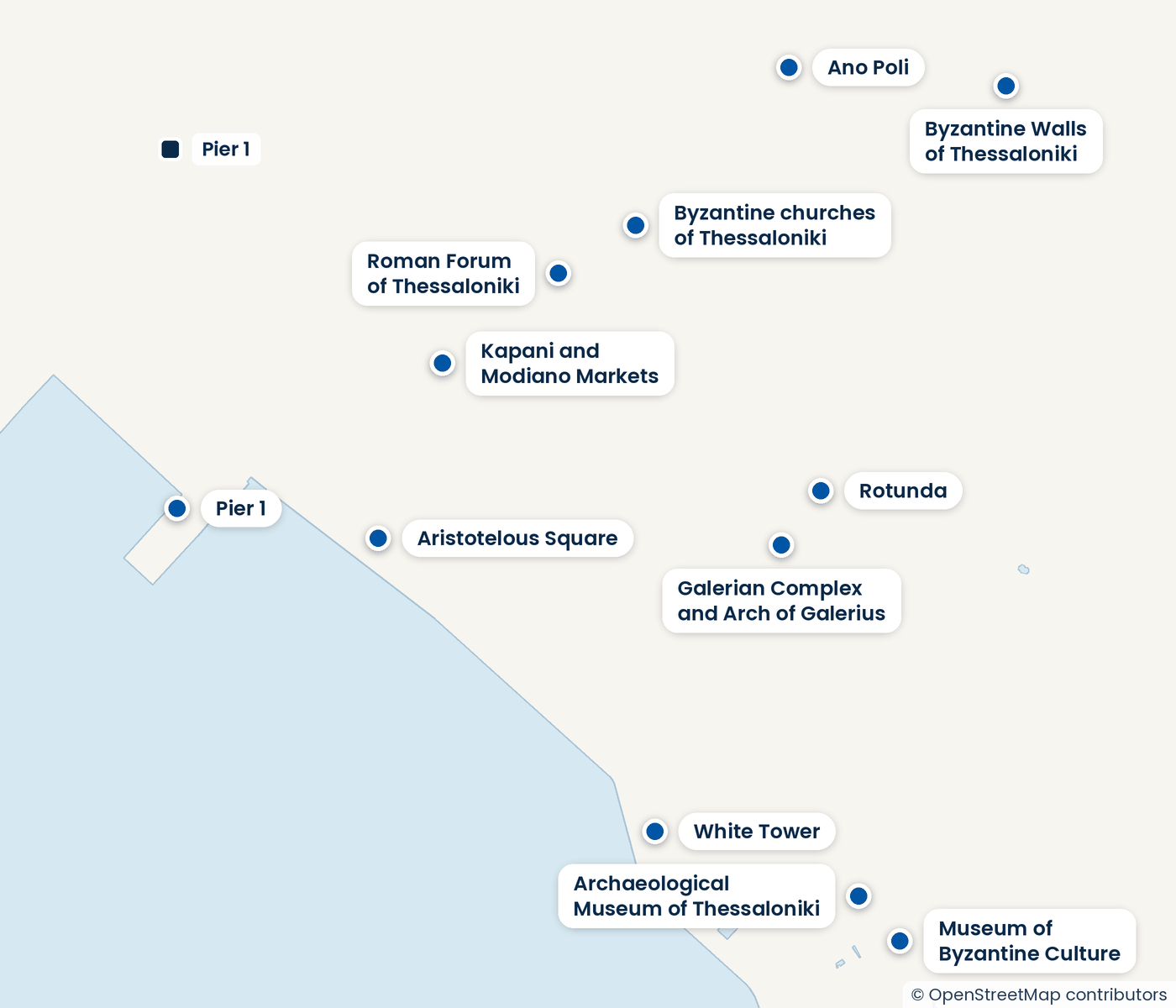
Within the center, most sights are on foot. Aristotelous Square is the main meeting point, and the promenade climbs uphill toward the Roman Forum. Downhill streets lead back to the waterfront. Bus 50 runs every hour on the hour from the White Tower, and the city has a single metro line running from the New Railway Station.
Questions people ask
Can you walk to the sights in Thessaloniki?
Yes. The city center is compact and walkable. The Byzantine churches, Aristotelous Square, the Roman Forum and the Galerian Complex are all reached on foot from the center.
How do you get to Vergina from Thessaloniki?
Vergina and Pella are not within walking distance. Visitors usually take a coach or minibus tour, which runs about 4.5 to 5.5 hours. Check the return time before you go.
Is the Upper City in Thessaloniki easy to walk?
Ano Poli has small stone-paved streets that climb the hillside. The walk is steep in places, so wear comfortable shoes and allow extra time.
These places share what it's known for.


