



Ketchikan
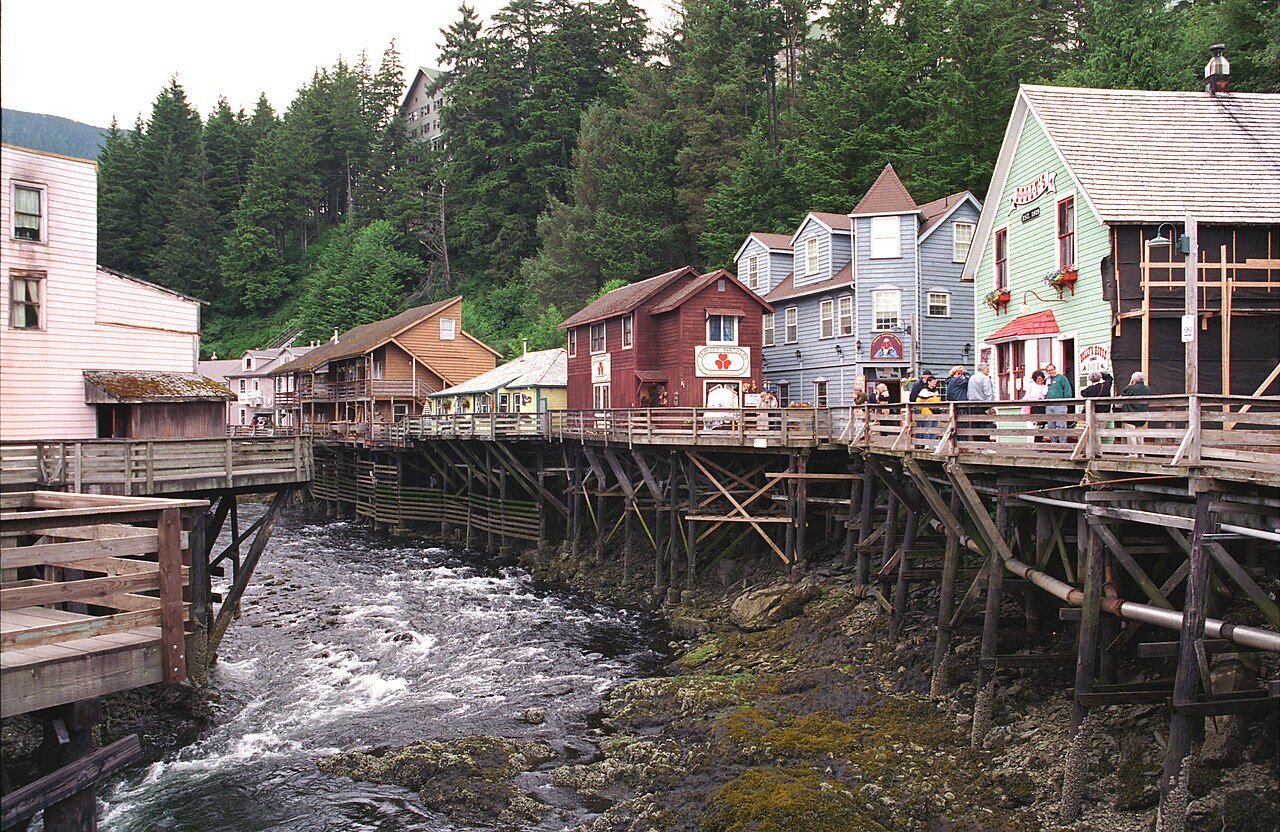
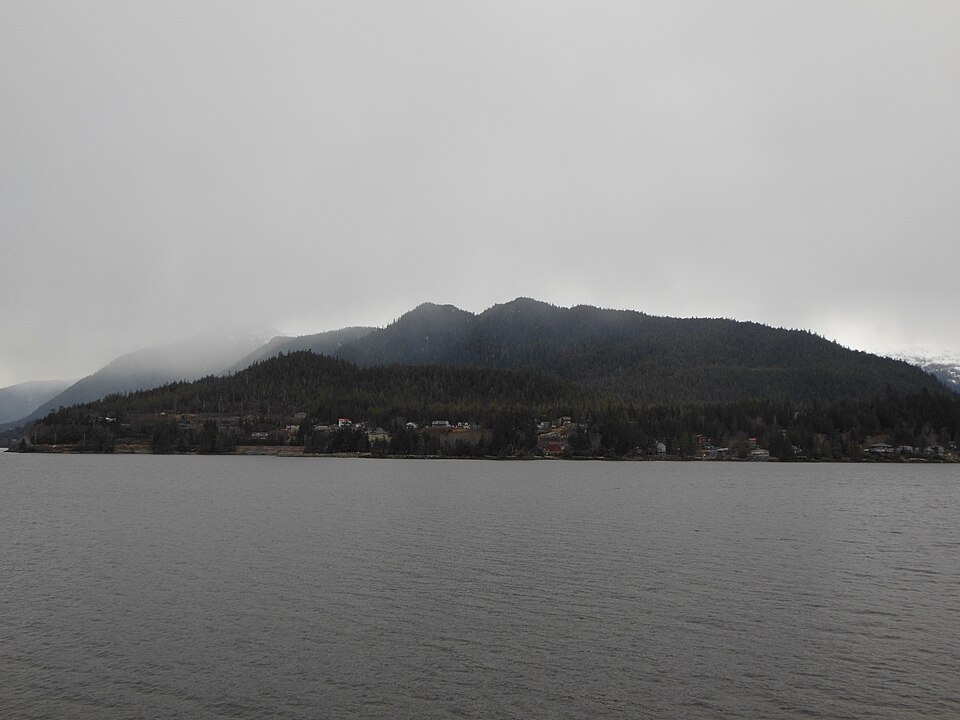
Ketchikan is a small rainforest town on the Tongass Narrows in Southeast Alaska, set against Deer Mountain. The town mixes a walk through the historic district with trips out to the forest, the totem parks and the fjords. Totem poles, Creek Street and Tlingit, Haida and Tsimshian culture are the town's strongest draws.



The most reviewed first. Prices are per person, booked with our partner, Shore Excursions Group.

Saxman Native Village and Ketchikan City Tour


Exclusive Skiff Fishing and Fresh Catch Wilderness Dining


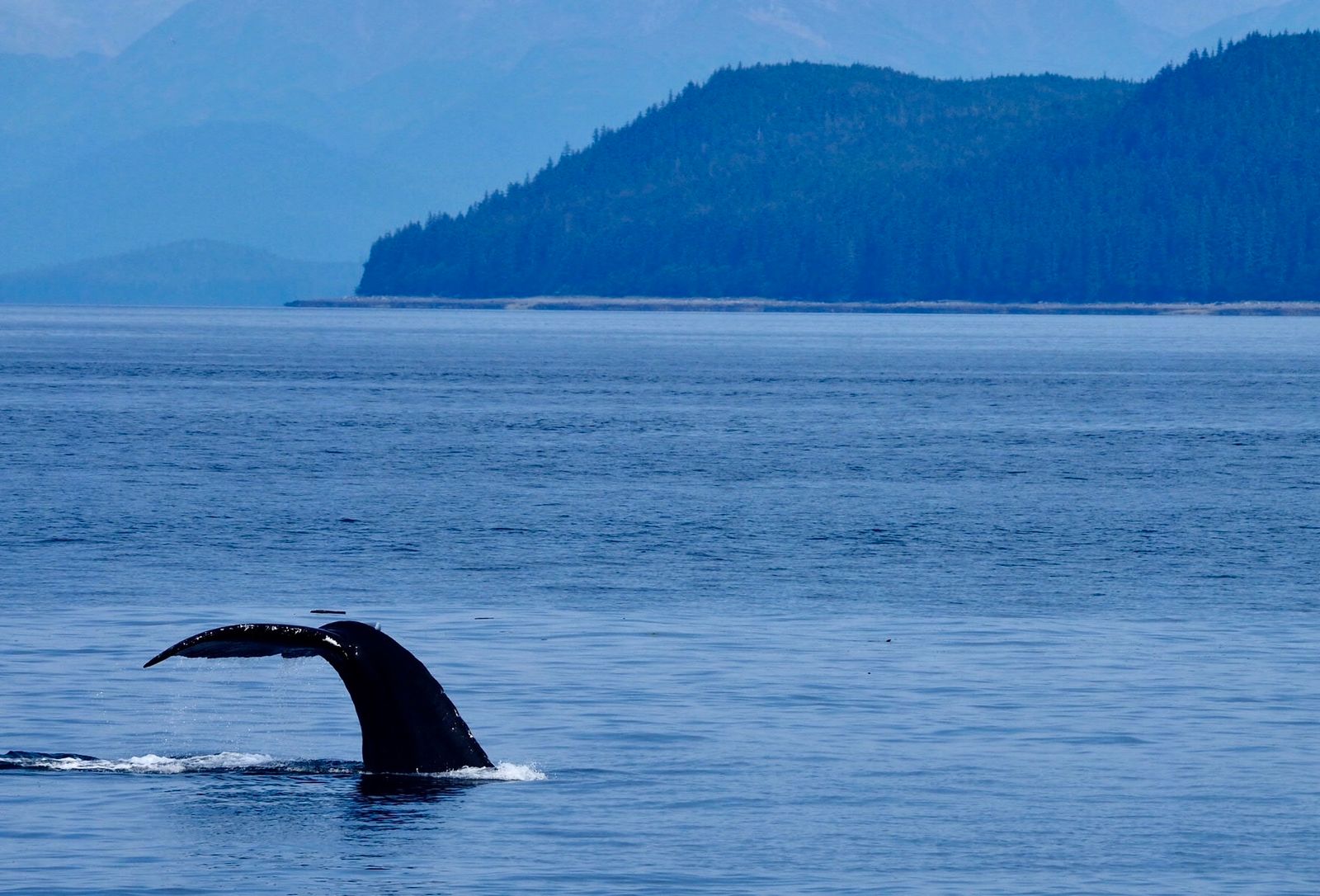
Alaskan Wildlife and Whale Watching Expedition


Small Group Ketchikan Salmon Cooking Class and Dining Experience
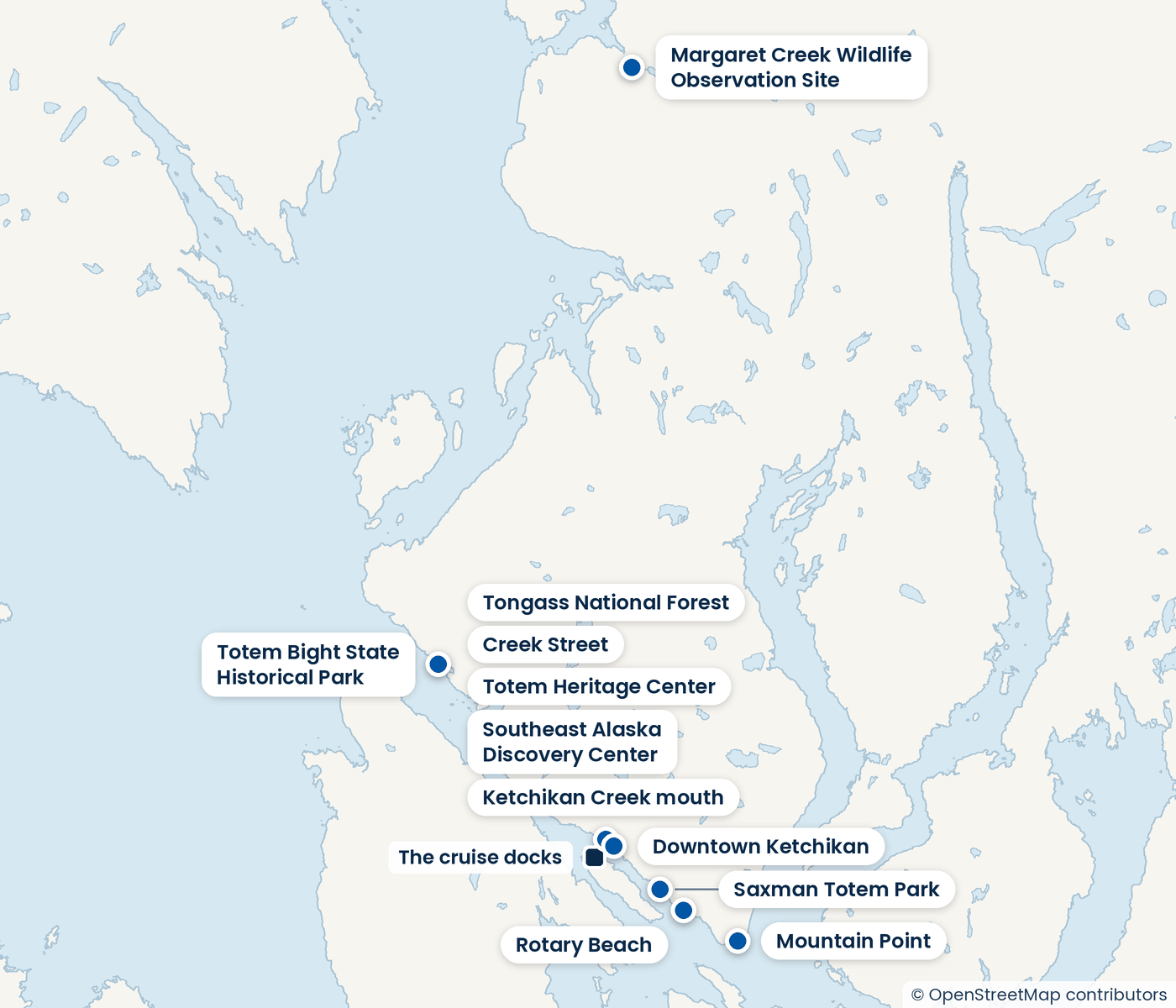
Tongass National Forest
Tongass National Forest is the large forest that surrounds Ketchikan. Its trails, backcountry roads and waters are open for hiking, cycling, paddling and fishing.

Creek Street
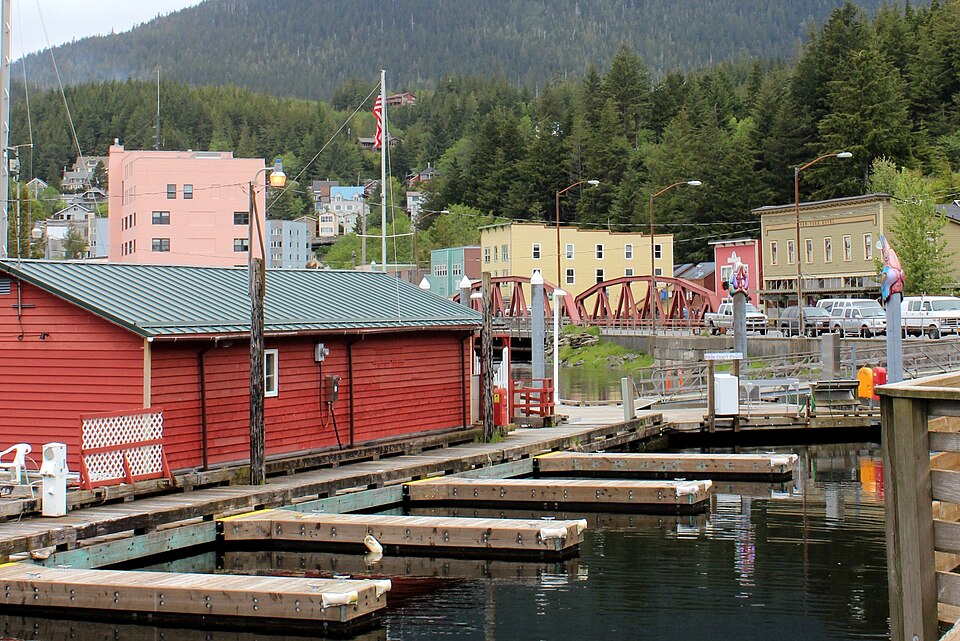
Creek Street is a wooden boardwalk built on stilts above Ketchikan Creek, the most scenic stretch of downtown. Shops, galleries and old brothel buildings line the walk.

Downtown Ketchikan
Downtown Ketchikan is a compact historic district of wooden storefronts, galleries and shops, easy to cover on foot. It is the town's main place to browse on foot.

Totem Heritage Center
Totem Heritage Center is a museum at 601 Deermount Street that holds one of the world's largest collections of unrestored 19th-century totem poles. Visitors also see Tlingit, Haida and Tsimshian art and watch carvers at work.

Southeast Alaska Discovery Center
A Forest Service visitor center in downtown Ketchikan, with exhibits on the Tongass rainforest, native cultures and wildlife. A good first stop in town.

Totem Bight State Historical Park
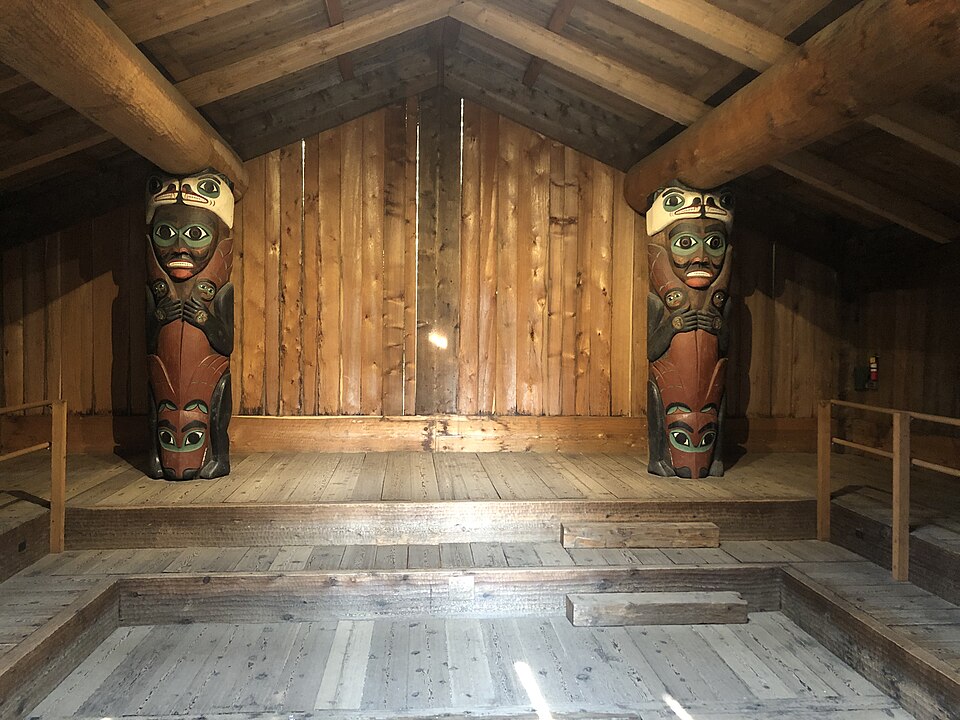
Totem Bight State Historical Park is a 33-acre state park on the ocean about 10 miles north of Ketchikan. It holds a collection of totem poles and a replica of a traditional chieftain's house.

Saxman Totem Park
A public park in the city of Saxman, just south of Ketchikan, with a collection of totem poles. Many poles came from abandoned Tlingit villages in the region.

Mountain Point
Mountain Point is a rocky shoreline a short drive from downtown Ketchikan, where visitors snorkel among urchins, sea stars and crabs. The water is cold, so the site is best known for guided snorkeling in wetsuits.

Rotary Beach
Rotary Beach is a sandy and rocky shore about three miles south of downtown Ketchikan, also called Bugge Beach. It is a place for a shore break, a picnic and a look at tide pools.

Misty Fjords National Monument
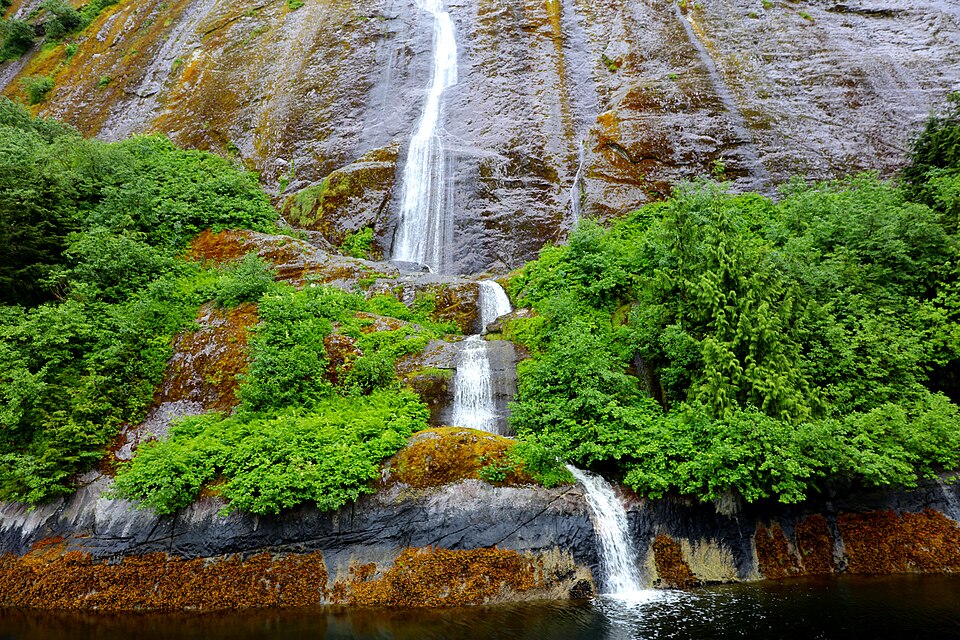
Misty Fjords National Monument is a wilderness of glacier-carved granite fjords near Ketchikan, reached by floatplane or boat. Icy blue lakes, waterfalls and glacial valleys sit inside its 2.1 million acres.

Margaret Creek Wildlife Observation Site
A Forest Service bear viewing site on Revillagigedo Island, where a rainforest trail leads to a platform over Margaret Creek. Visitors come to look for black bears, birds and salmon.

Ketchikan Creek mouth
The mouth of Ketchikan Creek, where the stream meets the Tongass Narrows just southeast of downtown. Visitors look for harbor seals and summer salmon from the creek bridges and shoreline.
Alaska Rainforest Sanctuary
A 40-acre temperate rainforest near Ketchikan, with forest trails, salmon spawning streams and a boardwalk through hemlock, cedar and spruce.
Good to know
Rainforest and jungle
The Tongass is one of the largest temperate rainforests in the world, and Ketchikan is the place to walk it. A naturalist-led walk runs on flat gravel or a boardwalk, usually two to four hours, often after a short boat ride to the trail. Hemlock, cedar and spruce grow along the way, and salmon streams are part of the view. Rain is part of the picture here, so bring a rain shell.
Local culture and markets
Ketchikan sits where Tlingit, Haida and Tsimshian cultures meet, and their art shows up across town. The Totem Heritage Center is a short walk from the docks. Saxman Native Village, about 2.5 miles south of downtown, has a totem park and carvers at work. Visits are usually combined with a short taxi or tour bus ride out of town.
When to go
Most outside tours run April to October. Summer rain is generally light and sporadic, with daytime highs in the high 60s F. Wildlife trips run May to September, in the summer months.
Good to know
- Ketchikan averages over 160 inches of rain a year, so pack a rain shell and dress in layers.
- Walk Creek Street early or late in the day to avoid the biggest crowds.
- Watch the creek from the bridges for salmon and the occasional harbor seal near the mouth.
- Check bus schedules before you go, since Green and Silver line buses run only about every 60 minutes.
Coming by ship
Ships usually stay about 8 hours in Ketchikan.
Getting ashore and around
Taxis serve the outlying areas and the totem parks, but riders usually call ahead rather than hailing one. Town buses reach Totem Bight State Historical Park, about 10 miles north of town, and the Gold line runs free downtown from May through September. The Misty Fjords floatplane leaves from the waterfront, about 30 minutes away by air. Downtown is busier on days when several cruise ships are in town.
Questions people ask
Can you see totem poles in Ketchikan?
Yes. Totem poles stand through the historic district, and the Totem Heritage Center is within walking distance. Saxman Native Village is about 2.5 miles south of downtown, and Totem Bight State Historical Park is about 10 miles north.
Do I need a rain jacket in Ketchikan in summer?
Yes. Ketchikan is one of the rainiest cities in North America. Summer rain is usually light and sporadic, but it can change quickly, so bring a waterproof layer for any time on the water or in the forest.
These places share what it's known for.