




Is Southampton Really the Cruise Capital of Europe?



Is Southampton Really the Cruise Capital of Europe?
Three million passengers a year, five terminals, and a maritime history that predates the Mayflower — the case is strong.

Evening view of modern architecture and urban streets in Southampton, UK.
Southampton is a city most people outside the UK would struggle to place on a map, yet it handles more cruise turnaround traffic than any other port in Northern Europe. Over three million passengers walked through its terminals in both 2024 and 2025, according to Associated British Ports. More than a dozen cruise lines base ships here. Itineraries reach six continents. And the port's relationship with the sea stretches back to the Romans — long before anyone had thought of a Lido Deck.
None of which means the title 'cruise capital of Europe' is automatic. Barcelona processes enormous Mediterranean volumes. Civitavecchia serves Rome. Copenhagen anchors the Baltic. But Southampton's combination of turnaround capacity, breadth of cruise lines, range of itinerary types, and depth of maritime heritage is genuinely difficult to match at any single European port.
This is a walkthrough of what makes Southampton the departure port it is — the kinds of cruises that leave from here, the practical reasons it works so well, and what you should know before you book.
Common questions about Southampton as a cruise port
Before we dig into the detail, here are the questions readers ask most often about cruising from Southampton.
Q1Is Southampton really the cruise capital of Europe?
It has the strongest overall case, though no single port holds the title unchallenged.
Southampton welcomed over three million passengers for a second consecutive year in 2025 and operates five dedicated cruise terminals — more than any other European home port.
Q2How many cruise passengers use Southampton each year?
More than three million passengers passed through the port in both 2024 and 2025.
Those figures, reported by ABP, also came alongside a record number of cruise ship calls.
Q3Do you need to fly to cruise from Southampton?
No — that is one of its biggest advantages for UK residents.
You can reach the terminals by car, train, or coach transfer, eliminating airport stress entirely.
Q4Where can you cruise to from Southampton?
Destinations range from the Norwegian fjords and Western Mediterranean to transatlantic crossings and beyond.
Multiple cruise lines operate from the port year-round, offering a wider variety of itineraries than many travellers expect.
Q5How many cruise terminals does Southampton have?
Five: Ocean, City, Horizon, Mayflower, and QEII.
Ocean, City, and Horizon terminals are close to the city centre, while Mayflower and QEII are located a little further out.
The Numbers Behind the Claim
In 2025, Southampton handled its highest-ever number of cruise ship calls and welcomed over three million passengers for a second consecutive year, according to ABP. Solent Stevedores, the port's luggage-handling partner, processed 3.3 million items of luggage and 134,000 pallets of ship stores across 449 vessels. The port's nearest UK competitor — Dover — handles roughly a third of that cruise traffic.
Volume alone does not make a port exceptional, though. What separates Southampton from most high-traffic European cruise hubs is the proportion of turnaround traffic. The majority of passengers here are starting or ending a voyage, not stepping off for a few hours of sightseeing. That distinction matters practically: a turnaround port needs terminal infrastructure, luggage processing, customs capability, parking, rail links, and nearby hotel capacity. Southampton has five dedicated cruise terminals — Horizon, Mayflower, City Cruise, Ocean, and QEII — three of which sit within walking distance of the city centre.
Each turnaround call contributes between roughly $2.4 million and $3.2 million to the regional economy, according to ABP's economic impact analysis. Across a full year, cruise activity alone generates over $1.3 billion for Hampshire — money flowing into hotels, restaurants, taxis, and local businesses. And the trajectory is upward: several major cruise lines are increasing their UK deployment for 2027, meaning more ships, more itineraries, and more capacity sailing from this port.
What Actually Sails from Here
The range of itineraries on offer from Southampton surprises people who assume it is a one-trick port. Depending on the season and the cruise line, you can sail to the Norwegian fjords, the Western Mediterranean, the Canary Islands, the Baltic capitals, Iceland, the British Isles, the Caribbean, Canada and New England, or across the Atlantic to New York. Some world cruises depart from here too, circling the globe over three or four months.
Short breaks are a growing category and a good entry point for first-timers. Two- to four-night sailings to the Channel Islands, Bruges, Amsterdam, or the Normandy coast give you a proper taste of cruising without committing to a full week. These tend to sell well with people who are curious about cruise life but not yet ready to invest ten nights.
At the other end of the spectrum, scheduled transatlantic crossings run regularly between Southampton and New York — roughly seven nights, and one of the last true ocean liner services in the world. For travellers who want the crossing itself to be part of the experience rather than just a way to reach a destination, this route has no real equivalent.
The most popular mid-range itineraries tend to cluster around a few well-worn routes: Norwegian fjords (seven to fourteen nights, peaking in summer), Western Mediterranean (ten to fourteen nights, calling at ports in Spain, France, and Italy), Canary Islands (popular in autumn and winter when travellers want warmer weather without a long-haul flight), and British Isles circuits that visit Ireland, Scotland, and sometimes the Orkney or Shetland Islands. Baltic sailings — Copenhagen, Stockholm, Tallinn, Helsinki — usually run as longer voyages of twelve to fourteen nights.
Which Cruise Lines Call Southampton Home
The list is long, and it gets longer most years.
P&O Cruises is the dominant presence, basing six ships here for much of the year: Iona, Arvia, Britannia, Ventura, Aurora, and Arcadia. P&O's connection to Southampton dates to 1844, when the line launched its first cruise from the port. Today, P&O offers the widest selection of no-fly itineraries from Southampton — short breaks through to full Caribbean and Mediterranean seasons. Iona and Arvia, each carrying around 5,200 passengers, are the largest ships sailing regularly from this port.
Cunard operates its three Queens — Queen Mary 2, Queen Elizabeth, and Queen Anne (launched in 2024) — from Southampton. Cunard is best known for transatlantic crossings, but the line also runs European, fjord, and world cruise itineraries from here.
The international presence is substantial. MSC Cruises maintains a strong Southampton program. Princess Cruises bases ships here for European seasons. Celebrity Cruises runs sailings from the port. Royal Caribbean deploys ships for UK itineraries, and Norwegian Cruise Line is stationing Norwegian Prima in Southampton for Northern Europe sailings in 2027. Disney Cruise Line has brought Disney Dream here for summer seasons — a significant draw for families who previously had no easy no-fly path to a Disney ship.
On the luxury end, Regent Seven Seas, Silversea, Crystal Cruises, Seabourn, Windstar, and the Ritz-Carlton Yacht Collection (making its inaugural UK sailings in 2026) all have Southampton departures. Viking Ocean Cruises also operates from the port.
Fred Olsen Cruise Lines and Ambassador Cruise Line, both British-owned, sail from Southampton with smaller-ship itineraries that suit travellers who prefer a more intimate experience. Saga Cruises, which serves the over-50s exclusively, also sails from UK ports including Southampton.
In total, more than forty-five individual ships are expected to call at Southampton across a typical year. That density of choice means you are rarely locked into one cruise line or one style of sailing. Budget, premium, luxury, family, adults-only — there is almost certainly a ship running it from here.
The No-Fly Advantage
For UK residents, the single biggest practical benefit of Southampton is that your cruise starts without an airport. You drive, take the train, or book a coach transfer — and you are at the terminal. No luggage weight limits, no connecting flights, no jet lag, no anxiety about a delayed inbound flight causing you to miss the ship.
Southampton Central station connects to London Waterloo in roughly ninety minutes and has direct rail links across the south of England. Drivers can book on-port parking — a detail that sounds minor but ranks consistently high in passenger satisfaction. You park near the terminal, walk in, and your car is waiting when you return. No shuttle bus, no off-site lot.
The no-fly factor also changes how you pack. On a fly-cruise, everything has to fit within airline luggage allowances. From Southampton, you bring what you want — extra formal wear, bulky items, that particular pillow you cannot sleep without. Experienced cruisers tend to appreciate this freedom more than newcomers might expect.
International travellers are not shut out. Southampton sits about seventy miles from central London, reachable from Heathrow or Gatwick within a couple of hours by road or rail. Several cruise lines offer transfer packages from London airports directly to the ship. From continental Europe, the Eurostar connection through London makes the port reachable from Paris, Brussels, and Amsterdam without too much effort. Southampton Airport also handles regional flights for shorter hops.
A Port That Has Been Doing This for Centuries
Southampton's relationship with the sea began with the Romans, who established the settlement of Clausentum on the eastern bank of the River Itchen. The Saxons later moved the town to the peninsula between the Test and Itchen rivers — a position that gave it a natural deep-water harbour, double tides (a quirk of geography that extends high water longer than almost any other port in the world), and sheltered access to the English Channel.
By the thirteenth century, Southampton was a major hub for French wine and English wool. In 1415, Henry V mustered his army here before sailing to the Battle of Agincourt. In 1620, the Pilgrims departed from Southampton aboard the Mayflower and the Speedwell — though a leak in the Speedwell forced them to put in at Plymouth before continuing across the Atlantic. The medieval walls built to defend against coastal raids still stand in large sections today.
The modern port took shape in 1843, when the first dock opened. By the early twentieth century, Southampton had become the departure point for the great transatlantic liners. The most famous — and most tragic — was RMS Titanic, which left Southampton on 10 April 1912 on her maiden voyage. The city lost more than 500 residents in the disaster, most of them crew members who lived in the Chapel district near the docks. The SeaCity Museum in Southampton's Civic Centre tells that story in careful detail, and the city still carries its weight.
Through both World Wars, Southampton served as a critical embarkation point. During D-Day, it was one of the primary departure ports for Allied troops crossing the Channel to Normandy. After the war, the docks transitioned from military and emigrant traffic to the emerging leisure cruise industry — a transition that P&O had actually anticipated a century earlier with its first cruise from the port in 1844.
That history is not just background colour. Centuries of investment in harbour infrastructure, pilotage expertise, tidal management, and maritime logistics have created a port that handles ships carrying more than 5,000 passengers with an efficiency that only comes from deep institutional experience.
Who Southampton Suits — and Who It Might Not
Southampton works exceptionally well for UK-based cruisers who want to skip the airport entirely. If you live anywhere in southern or central England, this is likely the easiest departure port you will ever use. It also suits anyone — British or international — who values breadth of choice, because the number of cruise lines and itinerary types sailing from a single port here is genuinely hard to replicate elsewhere in Europe.
Families have growing options. Disney Cruise Line's Southampton presence is relatively recent and has opened up a market that previously had no simple no-fly path to a Disney ship. P&O and Royal Caribbean both run family-friendly sailings from the port, and the short-break itineraries work well for families with younger children who are not ready for a full week at sea.
Luxury travellers are well served. Regent Seven Seas, Silversea, Crystal, Seabourn, Windstar, and the Ritz-Carlton Yacht Collection all sail from here, meaning you can cruise in genuine luxury without stepping inside an airport terminal.
Where Southampton is less ideal: if your goal is a Mediterranean cruise and you want to maximise time in warm-weather ports, flying to Barcelona or Rome and embarking there will give you more port days in the sun and fewer sea days crossing the English Channel and Bay of Biscay. A Mediterranean itinerary from Southampton typically adds two to four sea days compared to the same route departing from a Mediterranean port. That is not necessarily a drawback — some travellers love sea days — but it is a tradeoff worth understanding before you book.
For international travellers whose nearest airport is not well connected to London, the additional transit to reach Southampton may not justify the convenience the port offers UK residents. Fly-cruise options departing from Mediterranean or Caribbean ports will usually involve less total travel time for anyone coming from North America, Australia, or Asia.
What to Know Before You Book
Southampton's five cruise terminals are not all in the same place. Ocean, City, and Horizon terminals sit close to the city centre — walkable in about twenty minutes. Mayflower and QEII terminals are further along the waterfront and typically require a short taxi ride. Your cruise line will confirm which terminal to use, but check in advance, especially if you plan to explore the city before or after your sailing.
On-port parking is available and can be booked ahead. Spaces fill up during peak summer turnaround days, so early booking is sensible. This is one of Southampton's most appreciated practical features — you park, walk to the terminal, and your car is waiting when you return.
For anyone arriving the night before, the city has a reasonable range of hotels near the port and centre. Southampton itself is not a major tourist destination, but it offers enough to fill a pleasant half-day: the medieval walls, the Tudor House, the SeaCity Museum (worth an hour for the Titanic exhibition alone), and a handful of good pubs and restaurants in the Old Town. If you want a full day out before your cruise, Stonehenge is about forty minutes by car, Winchester is thirty, and the New Forest is on your doorstep.
One practical note on timing: Southampton's busiest turnaround days — typically Saturdays in summer — can see three or four large ships arriving and departing within hours of each other. The port handles the logistics well, but the roads around the docks get congested. If you are driving on a Saturday turnaround day, allow extra time.
Peak season runs from April through October, with the highest concentration of ships in June, July, and August. Winter sailings exist — particularly Canary Islands itineraries and world cruises — but the selection is thinner. For the widest choice of destinations and cruise lines, the summer season is when the port is at its fullest.
Before you board
Does It Earn the Title?
Calling any single port the cruise capital of Europe involves simplification. Barcelona handles enormous volumes. Civitavecchia serves Rome. Copenhagen anchors the Baltic. Each has a legitimate claim in its own category.
But no single European port matches Southampton's combination: more than three million turnaround passengers a year, over forty-five ships from more than a dozen cruise lines, five dedicated terminals, itineraries spanning six continents, a scheduled transatlantic service, and a maritime history measured in centuries rather than decades. For a traveller choosing where to start a cruise — especially one who values range of choice and ease of access — Southampton's case is hard to argue against.
Quick FAQ
Quick-reference answers drawn from the article above. For fuller detail, see the corresponding sections.
How many cruise passengers pass through Southampton each year?
Can you cruise from Southampton without flying?
Are all five cruise terminals in the same location?
What destinations can you sail to from Southampton?
Which cruise lines operate from Southampton?
Is Southampton officially the cruise capital of Europe?
Who might Southampton not suit?
 Blog guide
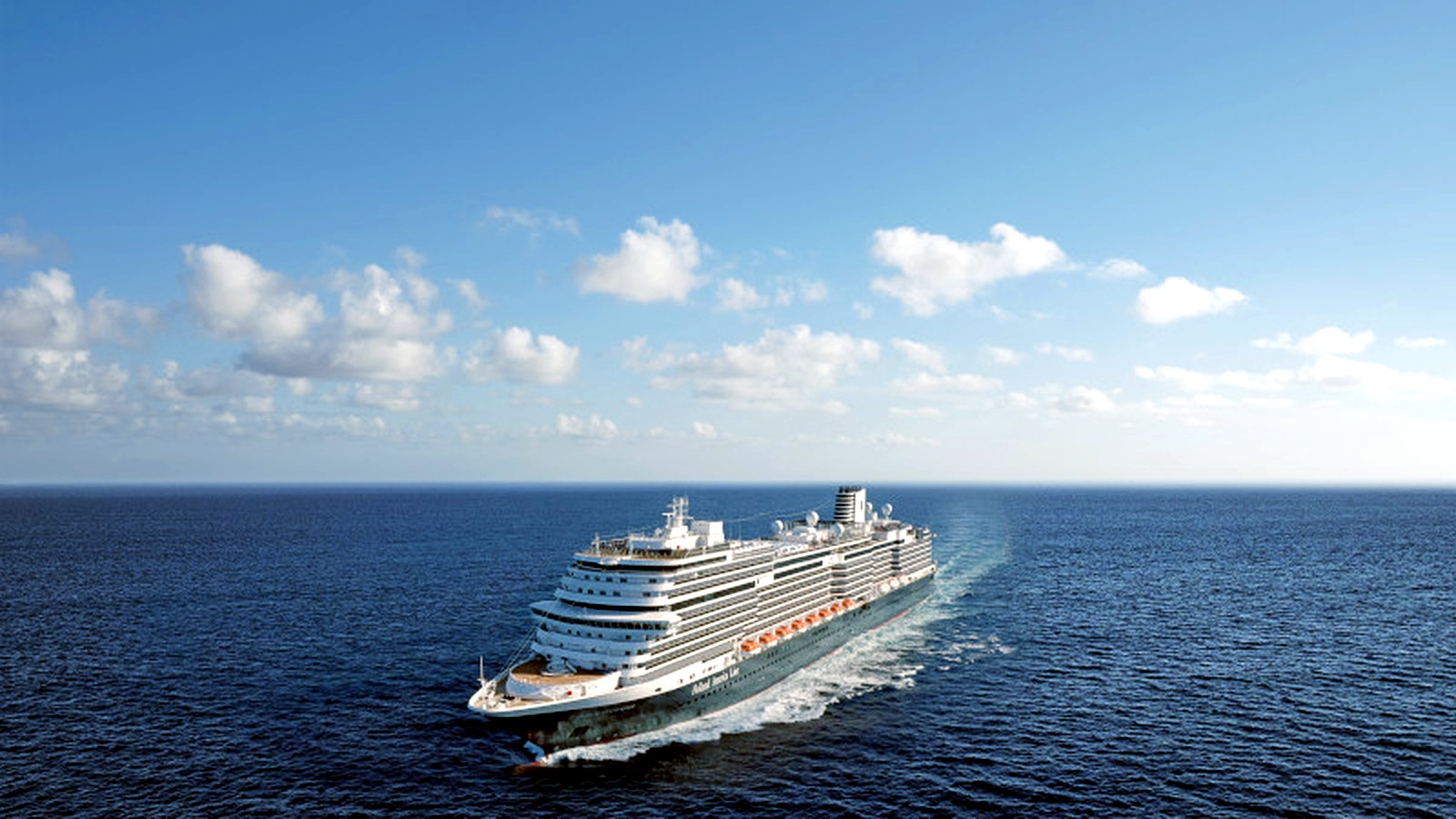
Holland America Is Going Year-Round in Europe — Here's What That Actually Means for You
Holland America is keeping two ships in Europe year-round starting 2027. Here's what that means for itineraries, pricing,…
 Blog guide
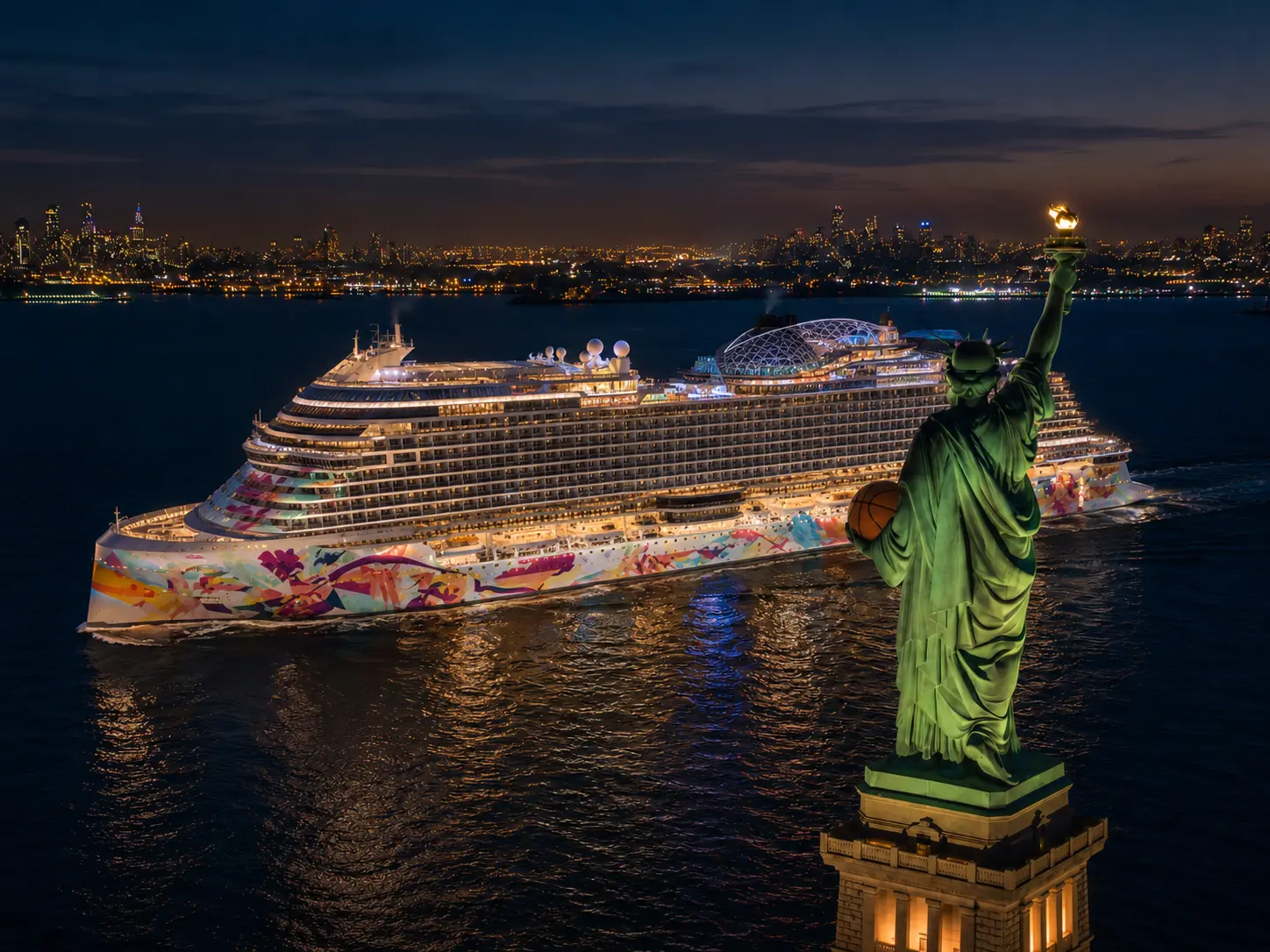
Knicks Finals Tickets vs. a Summer Cruise: The Math Is Embarrassing
Knicks Finals tickets cost $3,700+ each. For the same money, a family of four can cruise to Bermuda from New York for a full…
 Blog guide
Cruises from New York to Bermuda: What to Know Before You Book
Everything you need to know about cruising from New York to Bermuda — itineraries, timing, costs, what to do on the island,…
 Blog guide
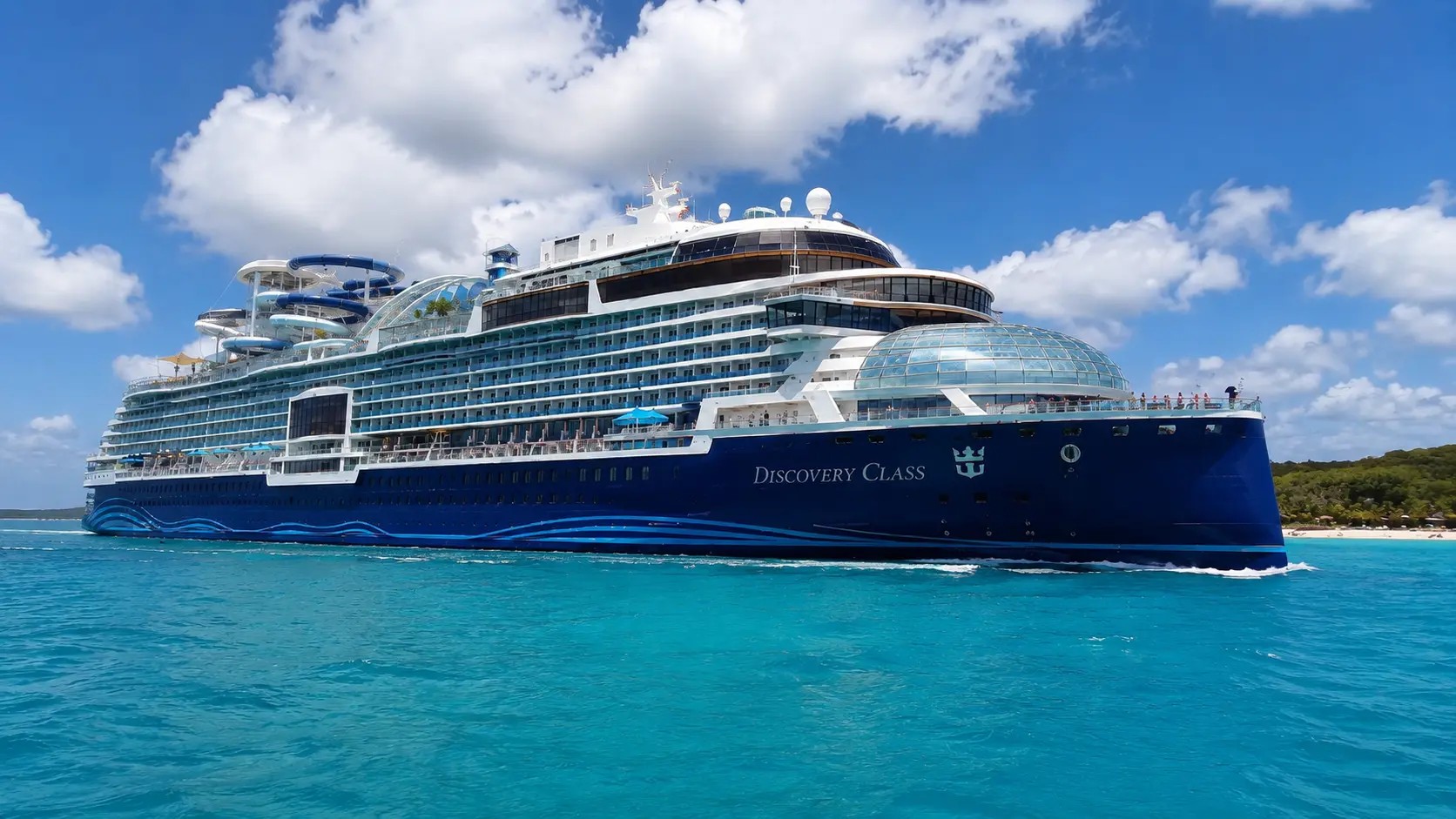
Royal Caribbean's Discovery Class: What We Know, What We Don't, and What It Means for Your Next Cruise
Royal Caribbean's Discovery Class ships arrive in 2029. Here's what is confirmed, what is still unknown, and who these new…
 Blog guide
Cruise Ducking: The Rubber Duck Tradition That Took Over the High Seas
How millions of rubber ducks ended up hiding in stairwells, elevator landings, and poolside towel animals — and why…
 Blog guide
Category Guarantee Staterooms: What You're Actually Agreeing To
What is a category guarantee cabin on a cruise? Learn how GTY bookings work, what you save, what you give up, and whether…
Browse sailings from Southampton
Results show available sailings from Southampton across multiple cruise lines. Prices and availability may change.