Holland America Is Going Year-Round in Europe — Here's What That Actually Means for You


Holland America Is Going Year-Round in Europe — Here's What That Actually Means for You
Two ships, four seasons, and a different way to see a continent most cruise lines only visit in summer.
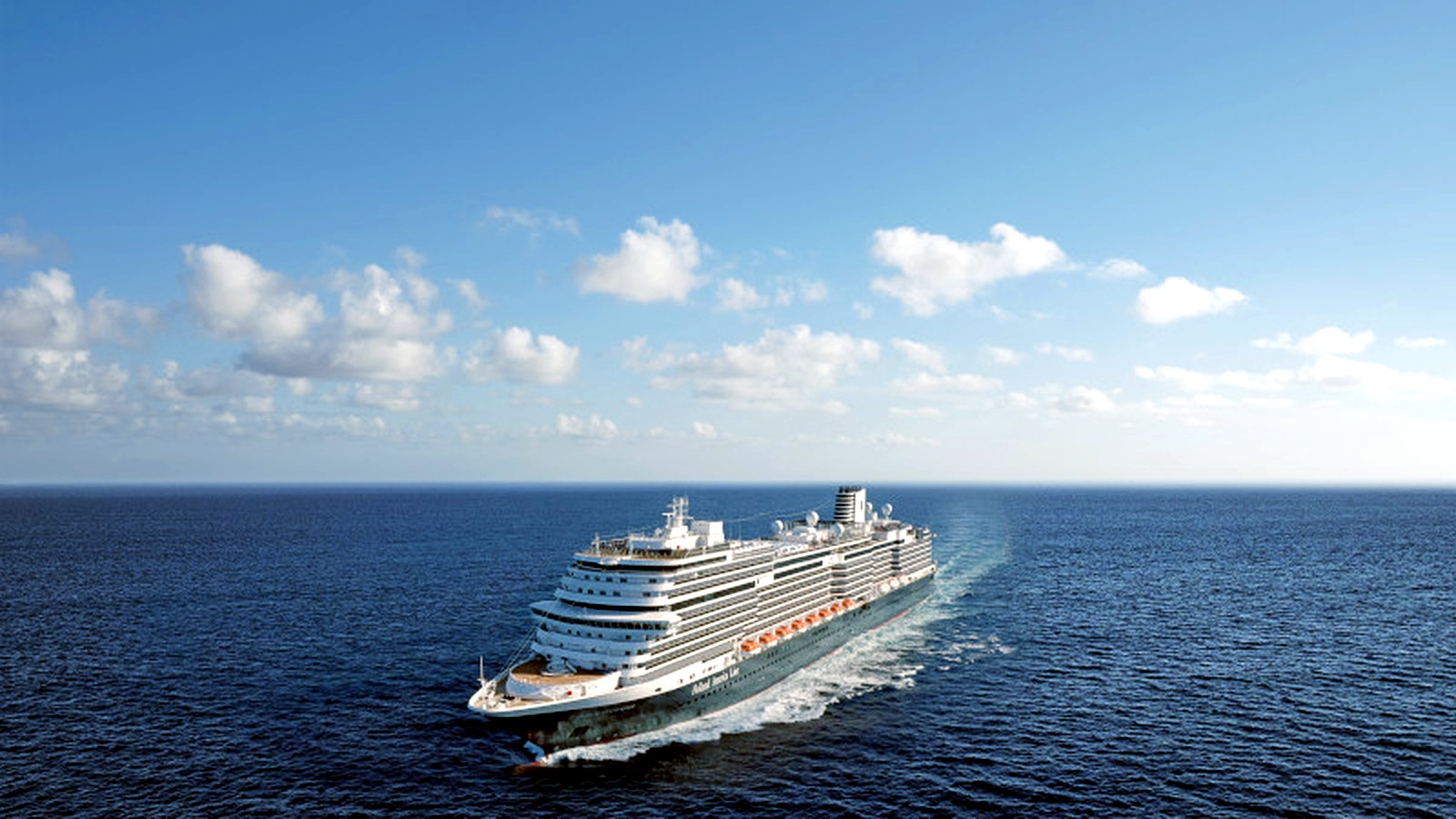
ship-nieuw-statendam-at-sea-side-2021-edit.jpg
Starting with the 2027–2028 season, Holland America Line will keep two ships in European waters all year long — Nieuw Statendam and a second vessel sailing through autumn, winter, and into the following spring. It is the first time the line has committed to year-round European operations, and it reshapes what a Holland America Europe cruise can look like in ways that go well beyond the calendar.
The move adds more than 70 additional port days compared to the current seasonal schedule, opens up itineraries in months that have traditionally been dead time for Northern European cruising, and puts travellers in destinations during seasons most cruise passengers never see. Whether that matters to you depends on what you want from a European cruise — and how you feel about trading peak-summer crowds for shorter daylight and cooler weather.
Here is what is known so far, who this suits best, and what to weigh before you book.
Key things to know first
Before diving into the details, here are the questions readers are already asking about Holland America's year-round Europe commitment.
Q1Which Holland America ships will sail Europe year-round?
Nieuw Statendam, a Pinnacle-class ship carrying around 2,660 passengers, is the confirmed vessel anchoring the programme, with a second ship rounding out the deployment.
Q2When does the year-round Europe schedule start?
Holland America's expanded Europe sailings build through 2026 and extend into the 2027–2028 winter seasons, moving beyond the traditional April-to-October window.
Q3How much do these European cruises cost?
Full pricing for 2027–2028 winter voyages has not been released yet. For reference, 2026 Europe itineraries have started around $1,200 per person for seven-night Mediterranean sailings and $2,500 for Northern European routes.
Q4Does Holland America sail Northern Europe in winter too?
Yes. Northern Europe demand is a key driver of the expansion — bookings for that region are outpacing overall Europe growth — and the year-round calendar includes colder-month itineraries there.
Q5Are other cruise lines offering year-round Europe sailings?
A few competitors offer winter European departures, but Holland America notes the competitive landscape is thinner than travellers might expect, giving the line more room to operate.
What Year-Round Actually Looks Like
For most cruise lines, Europe is a summer business. Ships reposition across the Atlantic in April or May, spend five months working Mediterranean and Northern European itineraries, then head elsewhere by October. Holland America has historically followed that pattern, though it has been stretching the edges — the 2026 season already runs six weeks longer than in prior years, a direct response to bookings that were up more than a third year over year, according to the line's own reporting.
Year-round means those shoulder months stop being shoulders. Nieuw Statendam will remain in European waters through the winter of 2027–2028, sailing itineraries that have not previously existed on Holland America's schedule. Specific winter routes have not all been released, but the line has confirmed Mediterranean and Canary Islands sailings during colder months, with Northern European itineraries resuming earlier in the spring than usual.
The practical difference: you will be able to book a Holland America Europe cruise departing in January or February — months when European options from most lines are limited to transatlantic repositioning voyages or a handful of Canary Islands sailings. On a mid-premium line with Holland America's destination focus, that is a genuinely new option.
Why Northern Europe Demand Is Driving This
The numbers behind this expansion are lopsided in a revealing way. Holland America's 2026 Europe bookings overall are up more than a third compared to the same point the year before — but Northern Europe bookings specifically are up nearly 50%, according to a May 2025 press release. That is not a rounding error. That is a dramatic shift in where passengers want to go.
Norway, Iceland, the British Isles, the Baltics — these regions have been gaining ground across the cruise industry for several years, driven partly by travellers looking for alternatives to heavily trafficked Western Mediterranean ports and partly by a growing appetite for cooler-weather, scenery-focused sailing. Holland America has a long history in this part of the world and tends to draw passengers who prioritise destination depth over onboard spectacle, which makes Northern Europe a natural fit.
Extended spring and autumn sailings in this region mean you can visit Norway in May, before the peak-season rush, or sail the British Isles in October, when the crowds at Edinburgh Castle thin out and the Scottish Highlands are at their most dramatic. Those are meaningfully different experiences than the same ports in July — and for travellers who already know they prefer that pace, the year-round commitment turns a narrow booking window into a wide one.
Who This Suits — and Who It Does Not
Holland America's typical European passenger skews older, well-travelled, and more interested in the destination than the ship. The year-round programme leans into that strength. The additional itineraries emphasise longer port stays, more overnights, and the kind of smaller or less-visited ports that do not appear on standard seven-day Mediterranean loops.
If you are the kind of traveller who wants to visit Tuscany during the olive harvest in November, or see Amsterdam's tulip fields before they peak in late April, or spend Christmas week cruising the Canary Islands — this programme is built for you. The off-season timing is not a compromise. It is the point.
If you want guaranteed warm weather and the classic Mediterranean highlights — Barcelona, Rome, Santorini — the peak summer sailings remain and are still a solid choice. But the winter and shoulder-season additions are a different proposition. Days are shorter. Weather in Northern Europe can be genuinely cold. Some ports operate on reduced hours outside summer. The tradeoff is real, and it is worth weighing honestly.
Families with school-age children will find the expanded schedule less useful in practice, since many of the new sailings fall outside school holiday windows. Retirees and couples with schedule flexibility are the natural audience — people who can choose when to travel and who actively prefer to avoid peak-season pricing and density.
What Off-Season Europe Actually Feels Like on a Cruise
The biggest question most people have about a winter European cruise is straightforward: is it worth it? The answer depends entirely on what you value.
The Mediterranean in winter is not the Mediterranean of the travel posters. Temperatures along the southern coast of Spain, the French Riviera, and the Italian coast typically sit between 50°F and 60°F from December through February — comfortable for walking a city, less so for lounging on a pool deck. Rain is more frequent. But the ports are dramatically less crowded. A November visit to Dubrovnik feels like a different city than a July one. You can actually see the Amalfi Coast without being part of a human river on the walking paths.
The Canary Islands — Tenerife, Gran Canaria, Lanzarote — are genuinely warm year-round, with winter temperatures in the mid-60s to low 70s. They are a likely anchor for Holland America's winter Mediterranean itineraries, offering a different flavour than the mainland ports: volcanic landscapes, black-sand beaches, small towns that have not been reshaped by cruise tourism.
Northern Europe in early spring or late autumn is more of a commitment. Norway in October can be spectacular — the first dusting of snow on the fjord walls, the aurora borealis season beginning — but you need to pack for it, and some scenic highlights that depend on long daylight hours look different when the sun sets at four in the afternoon. The experience is quieter, more introspective, and well-suited to travellers who already know they enjoy this part of the world.
The Ships: Nieuw Statendam and What to Expect Onboard
Nieuw Statendam is a Pinnacle-class ship — Holland America's newest class, carrying around 2,660 passengers at double occupancy. By contemporary standards, that makes it mid-size. It is noticeably smaller than the 5,000-plus-passenger vessels from the mega-ship lines, which is part of what defines the onboard feel: less spectacle, more calm.
The ship has the Music Walk entertainment area, the Lincoln Center Stage, B.B. King's Blues Club, and the Culinary Arts Center where you can take cooking classes that go beyond demonstration into actual technique. Dining runs from the main Rotterdam Dining Room through a handful of specialty restaurants — Pinnacle Grill for steaks, Tamarind for Asian-fusion, Rudi's Sel de Mer for French brasserie cooking. None of these are new additions, but they are well-maintained and consistently reviewed as above average for the price tier.
For winter sailing specifically, the ship's enclosed public spaces matter more than they do on a summer Mediterranean run. Holland America does this well. The Explorations Café, the Crow's Nest lounge, and the Lido areas are designed for hours of comfortable use — exactly what you want on a grey December afternoon crossing the Bay of Biscay. The pool deck has a retractable roof, which helps, though pool time is not really the draw on an off-season European itinerary.
The second ship committed to the year-round programme has not been officially named as of this writing. Holland America operates several Pinnacle- and Signature-class vessels that rotate through European deployments, so expect a ship of similar size and character.
How This Compares to Other Year-Round Europe Options
Holland America is not the only line offering winter European sailings, but the competitive landscape is thinner than you might expect.
A handful of lines operate in Europe across much of the year, and the closest comparison in terms of audience and destination emphasis is a line with slightly smaller ships, higher per-night pricing, and a bundled fare model that includes excursions, Wi-Fi, and specialty dining. If you are weighing two mid-premium options for a winter Mediterranean itinerary, the deciding factors tend to be price structure and whether you prefer Holland America's more traditional cruise-ship experience or a more contemporary Scandinavian-modern approach.
Some larger European-based lines run winter Mediterranean itineraries out of home ports in Italy and Spain, but their ships, atmosphere, and passenger mix skew very differently — bigger vessels, younger and more international demographics, a more social and high-energy vibe on many sailings. They serve a different kind of traveller.
On the luxury end, several lines run occasional winter European voyages at price points two to four times what Holland America charges. If you want the off-season European experience without the luxury-tier cost, the mid-premium segment is where to look — and Holland America's commitment to keeping two ships deployed year-round gives it the broadest selection of itineraries and dates at this price level.
Before you board
What to Know Before You Book
Pricing for the 2027–2028 winter sailings has not been fully released. Holland America's 2026 Europe itineraries have started around $1,200 per person for seven-night Mediterranean sailings and $2,500 or more for 14-night Northern European voyages (as of mid-2026 pricing). Off-season departures historically run lower, so expect some savings on winter fares — though the line has not confirmed specifics.
Booking early matters more here than on a standard summer cruise. Holland America's Europe capacity is limited compared to the mega-ship lines — two ships means a finite number of cabins across the entire winter season. The 2026 Europe programme saw demand outstrip expectations, which led to the six-week extension of that season. If winter and shoulder-season itineraries follow the same demand curve, popular sailings will sell through well in advance.
Travel insurance is worth a closer look for winter European sailings. Weather-related disruptions — port skips due to rough seas, delayed embarkation — are more common from November through March. Holland America designs itineraries with this in mind, but flexibility is built into the experience, not guaranteed out of it.
Visas and seasonal entry requirements can shift depending on your itinerary and the time of year. Some European countries apply different rules for cruise passengers arriving in off-peak months. Confirm requirements specific to your itinerary and nationality well before departure — your travel consultant can help, but the responsibility sits with you.
One more thought: if you have never cruised with Holland America before, an off-season European itinerary is a revealing test of whether the line suits you. The ship will be quieter, the passenger count lower, and the focus almost entirely on the destinations. If that sounds appealing, you are exactly who this programme was designed around.
Quick FAQ
Quick-reference answers drawn from the full article above. For deeper detail, see the corresponding sections.
Which ships are assigned to year-round Europe?
When does year-round service start?
Are winter European cruises significantly cheaper?
Is Northern Europe included in the winter sailings?
How big is Nieuw Statendam?
Do other cruise lines sail Europe year-round?
Who is this best suited for?
Ready to explore Europe outside the usual window?
Schedules and pricing are subject to change. Confirm details directly with Holland America before booking.
Holland America Is Going Year-Round in Europe — Here's What That Actually Means for You
Two ships, four seasons, and a different way to see a continent most cruise lines only visit in summer.
ship-nieuw-statendam-at-sea-side-2021-edit.jpg
Starting with the 2027–2028 season, Holland America Line will keep two ships in European waters all year long — Nieuw Statendam and a second vessel sailing through autumn, winter, and into the following spring. It is the first time the line has committed to year-round European operations, and it reshapes what a Holland America Europe cruise can look like in ways that go well beyond the calendar.
The move adds more than 70 additional port days compared to the current seasonal schedule, opens up itineraries in months that have traditionally been dead time for Northern European cruising, and puts travellers in destinations during seasons most cruise passengers never see. Whether that matters to you depends on what you want from a European cruise — and how you feel about trading peak-summer crowds for shorter daylight and cooler weather.
Here is what is known so far, who this suits best, and what to weigh before you book.
Key things to know first
Before diving into the details, here are the questions readers are already asking about Holland America's year-round Europe commitment.
Q1Which Holland America ships will sail Europe year-round?
Nieuw Statendam, a Pinnacle-class ship carrying around 2,660 passengers, is the confirmed vessel anchoring the programme, with a second ship rounding out the deployment.
Q2When does the year-round Europe schedule start?
Holland America's expanded Europe sailings build through 2026 and extend into the 2027–2028 winter seasons, moving beyond the traditional April-to-October window.
Q3How much do these European cruises cost?
Full pricing for 2027–2028 winter voyages has not been released yet. For reference, 2026 Europe itineraries have started around $1,200 per person for seven-night Mediterranean sailings and $2,500 for Northern European routes.
Q4Does Holland America sail Northern Europe in winter too?
Yes. Northern Europe demand is a key driver of the expansion — bookings for that region are outpacing overall Europe growth — and the year-round calendar includes colder-month itineraries there.
Q5Are other cruise lines offering year-round Europe sailings?
A few competitors offer winter European departures, but Holland America notes the competitive landscape is thinner than travellers might expect, giving the line more room to operate.
What Year-Round Actually Looks Like
For most cruise lines, Europe is a summer business. Ships reposition across the Atlantic in April or May, spend five months working Mediterranean and Northern European itineraries, then head elsewhere by October. Holland America has historically followed that pattern, though it has been stretching the edges — the 2026 season already runs six weeks longer than in prior years, a direct response to bookings that were up more than a third year over year, according to the line's own reporting.
Year-round means those shoulder months stop being shoulders. Nieuw Statendam will remain in European waters through the winter of 2027–2028, sailing itineraries that have not previously existed on Holland America's schedule. Specific winter routes have not all been released, but the line has confirmed Mediterranean and Canary Islands sailings during colder months, with Northern European itineraries resuming earlier in the spring than usual.
The practical difference: you will be able to book a Holland America Europe cruise departing in January or February — months when European options from most lines are limited to transatlantic repositioning voyages or a handful of Canary Islands sailings. On a mid-premium line with Holland America's destination focus, that is a genuinely new option.
Why Northern Europe Demand Is Driving This
The numbers behind this expansion are lopsided in a revealing way. Holland America's 2026 Europe bookings overall are up more than a third compared to the same point the year before — but Northern Europe bookings specifically are up nearly 50%, according to a May 2025 press release. That is not a rounding error. That is a dramatic shift in where passengers want to go.
Norway, Iceland, the British Isles, the Baltics — these regions have been gaining ground across the cruise industry for several years, driven partly by travellers looking for alternatives to heavily trafficked Western Mediterranean ports and partly by a growing appetite for cooler-weather, scenery-focused sailing. Holland America has a long history in this part of the world and tends to draw passengers who prioritise destination depth over onboard spectacle, which makes Northern Europe a natural fit.
Extended spring and autumn sailings in this region mean you can visit Norway in May, before the peak-season rush, or sail the British Isles in October, when the crowds at Edinburgh Castle thin out and the Scottish Highlands are at their most dramatic. Those are meaningfully different experiences than the same ports in July — and for travellers who already know they prefer that pace, the year-round commitment turns a narrow booking window into a wide one.
Who This Suits — and Who It Does Not
Holland America's typical European passenger skews older, well-travelled, and more interested in the destination than the ship. The year-round programme leans into that strength. The additional itineraries emphasise longer port stays, more overnights, and the kind of smaller or less-visited ports that do not appear on standard seven-day Mediterranean loops.
If you are the kind of traveller who wants to visit Tuscany during the olive harvest in November, or see Amsterdam's tulip fields before they peak in late April, or spend Christmas week cruising the Canary Islands — this programme is built for you. The off-season timing is not a compromise. It is the point.
If you want guaranteed warm weather and the classic Mediterranean highlights — Barcelona, Rome, Santorini — the peak summer sailings remain and are still a solid choice. But the winter and shoulder-season additions are a different proposition. Days are shorter. Weather in Northern Europe can be genuinely cold. Some ports operate on reduced hours outside summer. The tradeoff is real, and it is worth weighing honestly.
Families with school-age children will find the expanded schedule less useful in practice, since many of the new sailings fall outside school holiday windows. Retirees and couples with schedule flexibility are the natural audience — people who can choose when to travel and who actively prefer to avoid peak-season pricing and density.
What Off-Season Europe Actually Feels Like on a Cruise
The biggest question most people have about a winter European cruise is straightforward: is it worth it? The answer depends entirely on what you value.
The Mediterranean in winter is not the Mediterranean of the travel posters. Temperatures along the southern coast of Spain, the French Riviera, and the Italian coast typically sit between 50°F and 60°F from December through February — comfortable for walking a city, less so for lounging on a pool deck. Rain is more frequent. But the ports are dramatically less crowded. A November visit to Dubrovnik feels like a different city than a July one. You can actually see the Amalfi Coast without being part of a human river on the walking paths.
The Canary Islands — Tenerife, Gran Canaria, Lanzarote — are genuinely warm year-round, with winter temperatures in the mid-60s to low 70s. They are a likely anchor for Holland America's winter Mediterranean itineraries, offering a different flavour than the mainland ports: volcanic landscapes, black-sand beaches, small towns that have not been reshaped by cruise tourism.
Northern Europe in early spring or late autumn is more of a commitment. Norway in October can be spectacular — the first dusting of snow on the fjord walls, the aurora borealis season beginning — but you need to pack for it, and some scenic highlights that depend on long daylight hours look different when the sun sets at four in the afternoon. The experience is quieter, more introspective, and well-suited to travellers who already know they enjoy this part of the world.
The Ships: Nieuw Statendam and What to Expect Onboard
Nieuw Statendam is a Pinnacle-class ship — Holland America's newest class, carrying around 2,660 passengers at double occupancy. By contemporary standards, that makes it mid-size. It is noticeably smaller than the 5,000-plus-passenger vessels from the mega-ship lines, which is part of what defines the onboard feel: less spectacle, more calm.
The ship has the Music Walk entertainment area, the Lincoln Center Stage, B.B. King's Blues Club, and the Culinary Arts Center where you can take cooking classes that go beyond demonstration into actual technique. Dining runs from the main Rotterdam Dining Room through a handful of specialty restaurants — Pinnacle Grill for steaks, Tamarind for Asian-fusion, Rudi's Sel de Mer for French brasserie cooking. None of these are new additions, but they are well-maintained and consistently reviewed as above average for the price tier.
For winter sailing specifically, the ship's enclosed public spaces matter more than they do on a summer Mediterranean run. Holland America does this well. The Explorations Café, the Crow's Nest lounge, and the Lido areas are designed for hours of comfortable use — exactly what you want on a grey December afternoon crossing the Bay of Biscay. The pool deck has a retractable roof, which helps, though pool time is not really the draw on an off-season European itinerary.
The second ship committed to the year-round programme has not been officially named as of this writing. Holland America operates several Pinnacle- and Signature-class vessels that rotate through European deployments, so expect a ship of similar size and character.
How This Compares to Other Year-Round Europe Options
Holland America is not the only line offering winter European sailings, but the competitive landscape is thinner than you might expect.
A handful of lines operate in Europe across much of the year, and the closest comparison in terms of audience and destination emphasis is a line with slightly smaller ships, higher per-night pricing, and a bundled fare model that includes excursions, Wi-Fi, and specialty dining. If you are weighing two mid-premium options for a winter Mediterranean itinerary, the deciding factors tend to be price structure and whether you prefer Holland America's more traditional cruise-ship experience or a more contemporary Scandinavian-modern approach.
Some larger European-based lines run winter Mediterranean itineraries out of home ports in Italy and Spain, but their ships, atmosphere, and passenger mix skew very differently — bigger vessels, younger and more international demographics, a more social and high-energy vibe on many sailings. They serve a different kind of traveller.
On the luxury end, several lines run occasional winter European voyages at price points two to four times what Holland America charges. If you want the off-season European experience without the luxury-tier cost, the mid-premium segment is where to look — and Holland America's commitment to keeping two ships deployed year-round gives it the broadest selection of itineraries and dates at this price level.
Before you board
What to Know Before You Book
Pricing for the 2027–2028 winter sailings has not been fully released. Holland America's 2026 Europe itineraries have started around $1,200 per person for seven-night Mediterranean sailings and $2,500 or more for 14-night Northern European voyages (as of mid-2026 pricing). Off-season departures historically run lower, so expect some savings on winter fares — though the line has not confirmed specifics.
Booking early matters more here than on a standard summer cruise. Holland America's Europe capacity is limited compared to the mega-ship lines — two ships means a finite number of cabins across the entire winter season. The 2026 Europe programme saw demand outstrip expectations, which led to the six-week extension of that season. If winter and shoulder-season itineraries follow the same demand curve, popular sailings will sell through well in advance.
Travel insurance is worth a closer look for winter European sailings. Weather-related disruptions — port skips due to rough seas, delayed embarkation — are more common from November through March. Holland America designs itineraries with this in mind, but flexibility is built into the experience, not guaranteed out of it.
Visas and seasonal entry requirements can shift depending on your itinerary and the time of year. Some European countries apply different rules for cruise passengers arriving in off-peak months. Confirm requirements specific to your itinerary and nationality well before departure — your travel consultant can help, but the responsibility sits with you.
One more thought: if you have never cruised with Holland America before, an off-season European itinerary is a revealing test of whether the line suits you. The ship will be quieter, the passenger count lower, and the focus almost entirely on the destinations. If that sounds appealing, you are exactly who this programme was designed around.
Quick FAQ
Quick-reference answers drawn from the full article above. For deeper detail, see the corresponding sections.
Which ships are assigned to year-round Europe?
When does year-round service start?
Are winter European cruises significantly cheaper?
Is Northern Europe included in the winter sailings?
How big is Nieuw Statendam?
Do other cruise lines sail Europe year-round?
Who is this best suited for?

Ready to explore Europe outside the usual window?
Schedules and pricing are subject to change. Confirm details directly with Holland America before booking.
Holland America Is Going Year-Round in Europe — Here's What That Actually Means for You

Holland America Is Going Year-Round in Europe — Here's What That Actually Means for You
Two ships, four seasons, and a different way to see a continent most cruise lines only visit in summer.
ship-nieuw-statendam-at-sea-side-2021-edit.jpg
Starting with the 2027–2028 season, Holland America Line will keep two ships in European waters all year long — Nieuw Statendam and a second vessel sailing through autumn, winter, and into the following spring. It is the first time the line has committed to year-round European operations, and it reshapes what a Holland America Europe cruise can look like in ways that go well beyond the calendar.
The move adds more than 70 additional port days compared to the current seasonal schedule, opens up itineraries in months that have traditionally been dead time for Northern European cruising, and puts travellers in destinations during seasons most cruise passengers never see. Whether that matters to you depends on what you want from a European cruise — and how you feel about trading peak-summer crowds for shorter daylight and cooler weather.
Here is what is known so far, who this suits best, and what to weigh before you book.
Key things to know first
Before diving into the details, here are the questions readers are already asking about Holland America's year-round Europe commitment.
Q1Which Holland America ships will sail Europe year-round?
Nieuw Statendam, a Pinnacle-class ship carrying around 2,660 passengers, is the confirmed vessel anchoring the programme, with a second ship rounding out the deployment.
Q2When does the year-round Europe schedule start?
Holland America's expanded Europe sailings build through 2026 and extend into the 2027–2028 winter seasons, moving beyond the traditional April-to-October window.
Q3How much do these European cruises cost?
Full pricing for 2027–2028 winter voyages has not been released yet. For reference, 2026 Europe itineraries have started around $1,200 per person for seven-night Mediterranean sailings and $2,500 for Northern European routes.
Q4Does Holland America sail Northern Europe in winter too?
Yes. Northern Europe demand is a key driver of the expansion — bookings for that region are outpacing overall Europe growth — and the year-round calendar includes colder-month itineraries there.
Q5Are other cruise lines offering year-round Europe sailings?
A few competitors offer winter European departures, but Holland America notes the competitive landscape is thinner than travellers might expect, giving the line more room to operate.
What Year-Round Actually Looks Like
For most cruise lines, Europe is a summer business. Ships reposition across the Atlantic in April or May, spend five months working Mediterranean and Northern European itineraries, then head elsewhere by October. Holland America has historically followed that pattern, though it has been stretching the edges — the 2026 season already runs six weeks longer than in prior years, a direct response to bookings that were up more than a third year over year, according to the line's own reporting.
Year-round means those shoulder months stop being shoulders. Nieuw Statendam will remain in European waters through the winter of 2027–2028, sailing itineraries that have not previously existed on Holland America's schedule. Specific winter routes have not all been released, but the line has confirmed Mediterranean and Canary Islands sailings during colder months, with Northern European itineraries resuming earlier in the spring than usual.
The practical difference: you will be able to book a Holland America Europe cruise departing in January or February — months when European options from most lines are limited to transatlantic repositioning voyages or a handful of Canary Islands sailings. On a mid-premium line with Holland America's destination focus, that is a genuinely new option.
Why Northern Europe Demand Is Driving This
The numbers behind this expansion are lopsided in a revealing way. Holland America's 2026 Europe bookings overall are up more than a third compared to the same point the year before — but Northern Europe bookings specifically are up nearly 50%, according to a May 2025 press release. That is not a rounding error. That is a dramatic shift in where passengers want to go.
Norway, Iceland, the British Isles, the Baltics — these regions have been gaining ground across the cruise industry for several years, driven partly by travellers looking for alternatives to heavily trafficked Western Mediterranean ports and partly by a growing appetite for cooler-weather, scenery-focused sailing. Holland America has a long history in this part of the world and tends to draw passengers who prioritise destination depth over onboard spectacle, which makes Northern Europe a natural fit.
Extended spring and autumn sailings in this region mean you can visit Norway in May, before the peak-season rush, or sail the British Isles in October, when the crowds at Edinburgh Castle thin out and the Scottish Highlands are at their most dramatic. Those are meaningfully different experiences than the same ports in July — and for travellers who already know they prefer that pace, the year-round commitment turns a narrow booking window into a wide one.
Who This Suits — and Who It Does Not
Holland America's typical European passenger skews older, well-travelled, and more interested in the destination than the ship. The year-round programme leans into that strength. The additional itineraries emphasise longer port stays, more overnights, and the kind of smaller or less-visited ports that do not appear on standard seven-day Mediterranean loops.
If you are the kind of traveller who wants to visit Tuscany during the olive harvest in November, or see Amsterdam's tulip fields before they peak in late April, or spend Christmas week cruising the Canary Islands — this programme is built for you. The off-season timing is not a compromise. It is the point.
If you want guaranteed warm weather and the classic Mediterranean highlights — Barcelona, Rome, Santorini — the peak summer sailings remain and are still a solid choice. But the winter and shoulder-season additions are a different proposition. Days are shorter. Weather in Northern Europe can be genuinely cold. Some ports operate on reduced hours outside summer. The tradeoff is real, and it is worth weighing honestly.
Families with school-age children will find the expanded schedule less useful in practice, since many of the new sailings fall outside school holiday windows. Retirees and couples with schedule flexibility are the natural audience — people who can choose when to travel and who actively prefer to avoid peak-season pricing and density.
What Off-Season Europe Actually Feels Like on a Cruise
The biggest question most people have about a winter European cruise is straightforward: is it worth it? The answer depends entirely on what you value.
The Mediterranean in winter is not the Mediterranean of the travel posters. Temperatures along the southern coast of Spain, the French Riviera, and the Italian coast typically sit between 50°F and 60°F from December through February — comfortable for walking a city, less so for lounging on a pool deck. Rain is more frequent. But the ports are dramatically less crowded. A November visit to Dubrovnik feels like a different city than a July one. You can actually see the Amalfi Coast without being part of a human river on the walking paths.
The Canary Islands — Tenerife, Gran Canaria, Lanzarote — are genuinely warm year-round, with winter temperatures in the mid-60s to low 70s. They are a likely anchor for Holland America's winter Mediterranean itineraries, offering a different flavour than the mainland ports: volcanic landscapes, black-sand beaches, small towns that have not been reshaped by cruise tourism.
Northern Europe in early spring or late autumn is more of a commitment. Norway in October can be spectacular — the first dusting of snow on the fjord walls, the aurora borealis season beginning — but you need to pack for it, and some scenic highlights that depend on long daylight hours look different when the sun sets at four in the afternoon. The experience is quieter, more introspective, and well-suited to travellers who already know they enjoy this part of the world.
The Ships: Nieuw Statendam and What to Expect Onboard
Nieuw Statendam is a Pinnacle-class ship — Holland America's newest class, carrying around 2,660 passengers at double occupancy. By contemporary standards, that makes it mid-size. It is noticeably smaller than the 5,000-plus-passenger vessels from the mega-ship lines, which is part of what defines the onboard feel: less spectacle, more calm.
The ship has the Music Walk entertainment area, the Lincoln Center Stage, B.B. King's Blues Club, and the Culinary Arts Center where you can take cooking classes that go beyond demonstration into actual technique. Dining runs from the main Rotterdam Dining Room through a handful of specialty restaurants — Pinnacle Grill for steaks, Tamarind for Asian-fusion, Rudi's Sel de Mer for French brasserie cooking. None of these are new additions, but they are well-maintained and consistently reviewed as above average for the price tier.
For winter sailing specifically, the ship's enclosed public spaces matter more than they do on a summer Mediterranean run. Holland America does this well. The Explorations Café, the Crow's Nest lounge, and the Lido areas are designed for hours of comfortable use — exactly what you want on a grey December afternoon crossing the Bay of Biscay. The pool deck has a retractable roof, which helps, though pool time is not really the draw on an off-season European itinerary.
The second ship committed to the year-round programme has not been officially named as of this writing. Holland America operates several Pinnacle- and Signature-class vessels that rotate through European deployments, so expect a ship of similar size and character.
How This Compares to Other Year-Round Europe Options
Holland America is not the only line offering winter European sailings, but the competitive landscape is thinner than you might expect.
A handful of lines operate in Europe across much of the year, and the closest comparison in terms of audience and destination emphasis is a line with slightly smaller ships, higher per-night pricing, and a bundled fare model that includes excursions, Wi-Fi, and specialty dining. If you are weighing two mid-premium options for a winter Mediterranean itinerary, the deciding factors tend to be price structure and whether you prefer Holland America's more traditional cruise-ship experience or a more contemporary Scandinavian-modern approach.
Some larger European-based lines run winter Mediterranean itineraries out of home ports in Italy and Spain, but their ships, atmosphere, and passenger mix skew very differently — bigger vessels, younger and more international demographics, a more social and high-energy vibe on many sailings. They serve a different kind of traveller.
On the luxury end, several lines run occasional winter European voyages at price points two to four times what Holland America charges. If you want the off-season European experience without the luxury-tier cost, the mid-premium segment is where to look — and Holland America's commitment to keeping two ships deployed year-round gives it the broadest selection of itineraries and dates at this price level.
Before you board
What to Know Before You Book
Pricing for the 2027–2028 winter sailings has not been fully released. Holland America's 2026 Europe itineraries have started around $1,200 per person for seven-night Mediterranean sailings and $2,500 or more for 14-night Northern European voyages (as of mid-2026 pricing). Off-season departures historically run lower, so expect some savings on winter fares — though the line has not confirmed specifics.
Booking early matters more here than on a standard summer cruise. Holland America's Europe capacity is limited compared to the mega-ship lines — two ships means a finite number of cabins across the entire winter season. The 2026 Europe programme saw demand outstrip expectations, which led to the six-week extension of that season. If winter and shoulder-season itineraries follow the same demand curve, popular sailings will sell through well in advance.
Travel insurance is worth a closer look for winter European sailings. Weather-related disruptions — port skips due to rough seas, delayed embarkation — are more common from November through March. Holland America designs itineraries with this in mind, but flexibility is built into the experience, not guaranteed out of it.
Visas and seasonal entry requirements can shift depending on your itinerary and the time of year. Some European countries apply different rules for cruise passengers arriving in off-peak months. Confirm requirements specific to your itinerary and nationality well before departure — your travel consultant can help, but the responsibility sits with you.
One more thought: if you have never cruised with Holland America before, an off-season European itinerary is a revealing test of whether the line suits you. The ship will be quieter, the passenger count lower, and the focus almost entirely on the destinations. If that sounds appealing, you are exactly who this programme was designed around.
Quick FAQ
Quick-reference answers drawn from the full article above. For deeper detail, see the corresponding sections.
Which ships are assigned to year-round Europe?
When does year-round service start?
Are winter European cruises significantly cheaper?
Is Northern Europe included in the winter sailings?
How big is Nieuw Statendam?
Do other cruise lines sail Europe year-round?
Who is this best suited for?
Ready to explore Europe outside the usual window?
Schedules and pricing are subject to change. Confirm details directly with Holland America before booking.