




Civitavecchia Embarkation
You board at a functional working port about seventy minutes from Fiumicino Airport, so planning your transfer time carefully matters more than at walkable city-centre ports.


Destination from Port
Sailing a transatlantic from Rome means boarding in Civitavecchia, the functional cruise port about seventy minutes from Fiumicino, and trading the Mediterranean for an ocean crossing that typically includes genuine destination stops along the way. It is a one-way routing that lets you cap a European trip with a leisurely westbound passage rather than a return flight — and the autumn repositioning window often makes it surprisingly affordable.
This pairing tends to suit travellers who want to combine a few days in Rome or wider Italy with the unhurried rhythm of a multi-day Atlantic crossing. It works especially well for those finishing a European holiday and looking for a relaxed way home, though it demands flexibility: sailings cluster in a narrow late-September-to-early-November window, and the port's distance from central Rome means building in an extra night before embarkation is wise.

What makes a transatlantic sailing from Rome distinctive — from embarkation logistics to trip pacing and seasonal timing.
You board at a functional working port about seventy minutes from Fiumicino Airport, so planning your transfer time carefully matters more than at walkable city-centre ports.
Arriving a night or two early in Rome lets you absorb jet lag, explore the city, and eliminate the risk of a missed embarkation due to flight delays.
Departures cluster from late September through early November, timed to the annual repositioning of Mediterranean fleets toward the Caribbean and beyond.
These are point-to-point crossings rather than round trips, which suits travellers finishing a European holiday and heading home by sea.
Early itinerary stops are real destination visits — places that could anchor a Mediterranean cruise on their own — not token filler ports.
Repositioning sailings from Rome tend to rank among the best per-night deals in cruising, with inside cabins available at competitive price points.

This route is built for travellers wrapping up time in Italy or the wider Med who'd rather sail home than fly. You get genuine port calls in the western Mediterranean before the open Atlantic, making the crossing feel like a finale rather than a standalone voyage.
Repositioning sailings from Rome tend to price well because the line needs to move the ship regardless. If you have the time for a two-week-plus voyage and can book flexibly within the narrow autumn window, the cost per night can undercut most comparable Mediterranean itineraries.

These sailings run almost exclusively from late September to early November, with relatively few departures each year. The voyage itself is 12 nights or more. If your schedule is tight or you need flexible dates, this route will feel constraining rather than convenient.
Civitavecchia is roughly seventy minutes from Fiumicino, and the port is functional rather than scenic. A same-day international flight leaves almost no margin for delays. Plan at least one pre-cruise night in Rome or risk starting the trip stressed.
Departure Port Logic
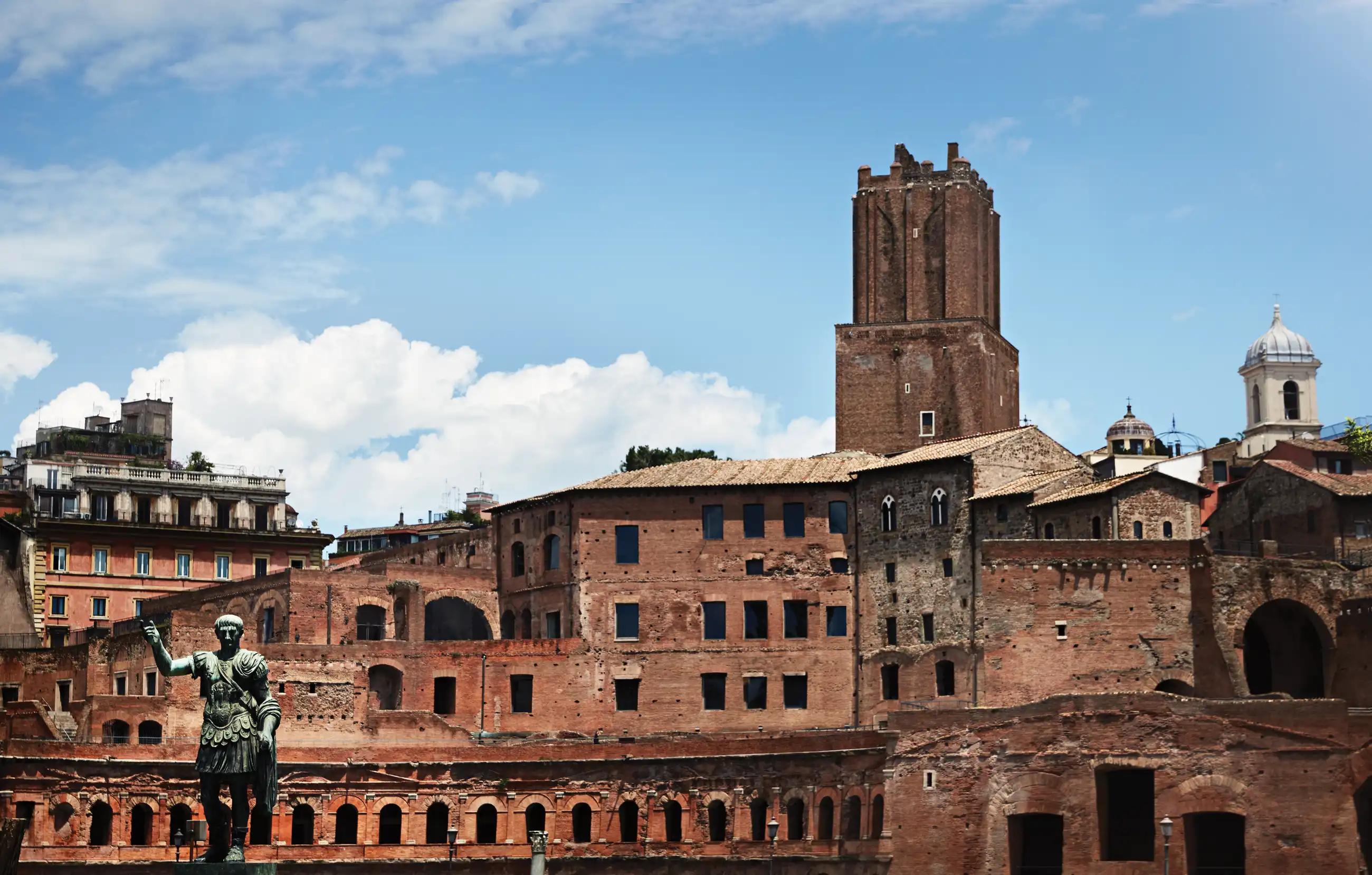
Civitavecchia is not a glamorous starting point, and that matters practically. It sits about seventy minutes from Fiumicino Airport with no direct rail link to the cruise terminal itself, so same-day international arrivals carry real logistical risk. Compared to embarking from Barcelona or Southampton — ports with tighter airport connections — a Rome departure essentially requires you to build in at least one pre-cruise night. That extra night adds cost, but it also opens the door to genuine time in Rome before you board, which is a meaningful advantage if you plan your trip around it rather than treating it as an inconvenience.
The payoff for that extra effort is route geography. Departing from Civitavecchia puts you deep in the western Mediterranean on day one, which means your early port calls can include stops like Barcelona, Málaga, or Lisbon before you hit open Atlantic. Sailings from northern ports skip that Mediterranean preamble entirely. If blending destination cruising with an ocean crossing is the goal — rather than simply getting across the Atlantic — Rome is one of the few embarkation points that structurally delivers both halves of that equation.
Budget 70–90 minutes from Fiumicino Airport by private transfer or pre-booked shuttle. Train service runs to Civitavecchia town but not directly to the cruise terminal, so you will still need a taxi or shuttle for the final leg. Arriving a day early is strongly recommended.
Rome transatlantic sailings cluster between late September and early November, when lines reposition ships out of the Mediterranean. This narrow seasonal window means limited inventory — book early if you have a specific line or cabin category in mind.
Since you almost certainly need a pre-cruise night anyway, consider extending to two or three nights in Rome. It turns a logistical necessity into a trip highlight and lets you board rested rather than rushed.
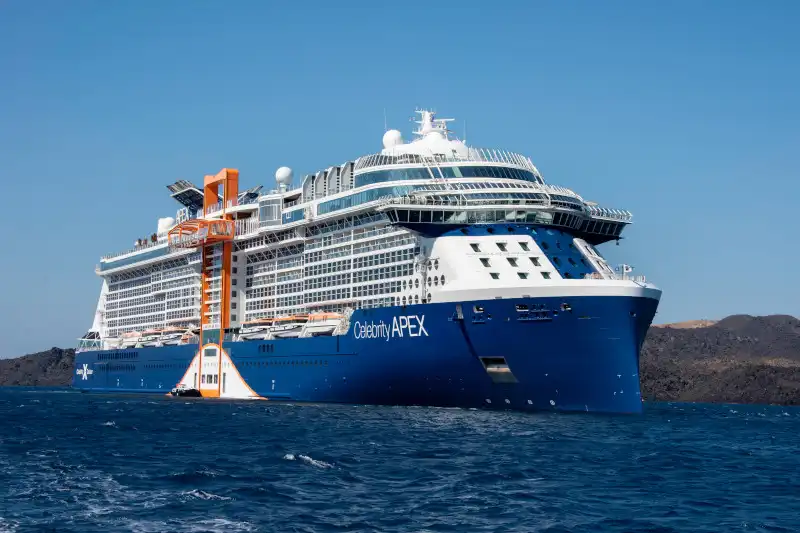
Celebrity positions its Rome transatlantics as modern-premium crossings with a design-forward atmosphere, strong dining programmes, and a generally grown-up tone without being formal. The Mediterranean leg tends to feature well-chosen port calls, and the sea days lean into spa, culinary, and enrichment programming.
View Celebrity sailings from Rome
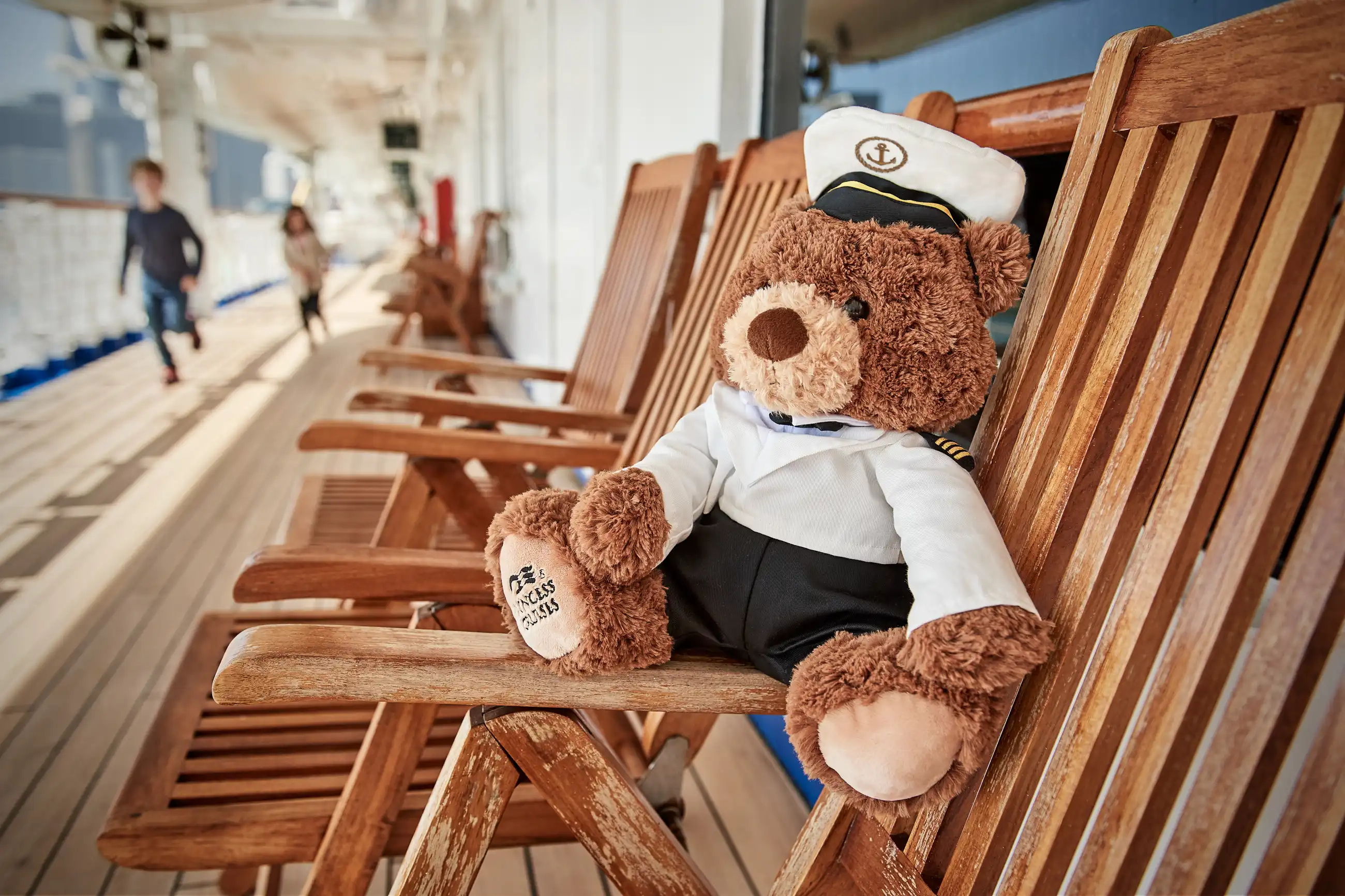
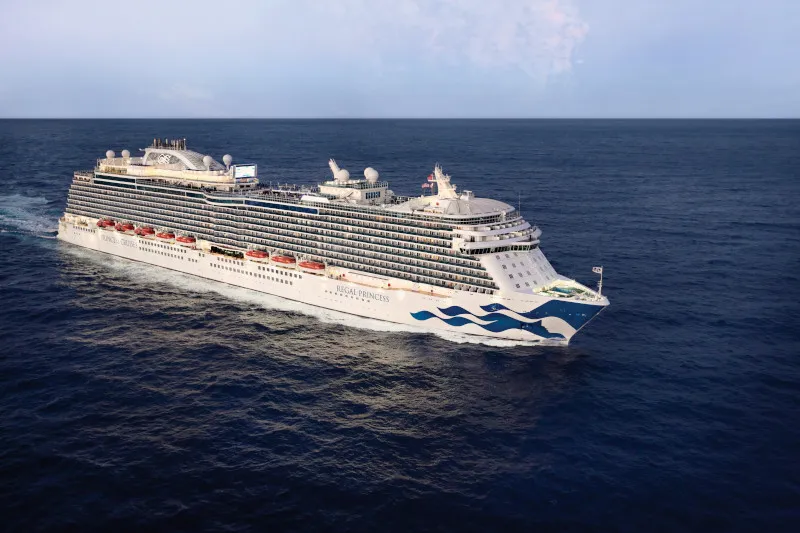
Princess takes a traditional, broad-appeal approach to its Rome transatlantics — comfortable ships, well-paced itineraries, and an onboard programme built around relaxed dining, enrichment talks, and evening entertainment. The line's MedallionClass technology smooths the logistics of embarkation and onboard life.
View Princess sailings from Rome
Regent treats the Rome transatlantic as a luxury voyage rather than a simple repositioning, typically building longer itineraries with more port calls and an all-inclusive fare structure that covers flights, excursions, drinks, and gratuities. The onboard atmosphere is quiet, spacious, and focused on dining and destination enrichment.
View Regent sailings from Rome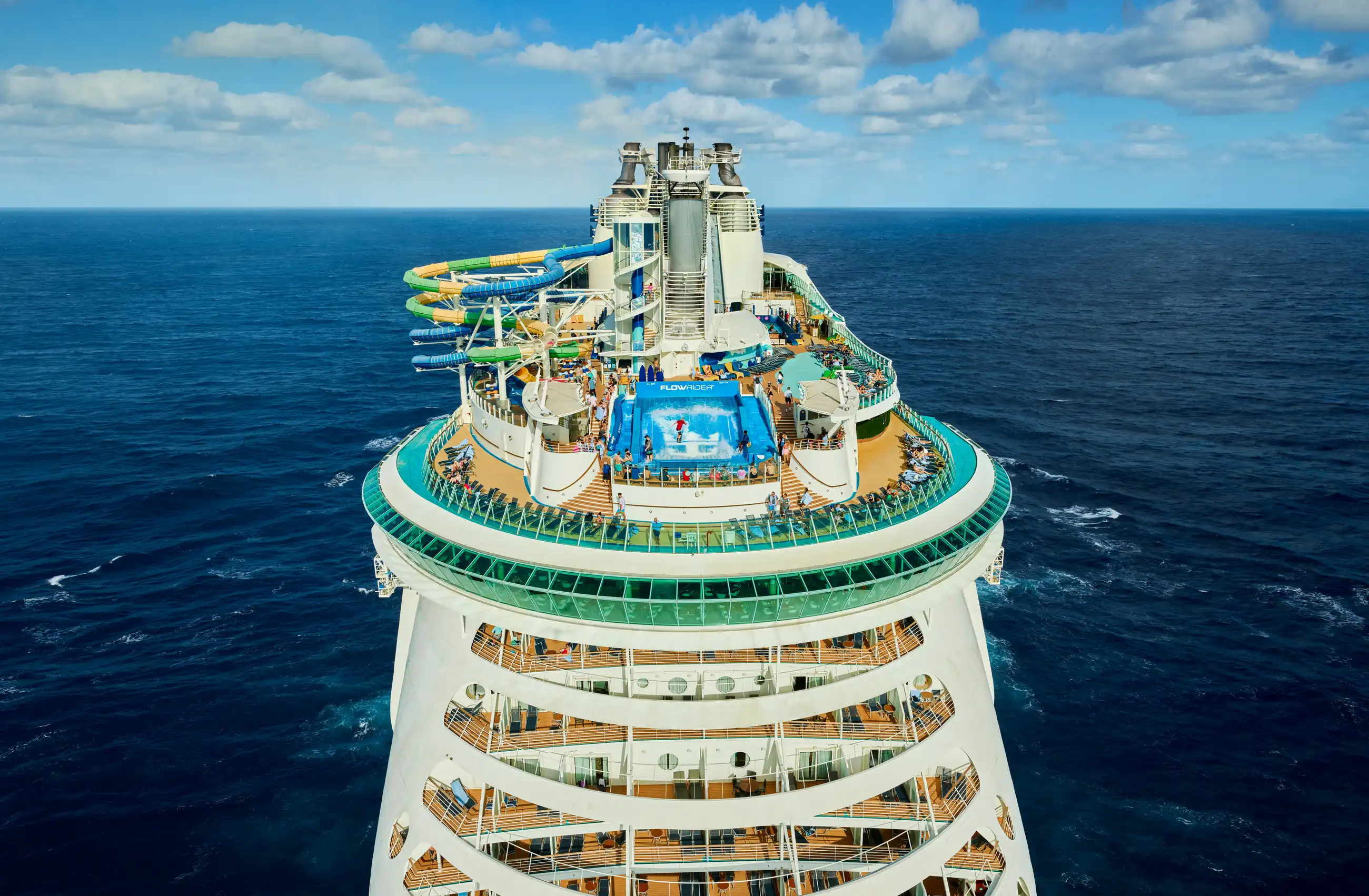
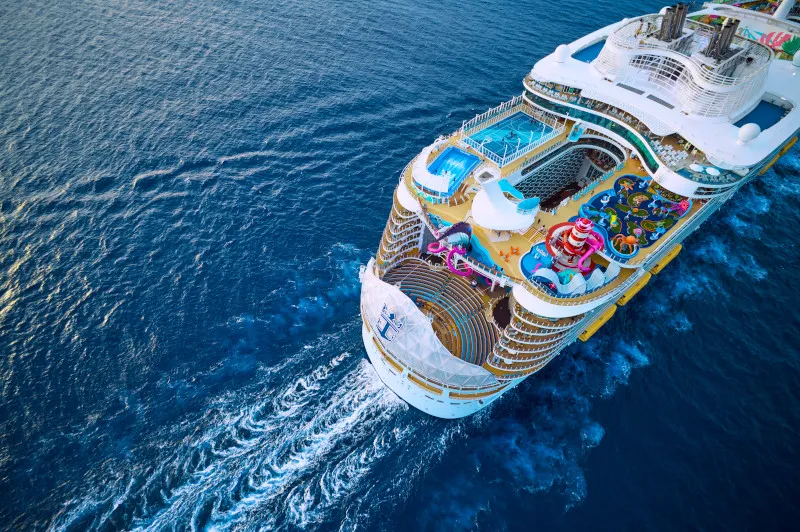
Royal Caribbean brings its large-ship, activity-rich model to the Rome transatlantic — expect plenty of onboard entertainment, multiple dining venues, and enough facilities that the sea days feel like a destination in themselves. The Mediterranean port calls at the start provide a shore-focused counterweight to the ship-focused Atlantic stretch.
View Royal Caribbean sailings from Rome
This is a repositioning voyage, not a round trip. You sail west from Civitavecchia in autumn, typically with meaningful Mediterranean port calls before the open Atlantic stretch. Expect a hybrid experience — part destination cruising, part classic ocean crossing — rather than a pure sea-days voyage.
This route suits travelers wrapping up a European trip who prefer sailing home over flying, and who can commit to 12–16 nights onboard. It rewards patience and curiosity more than tight scheduling. If you need round-trip convenience or a specific return date, this pairing will work against you.
The port is roughly seventy minutes from Fiumicino Airport with no margin for delays. Arrive in Rome at least a night early — same-day connections are risky. The port area itself is functional, not charming, so plan your pre-cruise Rome time in the city, not at the terminal.
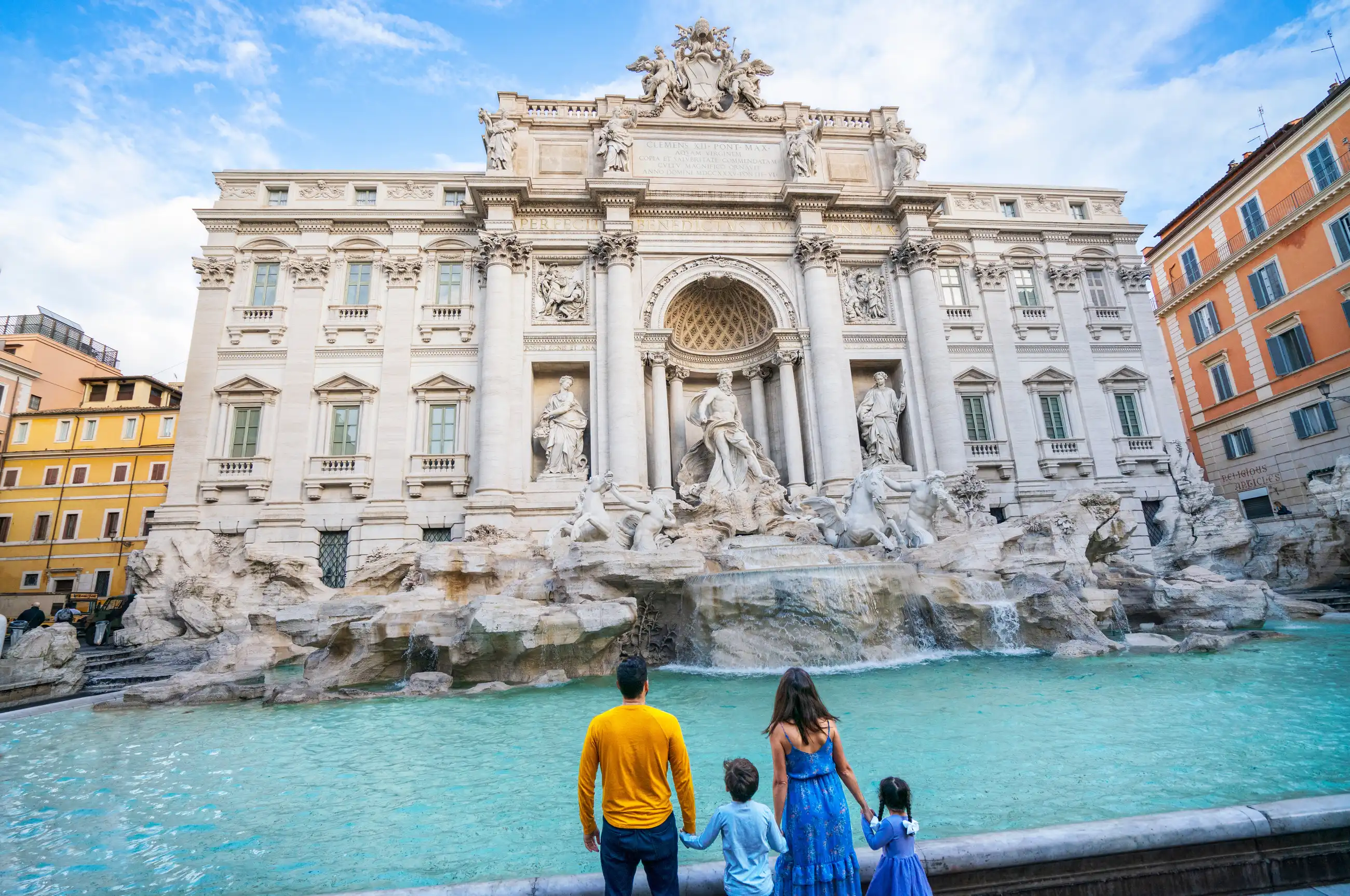
This route is a strong fit for travellers wrapping up time in Italy who want a one-way ocean crossing with genuine Mediterranean port calls built in — and the autumn repositioning pricing can be excellent value per night. The tradeoff is limited seasonal availability, a port transfer that demands an early arrival in Rome, and crossing days that suit passengers comfortable with extended time at sea.












