




Repositioning Voyage
This is a one-way sailing moving a ship from its Mediterranean summer season to winter Caribbean or South American deployment, which often translates into lower fares than comparable-length itineraries.



Destination from Port
Barcelona serves as one of the most appealing European starting points for a westbound transatlantic repositioning voyage. Each autumn, cruise lines move ships from the Mediterranean to the Caribbean, South America, or Florida, and Barcelona's position on the western Mediterranean coast gives these sailings a natural geographic arc — south through the Strait of Gibraltar, with possible calls in Spain, Portugal, or the Atlantic islands before the open ocean crossing begins. The city itself is a compelling reason to arrive a day or two early, adding a strong pre-cruise dimension that purely transit-oriented departure ports cannot match.
This pairing tends to suit travellers who value extended sea days, unhurried routines, and the novelty of crossing an ocean aboard ship. It works particularly well for retirees, remote workers with schedule flexibility, and anyone drawn to the idea of a voyage rather than a port-hopping itinerary. Repositioning pricing can also represent genuine value compared to standard cruise lengths, making Barcelona a smart embarkation choice for those willing to embrace two weeks at sea.
A westbound transatlantic from Barcelona has a distinctive rhythm and character — here's what shapes the crossing in practice.
This is a one-way sailing moving a ship from its Mediterranean summer season to winter Caribbean or South American deployment, which often translates into lower fares than comparable-length itineraries.
Westbound crossings from Barcelona cluster in late October and November, meaning you leave mild Mediterranean weather and gradually transition through cooler open-ocean conditions.
The route heads south and west from Barcelona, typically calling at ports in Spain, Portugal, or the Atlantic islands before committing to open ocean — giving the voyage a gradual geographic build.
Most itineraries include a handful of interesting stops in the first few days — often Iberian or Canary Island ports — before the long open-water stretch begins.
After the last European or Atlantic island call, expect a sustained run of consecutive sea days that forms the core of the crossing experience.
Typical voyage length spans roughly two weeks, giving a slow, unhurried rhythm that rewards readers, spa-goers, and anyone comfortable with unstructured time.

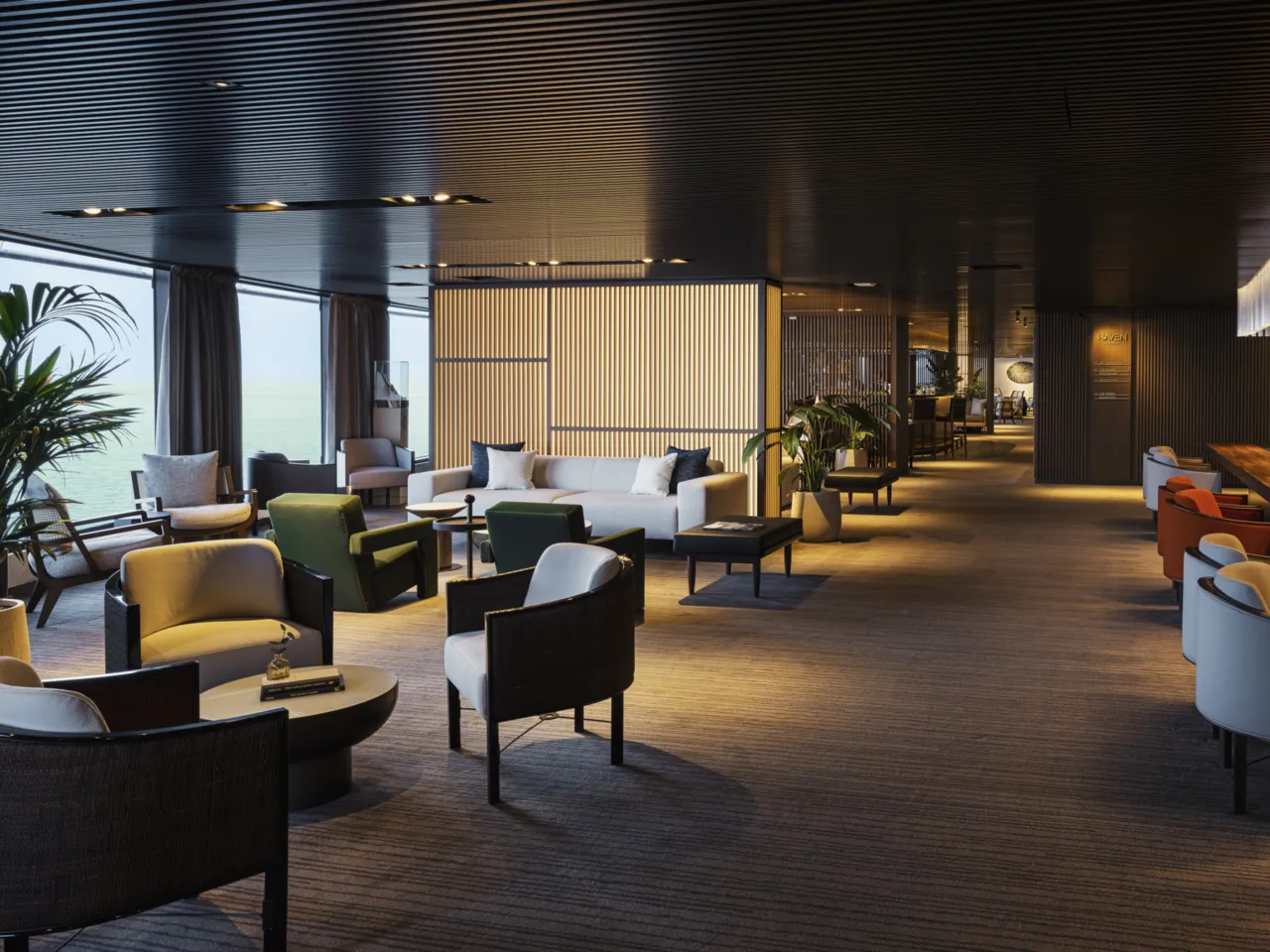
This crossing is built around long stretches of open ocean. If you genuinely enjoy reading, walking the deck, and letting time expand rather than chasing shore excursions, the rhythm here will feel like a reward, not a compromise.

Unlike some repositioning ports, Barcelona is a destination in its own right. You can build two or three days into the front end of your trip without it feeling forced, and transatlantic flight connections into BCN are plentiful.
After the first few Mediterranean or Atlantic island calls, you may not touch land again for a week. If you measure a cruise by how many destinations you collect, this crossing will feel like a lot of ship for not many stamps in the passport.
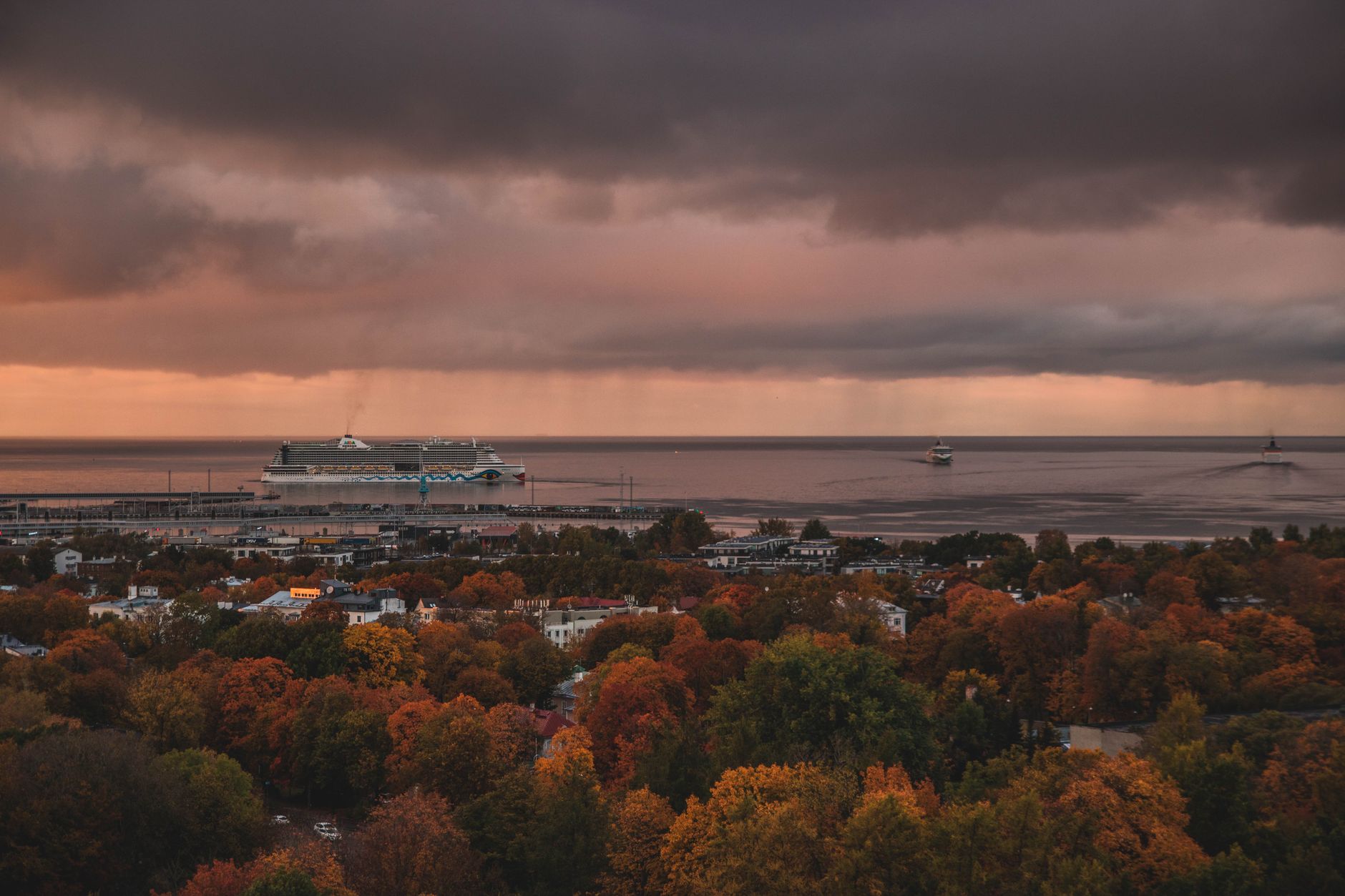
Westbound repositioning voyages from Barcelona cluster in a narrow autumn window. You cannot book one in July or February — and with only a handful of sailings per season, schedule flexibility is nearly essential.

Departure Port Logic
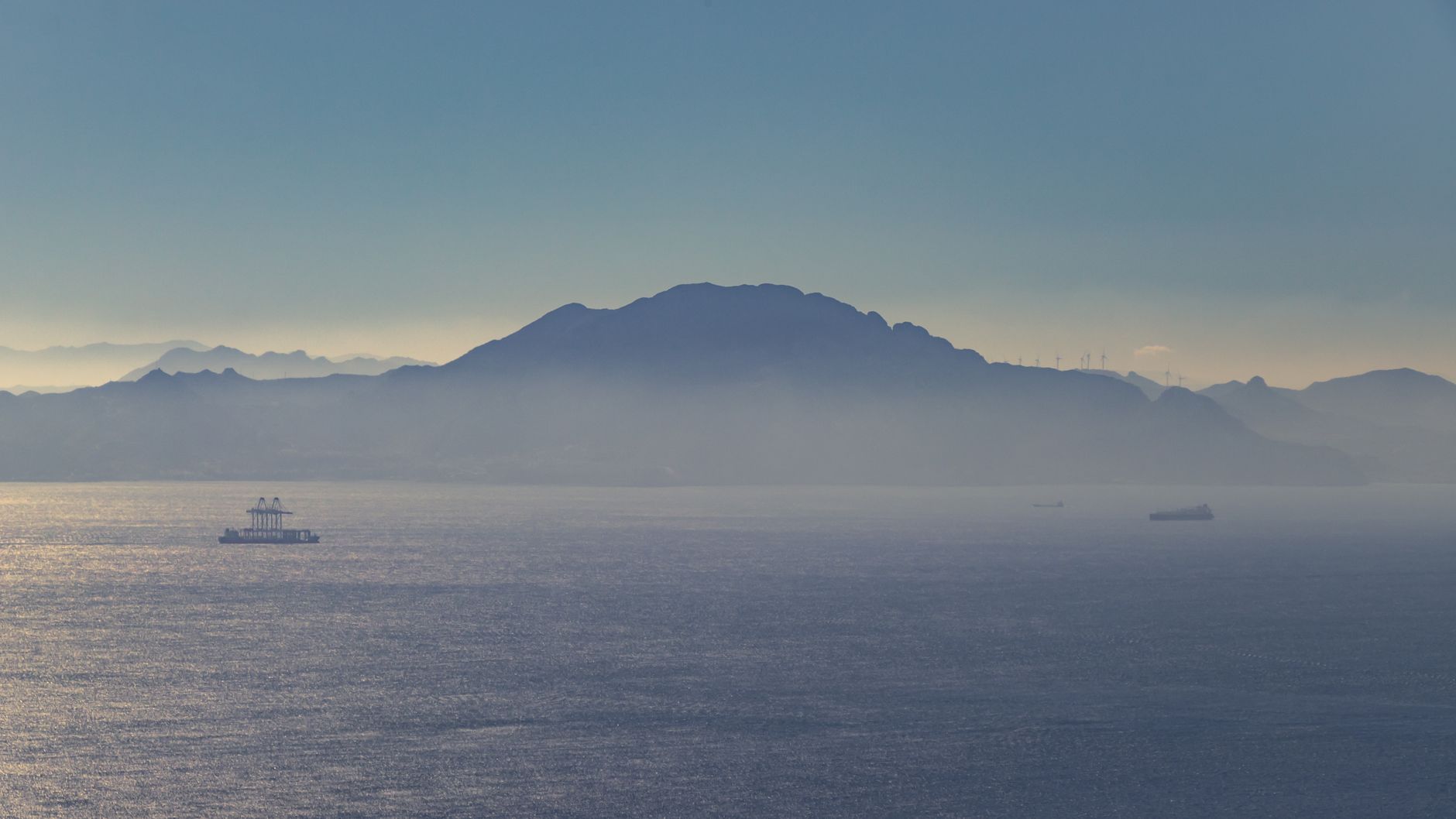
Barcelona changes the arithmetic of a transatlantic crossing in ways that matter before you even board. Unlike Southampton or Lisbon, Barcelona sits deep inside the Mediterranean, which means your first two or three days are spent sailing south through familiar coastal waters — past the Balearics, along the North African coast, and potentially calling at ports like Málaga, Cádiz, or Funchal before you hit open ocean. That gradual transition gives passengers time to settle into the ship's rhythm before facing consecutive sea days on the Atlantic. For travellers who are curious about a crossing but nervous about a full week of open water, this softer on-ramp is a genuine practical advantage.
The city itself adds a layer that most other embarkation ports cannot match. Barcelona's cruise terminal is well-connected to the city centre, making it realistic to arrive two or three days early, explore a world-class city on foot, and board the ship already feeling like the trip has started. Compare that to Civitavecchia, which requires a transfer to Rome, or Southampton, where pre-cruise options are functional but rarely inspiring. Barcelona earns its keep as a departure point not just because the lines position ships there, but because it lets you build a genuinely rewarding first chapter before the crossing begins.
Most westbound transatlantic sailings from Barcelona depart in late October or November, when lines move ships from Mediterranean summer seasons to Caribbean or South American winter deployments. This narrow window means limited sailing dates — typically only one or two departures per line per year.
Barcelona's cruise port sits at the southern end of La Rambla, reachable by taxi from the airport in roughly 25 minutes outside rush hour. The proximity to the city centre makes pre-cruise stays practical without needing a separate transfer day, unlike some competing embarkation ports.
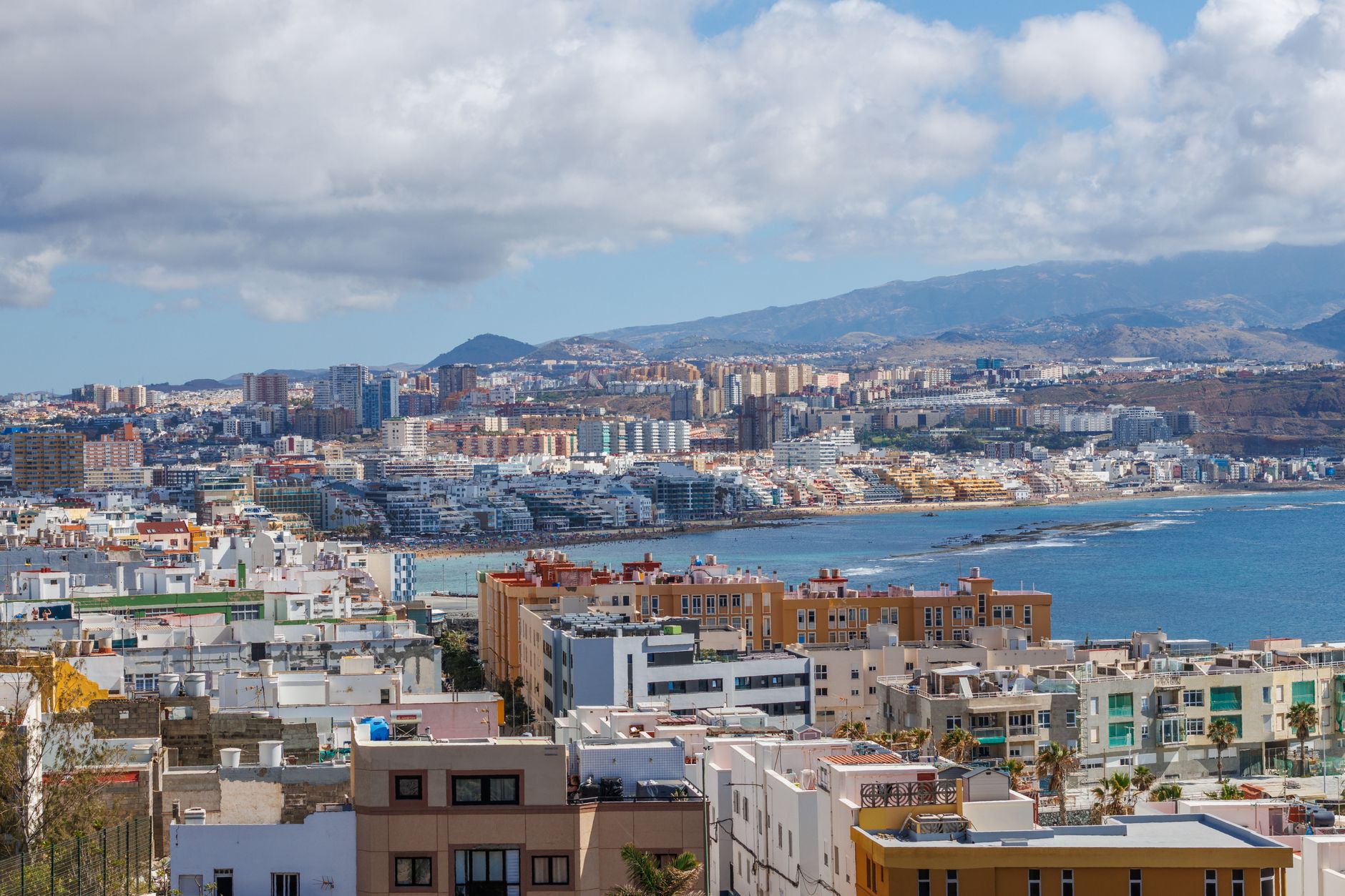
Departing from inside the Mediterranean means the first few days often include port calls in southern Spain, Portugal, or Madeira. These early stops break up the voyage and give first-time crossing passengers a gentler introduction before the sustained Atlantic sea days begin.
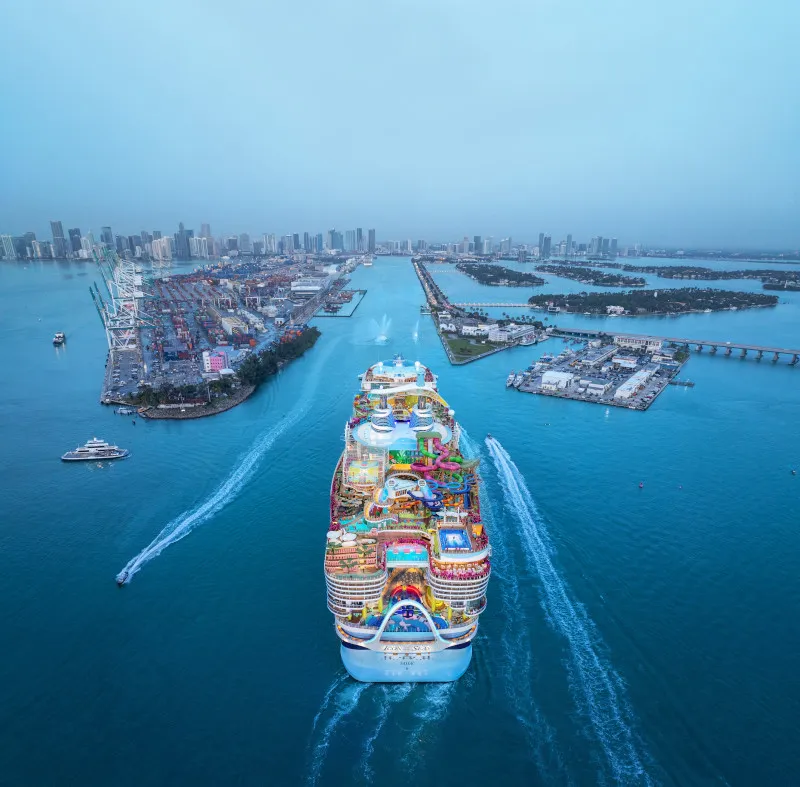
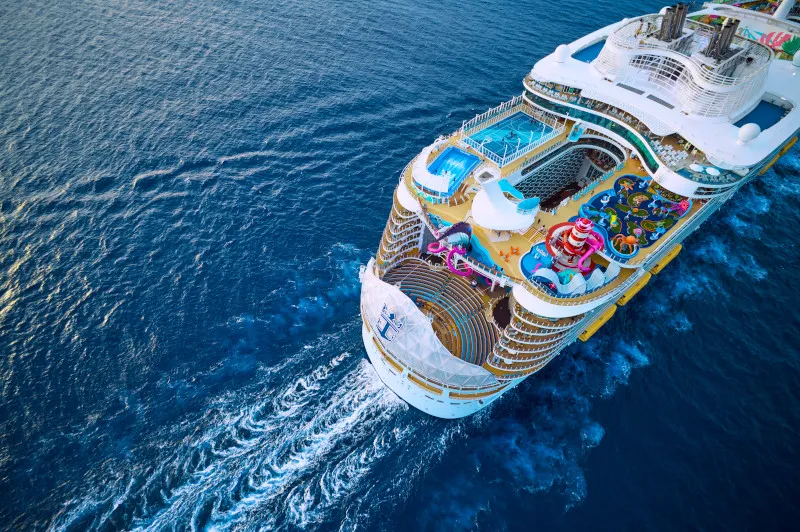
Royal Caribbean deploys large, activity-dense ships on this repositioning route, which means the consecutive sea days come loaded with structured entertainment, dining variety, and enough onboard distractions to keep families and restless travellers occupied across the open Atlantic.
Browse Royal Caribbean transatlantic sailings from Barcelona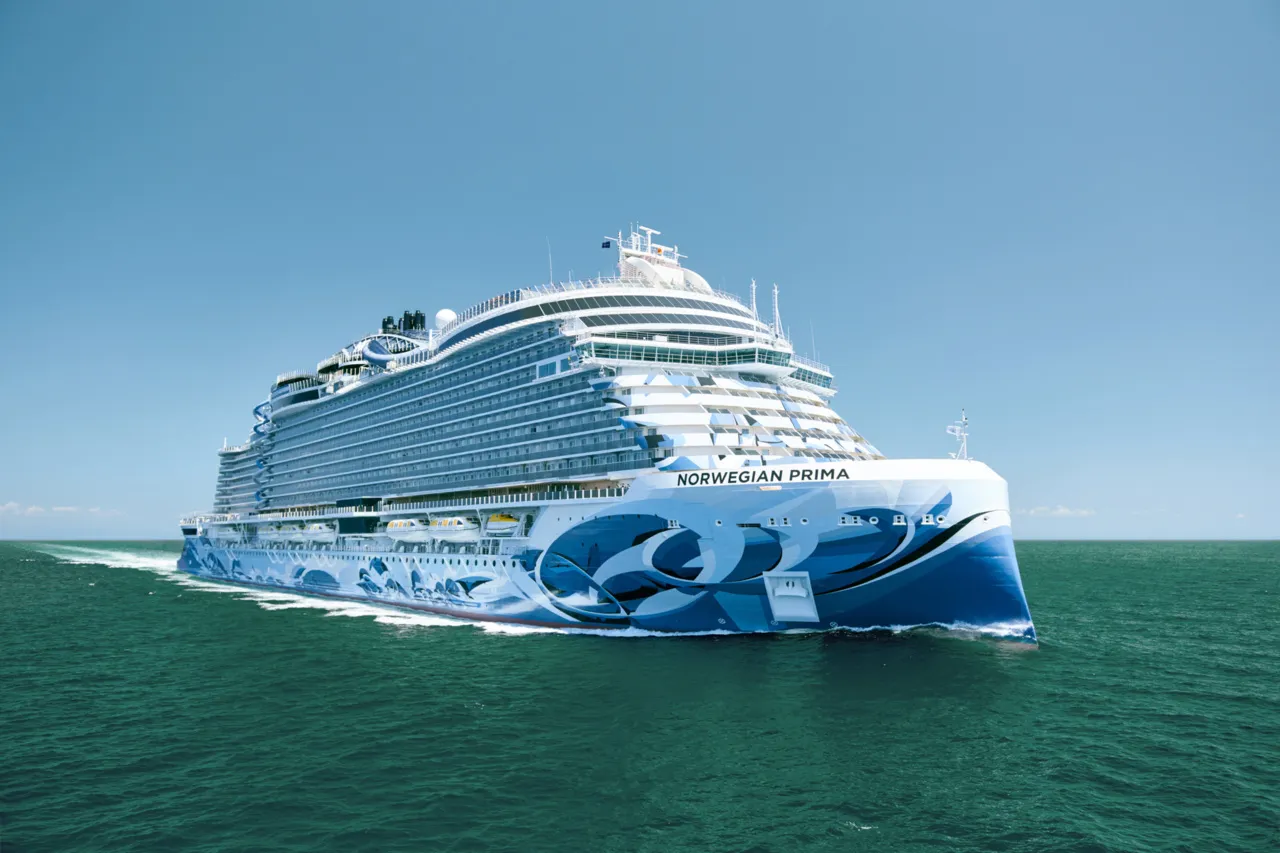
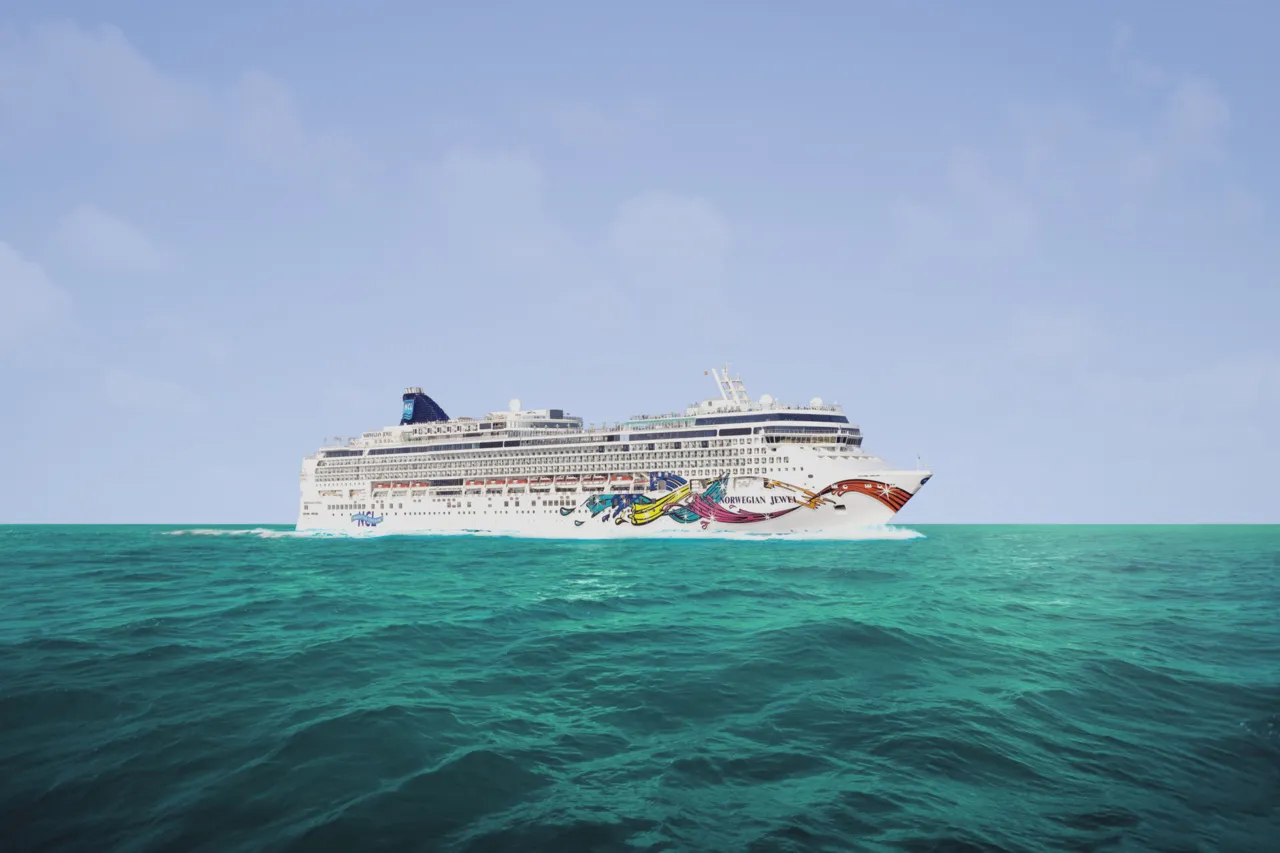
Norwegian Cruise Line runs its transatlantic repositioning voyages with a flexible, no-fixed-schedule approach — Freestyle Cruising translates well to sea-day-heavy itineraries where passengers can eat, sleep, and move around the ship on their own rhythm without assigned dining times or structured expectations.
Browse Norwegian transatlantic sailings from Barcelona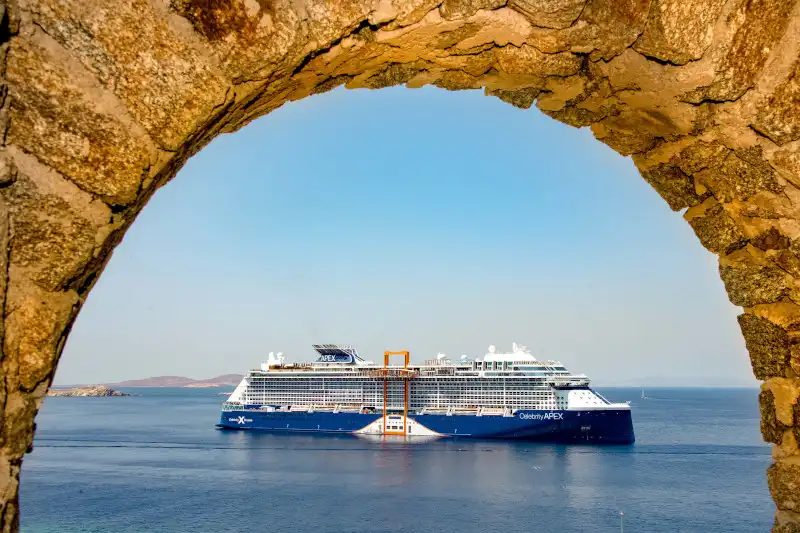
Celebrity Cruises positions its transatlantic repositioning voyages as a more refined take on the crossing, with ships that emphasise design, dining quality, and a calmer onboard pace than the largest mainstream competitors — without tipping into full luxury pricing.
Browse Celebrity transatlantic sailings from Barcelona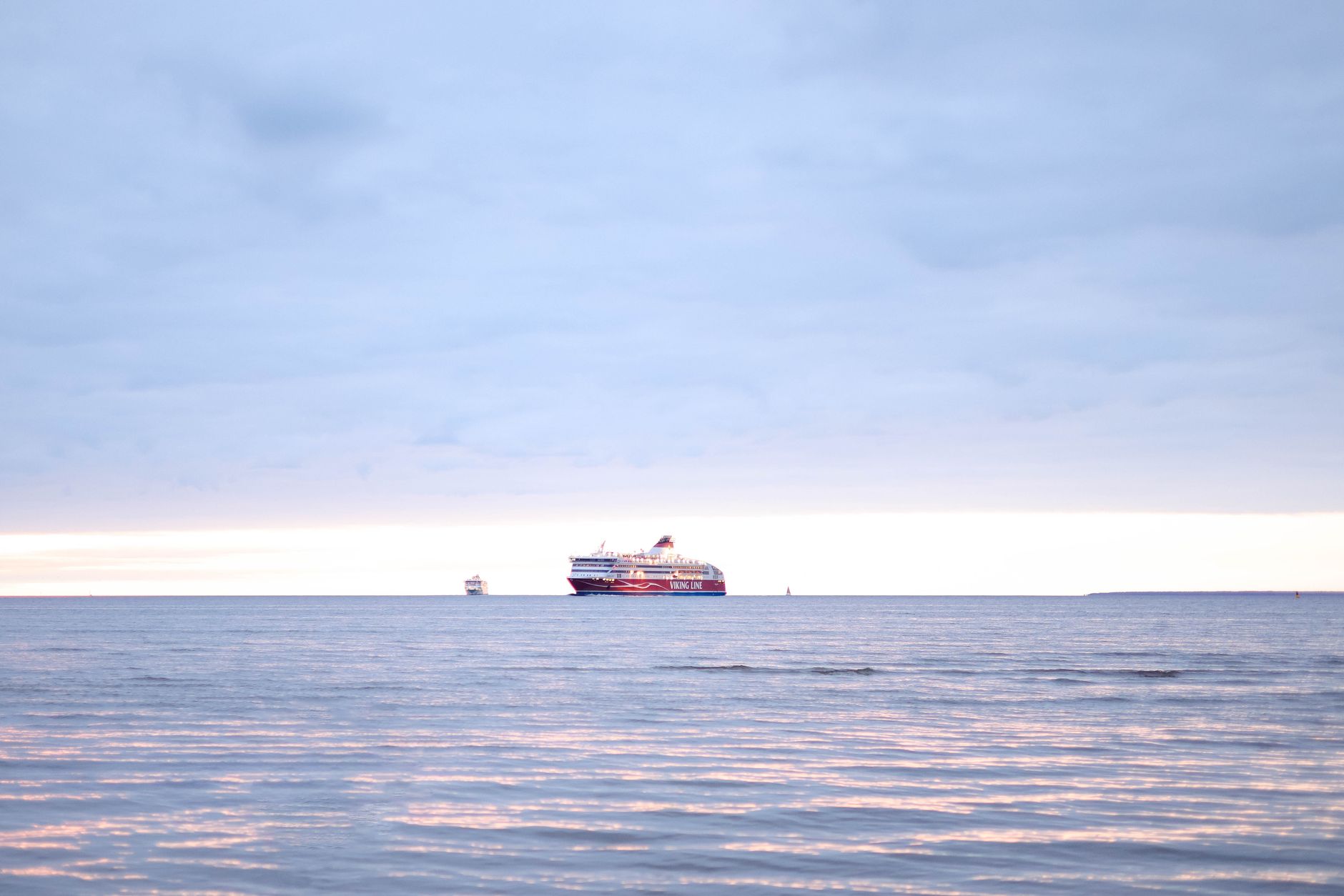
Viking Ocean approaches transatlantic crossings as enrichment voyages — smaller ships, included excursions at ports of call, guest lectures, and a deliberately calm onboard environment designed around destination-minded adults rather than resort-style entertainment.
Browse Viking Ocean transatlantic sailings from Barcelona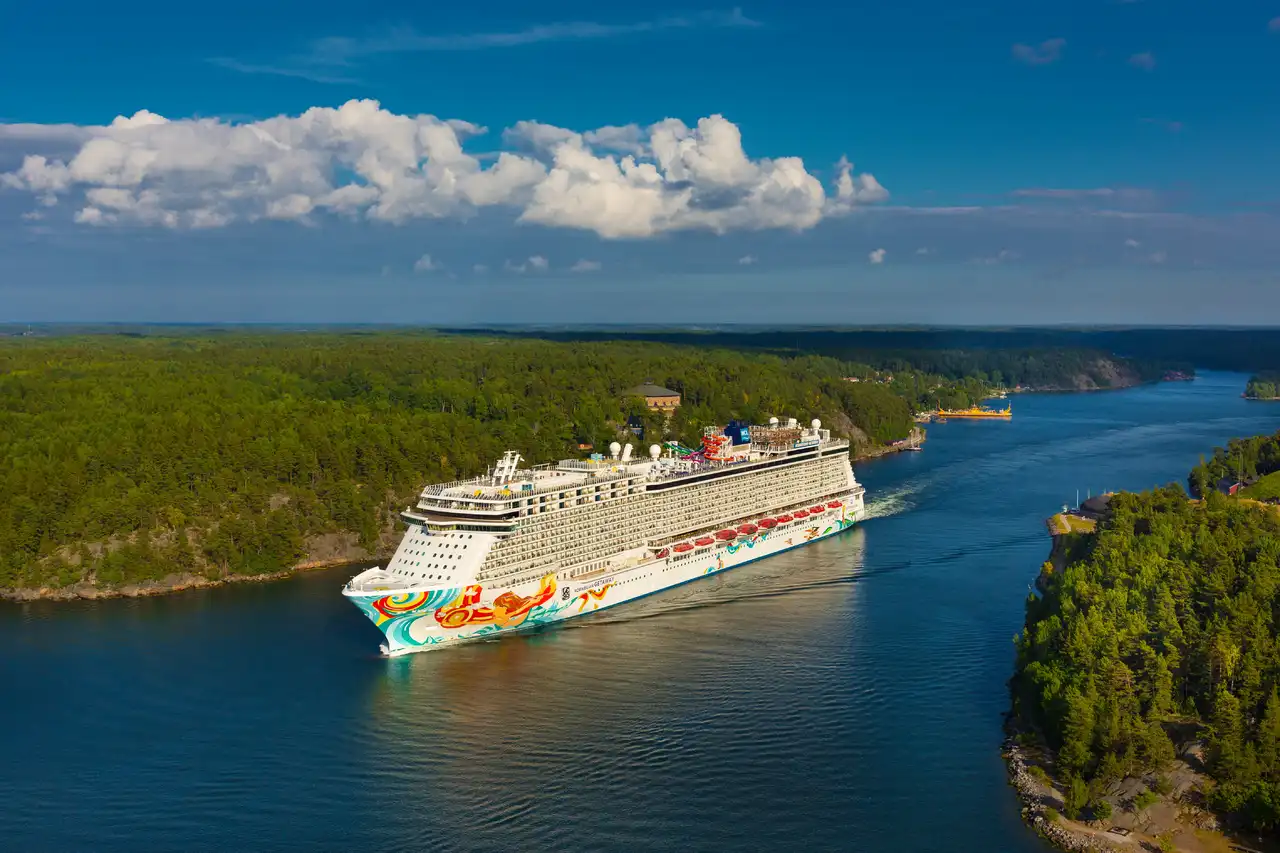
This is a one-way ship relocation from the Mediterranean to the Americas, typically 12–16 nights with a handful of early ports followed by consecutive open-ocean sea days. The ship itself becomes the destination for the bulk of the voyage. If you need frequent port stops to stay engaged, this crossing will feel long.
This route rewards readers, slow-paced explorers, and anyone who treats a ship as a floating retreat rather than a transport hub. Couples, solo travelers, and retirees with flexible schedules tend to thrive. Families with young children or travelers who get restless without daily excursions should think carefully before booking.
Repositioning voyages often price below comparable-length cruises because the ship must move regardless of occupancy. The tradeoff: sailings cluster in a narrow autumn window (late October–November), the route is one-way so you'll need to arrange return travel separately, and you'll cross multiple climate zones requiring layered packing. Plan around the schedule, not the other way around.
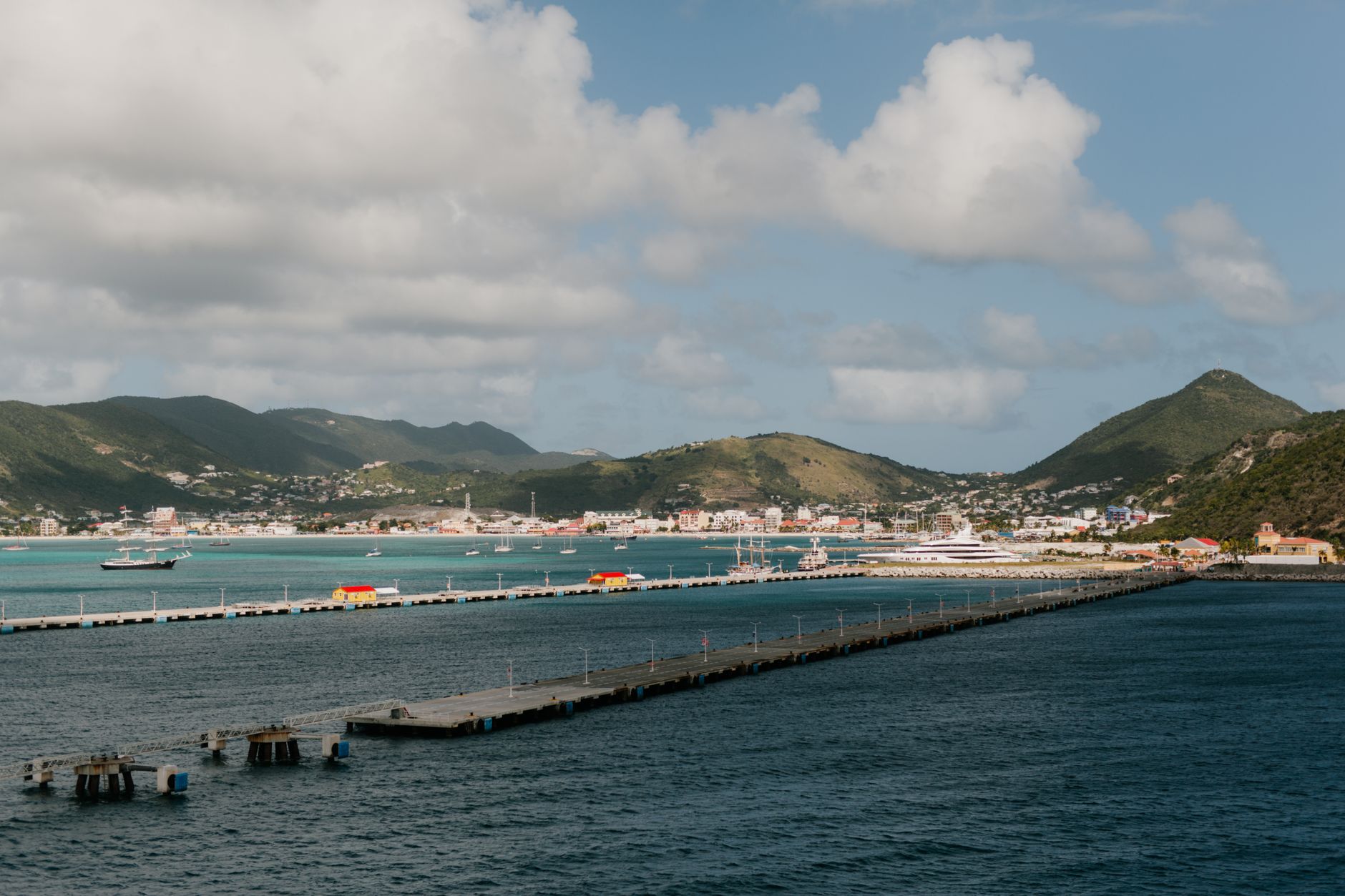
This crossing is a strong fit for travellers who value unhurried sea days, a vibrant embarkation city, and the chance to pick up interesting Atlantic island stops early in the voyage — but it demands genuine comfort with ten or more days where the ship is your entire world, and the autumn timing limits flexibility on when you can go.












