




Port Everglades Embarkation
Ft. Lauderdale's Port Everglades is one of the busiest cruise ports in the world, offering streamlined embarkation with easy access from Fort Lauderdale-Hollywood International Airport.

Destination from Port
Ft. Lauderdale's Port Everglades puts you closer to the canal's Caribbean approach than almost any other major U.S. cruise port. The southbound routing threads through the western Caribbean before reaching Colón, giving ships a logical, weather-friendly path that doubles as a port-hopping itinerary in its own right. Whether you book a full transit ending on the Pacific side or a partial that returns you to South Florida, the pairing keeps embarkation simple — a major airport, abundant hotels, and a port that handles large-ship operations daily.
This route tends to suit travellers who want more than a beach loop: retirees and experienced cruisers willing to commit 10 to 16-plus days, couples looking for an engineering-marvel centrepiece to a longer voyage, and anyone who values sea days as part of the experience rather than filler. If you're flying in from anywhere in the eastern U.S., Ft. Lauderdale's connectivity makes the logistics notably easier than chasing a one-way departure from a West Coast port.

A Panama Canal sailing from Ft. Lauderdale is shaped by a handful of practical realities — from how long you'll be at sea to the kind of transit you choose.
Ft. Lauderdale's Port Everglades is one of the busiest cruise ports in the world, offering streamlined embarkation with easy access from Fort Lauderdale-Hollywood International Airport.
The single biggest decision on this route is whether your ship passes all the way through the canal to the Pacific side or turns around partway — each option shapes trip length, cost, and what you ultimately see.
These itineraries typically require more days than a standard Caribbean cruise, making them better suited to travellers who can commit to a longer sailing.
Expect a rhythm of sea days interspersed with port calls rather than a port-every-morning schedule, giving the voyage an unhurried, transatlantic-style feel.
Before reaching the canal, most itineraries stop at one or more Caribbean ports — commonly in Colombia, Aruba, Curaçao, or the western Caribbean — filling the days between departure and transit.
Canal departures from Ft. Lauderdale concentrate between October and April, with the heaviest sailings from November through March, aligning with dry-season weather along the route.
Postcards from this route
Scenes from Ft. Lauderdale to the locks — Caribbean ports, the Culebra Cut, and open water in between.
This route rewards passengers who enjoy slow-build itineraries with a marquee event at the centre. If the idea of multiple sea days between ports energises rather than bores you, the canal transit will feel like a genuine payoff.
Ft. Lauderdale's port is minutes from FLL airport and well-served by direct flights from most U.S. and Canadian cities. No overnight pre-cruise hotel required for most East Coast travellers — a real advantage on a trip that already demands a big time commitment.
Canal sailings cost meaningfully more than standard Caribbean cruises and lock you in for at least ten days — often two to three weeks for a full transit. The season runs roughly October to April with finite inventory. If your schedule or budget is tight, a shorter Caribbean loop may be the honest answer.
A full transit ends on the Pacific side, meaning you need a one-way flight home — an extra cost and planning step. A partial transit returns to Ft. Lauderdale but shows you less of the canal. Decide which tradeoff you can live with before you start comparing fares.
Departure Port Logic
Port Everglades in Ft. Lauderdale is the dominant East Coast embarkation point for Panama Canal itineraries, and that is not accidental. Its geographic position at the southeastern tip of Florida means the ship reaches the Caribbean quickly — often with just one sea day before the first port call — which keeps the outbound leg from feeling like a long, empty preamble. By contrast, canal sailings from ports farther north (New York, Baltimore, or even Tampa) add extra sea days that stretch total voyage length or compress time at intermediate ports. From Ft. Lauderdale, a full transit can run 14–16 days rather than 18–21, which makes the commitment more realistic for travelers who cannot take three full weeks off.
The port's infrastructure also matters in practical terms. Ft. Lauderdale–Hollywood International Airport sits minutes from the cruise terminal, and the surrounding area offers a deep bench of hotels at every price point — useful for the pre-cruise overnight that longer voyages make advisable. Because multiple major lines (Holland America, Princess, Celebrity, and others) stage canal departures here, you get more sailing dates and more itinerary variations to compare than from any other single U.S. port. That density of options is the real advantage: it lets you choose between full and partial transits, pick the cruise line whose onboard style fits you, and find a departure window that aligns with both your schedule and the dry season in Central America.
Fort Lauderdale–Hollywood International Airport (FLL) is roughly 3 miles from Port Everglades. Ride-shares and taxis typically take 10–15 minutes, and most cruise lines offer transfer shuttles. Arriving the day before embarkation is widely recommended for a voyage this long — the area around the port has plentiful hotel options from budget to upscale.
Canal departures from Ft. Lauderdale concentrate between October and April, with the highest frequency from November through March. Because several lines operate from Port Everglades simultaneously, you are more likely to find a departure date that fits your calendar here than from any other U.S. port.
Full-transit sailings often end in a West Coast port such as San Francisco or Los Angeles, meaning you will need a one-way flight home. Partial transits generally return to Ft. Lauderdale, simplifying travel plans. Factor return logistics — and potential airfare costs — into your port-of-departure decision.

Princess treats the Panama Canal as a signature route, offering both full and partial transits with an emphasis on enrichment programming — onboard historians, canal-focused commentary, and deck-by-deck viewing logistics that reflect years of operating this itinerary.
Browse Princess sailings
Holland America leans into the canal route's heritage appeal, pairing longer itineraries with a quieter onboard atmosphere, regional cuisine touches, and programming that treats the voyage as exploration rather than spectacle.
Browse Holland America sailings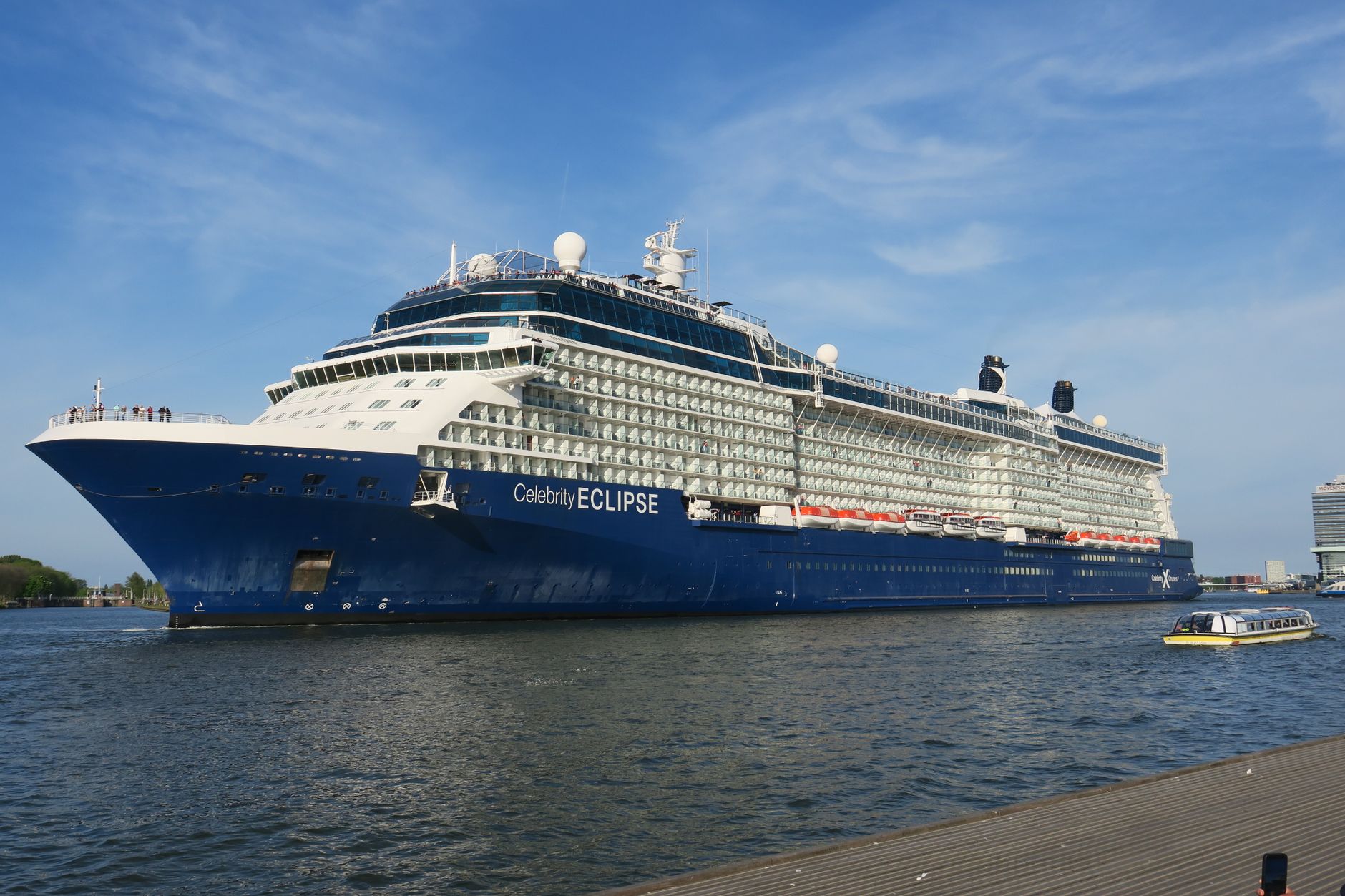
Celebrity positions its canal transits as a premium-contemporary experience, with modern ship design, stronger food and beverage programs, and an aesthetic that feels more resort than traditional cruise ship.
Browse Celebrity sailings
A Panama Canal sailing from Ft. Lauderdale runs 10 to 16+ days, threading south through the Caribbean before reaching the canal itself. Multiple sea days, an engineering spectacle at the locks, and a mix of Central American and Caribbean ports define the rhythm. It has more in common with a repositioning cruise than a week-long island circuit.
This route suits travelers who enjoy sea days, don't need constant port stimulation, and find the idea of watching a ship squeeze through century-old locks genuinely exciting. Retirees, experienced cruisers, and couples looking for a milestone voyage make up the core audience. If you need nonstop activity ashore, this may feel slow.
A full transit takes you coast to coast and typically means a one-way voyage — you'll need to fly home or back. A partial transit returns to Ft. Lauderdale but only shows you part of the canal. This single decision shapes your trip length, budget, logistics, and what you actually experience. Decide this first before comparing itineraries.

A Panama Canal cruise from Ft. Lauderdale is a strong fit for travelers who want the convenience of a major South Florida port combined with a genuinely singular transit experience — but it demands a real commitment of time (often 10 to 16 nights or more) and budget that puts it in a different category from a standard Caribbean getaway.






