




No-fly access to Hawaii
Eliminates the long-haul flight from New Zealand entirely, replacing it with a gradual ocean crossing.

Hawaii from Auckland
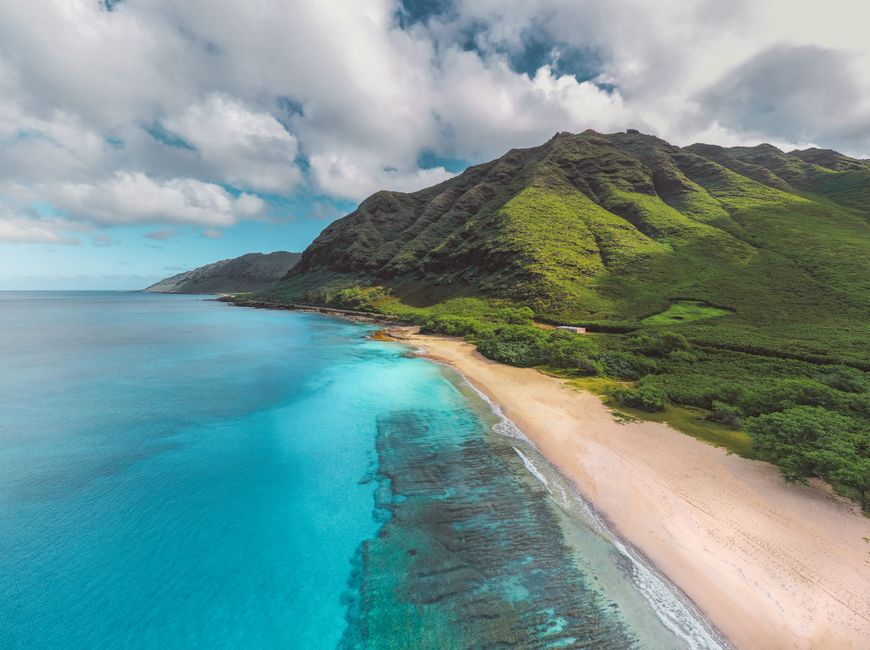
Sailing from Auckland to Hawaii replaces a ten-hour flight with a two-to-three-week voyage across the open Pacific. The crossing itself becomes part of the destination — five to seven sea days of uninterrupted shipboard life before the Hawaiian islands appear on the horizon. Princess Cruises and Holland America Line operate this corridor seasonally between January and April, deploying mid-sized ships with strong enrichment programming built for exactly this kind of extended sailing.
This pairing suits travellers with time and a genuine appetite for sea days. Most itineraries visit three or four Hawaiian islands before ending in Honolulu, and many include a South Pacific stop on the way north. For New Zealand–based cruisers, it is the most seamless way to reach Hawaii without an airport — and the gradual time zone adjustment across the Pacific is a real, practical benefit over flying.
Practical characteristics of the Auckland-to-Hawaii sailing that shape the experience.
Eliminates the long-haul flight from New Zealand entirely, replacing it with a gradual ocean crossing.
Ships adjust clocks one hour at a time across several sea days, so jet lag is essentially eliminated.
Five to seven consecutive days at sea give you time to settle into shipboard rhythms — lectures, dining, deck life — in a way short cruises never allow.
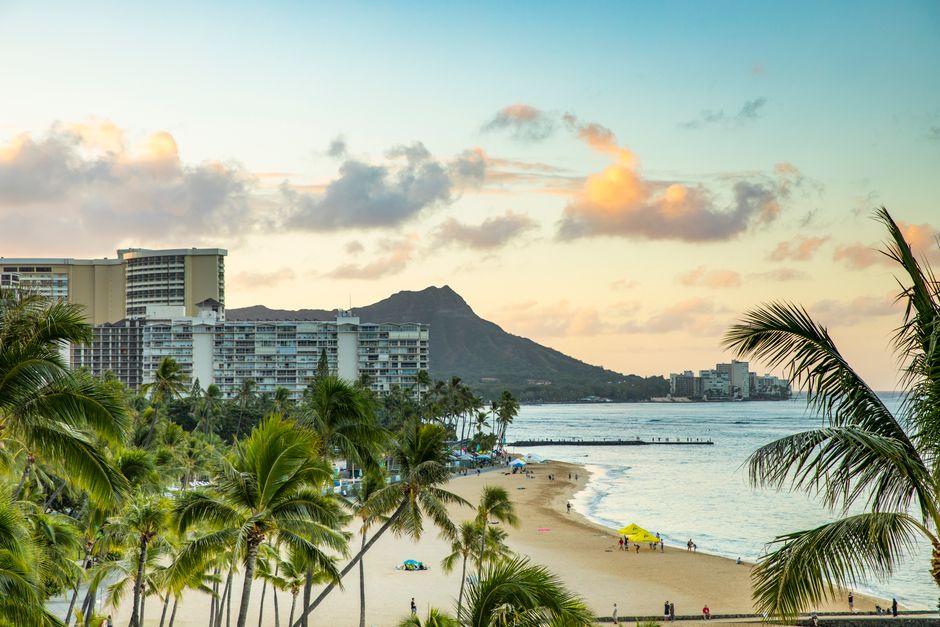
Most sailings visit three or four islands — typically Maui, the Big Island, Kauai, and Oahu — with eight to ten hours ashore at each.
Some itineraries include a port call in Fiji, Samoa, or another South Pacific island, breaking up the ocean crossing.
Princess and Holland America deploy vessels with guest lecturers, cooking programmes, and onboard partnerships that make sea days feel full, not empty.
If you have three weeks and genuinely enjoy extended time at sea — lectures, dining rituals, balcony mornings — this route is built for you. The pace is unhurried and the passenger mix skews toward experienced cruisers who appreciate exactly that.
Sailing from your home country to Hawaii avoids the ten-hour flight, eliminates jet lag through gradual clock changes, and starts the holiday the moment you board. The convenience of a local departure port makes the long voyage feel less like a commitment and more like an extended getaway.
Five to seven consecutive sea days will feel long if your priority is a new destination every morning. The 16–22 night length also makes this impractical during school terms. Families and port-chasers may be better served by flying to Honolulu and booking NCL's seven-night inter-island itinerary instead.
Departure port logic
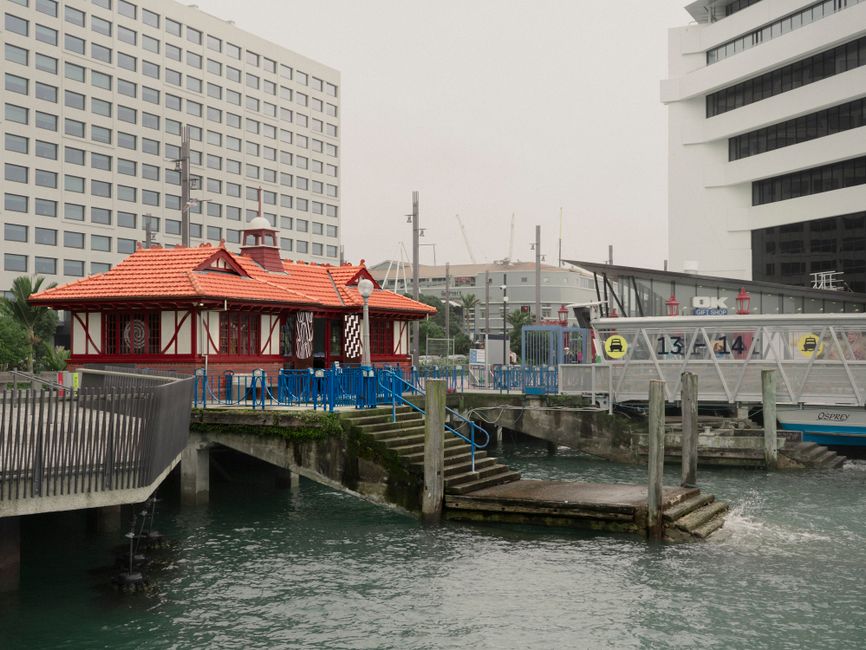
Auckland is the primary gateway for New Zealand–based travellers who want to reach Hawaii without flying. Queens Wharf is centrally located, easy to access, and familiar to anyone who has cruised from New Zealand before. Departing from here means no international flight before embarkation — you drive or take a domestic connection to Auckland and walk onto the ship. That simplicity is the core value of this departure port.
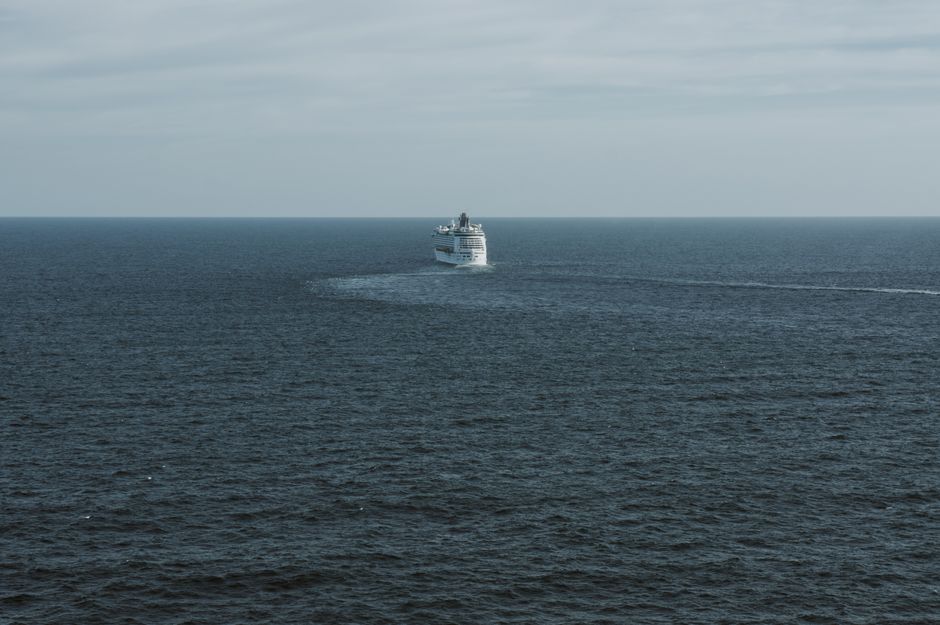
The trade-off is distance. Auckland is roughly 3,800 nautical miles from Hawaii, which produces the five-to-seven-day ocean crossing that defines this route. If you flew from Auckland to Honolulu, you would be there in about ten hours. Choosing the cruise means choosing the crossing — and the crossing needs to be something you want, not something you tolerate. Auckland also opens the possibility of pre-cruise time in New Zealand for international travellers who fly in from Australia or elsewhere, turning the departure into a two-destination holiday.
Central location with good access from Auckland Airport (roughly 30–40 minutes by car). Cruise terminal facilities are straightforward. No tender required for embarkation.
Arriving a day or two early gives you time to explore Auckland's waterfront, Waiheke Island, or — with more time — Rotorua or the Bay of Islands before the voyage begins.
Most itineraries are one-way, terminating in Honolulu or continuing to a mainland US port. Plan your return journey — whether by flight home from Honolulu or by extending the sailing — before you book.
Princess treats the transpacific crossing as a classic ocean voyage, leaning into sea-day programming with structured enrichment talks, deck-by-deck dining variety, and the Movies Under the Stars screen that comes into its own on warm Pacific evenings. Intermediate South Pacific or New Zealand port calls are woven in where the itinerary allows, but the emphasis stays on the long blue-water passage itself.
Browse Princess sailings
This is a 16–22 night sailing with five to seven consecutive sea days. The ocean crossing is the defining feature, not a gap between ports. Choose this route if the journey matters as much as the destination.
The passengers who love this route are the ones who settle into shipboard life — attending lectures, finding a favourite deck chair, building dinner-table friendships over two weeks. If you need constant stimulation from new ports, the rhythm will feel slow.
Three weeks is a significant commitment. If your goal is simply to see Hawaii, flying to Honolulu and booking a seven-night inter-island cruise is faster and cheaper. Auckland-to-Hawaii is for travellers who value the crossing as much as the arrival.
This route is for time-rich travellers who see five days of open Pacific not as dead time but as the point — a genuine ocean crossing that earns the arrival. The tradeoff is real: three weeks of calendar and a higher price tag than flying, which means it needs to be a deliberate choice, not a default one.






