




True ocean crossing
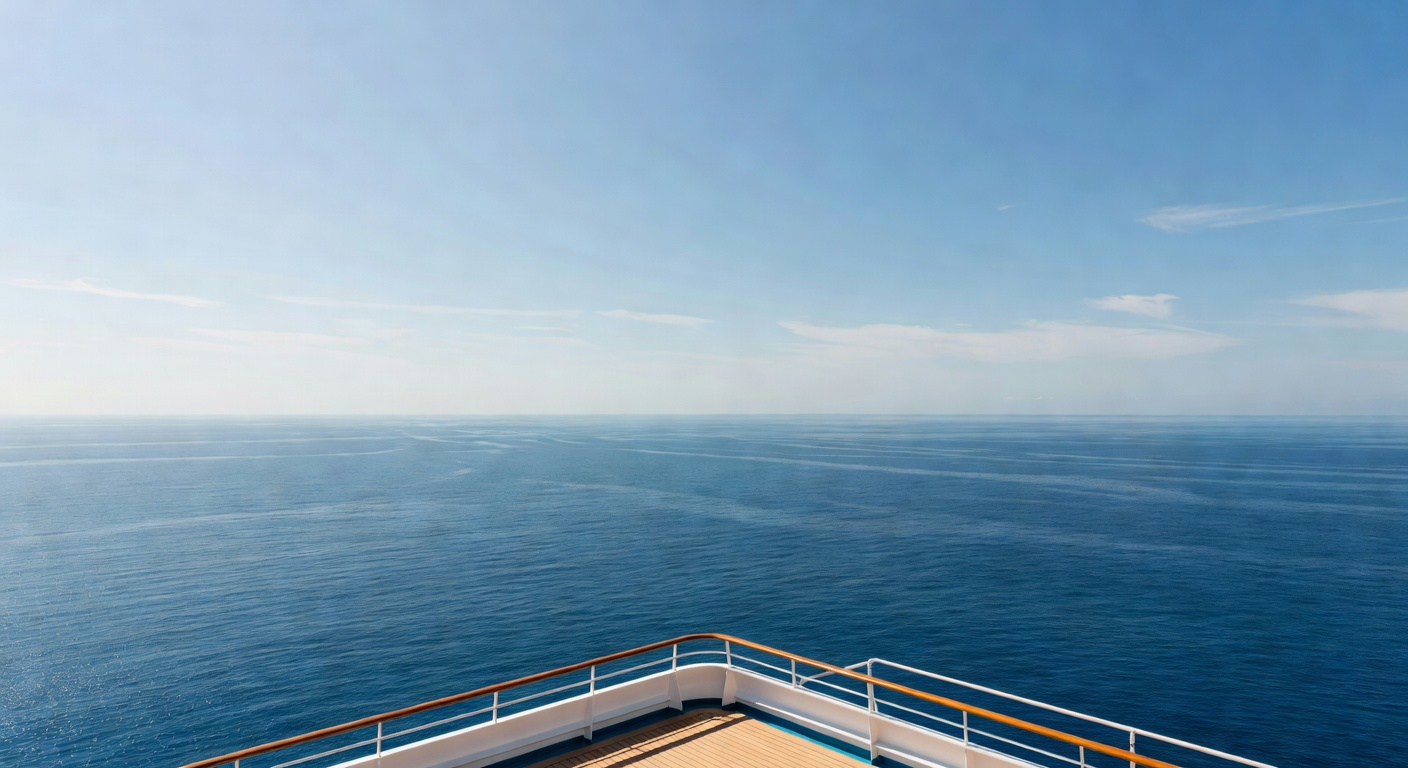
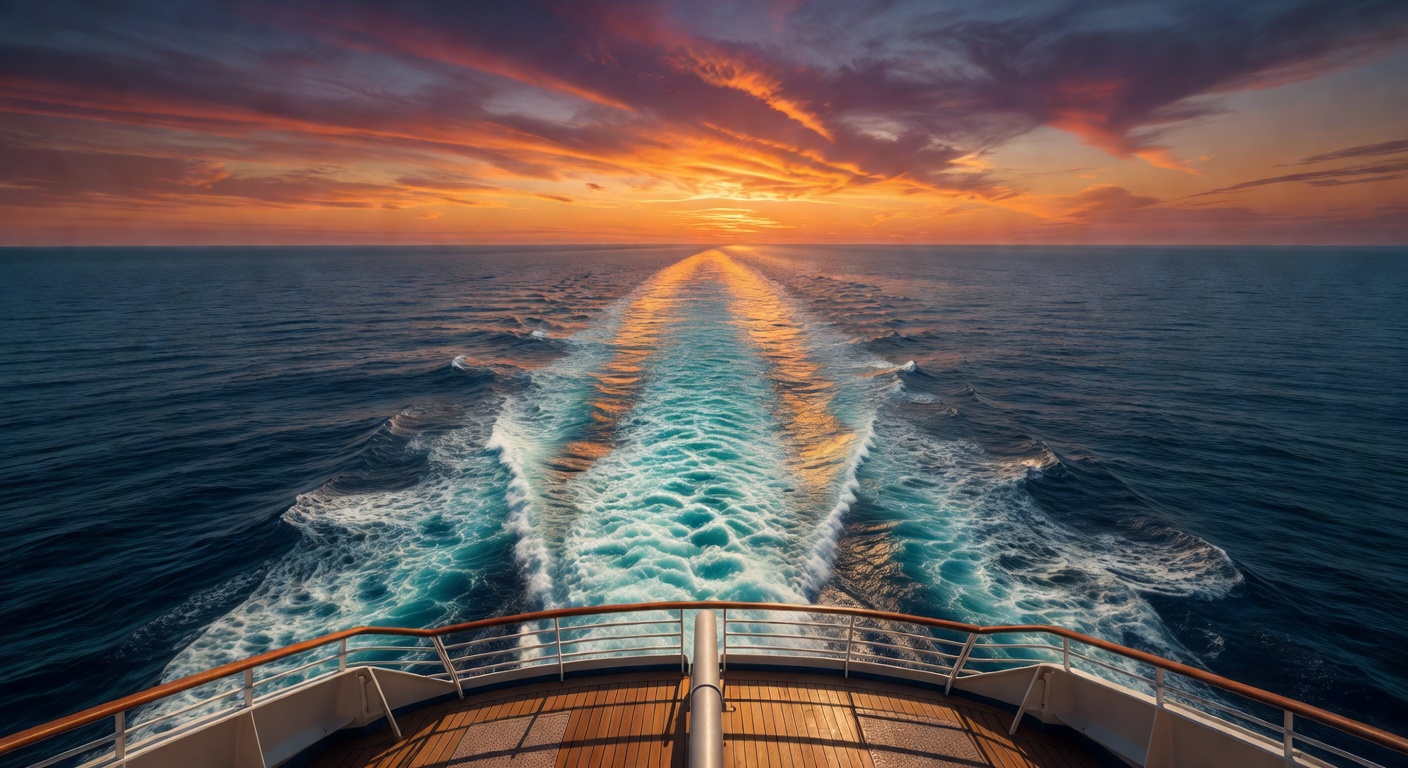
Five consecutive sea days across the open Pacific create a genuine sense of voyage — a rarity in modern cruising.

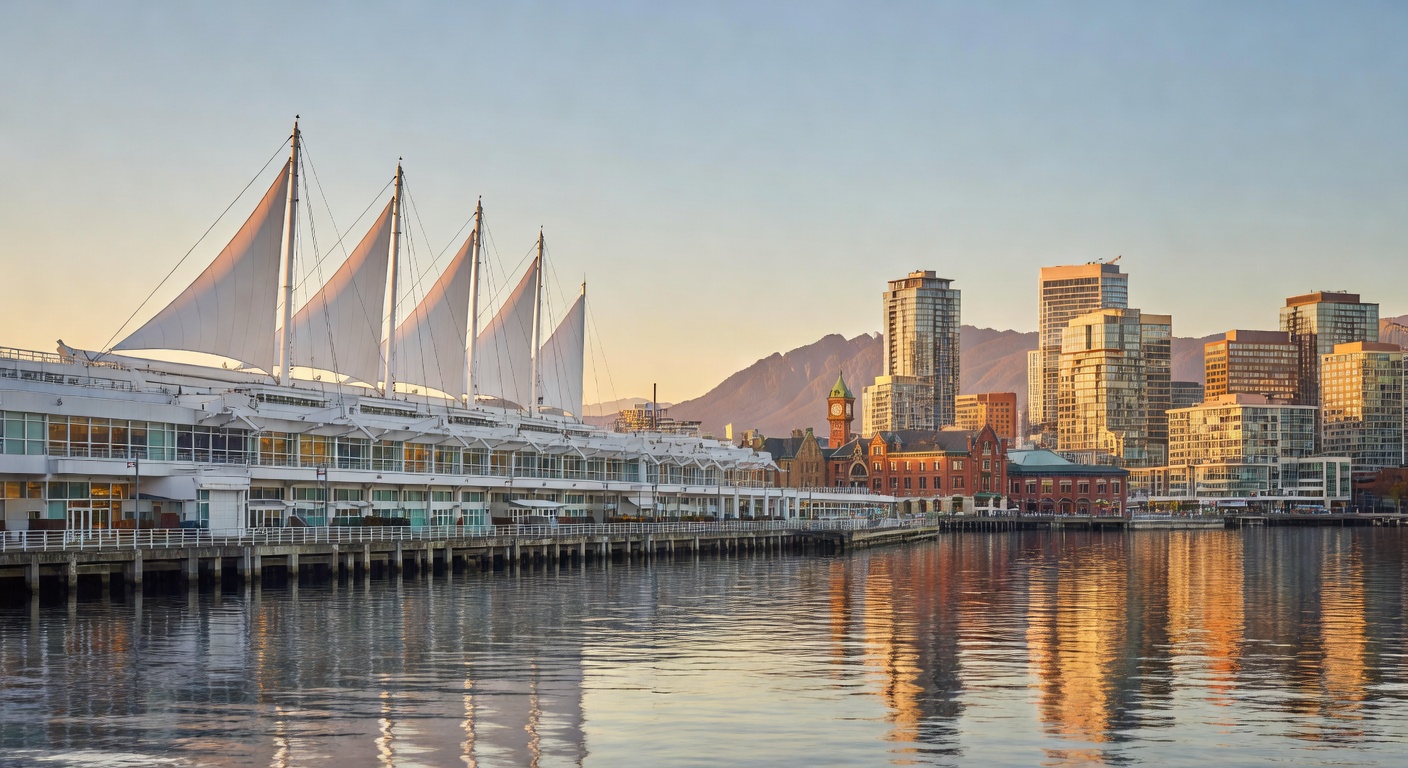
Hawaii from Vancouver
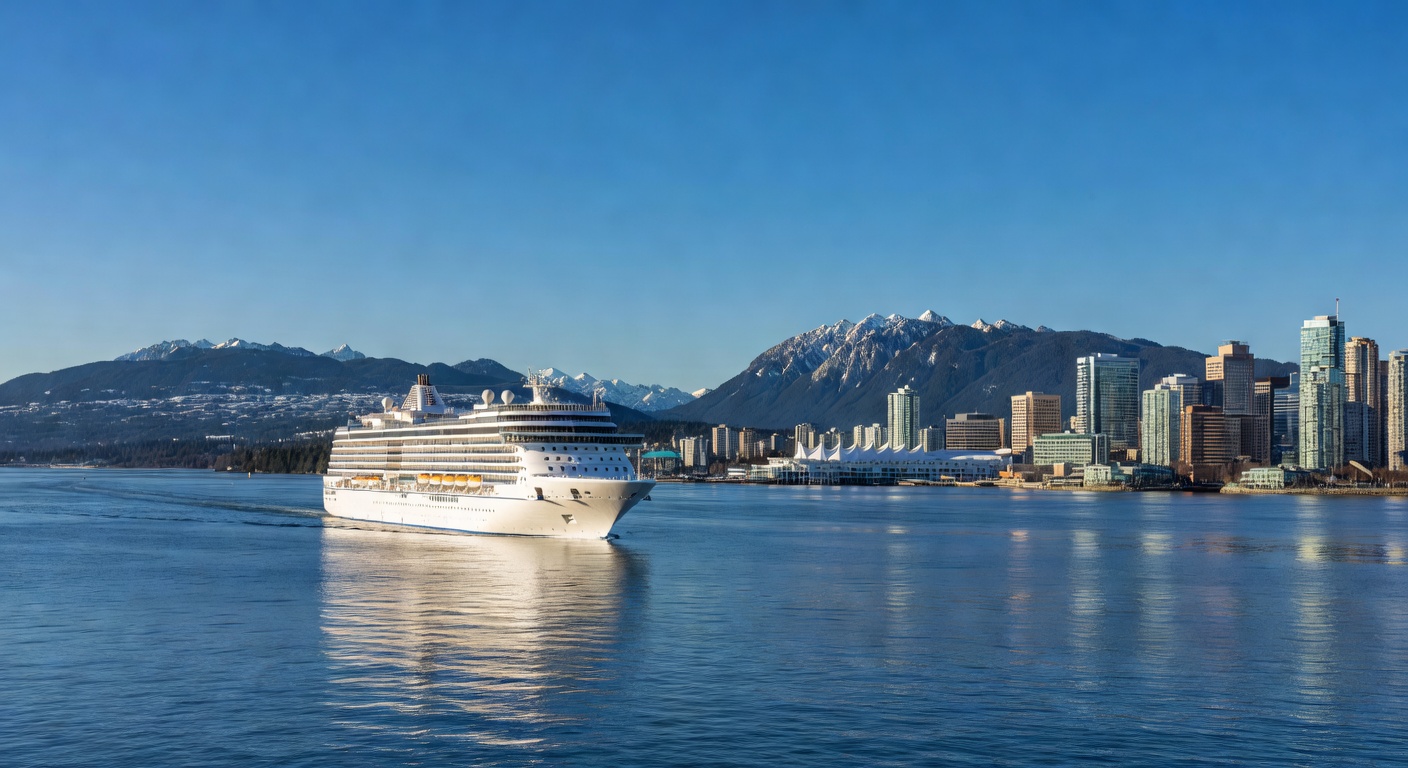
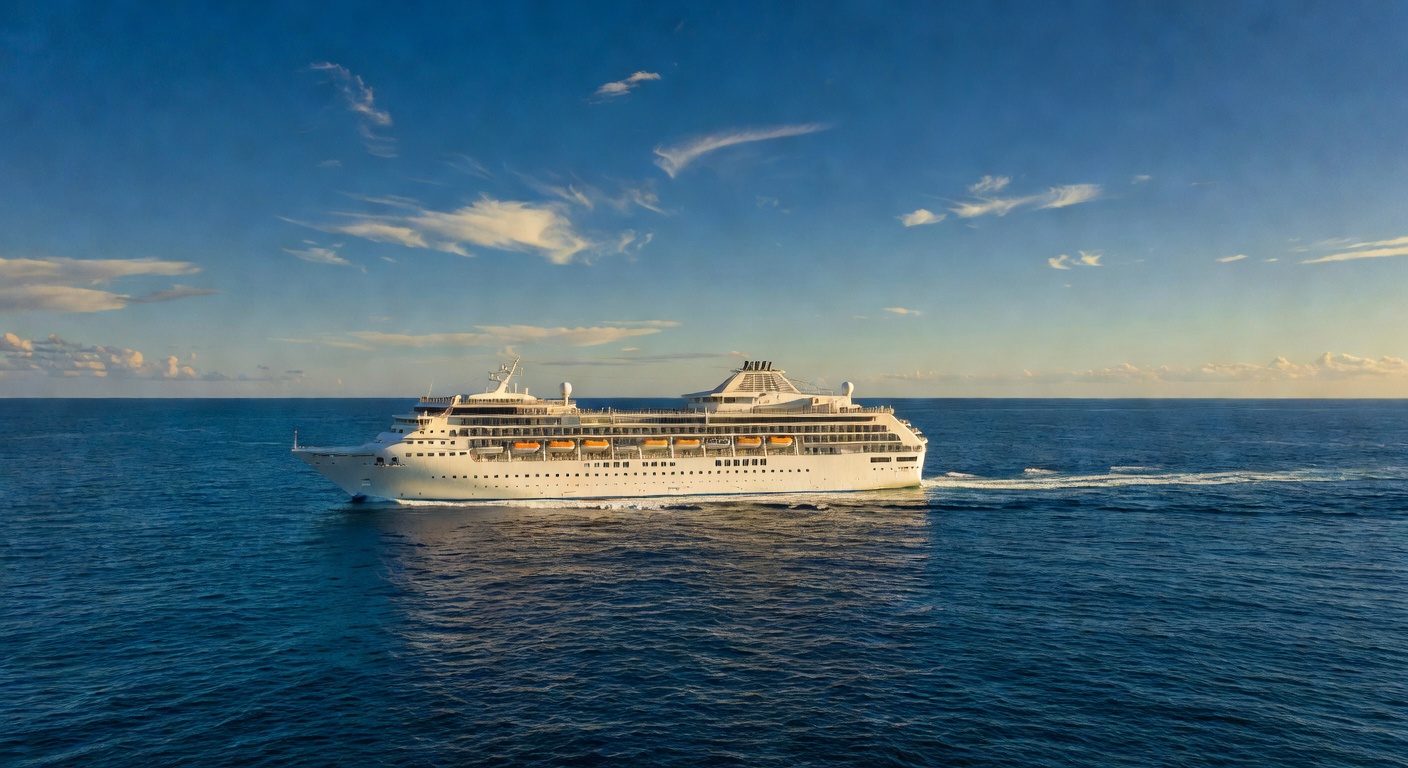
Sailing from Vancouver to Hawaii is a trans-Pacific crossing that turns the journey into the destination. You leave British Columbia's mountain-backed harbour, spend roughly five days on open ocean, and arrive in Hawaii having genuinely disconnected from land. It is not the fastest way to reach the islands — it is the most deliberate.
This route runs in seasonal windows when ships reposition between Alaska and warmer waters. Most sailings are one-way, ten to fourteen nights, and visit two to four Hawaiian islands before finishing in Honolulu. It suits travellers who have the time for a longer itinerary and who see consecutive sea days as a feature, not a drawback.
Practical characteristics of the Vancouver-to-Hawaii crossing that shape the trip experience.
Five consecutive sea days across the open Pacific create a genuine sense of voyage — a rarity in modern cruising.
Vancouver's Canada Place terminal sits in the city centre, steps from Gastown, Stanley Park, and the waterfront.
Many travellers build two or three nights in Vancouver before boarding, turning the departure city into its own destination.
Most itineraries visit two to four Hawaiian islands — typically including the Big Island, Maui, and sometimes Kauai.
One-way sailings finish in Honolulu, making it easy to add a few nights on Oahu without backtracking.
Because these are seasonal ship moves, pricing can be competitive relative to the number of nights — especially for balcony cabins.
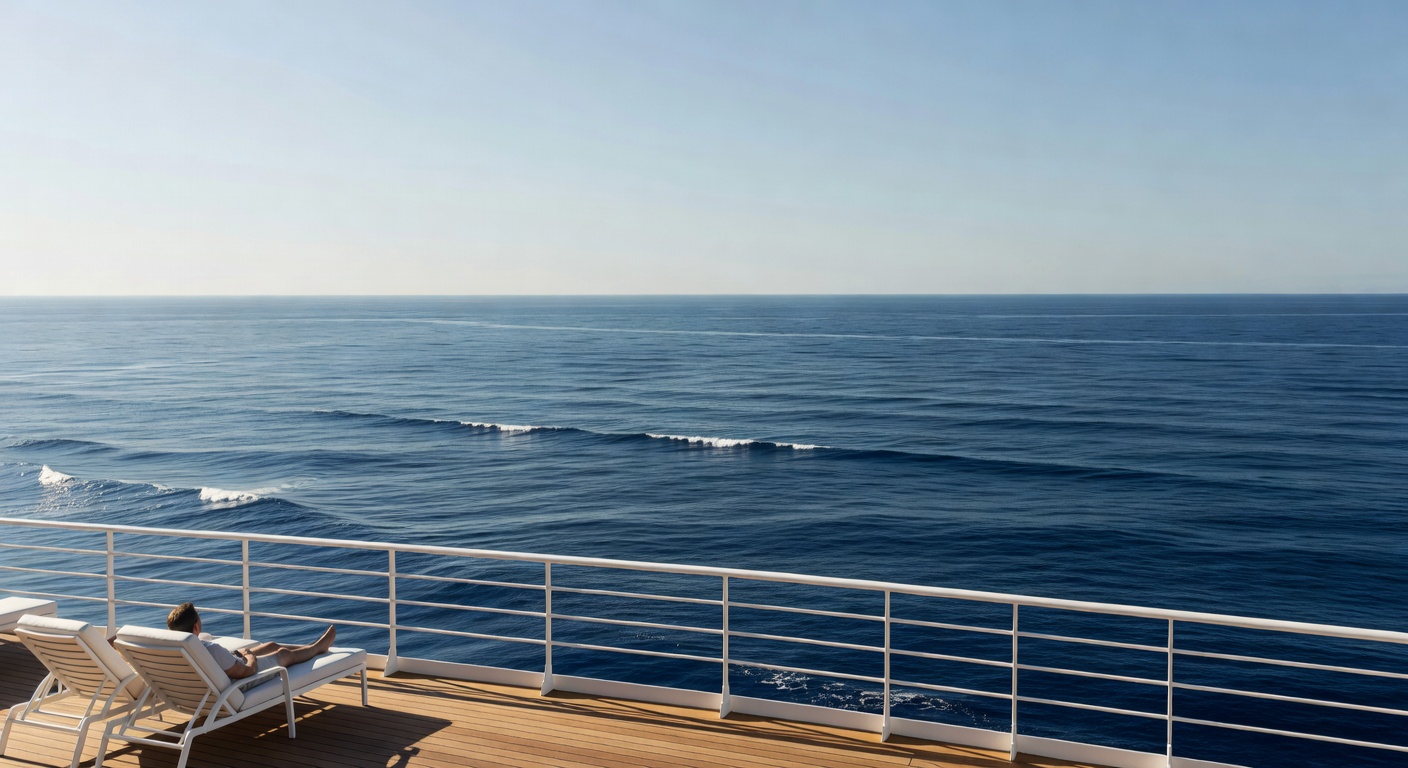
If five consecutive days at sea sounds like the best part of a cruise — not the stretch you endure to reach the good part — this route was designed for you. It rewards travellers who enjoy the ship itself and who have the schedule flexibility for a longer itinerary.
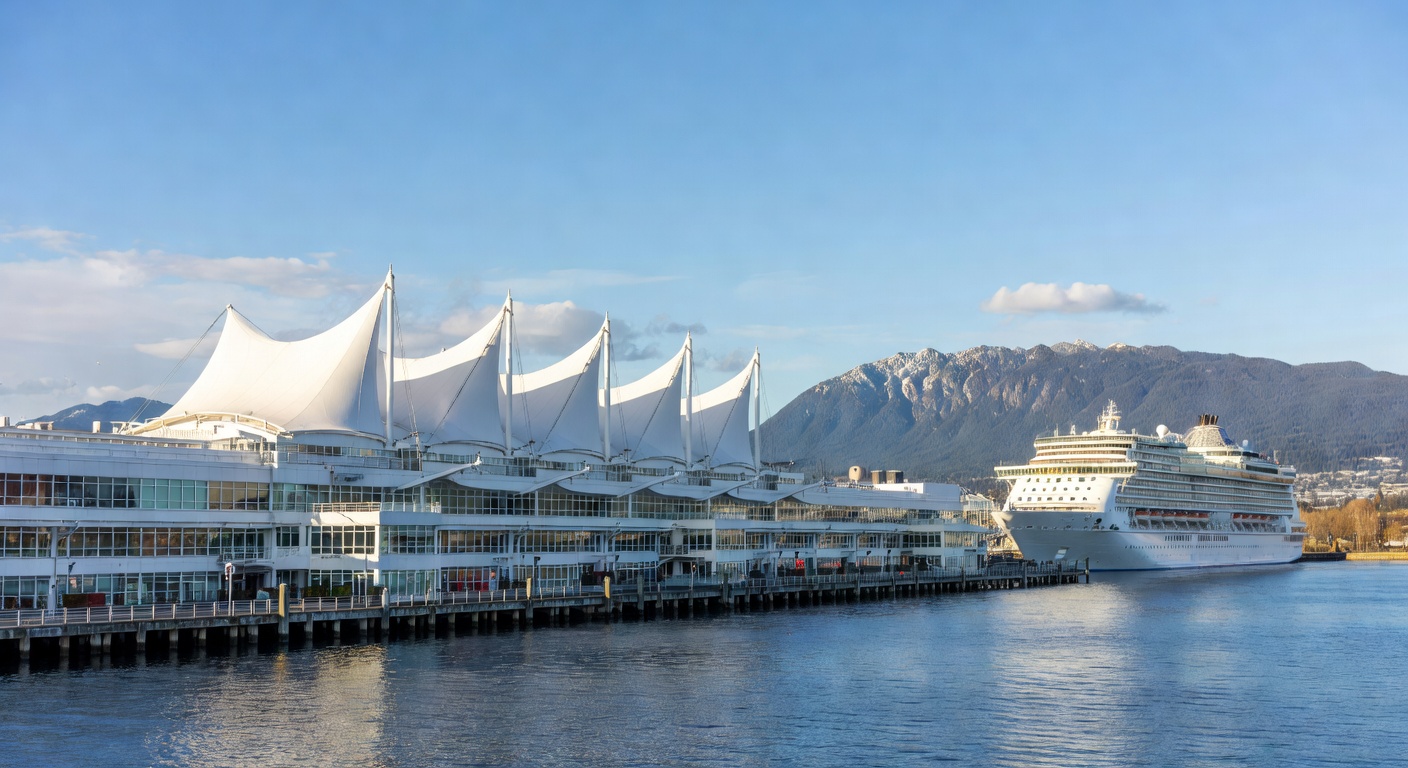
Vancouver is a domestic departure for Canadians, which simplifies embarkation logistics and eliminates the need to clear U.S. customs before boarding. The city also works well as a pre-cruise stay.
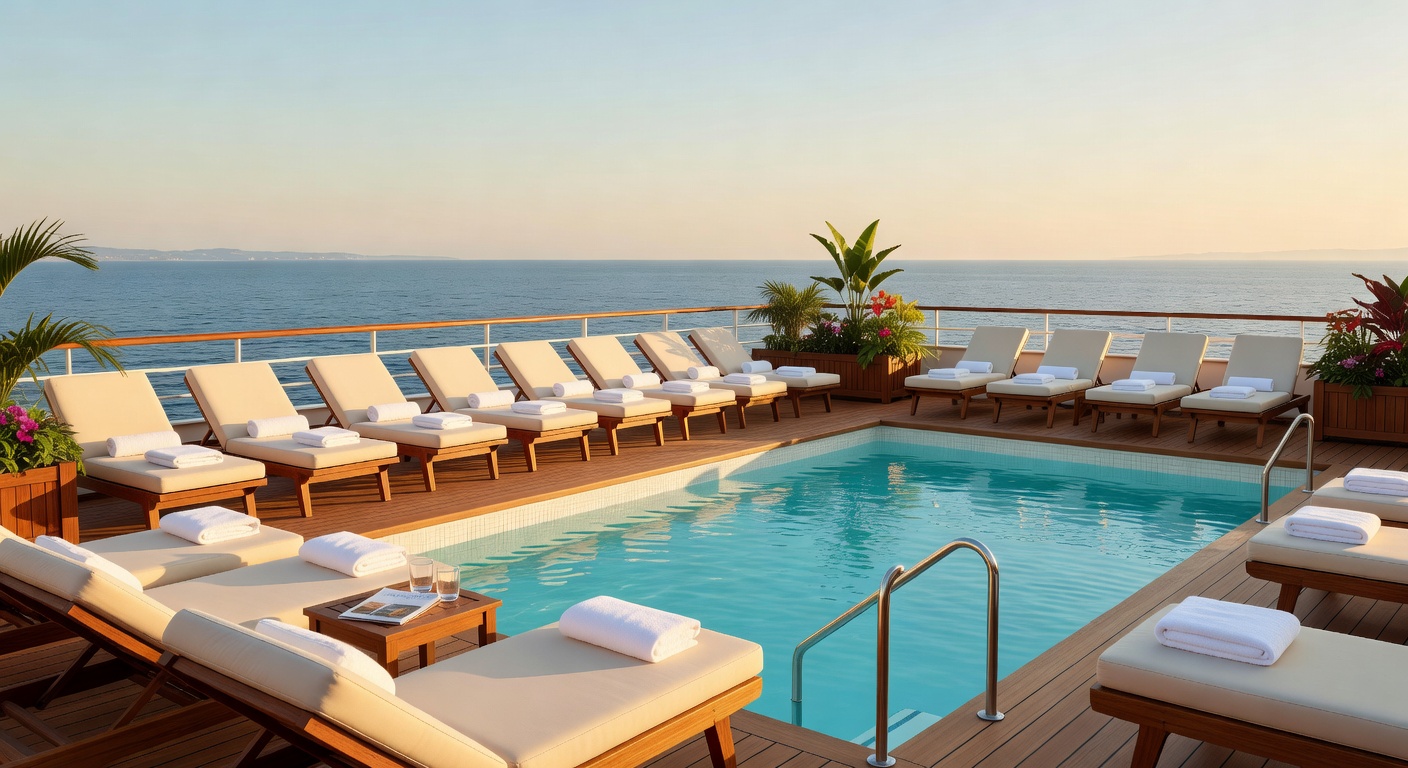
The ships on this route are typically mid-size premium vessels without the mega-ship waterparks and expansive kids' clubs that keep younger travellers engaged across five sea days. Families with teens may fare better than those with children under ten.
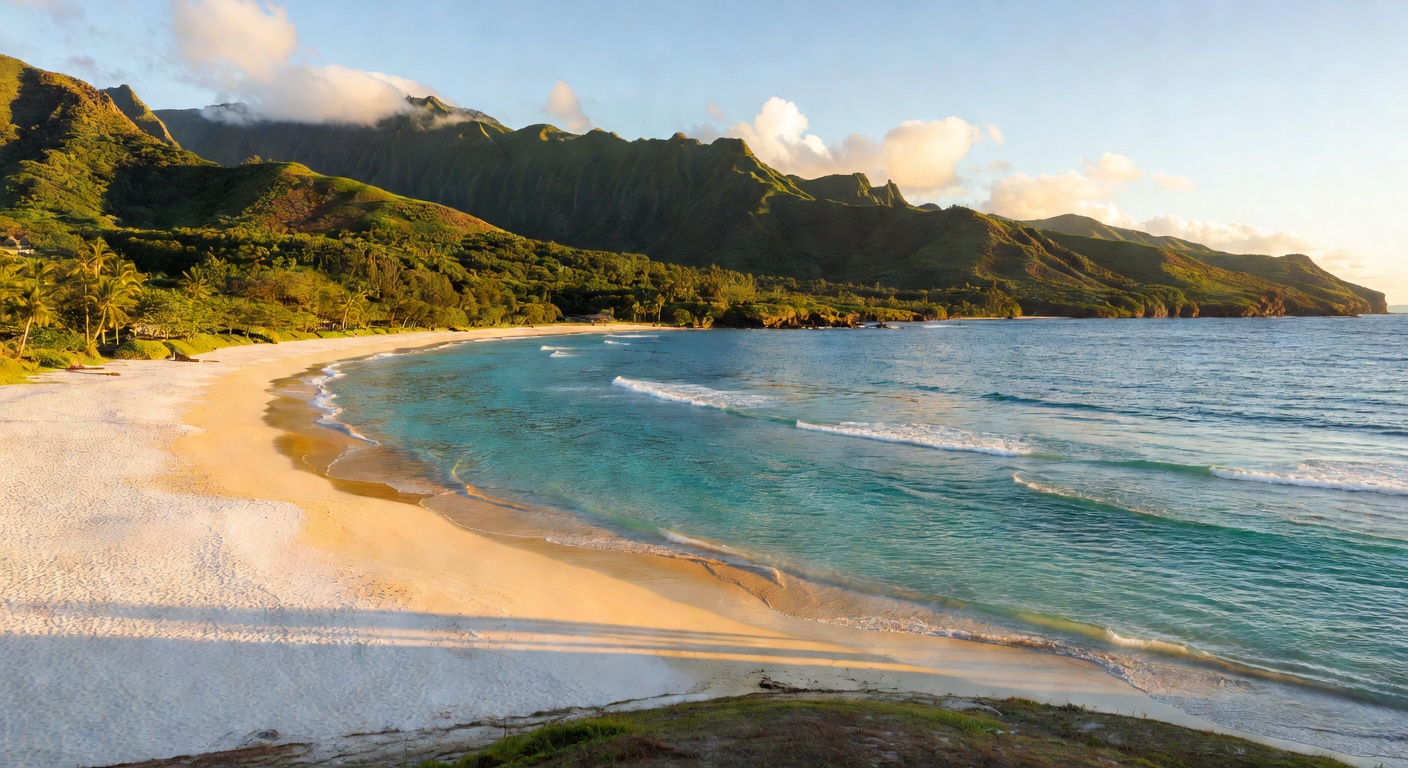
If your priority is spending as many hours as possible on Hawaiian beaches and you have only a week, a direct flight and an interisland cruise from Honolulu will deliver more island time per day off work.
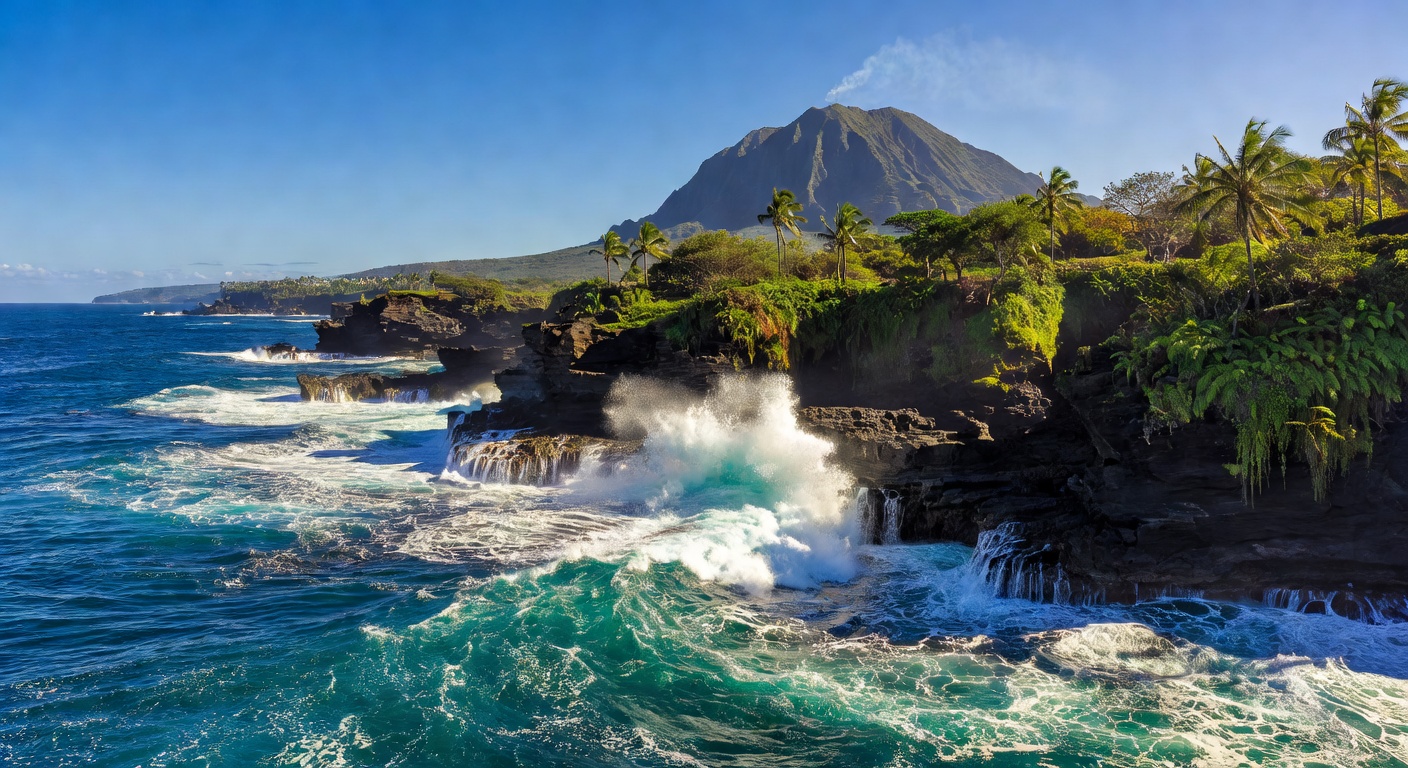
Departure port
Choosing Vancouver over a U.S. West Coast port like Los Angeles or San Francisco changes the trip in two material ways. First, it adds roughly a day of sailing distance, which means more sea days and fewer port days on itineraries of similar length. Second, it gives you a genuinely compelling embarkation city — Canada Place is walkable to downtown Vancouver, and most travellers find two or three pre-cruise nights there add real value to the trip.
For Canadian residents, Vancouver eliminates the need to enter the United States before boarding, since customs inspection happens onboard during the Pacific crossing. For U.S. and international travellers, the trade-off is a flight or drive to Vancouver instead of a domestic U.S. port — but the city itself tends to justify the detour. The seasonal sailing window is tighter from Vancouver than from Los Angeles, so fewer departures are available each year.
Downtown waterfront location, modern facilities, and strong shore-power infrastructure. Walkable to hotels, restaurants, and Stanley Park.
Because the voyage crosses from Canada into U.S. waters, customs is conducted onboard before the first Hawaiian port. Have your passport accessible.
Most sailings are one-way into Honolulu, so you will need to book a return flight. One-way fares are not always half the round-trip price — budget accordingly.
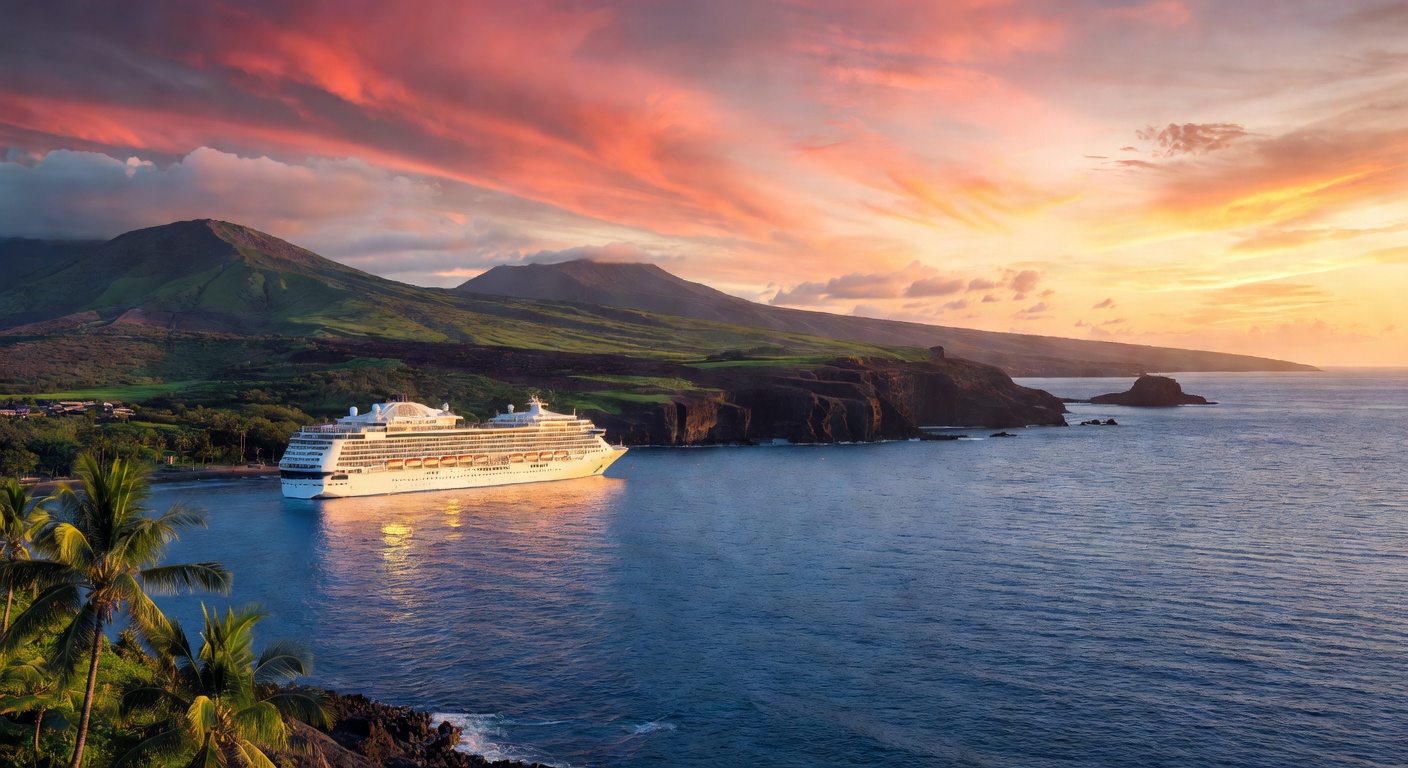
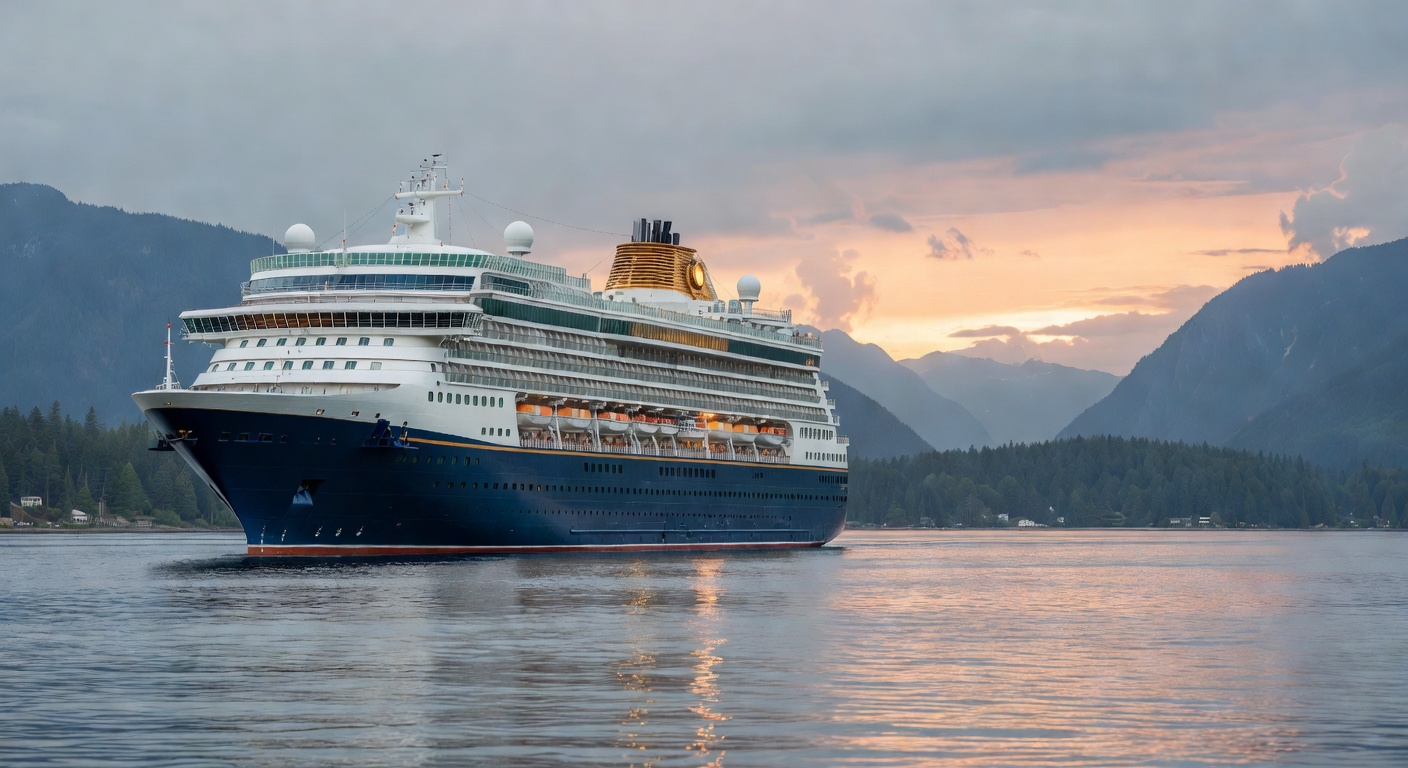
Enrichment-forward sea days with lectures, live music, and culinary programming tuned to the crossing pace.
See Holland America Hawaii sailings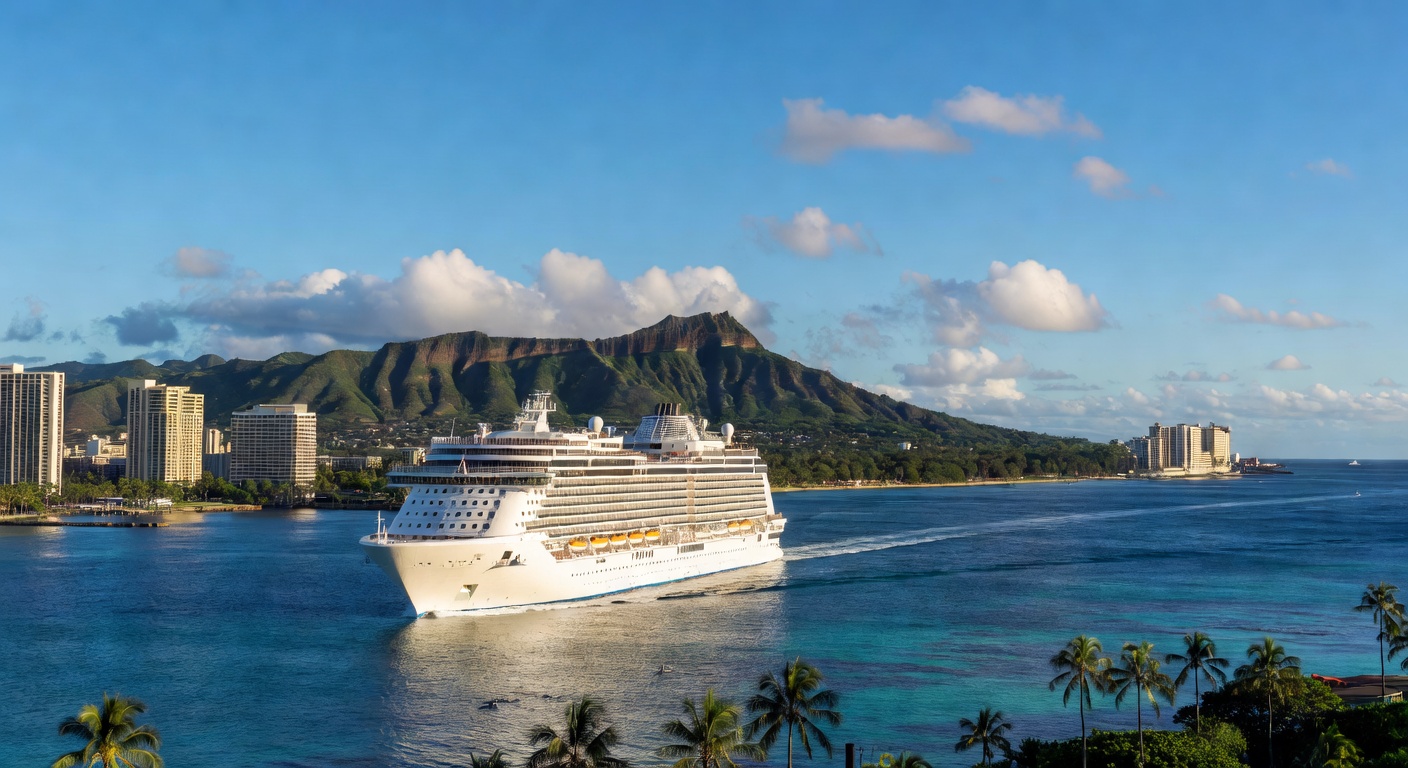
Longer round-trip itineraries that often pair Hawaiian ports with Mexican Riviera stops on a fourteen-to-sixteen-night voyage.
See Princess Hawaii sailings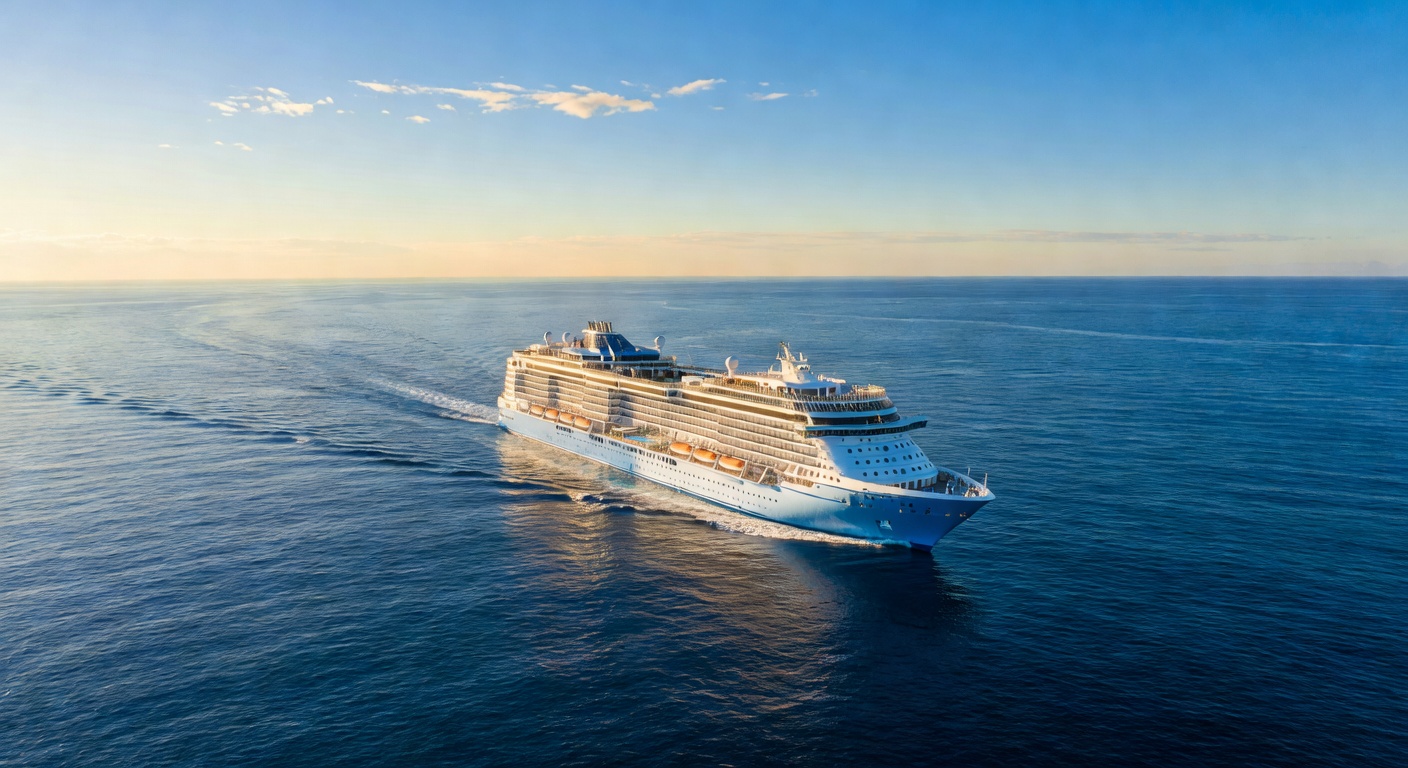
Contemporary premium feel with Edge-class design, strong food and beverage programming, and a more modern aesthetic than traditional premium lines.
See Celebrity Hawaii sailings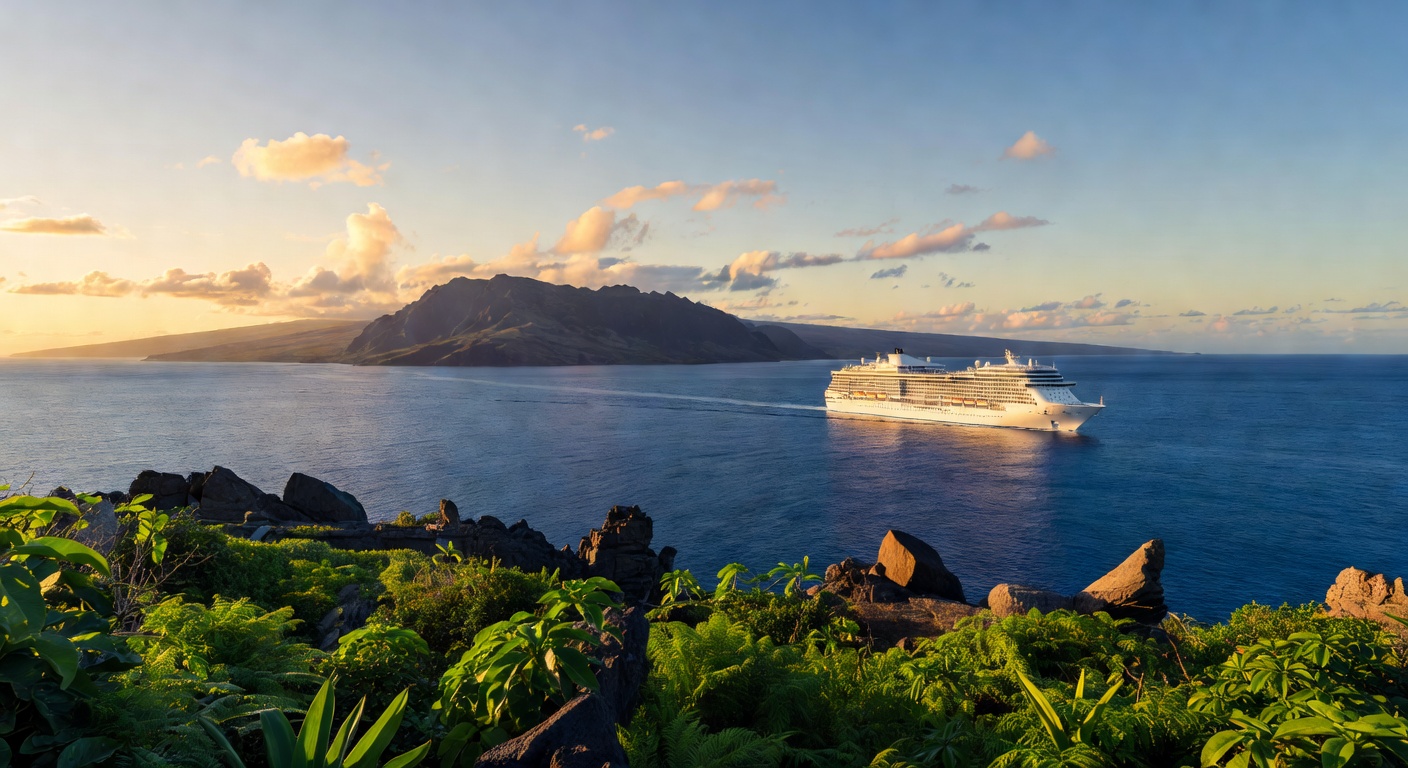
Occasional repositioning sailings, with the line's primary Hawaii product being the Pride of America's weekly interisland voyages from Honolulu.
See Norwegian Hawaii sailings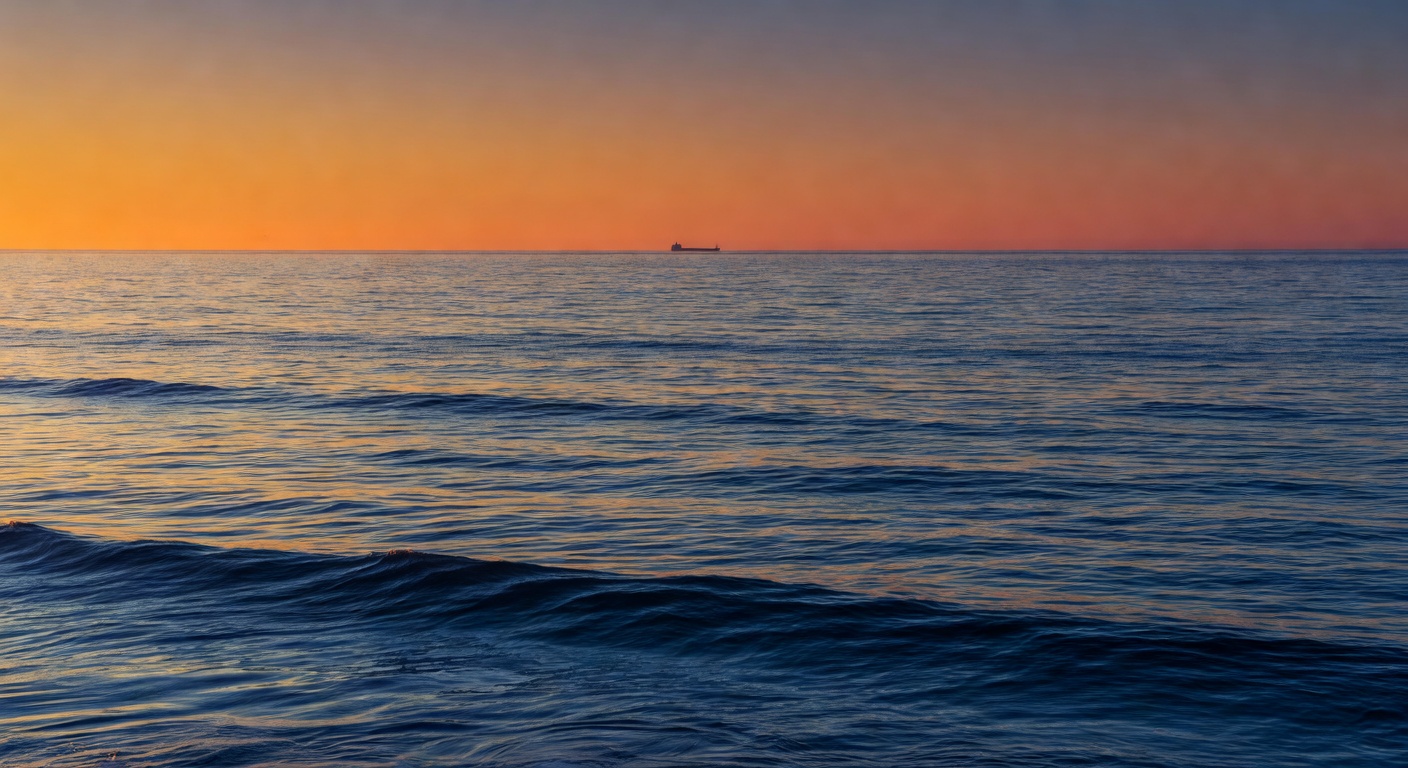
This route is defined by five consecutive sea days across the open Pacific. The ship and the ocean are the experience for most of the voyage. Hawaiian ports are the reward at the end, not the rhythm throughout. Choose this if the crossing appeals to you on its own terms.
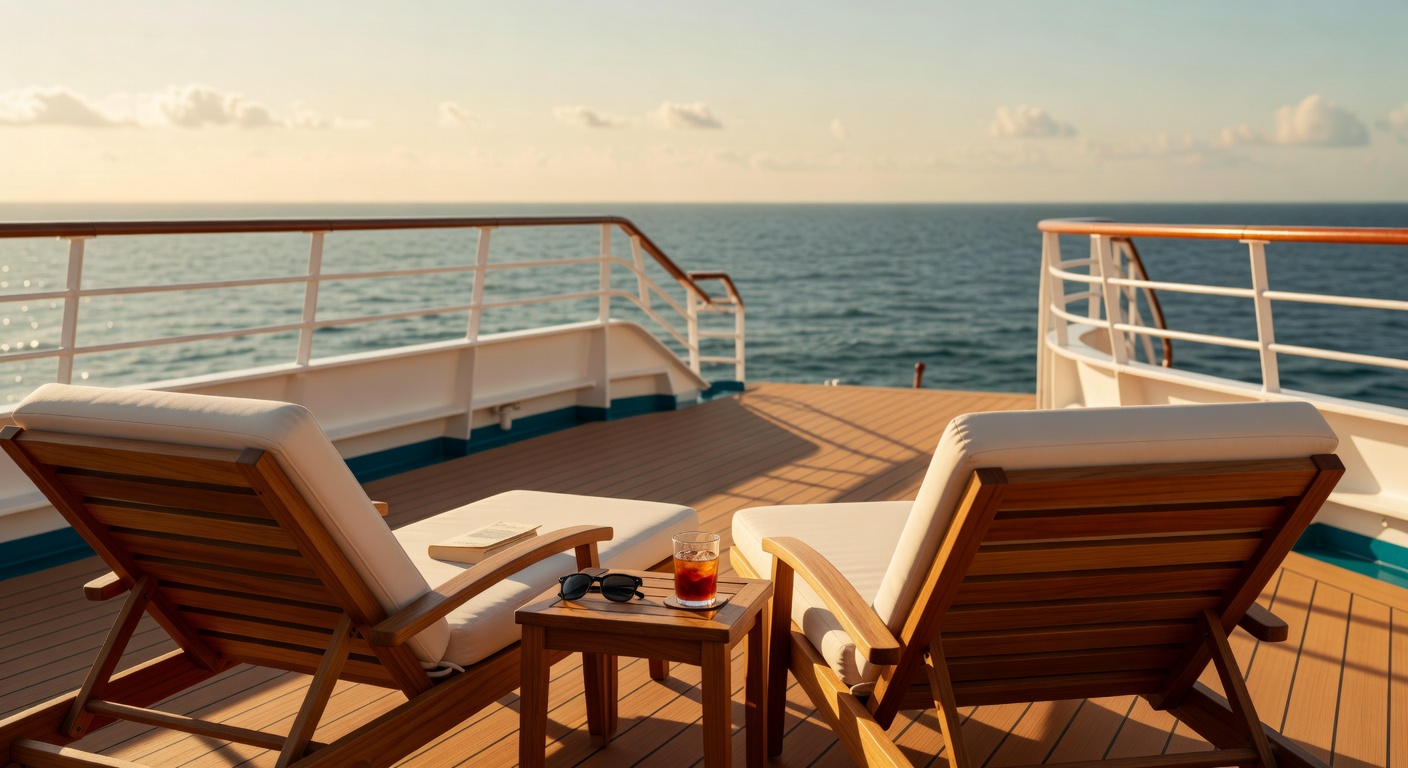
The best candidates for this route are travellers who enjoy reading on a sea-day balcony, attending onboard lectures, and letting the trip unfold at its own pace. If you need constant port stimulation, a different route will suit you better.
A ten-night crossing may only include two or three island stops. A seven-night interisland cruise from Honolulu visits four islands with no sea days wasted on transit. If maximising time ashore in Hawaii is your priority, the crossing route is the wrong tool.
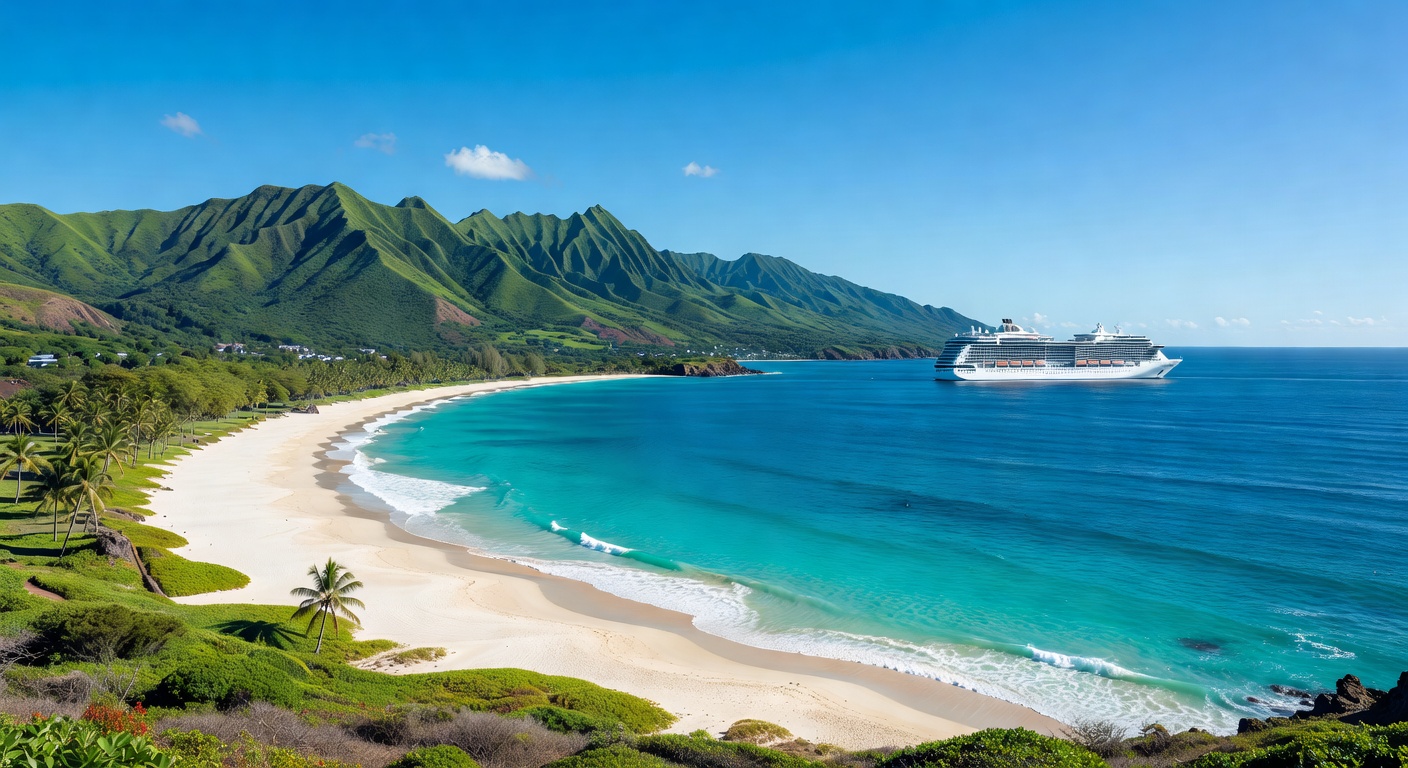
This route is for travellers who want the Pacific crossing to be part of the vacation — not overhead. The trade-off is fewer Hawaiian port days than a Honolulu-based interisland cruise, but the five open-ocean sea days and the gradual arrival create an experience no flight can replicate.






