




Zurich-to-Basel Transfer Start
Your cruise doesn't leave from Zurich itself — expect a roughly one-hour train or coach transfer to Basel, where the ship is docked.


Destination from Port
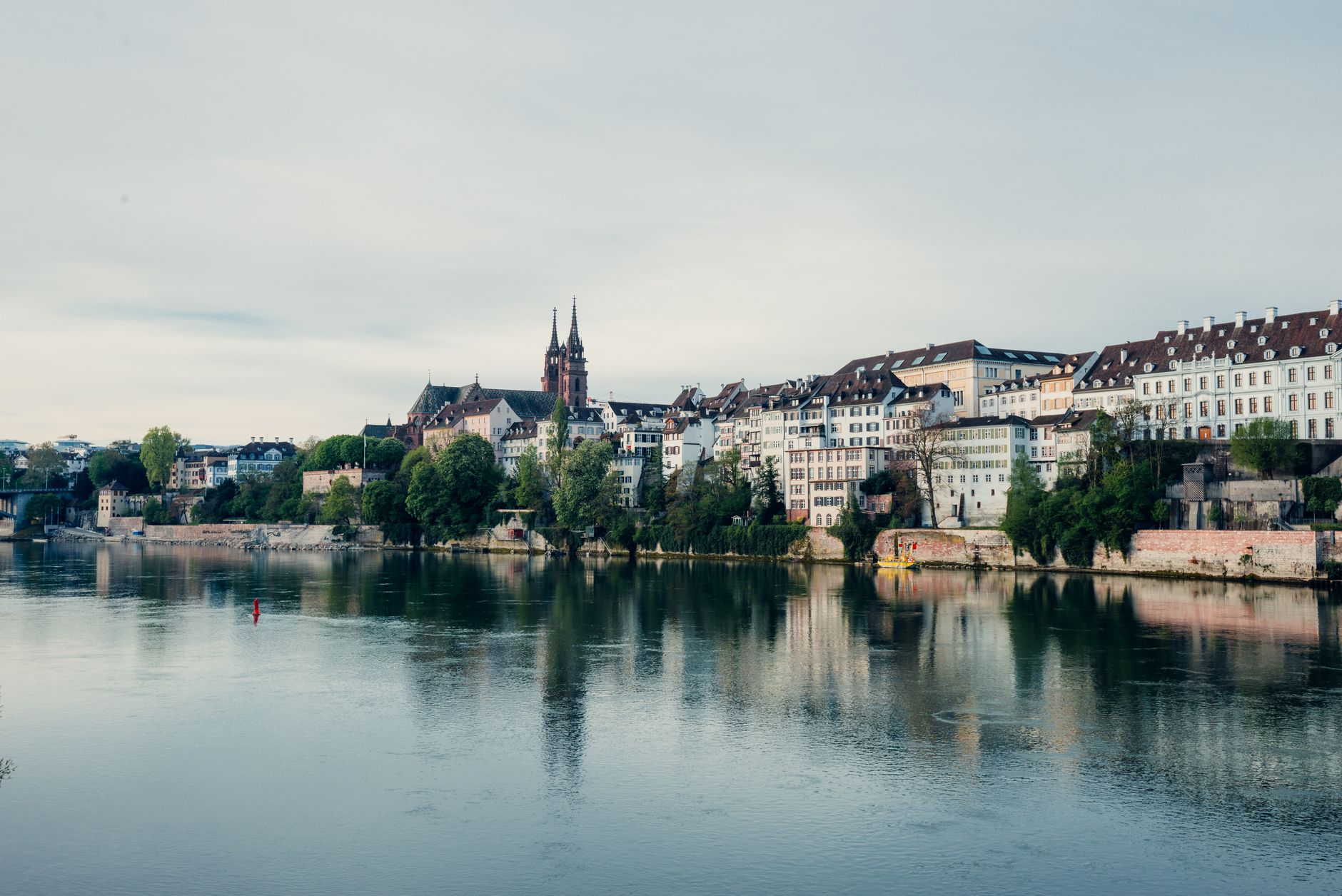
Zurich as a cruise departure point is really a story about Basel — the Rhine-side city where Switzerland, France, and Germany converge. The transfer from Zurich Airport or city centre to Basel is short and well-established, giving travellers access to one of Europe's most competitive river cruise corridors without the need to fly into a secondary hub. From Basel, the Rhine flows north through Alsace, the Black Forest, the Middle Rhine Valley, and onward toward Amsterdam, connecting a dense chain of historic towns and wine regions along the way.
This pairing suits travellers who want a seamless start from a major international airport with excellent long-haul connections, paired with the intimacy of a river cruise carrying 100 to 190 passengers. It works particularly well for those flying from North America, Asia, or the Middle East into Zurich's well-connected hub, then easing into a deliberate, shore-focused itinerary along the Rhine or beyond to the Danube.
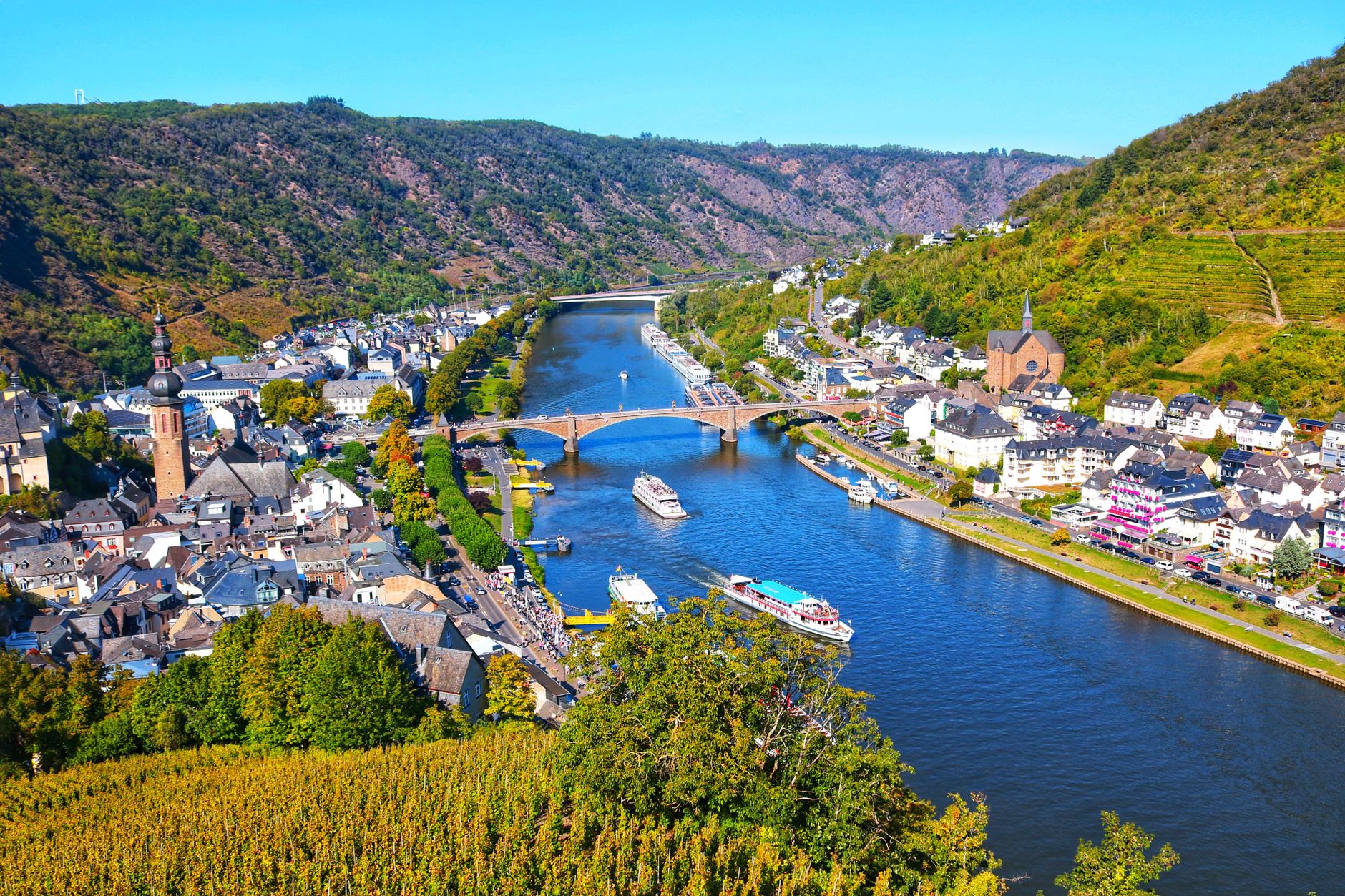
Cruising from Zurich means starting in Basel and joining the Rhine — here's what shapes the experience before and after you board.
Your cruise doesn't leave from Zurich itself — expect a roughly one-hour train or coach transfer to Basel, where the ship is docked.
Basel sits at the junction of Switzerland, France, and Germany, so the route crosses into new territory almost immediately after departure.
Vessels on this corridor typically carry between 100 and 190 passengers, keeping the atmosphere small-scale and unhurried.
Port-to-port stretches along the Rhine are compact, meaning more time ashore and less open-water cruising.
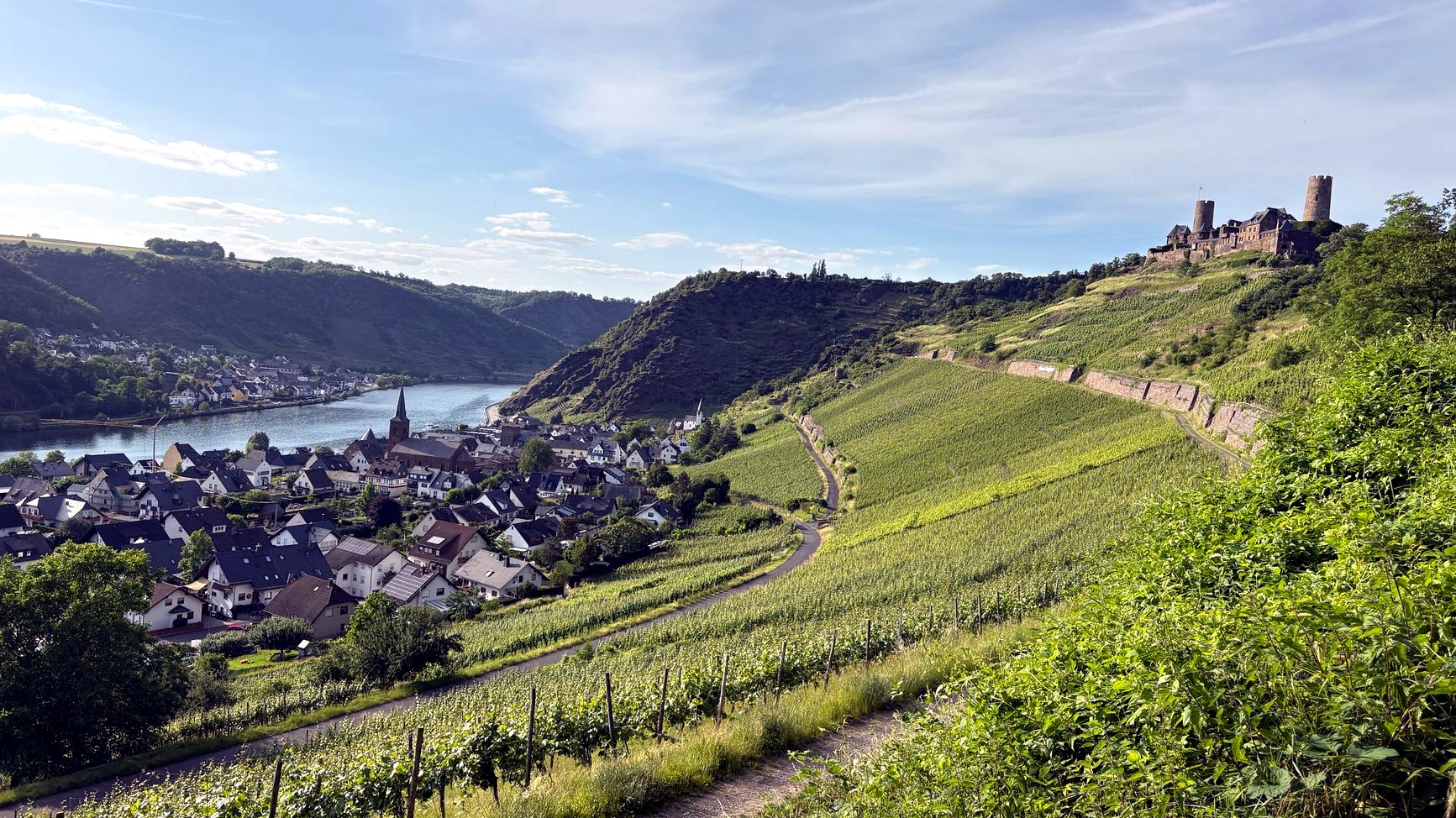
The route passes through the UNESCO-listed Rhine Gorge, one of Europe's most castle-dense and vineyard-lined river stretches.
Some itineraries extend beyond the Rhine via the Main-Danube Canal, reaching cities as far east as Budapest or the Black Sea.
Postcards from this route
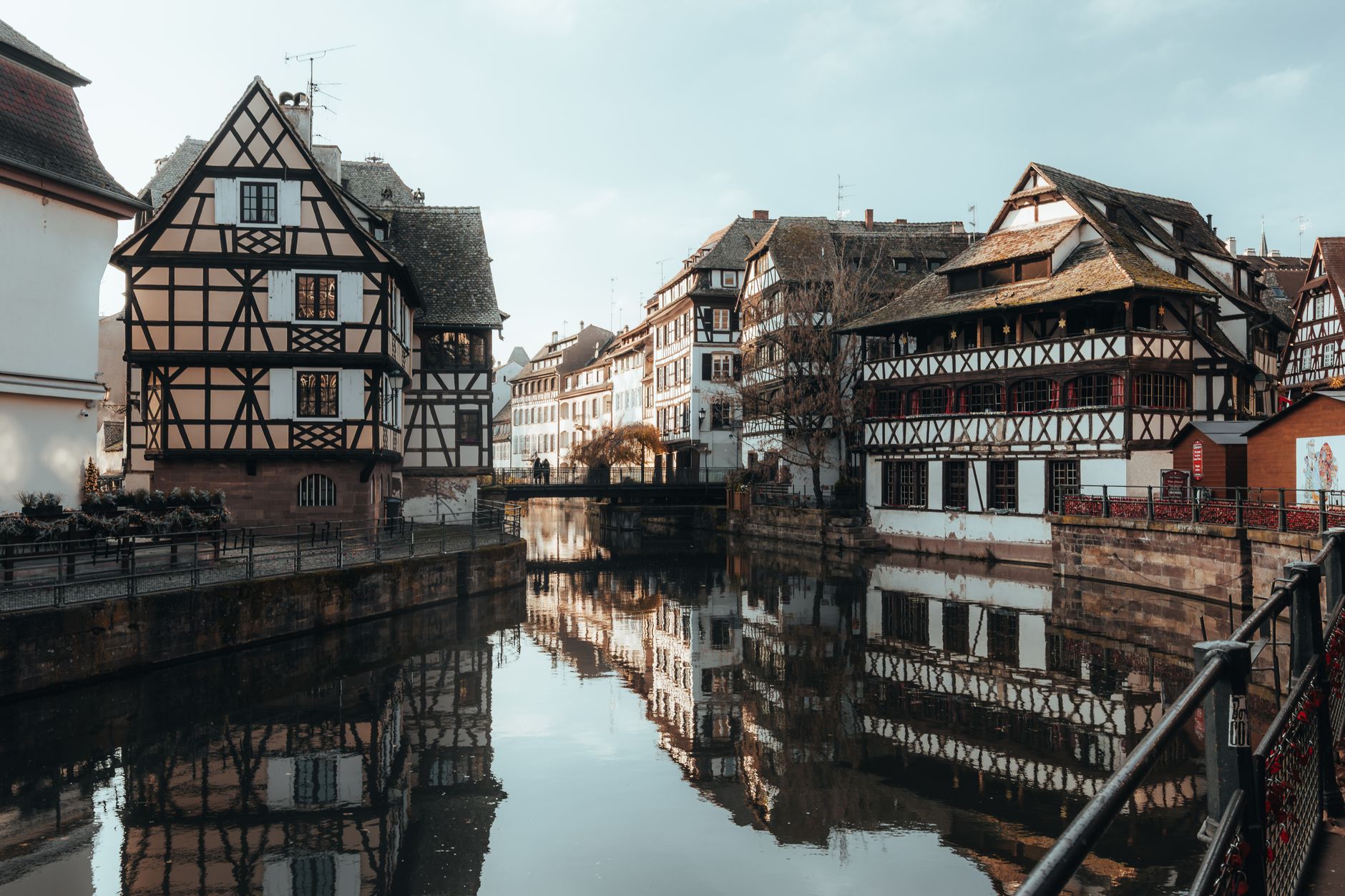
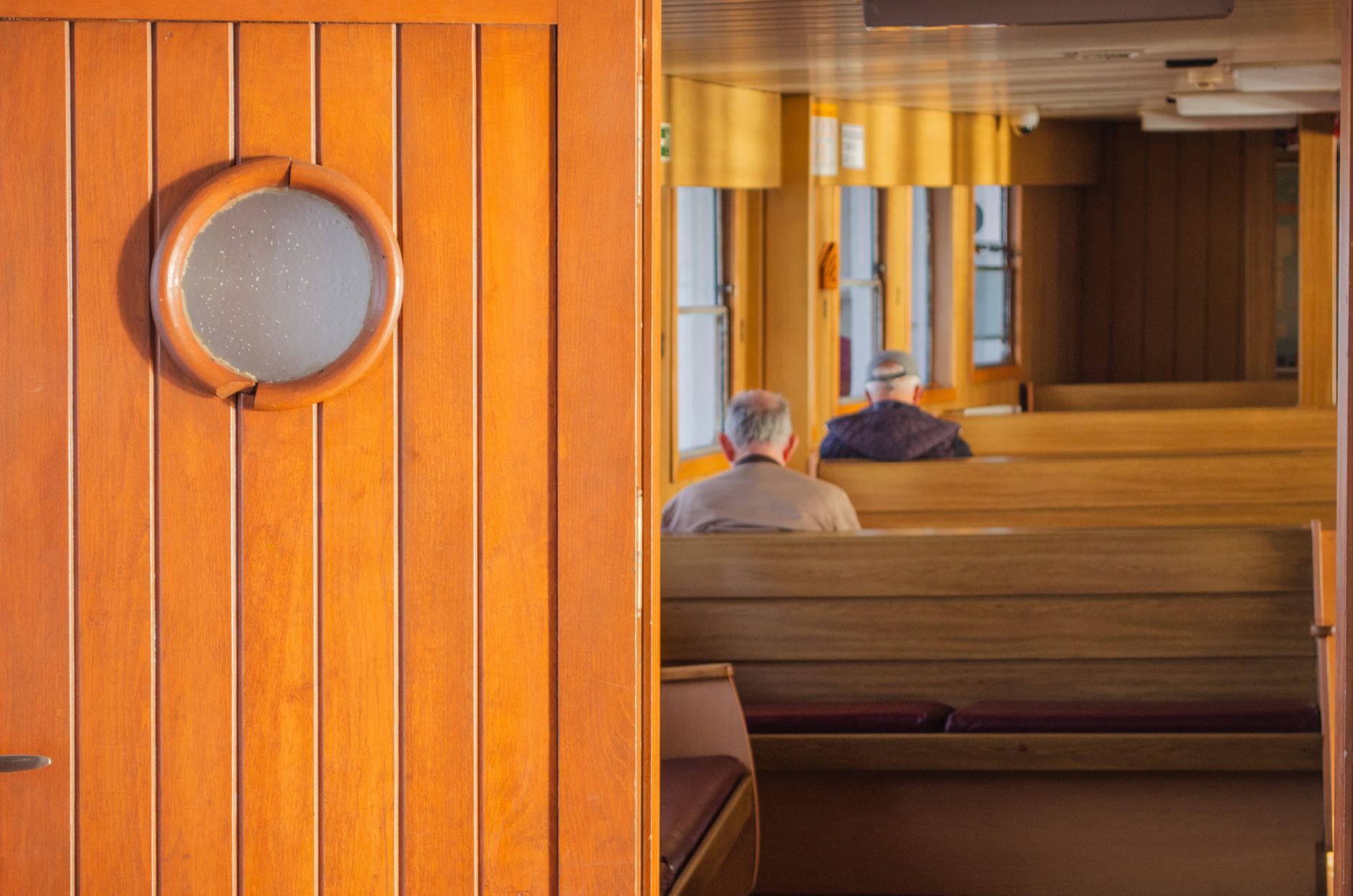
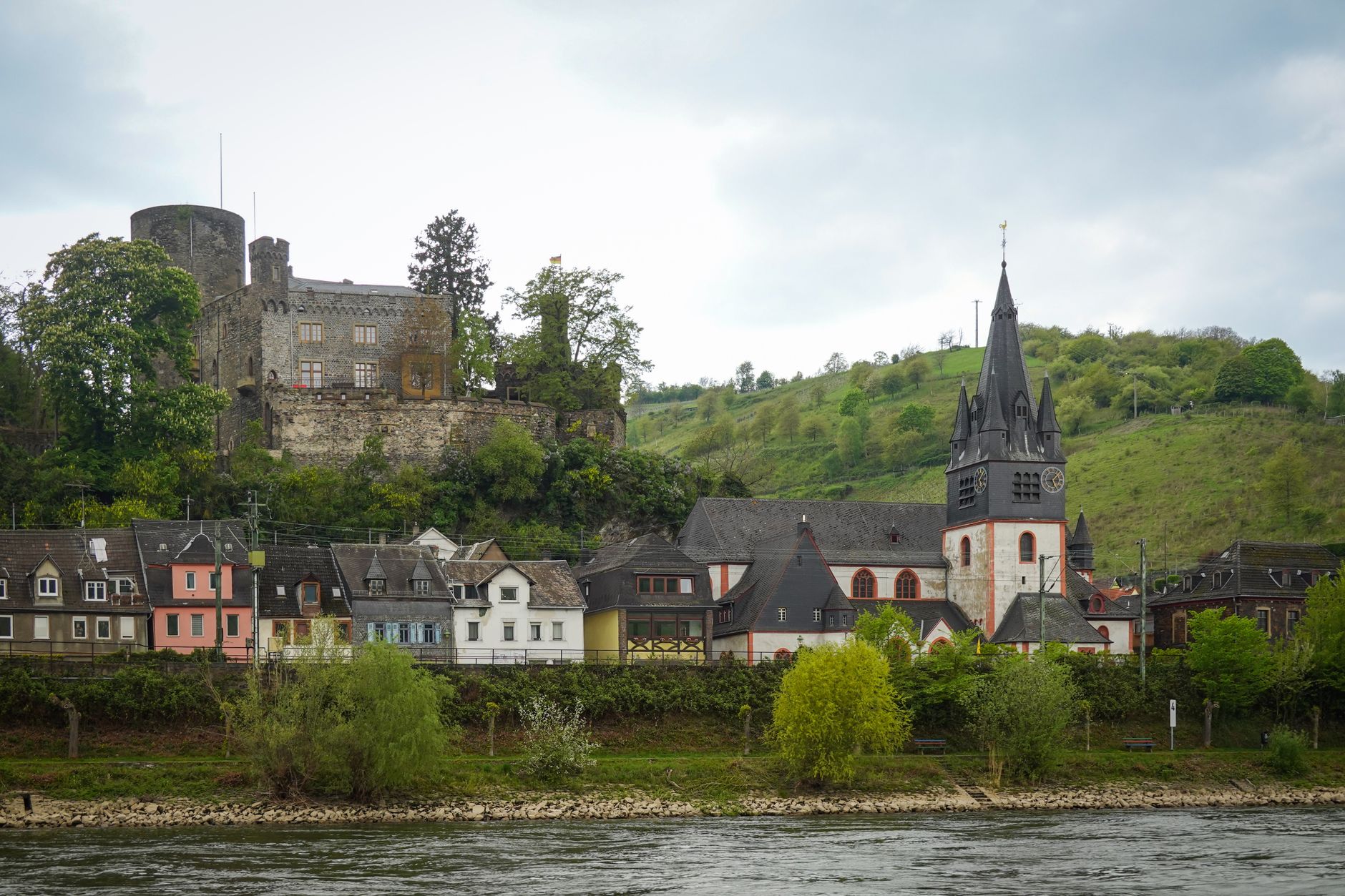
Basel, the Rhine corridor, and the river ports that connect Zurich to the wider continent.
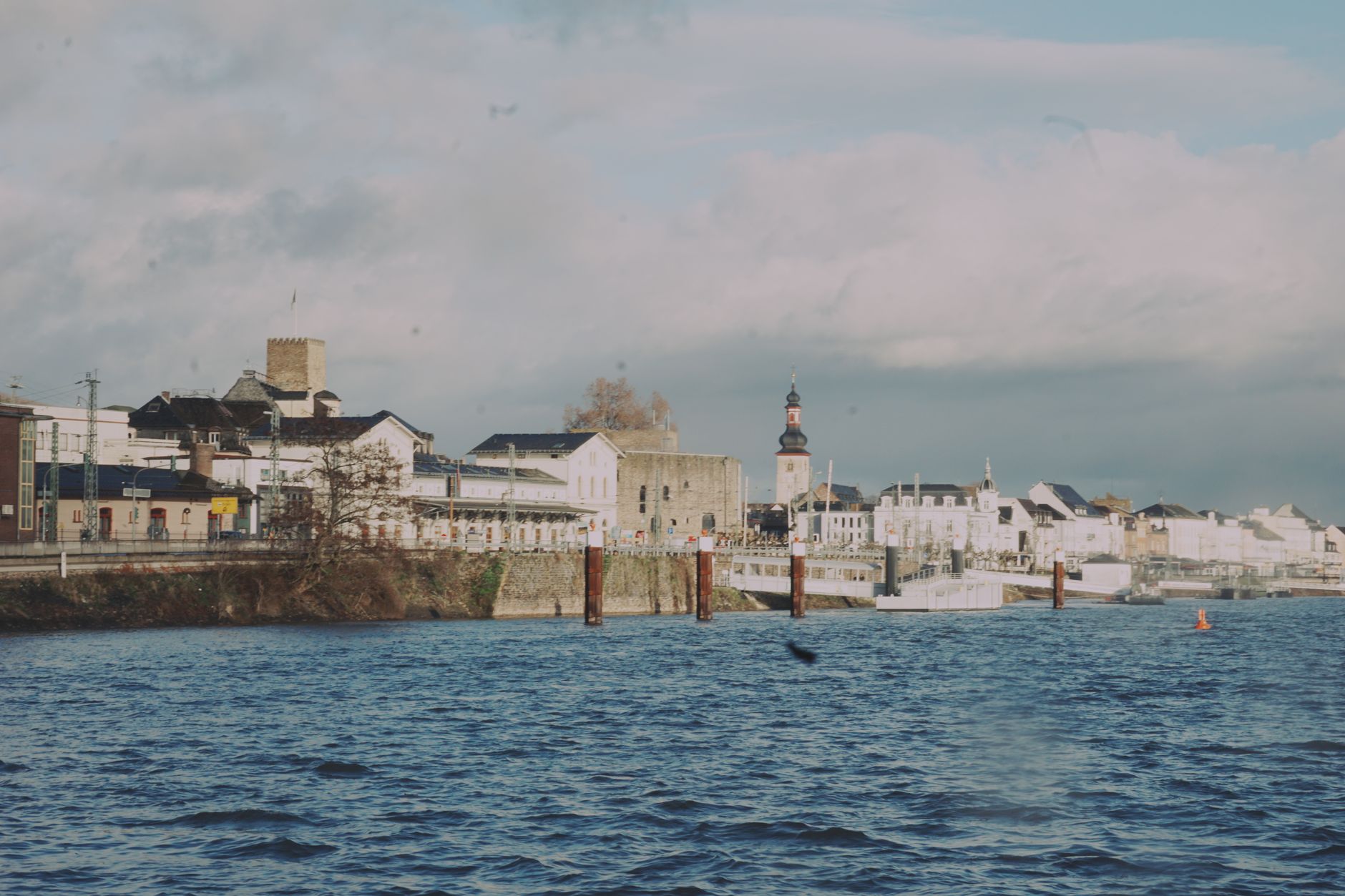
Ships carry 100–190 passengers and stop frequently along the Rhine corridor. If you prefer exploring towns on foot over sea days, this route is built for you. Basel puts you right at the start of one of Europe's most scenic and historically dense river stretches.
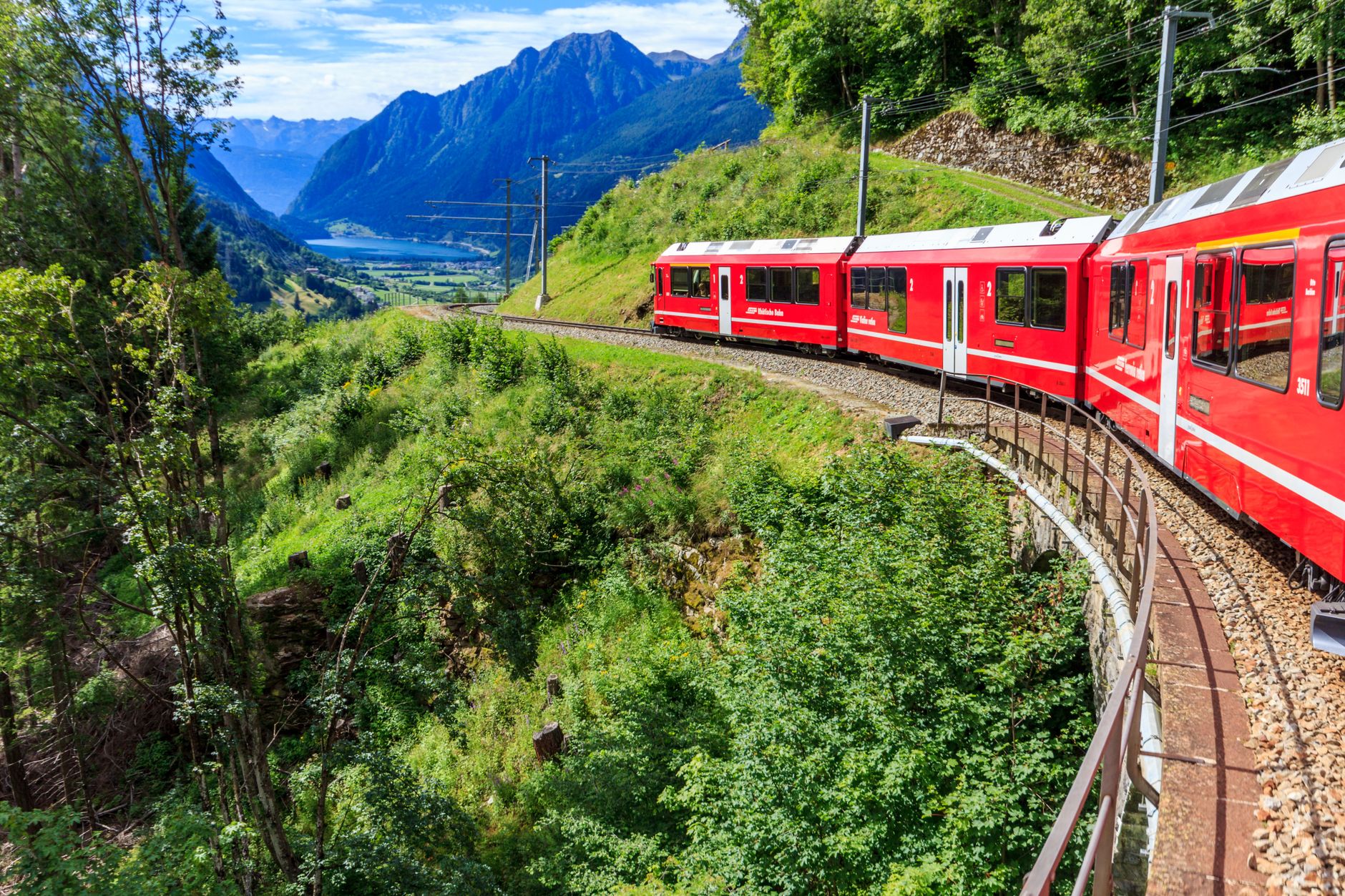
Your ship boards in Basel, not Zurich. That means a transfer of roughly 90 minutes by train or coach. Many cruise lines arrange this, but not all include it in the fare. Factor in the extra time and cost before booking, especially if you're arriving on embarkation day with a tight connection.

Many Rhine itineraries that start in Basel end in Amsterdam, and vice versa. If you're based in the UK or watching airfare costs, Amsterdam often offers cheaper and more frequent flights. Zurich as a starting point works best when you already want time in Switzerland or are connecting from a long-haul flight into ZRH.
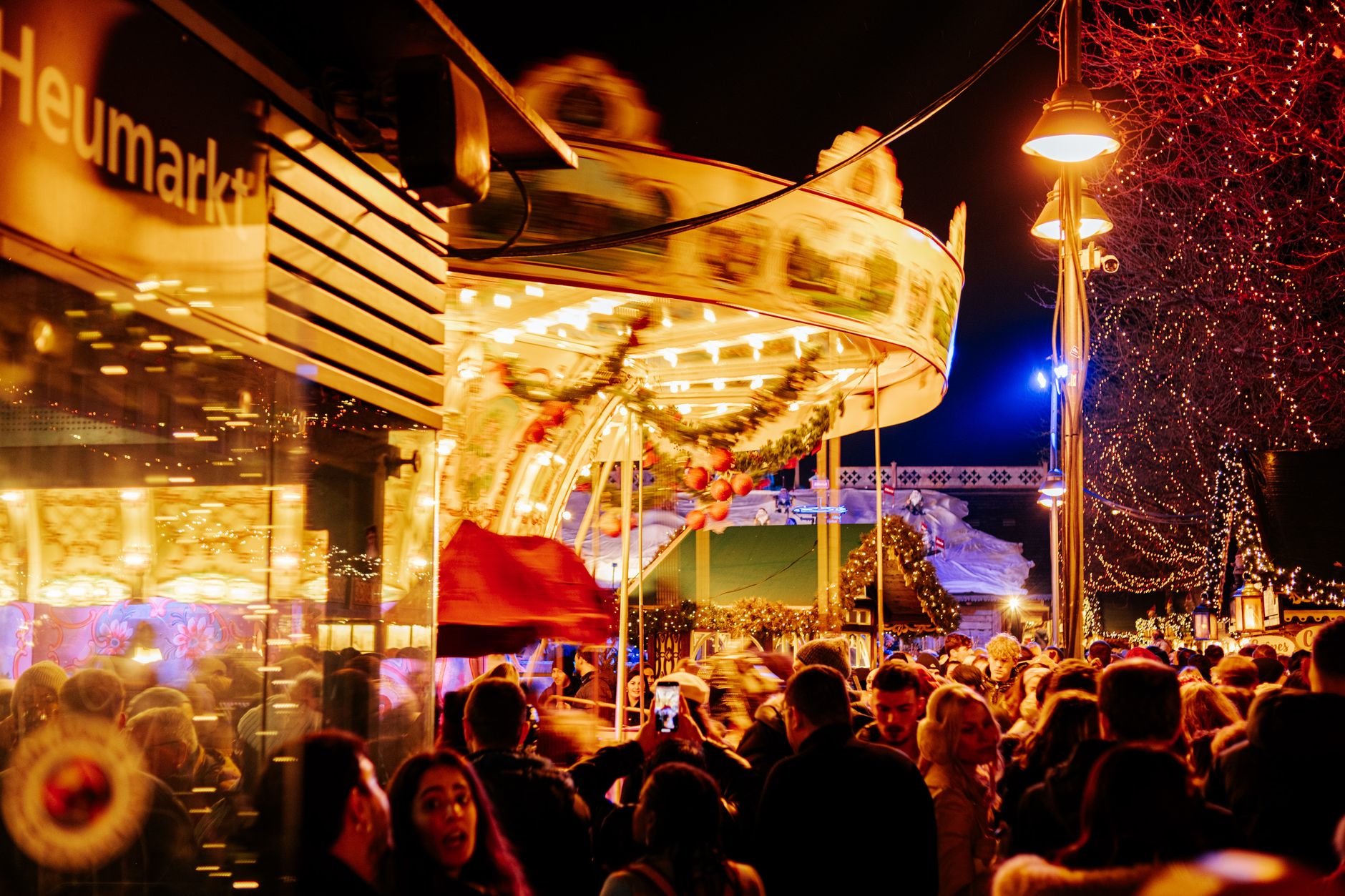
Basel Rhine sailings run for most of the year, with standout windows in May–June and late November–December for Christmas markets. If a holiday-season river cruise is the goal, this is one of the most established corridors for it. Just book early — the Christmas market departures fill fast.
Departure Port Logic
Zurich itself has no cruise dock. Every itinerary listing Zurich as the departure point really begins with a transfer — typically 80 to 90 minutes by road or rail — to Basel, where the Rhine is navigable and the ships are moored. That extra step sounds like a drawback, but it pairs you with Switzerland's main international airport (ZRH), which has far better long-haul connectivity than Basel's modest EuroAirport. For travellers arriving from North America, Asia, or the Middle East, flying into Zurich and transferring to Basel is often simpler and cheaper than trying to reach any other Rhine embarkation point directly.
Starting from Basel rather than Amsterdam — the Rhine's other major bookend — also changes what the first days of your cruise feel like. You begin in the narrow, scenic upper Rhine corridor: Alsace vineyards, the Black Forest, and Strasbourg arrive early while you're still fresh. Northbound sailings from Basel tend to build toward the dramatic Middle Rhine gorge and end in the flat, canal-laced Netherlands, giving the route a natural narrative arc that many repeat cruisers prefer. If you reversed the direction from Amsterdam, those highlights would come at the tail end instead.
Most cruise lines include a transfer from Zurich Airport (ZRH) or central Zurich to the Basel embarkation point. The journey takes roughly 80–90 minutes by coach or about an hour by direct Swiss rail. Confirm whether your booking includes transfers or if you need to arrange your own — some lines only include them on embarkation day.
Arriving a day early lets you clear jet lag before boarding and gives you time to explore Zurich's old town, the lake, or the Kunsthaus. It also provides a buffer if your inbound flight is delayed — missing the ship in Basel because of a cancelled connection is a real risk if you cut it tight on sailing day.
Amsterdam offers easier access for UK and short-haul European flyers, but Zurich/Basel is usually the better gateway for long-haul arrivals. Basel also means you sail the most scenic Rhine stretches first. If both directions are available on the same itinerary, choose based on where you're flying from and whether you'd rather start or finish with the headline scenery.

Viking River runs one of the most extensive schedules on the Rhine from Basel, with a wide range of departure dates and itinerary lengths. The onboard style is Scandinavian-influenced and calm — no kids' programmes, no casinos — with an emphasis on cultural enrichment and included shore excursions.
View Viking River sailings from Zurich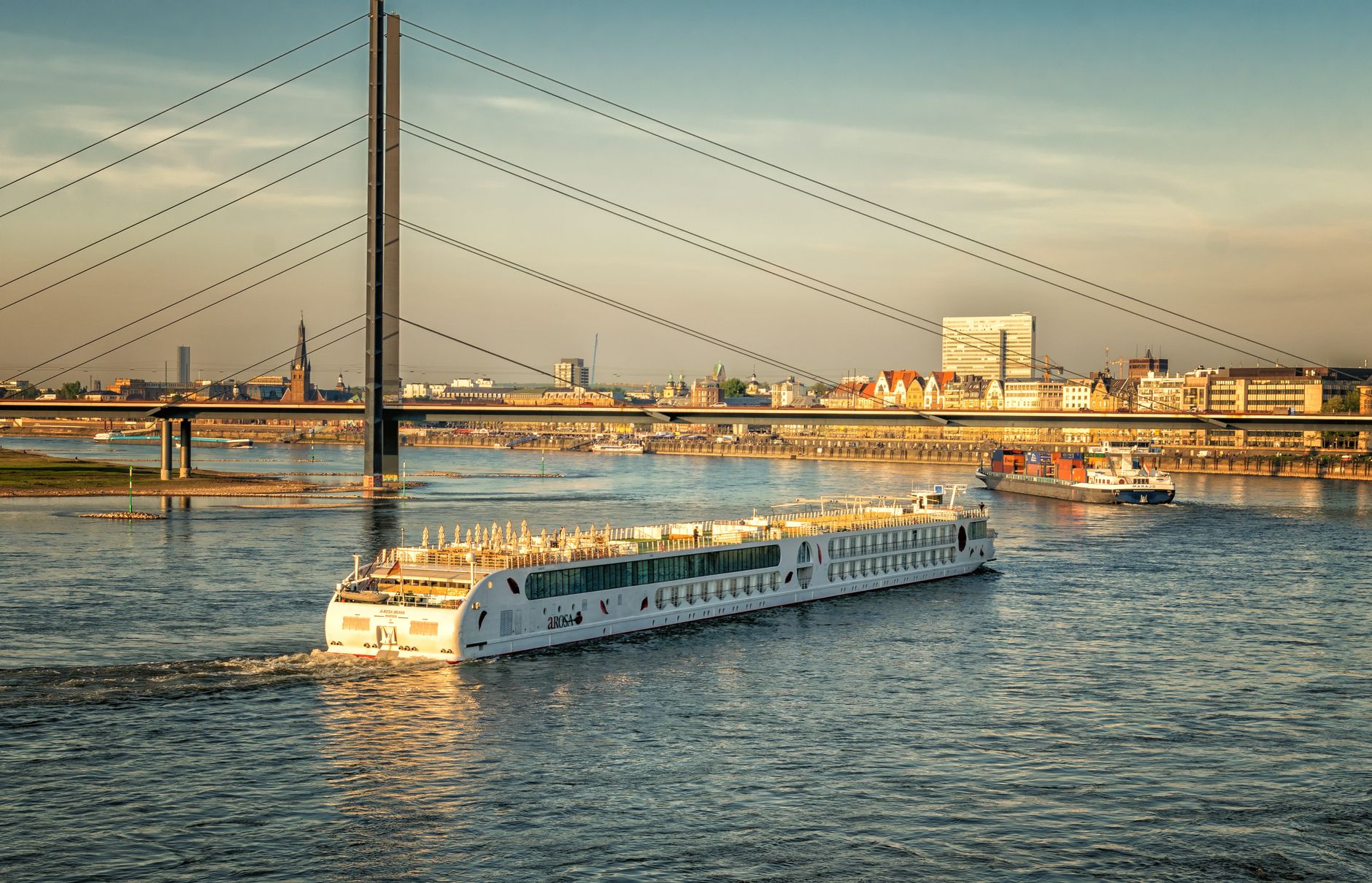
AmaWaterways combines the Rhine's cultural stops with an active-travel dimension — bikes carried on board, guided hikes offered at ports, and a wellness programme that goes beyond the typical river cruise spa. Dining leans toward a broader, less formal range than some competitors, with multiple restaurant options included.
View AmaWaterways sailings from Zurich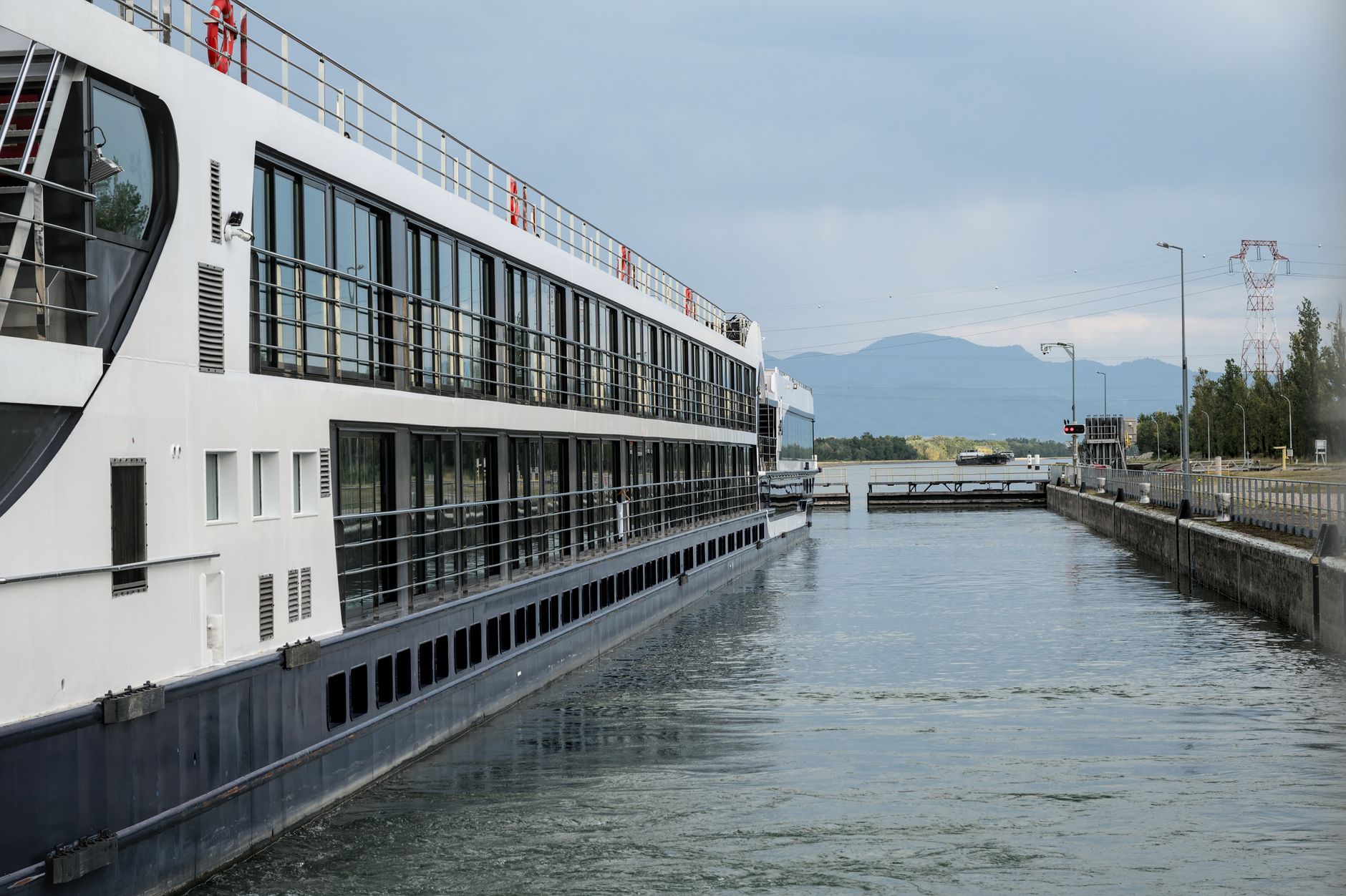
Avalon Waterways is known for its open-air balcony concept — panoramic floor-to-ceiling windows that convert cabins into a viewing platform for the Rhine's scenery. The onboard tone is relaxed and slightly less structured, with a mix of guided and independent shore options.
View Avalon Waterways sailings from Zurich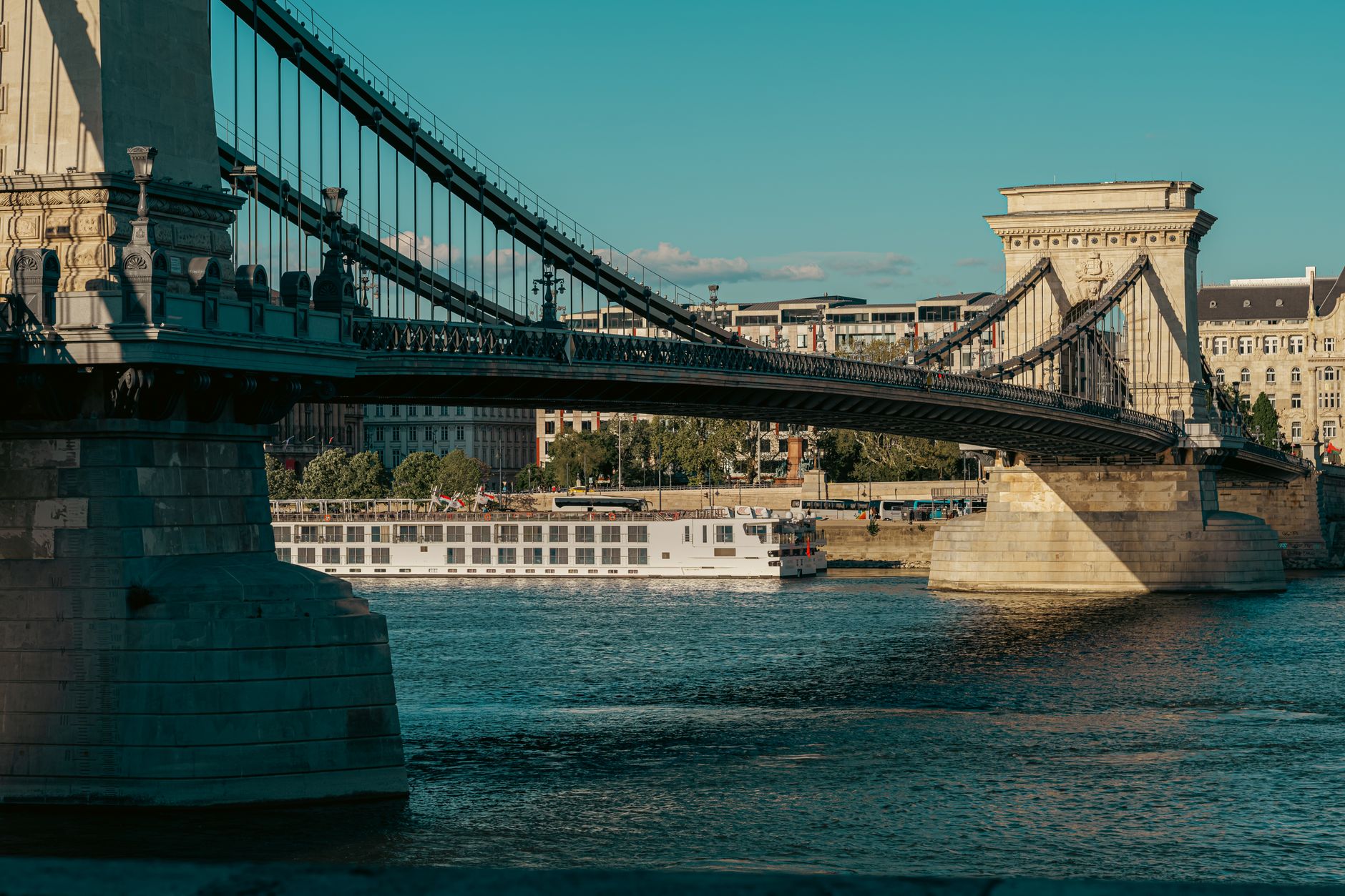
Uniworld positions itself at the boutique end of river cruising, with individually decorated ships, higher crew-to-guest ratios, and an all-inclusive pricing model that folds in gratuities, beverages, and excursions. The aesthetic is ornate rather than minimalist.
View Uniworld sailings from Zurich
This is a Rhine corridor route — short distances between stops, ships carrying 100–190 passengers, and a focus on landscapes, wine regions, and historic towns rather than sea days or resort-style cruising. Expect the Black Forest, Alsace, the Middle Rhine Valley, and possibly Amsterdam at the far end.
This route suits travellers who prefer deliberate pacing over port-hopping intensity. If you value time ashore in smaller towns, onboard comfort on an intimate ship, and scenery unfolding from your cabin window, this pairing works. If you want beach days or mega-ship entertainment, look elsewhere.
You fly into Zurich (ZRH), but your ship is docked in Basel, roughly 80 km away. Most cruise lines arrange the transfer, but it's an extra step to plan for. The upside: Zurich is a major international hub with far more flight options than Basel, and the transfer corridor itself is straightforward.
This route is a strong fit for travellers who want a Rhine river cruise with the convenience of Zurich's well-connected international airport — particularly those combining a cruise with time in Switzerland. The tradeoff is that you're committing to a transfer to Basel before you board, and if you're flying from the UK, starting in Amsterdam may be simpler and cheaper.














