




Mainland Embarkation
You board from an industrial mainland port in Mestre, not from Venice's historic center, which means a different pre-cruise atmosphere but easier road and airport access.


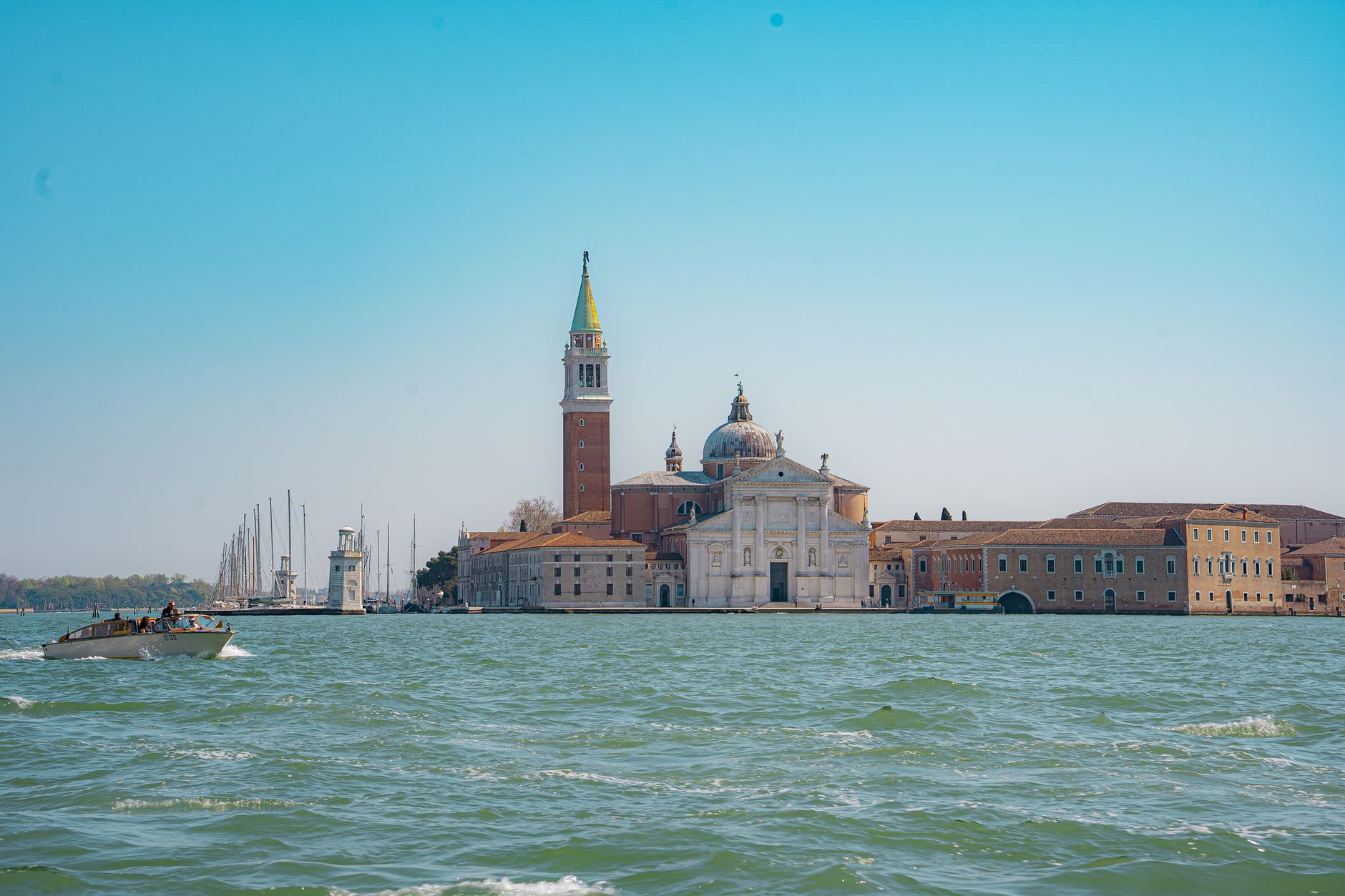
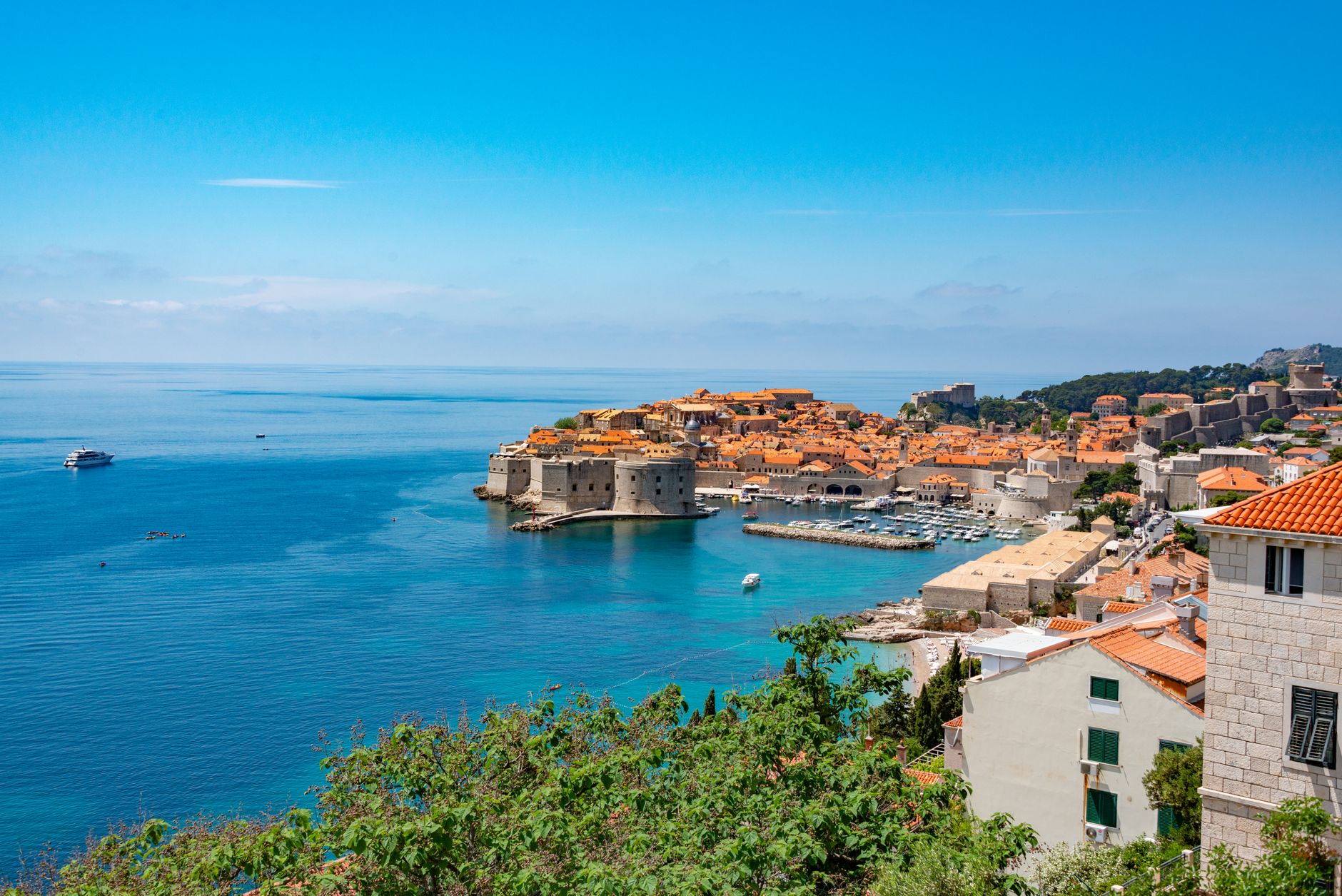


Destination from Port
Sailing from Marghera means starting your European cruise on the doorstep of Venice without navigating the lagoon city's constraints on large ships. Positioned at the head of the Adriatic, this mainland port funnels itineraries naturally toward Croatia's Dalmatian coast, the Greek islands, and the wider eastern Mediterranean — a route shape that keeps sea days short and port-intensive days frequent.
The pairing suits travellers who want Venice as a genuine bookend — spending a few nights in the city before or after sailing — rather than treating it as a rushed port call. It works especially well for summer-season sailings on European and mid-range lines, though the provisional terminal facilities and seasonal schedule mean it rewards passengers who plan logistics in advance.
Sailing from Venice's mainland port shapes your trip in specific ways — here are the route characteristics worth knowing before you book.
You board from an industrial mainland port in Mestre, not from Venice's historic center, which means a different pre-cruise atmosphere but easier road and airport access.
Marghera's location lets you build two or three hotel nights in Venice before or after your sailing, turning the city into a proper trip extension rather than a rushed port call.
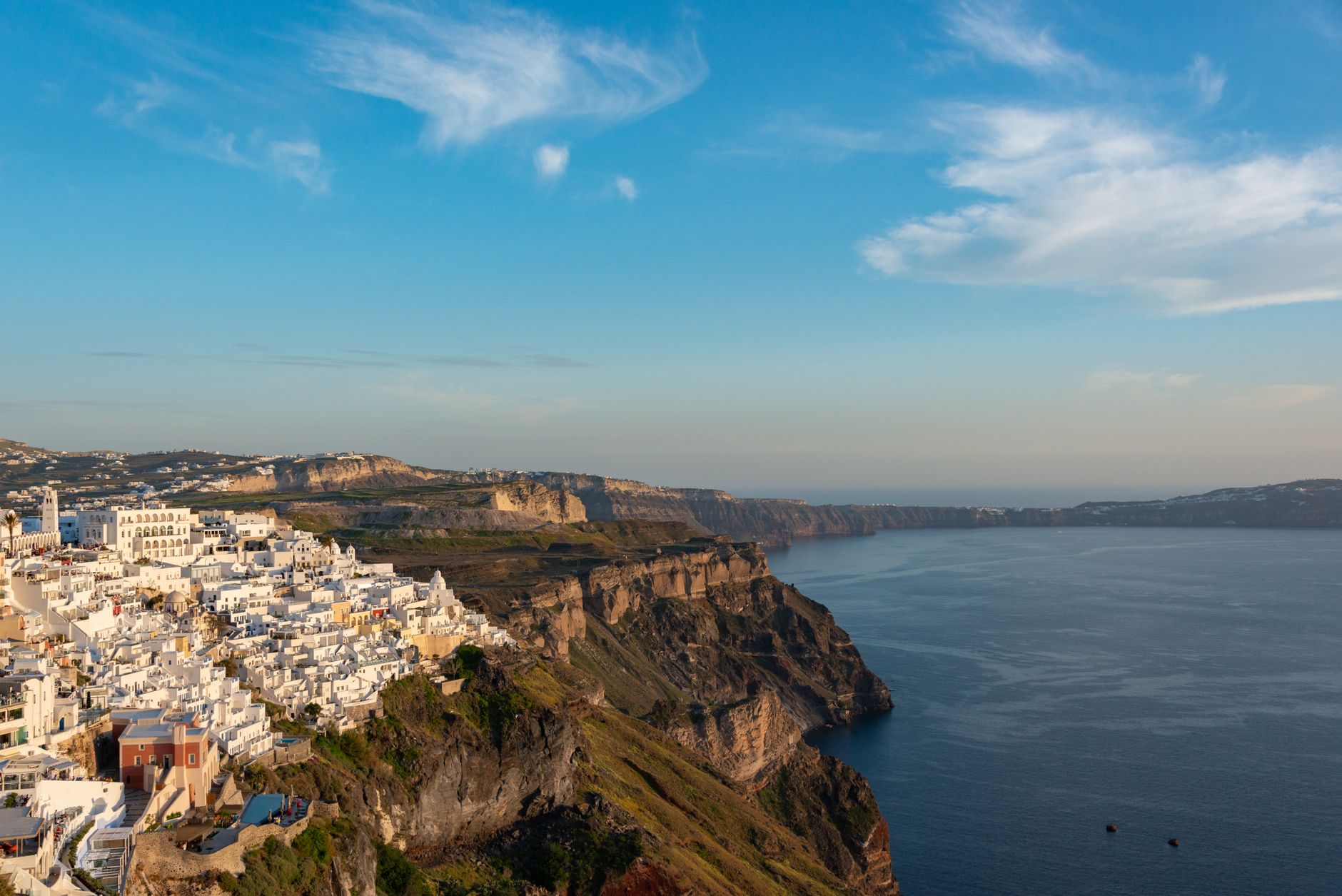
Itineraries lean naturally south and east from the head of the Adriatic, fanning along the Croatian coastline and across to the Greek islands.
Beyond the Dalmatian coast, routes extend into the broader eastern Mediterranean, giving access to a corridor that few other departure ports serve as directly.
Departures cluster from May through September with peak frequency in June through August, so off-season flexibility is limited from this port.
As of mid-2026 there is no permanent cruise terminal — embarkation uses covered provisional facilities that are functional but closer to a pop-up operation than a polished home port.
Postcards from this route
Marghera to the Dalmatian coast, the Greek islands, and the eastern Mediterranean — glimpses of what these itineraries look like at sea and ashore.
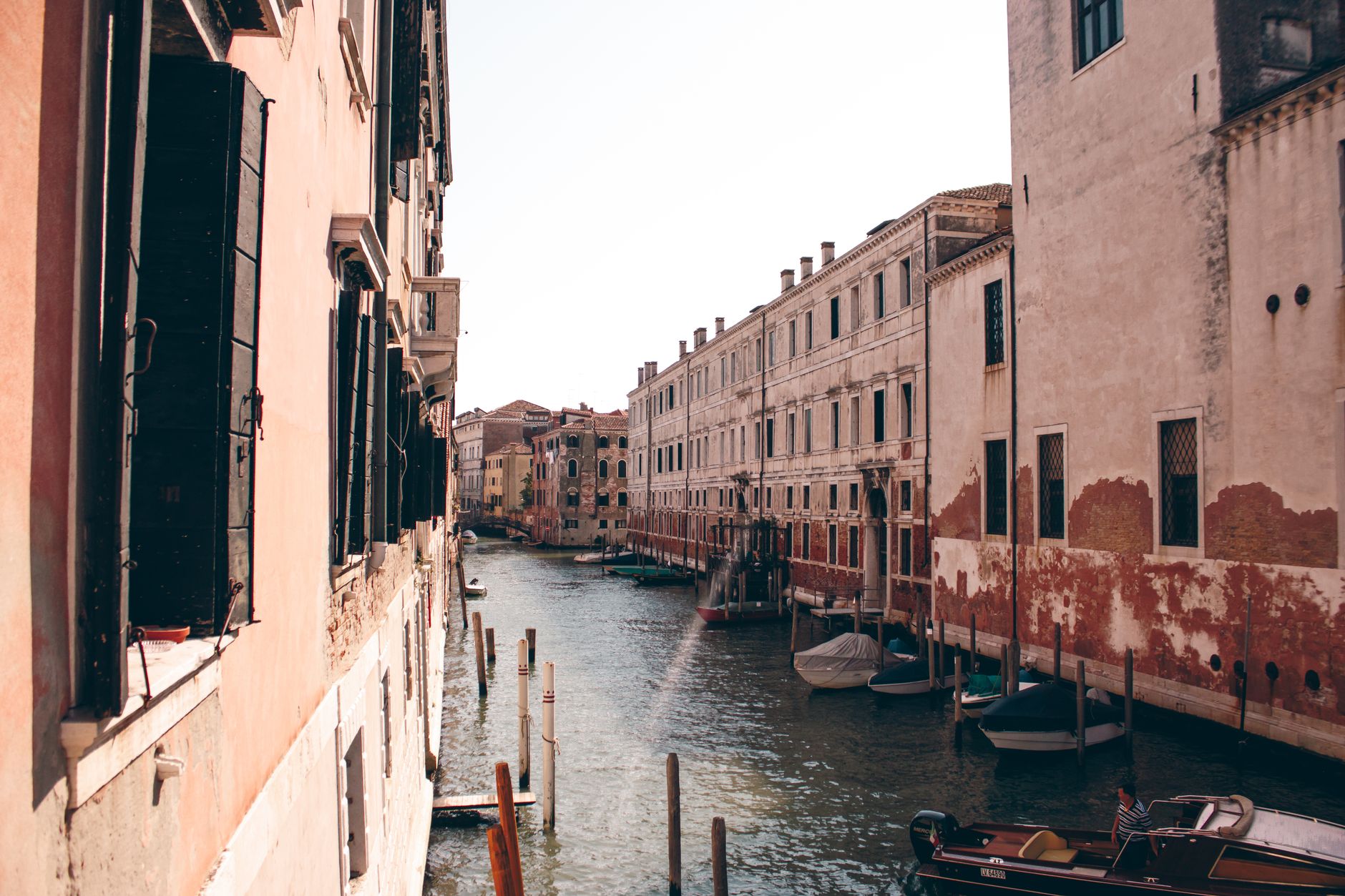
Marghera works best when you build two or three nights in Venice around your sailing. The port's mainland location makes it easy to base yourself in Mestre or Venice proper and treat the cruise as the centrepiece of a longer trip rather than a standalone holiday.

Geography does the work here. Marghera sits at the top of the Adriatic, so itineraries naturally fan toward Dubrovnik, Split, Kotor, and the Greek islands without burning sea days repositioning. If those destinations are your priority, few departure ports are better positioned.

Marghera does not yet have a permanent cruise terminal. Embarkation uses covered provisional facilities in a working industrial port zone — functional but far from the glossy terminals at Southampton or Barcelona. If first impressions matter to you, set expectations accordingly.

Sailings cluster between May and September, with very few options outside that window. The line mix skews European and mid-range, so if you want a specific premium or North American brand, selection may be thin. Check schedules early — Marghera is not a port with daily departures.

Departure Port Logic
Marghera's position at the top of the Adriatic isn't just a geographic detail — it dictates what your itinerary can realistically cover. Sailing from here means the Croatian coast, the Greek islands, and Montenegro are natural first stops rather than long repositioning stretches. A cruise departing from Barcelona or Civitavecchia headed to Dubrovnik burns days in open water getting there; from Marghera, you can be walking the Stradun on day two. That compression of sea time into port time is the single biggest practical advantage of this departure point.
The tradeoff is infrastructure. Marghera lacks a permanent cruise terminal, so embarkation is more provisional than what you'd experience at established home ports like Piraeus or Southampton. And because Venice's historic centre banned large cruise ships from the Giudecca Canal, Marghera became the workaround — meaning your boarding experience is mainland-industrial, not lagoon-scenic. If the Venice backdrop at departure matters to you, that's worth weighing honestly. But if you care more about what happens after the gangway retracts — shorter sailing legs, eastern Med focus, and a Venice pre- or post-stay on your own terms — Marghera earns its spot on the shortlist.
Venice Marco Polo Airport sits close to Mestre, making the transfer to Marghera's embarkation area one of the shortest airport-to-port connections in the Mediterranean. No water taxi choreography required — a taxi or bus handles the entire route on dry land.
Marghera sailings cluster between May and September, with peak frequency in June through August. If you're planning a shoulder-season or winter cruise, this port likely won't have departures — and you'll need to look at year-round home ports elsewhere in the Med.
Marghera rewards travellers who build Venice time around their sailing — two or three nights before or after in the city centre, reached by a short train or bus hop from Mestre. If Venice is just a tick on the port list, a cruise that calls there mid-itinerary may serve you better.

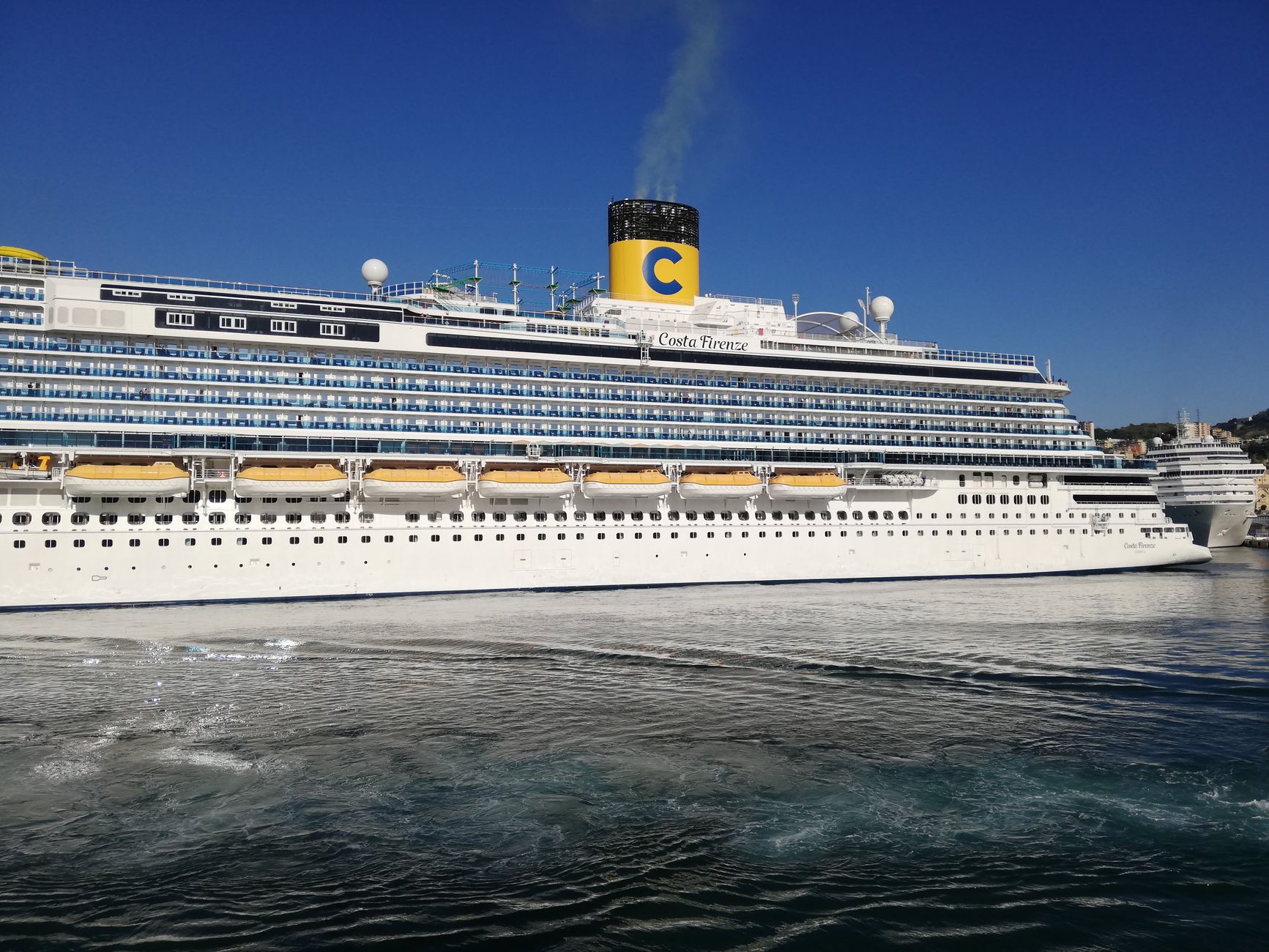
Costa is the most prominent operator at Marghera, running repeating Adriatic and eastern Mediterranean loops through the summer season. Its Italian heritage means the onboard atmosphere leans into Mediterranean dining, European social rhythms, and multilingual service — fitting for a port embedded in the Venice metro area.
See Costa sailings from Marghera
Marghera itineraries lean heavily toward the eastern Mediterranean — Croatia's Dalmatian coast, the Greek islands, and nearby Adriatic ports. This isn't a western Med hub. If your dream route hits Barcelona or the French Riviera, look elsewhere. If you want Dubrovnik, Kotor, and Corfu with Venice on either end, this port was built for that.
Marghera rewards travelers who treat Venice as a destination, not just an embarkation box to check. Plan two or three nights in the city before or after sailing and you get the full value of this departure point. If you're flying in the morning of departure and racing to the terminal, the mainland logistics and provisional facilities will feel more frustrating than convenient.
As of mid-2026, Marghera uses provisional embarkation facilities — functional but not polished. Sailings concentrate between May and September, with very little off-season availability. The line mix skews European and mid-range. Factor in these constraints early: this port delivers on itinerary and location, but demands flexibility on comfort and timing.

Marghera is a strong pick for travellers who want to pair a Venice stay with an Adriatic or eastern Mediterranean sailing at a lower-profile embarkation point — but the provisional terminal facilities and limited seasonal schedule mean you'll need to plan around infrastructure gaps and a narrow booking window.














