




Atlantic Starting Position
Lisbon sits on the Atlantic coast rather than inside the Mediterranean, giving itineraries a wider geographic sweep and a different opening rhythm than Barcelona or Civitavecchia departures.




Destination from Port
Lisbon sits apart from the typical Mediterranean departure cluster. Its Atlantic position opens routing options that Barcelona or Civitavecchia simply can't match — westward runs to the Azores and Canary Islands, northbound legs toward the British Isles, and sweeping repositioning voyages that treat the open ocean as part of the itinerary rather than something to skip past. For travellers who want a European cruise that doesn't retrace the standard western-Med loop, this port reshapes the geography in useful ways.
The pairing tends to suit passengers who value a walkable, culturally rich embarkation city, prefer an unhurried start with easy terminal logistics, and are drawn to itineraries that blend Atlantic island stops with mainland European ports. A growing roster of lines — from mainstream operators to luxury and expedition brands — now depart from Lisbon, giving this port a breadth of options that punches well above its size.
Sailing from Lisbon shapes your cruise in specific ways — from the Atlantic positioning to the embarkation flow and itinerary rhythm.
Lisbon sits on the Atlantic coast rather than inside the Mediterranean, giving itineraries a wider geographic sweep and a different opening rhythm than Barcelona or Civitavecchia departures.
From Lisbon, routes can head south toward the Canary Islands, north to the British Isles, or east into the Mediterranean — offering unusual directional flexibility for a single homeport.
The Terminal de Cruzeiros de Lisboa at Santa Apolónia is well-situated and relatively easy to navigate by European port standards, located about 1.2 miles from the city centre.
Lisbon is a compelling destination in its own right, making extended stays before or after the cruise feel rewarding rather than logistical.
The main season runs from late March through early November, with a secondary winter pulse of departures to the Canary Islands and Atlantic islands between December and February.
Lisbon departures tend to attract travellers who value itinerary variety and are comfortable with open-ocean sailing segments rather than short coastal hops.
Postcards from this route
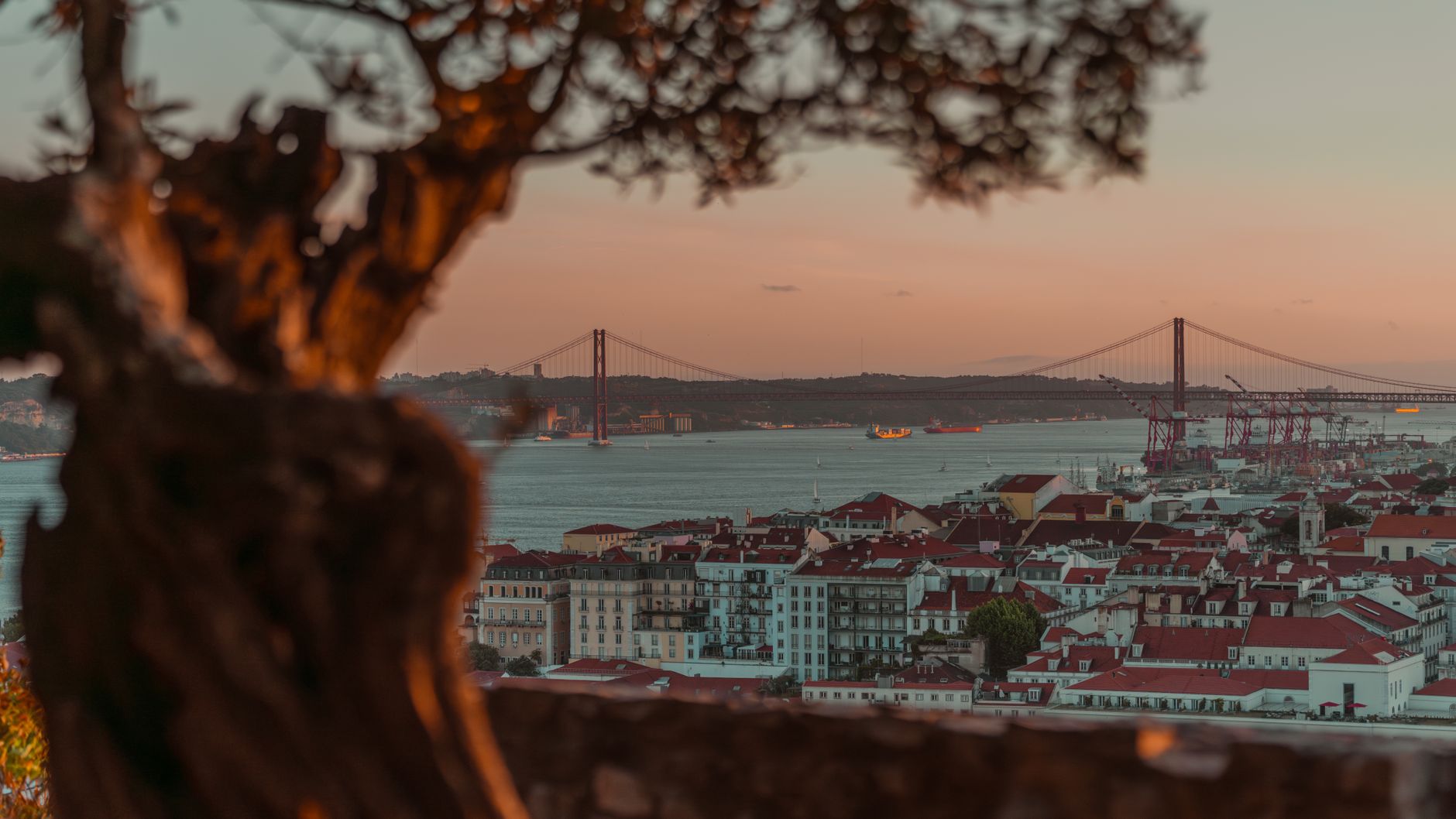
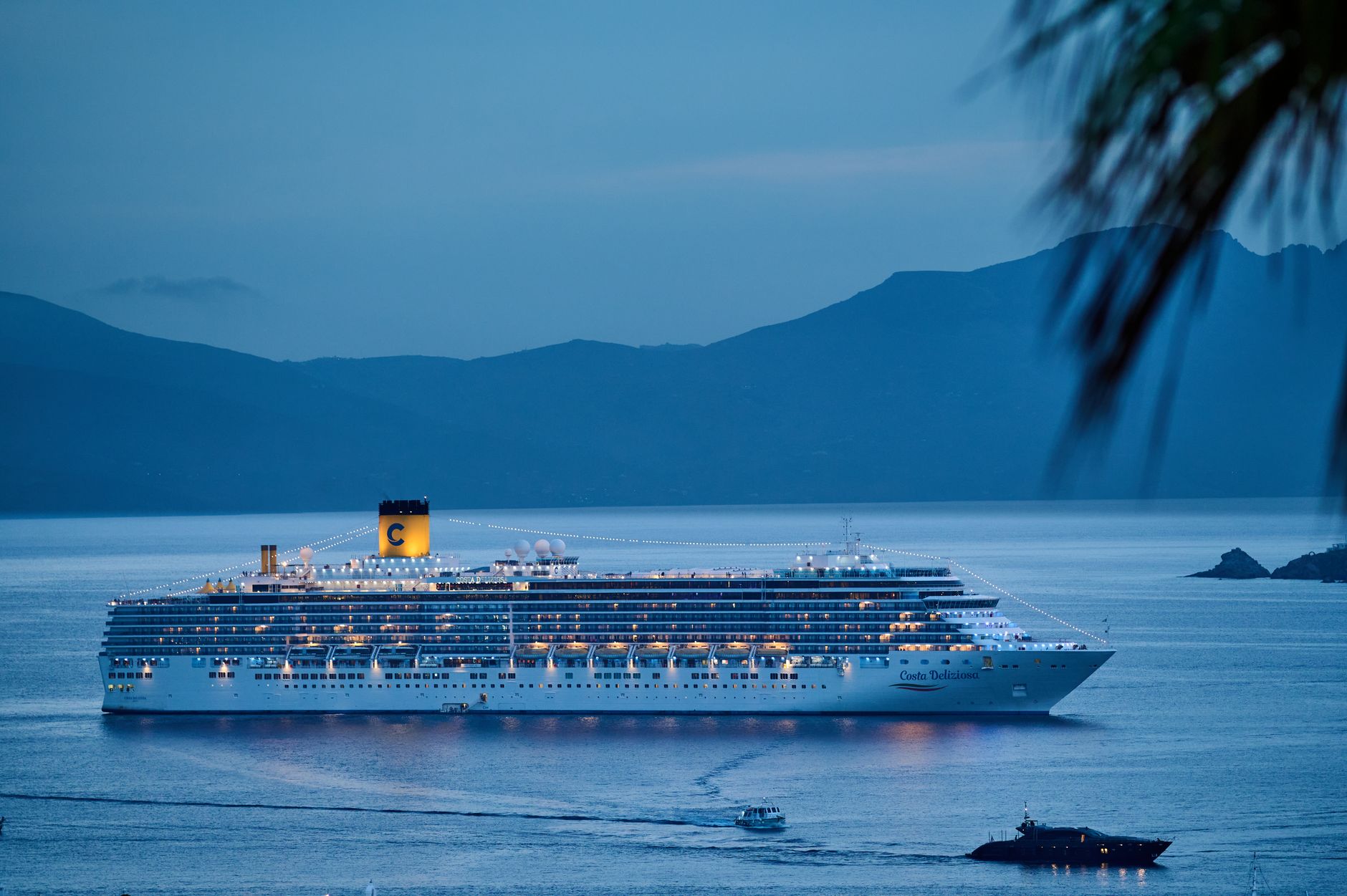
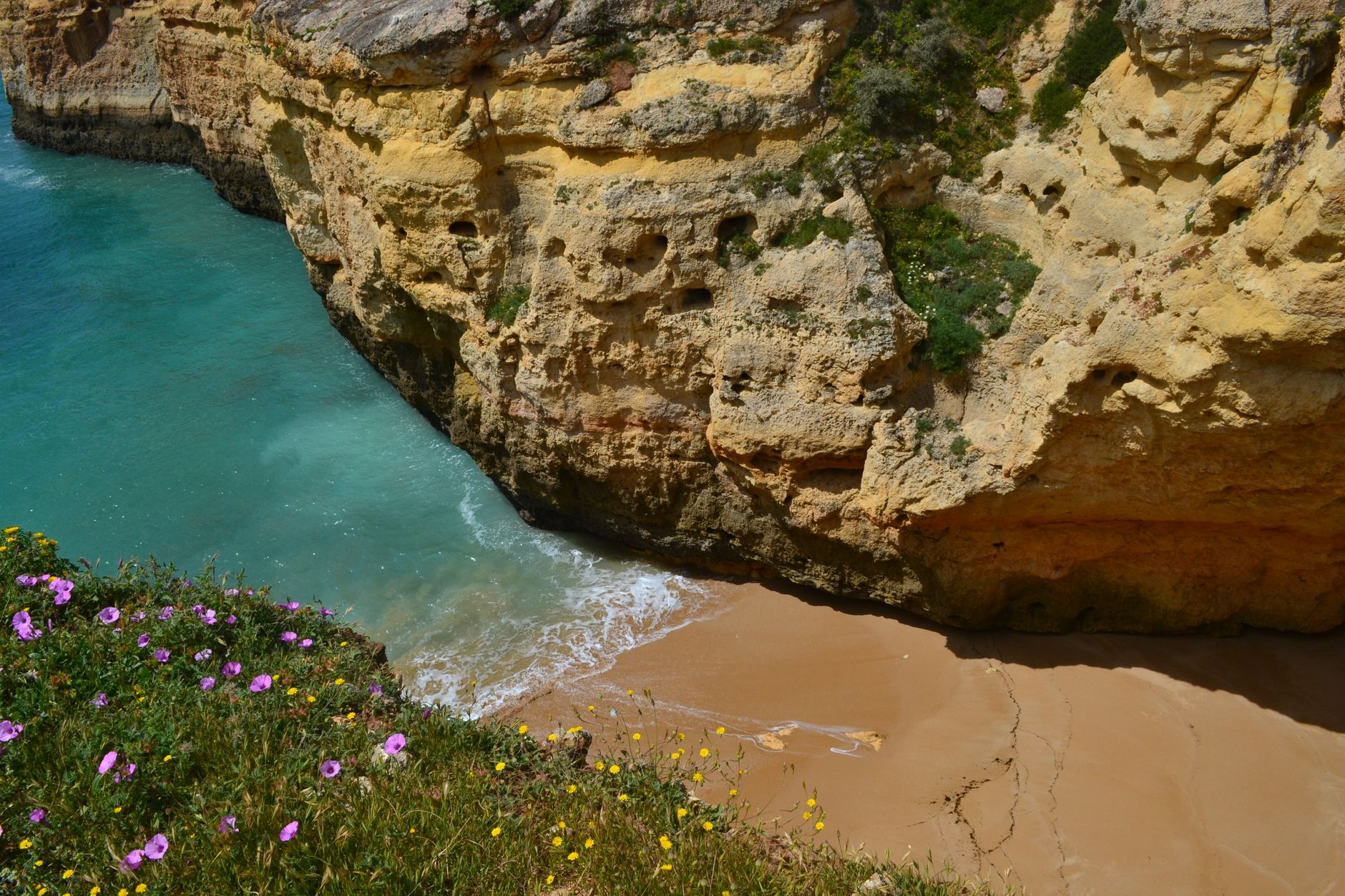
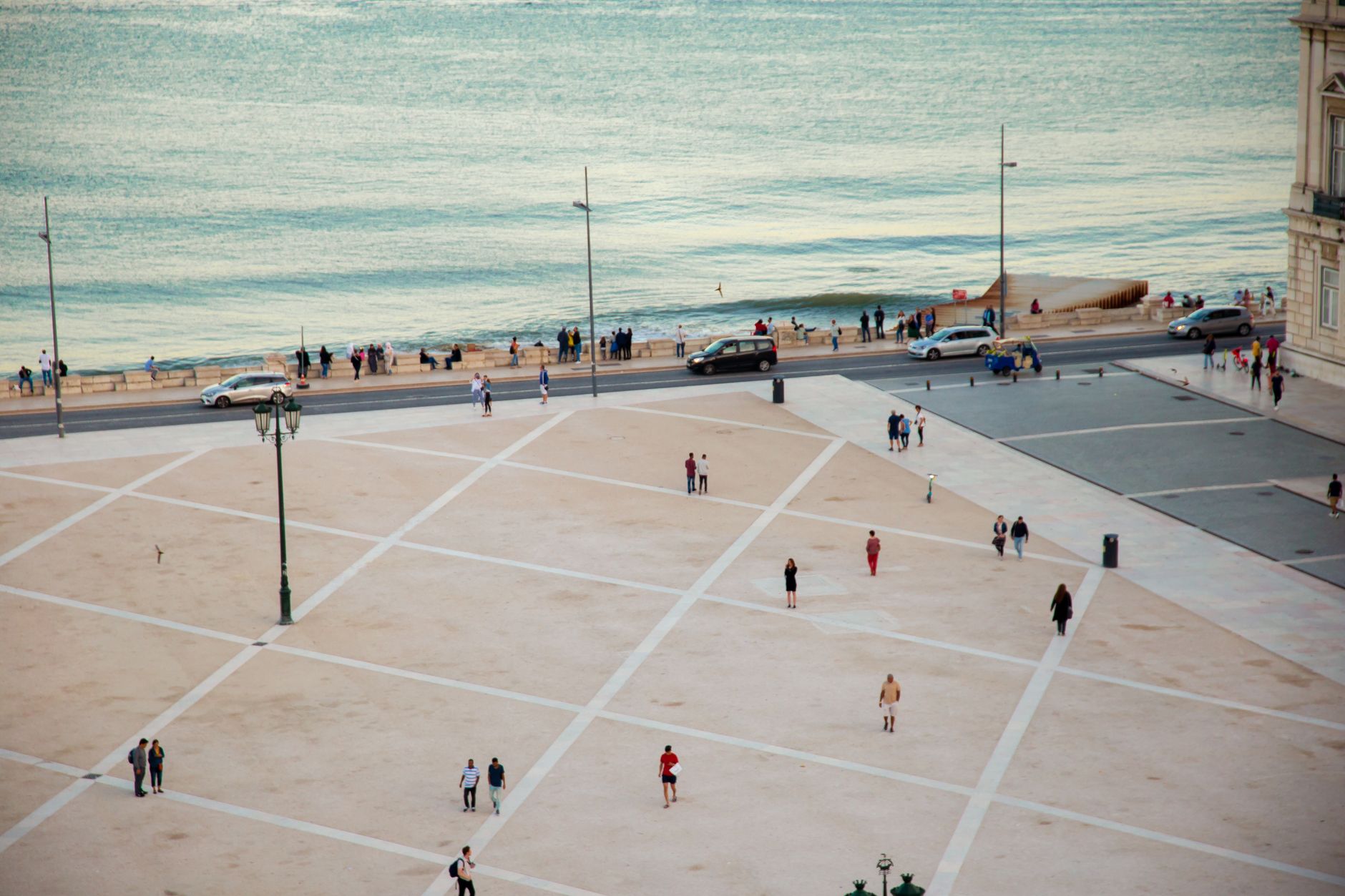
Scenes from Lisbon's Atlantic departure and the European ports beyond it.
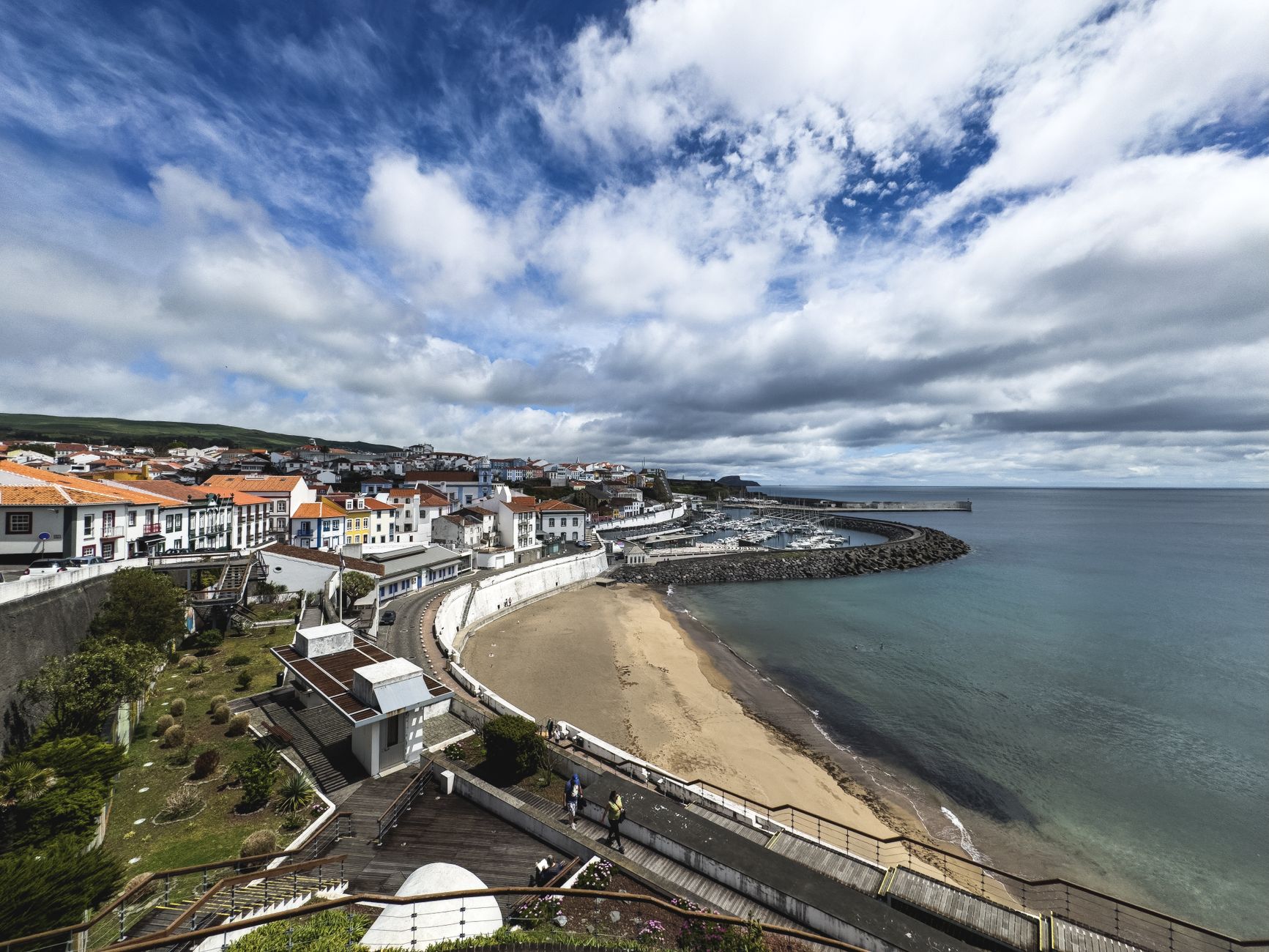
Lisbon's position on the western edge of Europe makes it a natural launchpad for itineraries that blend Iberian and Atlantic island ports — routes that are harder to piece together from Mediterranean hubs like Barcelona or Rome.
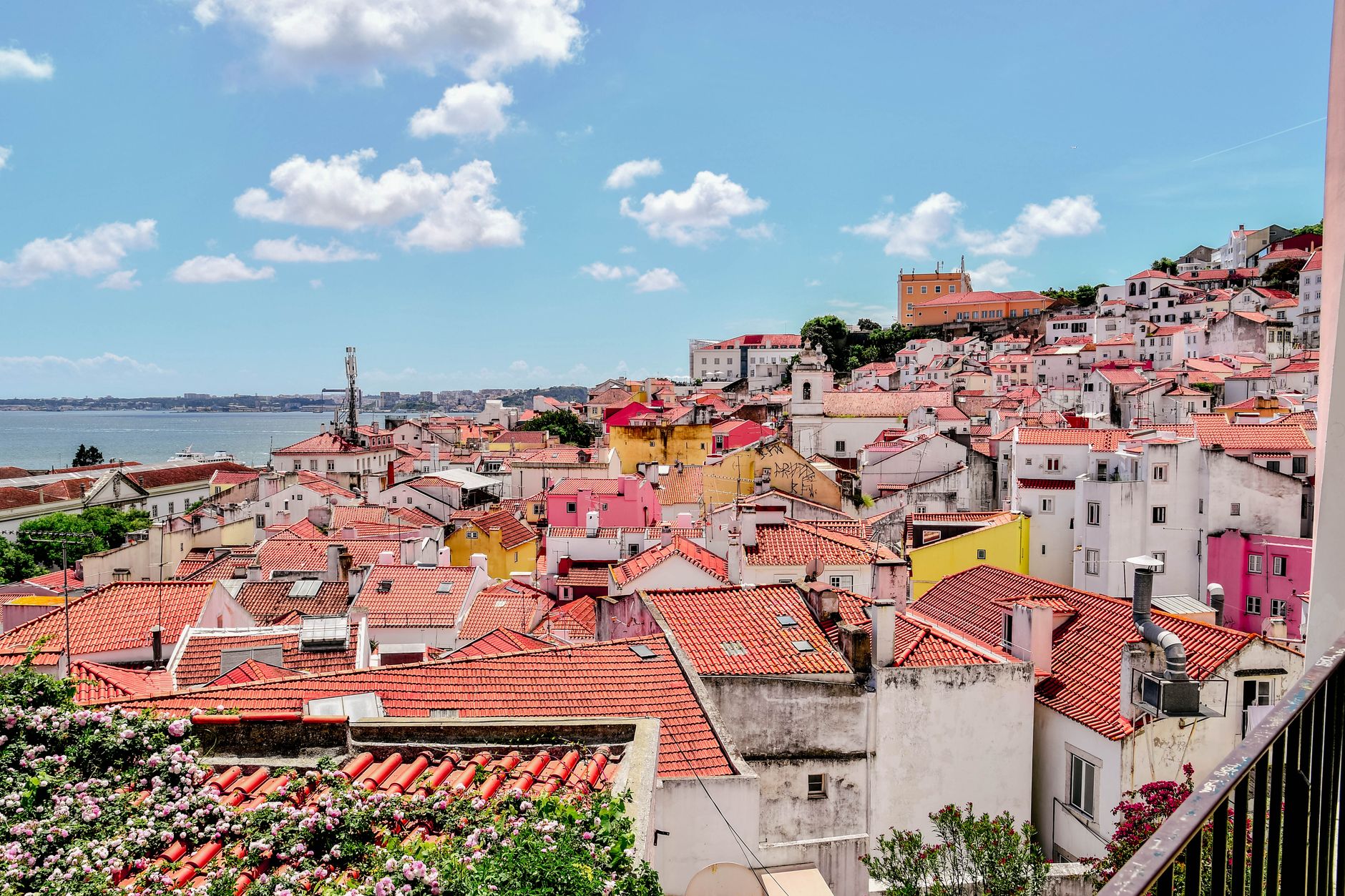
The cruise terminal sits close to central Lisbon, and the city genuinely rewards two or three extra nights. If you treat embarkation day as part of the trip rather than a logistics chore, Lisbon over-delivers compared to most European departure ports.
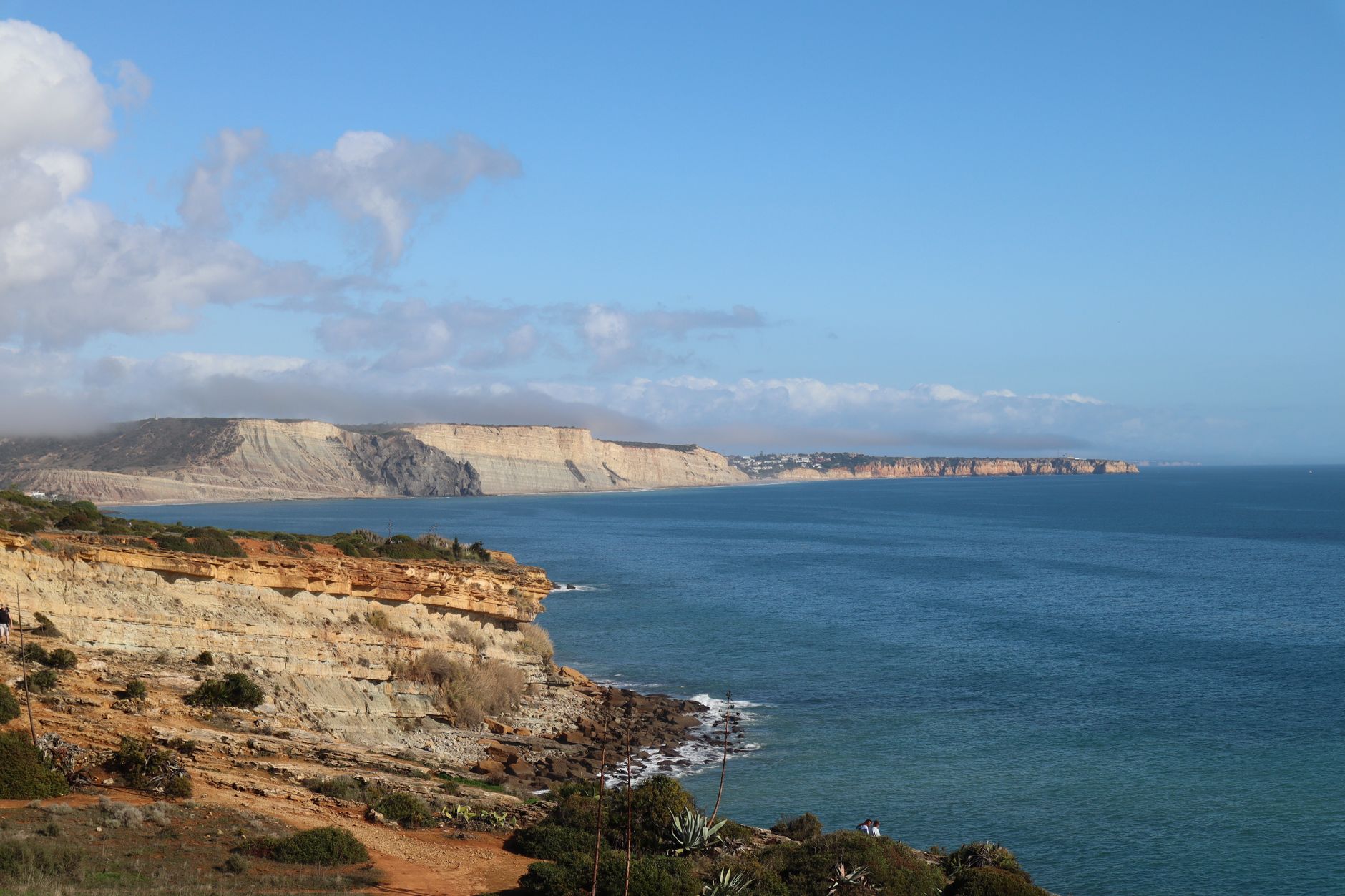
Lisbon is further from many European and North American gateways than mainstream Med hubs. If minimising travel time to the ship is a priority — especially with young children or tight schedules — factor in the extra transit and potentially fewer nonstop flight options.
Sailing east from Lisbon toward the core Mediterranean means one or more open sea days before your first port call. If you prefer port-intensive itineraries with stops every morning, a departure from further inside the Med will suit you better.

Departure Port Logic
Lisbon's Atlantic position means your ship commits to meaningful sea time before reaching the first Mediterranean call. That sounds like a drawback until you consider what it eliminates: the port-every-morning churn of western Mediterranean itineraries out of Barcelona or Rome. Sailings from Lisbon tend to breathe differently — longer stretches at sea, fewer but more deliberate port calls, and routing flexibility that can swing north toward the British Isles or south toward the Canaries without backtracking. If your departure were Barcelona, those northern Atlantic itineraries would require repositioning; from Lisbon, they're natural extensions of the geography.
There's a practical embarkation advantage too. Lisbon's cruise terminal at Santa Apolónia sits close to the historic centre, making a pre-cruise stay genuinely walkable rather than a logistics exercise. Compare that with Civitavecchia's hour-plus transfer from Rome or the taxi queue at Barcelona's port. For travellers who want to build a few days ashore into the trip — and most Lisbon-departure passengers should — the city earns its own time in a way that pure transit ports rarely do.
Lisbon's cruise terminal is roughly 1.2 miles from the city centre — close enough that a pre-cruise hotel stay doubles as genuine sightseeing, not just an overnight layover. International flights land at Humberto Delgado Airport, about 20 minutes from the port by taxi.
From Lisbon, itineraries can head south to the Canary Islands and Madeira, north to the British Isles or Scandinavia, or east into the Mediterranean — all without the repositioning penalties that more centrally located ports impose. This makes Lisbon a natural fit for longer voyages and transatlantic crossings.
Lisbon departures typically involve more sea days than comparable Mediterranean sailings. If your priority is maximising port stops on a seven-night itinerary, a more central embarkation point may serve you better. If you value pacing, variety, and a strong pre-cruise city, Lisbon earns its place.

Viking River offers a substantial presence on European waterways from Lisbon, typically using the city as a bookend for Douro Valley itineraries that wind through Portugal's wine country and into Spain. The approach is culturally immersive and unhurried, with included excursions and a consistent onboard standard across the fleet.
View Viking River sailings from Lisbon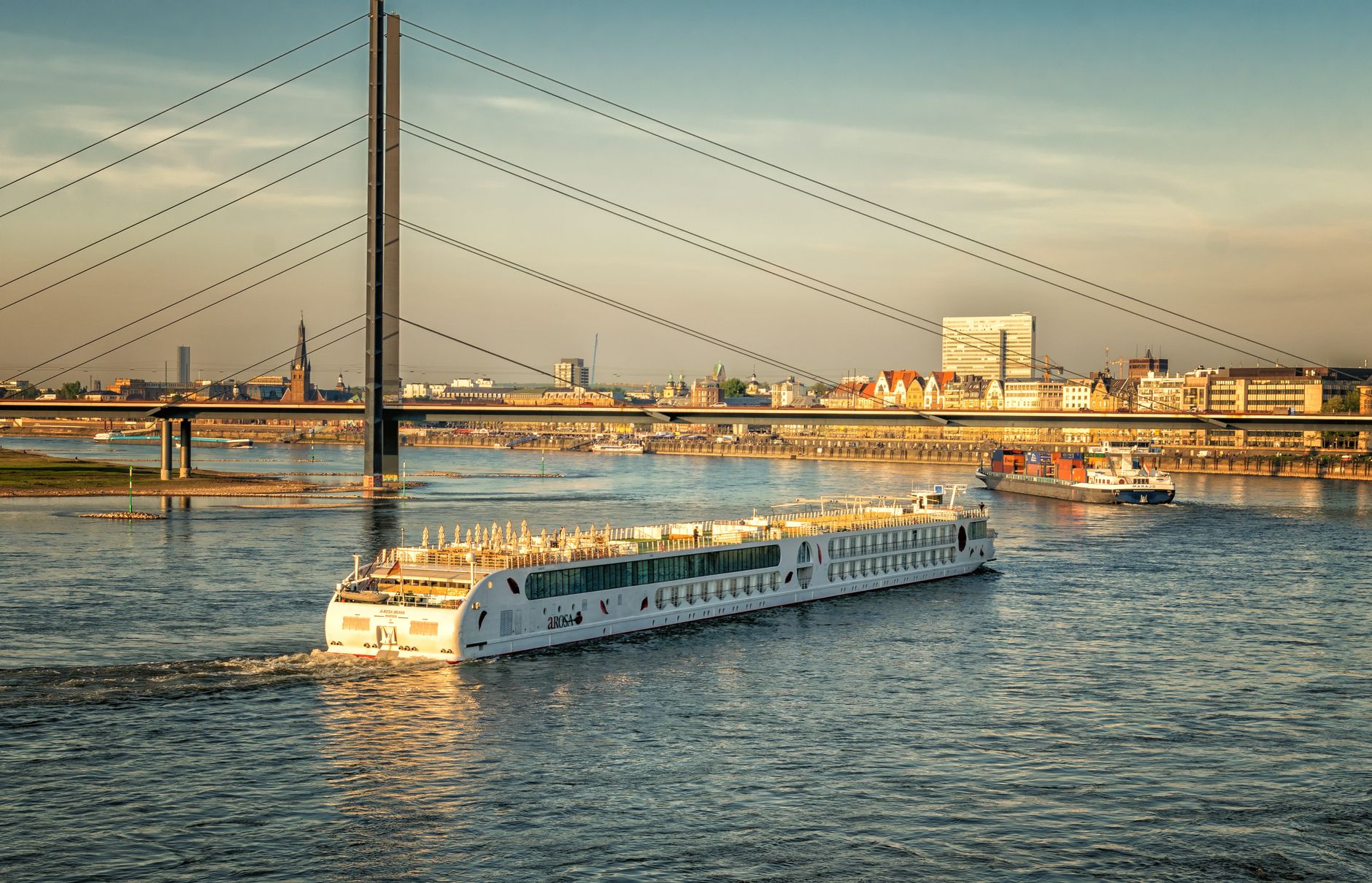
AmaWaterways connects Lisbon to Portugal's interior via the Douro, with itineraries that emphasise food and wine pairings, active excursion options like guided hikes and cycling, and a slightly more indulgent onboard experience than some river competitors. Ships tend to be smaller and newer in feel.
View AmaWaterways sailings from Lisbon
Avalon Waterways focuses on the Douro corridor from Lisbon with a distinctive ship design — panoramic floor-to-ceiling windows in most cabins create an unusually open feel for river cruising. Itineraries lean toward classic sightseeing with a mix of guided and independent time ashore.
View Avalon Waterways sailings from Lisbon
Scenic positions its Douro sailings from Lisbon at the luxury end of the river market, with all-inclusive pricing that covers excursions, drinks, gratuities, and butler service in most cabin categories. The pace is relaxed, with an emphasis on exclusivity and personal space.
View Scenic sailings from Lisbon
Lisbon sits on Europe's western Atlantic edge, not inside the Mediterranean. That means itineraries often blend Atlantic island stops (Canaries, Azores, Madeira) with Iberian and Northern European ports — a different rhythm from the classic Med loop. Expect more sea days and a wider geographic sweep than Barcelona or Rome departures.
This departure suits travelers who'd rather cover diverse coastlines — Atlantic islands, Western Mediterranean, even Northern Europe — than tick off the standard Greek-and-Italian circuit. It also rewards anyone who values a world-class pre- or post-cruise city stay, since Lisbon itself is a genuine destination, not just a transit point.
Lisbon has fewer departure options than Mediterranean mega-hubs like Barcelona. The main season runs late March to early November, with limited winter Canary Islands runs. Flights from North America are less frequent than to major Med gateways, so building in buffer time and booking air early matters more here.

If you want an Atlantic-facing itinerary that opens up western Iberia, the Canary Islands, and northern Europe without backtracking through the crowded western Mediterranean, Lisbon is a genuinely distinctive starting point. The tradeoff is fewer sailing frequencies and a narrower choice of departure dates compared to Barcelona or Civitavecchia, so flexibility on timing matters more here.














