




Giurgiu Embarkation Transfer
Your cruise actually begins about ninety minutes south of Bucharest by road in the small Danube-side town of Giurgiu, so expect a coach transfer before you ever step aboard.



Destination from Port
Sailing the lower Danube from Bucharest means starting in Romania and tracking upstream through five countries — Bulgaria, Serbia, Croatia, Hungary — before finishing in Budapest. The embarkation point is actually Giurgiu, about ninety minutes by road from Bucharest, and the route threads through the dramatic Iron Gates gorge and a string of smaller, less-touristed ports that most ocean cruisers never encounter. It's a corridor built for the second-time European cruiser who wants genuine discovery over familiar capitals.
This pairing suits travellers who are curious about southeastern Europe and comfortable with a slower, more exploratory pace. The narrow river ships, the regional cuisine, and the mix of Roman ruins, Ottoman history, and communist-era architecture give the route a texture that the upper Danube — Vienna to Amsterdam — simply doesn't replicate. If you're flying into Bucharest, you also get the chance to explore one of Europe's most underrated capitals before boarding.
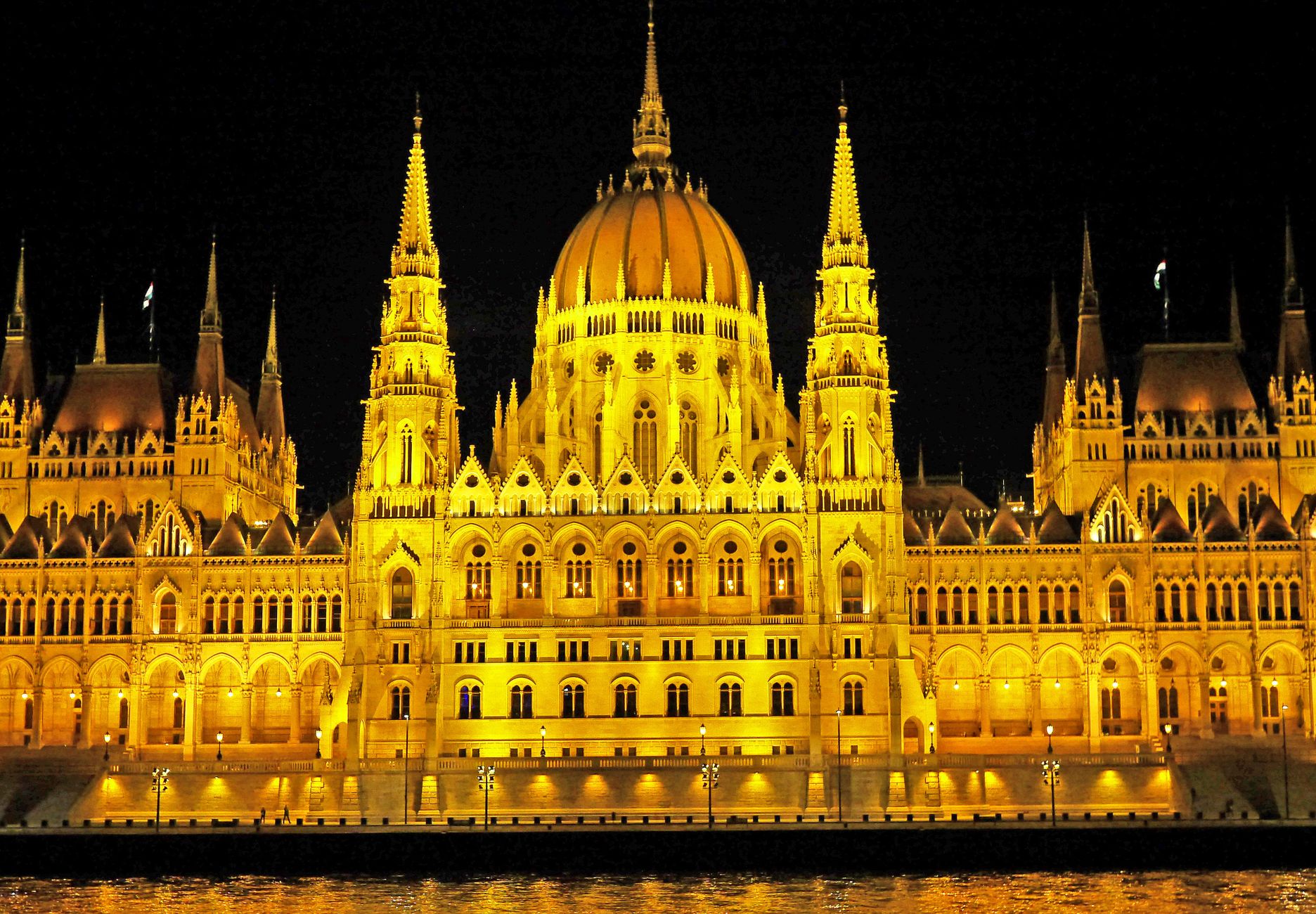
The Bucharest-to-Budapest corridor has a character all its own — here's what shapes the experience from embarkation to final disembarkation.
Your cruise actually begins about ninety minutes south of Bucharest by road in the small Danube-side town of Giurgiu, so expect a coach transfer before you ever step aboard.
The standard itinerary threads through Romania, Bulgaria, Serbia, Croatia, and Hungary — a geopolitical variety most single-river routes cannot match.
The ship squeezes through the dramatic Iron Gates gorge on the Serbian-Romanian border, one of the most visually striking stretches of navigable river in Europe.
Most sailings complete the Bucharest-to-Budapest corridor in under two weeks, giving a comfortable daily rhythm of one port or scenic cruising segment per day.
Departures from Bucharest head northwest upstream along the Danube, meaning you finish in Budapest — ideal for travellers who want to bookend with a well-connected European capital.
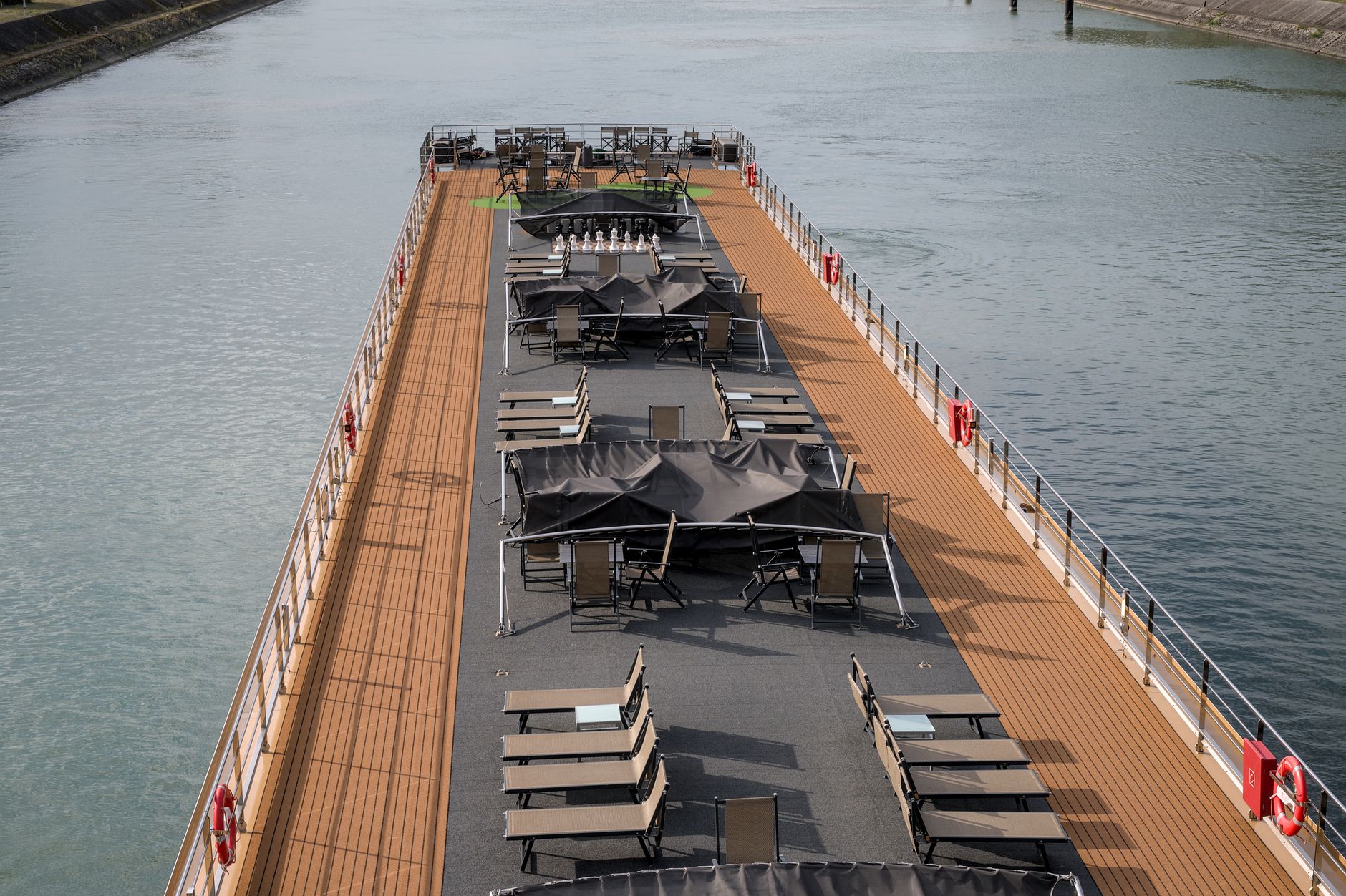
Vessels are long and slender — roughly 135 metres by 11.5 metres — a very different feel from ocean ships, with intimate passenger counts and open-air top decks for gorge viewing.
Postcards from this route
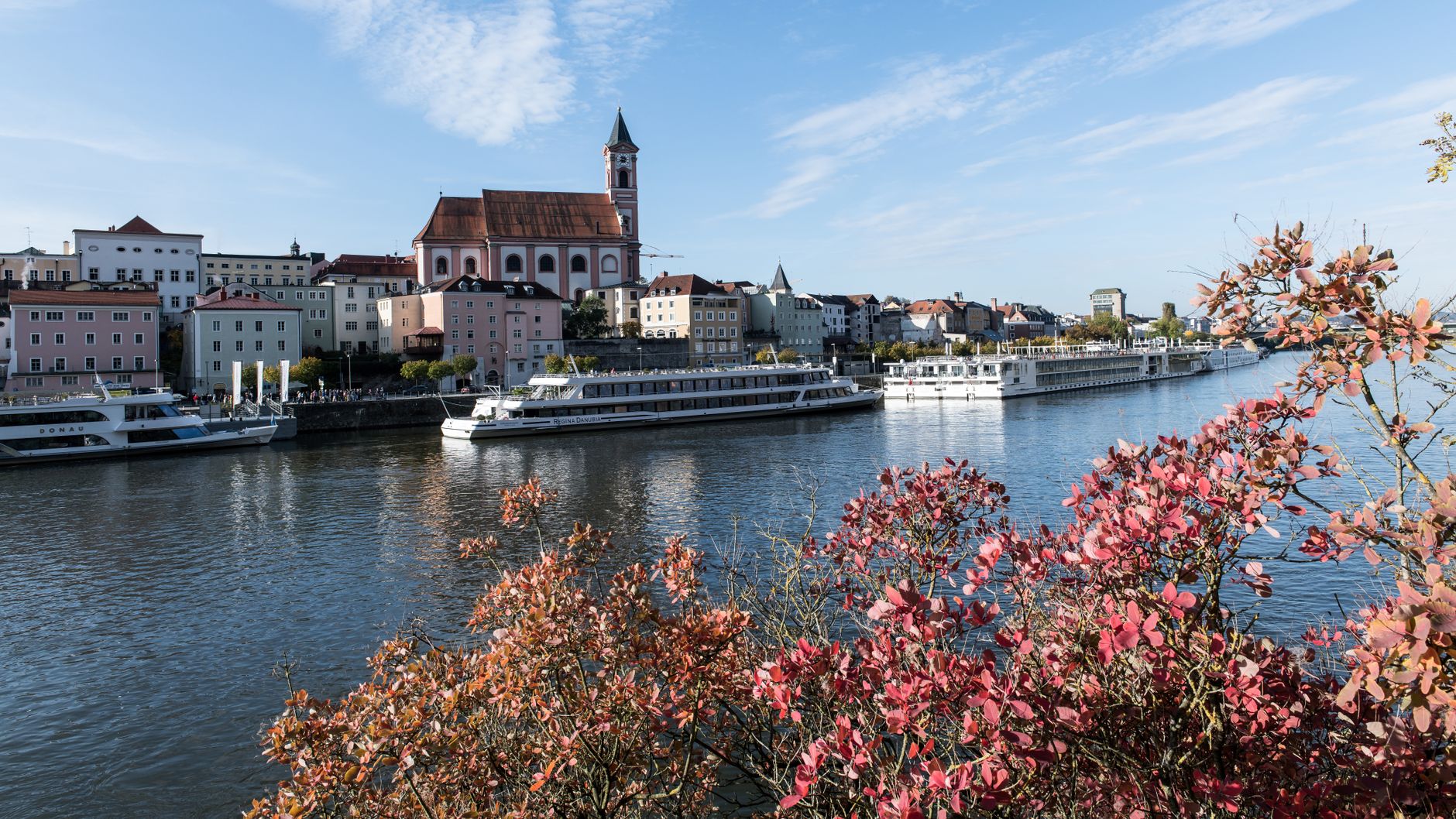
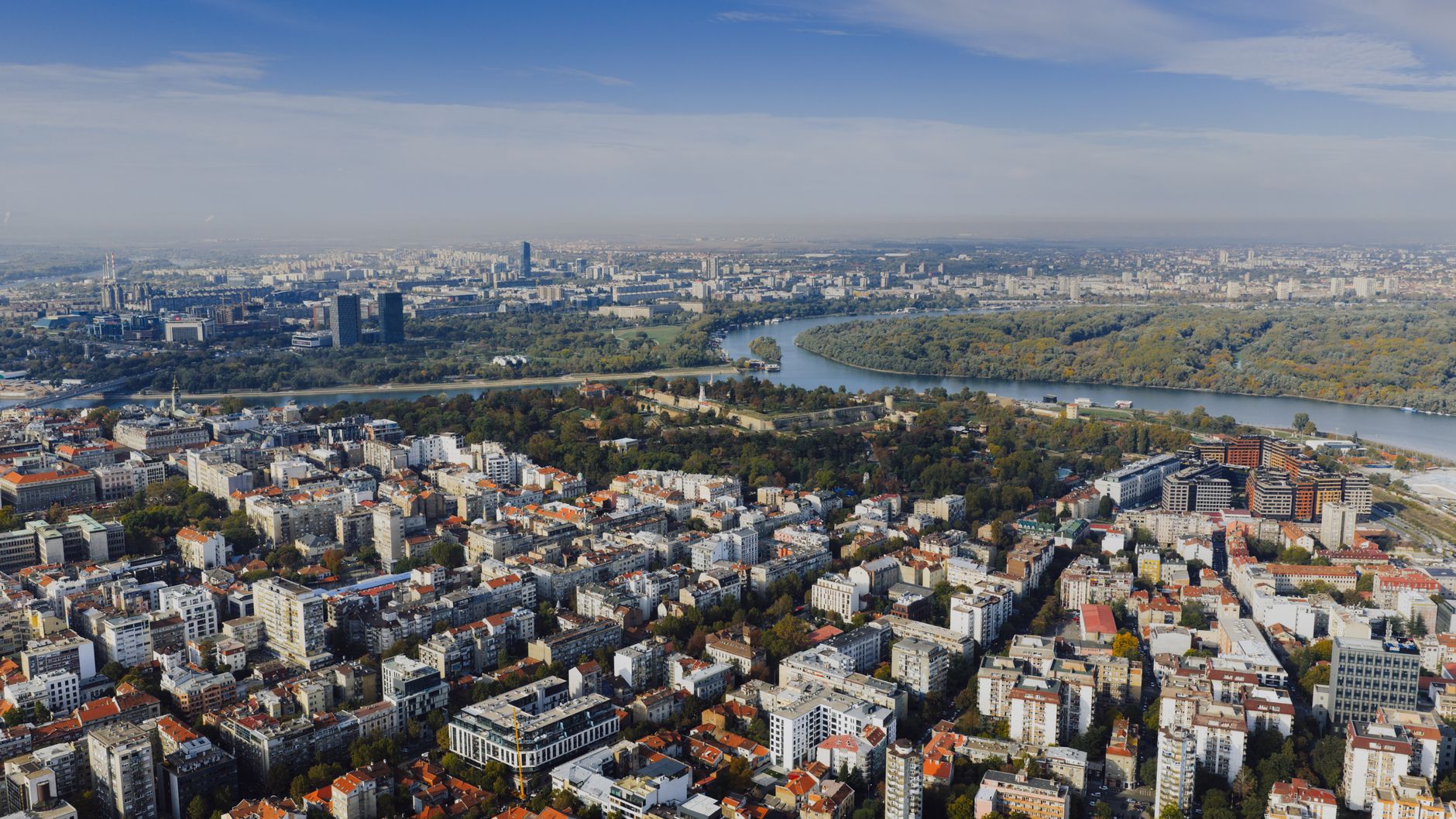
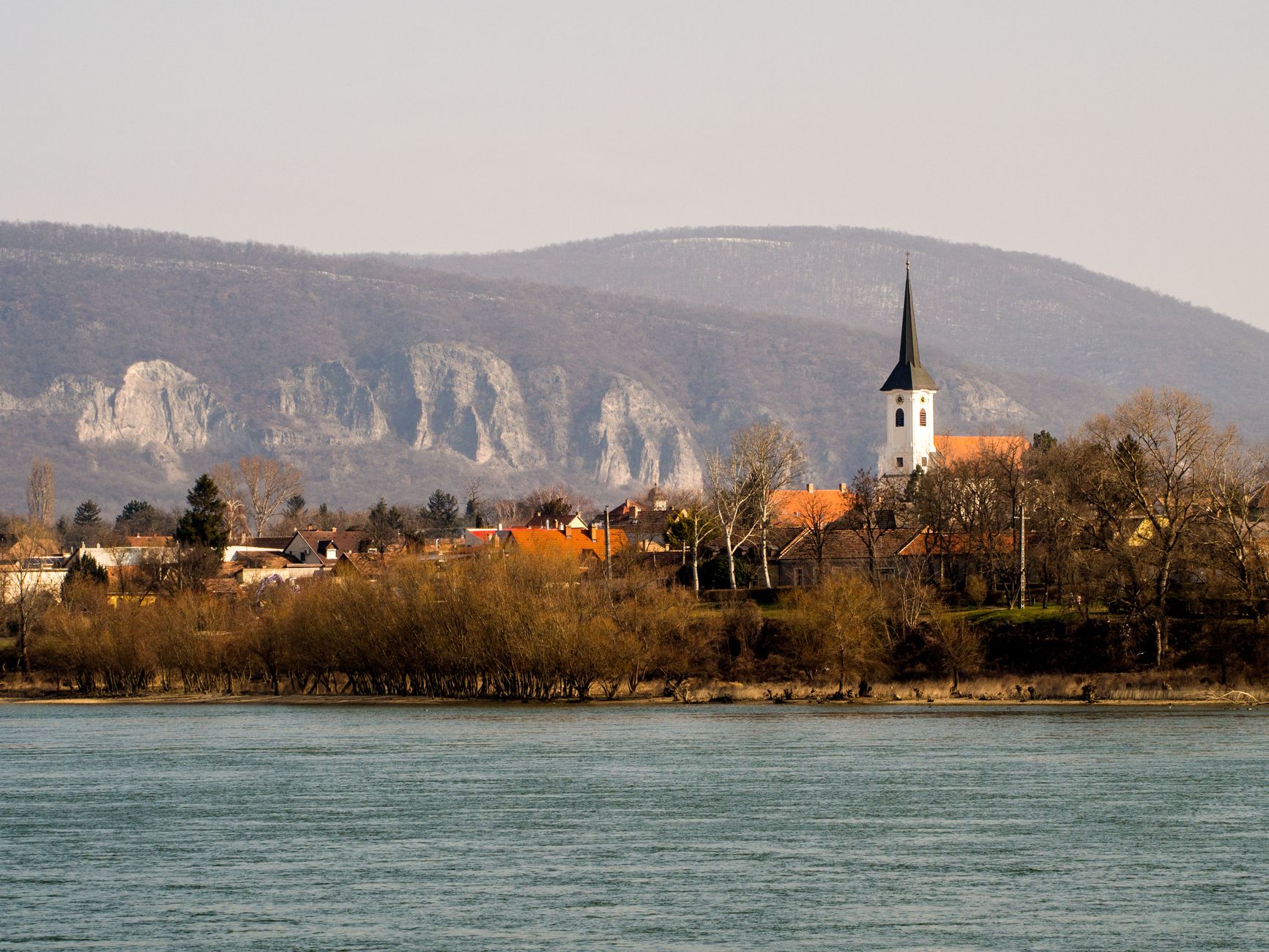
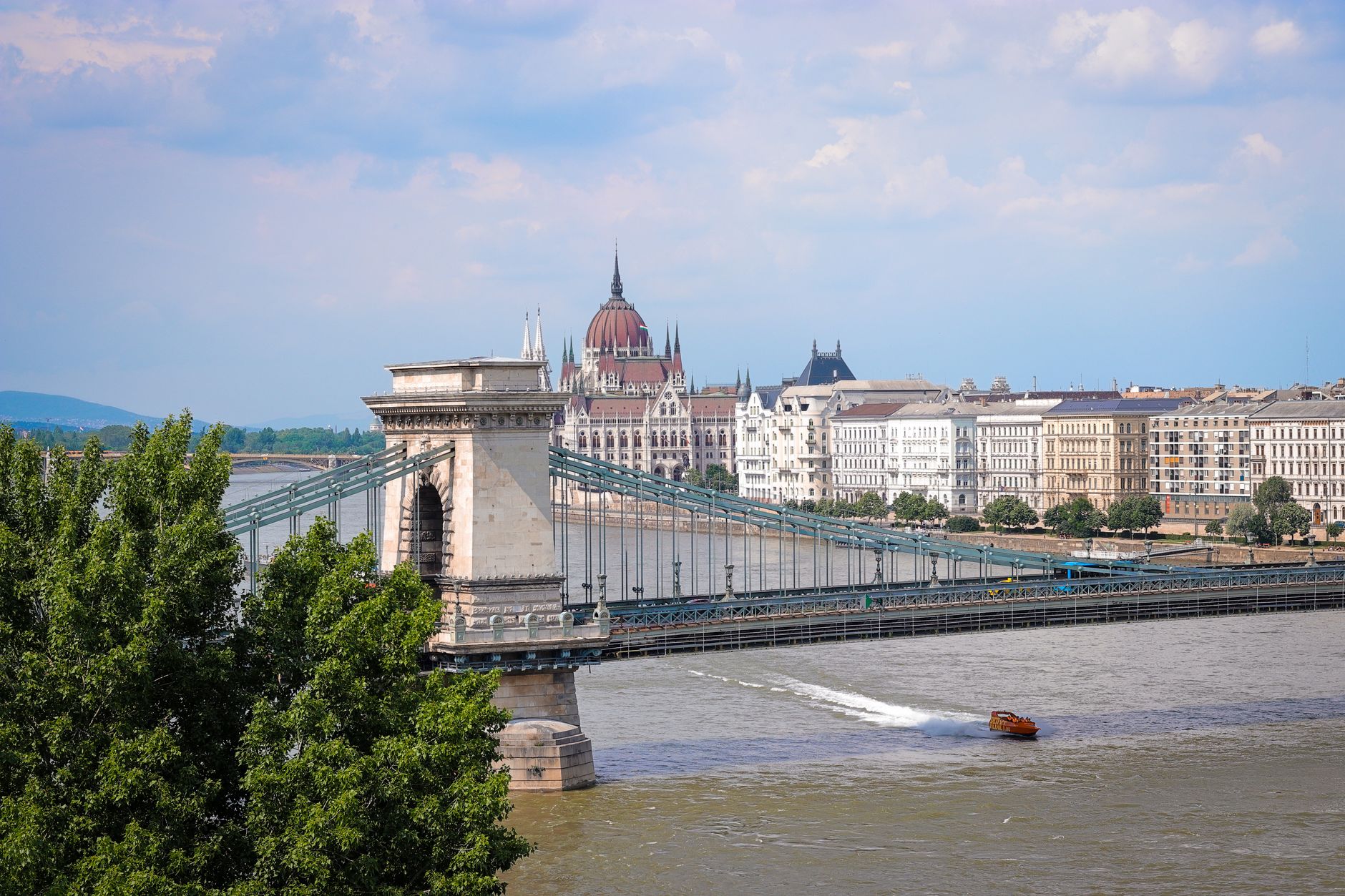
Scenes from the Danube between Bucharest and Budapest — five countries, one river.
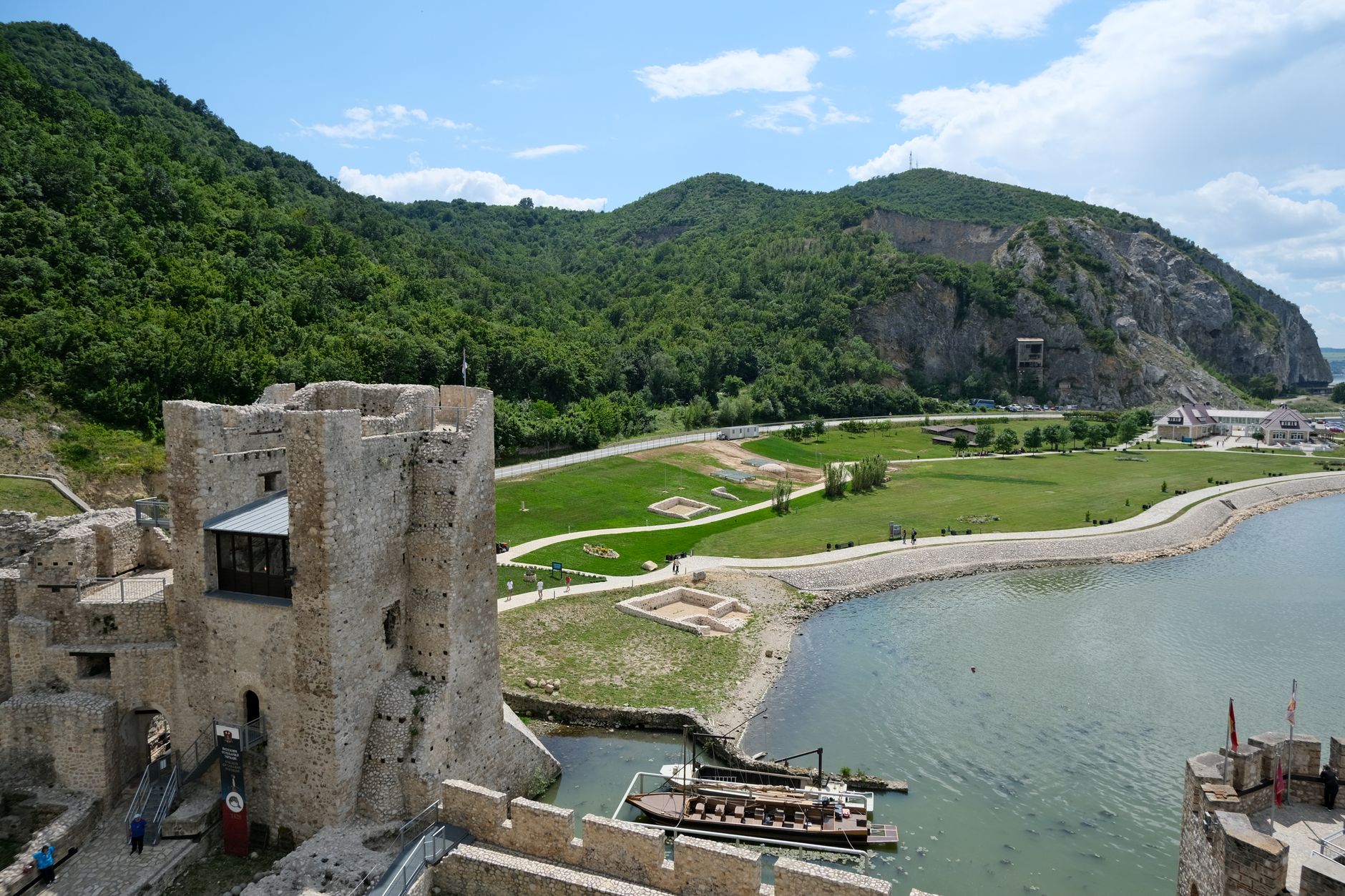
This route is designed for travellers who've already ticked off the Vienna-to-Amsterdam corridor. If you want unfamiliar ports, the Iron Gates gorge, and five countries most cruisers never visit, Bucharest is the right starting point.
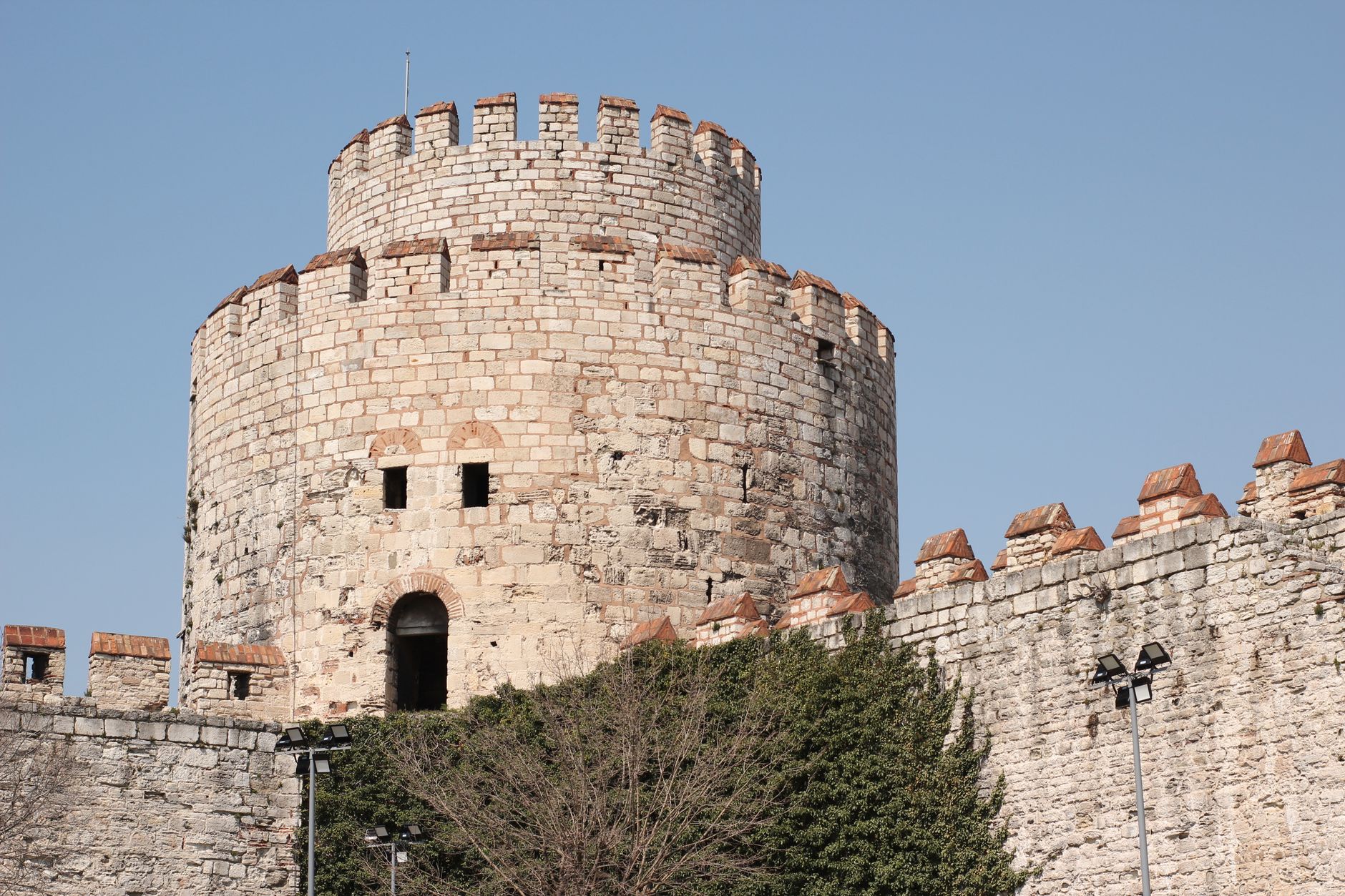
Ports along the lower Danube are smaller and less tourist-oriented than those on the upper Danube. Expect local markets and Ottoman-era fortresses rather than grand opera houses. That rawness is the appeal — but you need to be open to it.
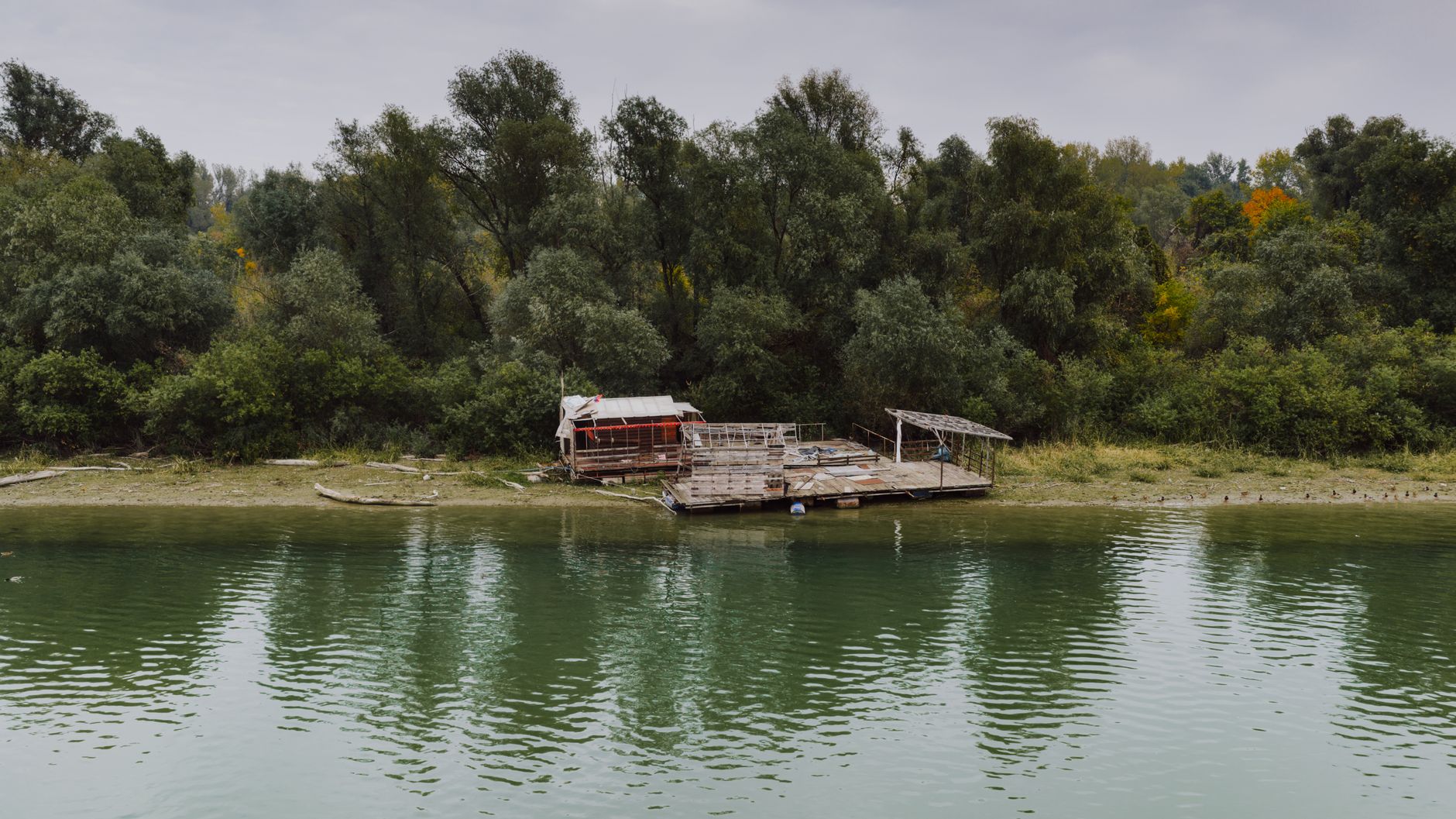
Bucharest has no cruise dock. You'll board at Giurgiu, roughly ninety minutes away by road. If a quick taxi-to-terminal start matters to you, this route adds a logistical layer worth factoring in before you book.
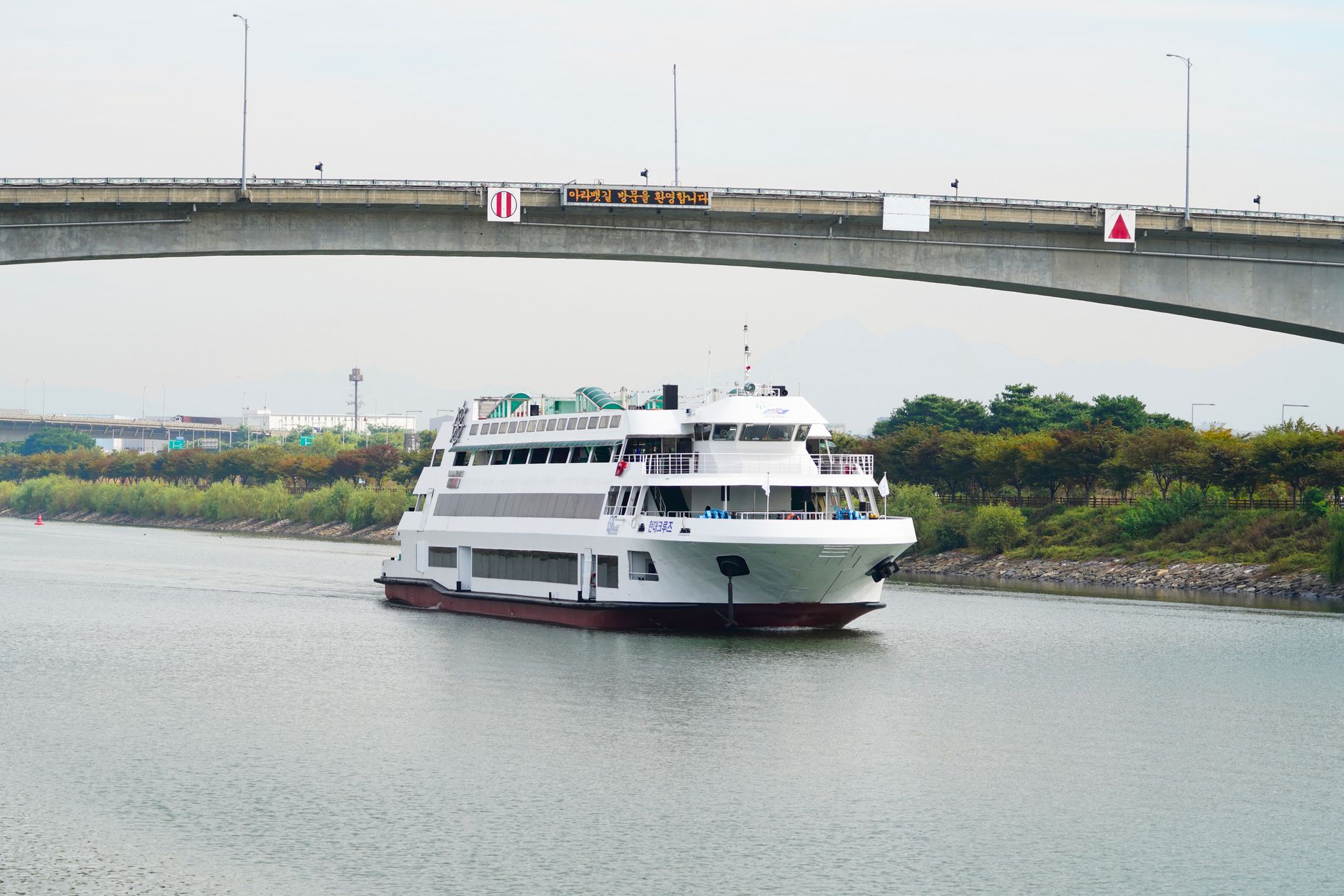
River ships are long but very narrow — about 11.5 metres wide — to fit through locks and gorges. If you're coming from ocean cruising and value wide-open deck space and big-ship amenities, the adjustment here is significant.
Departure Port Logic
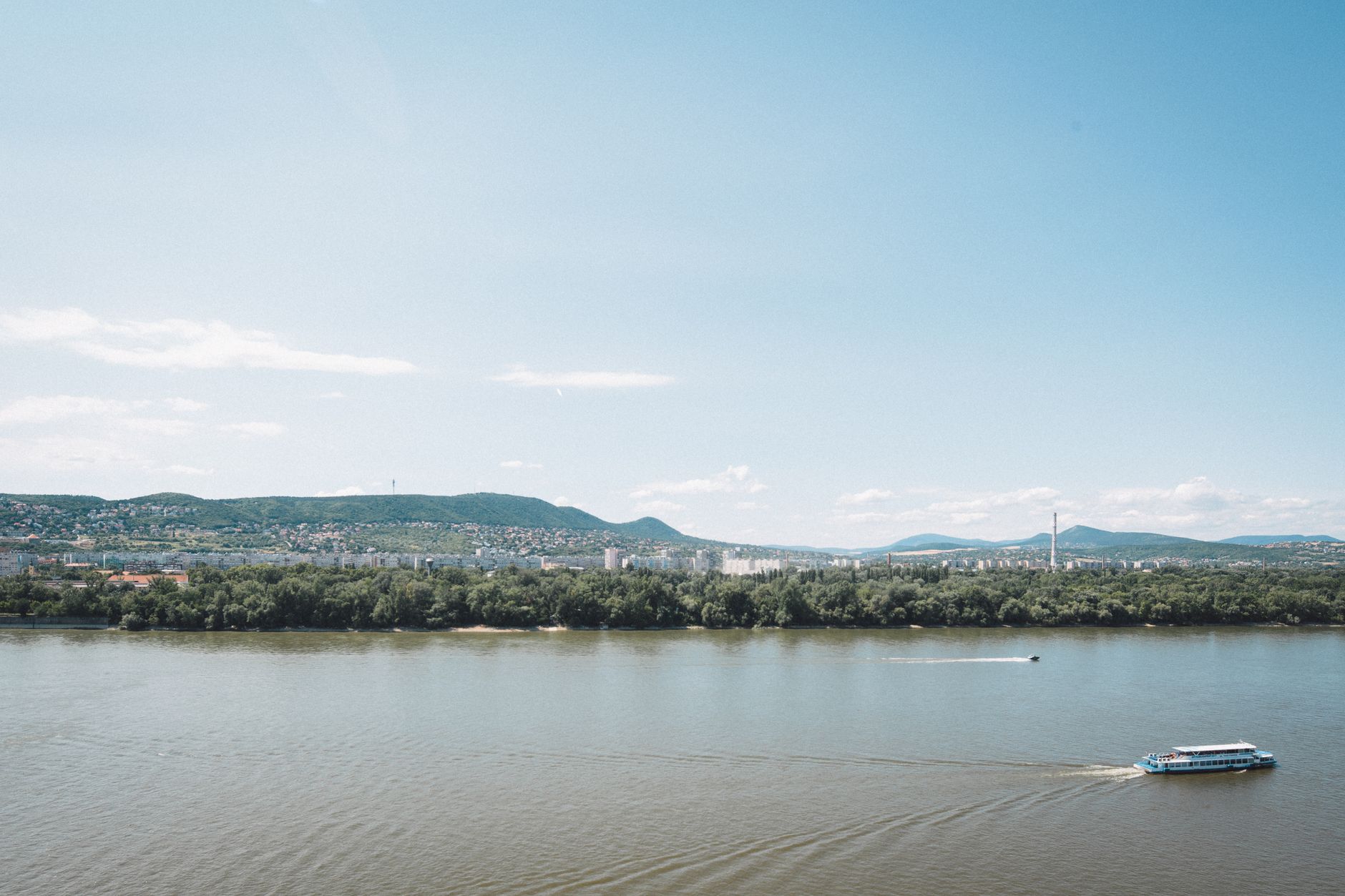
Bucharest is not a waterfront embarkation — your ship boards at Giurgiu, roughly ninety minutes south by road. That transfer matters because it shapes the first and last hours of your trip differently from ports like Budapest or Vienna, where you can walk to the dock from a city-centre hotel. The upside is that you enter the river at its least-travelled stretch, sailing upstream through Bulgaria and the Iron Gates gorge before reaching Serbia. Routes departing from Budapest run the same corridor in reverse but typically compress the lower Danube stops; starting from the Romanian end gives those quieter ports more breathing room in the itinerary.
Bucharest also opens a meaningful pre- or post-cruise extension window. Because the city is a full capital with direct flights from most major European hubs, you can build in a day or two exploring Romania's own culture before transferring to Giurgiu — something that is harder to justify at a transit port. Travellers who have already sailed the upper Danube will find that departing here avoids repeating the Vienna–Passau corridor entirely, making this a genuine second chapter rather than a partial retread.
Henri Coandă International Airport (OTP) connects to most European capitals. Cruise lines typically arrange group transfers to the Giurgiu dock, but factor in the ninety-minute road journey when booking flights — arriving the night before embarkation is strongly advisable.
The sailing season runs April through early November. Bucharest regularly exceeds 35 °C in midsummer, so May, June, September, and October offer the most comfortable embarkation weather and tend to coincide with peak departure schedules.
This departure port is designed for travellers who have already done the Rhine or upper Danube and want less-familiar territory. If polished, well-trodden ports are a priority, a Budapest or Vienna departure may be a better starting point.

Viking River treats the lower Danube as a cultural-history corridor, pairing each port call with included guided excursions that lean heavily on local context — Ottoman heritage in Bulgaria, communist-era architecture in Belgrade, the Iron Gates' geological drama. Onboard programming tends toward lectures and destination briefings rather than entertainment.
View Viking River sailings from Bucharest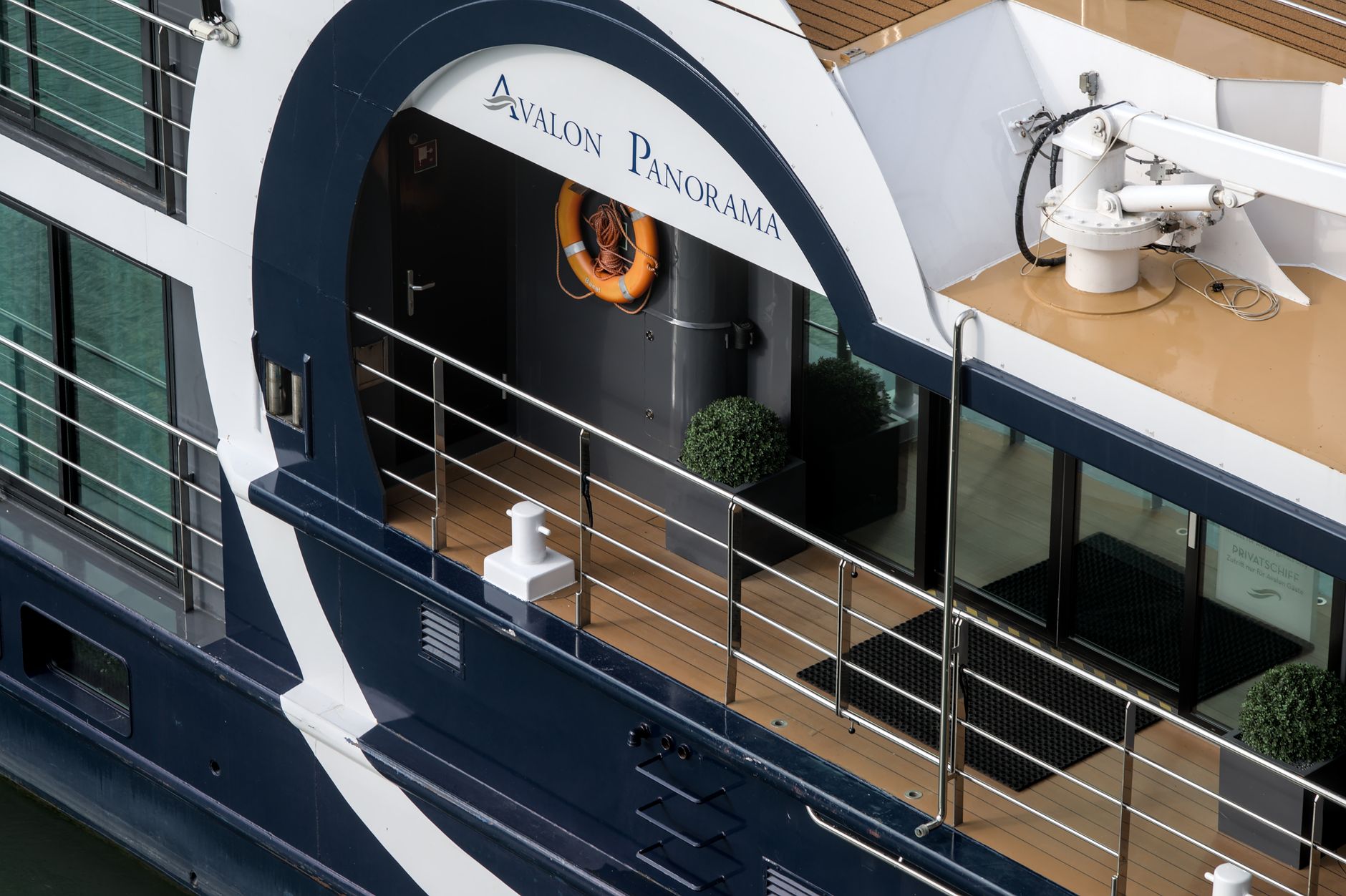
Avalon Waterways emphasises the view from inside the ship as much as the destinations outside it, with floor-to-ceiling panoramic windows in many cabins that turn the passing Iron Gates gorge and the wide Danubian plains into a continuous visual experience. Shore programming blends classic guided tours with more active options like cycling or walking excursions.
View Avalon Waterways sailings from Bucharest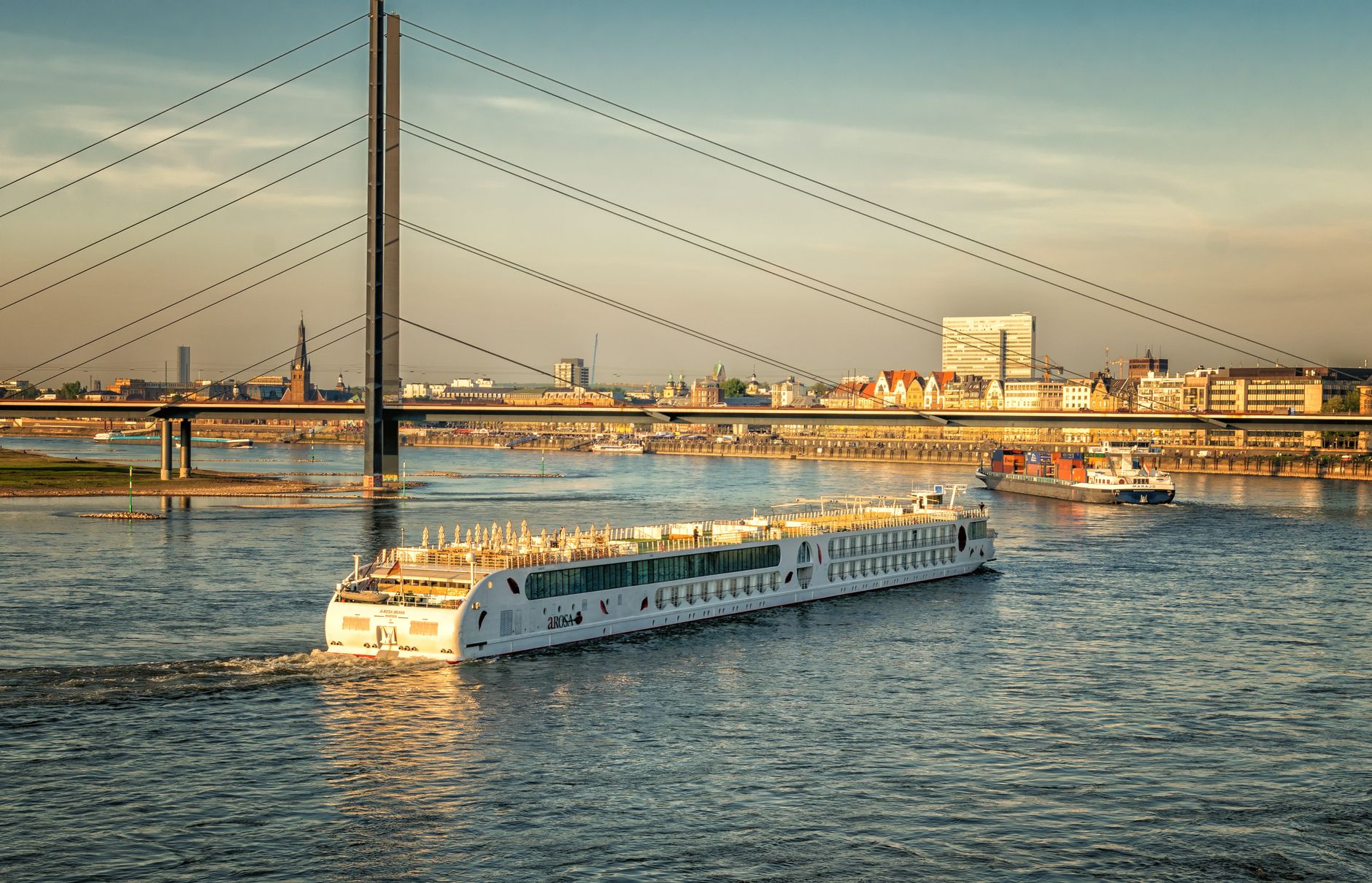
AmaWaterways threads food and wine more deliberately into the lower Danube itinerary, with locally sourced menus that shift as the ship crosses borders and optional culinary-themed excursions at select ports. Ships carry bicycles for independent shore exploration, giving the experience a slightly more active, freestyle character.
View AmaWaterways sailings from Bucharest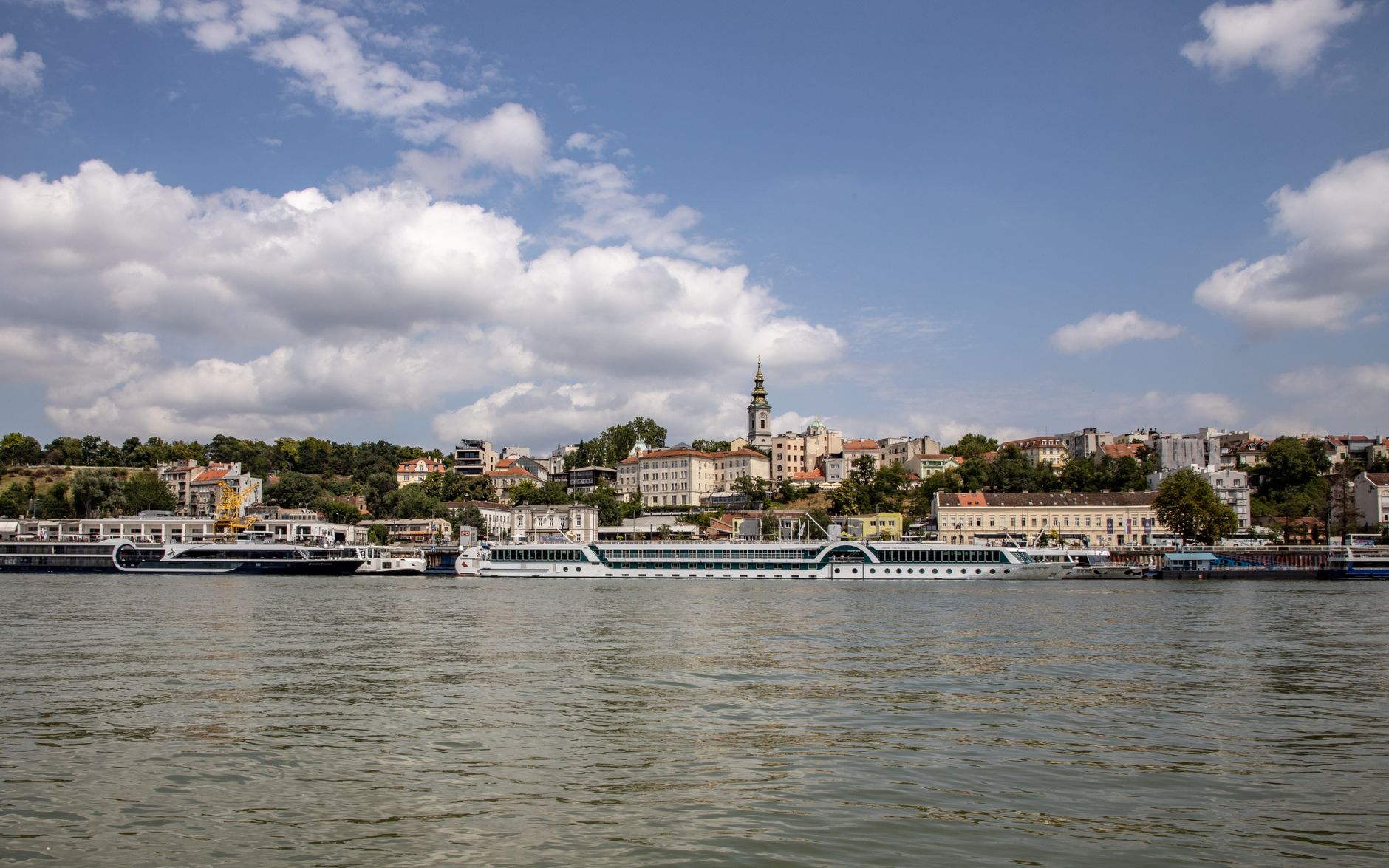
Uniworld approaches the Bucharest–Budapest corridor as a boutique experience, with individually decorated ships, higher crew-to-guest ratios, and a more intimate onboard atmosphere. The line positions itself at the premium end of river cruising, and that extends to curated shore excursions with smaller group sizes.
View Uniworld sailings from Bucharest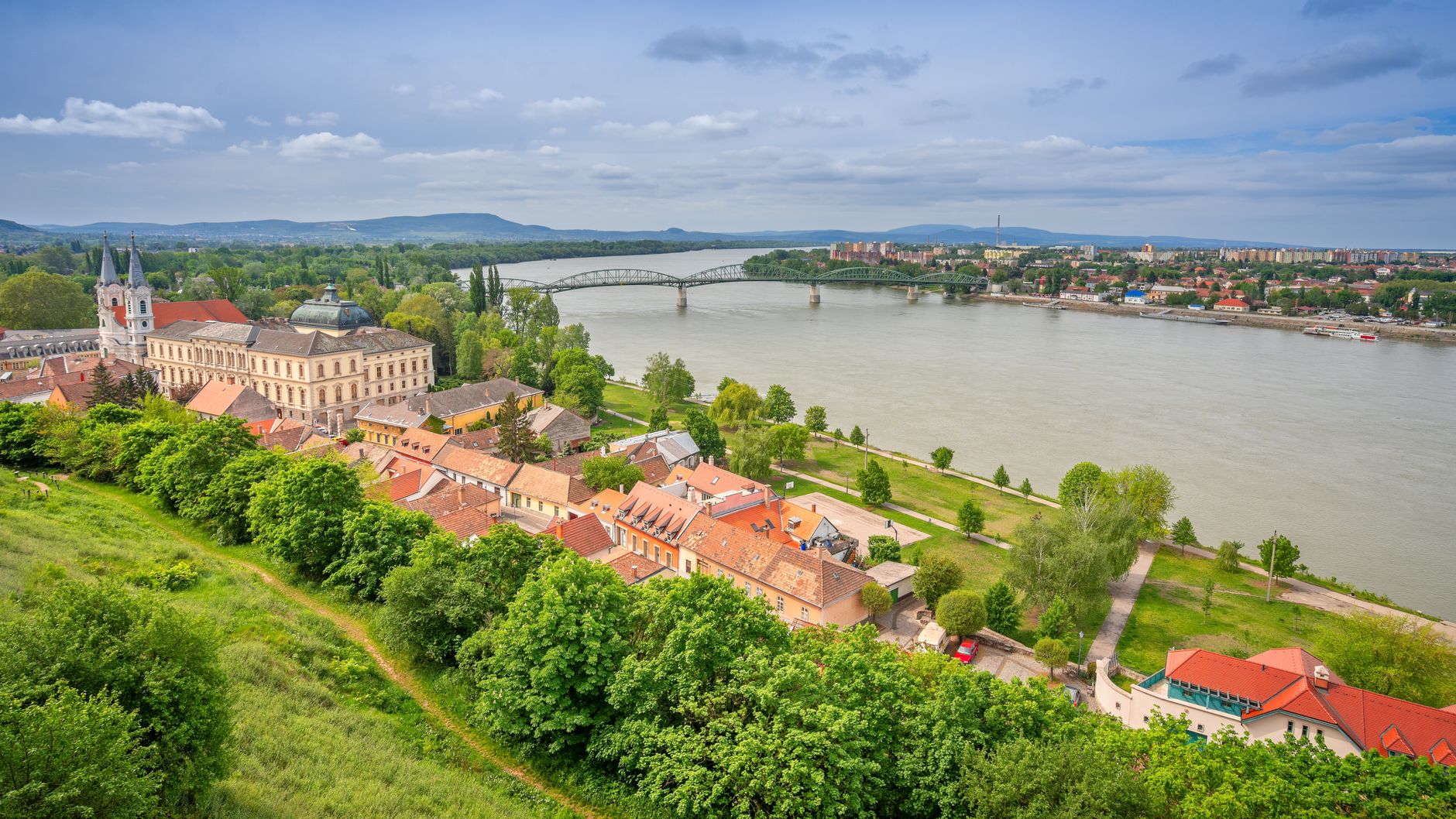
This is not Vienna-to-Amsterdam. Expect smaller towns, fewer polished tourist sites, and landscapes — like the Iron Gates gorge — that do the heavy lifting. The route crosses five countries (Romania, Bulgaria, Serbia, Croatia, Hungary) in under two weeks, favouring cultural immersion over iconic-landmark collecting.
This corridor attracts people who have already done a Rhine or upper Danube sailing and want something less predictable. You should be comfortable with rougher infrastructure, smaller ports, and discovery-driven days rather than checklist sightseeing. Curiosity matters more here than comfort-seeking.
Embarkation is actually in Giurgiu, about ninety minutes by road from Bucharest. Plan for the transfer. Peak season is May–June and September–October; July and August regularly exceed 35°C in Bucharest. Also expect narrower ships and simpler onboard amenities compared to ocean vessels.
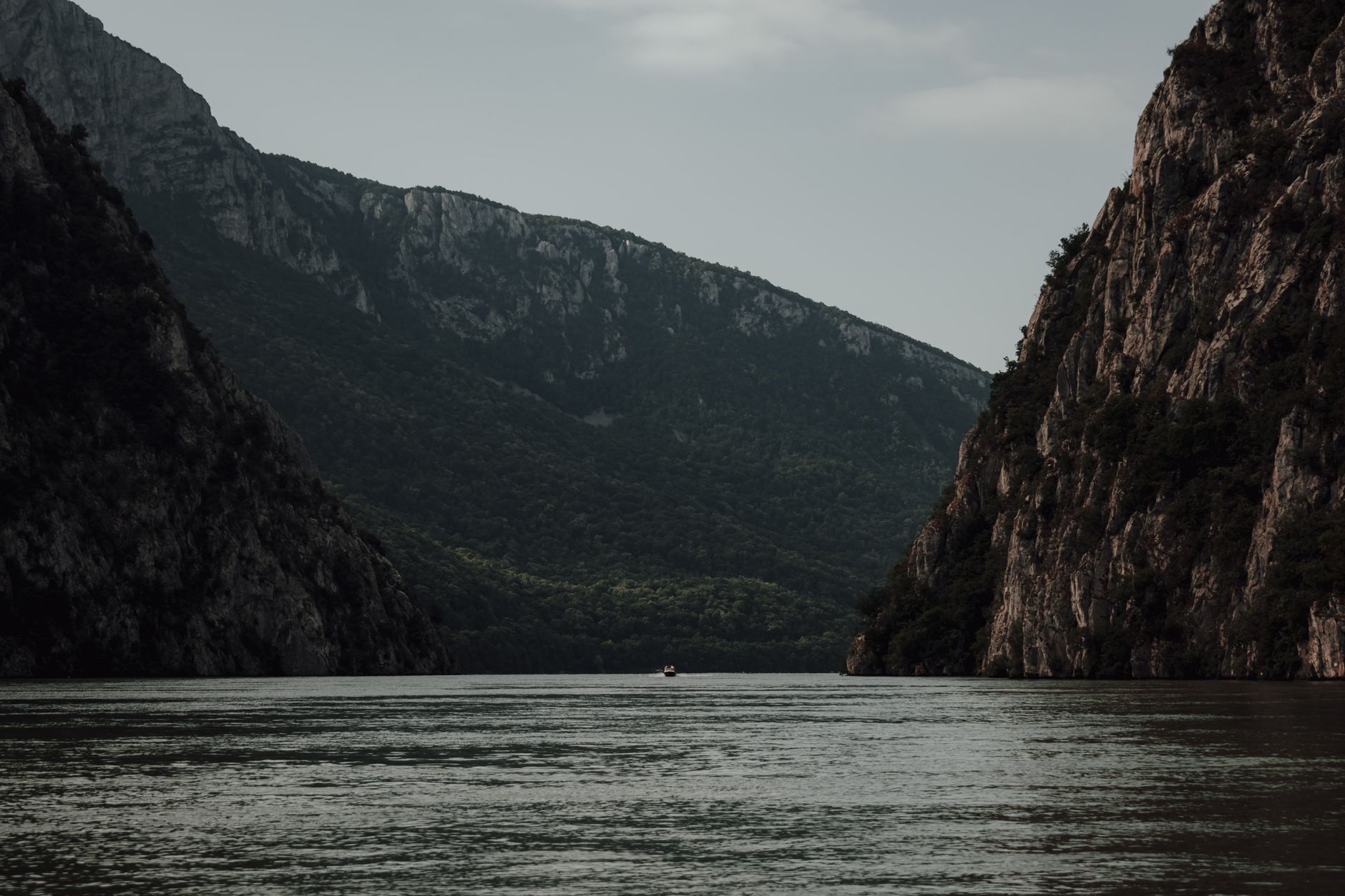
This route is a strong pick for repeat river cruisers ready to trade polished upper-Danube infrastructure for the Iron Gates gorge, five less-visited countries, and a genuinely unfamiliar itinerary. The tradeoff is real: a 90-minute transfer from Bucharest to embark at Giurgiu, summer heat that can top 35°C, and fewer marquee-city stops along the way.














