




Walk-On Embarkation
There's no terminal building or security queue — you simply walk up to the ship moored along the Rhine and step aboard, making embarkation one of the most relaxed in cruising.

Destination from Port
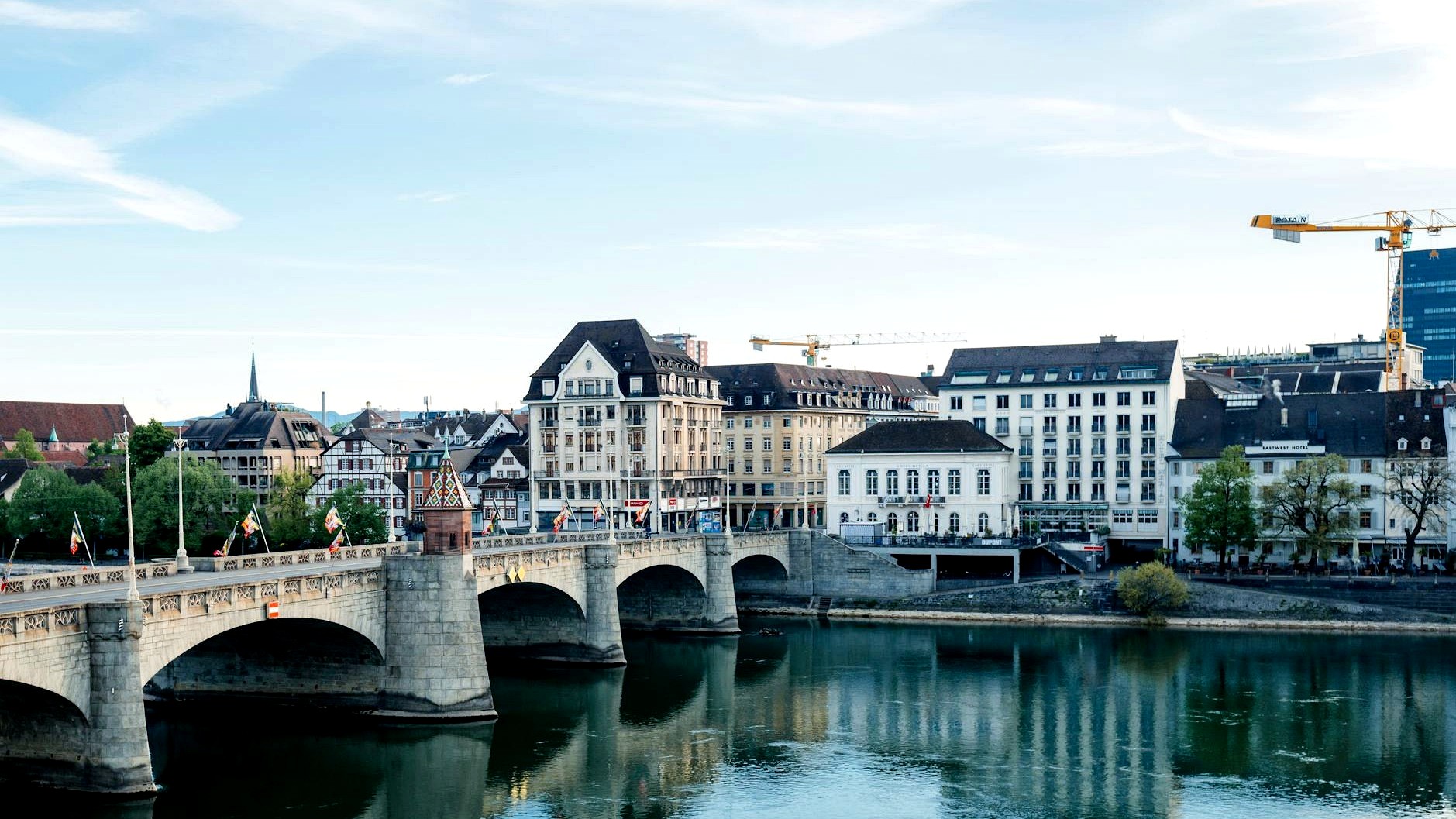
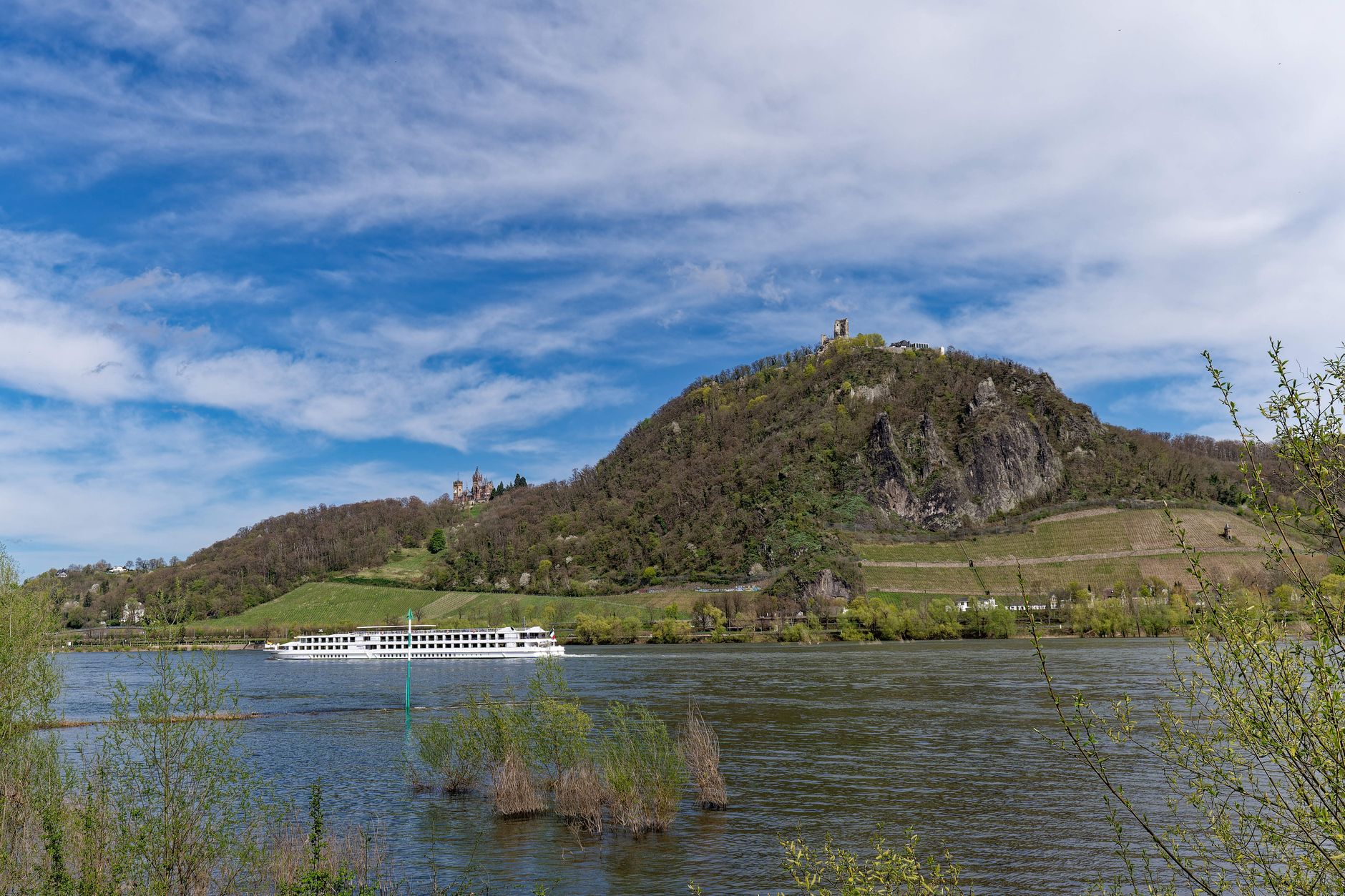
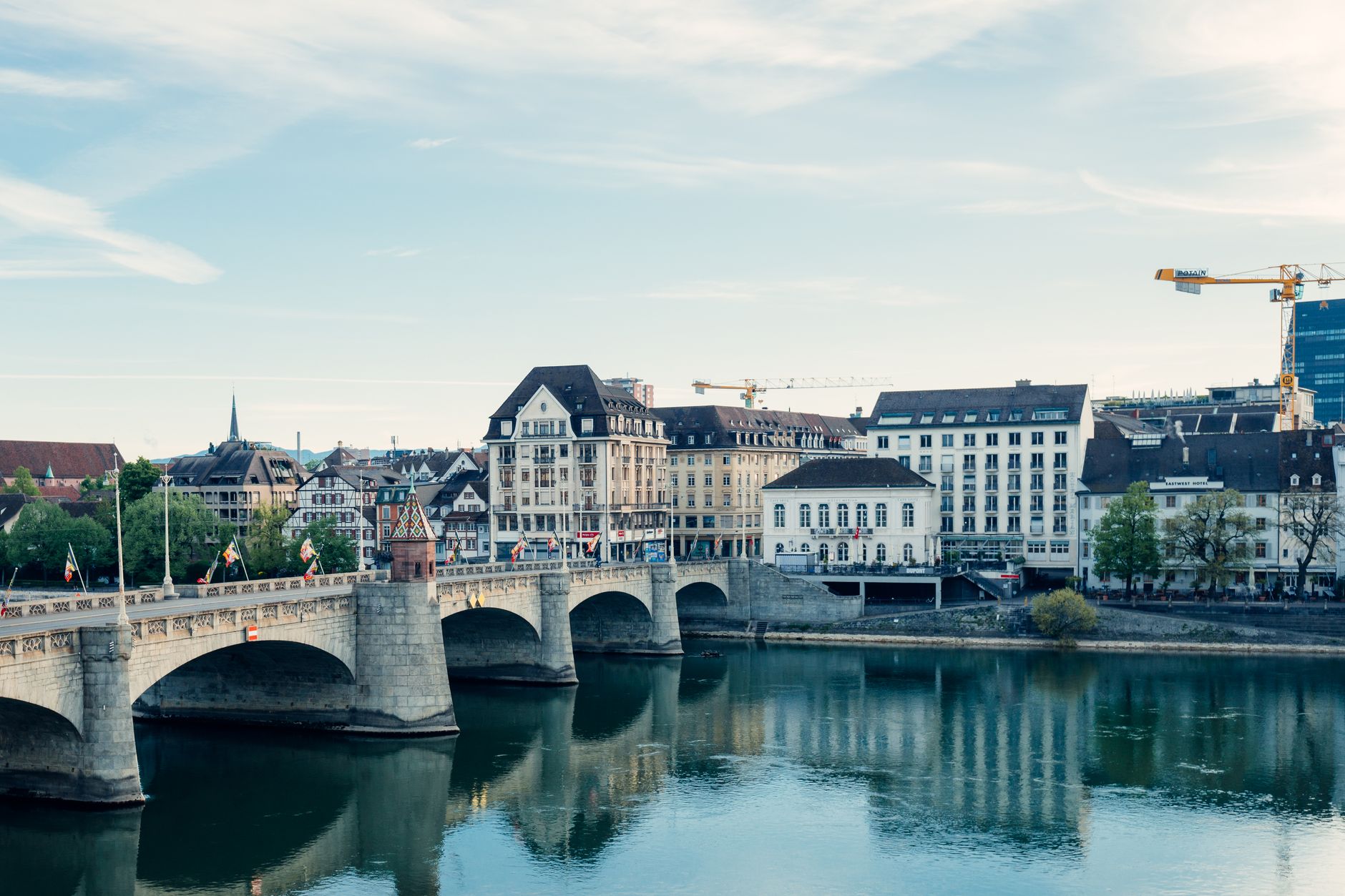
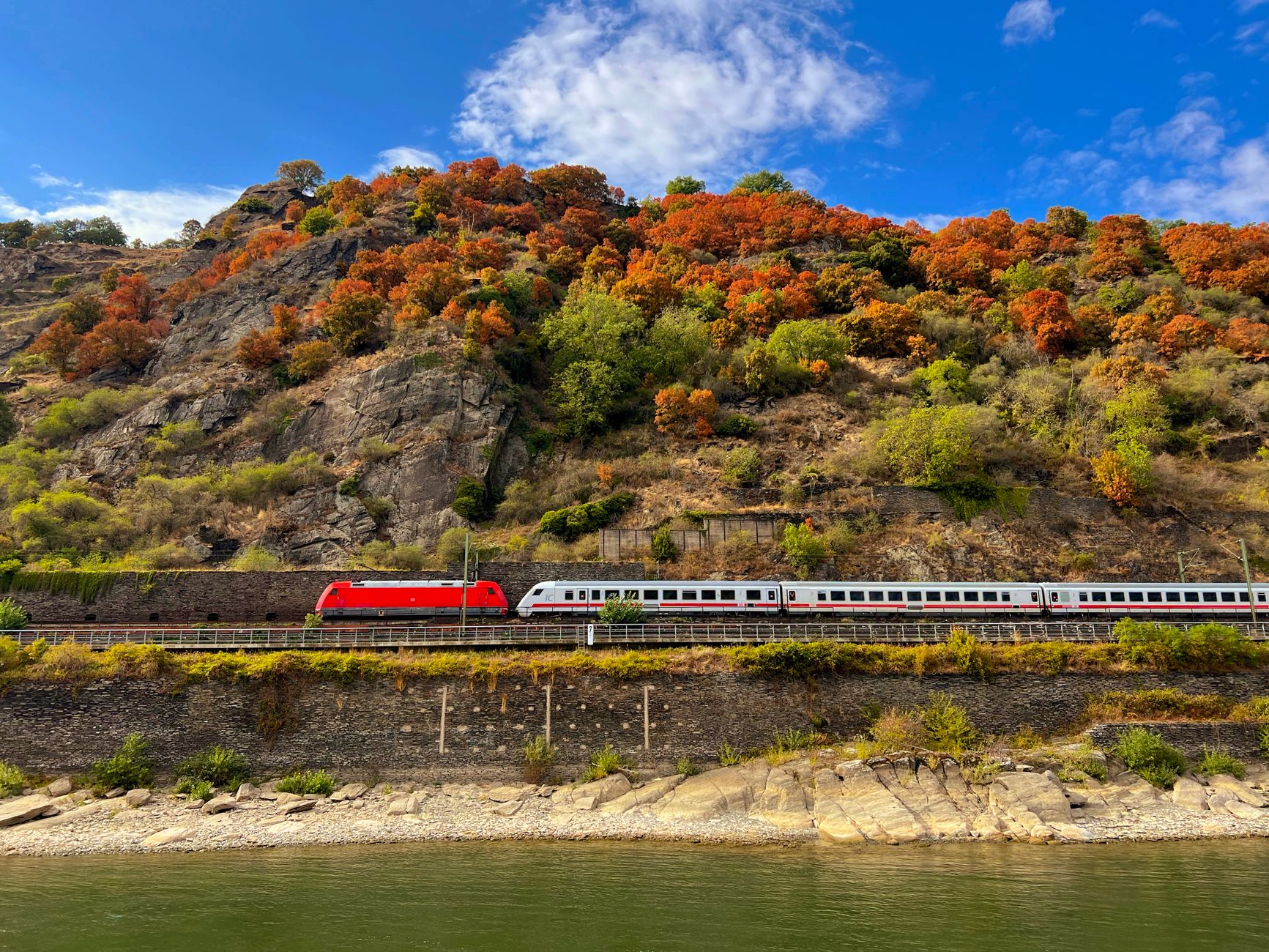
Basel offers one of the most seamless embarkation experiences in European river cruising. Ships moor directly along the Rhine, skipping the terminal queues and crowds of ocean ports, and the classic northbound route to Amsterdam packs an extraordinary density of historic cities, vineyard landscapes, and castle-lined gorges into seven or eight unhurried days.
This pairing tends to suit first-time river cruisers and travellers who want a logistically simple, well-supported itinerary through the heart of Western Europe. Basel itself is a walkable, culturally rich city worth exploring before or after the sailing, making it easy to bookend the cruise with a short land stay.
From dockside logistics to mid-voyage pacing, here's what shapes the experience of cruising Europe's Rhine corridor from Switzerland's northernmost city.
There's no terminal building or security queue — you simply walk up to the ship moored along the Rhine and step aboard, making embarkation one of the most relaxed in cruising.
The Rhine corridor packs a remarkable number of well-known cities and towns into a single week, so you wake up somewhere new almost every morning.
The classic Basel-to-Amsterdam sailing fills roughly a week, long enough to feel immersive but short enough for travellers who can't commit to a longer voyage.
The northbound route follows the Rhine downstream from Basel to Amsterdam, so the ship covers distance efficiently and scenic stretches unfold at an easy pace.
Simple logistics, well-organised ports, and a predictable rhythm make this one of the most approachable river itineraries in Europe for newcomers.
Sailings run from late March through December, spanning spring blooms, summer warmth, autumn colour, and the dedicated Christmas market season.
Postcards from this route
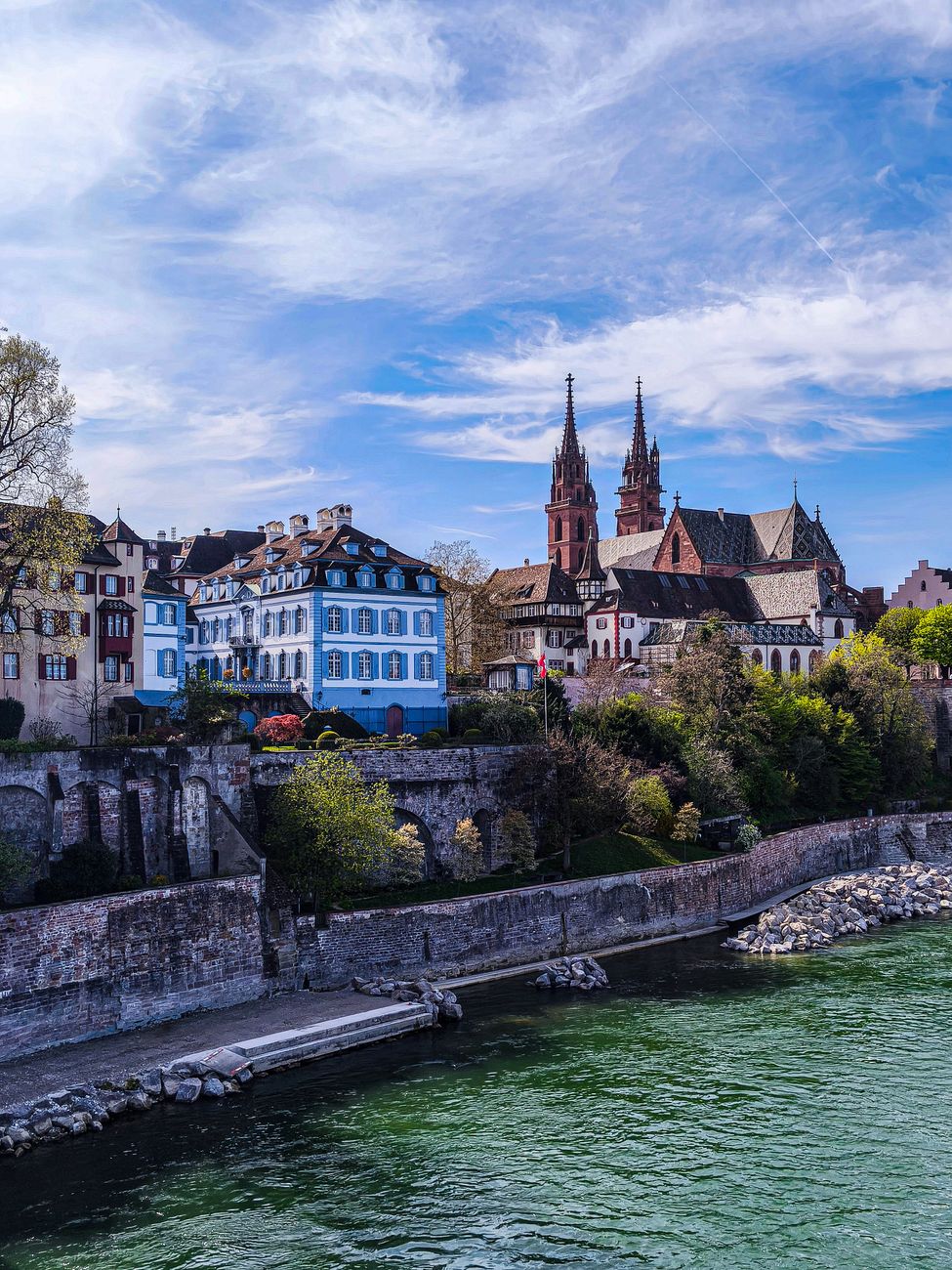
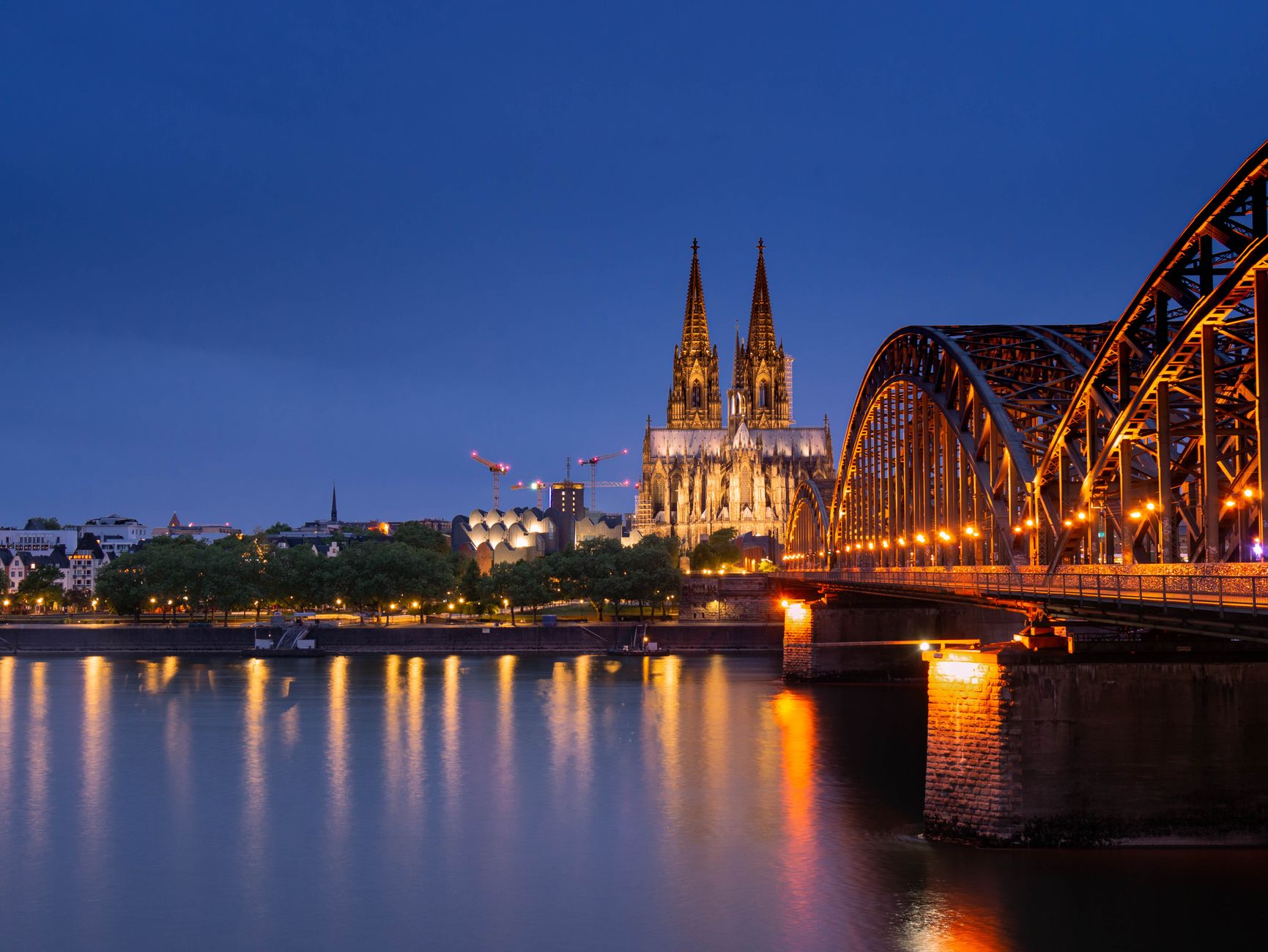
Scenes along the Rhine from Basel to the North Sea — cathedral spires, riverside vineyards, and quiet mornings on deck.
The Basel-to-Amsterdam Rhine route is one of the most approachable river itineraries in Europe. Embarkation is low-stress with no terminal crowds, ports are walkable and well-run, and the scenic density means you're never far from the next stop. If you've never done a river cruise, this is a forgiving place to start.
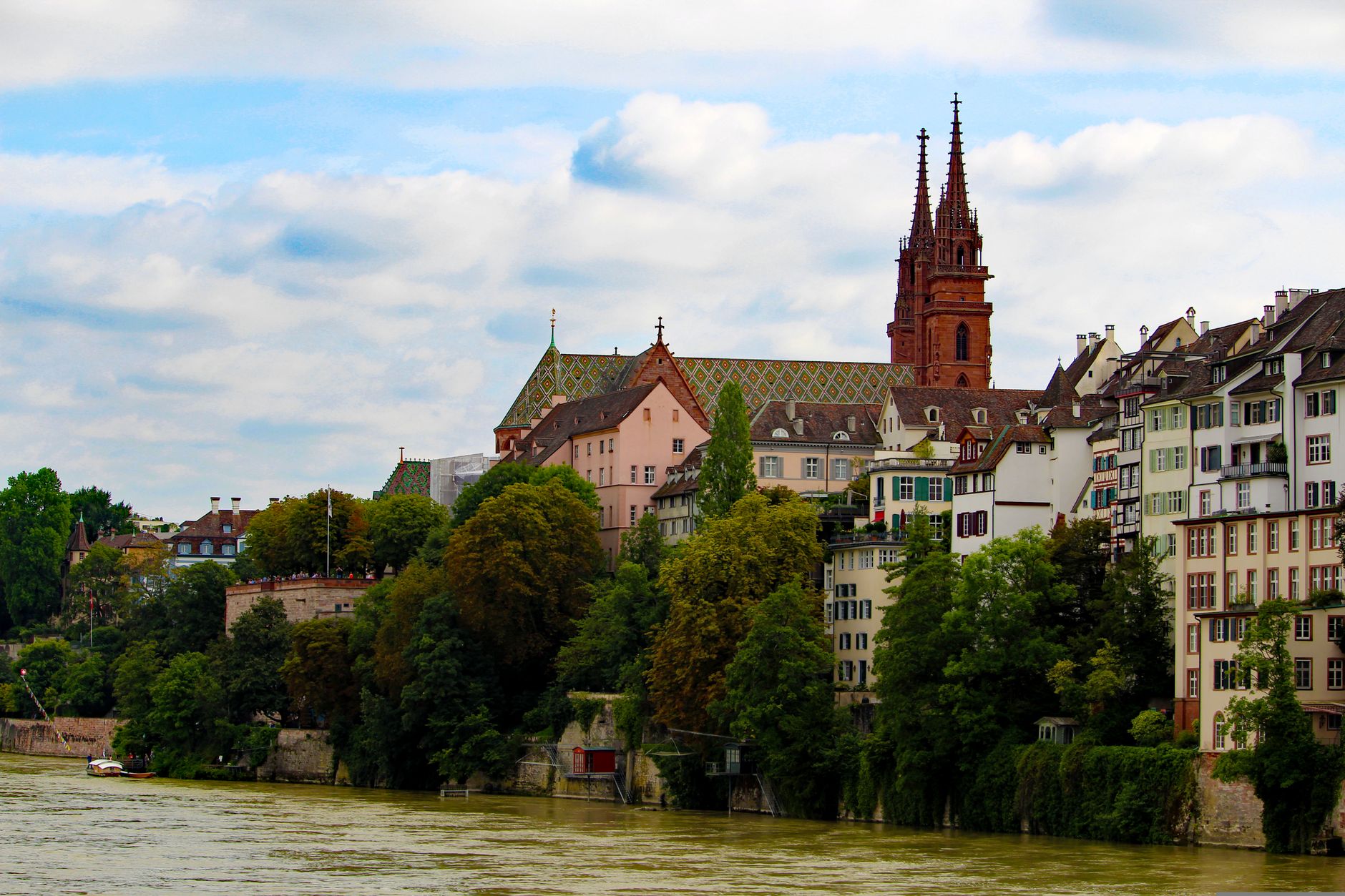
Basel itself rewards a one- or two-day stay before or after sailing. The old town, Rhine swimming culture, and museums like Fondation Beyeler give the city substance beyond a simple embarkation point. If you treat Basel as a destination rather than just a departure dock, the overall trip gains a layer most river cruises lack.
This is one of the most-sailed river routes in Europe. The ports — Strasbourg, Heidelberg, Cologne, Kinderdijk — are well-known and busy, especially in peak season. If you're hoping for hidden gems or uncrowded experiences, the classic Rhine north from Basel may feel too polished and predictable.
Rhine water levels can disrupt itineraries, particularly in late summer. Low water may force ship swaps or coach transfers between ports. You can't control it, and lines handle it differently. If a rigid itinerary matters to you or schedule changes cause real stress, factor this uncertainty into your decision.
Departure Port Logic
Most Rhine river cruises can be sailed in either direction, but starting in Basel rather than Amsterdam is a materially different experience. Basel's compact riverside embarkation — no terminal, no crowds, just a gangway on the Rhine — sets an unhurried tone from the first moment. More importantly, beginning upstream means your ship follows the current north, which affects pacing: the sailing stretches between ports feel quicker, and captains have more scheduling flexibility to linger at stops in the Middle Rhine gorge and along the Moselle. Starting in Amsterdam reverses that advantage, pushing the ship against the current and occasionally compressing shore time on the back half of the itinerary.
Basel also uniquely doubles as a pre-cruise destination in a way Amsterdam cannot replicate for this route. Because Basel sits at the junction of Switzerland, France, and Germany, travelers can build a land extension into the Swiss Alps, Alsace wine country, or the Black Forest before boarding — all within a one- to two-hour train ride. That geographic position means the cruise becomes the second act of a broader European trip rather than the whole itinerary, which is a meaningful differentiator for travelers who want variety without complex logistics.
Basel's EuroAirport (shared with Mulhouse and Freiburg) connects to major European hubs. From the airport, the ship's mooring point along the Rhine is roughly a 20-minute taxi ride. Basel SBB train station is even closer, making rail arrivals from Zurich, Paris, or Frankfurt seamless — and a real advantage over ports that require transfers.
The tri-border location opens extension options that no other Rhine embarkation port can match: a night in Lucerne, a day trip to Colmar, or a Black Forest loop. These are practical one- to two-night additions, not major detours, and several cruise lines offer them as packaged pre-cruise stays.
Basel sits at the upper end of the navigable Rhine, where water levels can fluctuate more sharply than downstream. In low-water periods — most common in late summer — Basel departures are occasionally the first to face itinerary adjustments such as bus transfers between ships. It's a trade-off worth understanding when choosing your sailing dates.
Viking treats the Basel–Amsterdam Rhine as its flagship itinerary — a culturally immersive, inclusion-heavy sailing that emphasizes history, architecture, and local context at every port. Excursions lean educational, the onboard atmosphere is calm and understated, and the daily rhythm assumes you want to learn something rather than be entertained.
Browse Viking Rhine sailings from Basel
AmaWaterways brings a more active, food-forward sensibility to the Rhine corridor. Ships carry bicycles for independent riding along the riverbank, offer multiple dining venues, and build excursions that split between classic walking tours and more physical options like guided hikes or bike rides in port.
Browse AmaWaterways Rhine sailings from Basel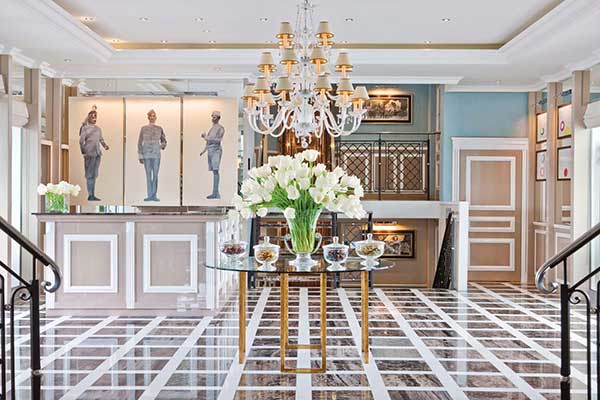
Uniworld positions itself at the premium end of Rhine cruising, with individually decorated ships, all-inclusive pricing that covers gratuities and spirits, and excursions that skew toward smaller groups and curated cultural encounters. The aesthetic is ornate and boutique rather than minimalist.
Browse Uniworld Rhine sailings from Basel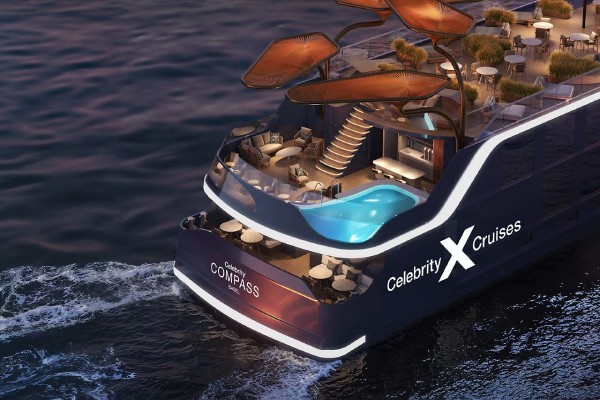
Celebrity is primarily an ocean cruise line, and its presence on European river routes represents a different model — typically river-inclusive packages or chartered partnerships rather than a purpose-built river fleet. The onboard style reflects Celebrity's contemporary-premium ocean sensibility.
Browse Celebrity Europe sailings from Basel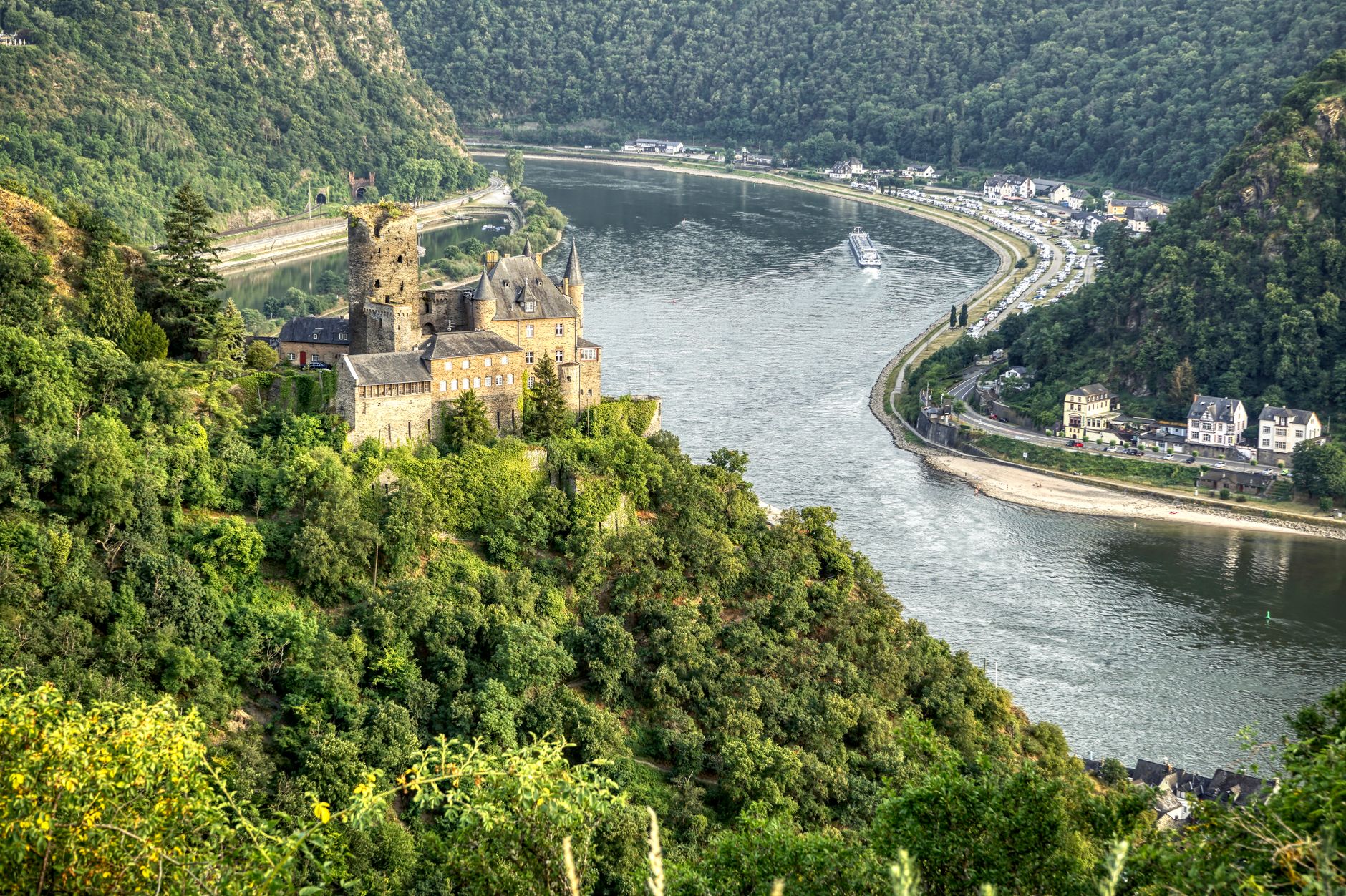
Basel to Amsterdam follows the Rhine north over seven or eight days, passing through Switzerland, France, Germany, and the Netherlands. The corridor is packed with stops — castles, wine towns, historic cities — so you're off the ship most days. Expect a busy, sightseeing-heavy rhythm rather than leisurely open-water cruising.
Simple logistics, well-organised ports, and a predictable daily cadence make this route one of the most approachable river itineraries in Europe. It rewards travelers who want walkable old towns, cathedral visits, and local wine over adventure excursions or remote scenery. Less ideal if you crave off-the-beaten-path discovery.
The Rhine is weather-dependent. Low or high water — especially in late summer or after heavy rain — can force bus transfers between ports or route changes with little notice. The core April-to-October season is generally reliable, but no operator can guarantee every stop. Build flexibility into your expectations, and consider trip insurance.
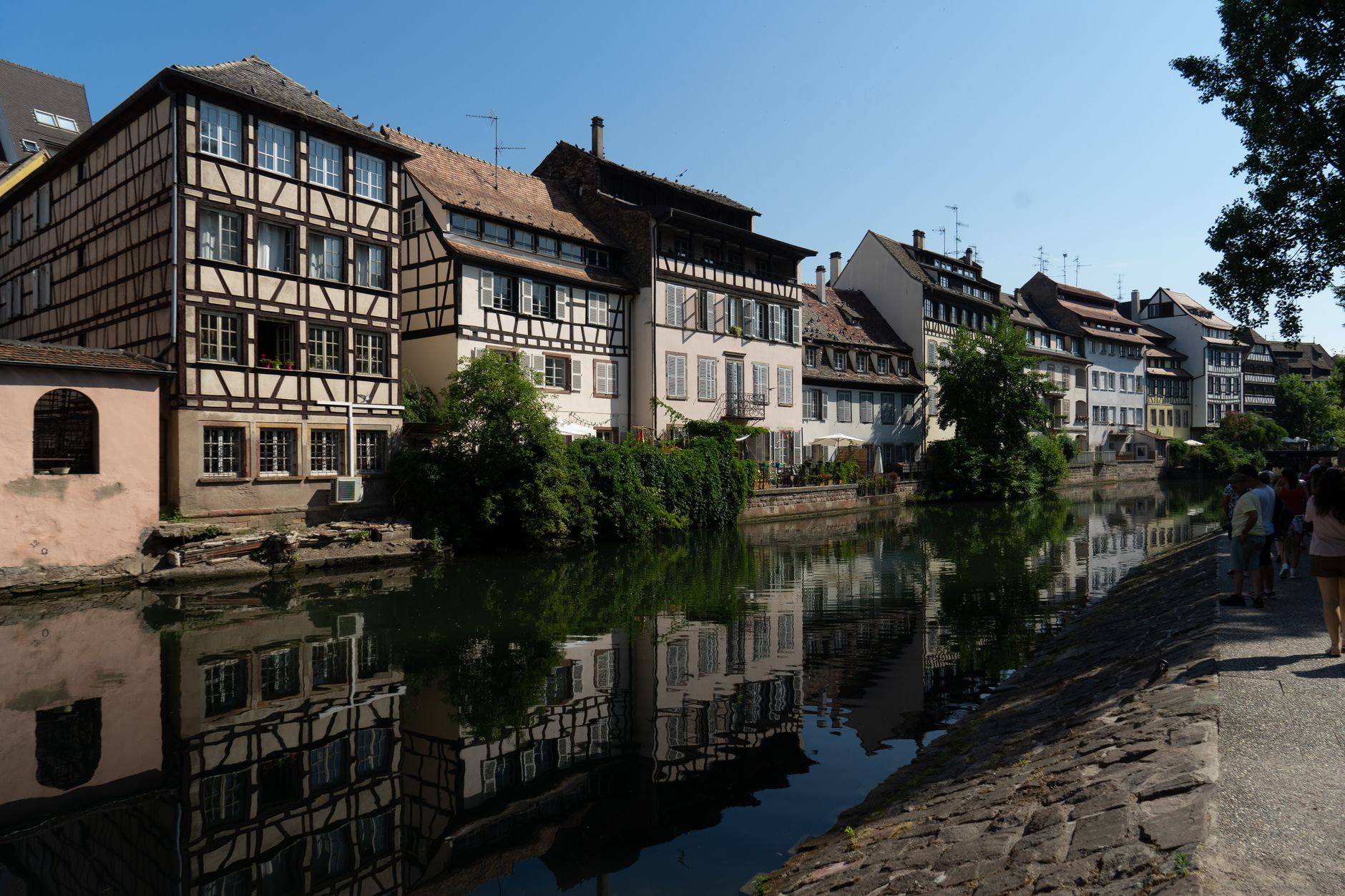
Basel is an ideal starting point for first-time river cruisers and anyone who wants to experience the Rhine's most port-dense corridor in a single week — but travelers should factor in the real risk of low-water disruptions in late summer and the relatively narrow price gap between basic and premium lines, which can make cabin-category decisions surprisingly consequential.














