




Walkable Embarkation
The cruise terminals sit at the southern end of the port, close enough to the Gothic Quarter that embarkation day doubles as sightseeing with just a twenty-minute walk between them.




Destination from Port
Barcelona pairs with western Mediterranean itineraries more naturally than almost any other European departure port. The terminals sit within walking distance of the Gothic Quarter, direct flights arrive from most major North American and European hubs, and standard routing puts Rome, the French Riviera, and the Italian coast within short sailing distances. The result is a trip that starts and ends in a city worth exploring on its own, with minimal repositioning time eating into port days.
This pairing tends to suit first-time European cruisers looking for the classic western Med loop, families who want easy flight logistics and a pre- or post-cruise city stay, and repeat cruisers comparing departure ports for route efficiency. The May-through-October season offers flexibility in timing, with shoulder months delivering lower prices and thinner crowds at every stop along the way.
Barcelona as a departure port shapes the entire cruise experience — from embarkation logistics to itinerary pacing and pre-trip planning.
The cruise terminals sit at the southern end of the port, close enough to the Gothic Quarter that embarkation day doubles as sightseeing with just a twenty-minute walk between them.
Standard itineraries trace a compact western Mediterranean circuit hitting Rome, the French coast, and Florence's gateway port — the destinations most first-timers prioritize.
Ports are spaced closely enough that overnight transits stay short, maximizing time ashore rather than time at sea.
Barcelona–El Prat receives direct flights from most major North American and European hubs, making the logistics of reaching the ship unusually straightforward.
The sailing season runs from late April through late October, with shoulder months offering lower prices, thinner crowds, and comfortable weather.
During peak months six or more major cruise lines base ships here, giving travelers real options in style, budget, and itinerary without changing departure port.
Postcards from this route
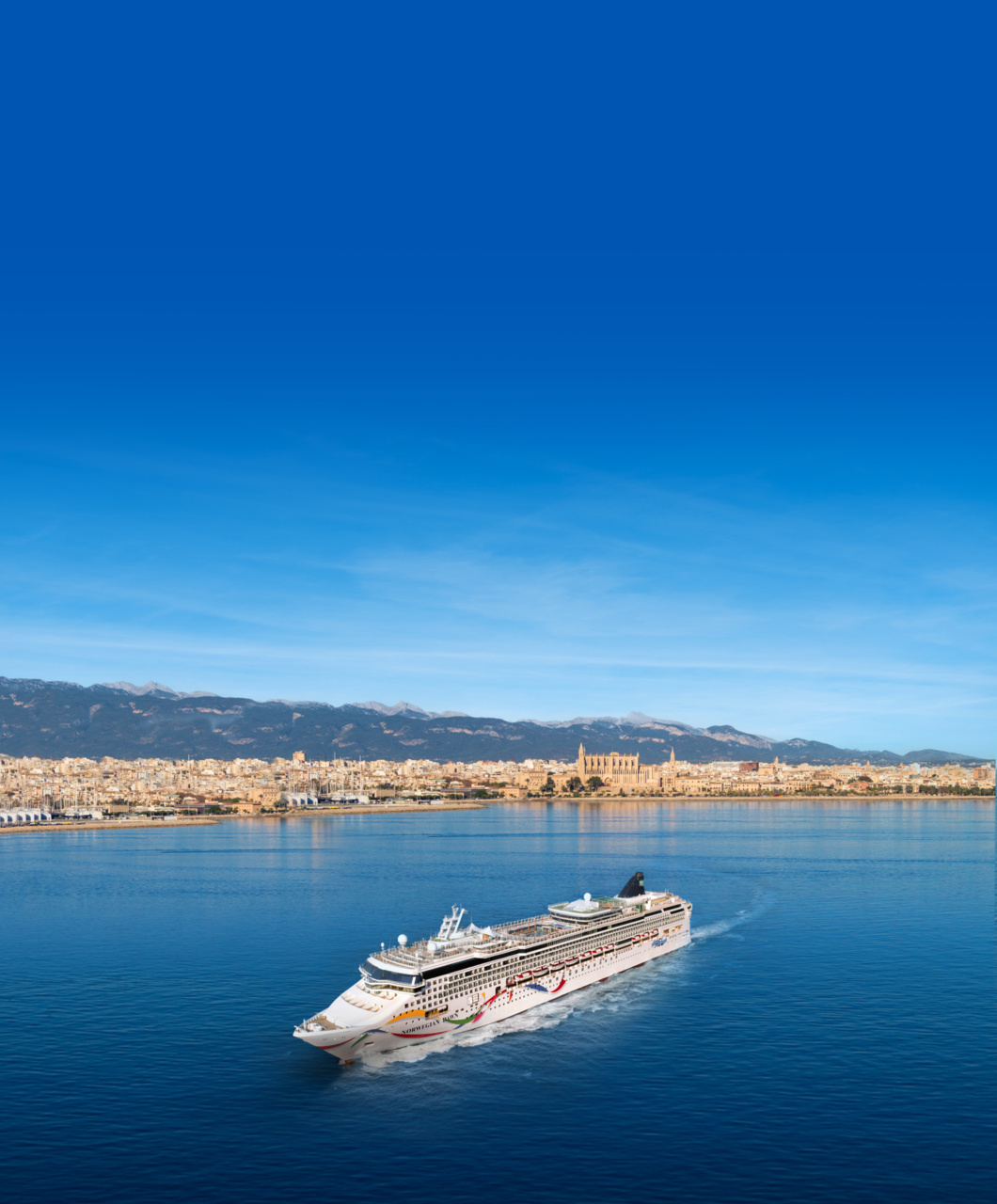
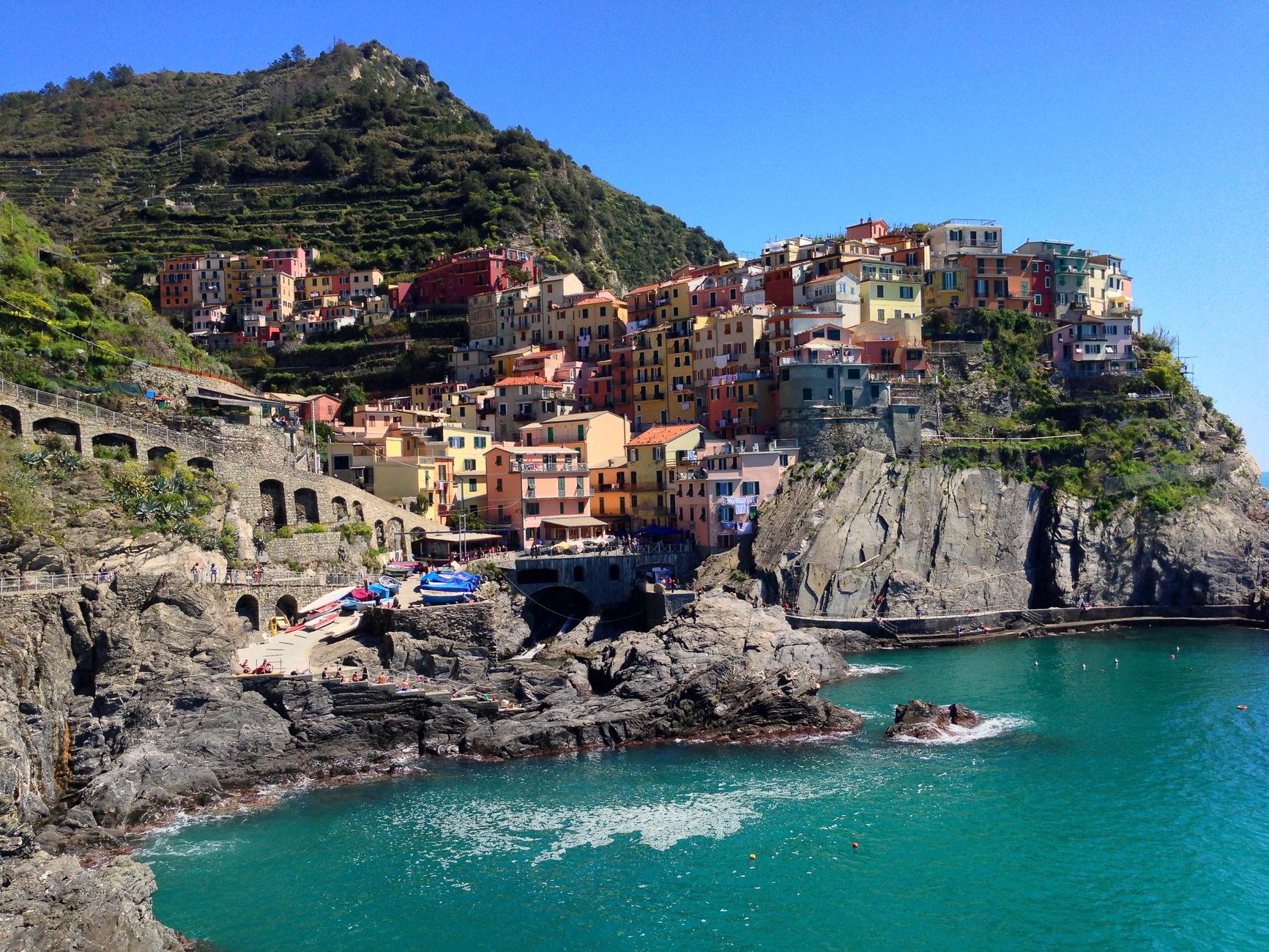
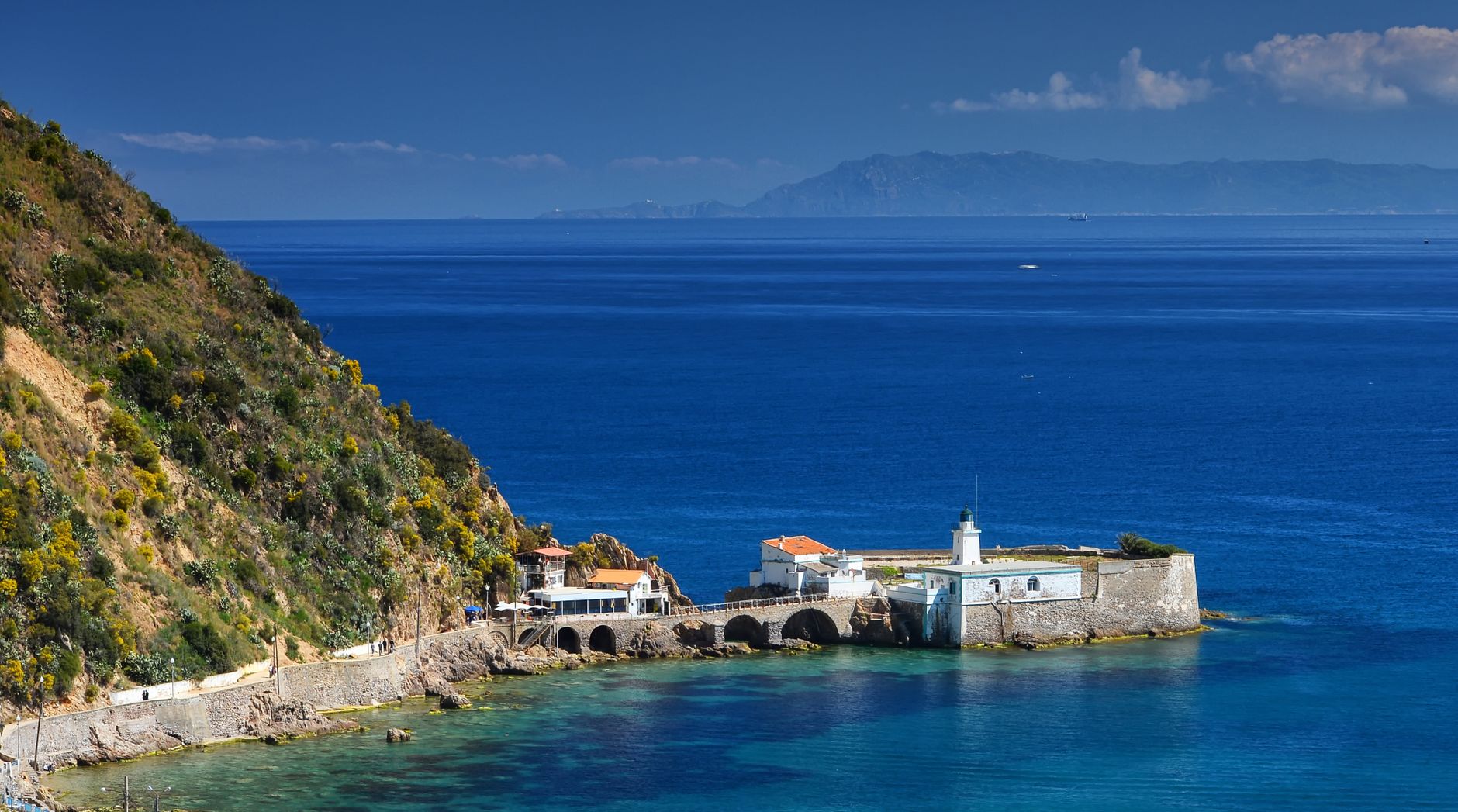
Barcelona's port, the western Mediterranean coastline, and the cities along the way.

The standard western Med loop from Barcelona covers the ports most first-timers want to see, with short sailing distances that maximize time ashore. If checking off marquee Mediterranean cities is the priority, this route delivers efficiently.

Barcelona's airport has direct service from most major North American and European hubs, and the cruise terminals sit close to the city center. Few departure ports reward an extra day or two on land as much as this one — just book Sagrada Familia tickets early.

July and August bring the highest prices, maximum ship occupancy, and the most crowded port towns along the route. If you're sensitive to crowds or stretching a budget, the shoulder months of May, early June, September, or October reshape the experience significantly.
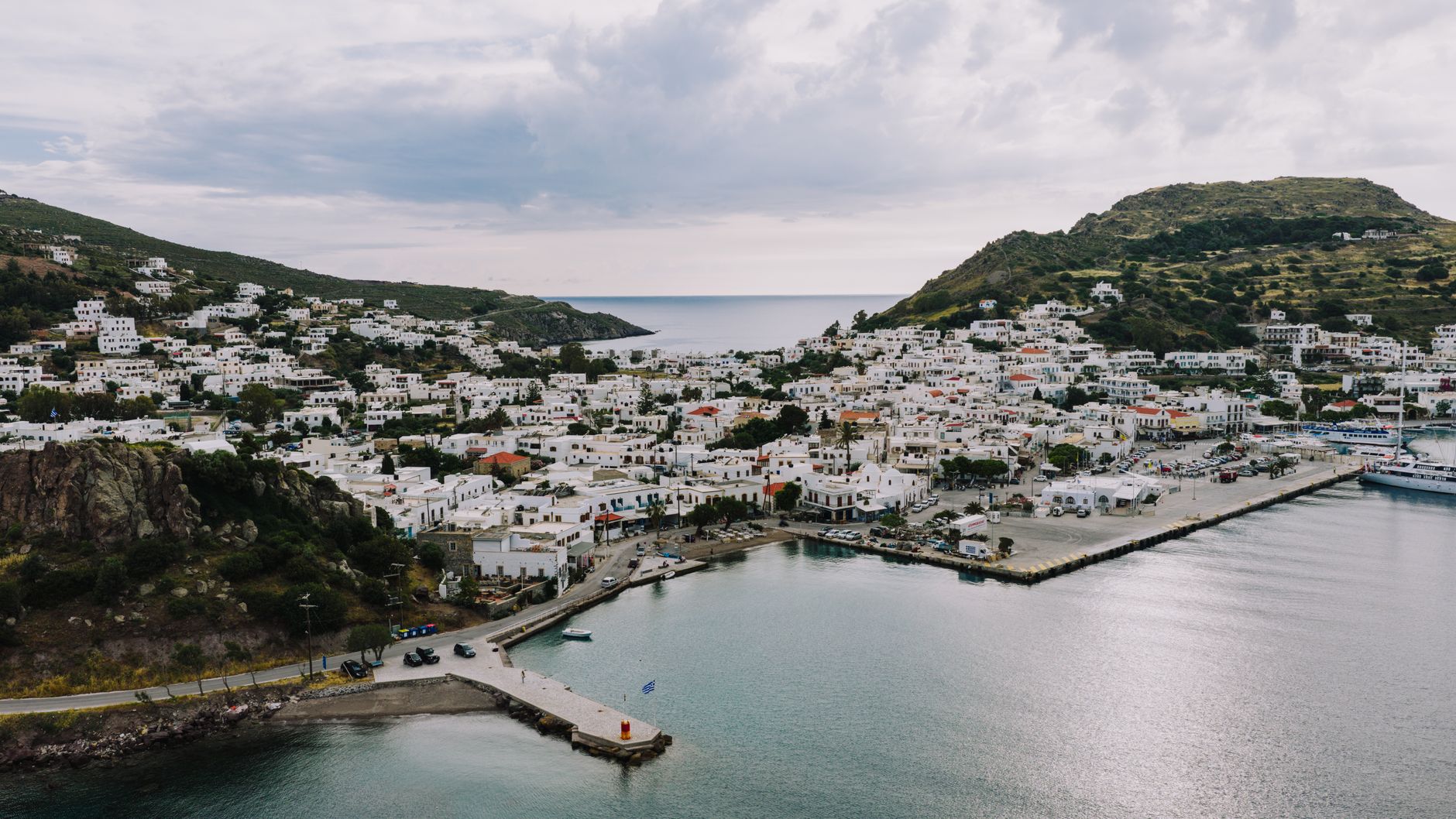
Barcelona-based itineraries concentrate on the western Mediterranean. If Greek islands, the Adriatic, or northern Europe are the real goal, a departure from Piraeus, Civitavecchia, or Southampton will match that routing better without burning sea days repositioning.
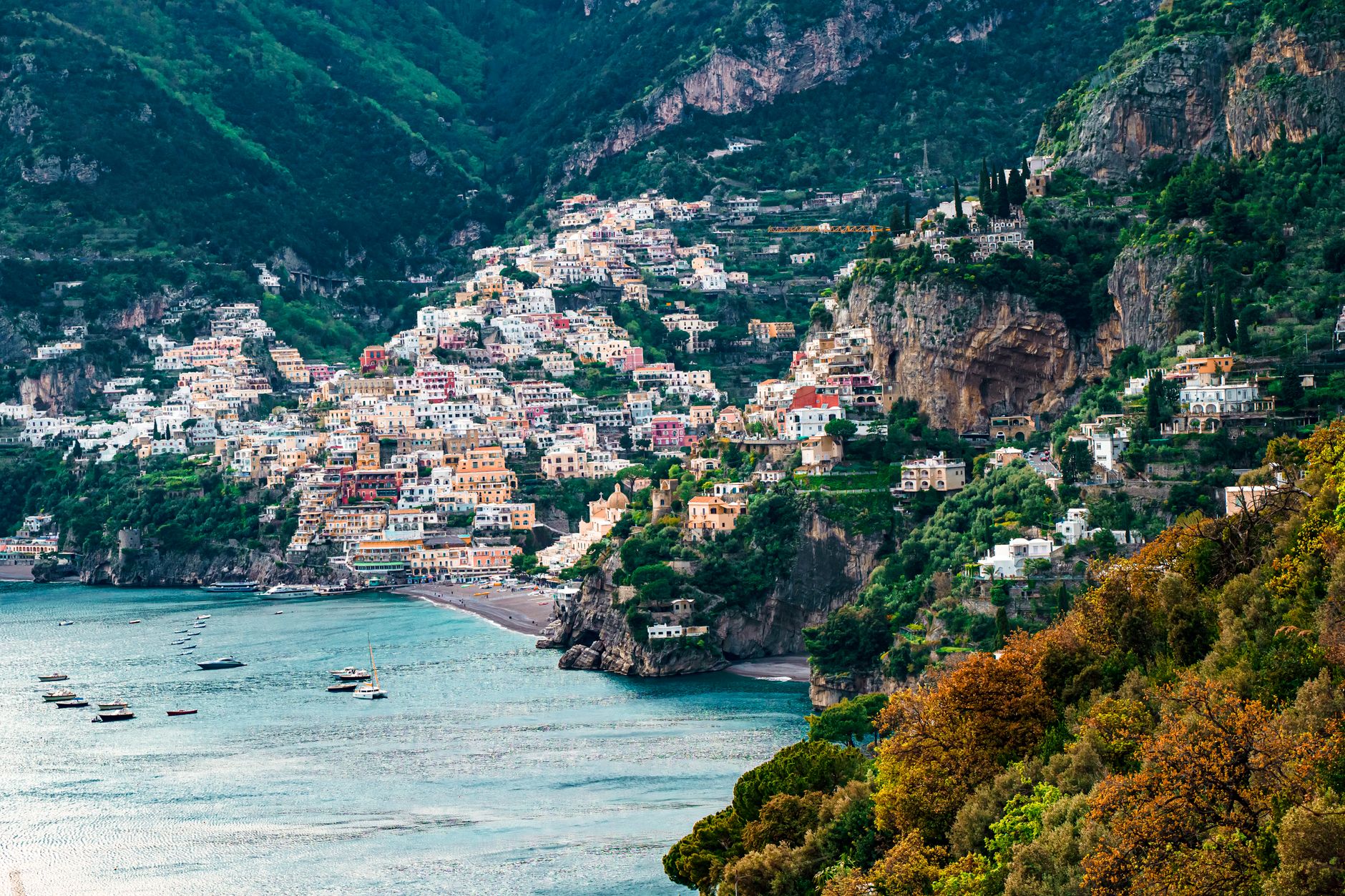
Departure Port Logic
Barcelona's position on the western Mediterranean coast means ships can reach Marseille, Genoa, or the Balearics within a single overnight sailing. That short first hop sets the pacing for the entire itinerary: instead of burning a full sea day just to reach your first port of call, you wake up somewhere worth exploring. Contrast that with Southampton, where two sea days cross the Bay of Biscay before anything Mediterranean appears, or Civitavecchia, which tilts itineraries toward the eastern Med and often skips the French coast entirely. Barcelona's geography lets cruise lines build compact seven-night western Med loops that still feel unhurried.
The practical side matters just as much. Direct transatlantic flights from major North American hubs land at El Prat, eliminating the connecting-flight logistics that complicate embarkation from smaller ports. The cruise terminals sit close enough to the city center that a pre-cruise night doesn't require a separate transit plan, and Barcelona itself justifies arriving a day or two early in a way that, frankly, Civitavecchia's industrial port area does not. The port isn't just a departure point — it's the first destination on the trip, and that changes how the whole voyage feels from the start.
Barcelona's seven cruise terminals line the southern waterfront, roughly a twenty-minute walk from the Gothic Quarter. Taxis to the terminal from central hotels rarely exceed fifteen minutes outside rush hour, and the port is connected by shuttle buses on heavy embarkation days.
El Prat Airport receives nonstop service from most major North American and European hubs. That breadth of flight options reduces the risk of missed embarkation due to connections and makes booking competitive fares easier than at ports served by smaller regional airports.
Unlike many embarkation cities that serve purely as transit points, Barcelona rewards a one- or two-night pre-cruise stay with its own right. Book Sagrada Familia tickets well in advance — they sell out — and use the extra time to set your trip's rhythm before you board.
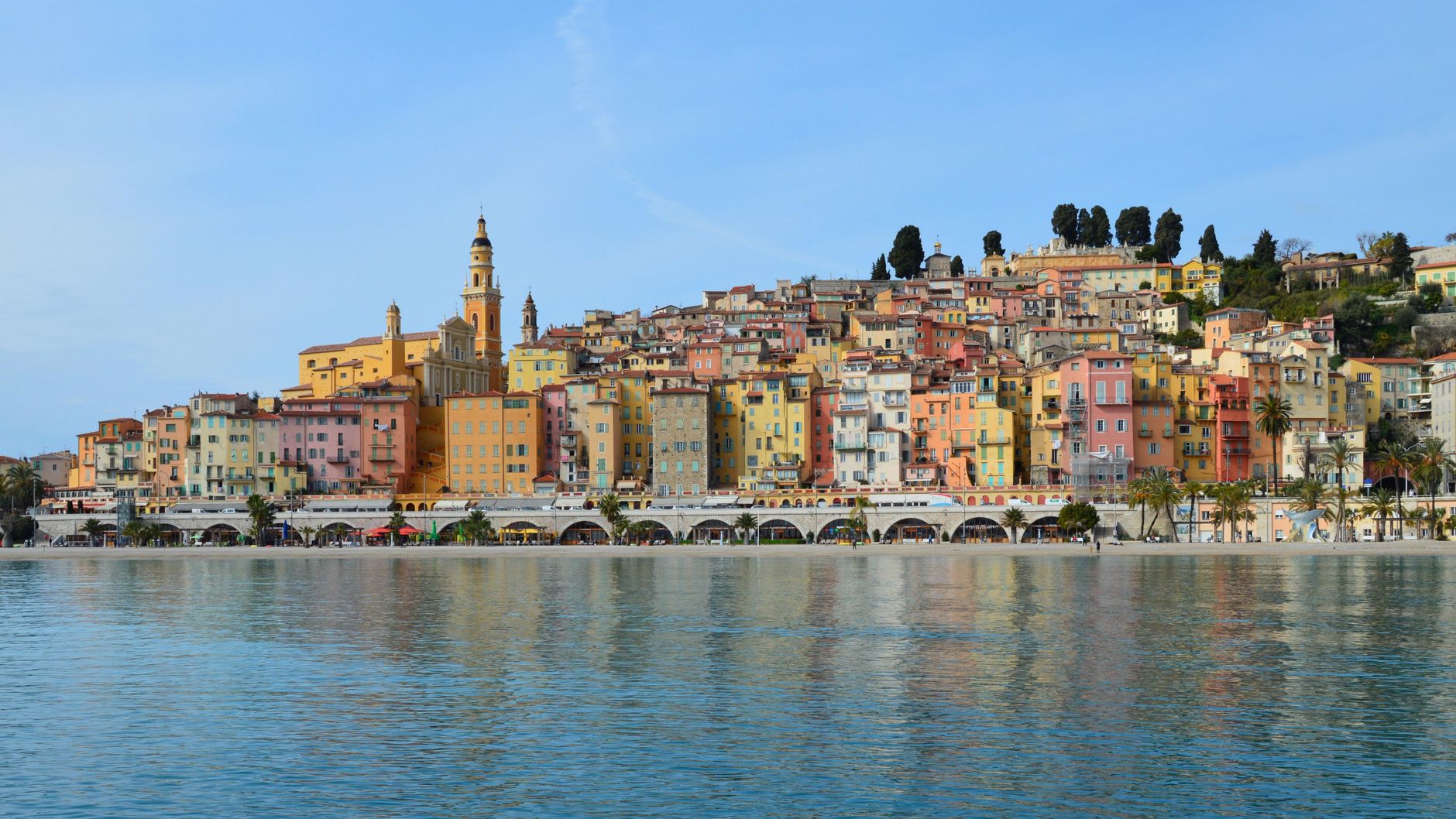
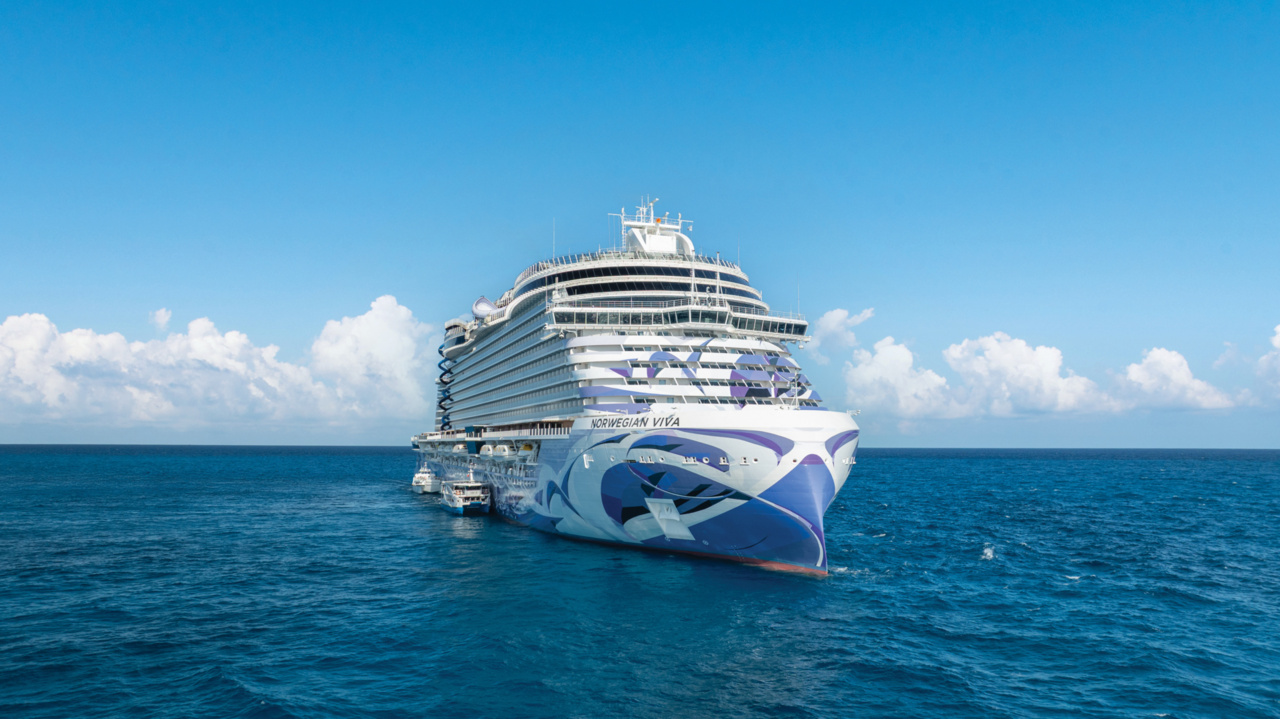
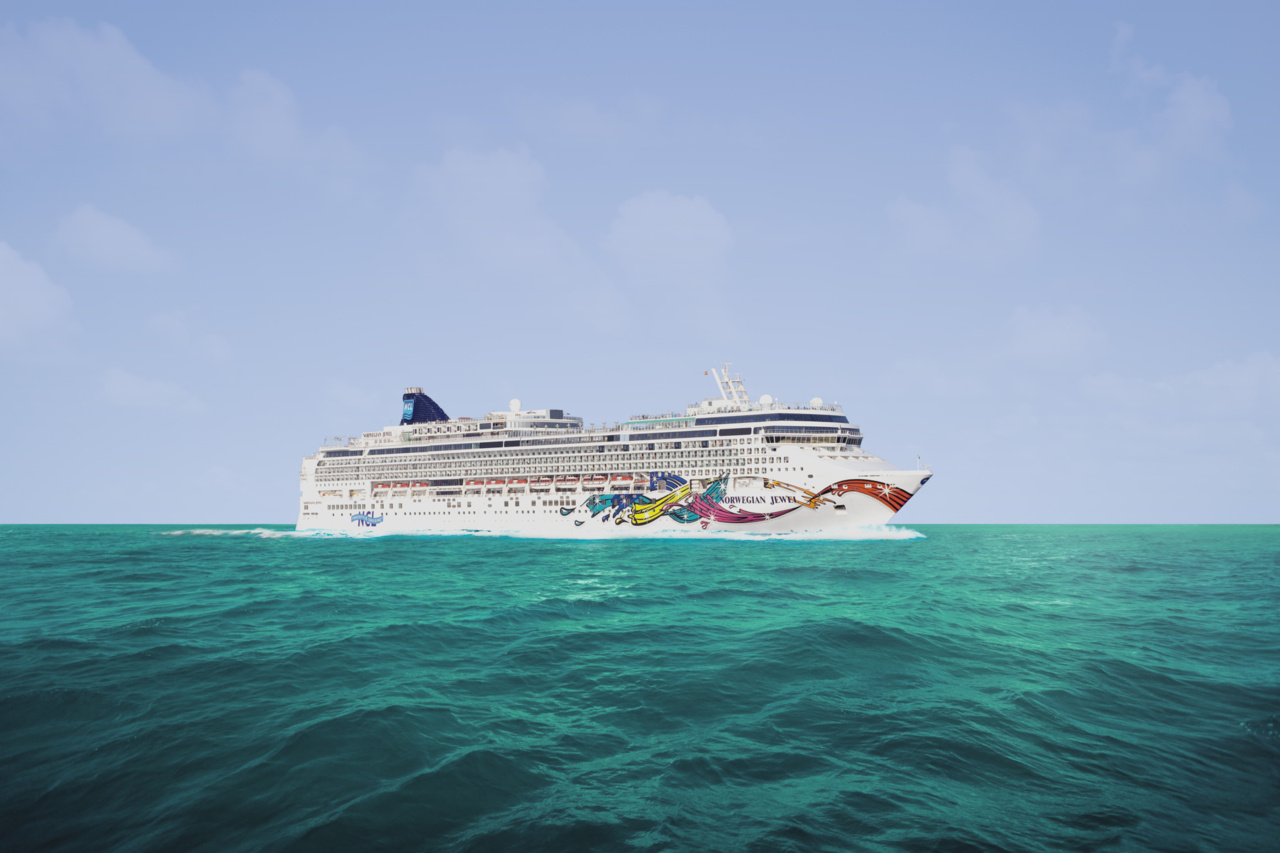
Norwegian deploys large, amenity-dense ships from Barcelona on western Med loops that lean into flexibility — the Freestyle approach means no fixed dining times or dress codes, and port-intensive itineraries keep the focus on destinations rather than formal sea-day routines.
See Norwegian sailings from Barcelona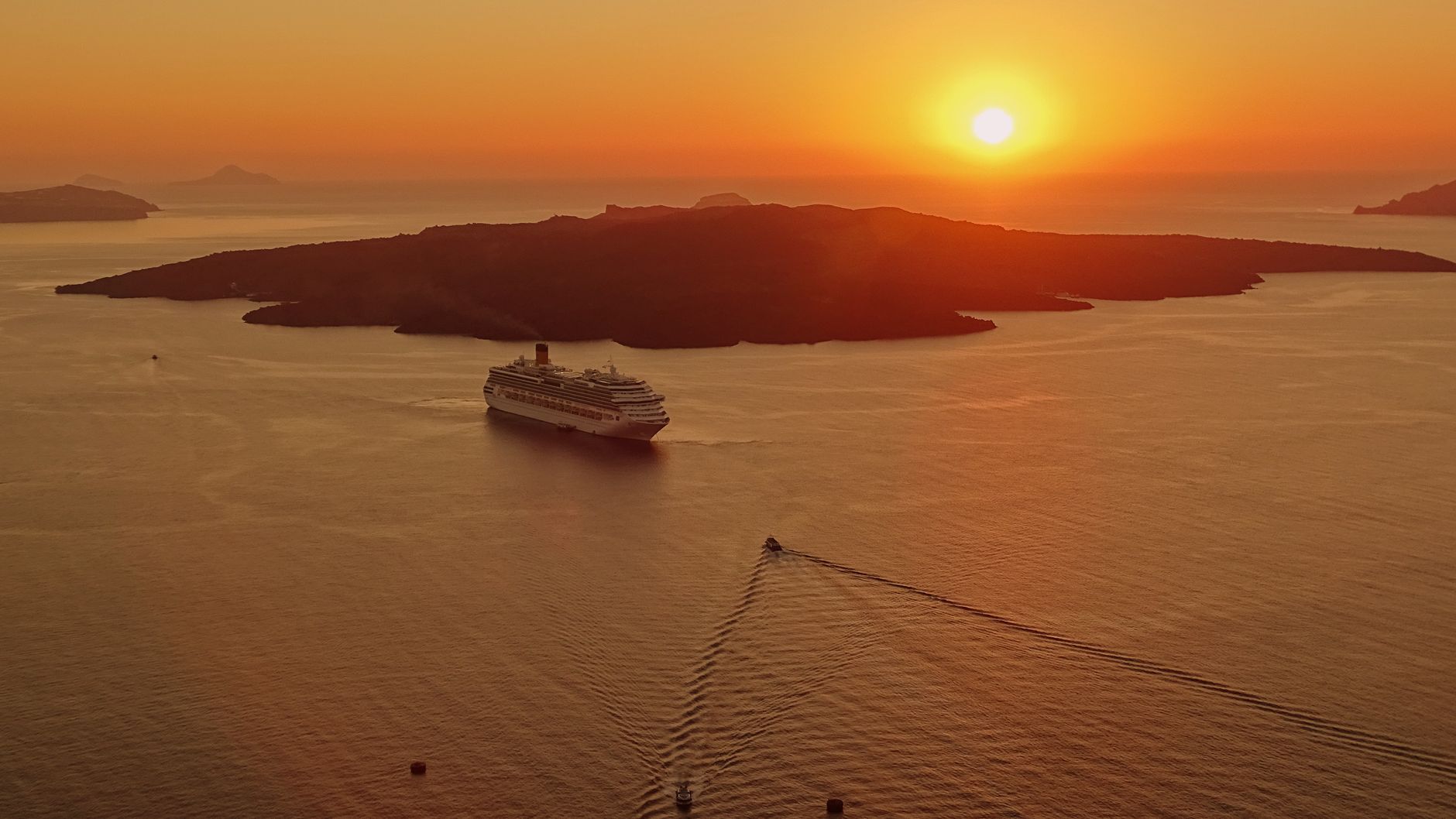
Princess runs a more traditional, mid-pace approach to the Mediterranean from Barcelona — structured enough to feel organized, relaxed enough to avoid stuffiness. Itineraries often blend the standard western Med circuit with occasional longer sailings that reach into the eastern Med or the Atlantic coast.
See Princess sailings from Barcelona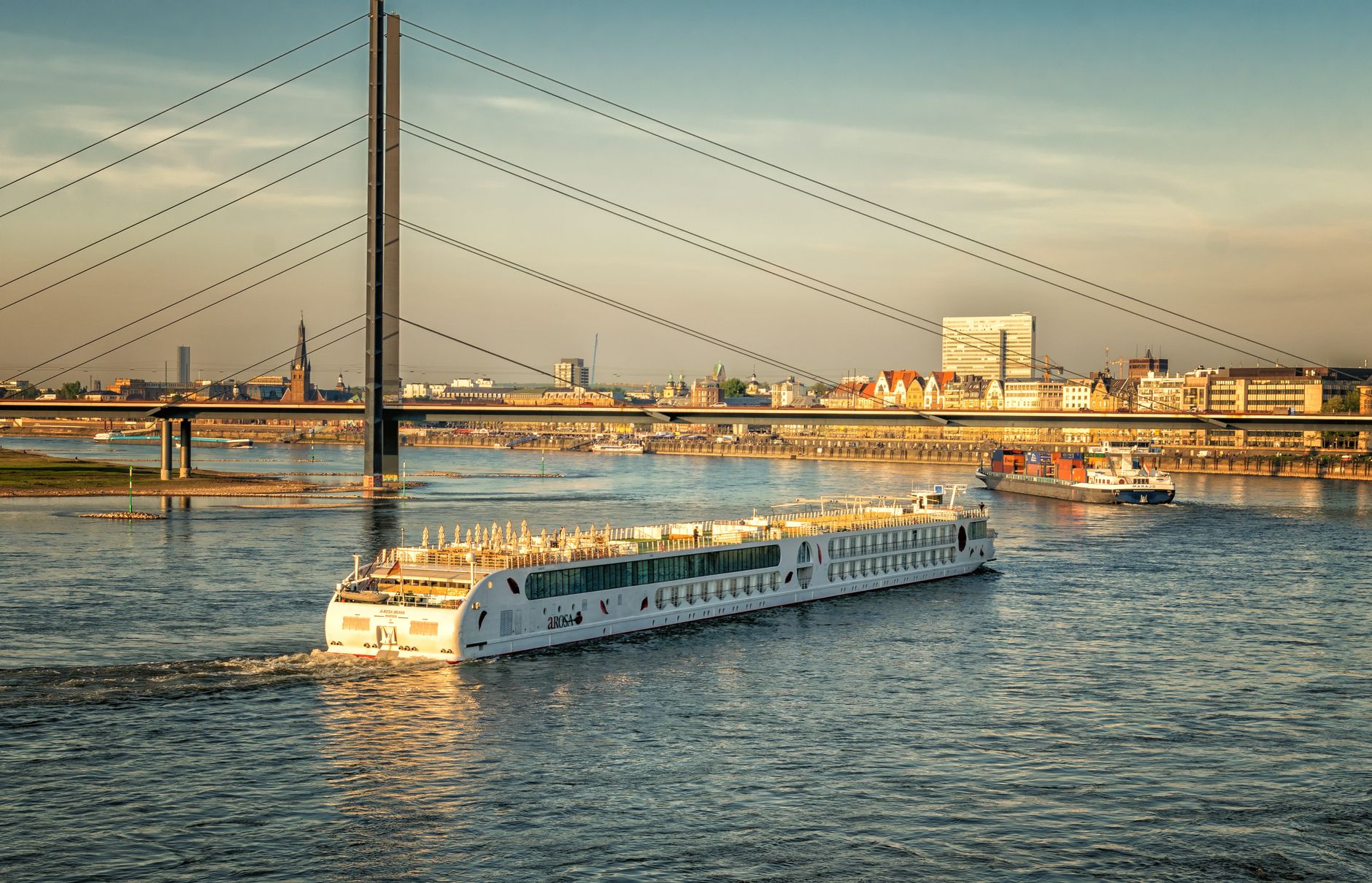
AmaWaterways operates river cruises rather than ocean sailings, so Barcelona typically serves as a starting or ending point for itineraries that move inland along European waterways — most commonly connecting to southern France's Rhône or Saône rivers via transfers.
See AmaWaterways sailings from Barcelona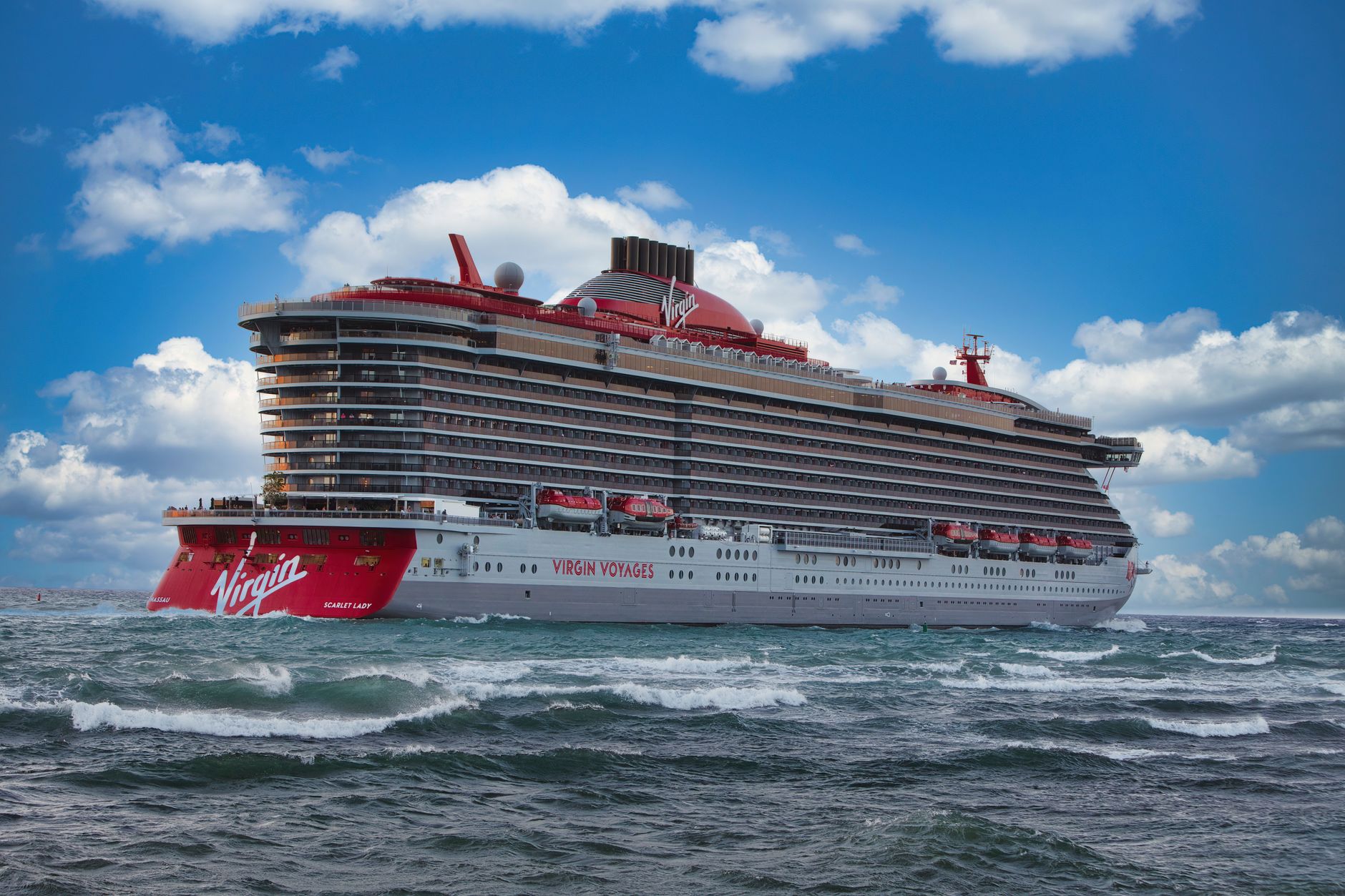
Virgin Voyages brings an adults-only, design-forward approach to the Mediterranean from Barcelona, with shorter itineraries that hit a curated set of western Med ports. The onboard tone is noticeably different from legacy cruise lines — more boutique hotel than floating resort.
See Virgin Voyages sailings from Barcelona
Barcelona anchors the classic western Mediterranean loop — Rome, Provence, the Italian Riviera, and the French coast within short sailing distances. Expect history-dense port cities rather than remote beaches. The itinerary is port-intensive, so you'll spend more time ashore than at sea.
This pairing suits travelers who want Europe's marquee cities without complex logistics — especially first-time European cruisers. Barcelona itself doubles as a destination worth extra days. If you're after off-the-beaten-path discovery or long sea days, this route may feel too well-trodden.
July and August deliver the most departures but also the highest prices, fullest ships, and most congested port towns. May–June and September–October offer a better balance of weather, cost, and breathing room. The trade: fewer itinerary options and slightly cooler shoulder-season temps.

Barcelona is the strongest starting point for first-time European cruisers and anyone drawn to the western Mediterranean's mix of coastal scenery and historic port cities. The tradeoff is real: peak summer means higher prices, heavier crowds both onboard and ashore, so shoulder-season sailings in May, June, or September will suit travelers who value breathing room over school-holiday timing.














