




Repositioning Value
Because the ship needs to cross hemispheres regardless, transatlantic sailings from Miami are consistently among the best per-night values in the cruise industry.




Destination from Port
Miami is one of the few U.S. departure ports that pairs a transatlantic crossing with a warm-weather start and the possibility of a Caribbean port call before the ship turns east. The route typically runs twelve to sixteen nights, threading through consecutive open-ocean sea days before making landfall in Europe. It's a shape that rewards passengers who genuinely enjoy shipboard life — unstructured mornings, long reading afternoons, and the slow rhythm of a vessel covering open water.
Because many of these sailings are repositioning voyages, the per-night value tends to be notably strong compared to shorter itineraries. The pairing suits retirees, remote workers with flexible schedules, and anyone who sees the crossing itself — not just the endpoints — as the point of the trip. Multiple cruise lines operate the route across a range of price points, making Miami one of the most accessible embarkation choices for first-time and returning transatlantic passengers alike.

A transatlantic from Miami is a specific kind of voyage — here are the route characteristics that define the experience.
Because the ship needs to cross hemispheres regardless, transatlantic sailings from Miami are consistently among the best per-night values in the cruise industry.
The standard voyage length runs roughly two weeks, giving you an extended single-booking trip without the logistics of multiple connections.
Expect five to eight uninterrupted days at sea mid-crossing — the defining rhythm of the route and the feature that most shapes your experience.
Many itineraries include an early port call in the Bahamas or Caribbean before the ship turns east, easing you into the voyage gradually.
The route trades efficiency for an unhurried crossing that rewards passengers who enjoy unstructured time and shipboard life for its own sake.
You'll spend substantially more time in your stateroom than on a typical week-long sailing, making cabin category and location a higher-stakes decision.

Transatlantic repositioning sailings from Miami are consistently among the best per-night values in cruising. The ship needs to move between hemispheres regardless, and that structural reality keeps pricing well below comparable-length itineraries. If your schedule is flexible enough to match seasonal departure windows, the math works strongly in your favor.
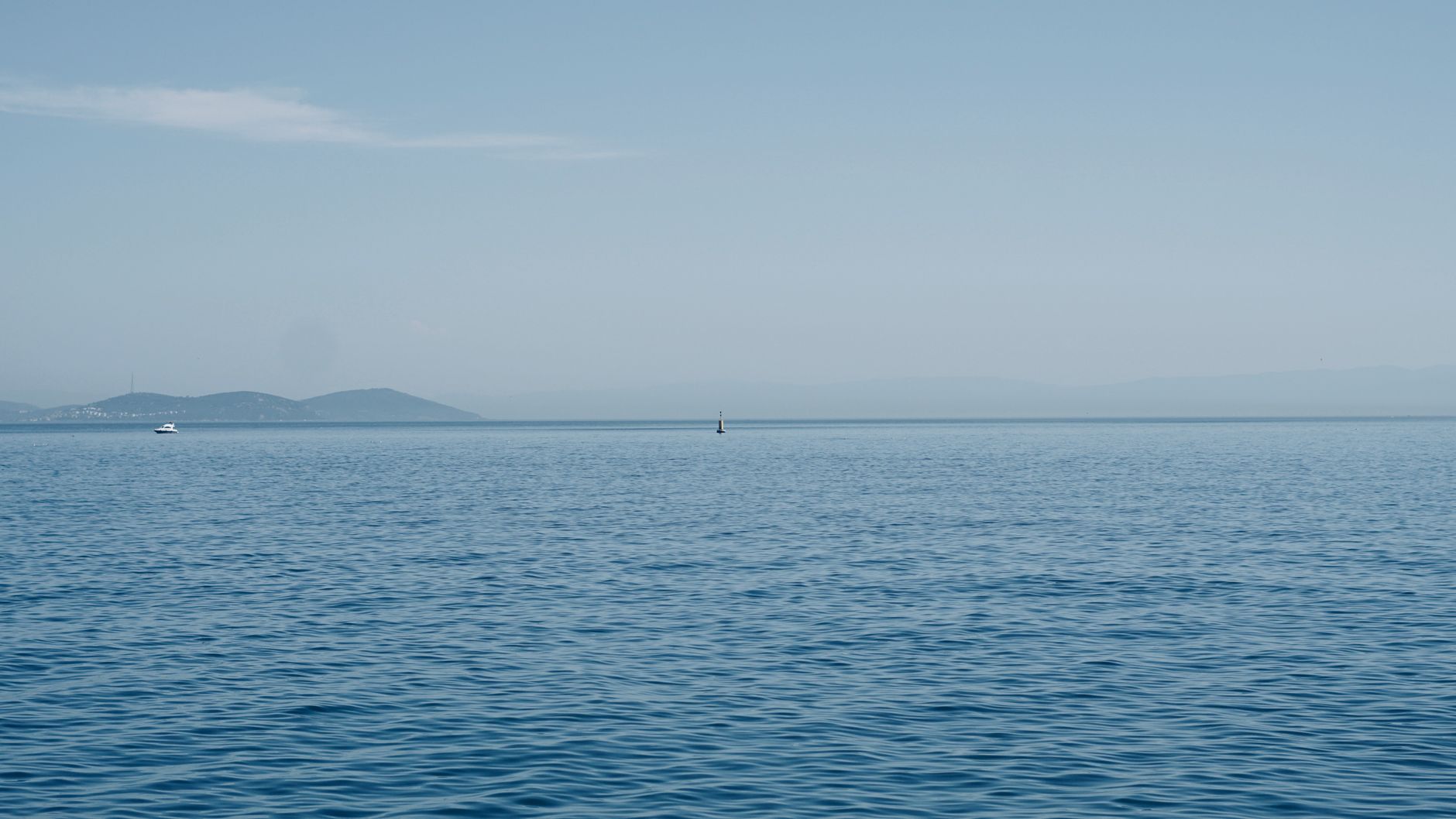
This route is defined by its back-to-back sea days — often five to seven in a row with no port in sight. If you're the type who finds a full day of reading, dining, and wandering the ship genuinely restorative rather than restless, this is one of the purest expressions of that experience available.

After a possible early Caribbean call, the ship turns east and you won't see land again for days. If your ideal cruise is built around daily shore excursions and destination variety, this route will feel empty where you want it full. The crossing rewards inward-facing travelers, not destination collectors.
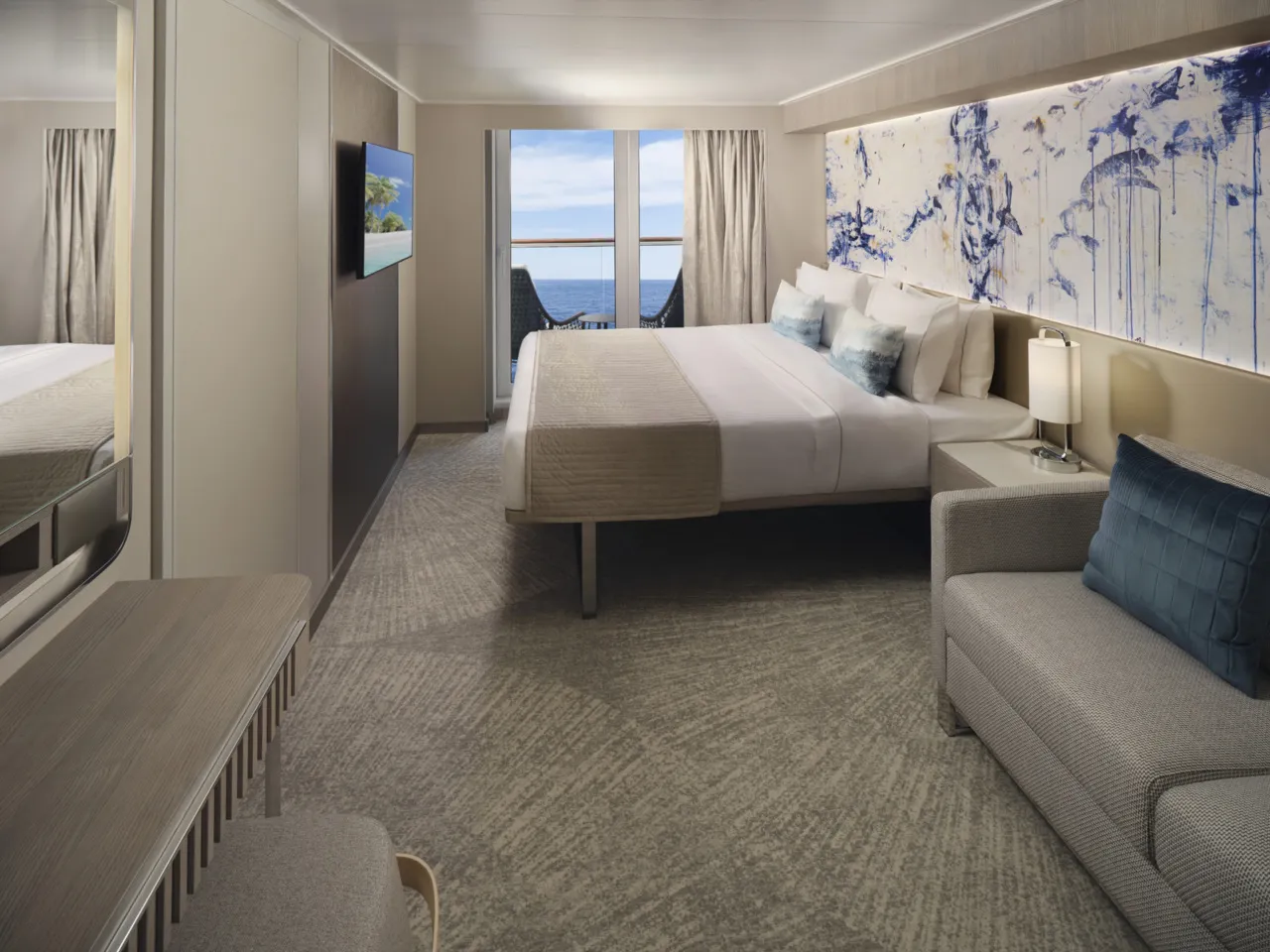
You'll spend substantially more time in your stateroom than on a typical seven-night sailing. A cramped inside cabin that feels fine for a week can wear on you by night ten. Budget for more space than you think you need, and weigh balcony access seriously — it becomes your private outdoor room when the ship is mid-ocean.

Departure Port Logic
Most transatlantic crossings depart from northeastern ports like New York or Baltimore, putting ships on a direct great-circle route to Southampton or Lisbon. Miami shifts that geometry south by roughly a thousand nautical miles. The practical effect: ships often thread through the Bahamas or make an early Caribbean stop before turning northeast into the open Atlantic, adding a day or two of warm-weather sailing before the cooler mid-ocean stretch begins. That translates to longer itineraries — typically twelve to sixteen nights rather than the seven- to nine-night crossings common from New York — and more consecutive sea days once the ship leaves the western hemisphere behind.
The tradeoff is real but so is the upside. Miami's position makes it a natural home port for repositioning sailings, which means a wider spread of cruise lines — from mainstream to premium — move ships through PortMiami each spring and fall. For travellers already in South Florida or connecting through Miami International Airport, the embarkation logistics are simpler than trekking to a northern port. And because these repositioning voyages need to happen regardless, per-night pricing tends to be notably lower than purpose-built crossings from the northeast — a value equation that is hard to match anywhere else on the transatlantic calendar.
PortMiami sits minutes from Miami International Airport, one of the busiest hubs for both domestic and Latin American flights. Arriving a day early is easy given the city's deep hotel inventory, and the port's cruise-terminal density means boarding is well-practiced and efficient — a genuine convenience advantage over smaller northeastern embarkation ports.
Because of Miami's proximity to the Bahamas, many eastbound transatlantic itineraries include an opening-day port call — often Nassau — before the ship turns toward open ocean. This warm-weather preamble doesn't exist on sailings from New York or Boston, and it gives passengers a gradual transition into the rhythm of consecutive sea days.
Ships must relocate between hemispheres each season regardless of ticket revenue, which is why Miami transatlantic fares on a per-night basis tend to undercut comparable ocean-crossing itineraries. The longer voyage length means more included nights for less money — though you should budget for the one-way flight home from the European arrival port.

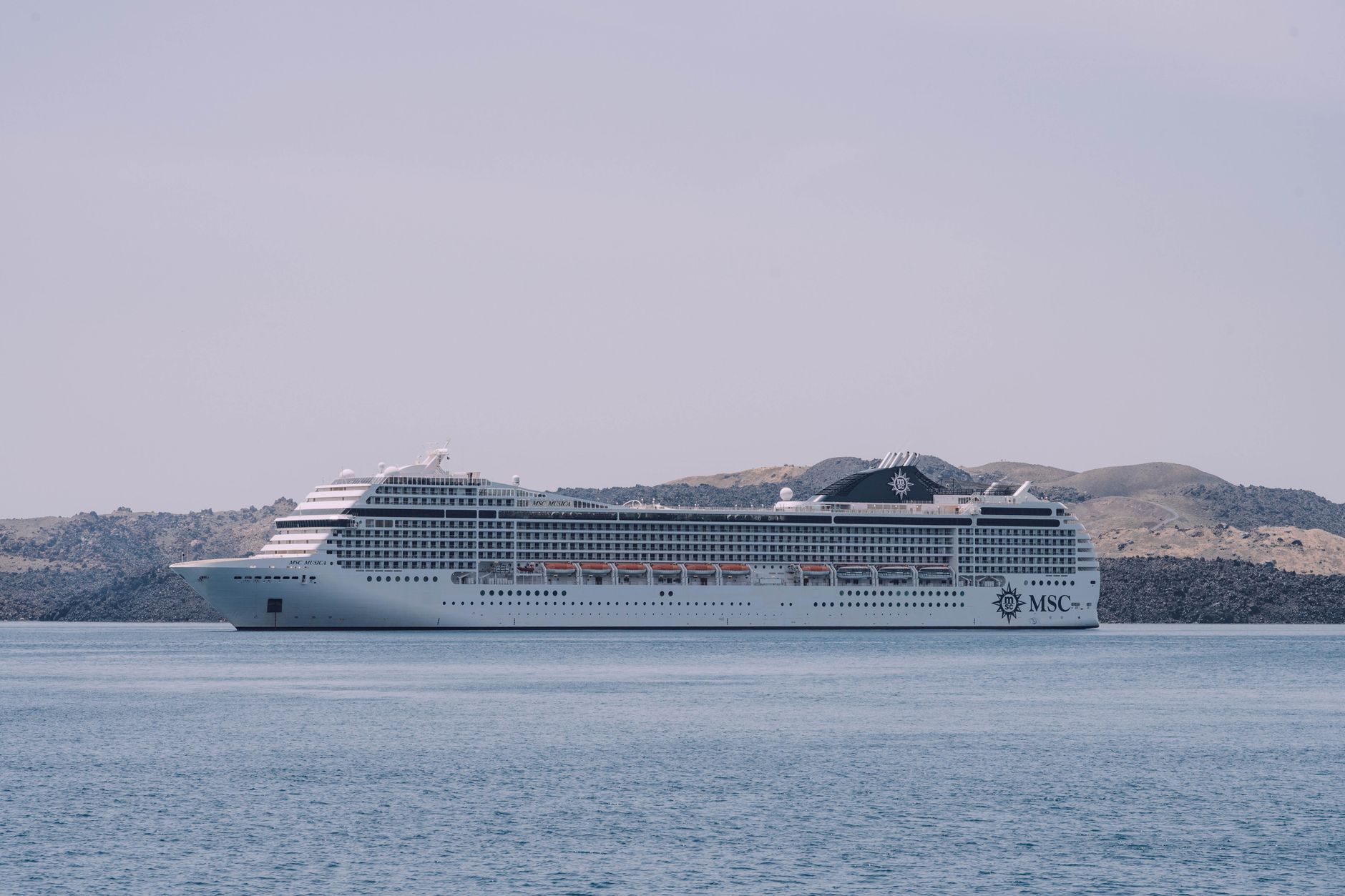
MSC brings its large, entertainment-dense ships to the transatlantic run, offering a European-inflected onboard atmosphere with extensive dining venues, multi-deck pool areas, and a full daily activity schedule that helps fill consecutive sea days without feeling forced.
Browse MSC transatlantic sailings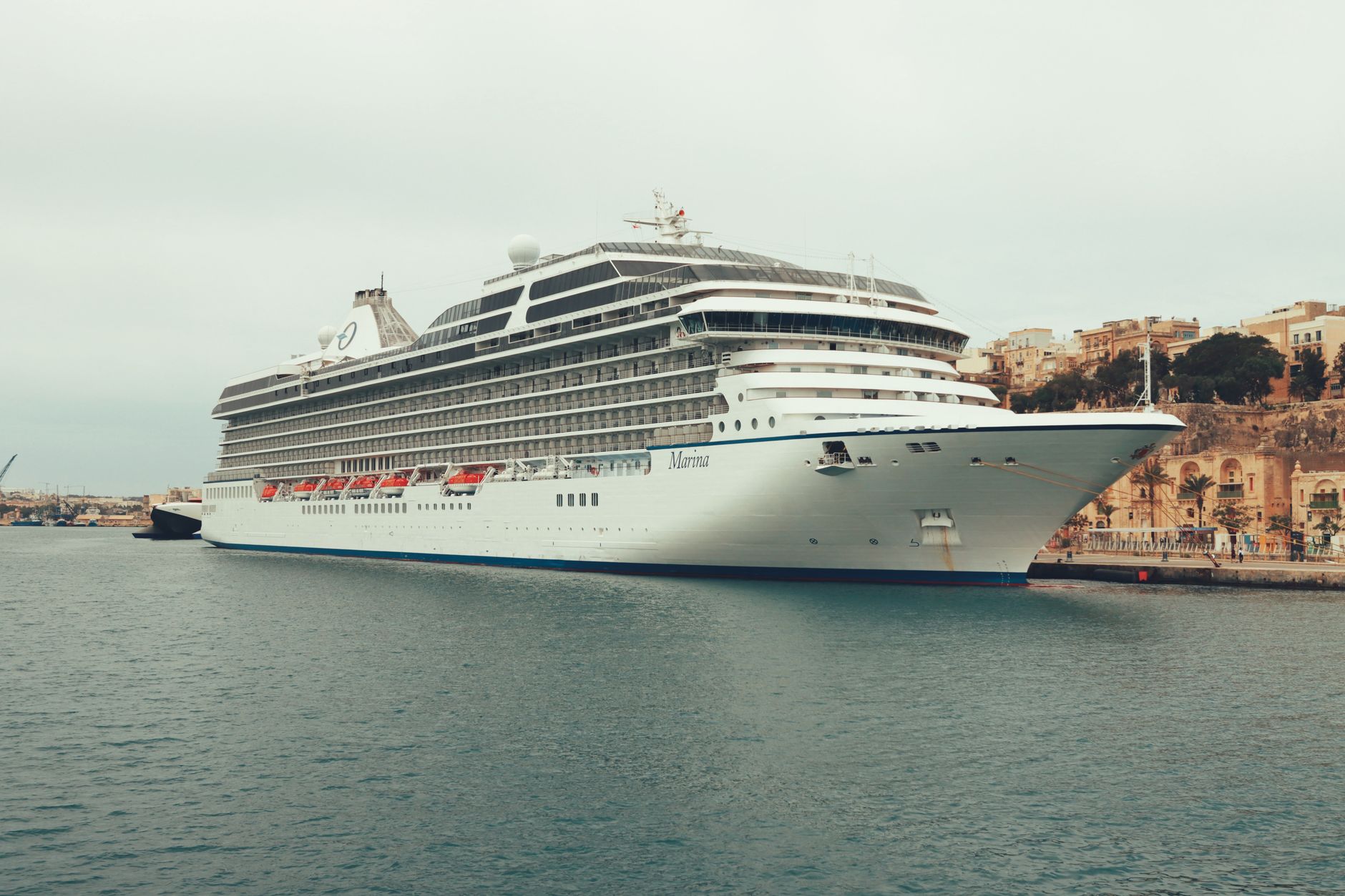
Oceania takes a quieter, food-forward approach to the crossing. Mid-sized ships keep crowds manageable, and the line's emphasis on destination-style cuisine gives consecutive sea days a culinary rhythm — multiple specialty restaurants are included in the fare, which changes the daily calculus of how you spend mealtimes.
Browse Oceania transatlantic sailings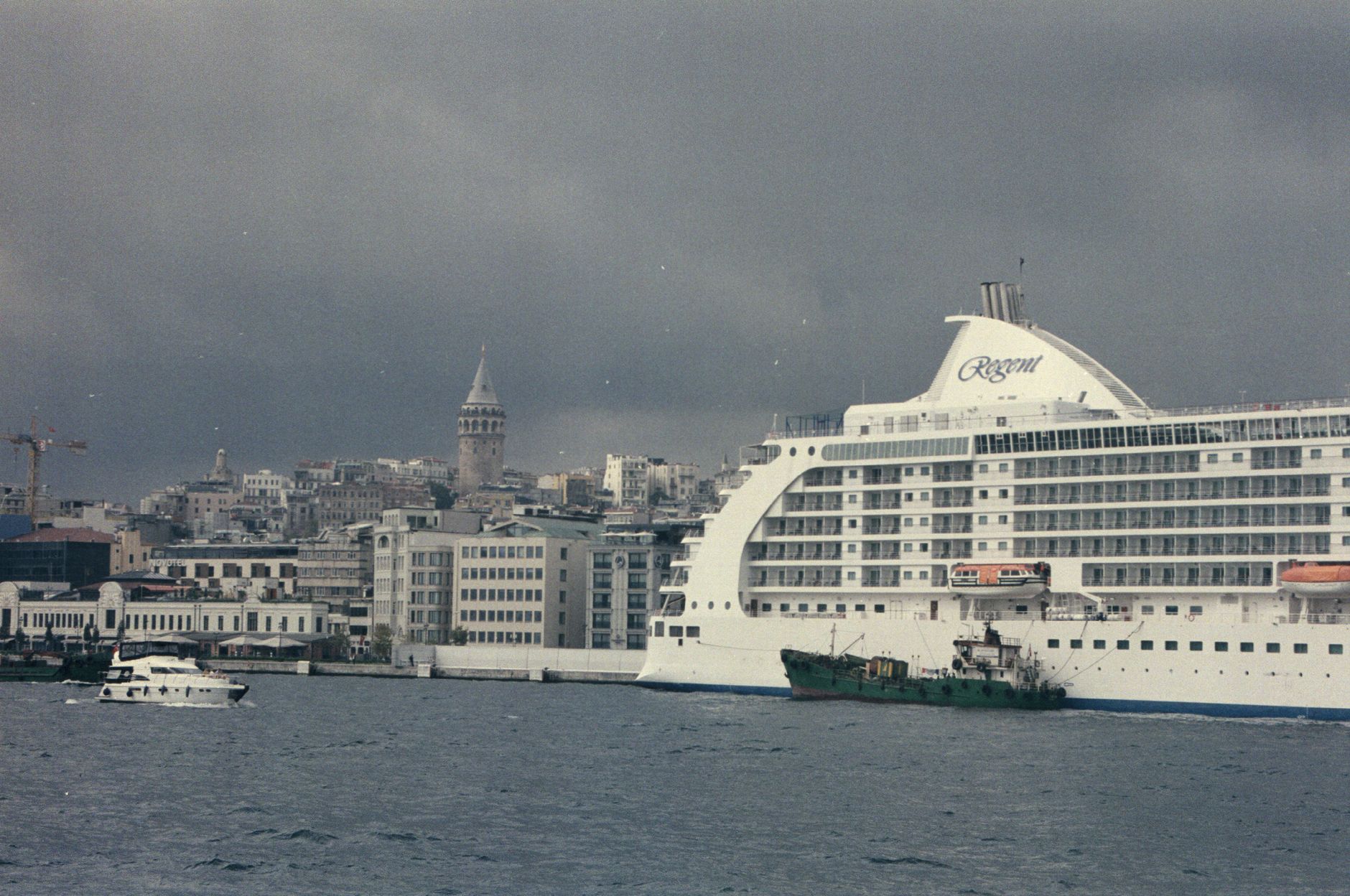
Regent operates the transatlantic crossing as a fully inclusive experience — suite accommodations, shore excursions at port calls, beverages, and specialty dining are bundled into the fare. The ships are intimate by transatlantic standards, and the service ratio is high, which shapes sea days into something closer to a private club at sea.
Browse Regent transatlantic sailings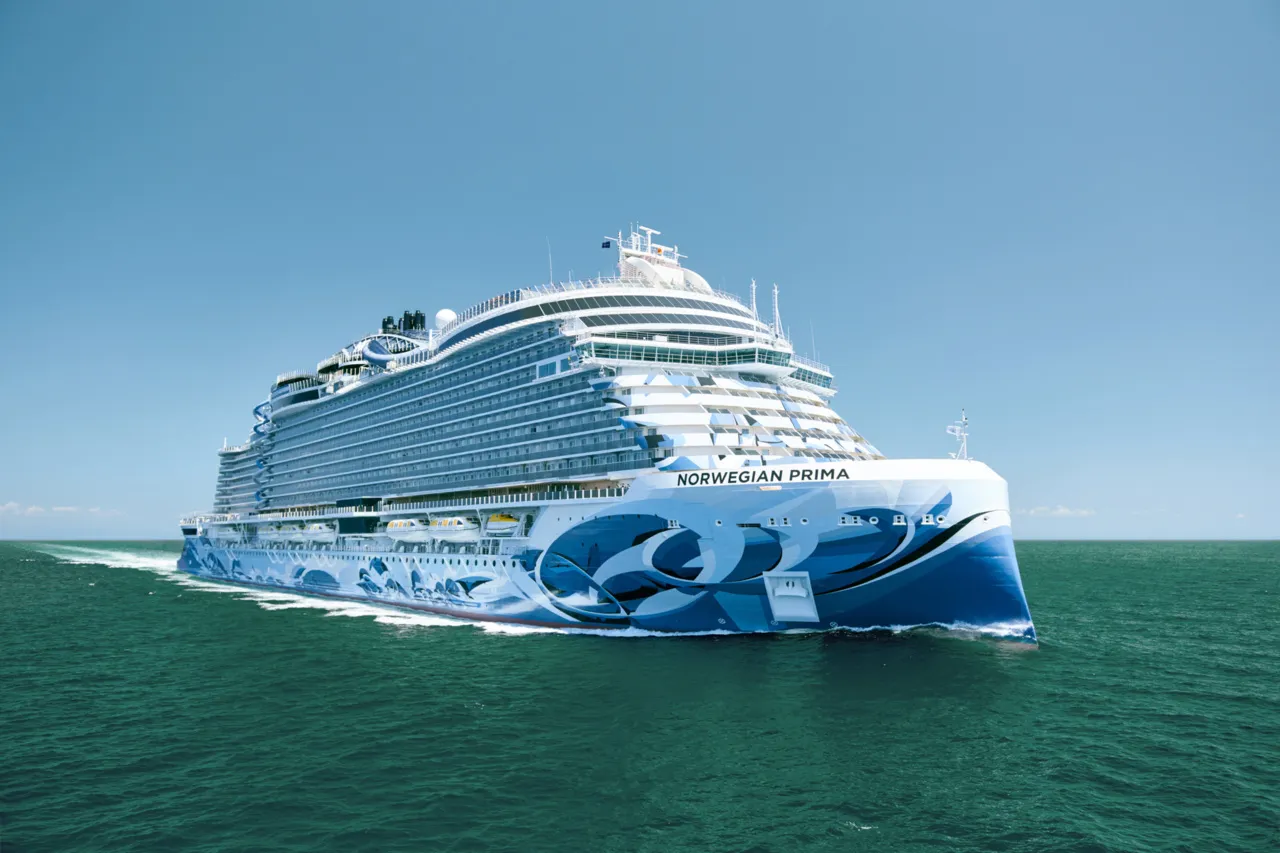
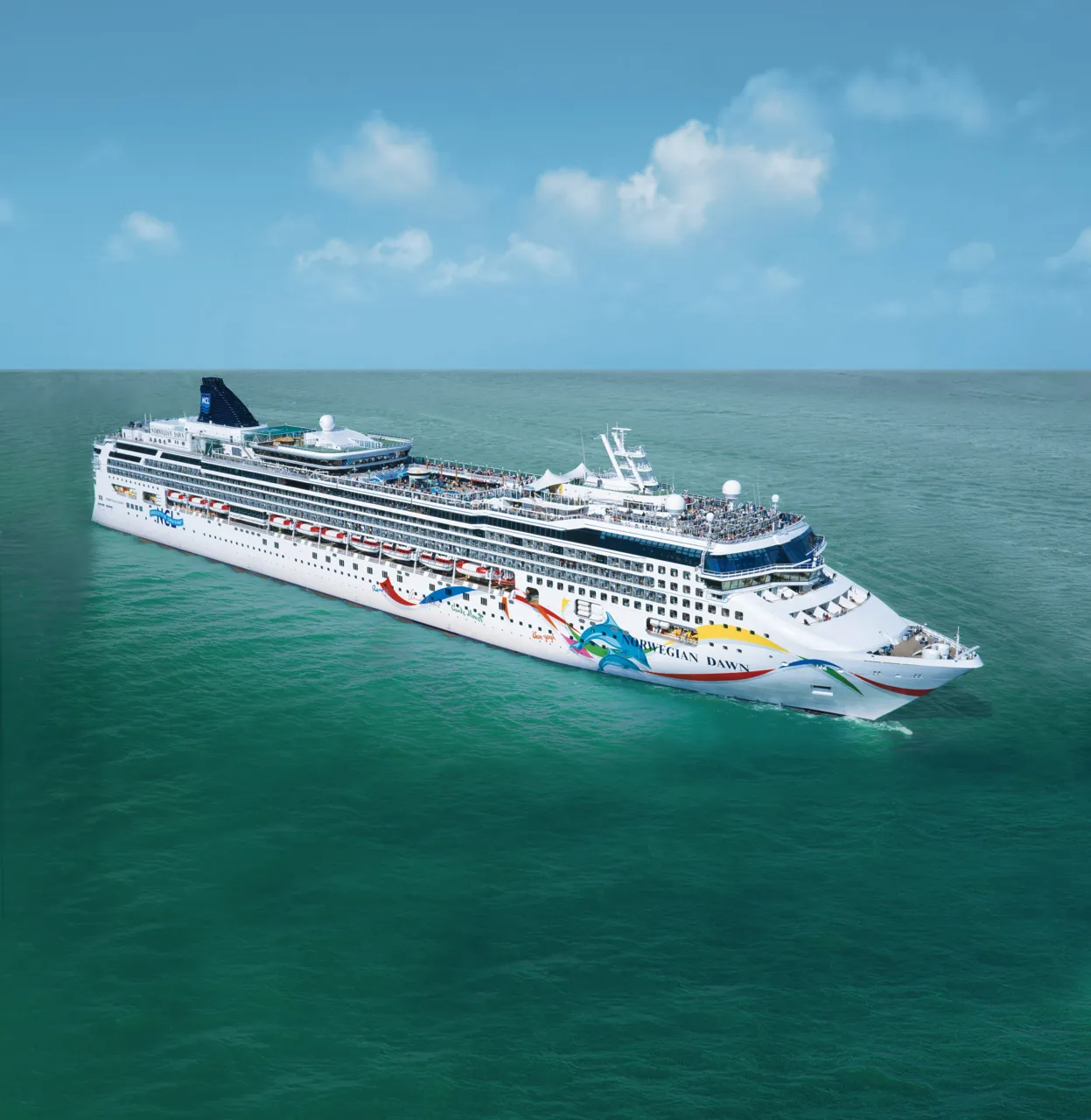
Norwegian brings its Freestyle approach to the crossing — flexible dining times, no fixed seating, and a casual onboard culture that lets passengers set their own daily structure. The ships tend to be large, with enough bars, lounges, and entertainment venues to keep sea-day options varied.
Browse Norwegian transatlantic sailings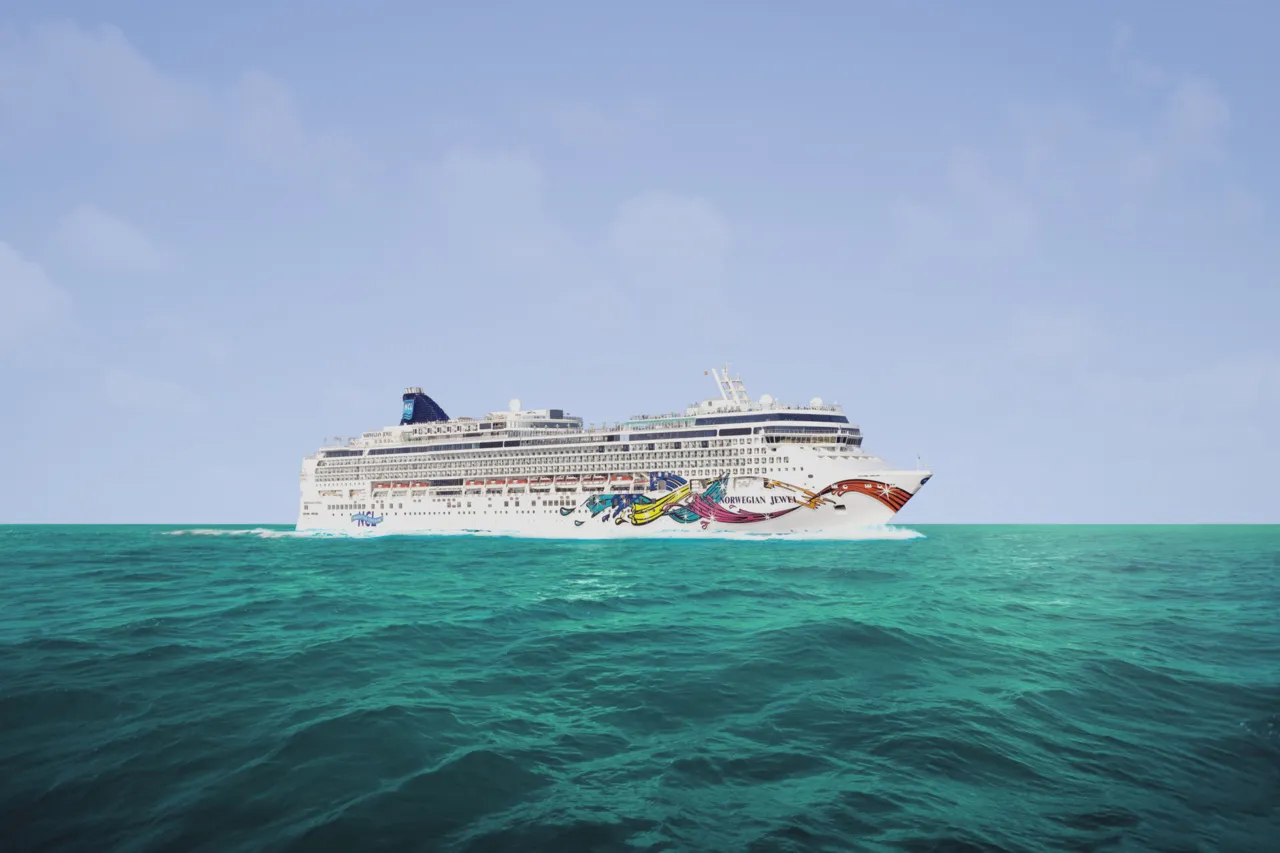
Expect 12–16 nights with possibly one Caribbean stop early on, then a long stretch of open ocean. This is not a port-intensive itinerary — consecutive sea days are the centerpiece. The rhythm rewards readers, wanderers, and anyone who treats the ship itself as the destination.
This route self-selects. If you enjoy shipboard life for its own sake — dining, lectures, deck time, long afternoons with nothing scheduled — you'll love it. If you get restless without a port every other day, a transatlantic will test your patience before you reach the mid-ocean point.
Repositioning sailings from Miami often deliver strong per-night pricing since the ship needs to cross anyway. The tradeoff: you'll spend far more time in your cabin than on a typical Caribbean week, so upgrading your stateroom category can meaningfully change the experience. Budget accordingly.
This route is ideal for travellers who genuinely enjoy sea days and want strong per-night value on a repositioning sailing — but it demands flexibility on dates, since most departures cluster around seasonal repositioning windows in spring and autumn, and consecutive days at sea will feel long if you need constant stimulation ashore.












