




Consecutive Sea Days
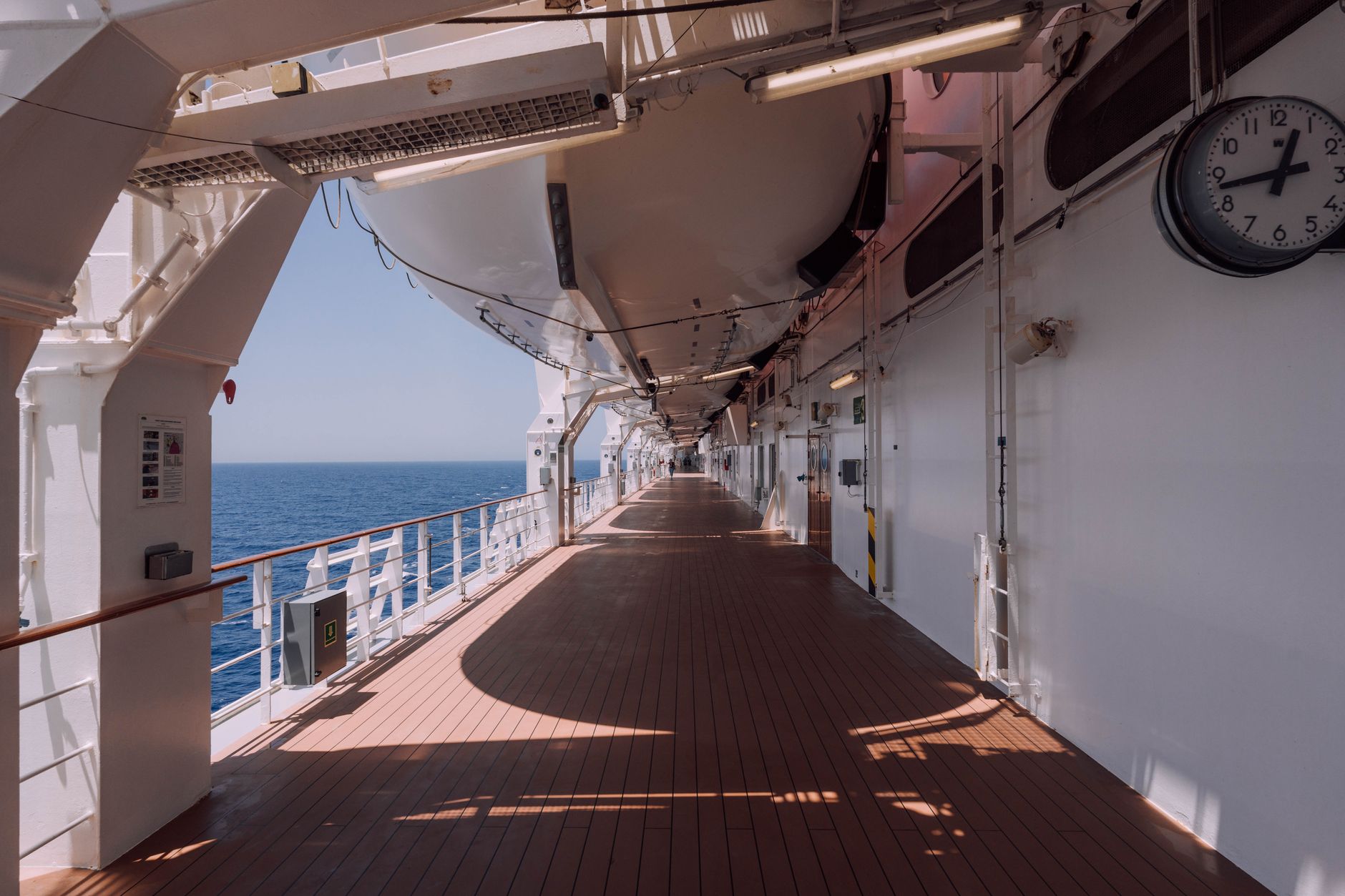
Expect three to seven uninterrupted days at sea with no port stops, making the ocean itself the primary experience rather than a backdrop.



Destination from Port
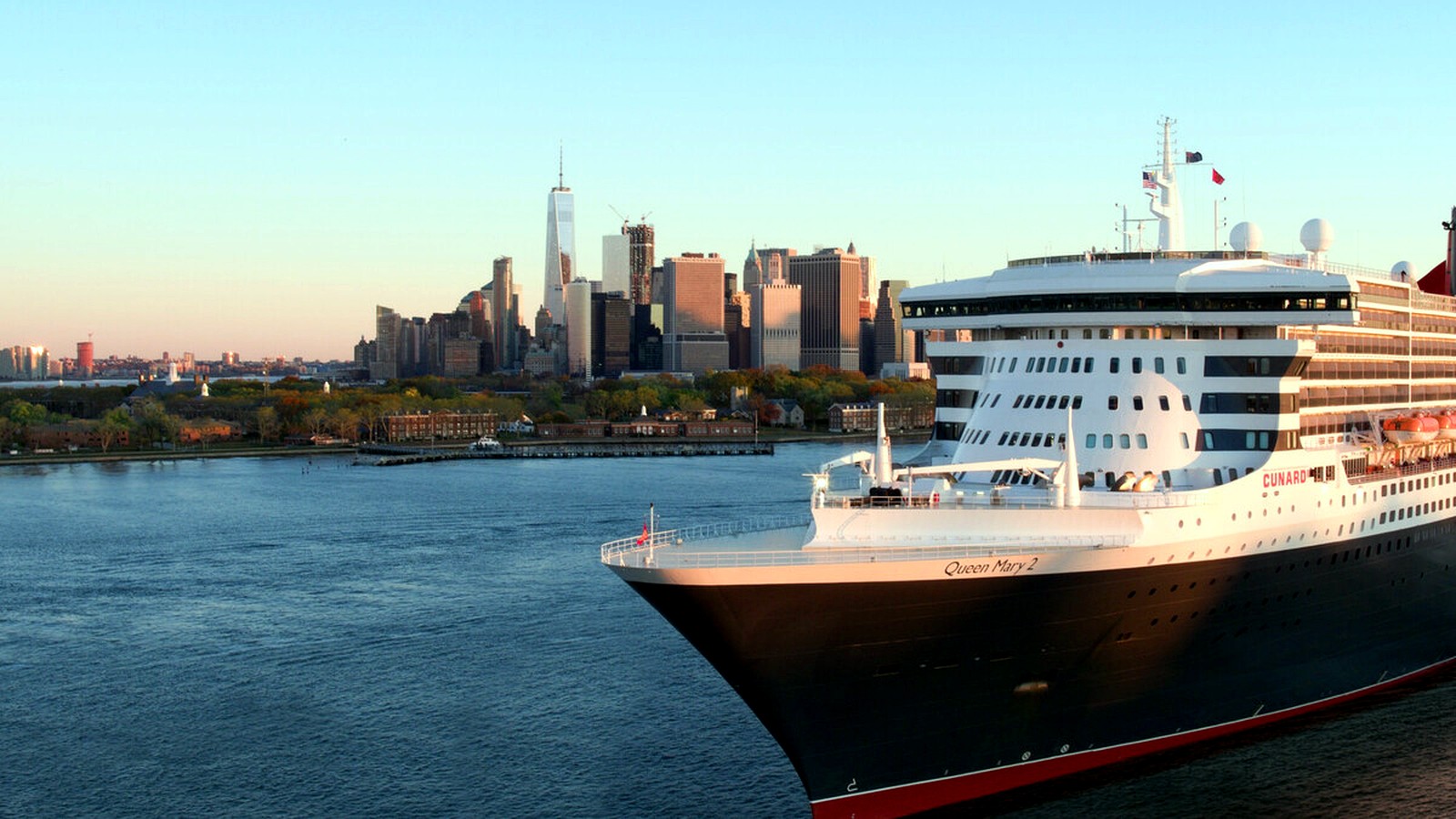
New York City is the natural starting point for a transatlantic crossing — a route defined not by port calls but by the open ocean itself. Sailing east from Manhattan or Brooklyn, you trade the usual island-hopping rhythm for consecutive sea days that stretch toward Southampton or beyond. The pairing gives you one of cruising's most convenient embarkation cities (direct flights, hotel options at every price point, two dedicated terminals) connected to a voyage shaped entirely around time at sea.
This route tends to suit readers and wanderers, retirees with flexible calendars, and anyone who treats the ship as the destination rather than a shuttle between ports. Spring and autumn repositioning seasons open the widest selection of ships and itineraries, while Cunard's Queen Mary 2 maintains year-round scheduled crossings. Whether you want a seven-night liner crossing or a longer repositioning voyage with European port calls at either end, departing from New York keeps the logistics simple and the anticipation high.
A transatlantic crossing from New York is unlike any other cruise — here are the route characteristics that define the experience.
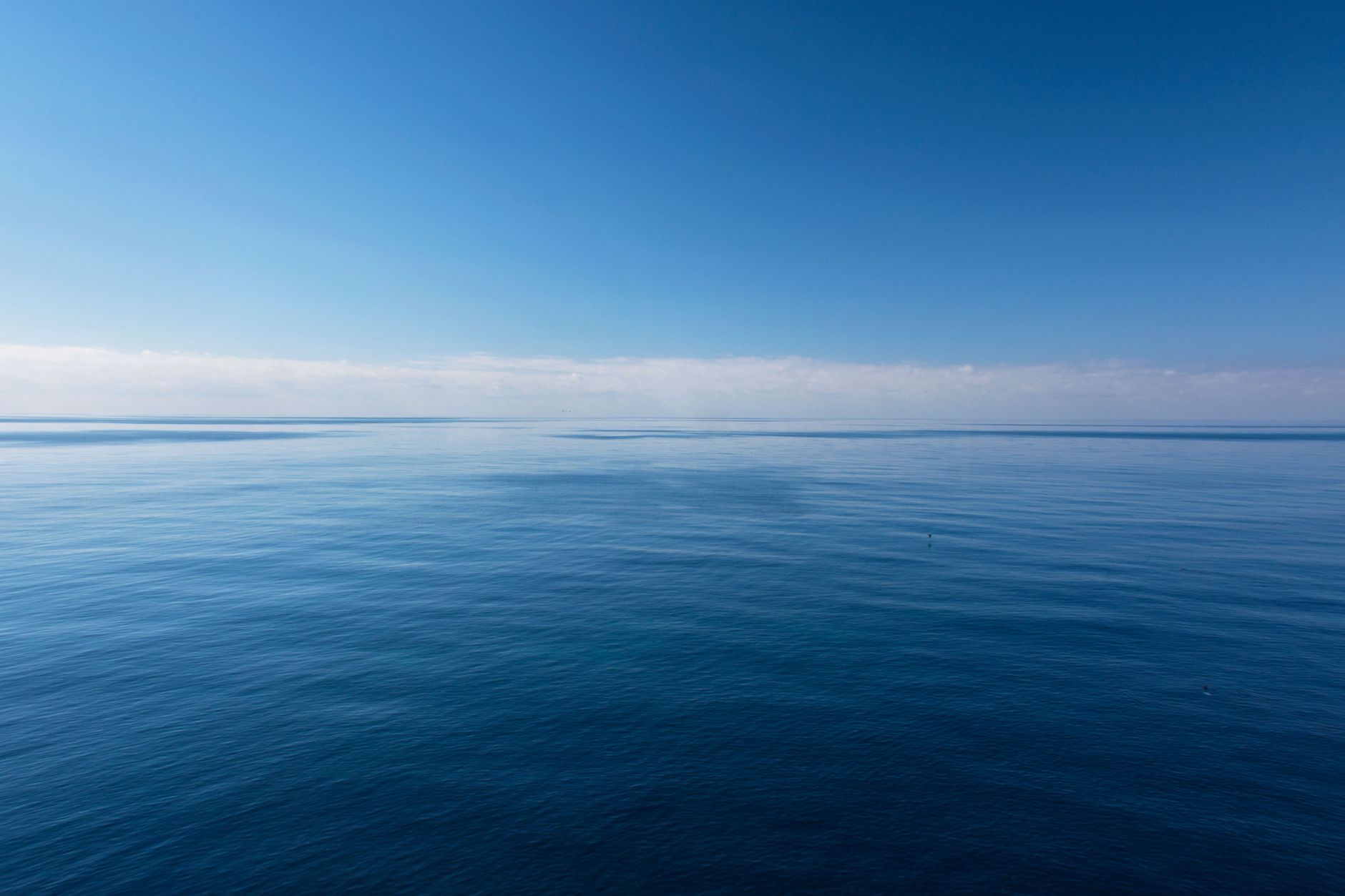
Expect three to seven uninterrupted days at sea with no port stops, making the ocean itself the primary experience rather than a backdrop.
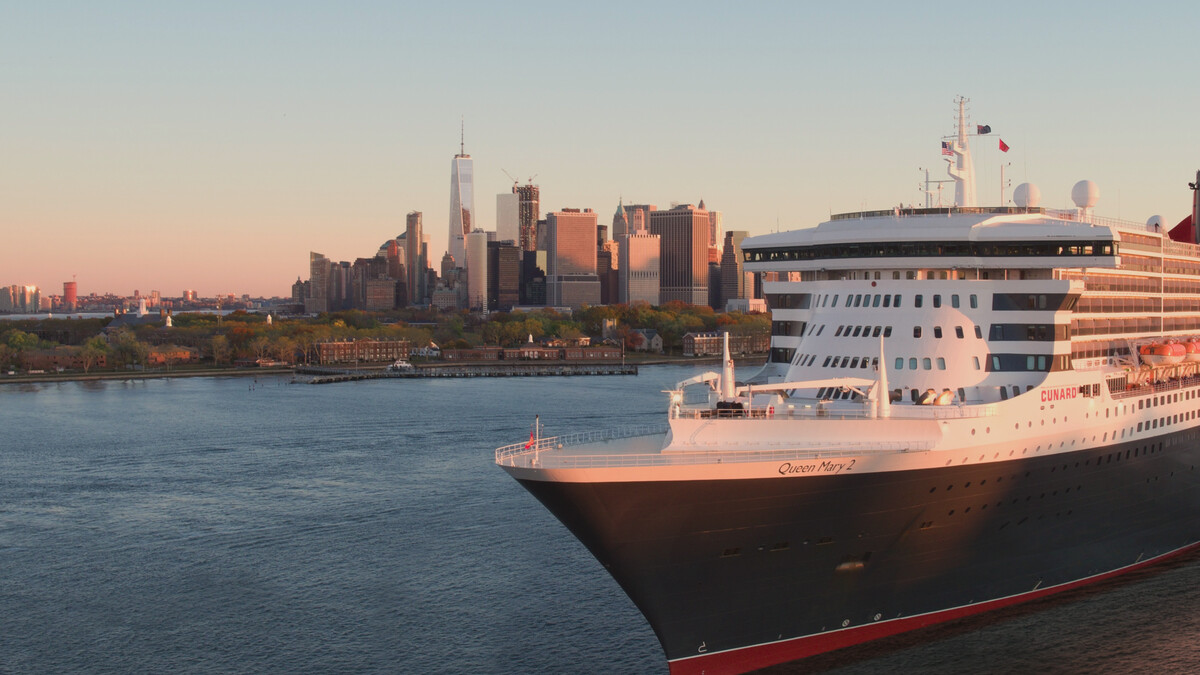
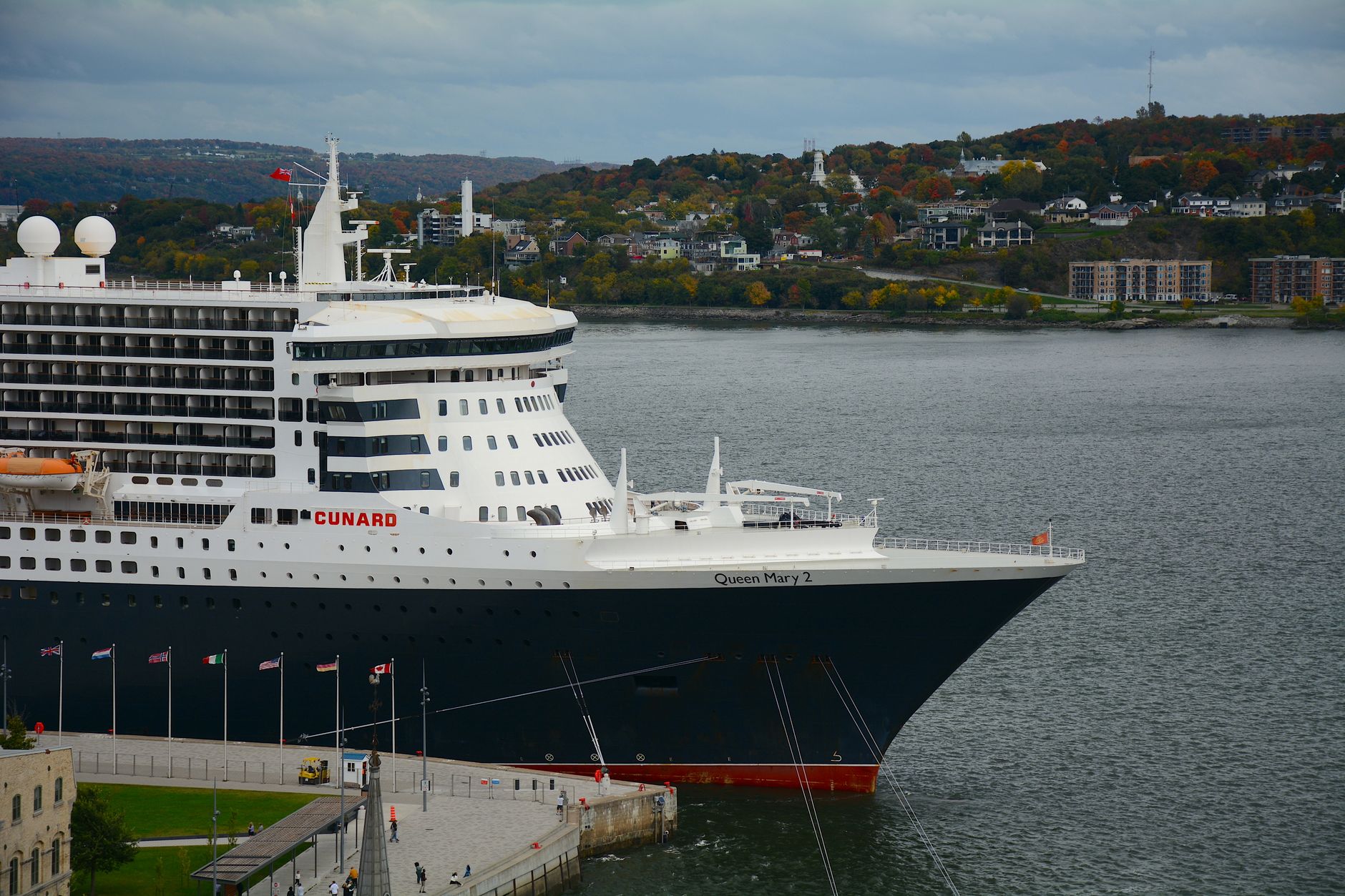
Queen Mary 2 operates year-round seven-night crossings between New York and Southampton, giving this route a reliable backbone no other transatlantic pairing has.
Late March through early May brings the widest selection of eastbound ships as lines reposition fleets to Europe, offering variety well beyond Cunard.
The crossing rewards patience — by the third or fourth sea day, the rhythm shifts from novelty to genuine decompression in a way shorter itineraries cannot replicate.
New York sails from either the Manhattan Cruise Terminal in Midtown or the Brooklyn Cruise Terminal in Red Hook, and which one you use depends on your cruise line.
Departing from Manhattan or Brooklyn means easy access to hotels, restaurants, and attractions right up until embarkation day — no fly-in logistics required for East Coast travellers.
Postcards from this route
Open water, city piers, and the slow shift from skyline to horizon.
This route is built around consecutive days at sea with no land in sight. If your idea of a perfect trip is reading, eating well, and watching the ocean change, a transatlantic from New York delivers exactly that — with no pressure to pack excursion bags every morning.
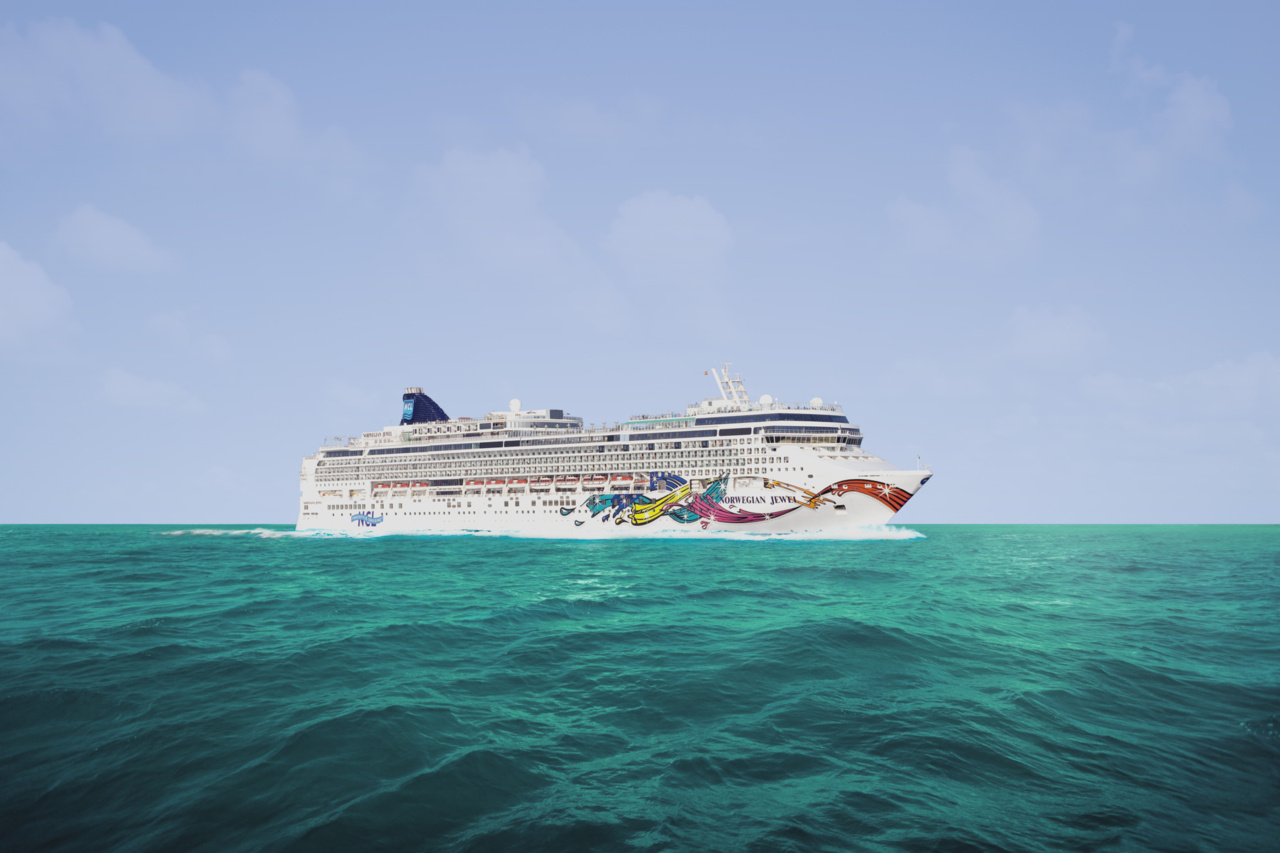
Eastbound spring sailings and westbound autumn repositionings let you start or end a European trip without an overnight flight. New York's two cruise terminals are well-connected to airports and hotels, making the embarkation side easy to plan around.
If you need new destinations every day or two, this route will test your patience. Five or more sea days in a row means the ship is your entire world. There are no quick escapes to a cobblestone town — you have to genuinely enjoy being onboard, or the crossing will feel long.
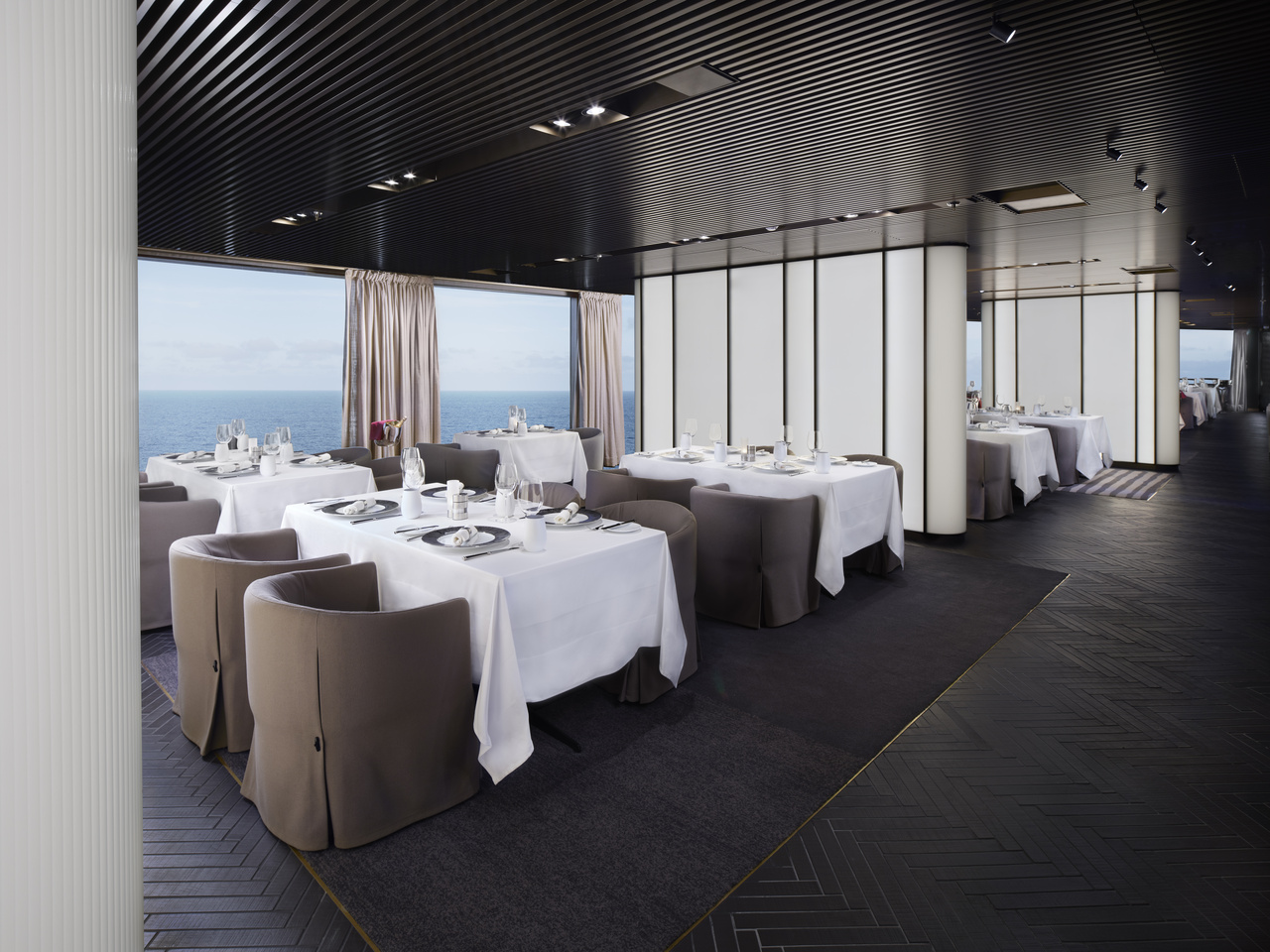
Most transatlantic sailings cluster in spring and autumn repositioning windows, so schedule flexibility is limited. Cunard's Queen Mary 2 runs year-round, but other lines offer only a handful of crossings annually. Expect formal dress codes on some evenings and plan wardrobes accordingly — this isn't a casual Caribbean loop.

Departure Port Logic
New York is one of the few ports where a transatlantic crossing feels like a narrative rather than a repositioning flight. Sailing out of the harbour — past the Statue of Liberty, under the Verrazano-Narrows Bridge, and into open Atlantic — provides the kind of cinematic departure that no airport or smaller embarkation port can replicate. That moment frames the entire voyage as an event, not just a transfer between continents, and it is a genuine reason travellers choose this port over alternatives like Boston, Baltimore, or Fort Lauderdale that occasionally offer transatlantic repositioning sailings.
Practically, New York's position also shapes the route itself. It sits far enough north that eastbound crossings to Southampton or Hamburg follow the historically direct great-circle route, keeping sea days manageable — typically six to eight nights on a pure crossing. Ports further south, like Miami or Cape Canaveral, add extra sailing time or force itineraries through the Azores to break up a longer passage, altering the rhythm of uninterrupted sea days that defines the classic transatlantic experience. New York also offers the densest concentration of scheduled (not just seasonal repositioning) crossings, primarily via Cunard's Queen Mary 2, meaning travellers can plan around specific dates rather than settling for whatever repositioning window a line happens to offer.
Manhattan Cruise Terminal (Piers 88–92) places you in Midtown, ideal for a pre-cruise night in the city. Brooklyn's Red Hook terminal is quieter and easier for drivers, but less convenient for public transit. Your cruise line determines which terminal you use — confirm before booking hotels or transfers.
Unlike most US departure ports that only offer transatlantic sailings during brief spring or autumn repositioning windows, New York supports scheduled crossings throughout much of the year via Cunard. This gives travellers far more flexibility to choose dates that suit their schedule and budget.
Three major airports, extensive hotel inventory at every price point, and no connecting flights needed for much of the US Northeast corridor make New York one of the simplest embarkation ports to reach. Adding a day or two in the city before sailing is straightforward and rarely feels like wasted logistics.
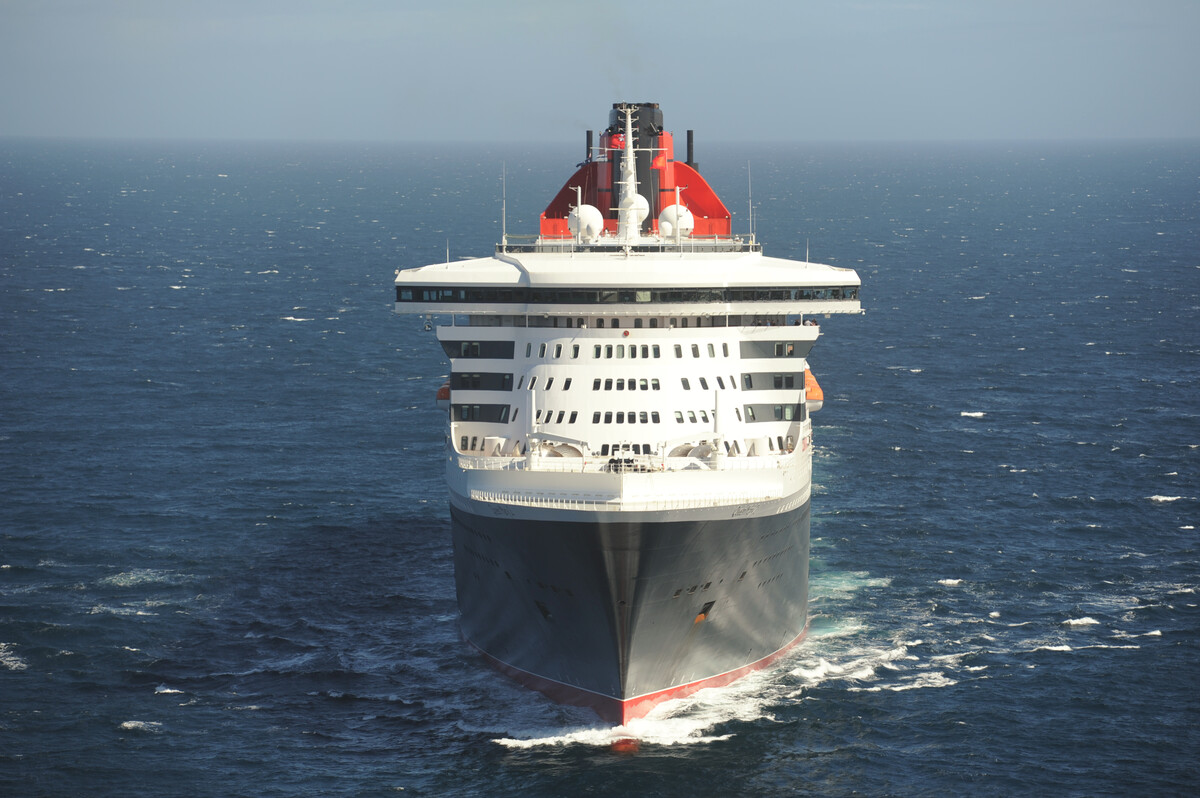
Cunard treats the transatlantic not as a repositioning necessity but as a scheduled service — the only line still operating regular crossings between New York and Southampton. Queen Mary 2 is purpose-built for the North Atlantic, and the voyage is structured around the ocean itself: no port calls, no diversions, just seven nights of open sea with a ship designed to make that feel like the point.
Browse Cunard Transatlantic Sailings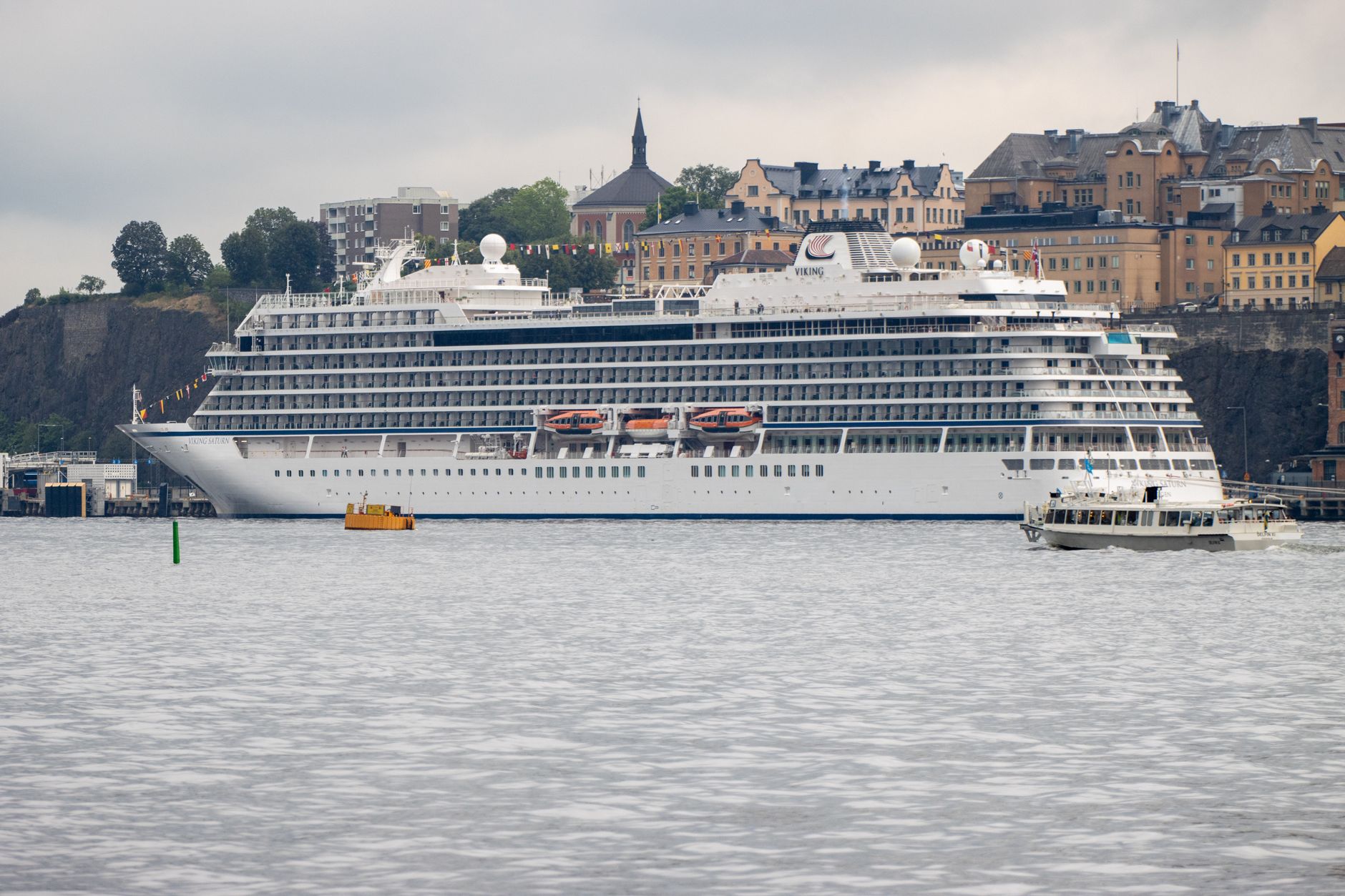
Viking Ocean's transatlantic sailings are repositioning voyages rather than dedicated crossings, typically offered in spring or autumn as ships move between seasonal deployments. These tend to be longer than a pure crossing, often incorporating port stops in Iceland, Norway, or the British Isles before or after the ocean stretch.
View Viking Ocean Transatlantic Options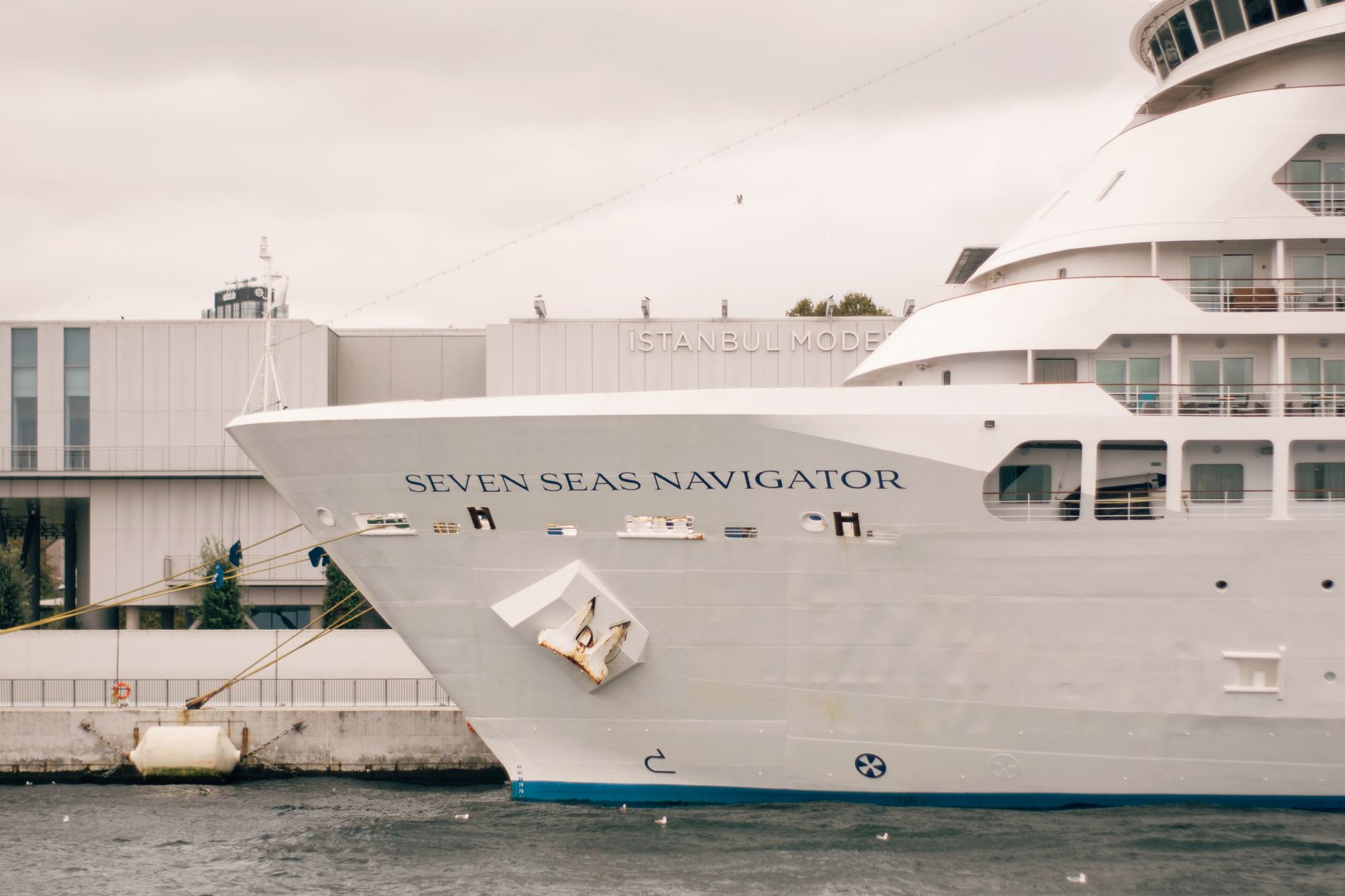
Regent Seven Seas positions its transatlantic sailings as luxury repositioning voyages, typically with longer itineraries that blend open-ocean stretches with port calls on either side of the Atlantic. The all-inclusive fare structure means shore excursions, specialty dining, and drinks are bundled in, which changes the feel of sea days — there is less mental accounting.
See Regent Transatlantic Sailings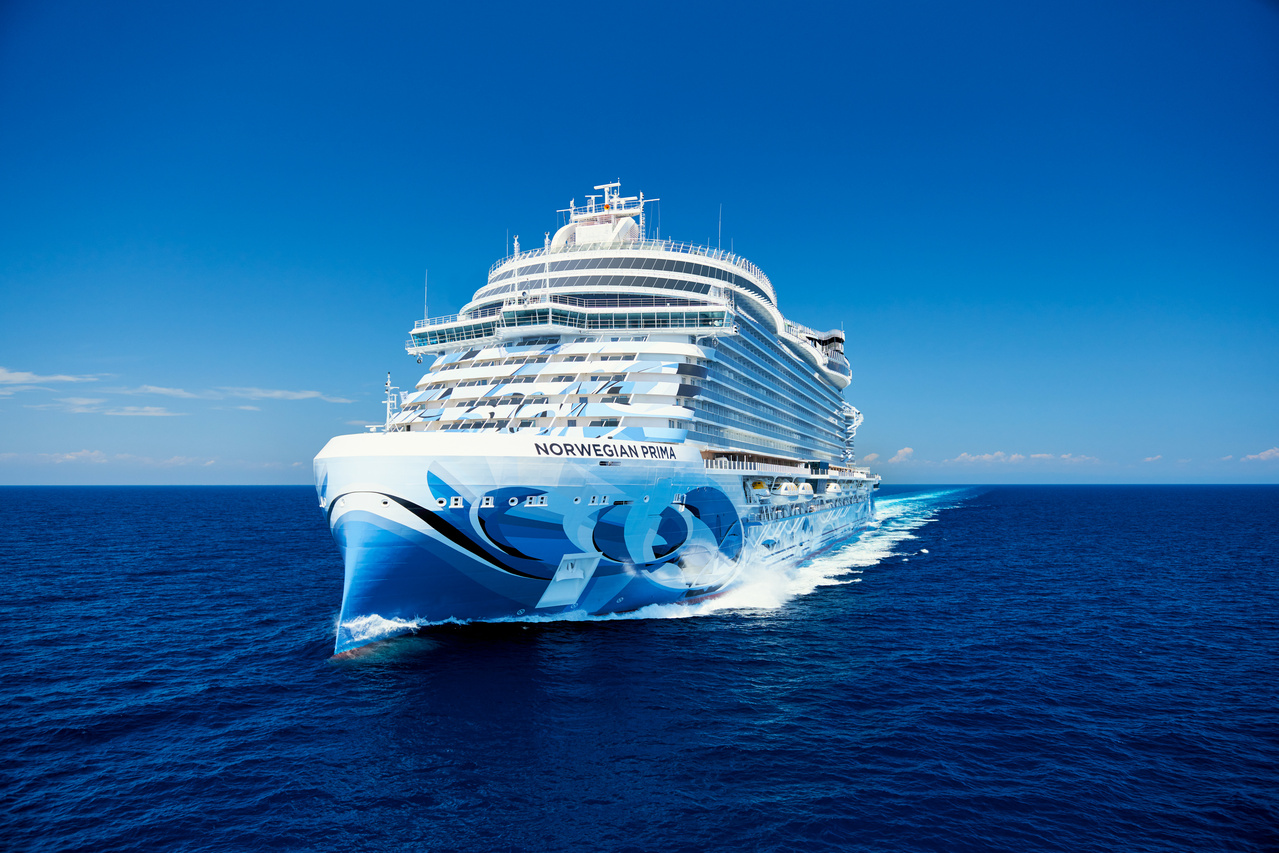
Norwegian's transatlantic sailings from New York are repositioning voyages — the line moving ships to or from European seasonal service. These crossings are typically longer than Cunard's dedicated service, often with a port stop or two breaking up the sea days, and the onboard atmosphere is casual and activity-driven.
Check Norwegian Transatlantic Departures
Expect five to seven consecutive sea days with no land in sight. This route is defined by open ocean, not port stops. The appeal is the rhythm of unstructured time — reading, dining, walking the deck. If you need a new destination every morning, this is the wrong itinerary.
This pairing works for readers, introverts recharging between commitments, couples wanting long meals with no agenda, and anyone who treats the ship as the destination. It also suits one-way travellers positioning themselves in Europe without a flight. If you get restless easily, be honest about that before booking.
The tradeoff is straightforward: you gain uninterrupted days at sea, formal evening traditions, and the dramatic experience of watching a continent appear on the horizon — but you sacrifice port diversity, shore excursions, and the stimulation of new cities every day. Choosing the right line and cabin category matters more here than on any port-intensive itinerary. Holland America from New York City is one option worth exploring for those who value classic ocean liner ambiance.
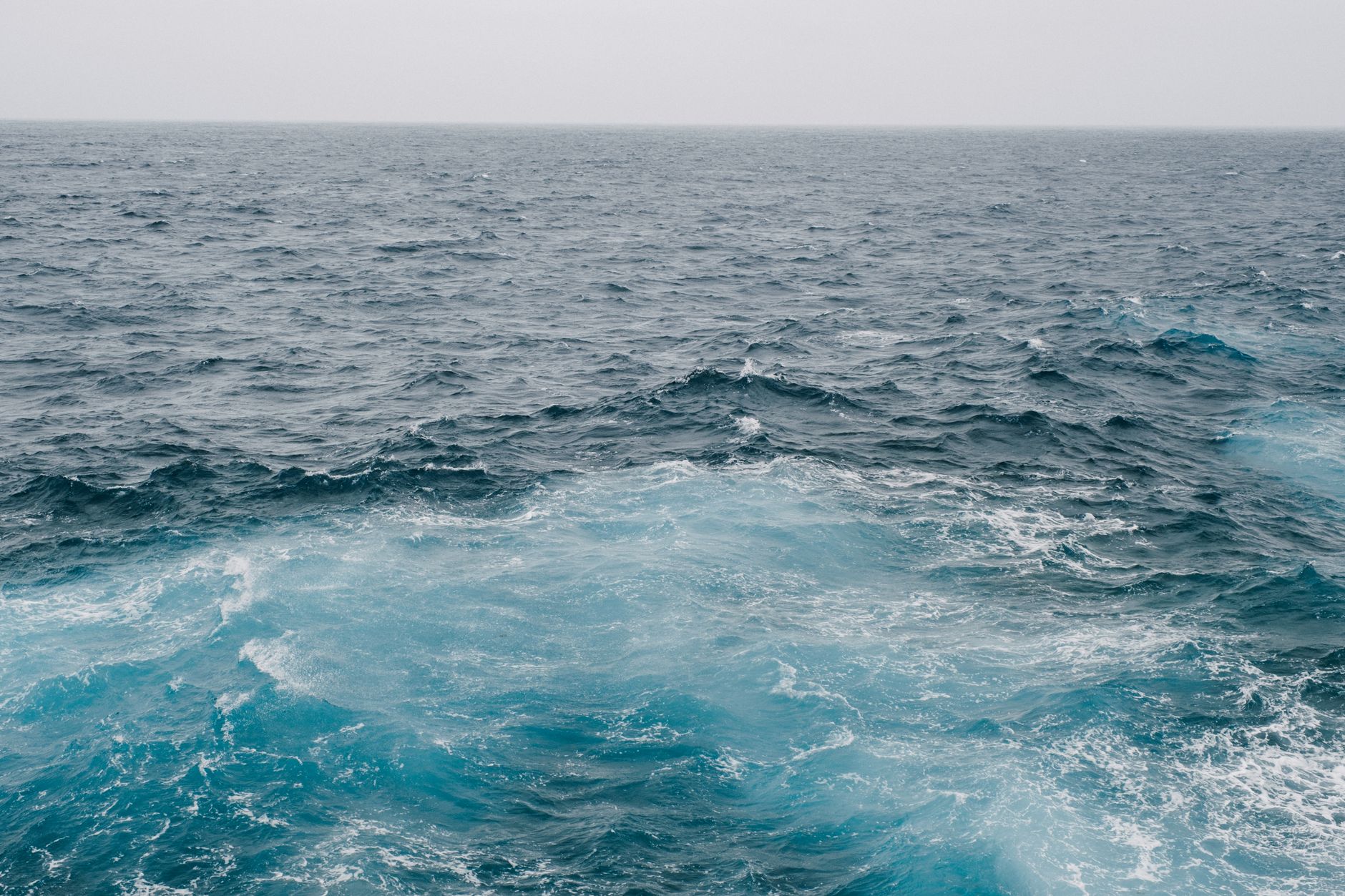
This pairing is ideal for travellers who genuinely enjoy unstructured time at sea and want the theatrical departure that only New York provides — but it demands patience with five or more consecutive sea days and, outside Cunard's scheduled crossings, limited seasonal availability that narrows your booking window considerably.












