




Unique Routing Geometry
Cartagena's position between the Southern Caribbean island chain and the Panama Canal enables itinerary designs that would not make geographic sense from Miami or San Juan.

Destination from Port
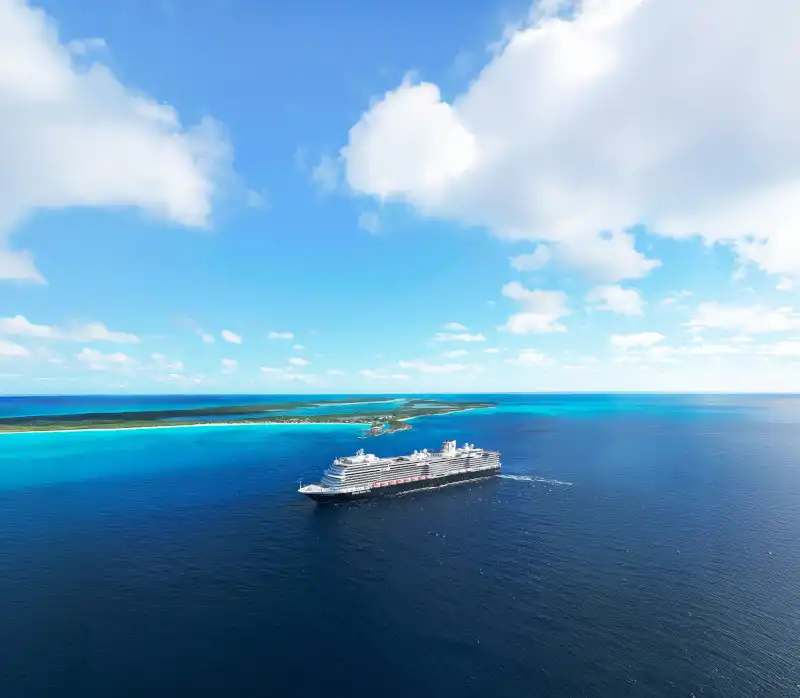
Cartagena sits on Colombia's northern Caribbean coast, positioned between the Southern Caribbean island chain and the Panama Canal — a geographic sweet spot that unlocks itinerary shapes most traditional departure ports simply cannot replicate. Sailing from here means cruise lines can stitch together Caribbean stops, Canal transits, and South American coastal calls in combinations that would require awkward repositioning from Miami or San Juan.
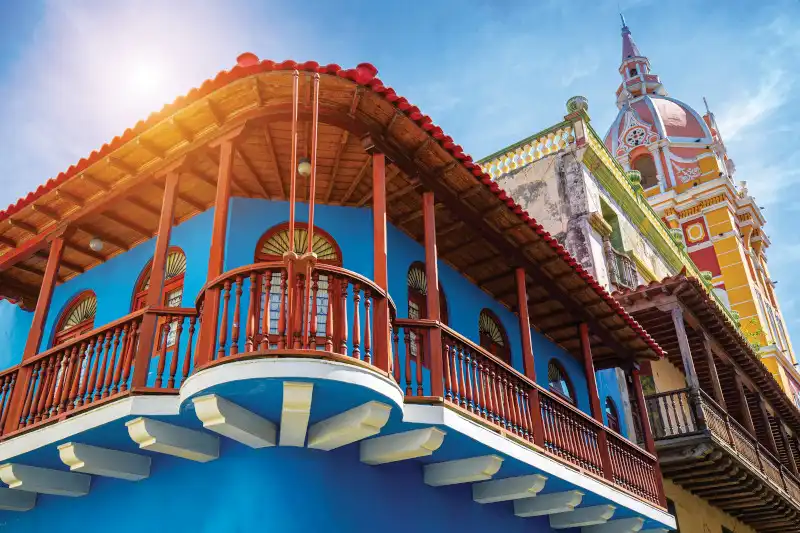
This pairing tends to suit travelers who want the trip to begin before embarkation, not after. Cartagena's UNESCO-listed Old City, its distinct Caribbean-African-Spanish culinary scene, and its walkable port area mean arriving a day or two early isn't a logistics chore — it's a genuine extension of the voyage. The port works especially well for cruisers drawn to cultural immersion, warm-weather comfort, and itineraries that feel purposefully routed rather than mass-market.
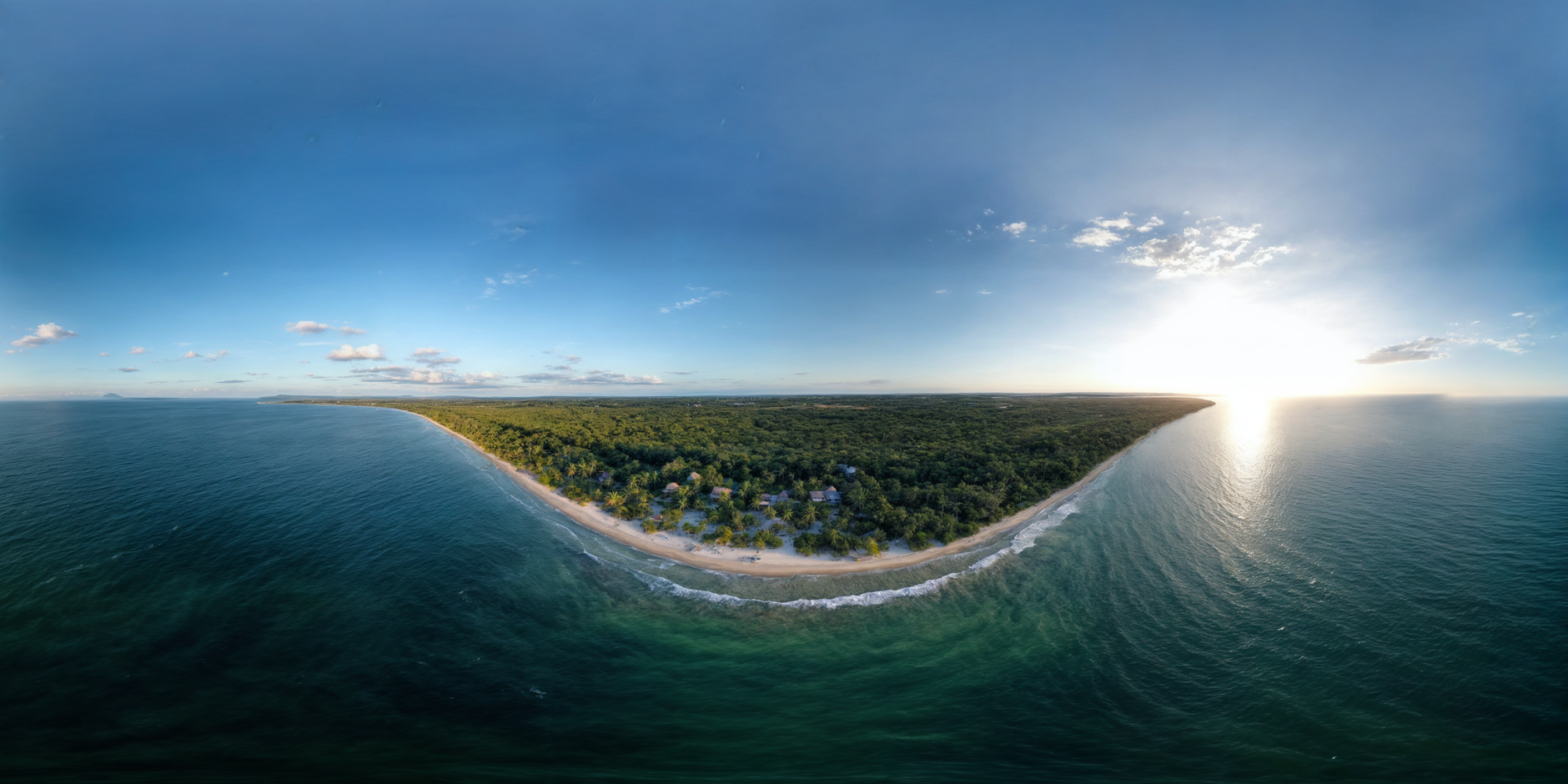
Cartagena's position on Colombia's northern Caribbean coast creates routing characteristics that shape the entire cruise experience — here's what to expect.
Cartagena's position between the Southern Caribbean island chain and the Panama Canal enables itinerary designs that would not make geographic sense from Miami or San Juan.
Sailings from here can blend Caribbean island ports with mainland South American stops in a single voyage, offering a dual-region experience most embarkation ports cannot match.
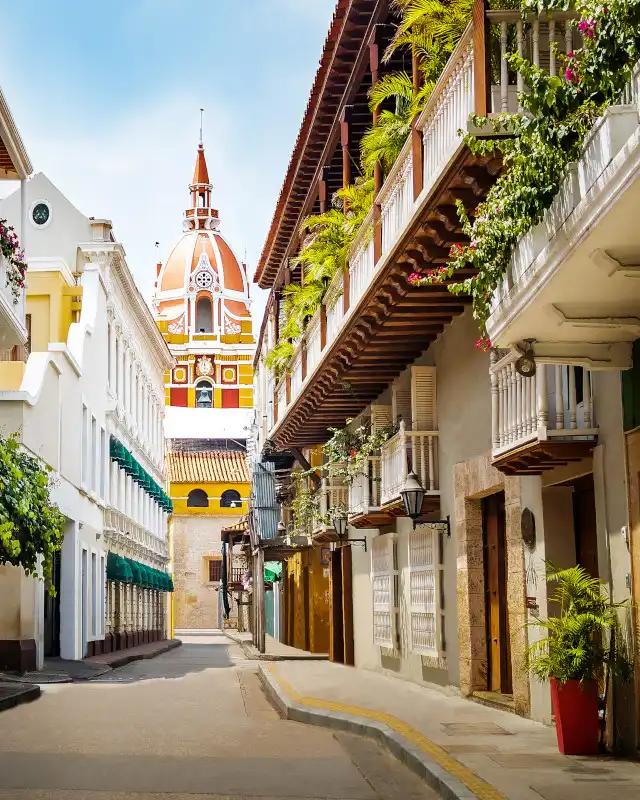
The UNESCO World Heritage–listed Old City means the trip starts the moment you land, not the moment you board, making pre-cruise time genuinely rewarding.
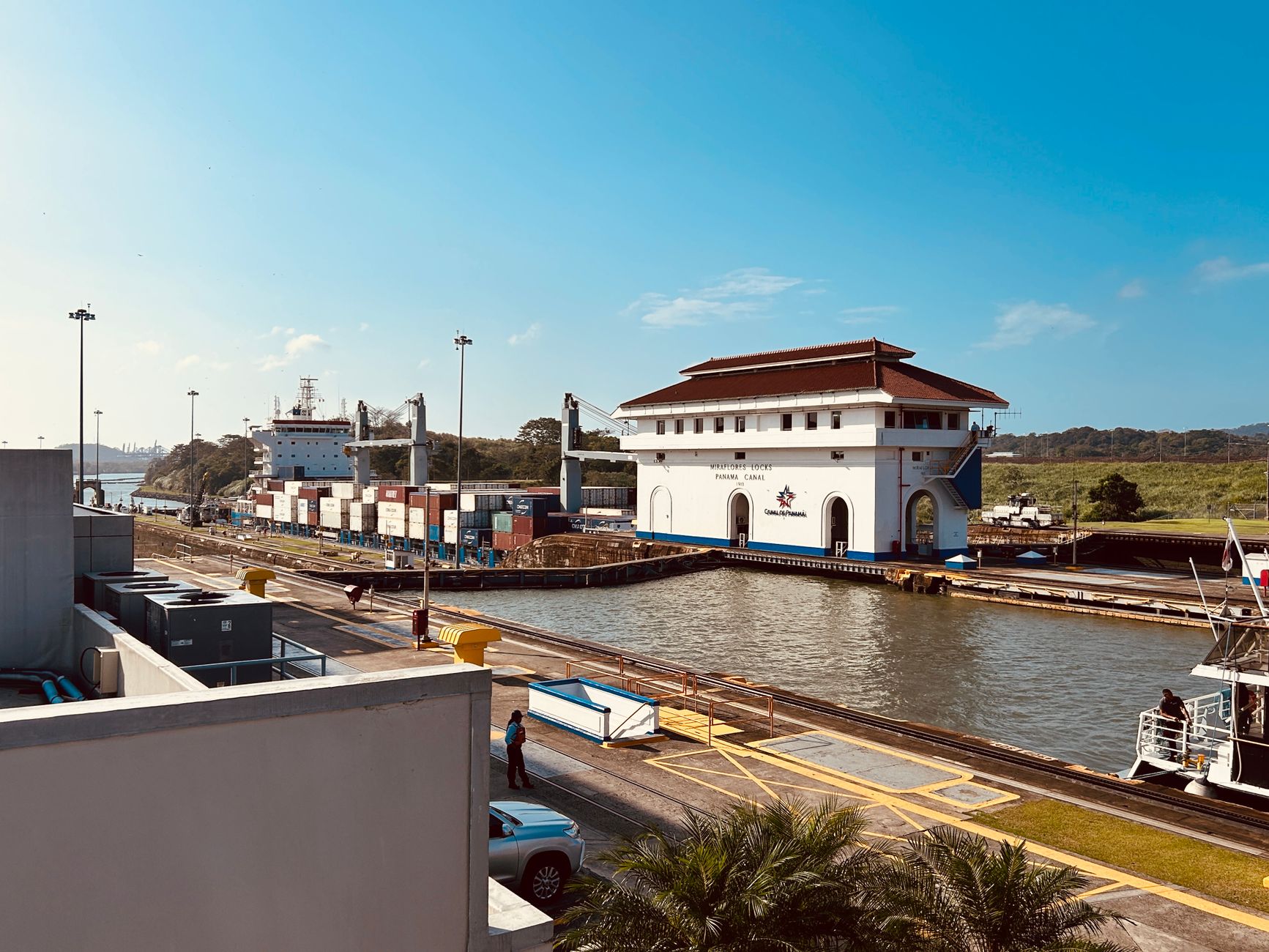
The short sailing distance to the Canal means itineraries can include a transit without burning multiple sea days just to reach the approach.
The cruise season runs roughly October through April, aligning with the Caribbean's peak travel window and the dry season on Colombia's coast for predictable weather.
A crossroads of Caribbean, African, and Spanish culinary influences gives Cartagena a food scene worth arriving early to explore before embarkation day.
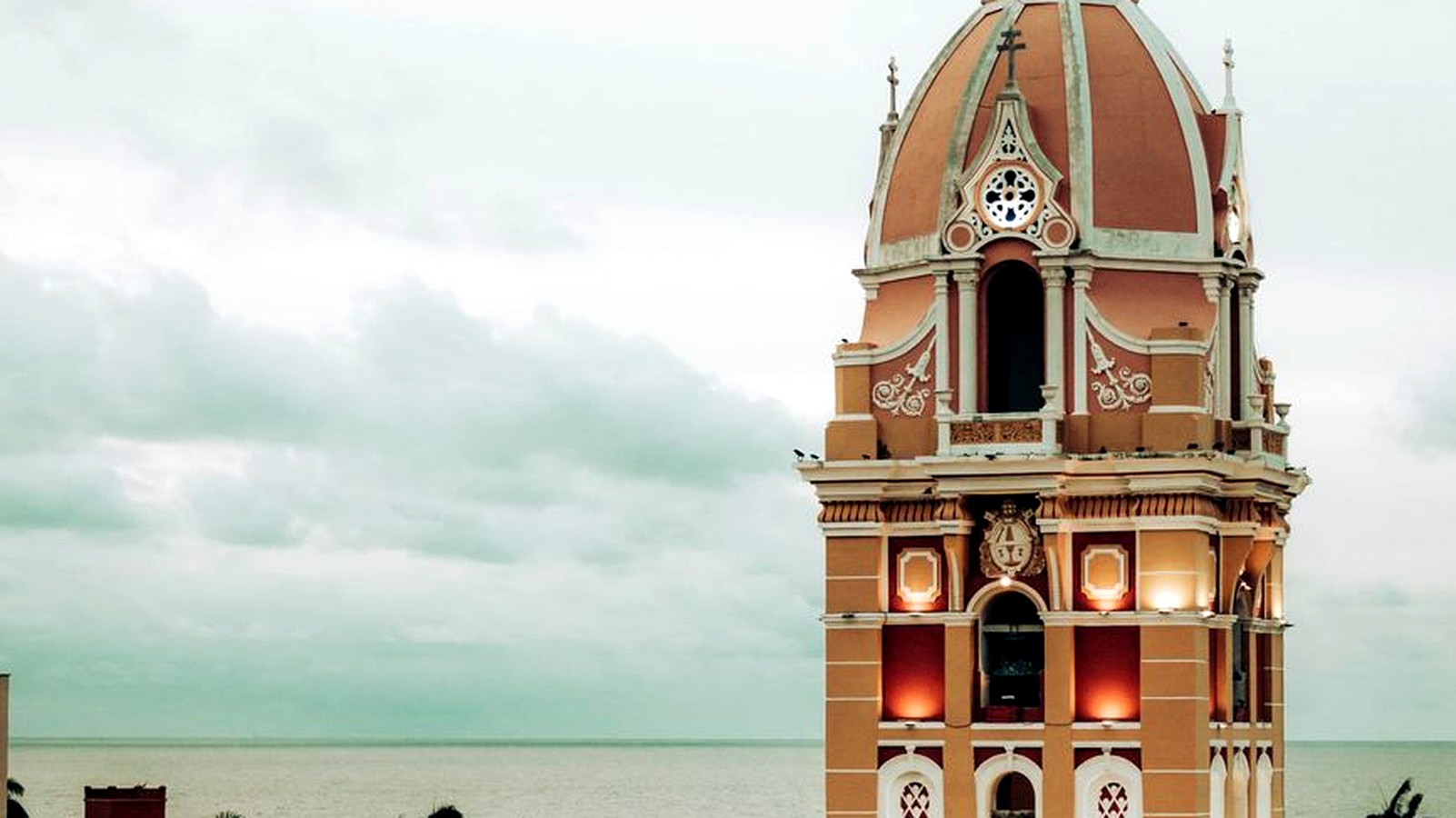
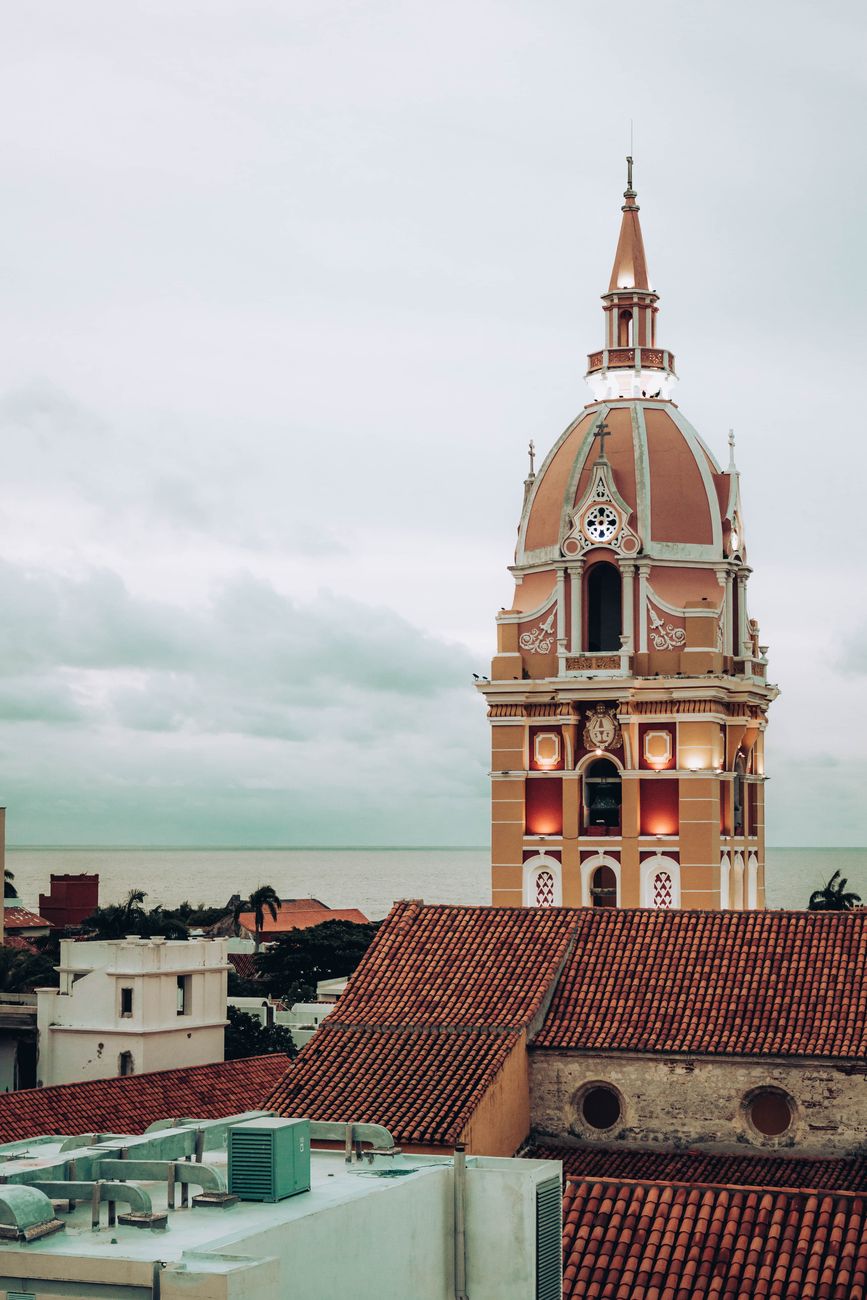
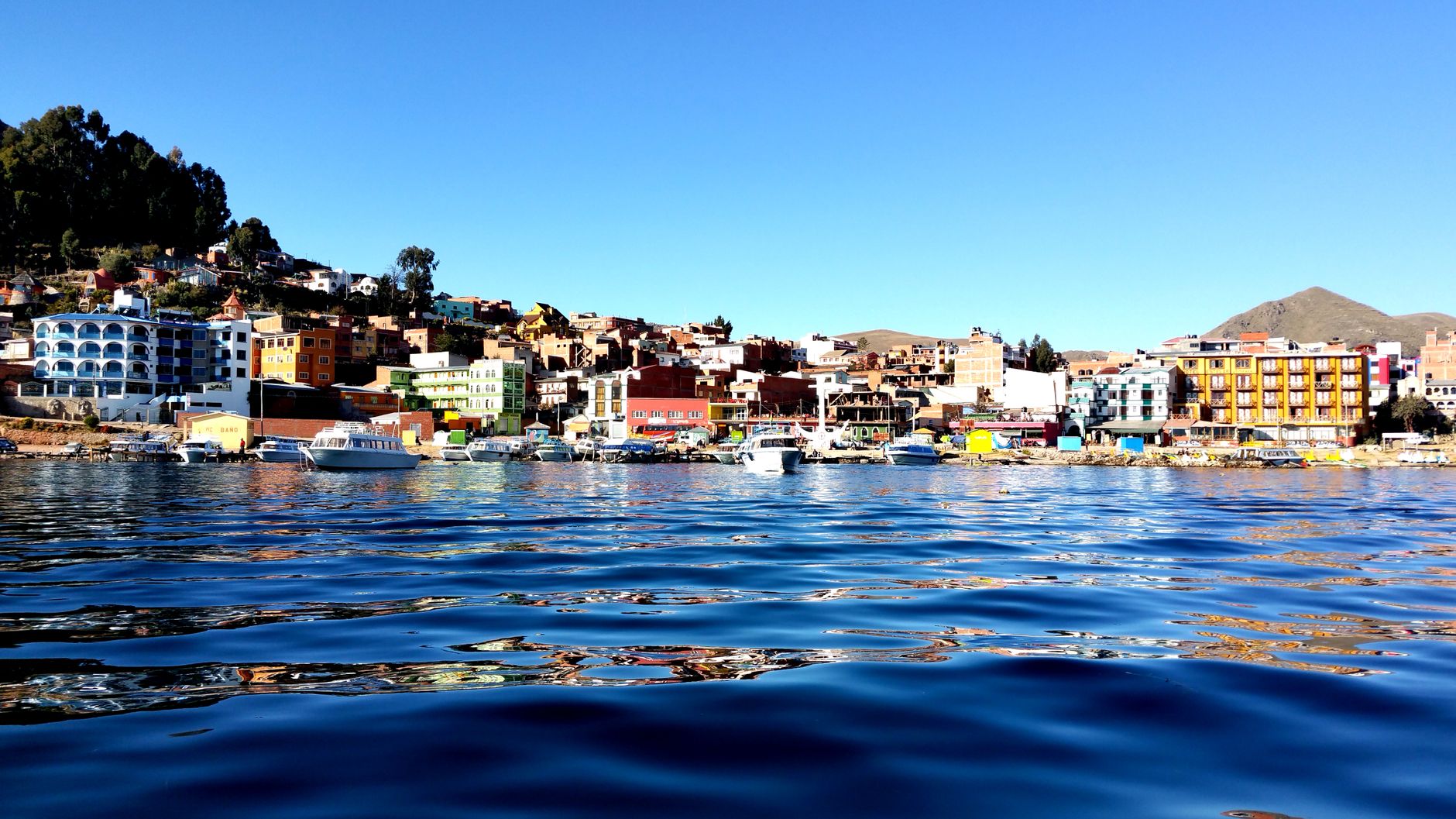
Postcards from this route
Scenes from Cartagena's Caribbean coast and the itineraries that begin here.
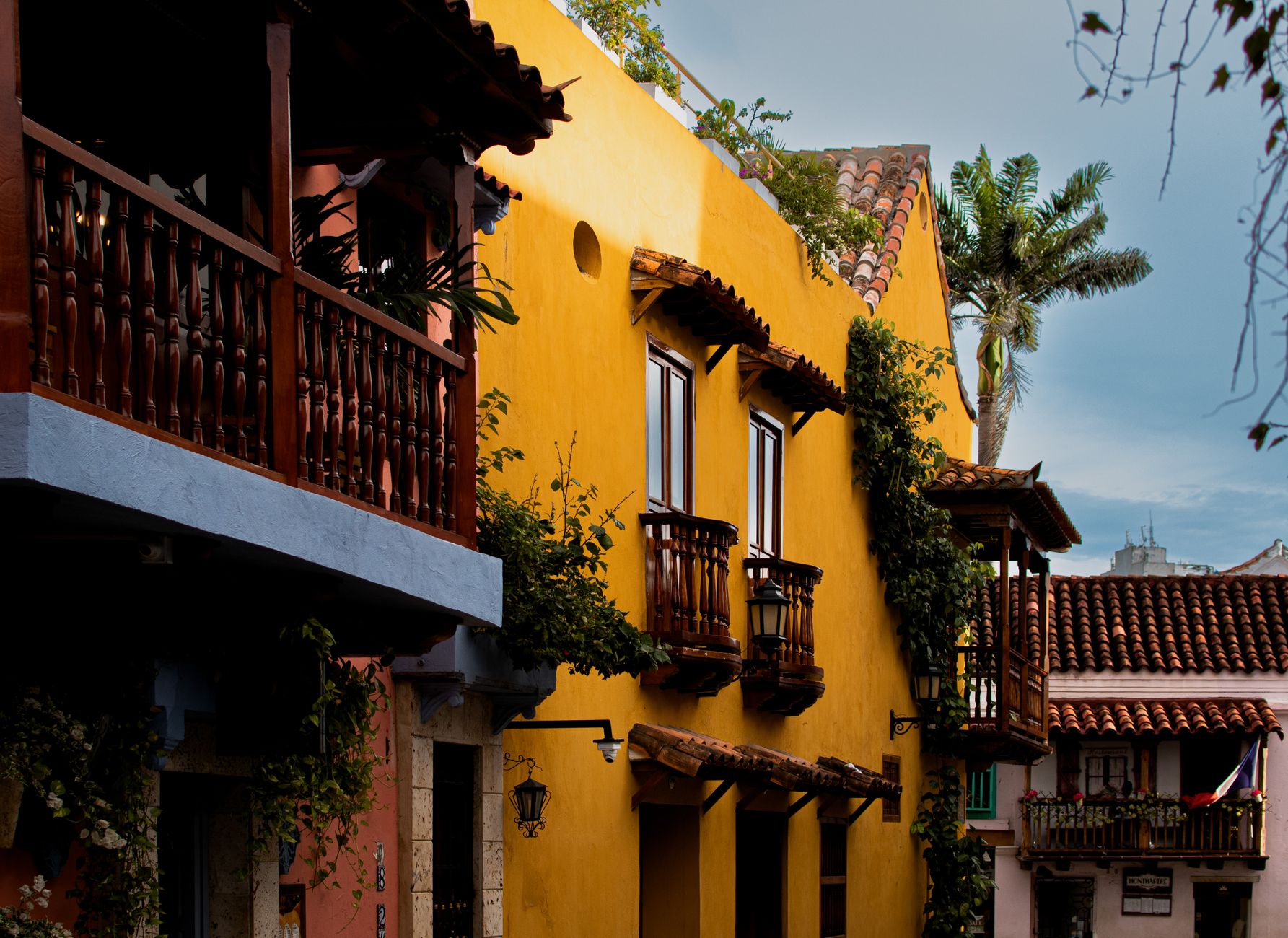
Cartagena rewards early arrivals. If you treat the departure port as the first destination — exploring the Walled City, eating your way through local markets — this pairing delivers value most embarkation ports can't. Plan at least one extra night ashore.
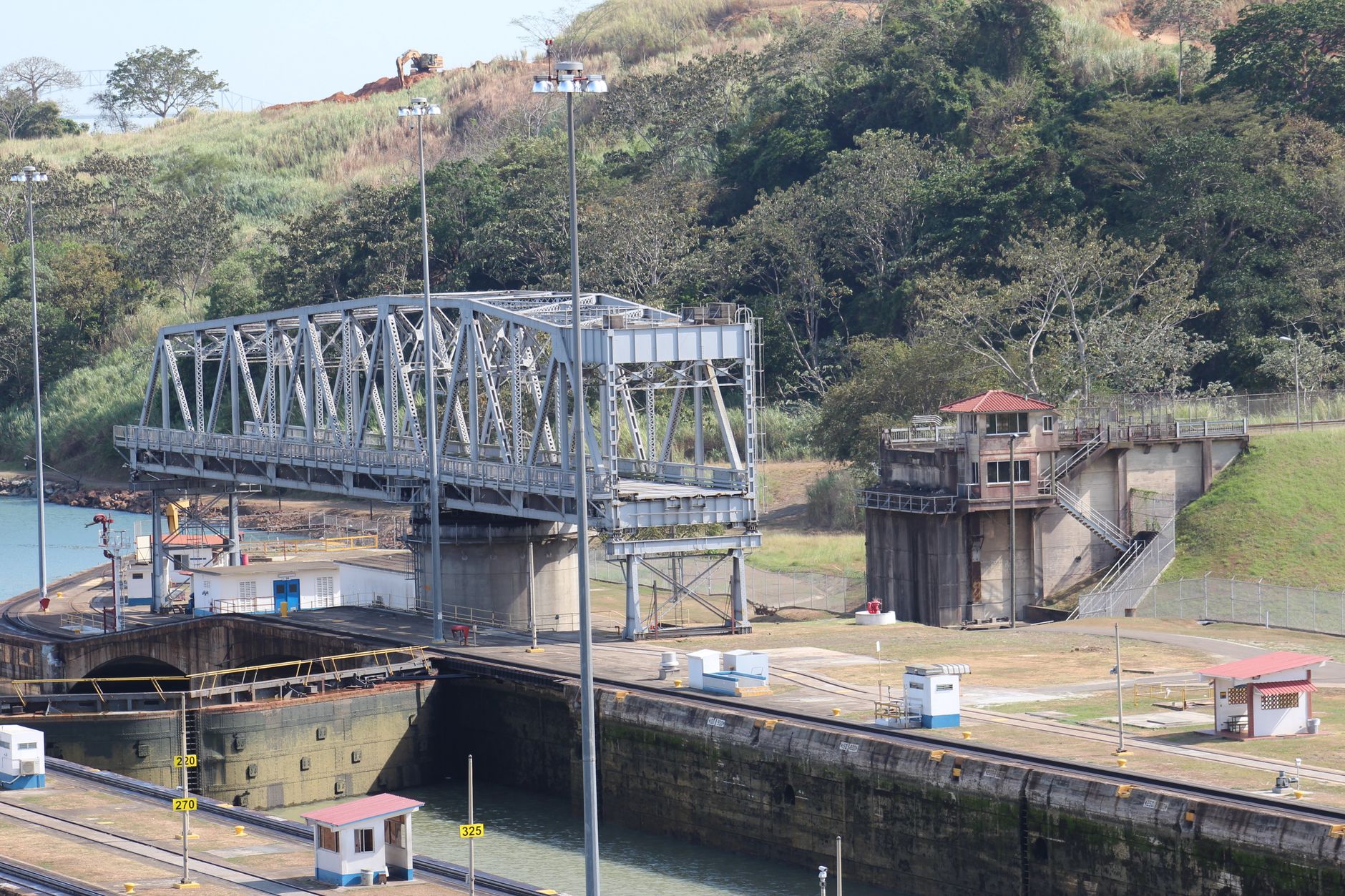
Cartagena's geographic position unlocks itinerary designs that simply don't work from U.S. homeports. If you've exhausted the standard Eastern and Western Caribbean loops and want routing that feels genuinely different, this port opens doors.
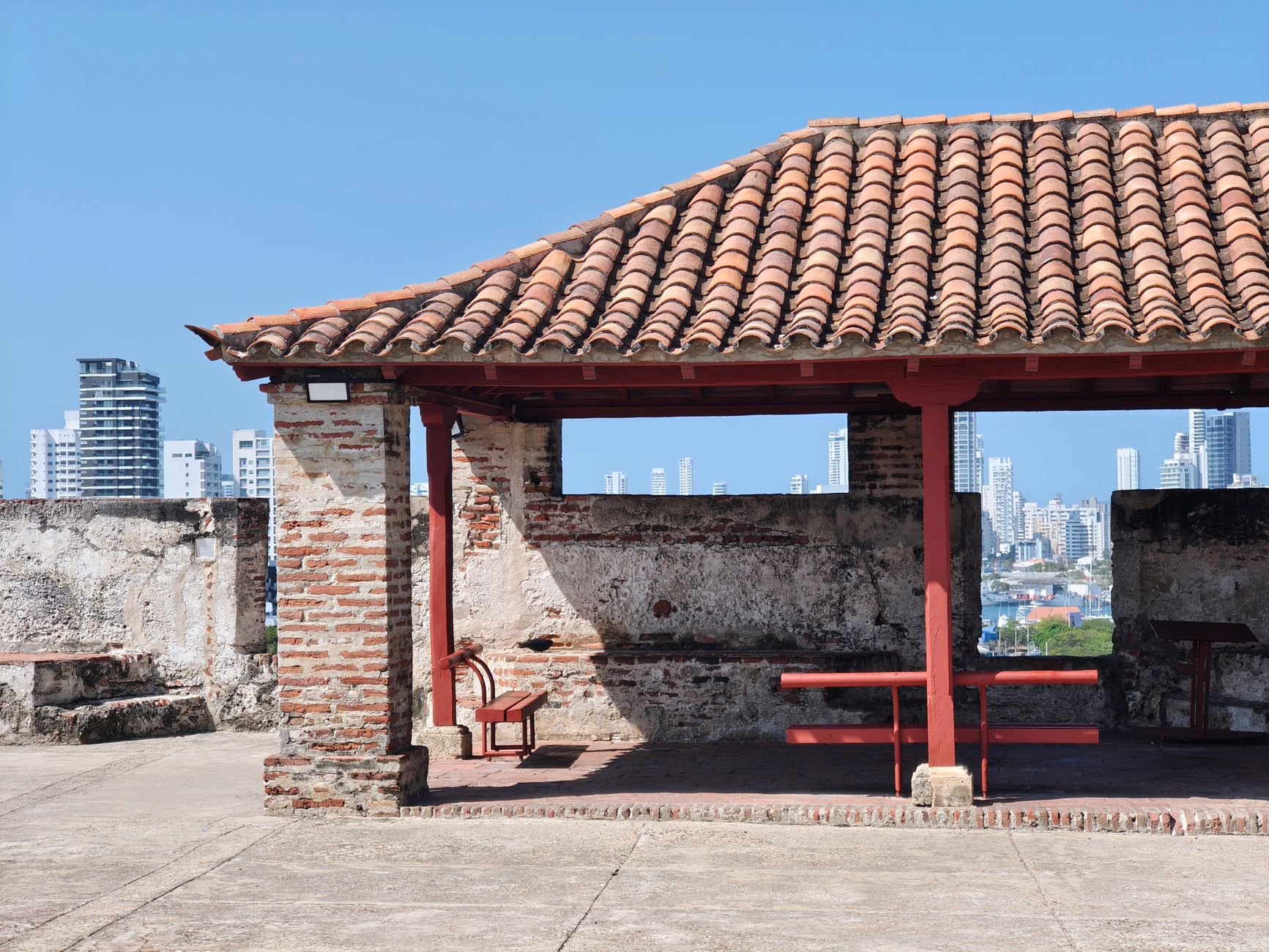
Cartagena's tourist zones are well-regarded for safety, but this is still a Colombian port that requires an international flight and some comfort navigating a less-familiar arrival experience. If the logistics of getting to the ship will stress you out more than excite you, a U.S. homeport may be the better call.
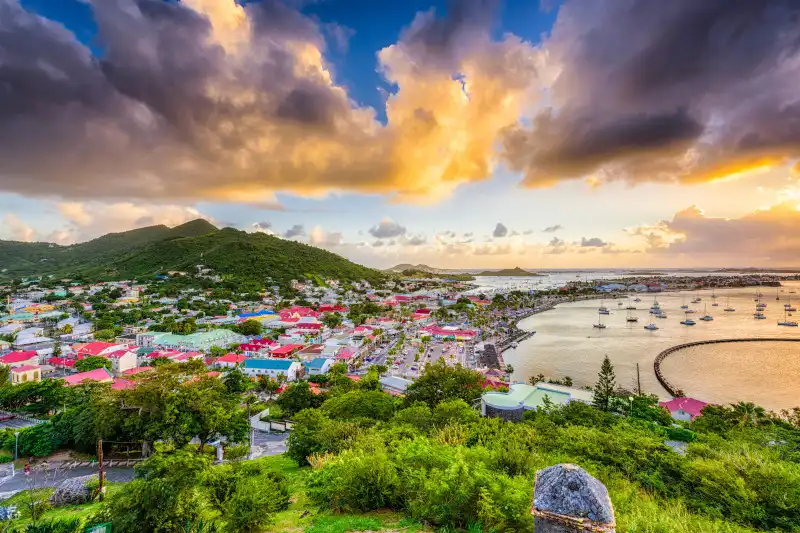
Cartagena's cruise season is roughly October through April, and not every line sails from here consistently. If your schedule demands summer departures or you want to compare dozens of ships and dates, the inventory from this port will feel thin compared to major hubs.
Departure Port Logic
Cartagena's location on Colombia's northern Caribbean coast isn't just a novelty — it fundamentally reshapes what a South America cruise can include. Sitting close to the Panama Canal and the Southern Caribbean island chain, it lets cruise lines build itineraries that would require days of repositioning from Miami or San Juan. That means less open-ocean transit and more port-intensive days, which changes the rhythm of the entire voyage. If you've sailed Caribbean itineraries from Florida and felt like too much time was spent at sea getting somewhere, Cartagena corrects that math.
The other port-specific advantage is what happens before and after the ship. Cartagena is not a turnaround terminal you rush through — it's a UNESCO World Heritage destination in its own right, with a food scene, walkable historic core, and enough depth to justify arriving two or three days early. That turns embarkation day into a genuine travel experience rather than a logistics exercise. For travelers who dislike the sterile drive-to-terminal-and-board pattern of larger homeports, Cartagena offers a meaningfully different start to the trip.
Rafael Núñez International Airport (CTG) receives direct flights from several U.S. gateways and Latin American hubs. Flight availability has expanded as cruise deployments have grown, but connections may still require a stop depending on your origin city. Build in arrival buffer time — this is not a port where a same-day flight-to-ship transfer is worth the risk.
Cartagena's cruise deployments concentrate between October and April, overlapping with the dry season on Colombia's coast. Shoulder months can offer lower fares and thinner crowds in the city, but the heaviest itinerary variety clusters in the December-through-March peak.
Unlike many turnaround ports, Cartagena rewards extra time on the ground. The Walled City, Getsemaní neighborhood, and the local food scene — rooted in Caribbean, African, and Spanish influences — give you genuine reasons to add two or three nights before boarding. It's one of the few departure ports where the pre-cruise stay can rival the cruise itself.
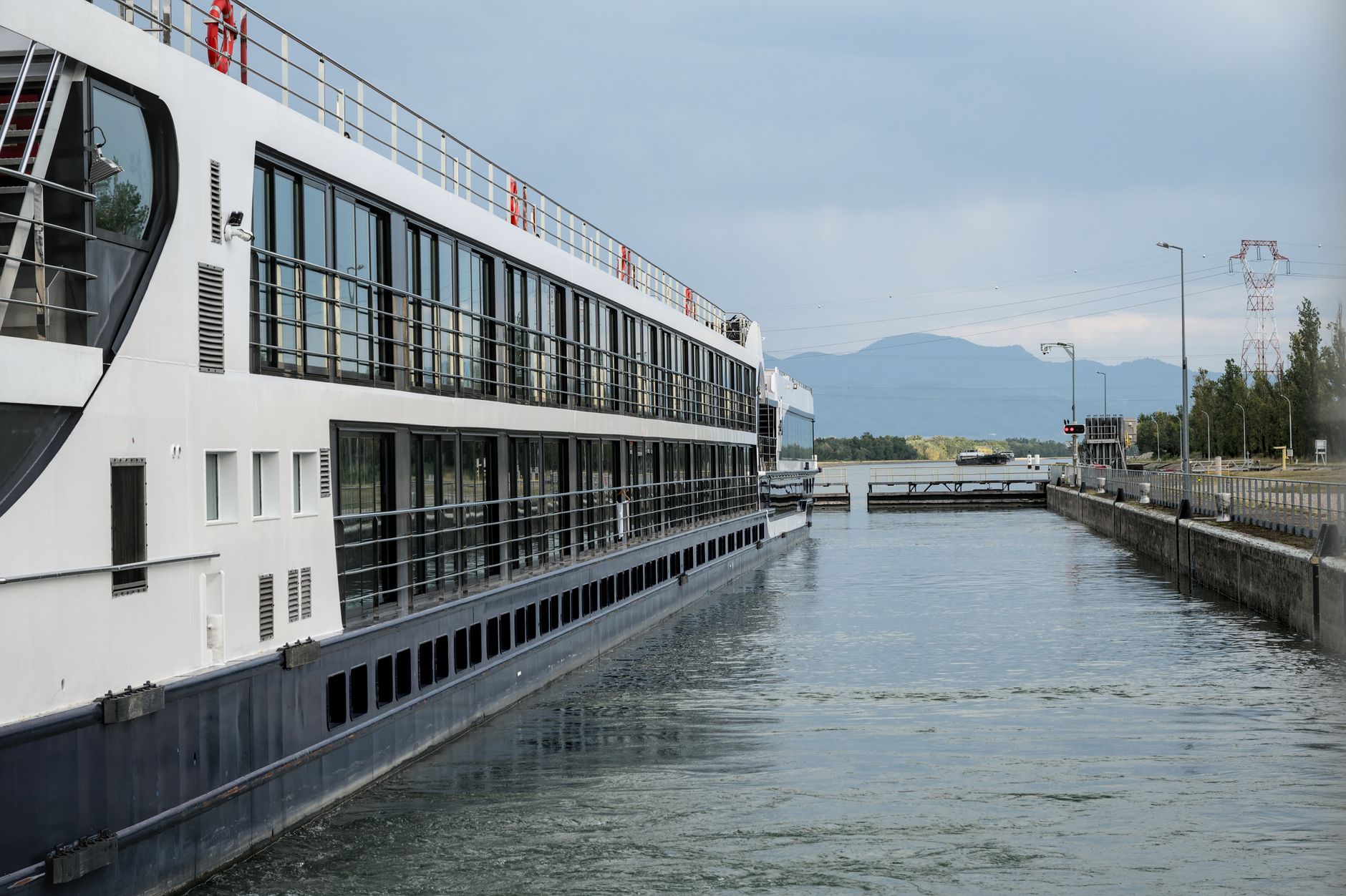
AmaWaterways is known primarily as a river cruise operator, and its presence in Cartagena-connected itineraries reflects the line's broader South American river programming rather than a traditional ocean departure from the port. Expect these sailings to be part of river-focused or combination itineraries that may use Cartagena as a gateway city rather than a conventional embarkation point.
View AmaWaterways sailings from Cartagena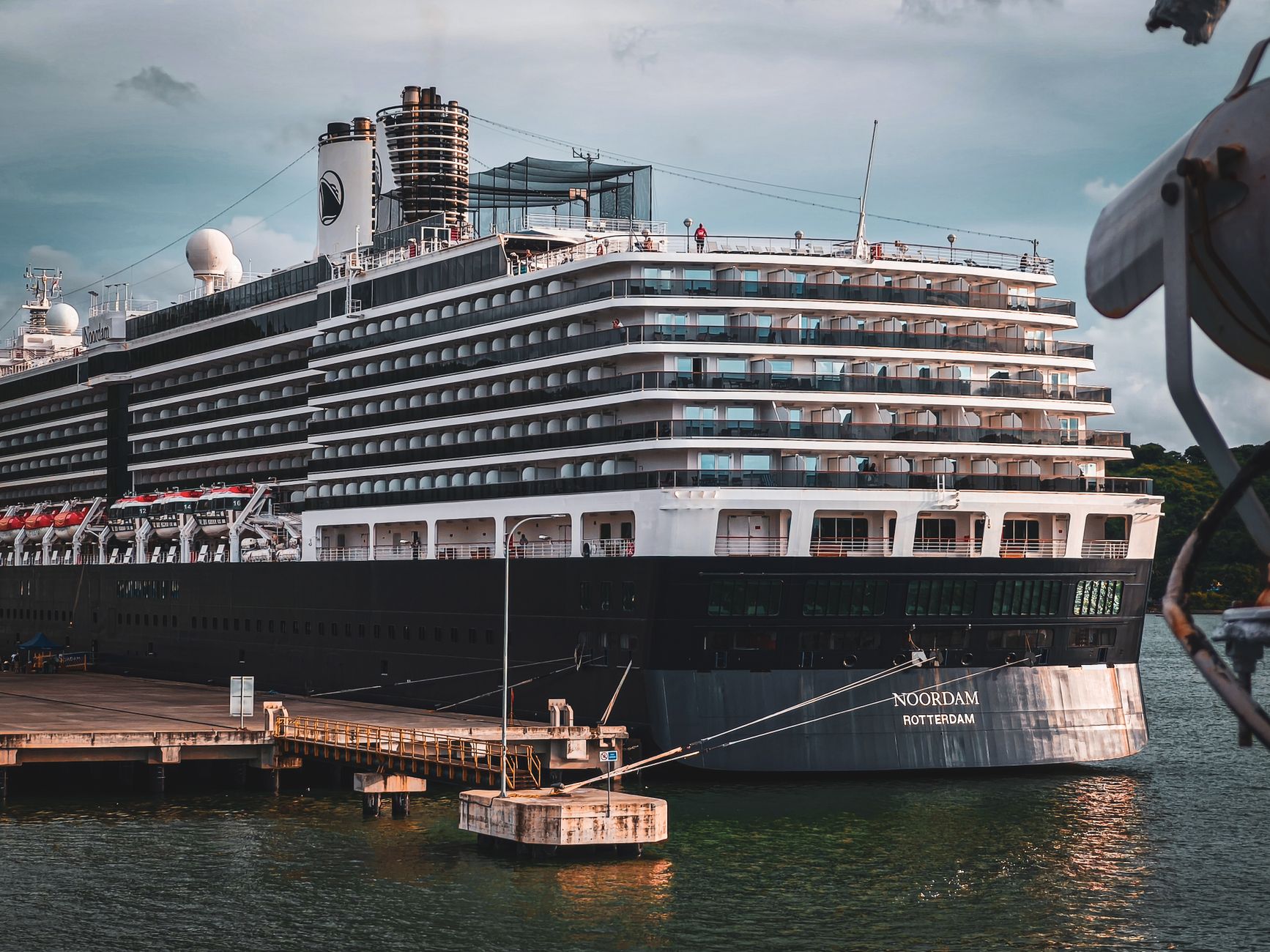
Silversea approaches Cartagena the way it approaches most ports — as part of a longer, deliberately routed voyage rather than a high-frequency deployment. With limited sailings from here, the line treats Cartagena as a strategic waypoint on broader South American or canal-transit itineraries, pairing it with ports that mainstream lines often skip.
View Silversea sailings from Cartagena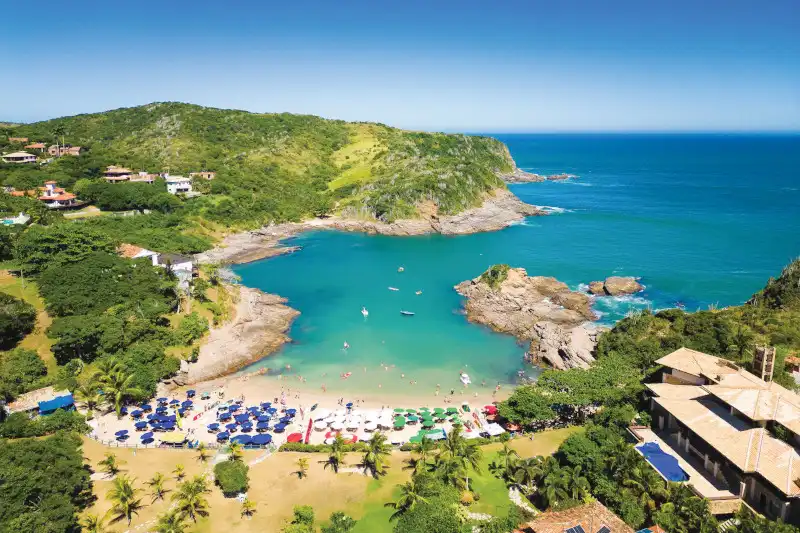
Cartagena sits where the Southern Caribbean meets the Panama Canal corridor. That geography lets cruise lines design itineraries blending Caribbean island stops with deeper South American and Central American calls — routes that don't make sense from Miami or San Juan. If you want a cruise that feels less like a standard Caribbean loop, this port delivers structurally different options.
Cartagena rewards travelers who arrive early and treat the departure port as a destination itself. A UNESCO World Heritage Old City, a standout culinary scene blending Caribbean, African, and Spanish influences, and a walkable historic core mean pre-cruise days here aren't filler — they're a highlight. If you prefer to board and go, this port asks more of you than a standard embarkation city.
The sailing season concentrates between October and April, narrowing your scheduling window. Getting to Cartagena requires an international flight, and safety questions in Colombia come up often — tourist districts like the Walled City are well-traveled, but you'll want to do your homework on neighborhoods and logistics. This is a port that trades convenience for routing payoff.

Cartagena earns its spot on a shortlist for cruisers who want a culturally rich pre-cruise experience and access to itineraries that blend the Southern Caribbean with Panama Canal or deeper South American routing — geometry that Miami and San Juan simply can't replicate. The tradeoff is real, though: fewer sailing dates, a narrower selection of ships, and the need to plan around a roughly October-to-April season mean less flexibility than you'd get from a major U.S. homeport.











