




One-Way Repositioning Format
This is not a round-trip — the ship starts in San Diego on the Pacific side and ends at an Atlantic port like Fort Lauderdale, so you'll need to arrange a one-way flight home.

Destination from Port
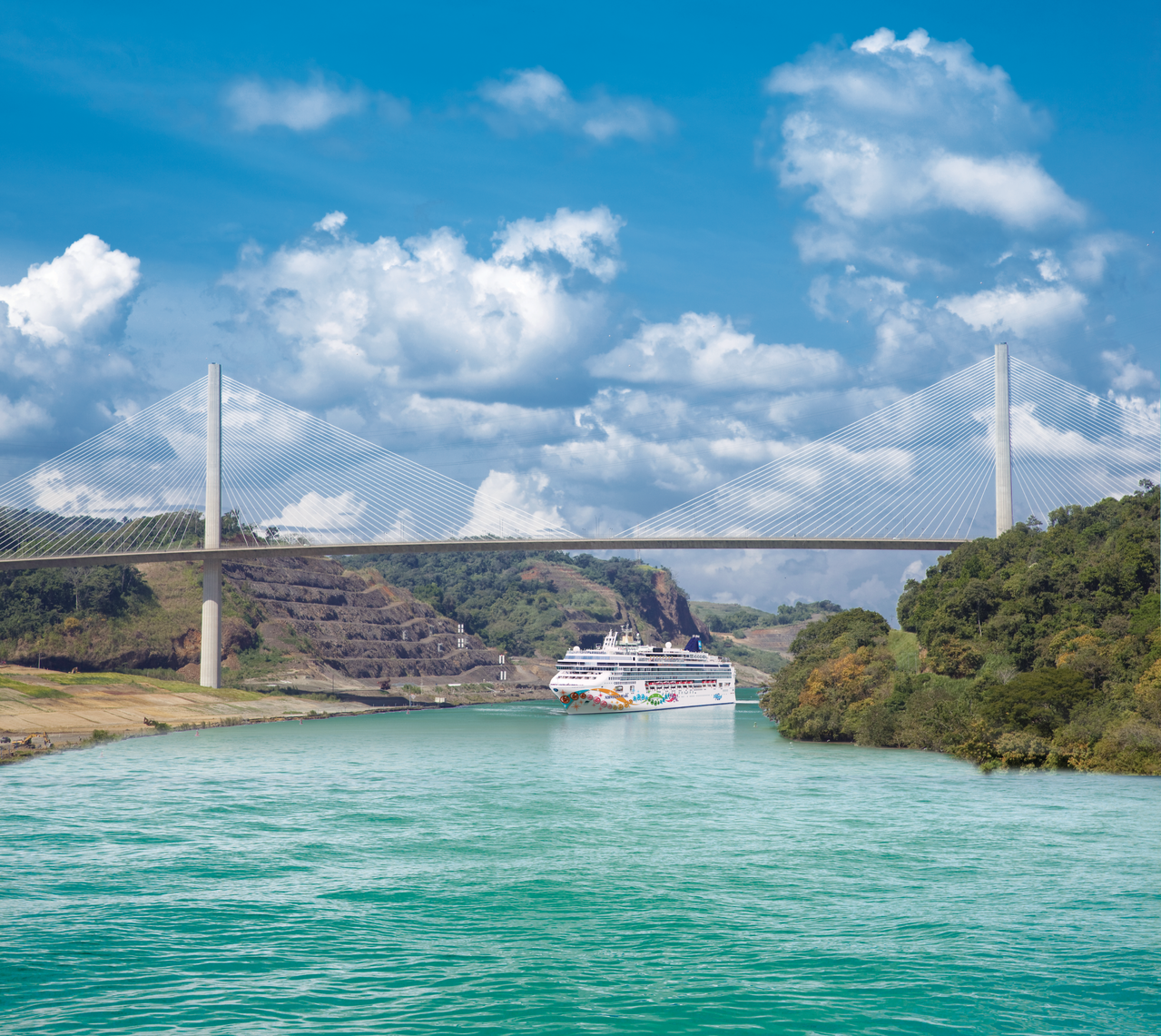
San Diego serves as one of the few West Coast departure points for a full-transit Panama Canal sailing, and the pairing creates a natural southbound repositioning route from the Pacific to the Atlantic. The ship heads down the coast, calls on Mexican and Central American ports, then enters the canal on the Pacific side — meaning you cover a long, scenic corridor without backtracking. It's a one-way voyage by design, typically ending in Fort Lauderdale or a similar Atlantic-side port, and that linear shape is part of what makes the route feel purposeful rather than circular.
This pairing tends to suit experienced cruisers, retirees, and couples marking a milestone — travelers willing to commit two weeks or more to a deliberate, slow-paced itinerary. San Diego's accessible, manageable embarkation port adds a layer of convenience at the start, especially for West Coast residents who can drive in or fly to a familiar city before a long voyage south.

What defines this repositioning sailing — from embarkation pace to transit-day theatrics — and why each detail matters for planning.
This is not a round-trip — the ship starts in San Diego on the Pacific side and ends at an Atlantic port like Fort Lauderdale, so you'll need to arrange a one-way flight home.
Most full-transit sailings run 14 to 16 days, creating a deliberately slow rhythm with multiple sea days that suits travelers who prefer unhurried voyaging over port-hopping.
The emotional centrepiece is a full day passing through the locks — often beginning before dawn — offering hours of on-deck viewing as the ship is raised and lowered between oceans.
The canal's lock dimensions favor mid-sized vessels, which means the lines sailing this route tend to offer more intimate ships rather than the largest mega-ships afloat.
Sailings cluster in the cooler, drier months of the Central American calendar, with the sweet spot falling after the rainy season ends to maximize comfortable conditions ashore.
The two-week one-way format naturally attracts seasoned cruisers, retirees, and couples celebrating milestones rather than first-timers or families with young children.
Postcards from this route
San Diego to the Atlantic — locks, coastlines, and open Pacific in between.
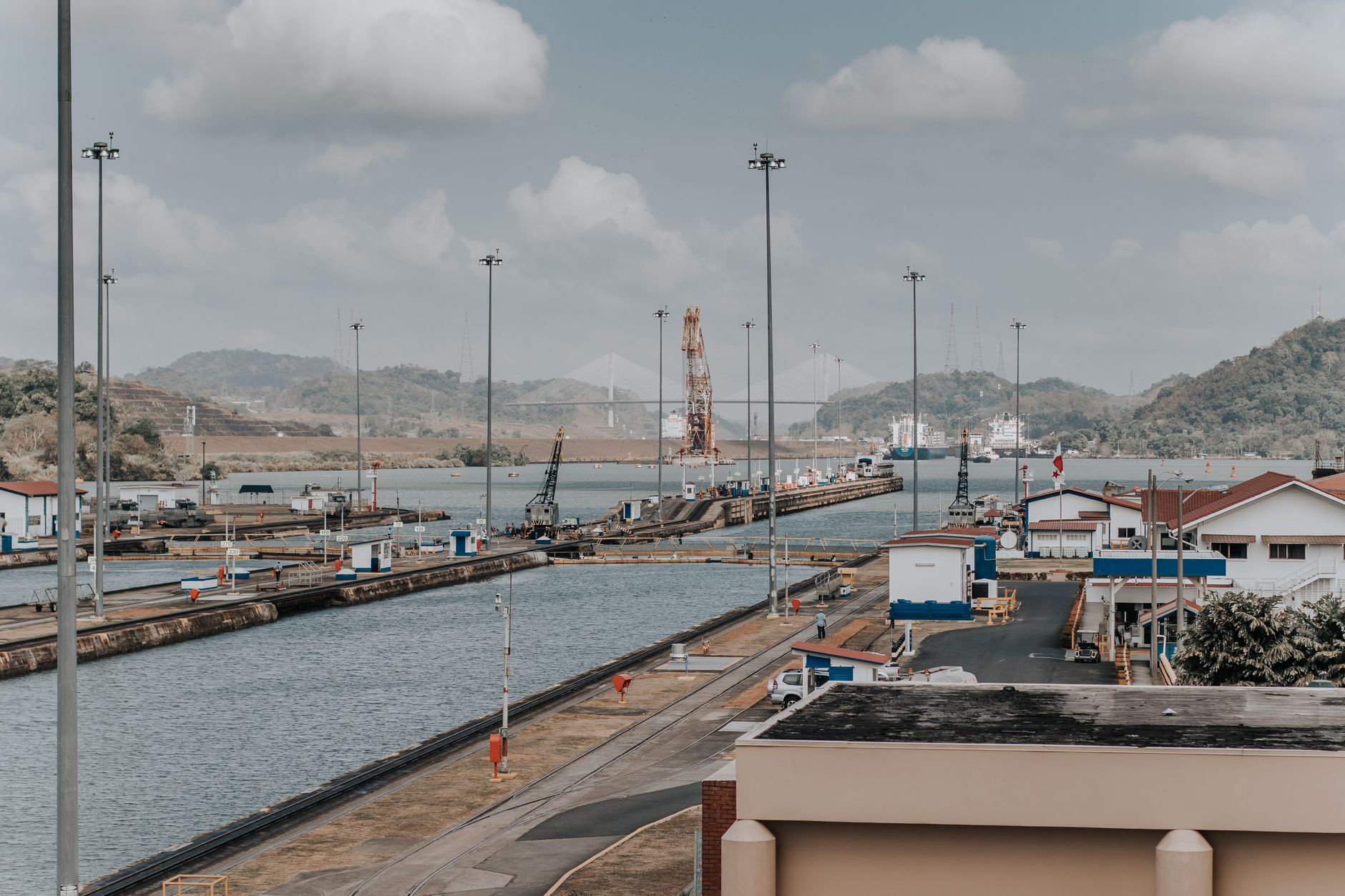
This route exists for the transit day itself — watching your ship rise through the locks is the centrepiece. If the canal is the goal rather than a port-of-call checklist, San Diego gives you a clean Pacific-side departure with southbound momentum toward Panama.
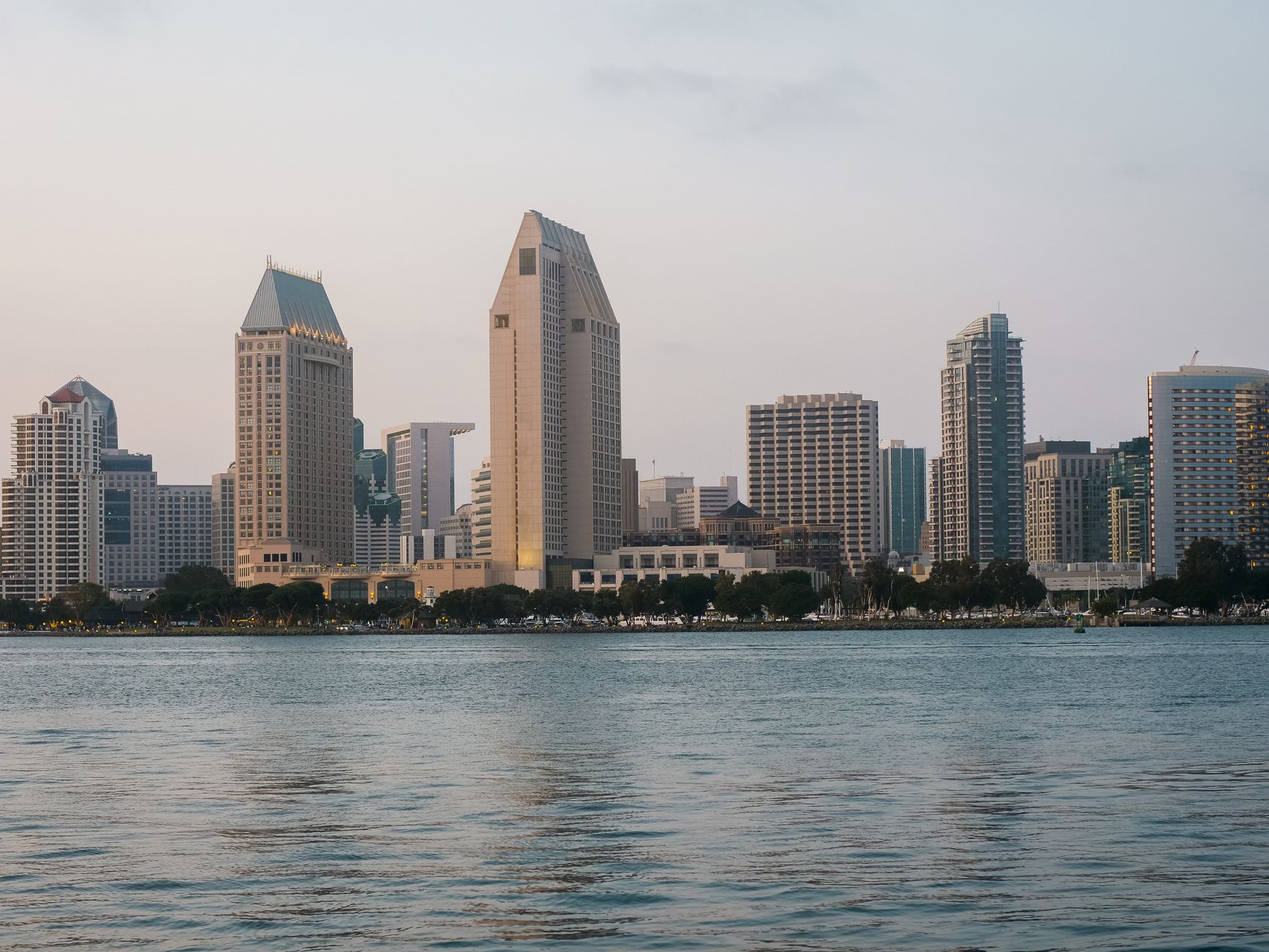
Repositioning sailings from San Diego run two weeks or longer with generous sea days built in. If you enjoy the rhythm of shipboard life and don't mind booking a one-way flight home from the Atlantic side, the pacing here is a feature, not a bug.
This is a one-way repositioning voyage — the ship doesn't return to San Diego. You'll need to arrange a flight back from Fort Lauderdale or wherever the sailing ends. If you can't commit two-plus weeks or handle asymmetric logistics, a partial-transit or Caribbean loop may suit you better.
The itinerary prioritises the canal crossing over destination density. Port calls along the way are secondary, and several days will be open ocean. If you measure a cruise by how many places you visit ashore, this route will feel under-programmed compared to a Caribbean or Mediterranean sailing.

Departure Port Logic
San Diego is one of the southernmost major cruise ports on the U.S. West Coast, and that geography matters. Starting here instead of Los Angeles or San Francisco shaves roughly a day of open-ocean sailing before the ship reaches its first Mexican Riviera or Central American port of call. That means the route's early rhythm feels less like a marathon and more like a graduated warm-up — shorter initial sea stretches, earlier port stops, and a gentler transition into the tropics.
There is also a practical advantage that experienced cruisers notice: San Diego's single-terminal port is compact and relatively low-stress compared to busier embarkation hubs. Parking, check-in, and boarding tend to move quickly, which is a welcome start to a voyage that can run two weeks or longer. And because the city itself is a genuine destination — with its waterfront, Gaslamp Quarter, and proximity to Baja California — it lends itself to a pre-cruise stay that actually enhances the trip rather than feeling like a logistical obligation.
Because most Panama Canal sailings from San Diego are repositioning cruises ending on the Atlantic side, you will need to arrange a one-way flight home — typically from Fort Lauderdale or a Caribbean port. Factor this into your budget and booking timeline early.
San Diego's mild climate and walkable waterfront make it one of the easier West Coast ports to enjoy before departure. A night or two pre-cruise lets you adjust to Pacific time if you are flying in and avoids the stress of a same-day embarkation on a lengthy voyage.
Departing from San Diego rather than ports farther north means the ship reaches warmer waters and the first port stops sooner. This matters on a long itinerary — early engagement with ports helps set the rhythm before the highlight transit day through the locks.
Holland America leans into the enrichment side of this route — onboard lecturers, canal history programming, and a pace that treats sea days as destination days rather than filler.
See Holland America sailings
Norwegian brings a more contemporary, flexible onboard style to the canal transit — freestyle dining, a broader entertainment mix, and a less structured daily rhythm than traditional lines.
See Norwegian sailings
Princess occupies a middle lane — polished enough to feel premium, broad enough in programming to keep a mixed-age group engaged across a long repositioning itinerary.
See Princess sailing
Royal Caribbean brings its large-ship energy to a route that is otherwise dominated by mid-sized vessels — more onboard activity, more dining variety, and a livelier social atmosphere.
See Royal Caribbean sailing
This is a one-way, full-transit sailing — San Diego to the Atlantic side, typically ending in Fort Lauderdale. Expect 12–16 days at sea with long stretches of open water punctuated by Pacific-coast port calls and the canal itself. It's paced for immersion, not port-hopping.
This route skews toward seasoned travelers, retirees, and couples marking a milestone. If you value ship life, unhurried sea days, and a single dramatic payoff — transit day through the locks — it will deliver. If you need constant stimulation or a quick getaway, look elsewhere.
The one-way format means booking a return flight from the East Coast. That adds logistics and cost, but it's what makes a full ocean-to-ocean transit possible. Weigh the extra planning against the spectacle of passing through every lock — partial transits avoid the flight but skip the payoff. Panama Canal Cruises On Holland America offer some of the most popular full-transit options from San Diego.
This route is ideal for experienced cruisers or milestone-marking couples who want a full ocean-to-ocean transit with Pacific Coast port calls built in — but the two-week, one-way commitment and the need to arrange return travel mean it requires more flexibility than a typical round-trip sailing.






