




Pacific-Side Embarkation
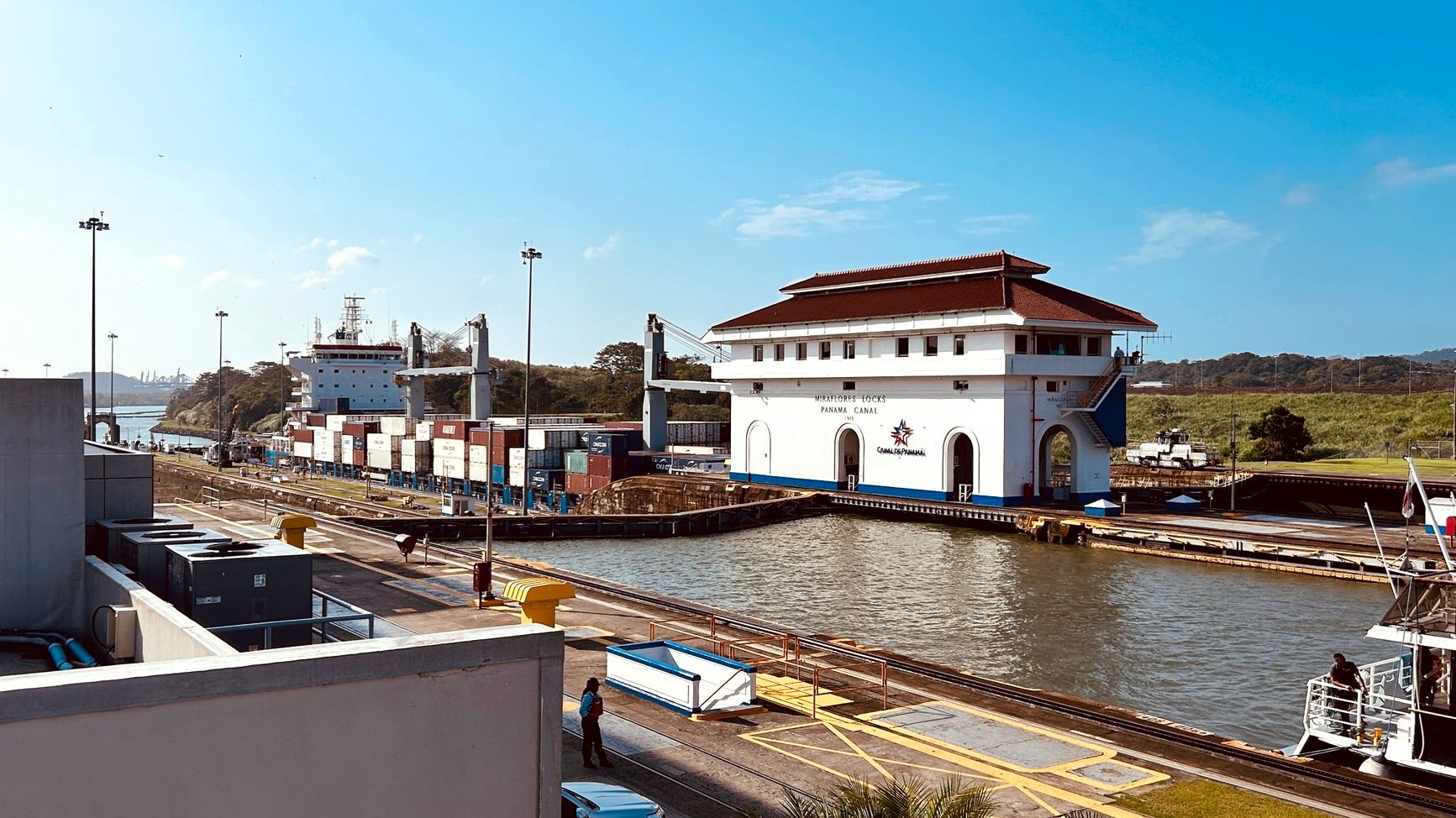
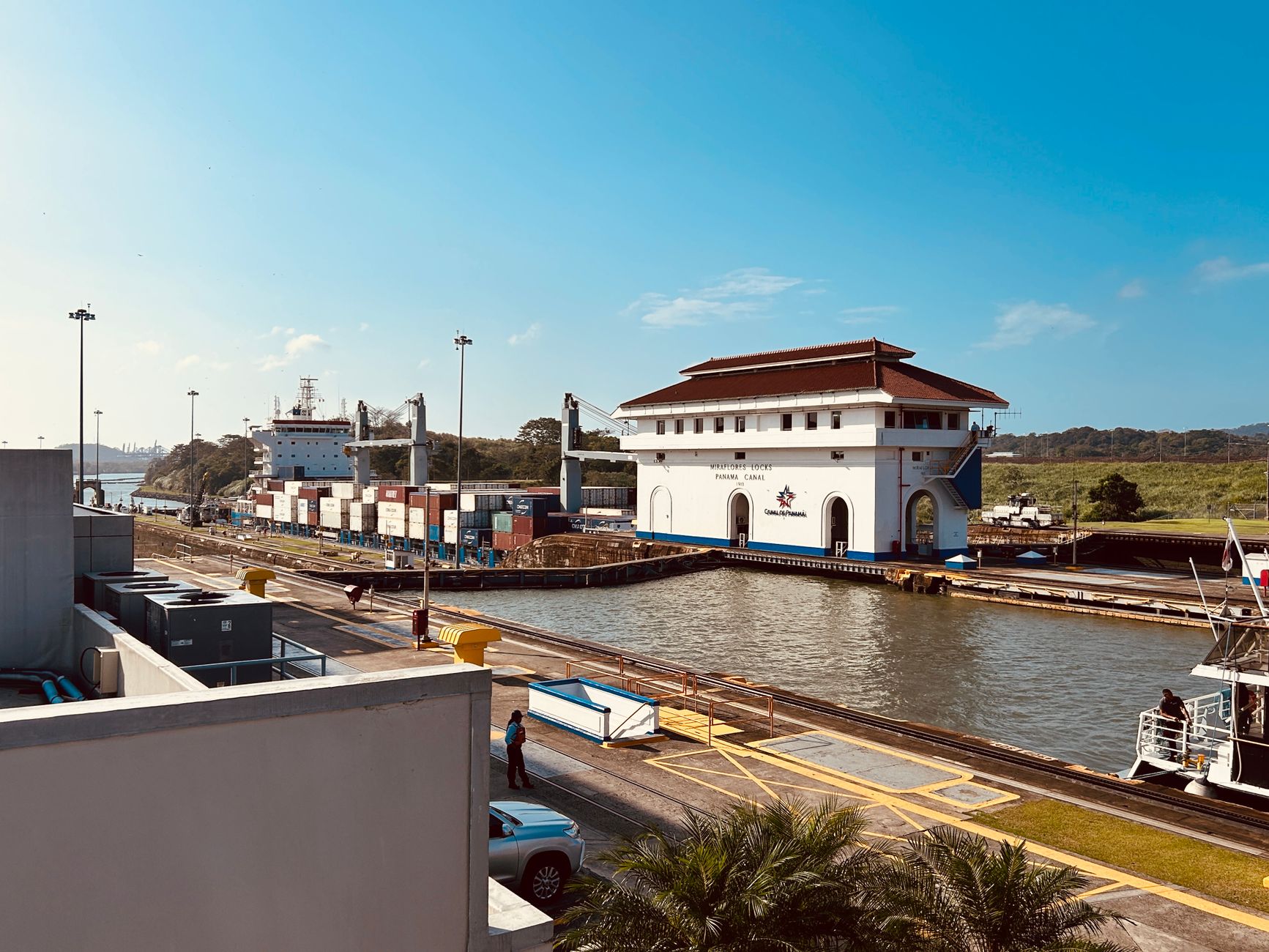
You board at Fuerte Amador, just five miles from the Miraflores Locks, meaning the canal transit begins almost immediately after departure.

Destination from Port
Departing from Panama City places the canal transit at the very start of the voyage, entering through the Miraflores Locks just five miles from the Fuerte Amador cruise terminal. This Pacific-side embarkation shapes the entire itinerary — whether it's a full three-lock transit to the Atlantic or a partial crossing that doubles back — and gives travellers immediate proximity to the canal's most iconic infrastructure.
This pairing tends to suit intentional planners rather than first-time cruisers. It appeals to travellers who want the canal experience front and centre, who value exploring Panama City before or after sailing, and who are comfortable with a seasonal departure window concentrated between October and April. The route pairs well with Central and South American port calls and a dry-season climate.
Starting from the Pacific side shapes the transit, the pacing, and the port mix in ways worth understanding before you book.
You board at Fuerte Amador, just five miles from the Miraflores Locks, meaning the canal transit begins almost immediately after departure.
A full crossing takes the ship through all three lock systems — Miraflores, Pedro Miguel, and Gatun or Agua Clara — covering the entire 50-mile canal in a single sailing day.
Departing from the Pacific side means you experience the locks in ascending order toward Gatun Lake before descending to the Caribbean, reversing the more common eastbound routing.
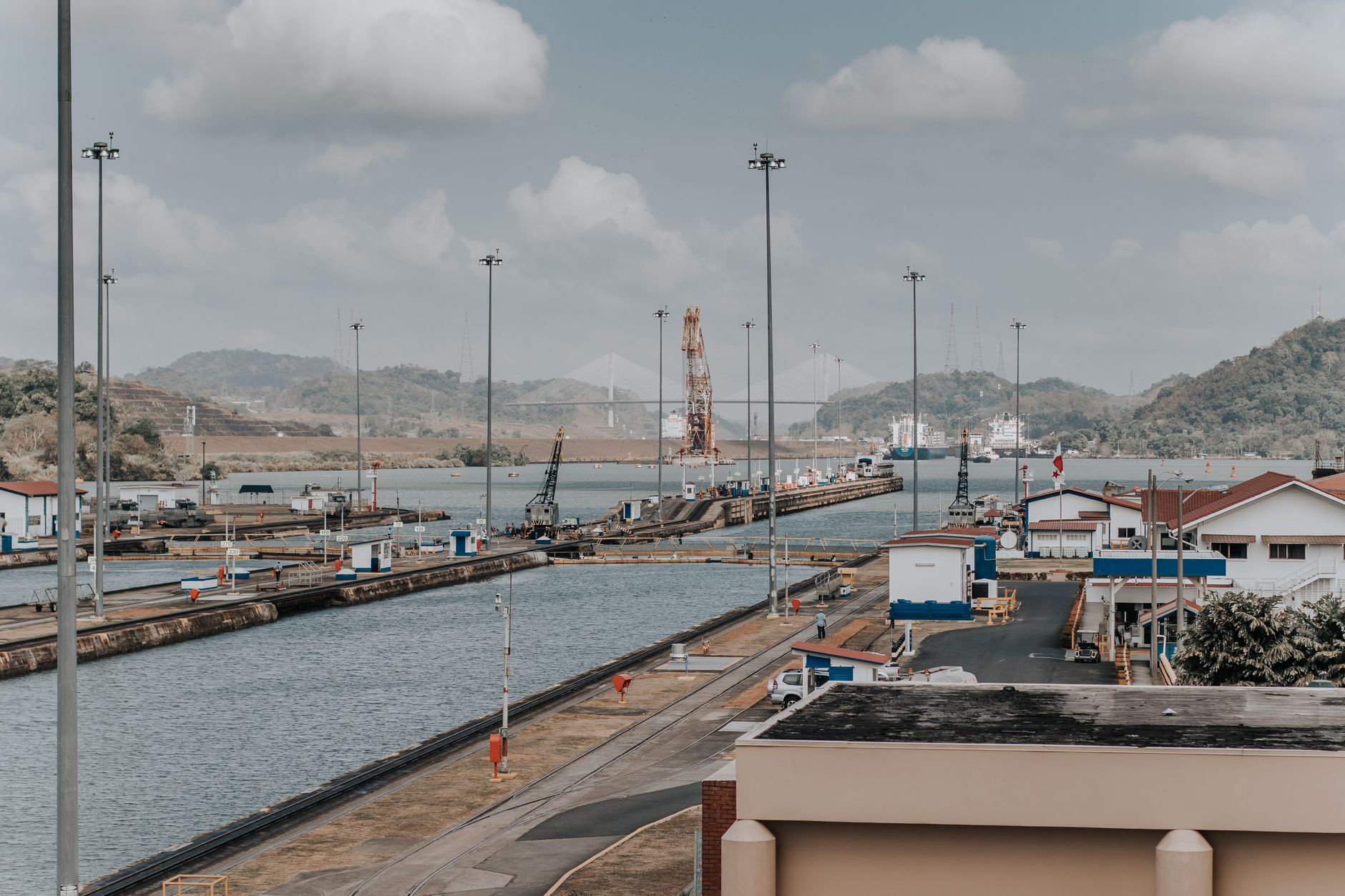
Long stretches of the Culebra Cut are visually understated, so expect a mix of dramatic lock passages and quieter channel cruising rather than nonstop spectacle.
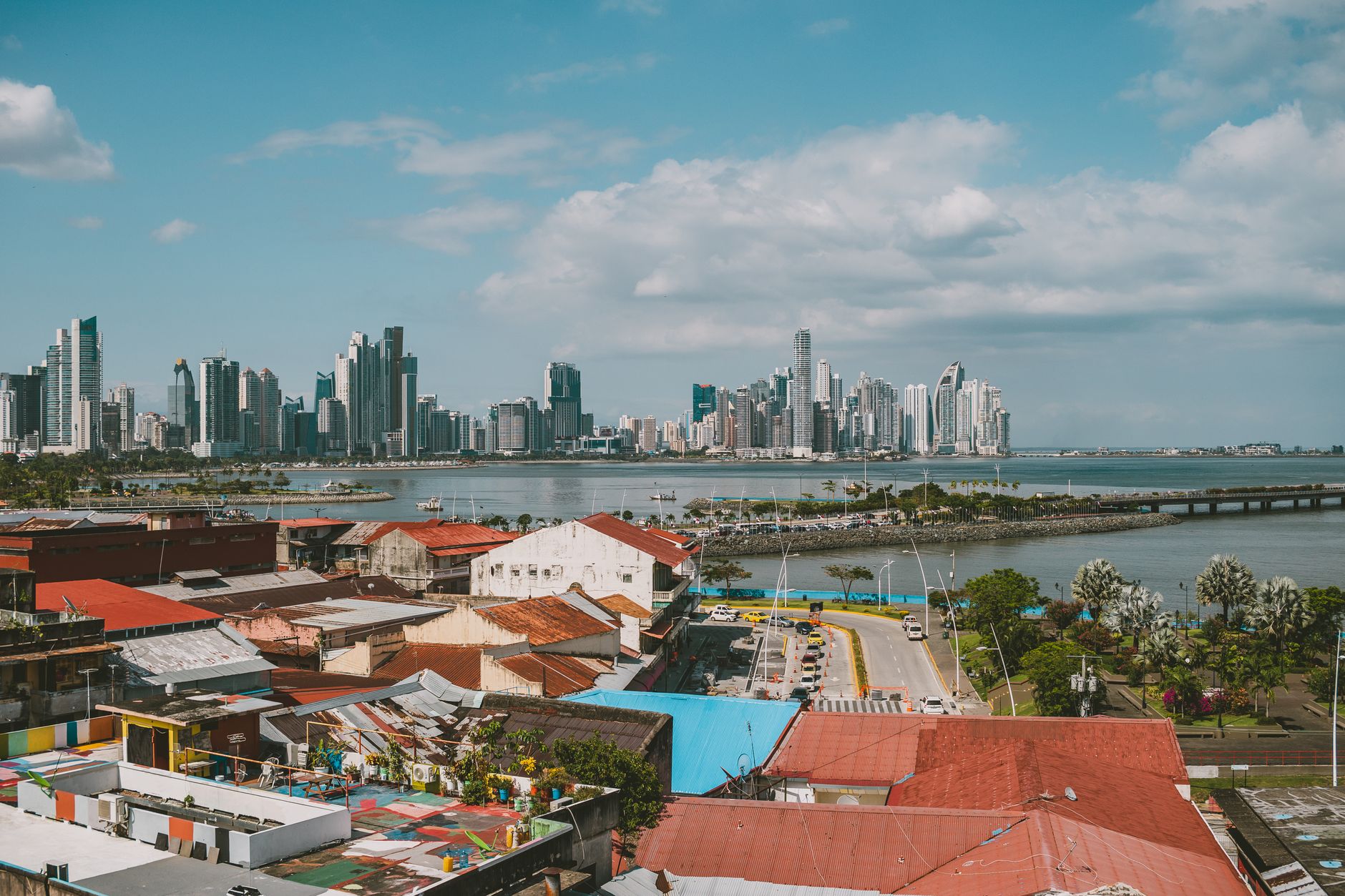
The departure port doubles as a compelling destination in its own right, rewarding travellers who build in a day or two to explore the Casco Viejo historic quarter and surrounding areas.
Sailings concentrate between October and April, with January and February offering the driest and often most favourable conditions for the transit and shore days.
Postcards from this route
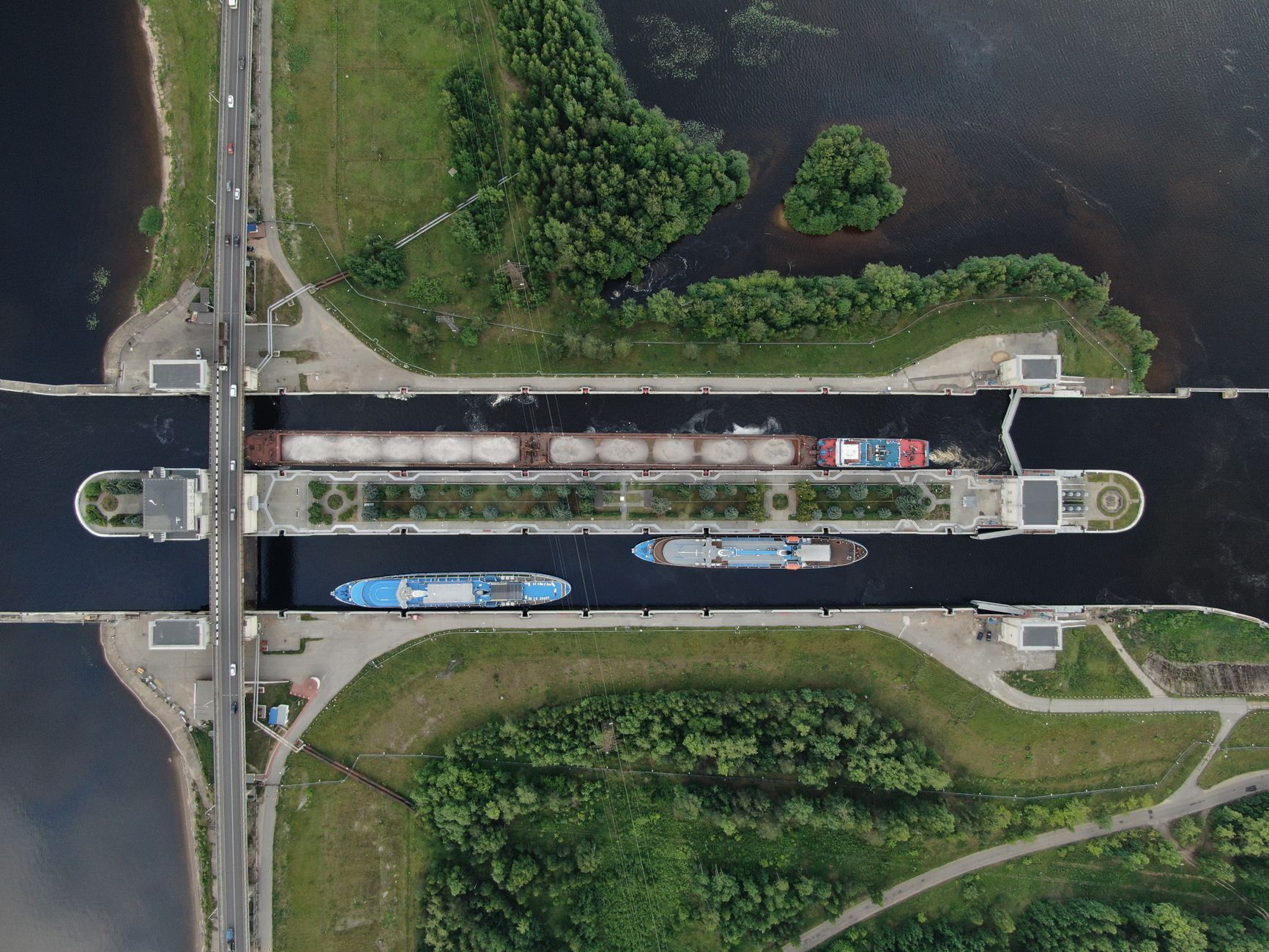
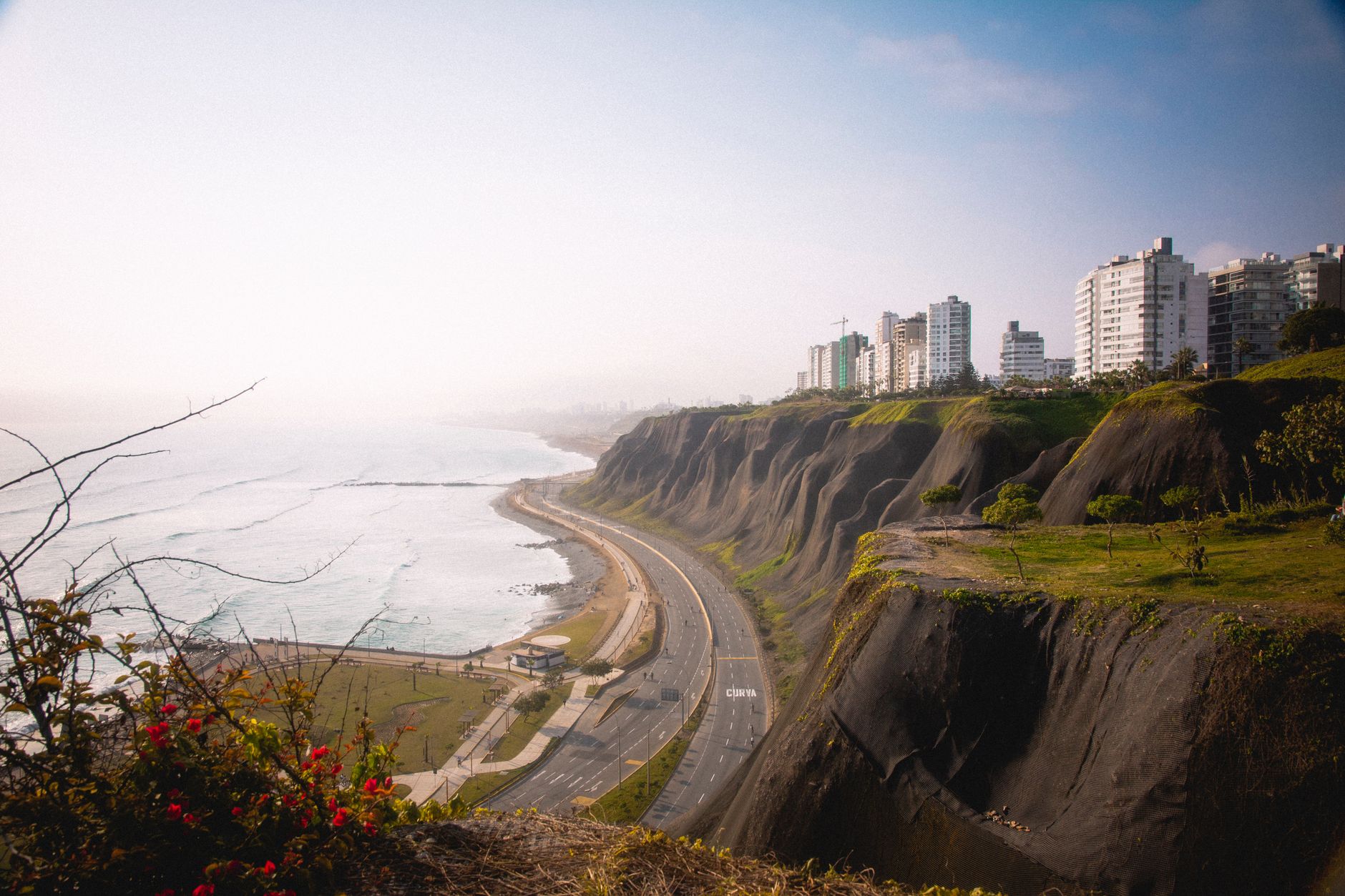
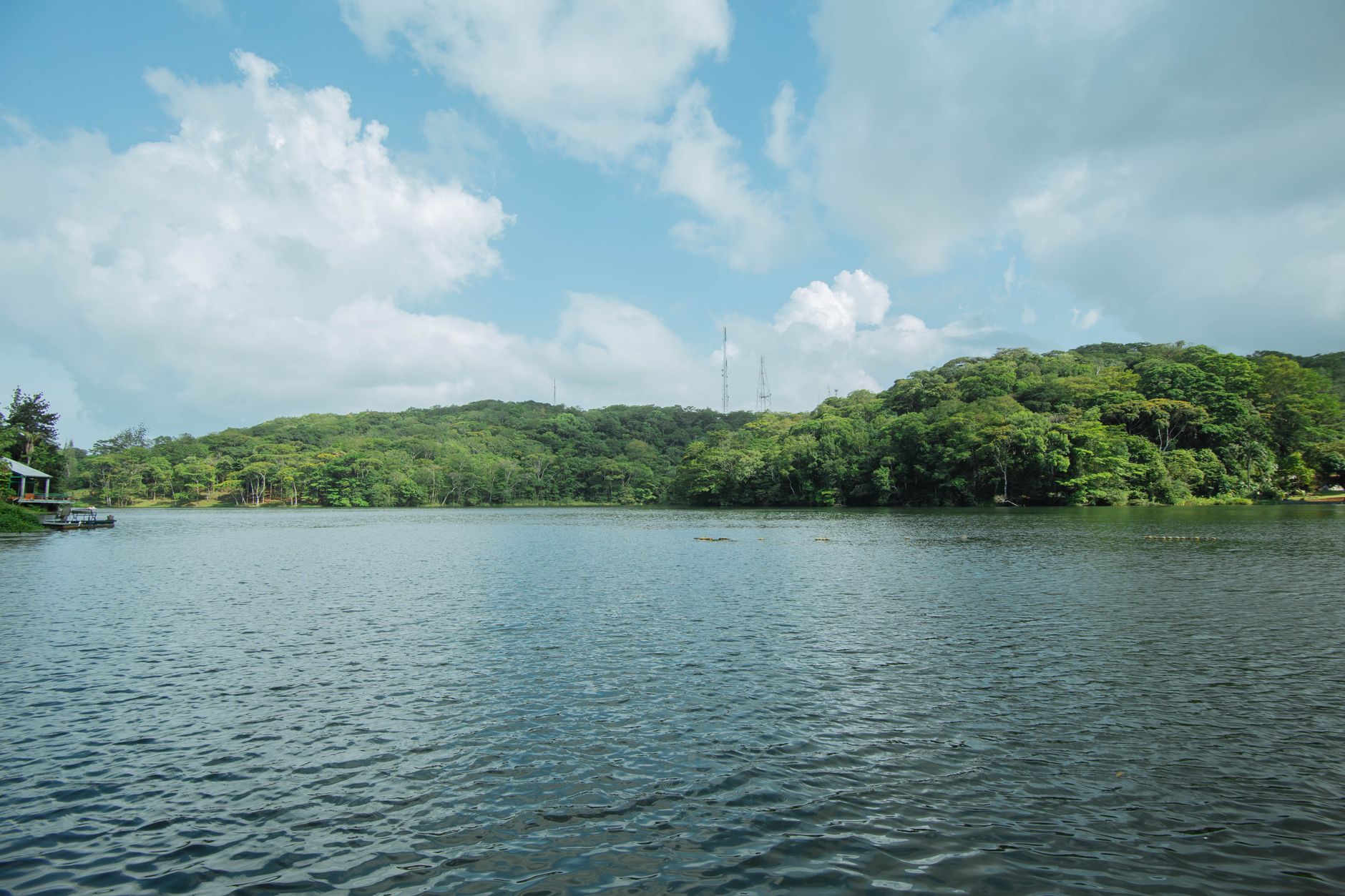
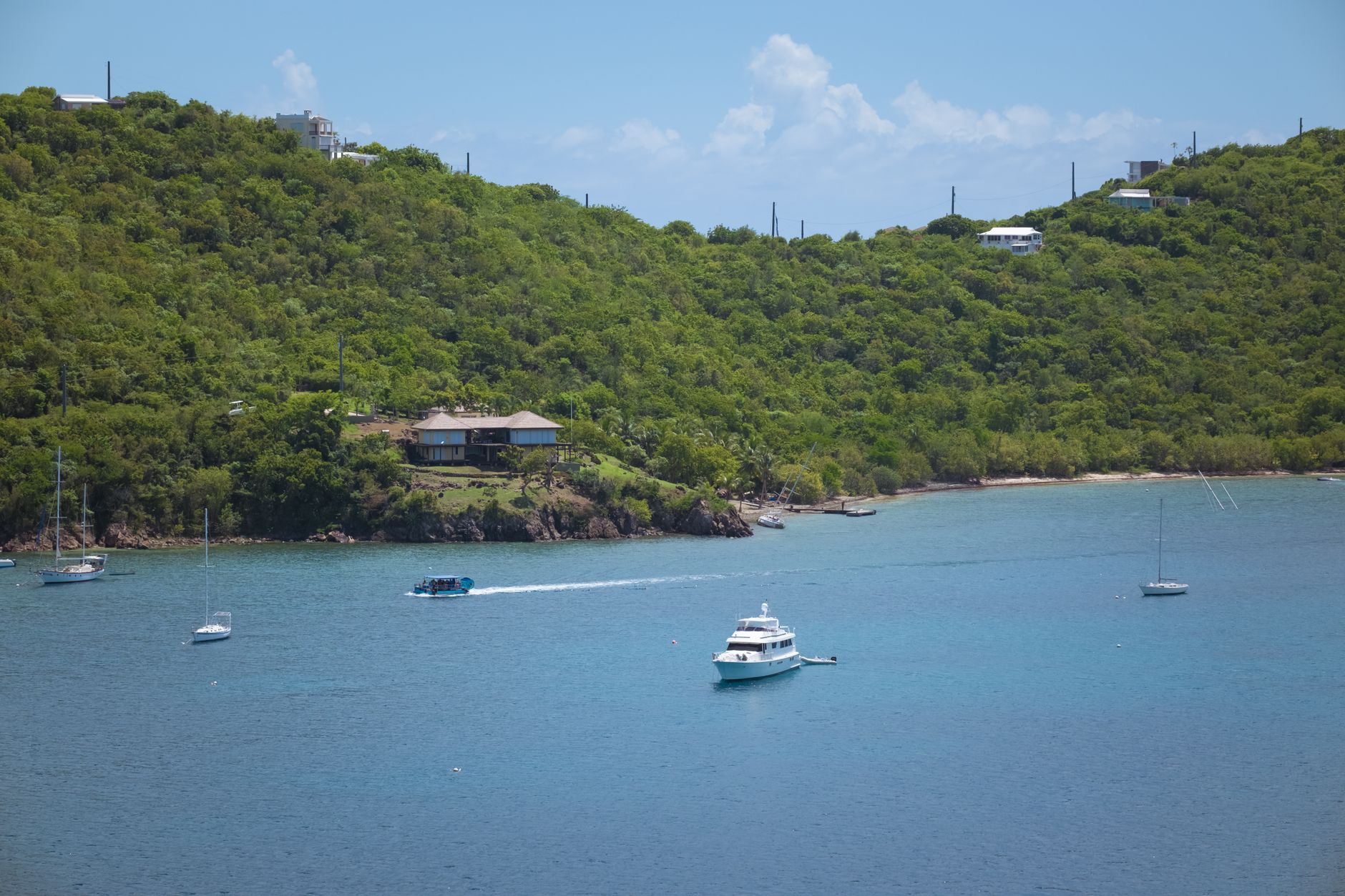
Locks, lake crossings, and the Culebra Cut — scenes from a Pacific-side departure through the canal.
Panama City departures put you at the Miraflores Locks within hours of embarkation. If the canal crossing is your primary reason for booking — not just a mid-itinerary detour — this departure port front-loads the experience and frames the entire voyage around it.
Unlike flying into Fort Lauderdale, arriving in Panama City gives you access to the canal's Pacific-side locks, the Old Quarter, and the surrounding rainforest before you even board. Building in a day or two on either end makes this routing significantly more rewarding.
The canal is 50 miles long and large portions — especially the Culebra Cut — look like a wide channel with limited visual drama. Lock transits are genuinely compelling, but the hours between them can feel slow. Set expectations for a day of patience punctuated by highlights, not continuous spectacle.
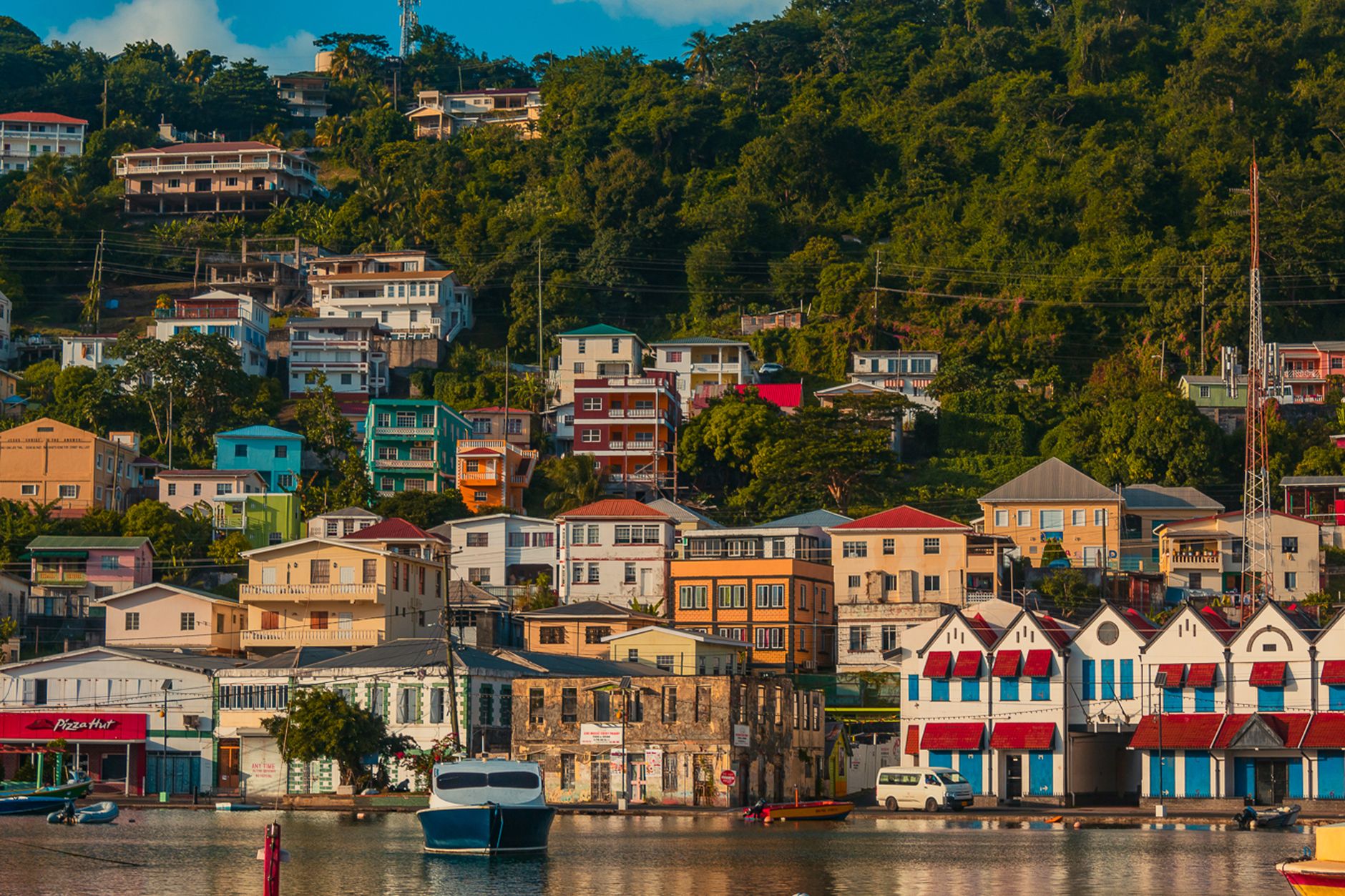
Panama City is not a year-round cruise hub. Sailings cluster between October and April, and far fewer ships depart here compared to Florida terminals. If you need flexible booking windows, a wide choice of cruise lines, or a port-heavy Caribbean itinerary, this routing will feel limiting.
Departure Port Logic
Starting from Panama City puts you at the Pacific mouth of the canal, which means your ship enters the lock system at Miraflores within hours of casting off. That matters because the transit's most dramatic engineering — the step-up through Miraflores and Pedro Miguel — happens early, while you're still fresh and oriented. Passengers who board on the Atlantic side at Colón get Gatun Locks first, which are impressive but architecturally similar; the Pacific-side sequence offers a more graduated reveal of how the canal actually works. It also means Gatun Lake, the long freshwater crossing that can feel slow, falls in the middle of your day rather than at the start.
There's a practical trade-off: Panama City is not a year-round cruise hub, and flight connections from North America are fewer than from Fort Lauderdale or Miami. But that limitation filters the crowd. Travellers who choose this port tend to arrive a day or two early, explore Casco Viejo or the Miraflores visitor centre beforehand, and treat the canal transit as the centrepiece rather than an incidental highlight on a longer Caribbean loop. If your priority is the canal itself — not beach ports bookending a repositioning voyage — Panama City is the departure that aligns the itinerary with that intent.
The cruise terminal at Fuerte Amador is about 20 minutes from Tocumen International Airport by taxi or transfer. There is no dedicated cruise shuttle, so pre-arranging transport or booking a nearby hotel on the Amador Causeway the night before is worth considering — especially given that embarkation-day traffic through Panama City can be unpredictable.
Panama City departures cluster between October and April, peaking in January and February. Outside this window, most lines reposition ships elsewhere. This narrow season means limited inventory — if a specific sailing date matters, booking early is more important here than at a major Florida homeport.
Arriving a day early lets you visit the Miraflores Locks visitor centre on land before seeing them from the water. That context — watching ships queue from the observation deck — makes the onboard transit noticeably more engaging. Casco Viejo, the colonial quarter, and the Biomuseo on Amador are all within a short ride of the terminal.
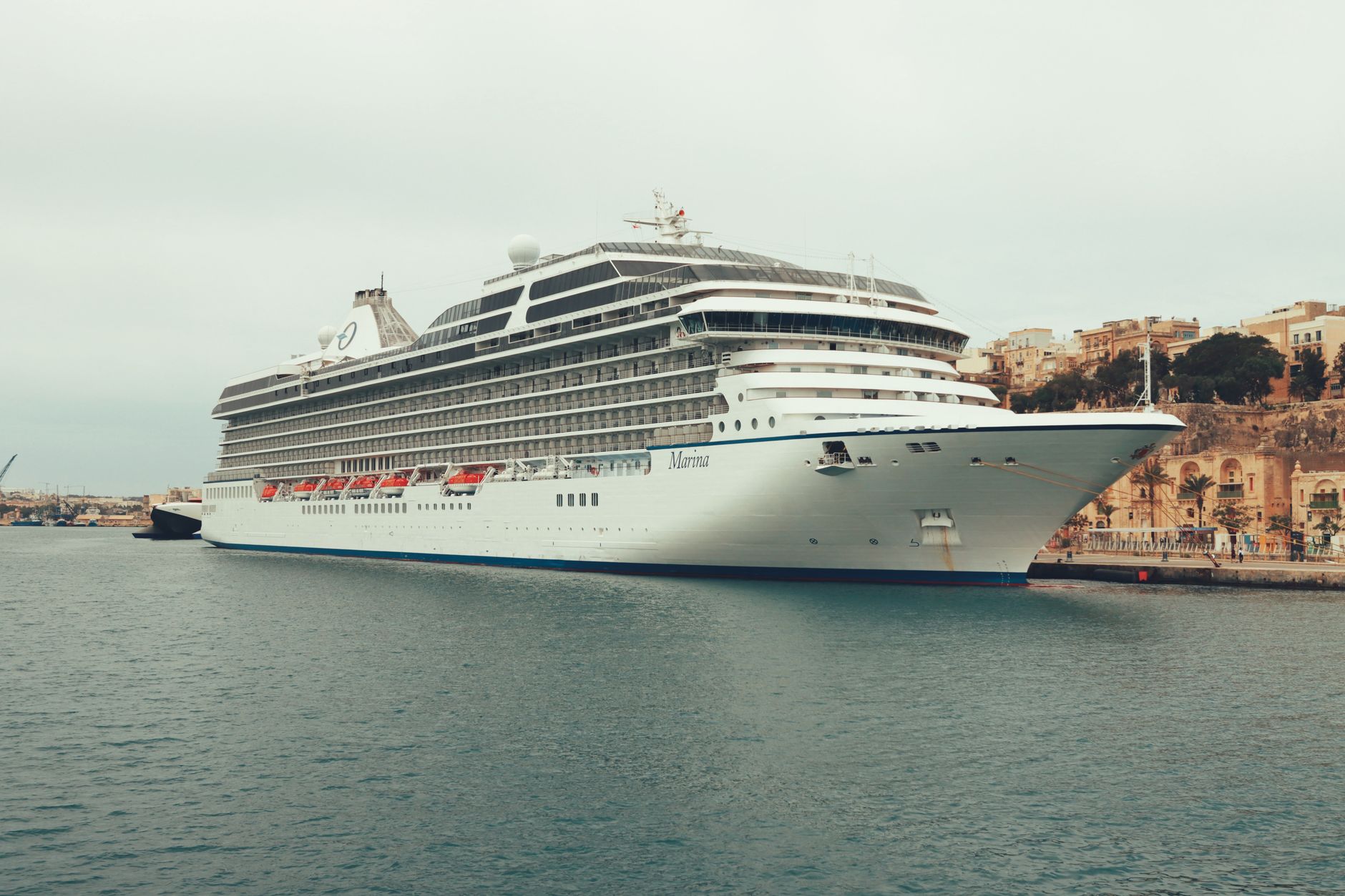
Oceania treats the canal transit as a centerpiece of a longer, destination-rich itinerary. Their mid-size ships keep the lock-day experience intimate, and the line's emphasis on culinary programming and unhurried port time gives the sailing a more exploratory pace than mass-market alternatives.
See Oceania sailings from Panama City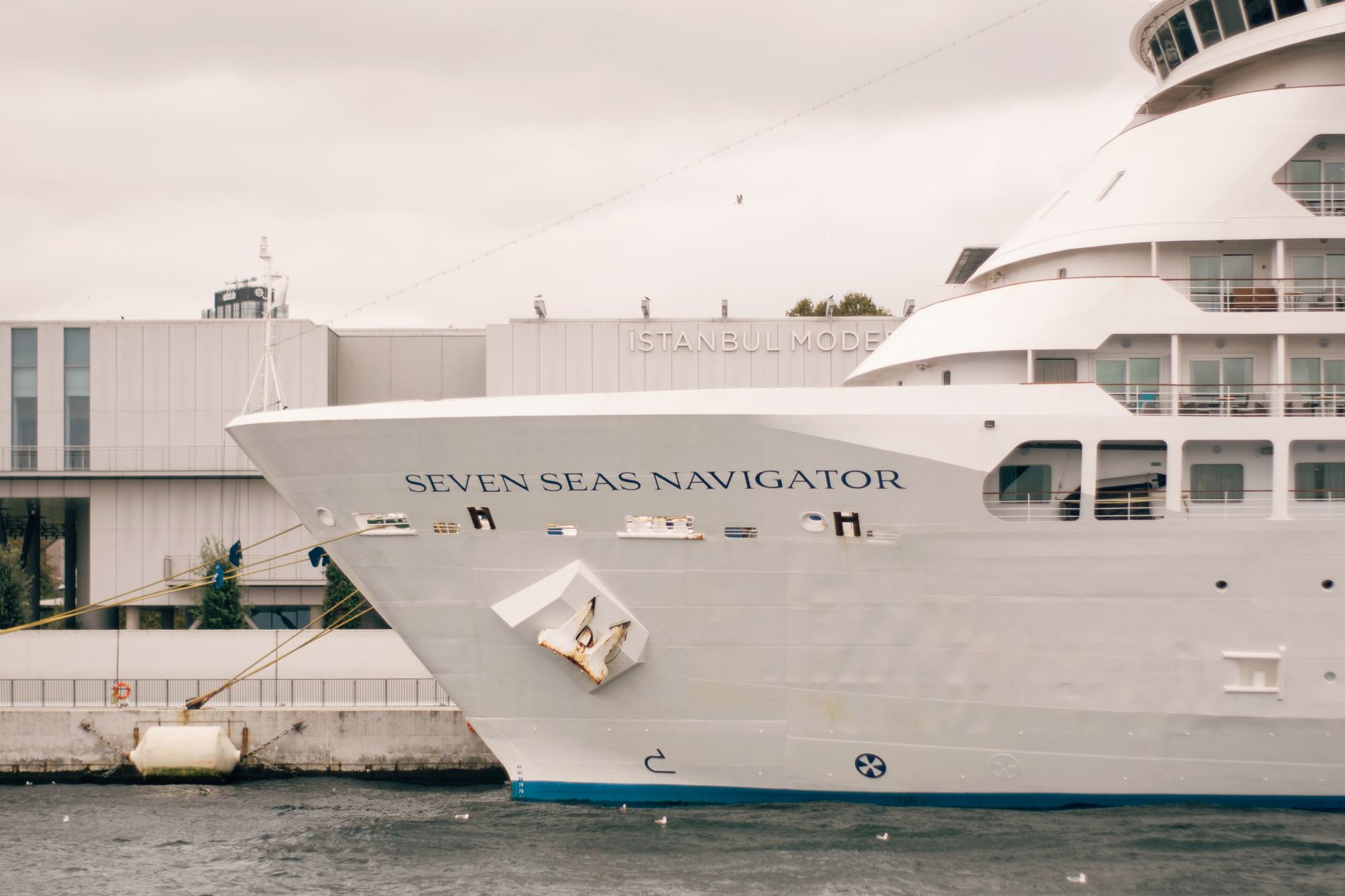
Regent positions its canal transits as luxury voyages where the all-inclusive pricing covers shore excursions, dining, and drinks — meaning the transit day and port days carry no incremental cost decisions. Their smaller ships navigate the locks with clear sightlines from suites and open decks.
See Regent sailings from Panama City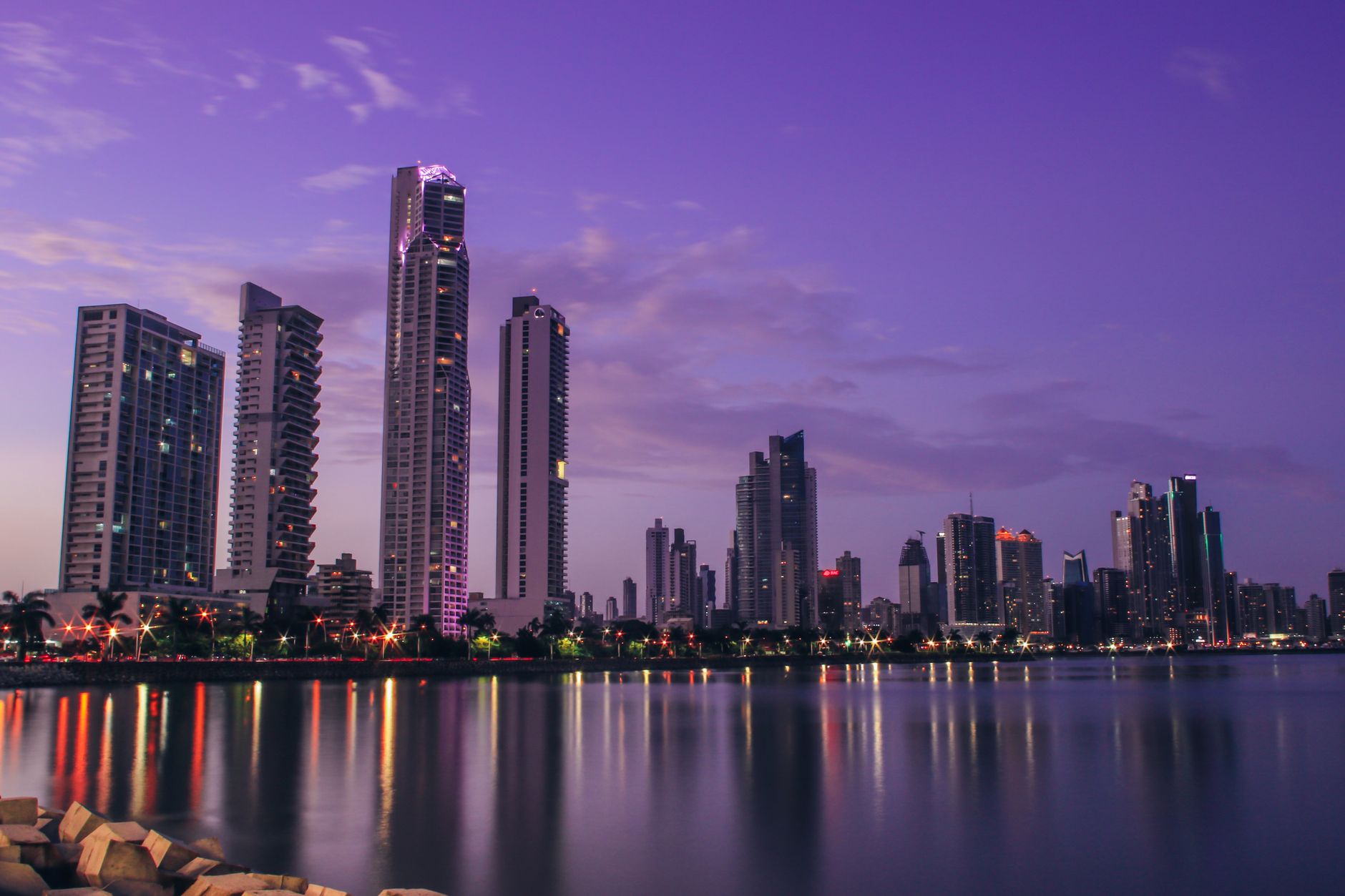
Panama City departures put the full canal transit at the centre of the trip. Long stretches of the 50-mile crossing are quiet channel rather than dramatic locks, so expect an engineering spectacle punctuated by calm water — not non-stop scenery. This route suits travellers who find the transit itself to be the destination.
This departure point attracts people who specifically want a Pacific-side start, often combining the canal crossing with time exploring Panama City itself. If you're after a straightforward Caribbean cruise with familiar embarkation logistics out of Florida, this isn't your easiest path — it's a deliberate choice.
Panama City is not a year-round cruise port. Sailings cluster between October and April, and far fewer ships depart here than from major Florida terminals. You'll have a narrower selection of lines, dates, and itinerary lengths — so flexibility on timing matters more than usual when shortlisting this route.
A Panama City start puts the canal transit at the heart of the itinerary and opens up Central American port calls that Florida departures often skip — but the limited seasonal schedule (roughly October to April) and fewer sailing options mean you'll need to plan further ahead and stay flexible on dates and cruise lines.






