




One-Way Repositioning Voyage
This is not a round-trip cruise — the ship relocates from Seattle to a port like Fort Lauderdale or Miami, so you'll need to arrange a flight home from the disembarkation city.

Destination from Port
Departing from Seattle puts you on one of cruising's great repositioning routes — a southbound, one-way voyage that traces the Pacific coast from the grey cool of the Pacific Northwest into the full heat of the tropics, ending with a transit of the Panama Canal and a disembarkation on the Atlantic side, typically in Fort Lauderdale or Miami. The route clusters in a narrow autumn window, late September through early November, as ships leave Alaska waters and head south for winter Caribbean seasons.
This pairing suits travellers who enjoy sea days, slow climate shifts, and the feeling of covering real distance. The sea-day ratio is high, the port stops between Seattle and the canal vary by line and voyage length, and the one-way format means you will need to arrange a flight home from the disembarkation port. It is a route for people who treat the journey itself as the destination — and who want the canal transit as the earned reward at the end.
A one-way repositioning voyage from the Pacific Northwest to the Atlantic — here's what defines the experience between Seattle and the canal.
This is not a round-trip cruise — the ship relocates from Seattle to a port like Fort Lauderdale or Miami, so you'll need to arrange a flight home from the disembarkation city.
The transit day through the Panama Canal's lock-and-lake system is the centrepiece of the voyage — a slow, engineered passage that looks nothing like a simple channel.
Departures cluster from late September through early November as ships leave Alaska waters and reposition south for winter Caribbean seasons.
Expect many consecutive days at sea between port calls, making the onboard experience and ocean views a core part of the trip rather than a gap between stops.
You board in the cool, grey Pacific Northwest and arrive in the tropics within a week — packing in layers you can peel away is essential.
Most itineraries include several stops along the Pacific coast or Central America before the canal, though the exact ports vary by cruise line and sailing length.
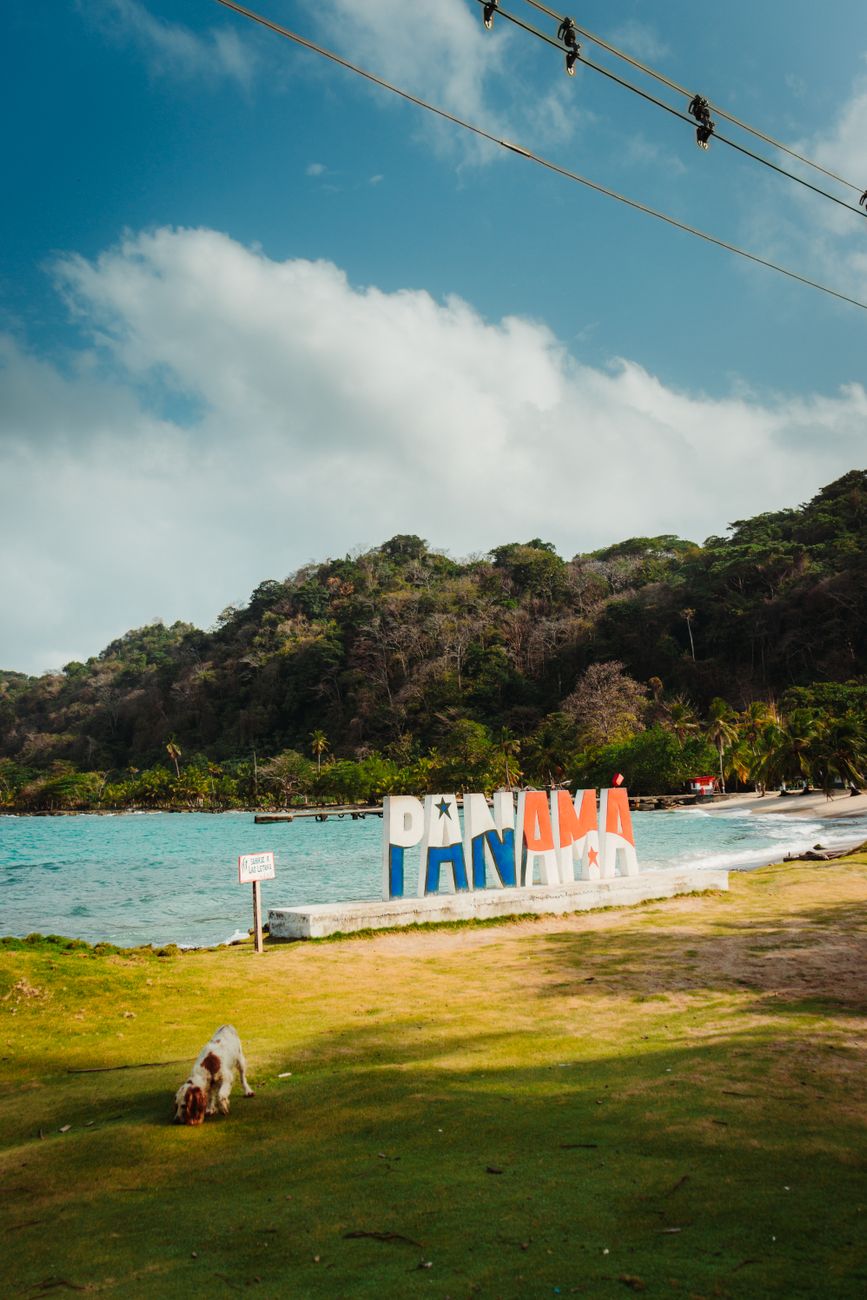
Postcards from this route
Seattle to the Panama Canal — cool grey mornings giving way to tropical locks and open ocean.

This route is built for people who genuinely enjoy days at sea and watching landscapes shift from temperate coastline to open Pacific to tropical canal. If you measure a cruise by the sailing itself rather than a checklist of ports, this is one of the most rewarding repositioning voyages available.
Departures cluster in a tight autumn window when ships leave Alaska for the Caribbean. Only a handful of cruise lines run this route from Seattle each year, so your options for dates, ship class, and cabin type are far more limited than Florida-based Panama Canal sailings.
The sea-day-to-port ratio is high. If you need frequent stops and packed shore excursion days to feel you're getting value, this route will frustrate you. Most of the voyage is open water between the Pacific Northwest coast and Central America.
The ship ends in Fort Lauderdale or Miami — not Seattle. You'll need to book a one-way flight home from the opposite coast, which adds cost and coordination. If arranging asymmetric travel stresses you out, a round-trip Caribbean canal sailing from Florida may be a simpler choice.
Departure Port Logic
Most Panama Canal cruises depart from Fort Lauderdale or Miami — round-trip itineraries that treat the canal as a midpoint detour. Sailing from Seattle inverts that entirely. The canal becomes the climactic finale of a long southbound repositioning, and the route unfolds through a dramatic climate and landscape progression that Caribbean-based departures simply cannot replicate. You begin in the cool, grey Pacific Northwest and watch the coastline shift through temperate California, arid Mexico, and lush Central America before reaching the canal itself. That visual and experiential arc is unique to a northern departure.
Seattle also shapes the practical logistics in ways worth weighing honestly. The voyage is one-way, ending on the Gulf or Atlantic coast, so you will need to book a flight home from the disembarkation port rather than returning to where you started. That adds cost and planning. On the other hand, Seattle's position means the ship covers the entire Pacific coastline — producing a high ratio of sea days that suits readers, long-distance walkers, and anyone who wants unhurried time aboard. If you live in the Pacific Northwest or plan to pair the trip with time in Washington State, Seattle eliminates the need to fly to Florida just to begin.
Repositioning sailings from Seattle to the Panama Canal depart almost exclusively between late September and early November, when ships leave Alaska service and head south for winter Caribbean seasons. Outside that window, this route effectively does not exist.
Because the voyage ends in Fort Lauderdale, Miami, or another East Coast port, you will need a one-way flight back to Seattle or your home city. Factor this into your budget and timeline — it is an unavoidable part of choosing a repositioning departure.
Seattle's cruise terminal at Pier 91 is well-connected to Sea-Tac Airport and the city centre. If you are arriving early, the city offers plenty to fill a pre-cruise day — from Pike Place Market to the waterfront — without the resort-town feel of Florida embarkation ports.
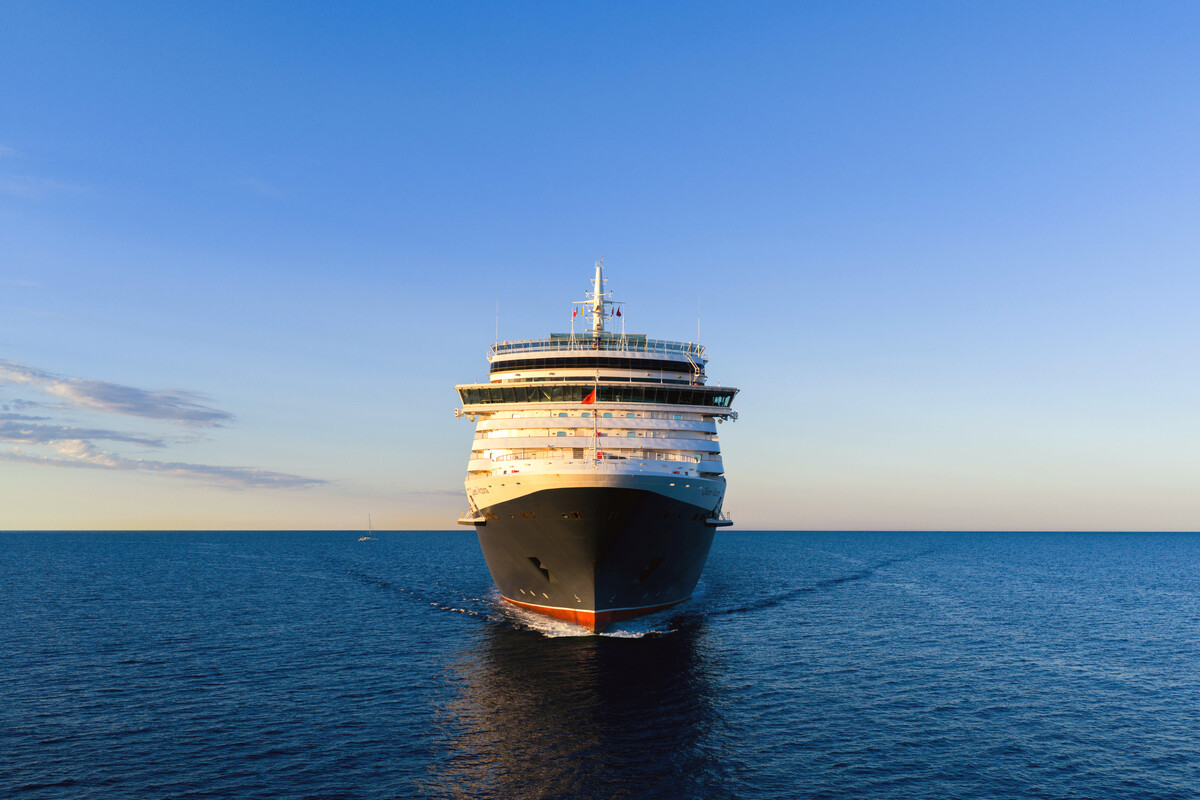
Cunard treats repositioning voyages as ocean crossings in their own right — formal nights, afternoon tea, and enrichment lectures fill the long sea-day stretches between Seattle and the canal. The emphasis is on the shipboard experience rather than the port calls.
See Cunard sailings
Carnival approaches the repositioning run as a value-oriented long voyage, with the ship's entertainment infrastructure — waterparks, comedy clubs, casual dining — keeping energy levels up across the sea days. The mood is relaxed and social rather than contemplative.
See Carnival sailings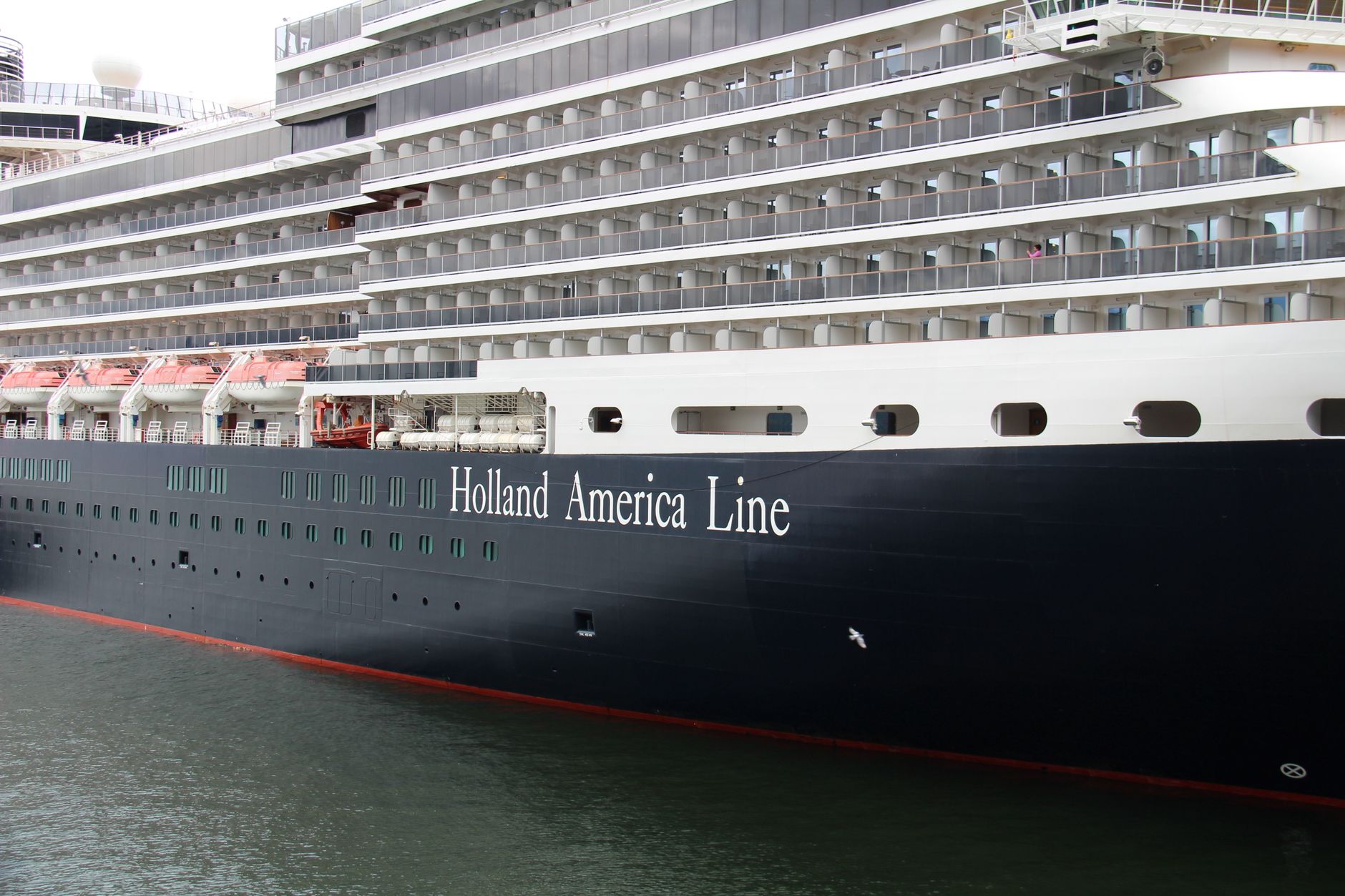
Holland America has deep history on the Panama Canal route and builds its repositioning voyages around destination-focused programming — onboard historians, regional cuisine nights, and port talks that contextualize each stop along the Pacific coast and through Central America.
See Holland America sailings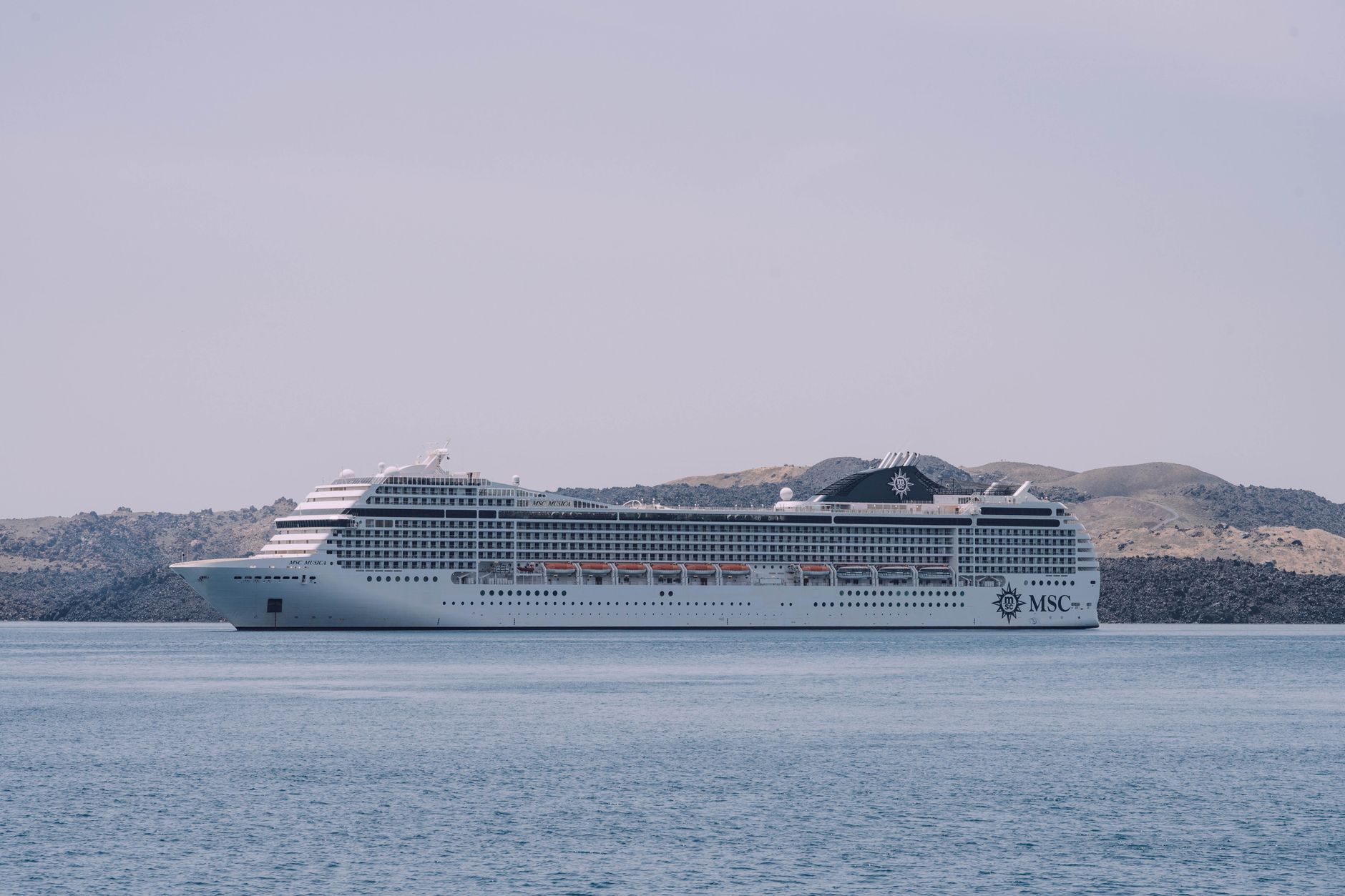
MSC brings a European-inflected cruise style to the repositioning route — international dining options, a cosmopolitan passenger mix, and ship designs that emphasize public spaces and promenades suited to long days at sea.
See MSC sailings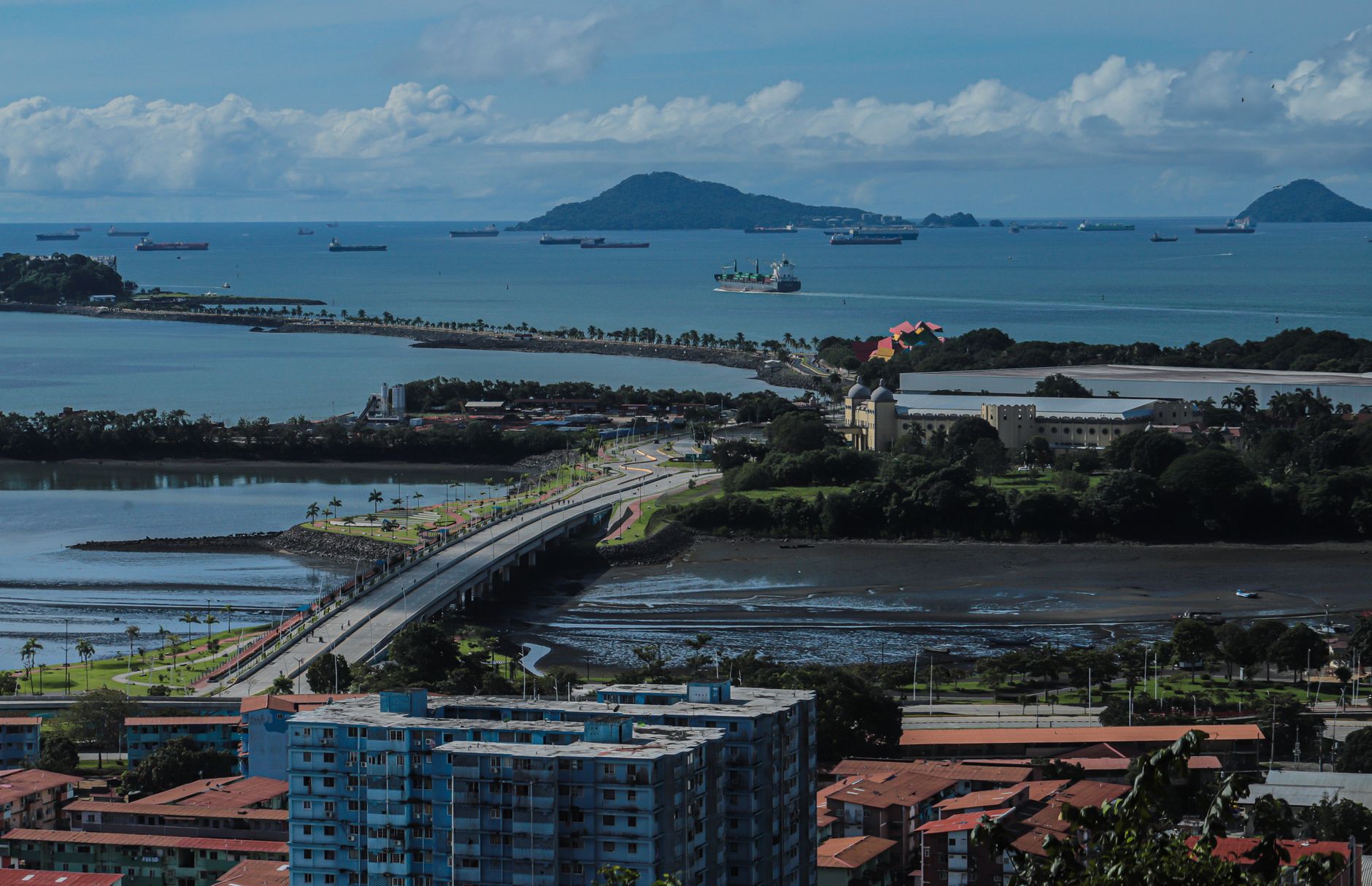
This is not a round-trip cruise. The ship leaves Seattle and ends in Fort Lauderdale or Miami, covering thousands of miles with a high ratio of sea days to port calls. The canal transit itself is the marquee event, but the journey is defined by the long, gradual shift from the cool Pacific Northwest to the tropics. Expect three to six port stops and plenty of open ocean in between.
This route rewards patience and curiosity. If you prefer packed port schedules or short getaways, it will feel slow. If you like watching landscapes change day by day, settling into shipboard life, and treating transit through an engineering marvel as a destination in its own right, this pairing belongs on your shortlist. Comfort with a long sailing and multiple consecutive sea days is essential.
Sailings run only in late September through early November, when ships reposition out of Alaska. The selection of cruise lines is limited compared to Florida or Caribbean departures. Because the voyage is one-way, you will need to book a return flight from the East Coast or arrange onward travel, adding cost and logistics that a round-trip cruise does not require.
This route is a strong fit for travellers who enjoy long sea days, gradual climate shifts, and the spectacle of a full canal transit — but the one-way format means booking a flight home from Florida or the Caribbean, and the narrow autumn departure window limits your scheduling flexibility.






