




Full Transit or Partial — Two Distinct Voyages
A full transit sails all the way through to the Pacific and typically ends in a different port, while a partial transit turns back after a few locks, returning you to Miami.


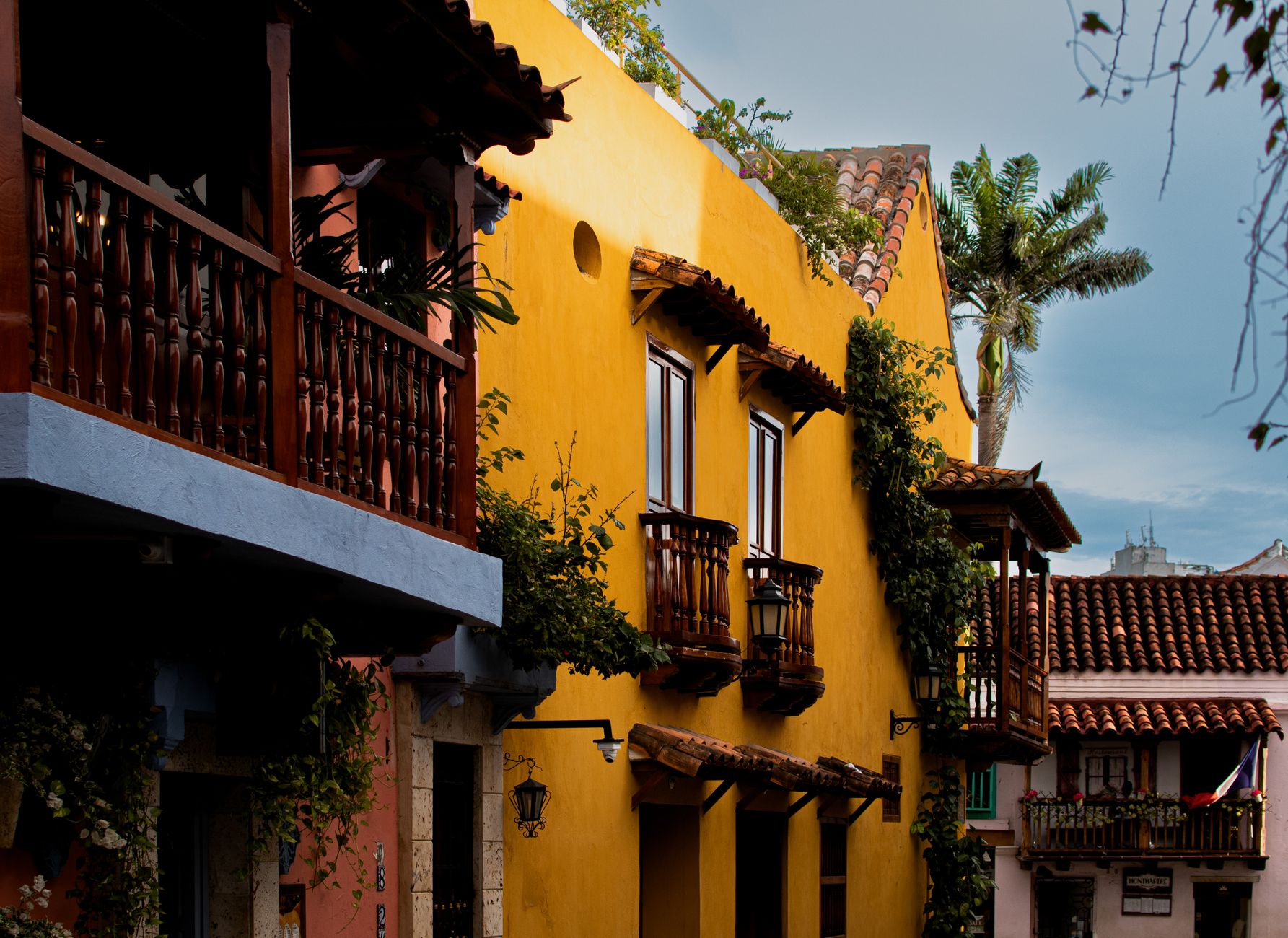
Destination from Port
Miami is the natural launchpad for Panama Canal itineraries — it places you at the Caribbean's doorstep with minimal repositioning, so ships can head south toward Cartagena and Colón without burning days on open water. Whether you choose a full transit to the Pacific side or a partial transit that doubles back through the Caribbean, the route geometry keeps sea days purposeful and the port mix interesting.
This pairing tends to suit travelers who want more than a standard week-long Caribbean loop — those drawn to longer voyages, a more deliberate pace, and ports with genuine cultural weight. Easy embarkation from one of cruising's busiest homeports, combined with one of the industry's marquee engineering spectacles, makes Miami-to-Canal a route that rewards both first-timers and seasoned cruisers.
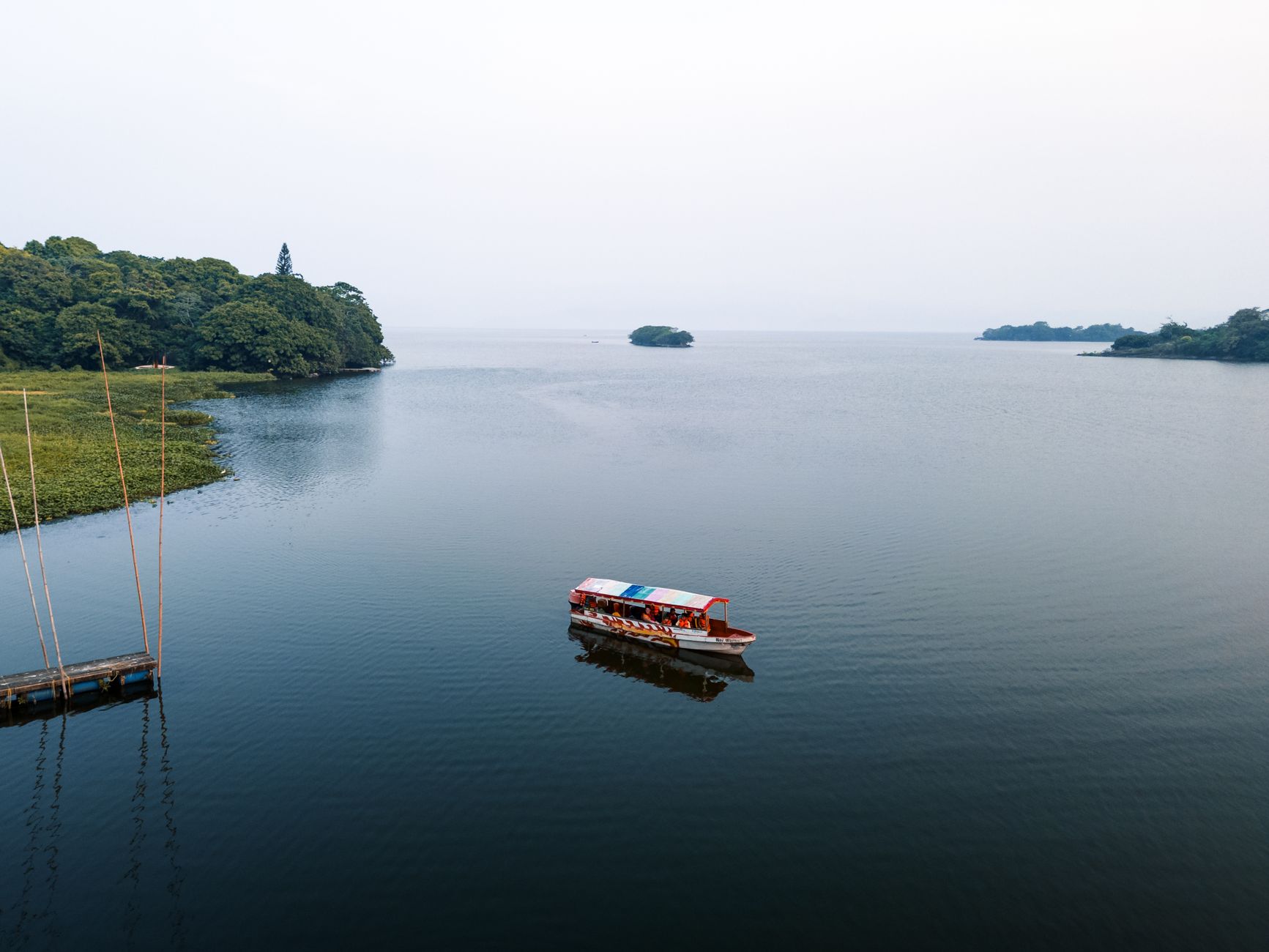
Miami-to-Panama Canal sailings have a character all their own — here are the practical details that shape the experience.
A full transit sails all the way through to the Pacific and typically ends in a different port, while a partial transit turns back after a few locks, returning you to Miami.
These itineraries generally run 10 to 15 nights or more, setting a slower, more deliberate pace than a standard week-long Caribbean cruise.
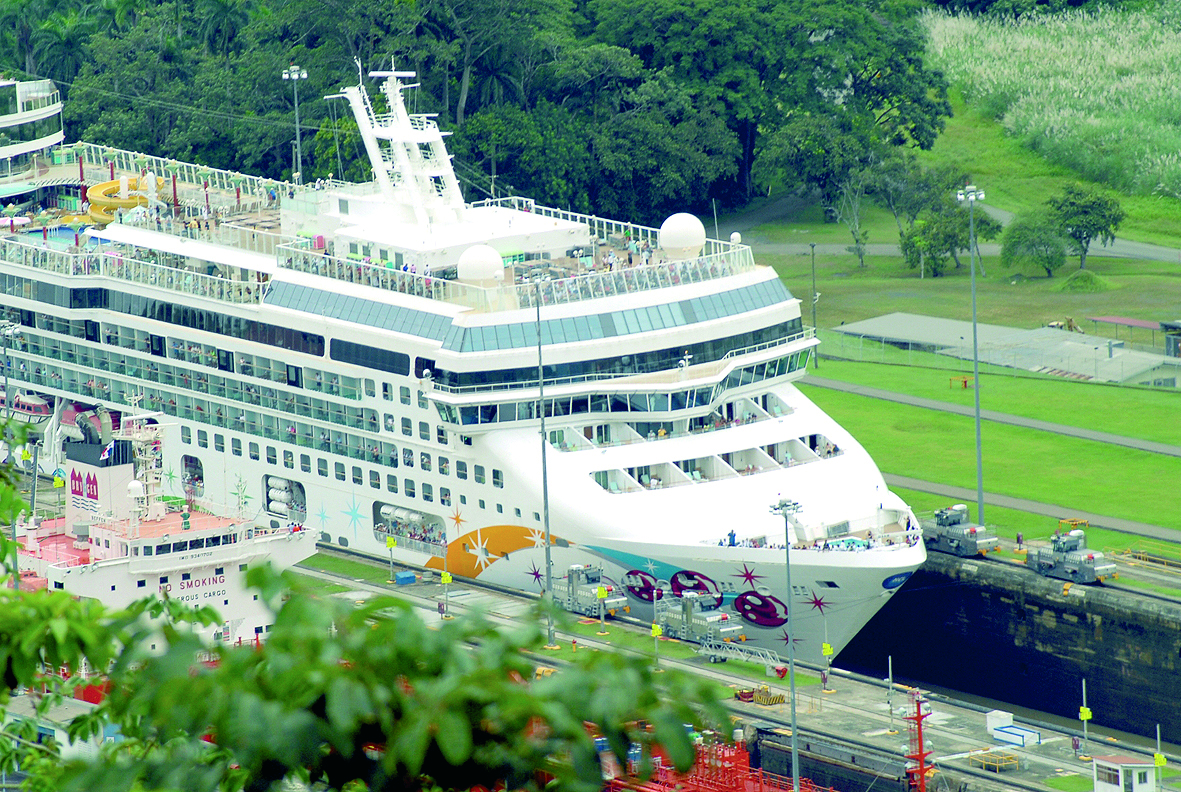
The day spent passing through the Canal locks is an all-day, on-deck event that rewards pacing yourself rather than rushing to see every moment at once.
The longer duration and cultural focus tend to attract experienced cruisers and retirees rather than the party-and-beach crowd of shorter Caribbean loops.
Miami's major cruise terminals, international airport, and plentiful hotel options make pre-cruise logistics straightforward for North American travellers.
Stops lean toward Central American and Colombian ports where history, architecture, and local life take precedence over resort-style beach days.
Postcards from this route
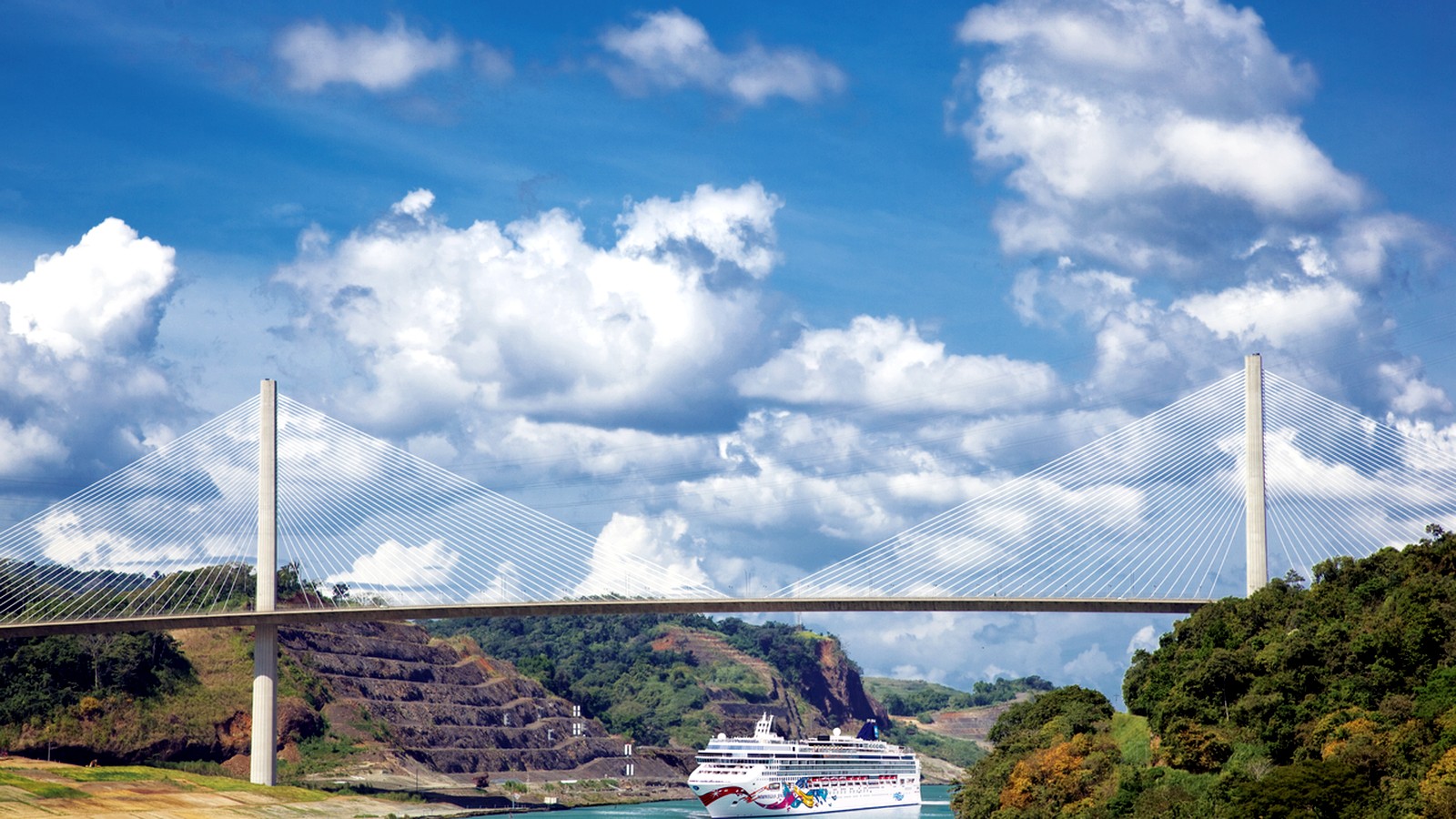
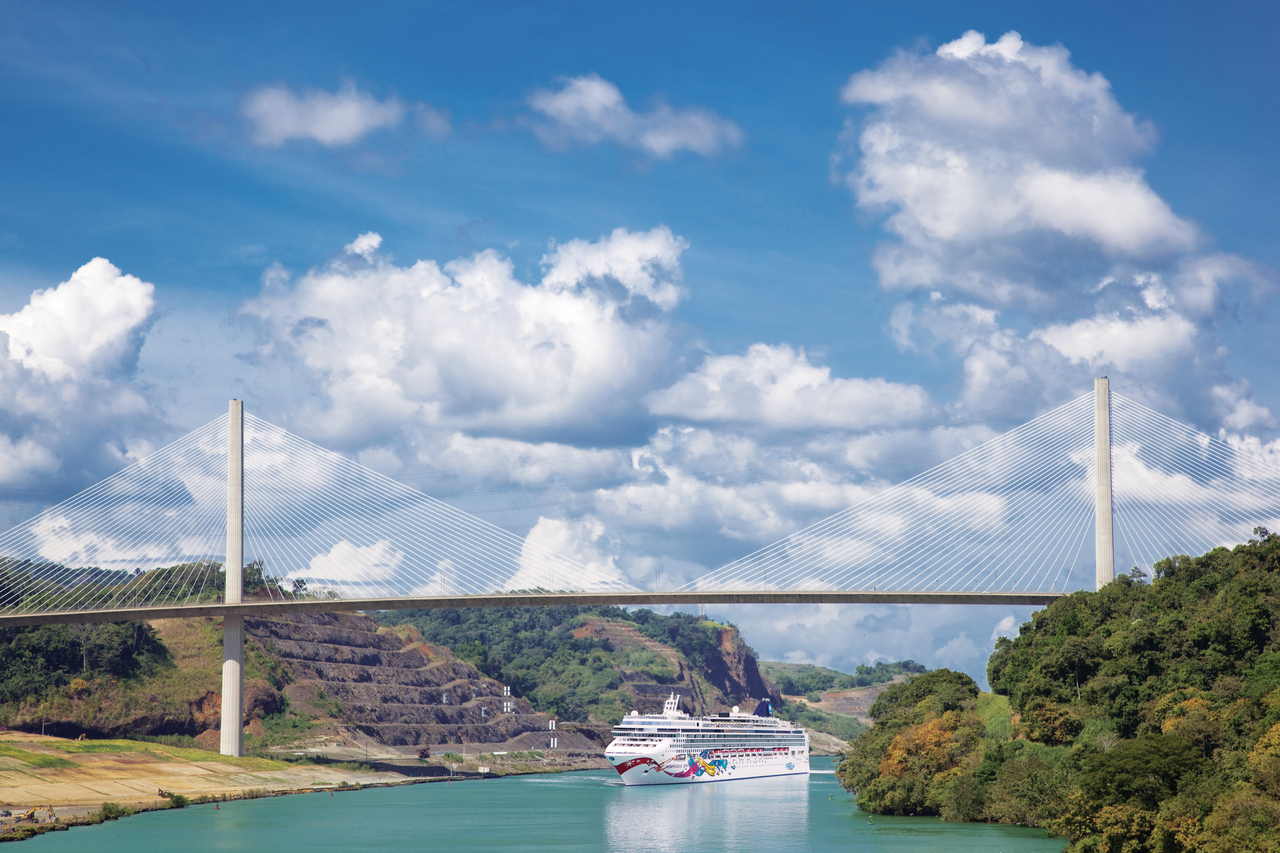
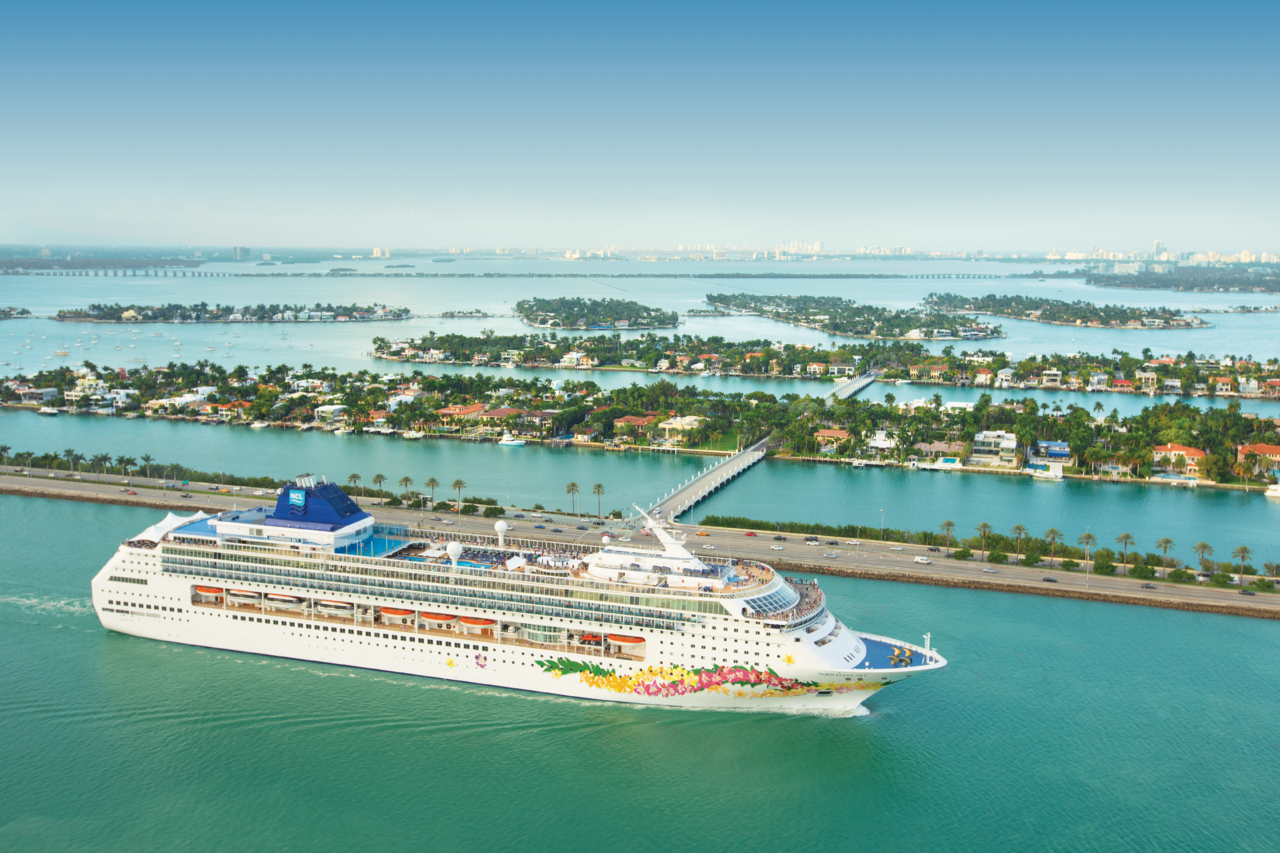
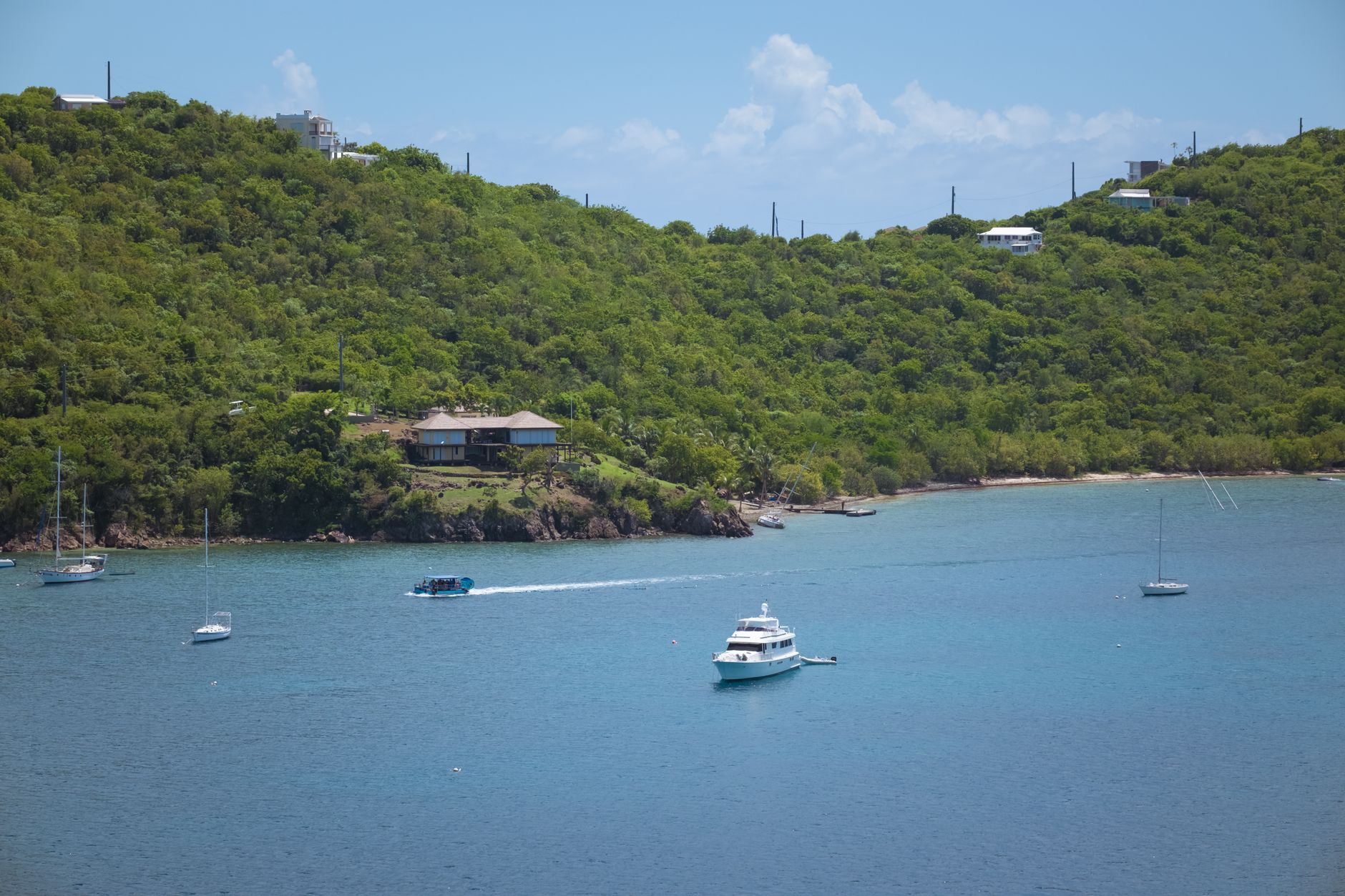
Lock chambers, jungle-lined channels, and the open Pacific — glimpses from Miami to the Canal and beyond.
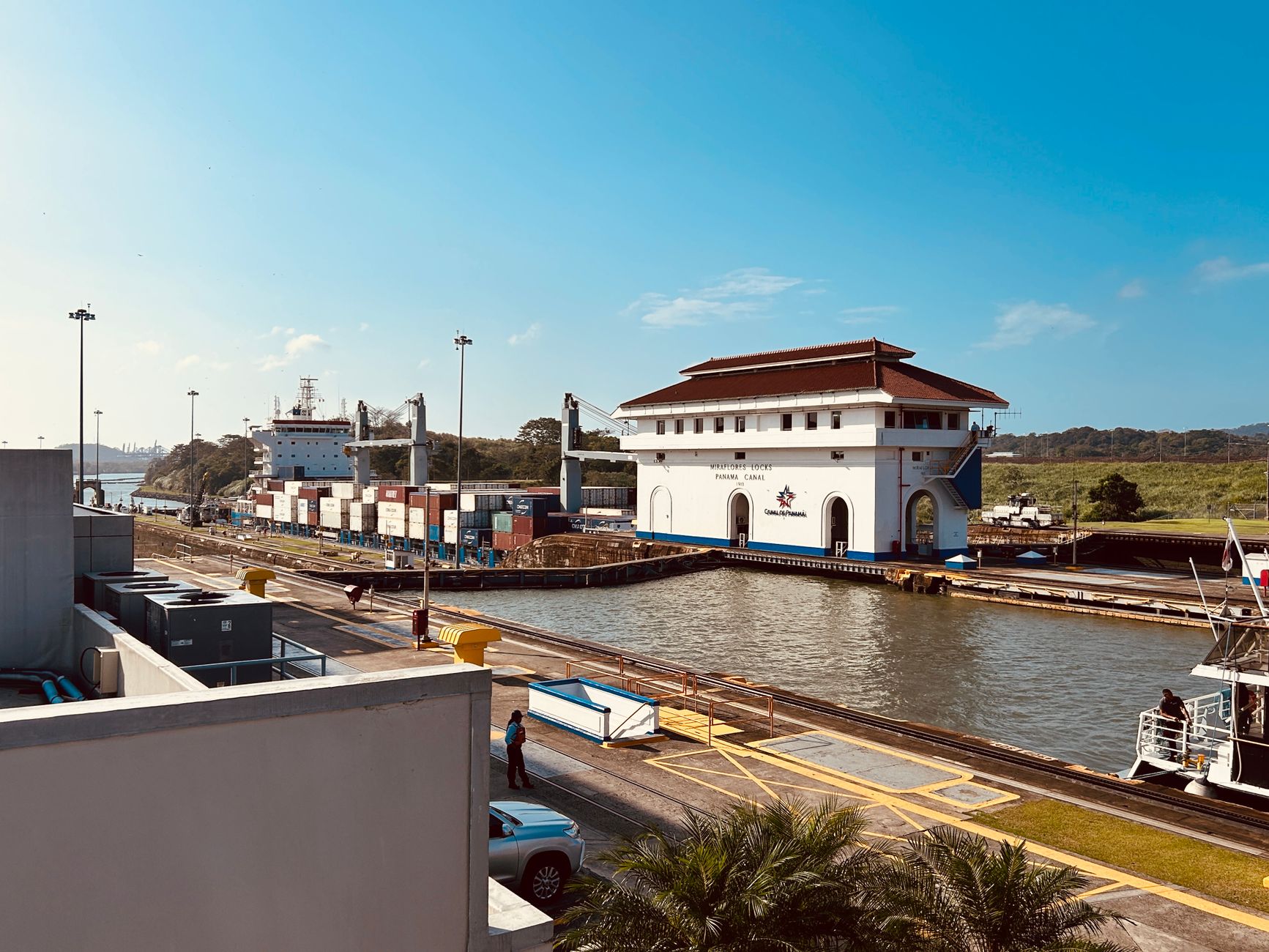
Panama Canal sailings from Miami are built around a single iconic event framed by ports with real character. If you're looking for a voyage that feels like an achievement — not just time off — this route delivers that sense of occasion better than almost any other departure-from-Miami option.
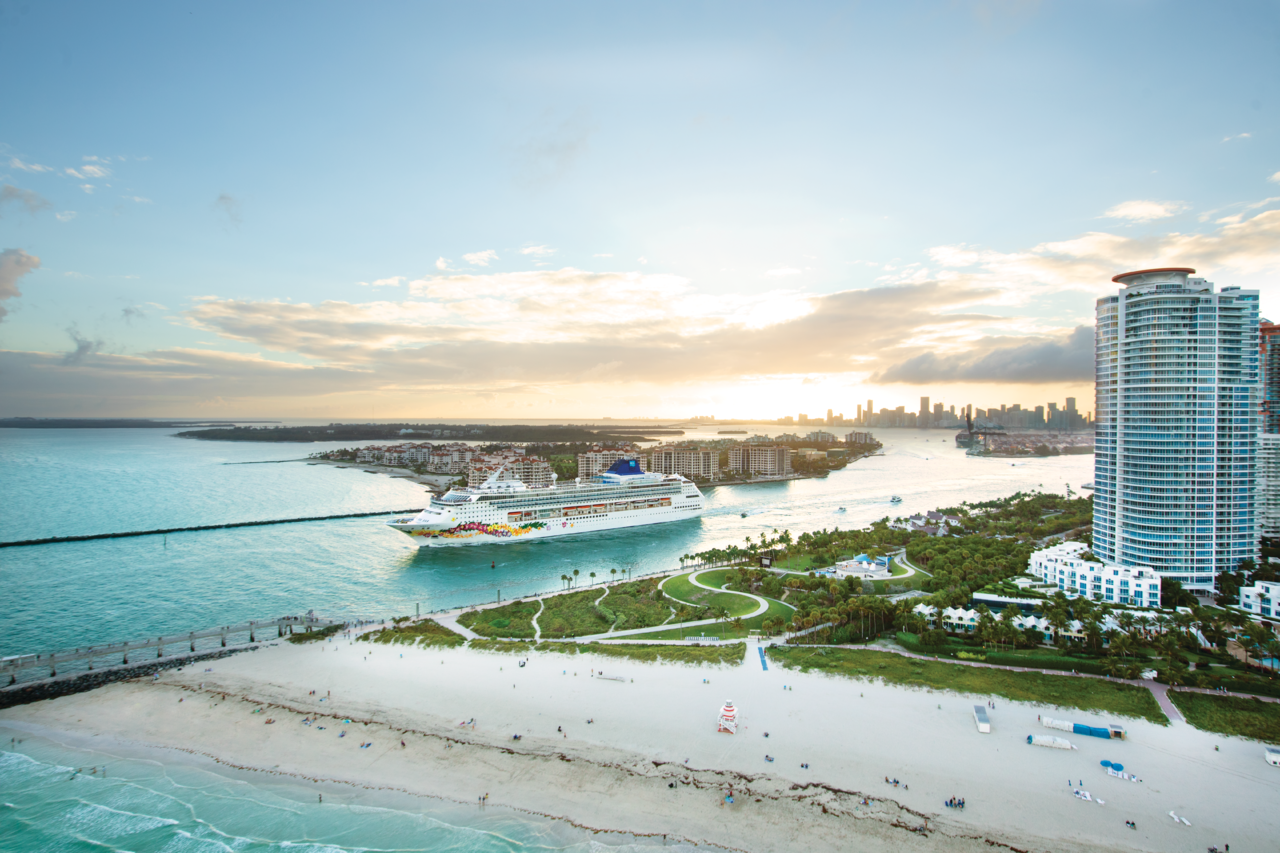
Miami is one of the most accessible cruise ports in the U.S., with direct flights from most major cities and a short transfer to the terminal. For a sailing that can run 10–16+ nights, avoiding a complicated embarkation day is a genuine advantage.
These are long sailings with a deliberate pace and several sea days built around transit day. If you prefer port-intensive, week-long trips with a new stop every morning, this route will feel slow. The Canal rewards patience, not constant activity.
A full-transit sailing doesn't return to Miami — you disembark on the Pacific coast, typically in Los Angeles or San Francisco. That means booking a one-way flight home and factoring in the added cost and planning. Partial transits loop back to Miami but skip the Pacific payoff.

Departure Port Logic
Miami's geographic position makes it the most direct major embarkation port for Panama Canal itineraries. Ships heading south from PortMiami reach the Caribbean approaches to the Canal with minimal repositioning, which means more of the sailing's sea days feel purposeful rather than padded. For full-transit voyages ending on the Pacific side, Miami's extensive flight network also simplifies one-way logistics — passengers disembarking in San Diego or Los Angeles can book nonstop return flights easily, while those on roundtrip partial transits avoid the complication of a distant home port altogether.
Starting from Miami also shapes what happens before and after the ship. The city's hotel infrastructure, ease of cruise-terminal access, and warm-weather appeal make it practical to build a pre-cruise stay without adding a connecting flight. Compare that with a Canal sailing out of, say, Fort Lauderdale or Galveston — the Canal experience itself may be similar, but Miami's combination of flight options, port proximity to downtown, and short run to the first Caribbean calls gives it a logistical edge that matters most on these longer, one-way-capable itineraries.
Full-transit sailings often end on the West Coast. Miami's status as a major international hub means competitive one-way fares home and fewer layovers compared to smaller embarkation cities.
PortMiami is minutes from downtown hotels and accessible from Miami International Airport without a lengthy transfer, reducing the friction of boarding for a voyage that may last two weeks or more.
Departing from Miami puts the ship closer to the first Western Caribbean ports and the Canal entrance at Colón, keeping early sea days to a minimum and letting the itinerary build momentum quickly.

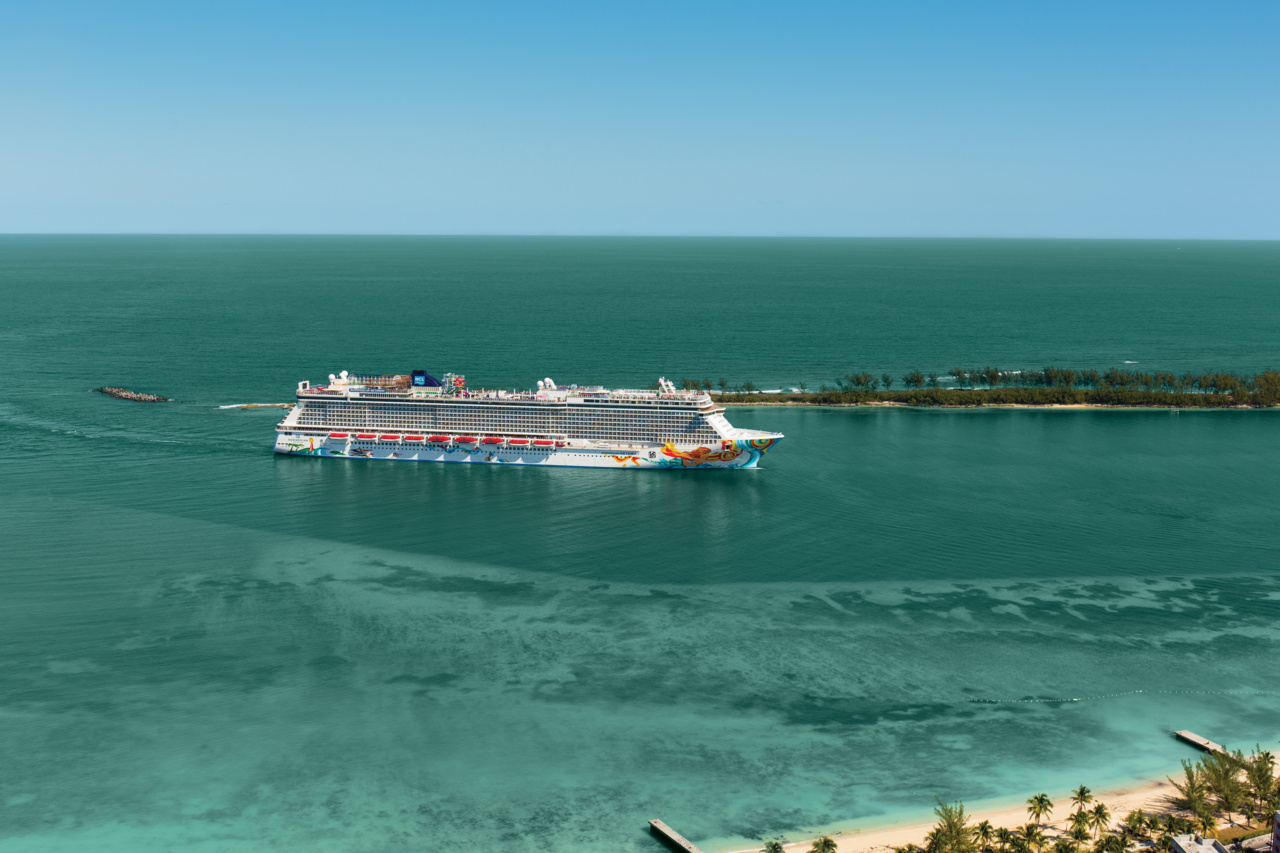
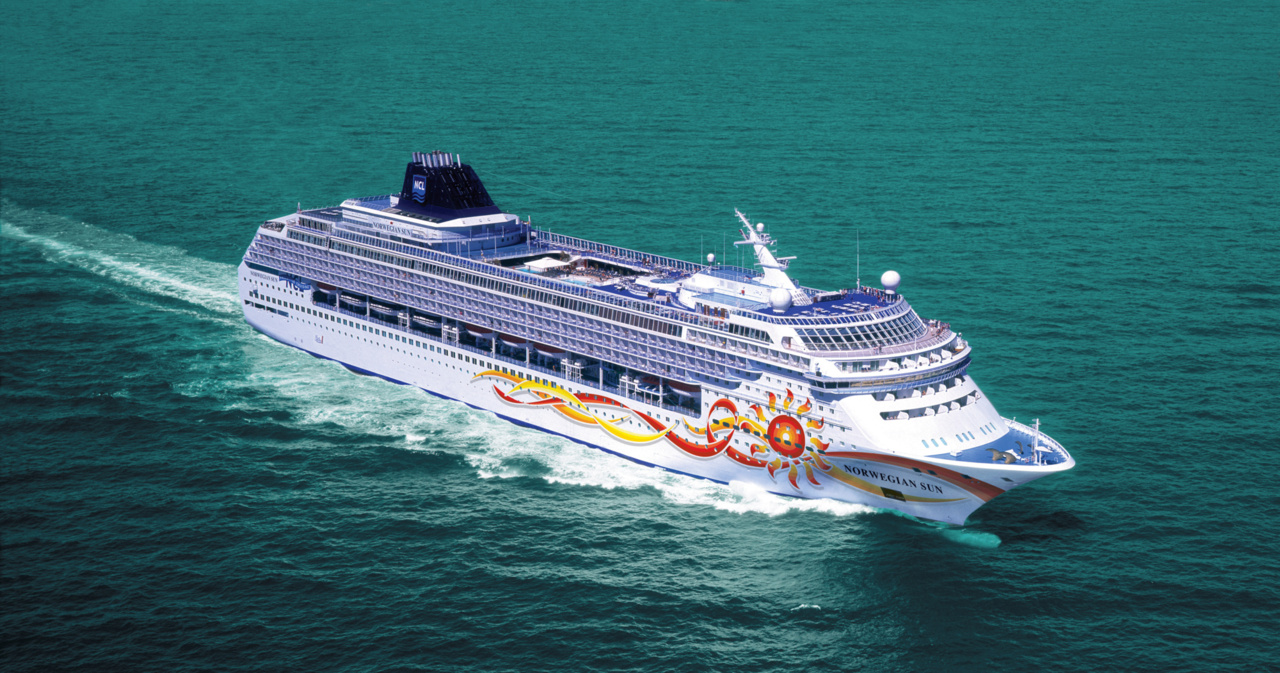
Norwegian deploys its Freestyle approach on the Canal route, offering a relatively relaxed, unstructured onboard experience on mid-to-large ships. Itineraries tend to mix familiar Caribbean stops with the transit itself, and the line's open dining and casual atmosphere carry through even on these longer sailings.
Browse Norwegian sailings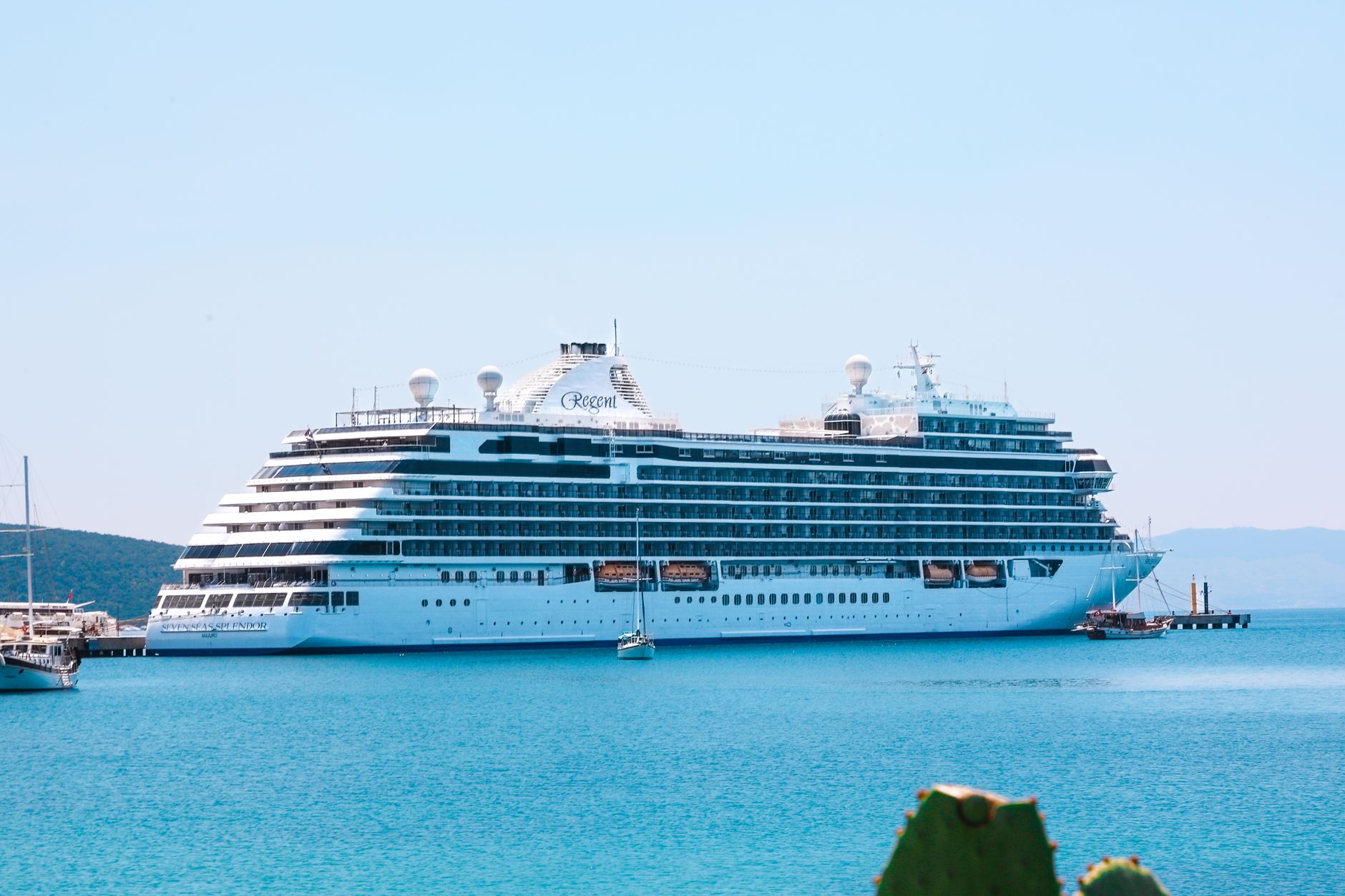
Regent treats the Canal crossing as part of a luxury voyage rather than a standalone event, wrapping it in longer itineraries with more port-intensive scheduling and an all-inclusive fare structure. Ships are smaller, which can make lock transits feel more intimate and gives access to ports that larger vessels skip.
Browse Regent sailings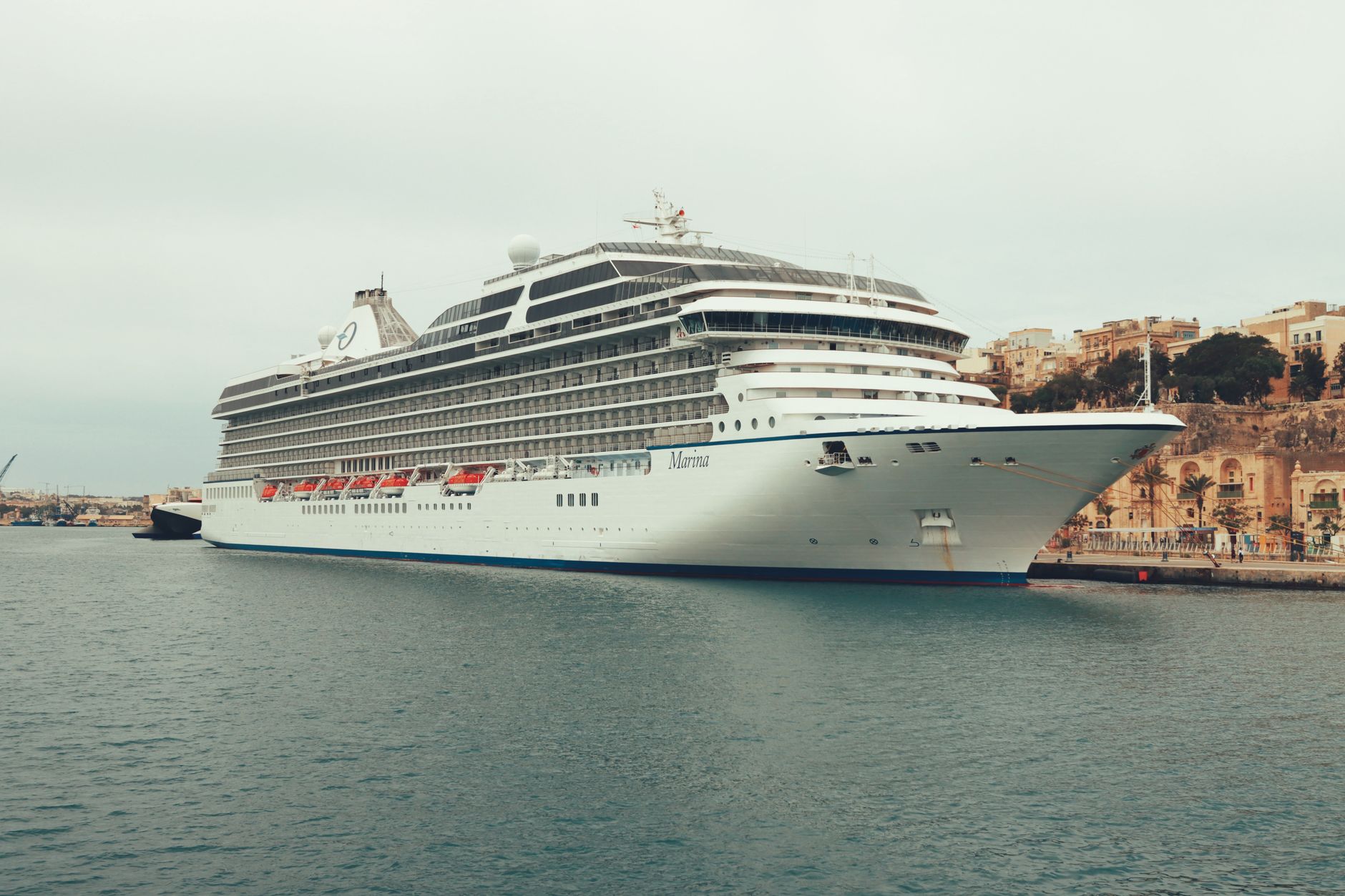
Oceania brings its culinary and destination focus to the Canal route, using mid-sized ships that feel manageable during transit and at smaller ports. Itineraries lean toward longer voyages with more stops, and the line's emphasis on food and regional immersion fits a route that passes through several distinct cultures.
Browse Oceania sailings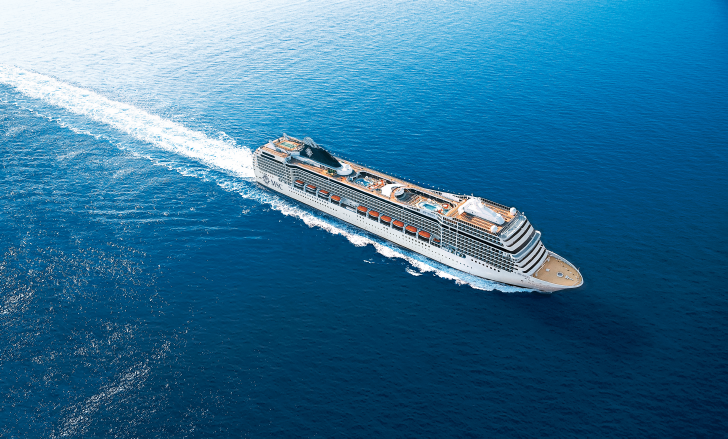
MSC's presence on the Miami-to-Canal route is limited, typically deploying large, amenity-rich ships on select sailings. The onboard experience is international in flavor, with a European-influenced sensibility and a broad range of dining, entertainment, and family facilities.
Browse MSC sailings
This is not a port-a-day Caribbean hop. Expect longer sea days, a deliberate rhythm, and one unmissable centrepiece — transit day through the locks. The ports lean cultural rather than beach-resort. If you want downtime mixed with genuine spectacle, the pacing rewards patience.
A full transit sails through to the Pacific (often ending in a different port). A partial transit enters the locks and turns back, returning to Miami. Full transits mean longer sailings and one-way logistics; partials are shorter and simpler but skip the Pacific payoff. This single choice shapes duration, cost, and what you'll see.
Most Canal sailings from Miami run 10–15+ nights, well beyond a quick getaway. The season clusters October through April, and repositioning itineraries may require flying home from a different city. Budget time and flexibility, not just fare — and book early enough to secure the cabin category that suits the voyage length.
This pairing suits travellers who want one of cruising's most iconic transit experiences with the convenience of a major U.S. departure port — but the longer itineraries (typically 10 nights and up) and slower pace mean it's a poor fit for anyone chasing a quick beach getaway.






