




Shorter Gulf crossing
Tampa to Cozumel is roughly 540 nautical miles — ships arrive faster than from most other Florida ports, adding usable port time to even short sailings.

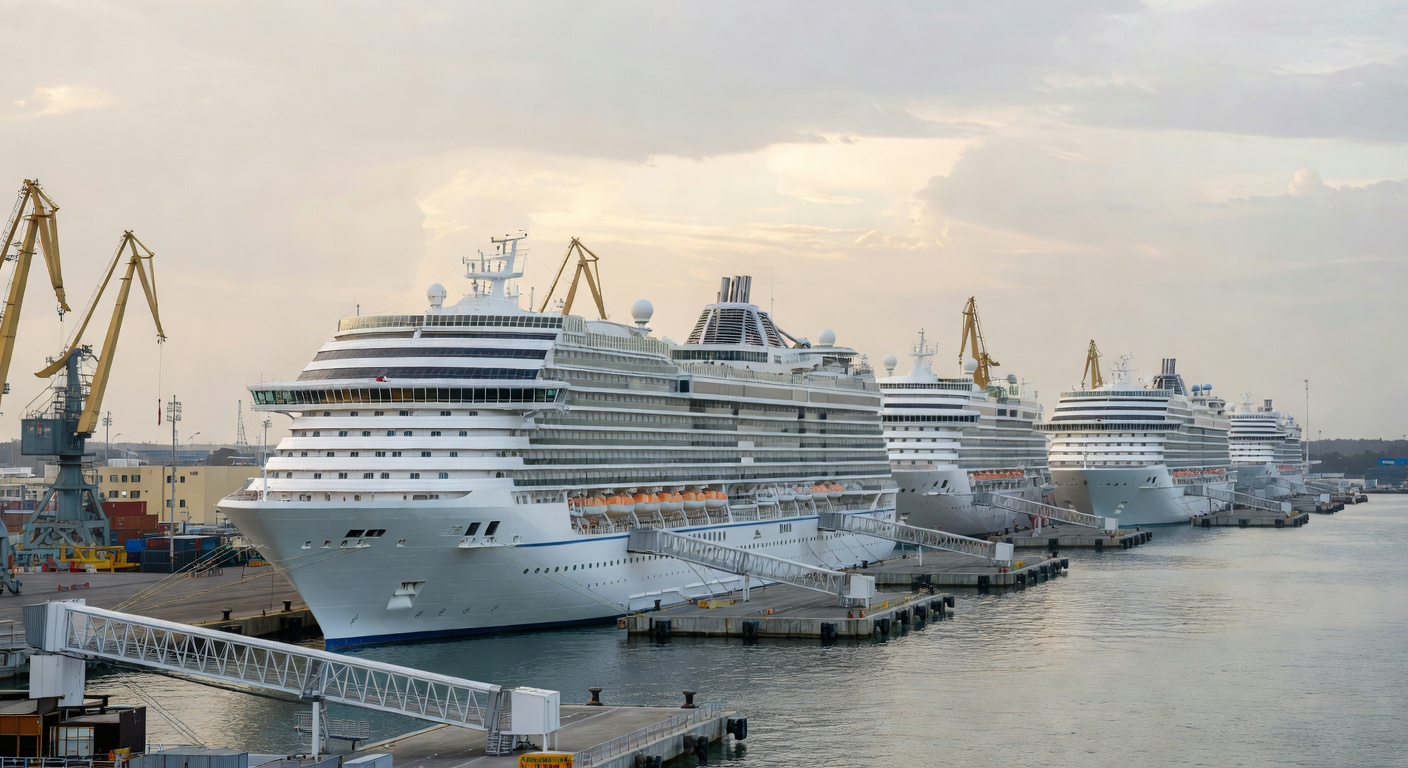
Mexico from Tampa
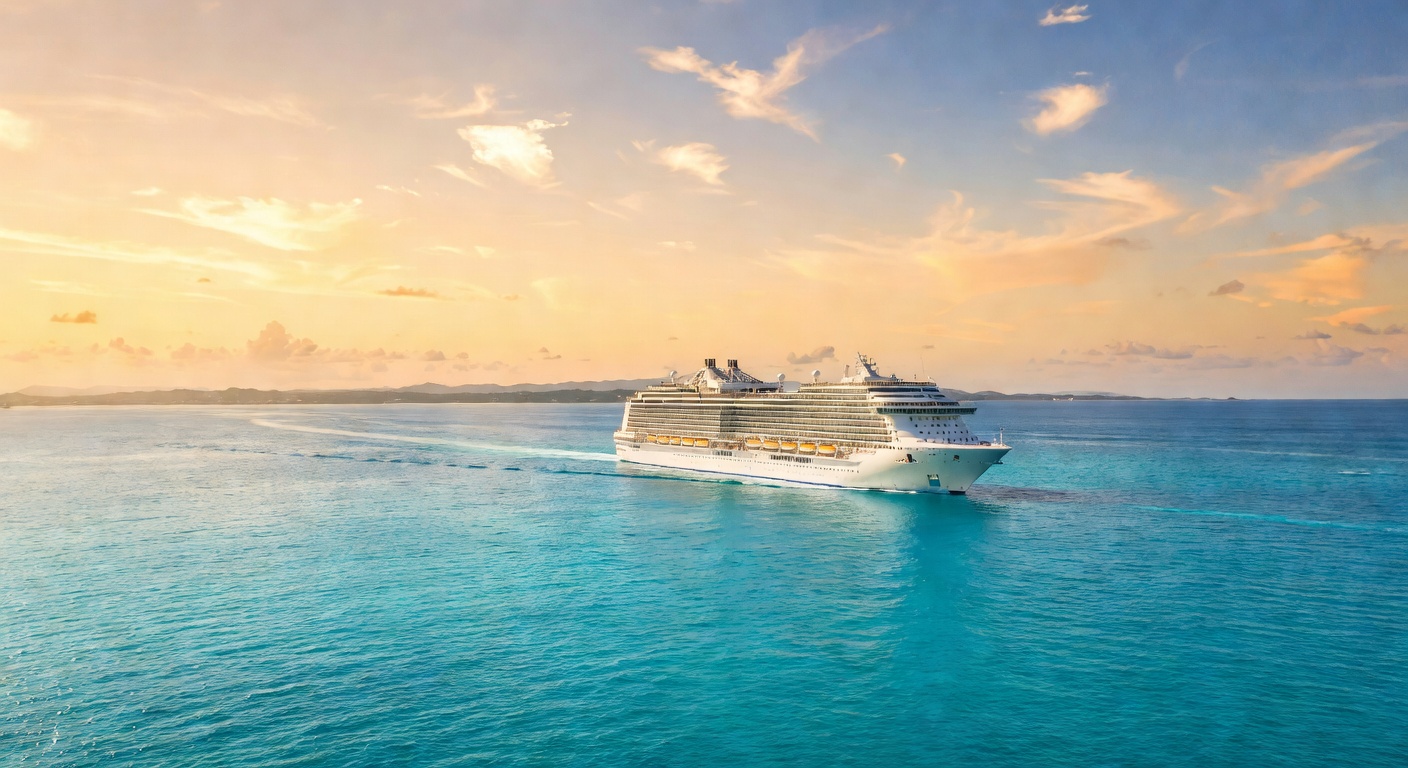
Tampa's position on Florida's Gulf Coast gives it a geographic edge for Mexico-bound sailings. Ships head almost directly west across the Gulf, reaching Cozumel in roughly a day and a half — less transit time than departures from Miami or Fort Lauderdale, which must navigate south around the Keys before turning west. That shorter crossing means more port hours on itineraries that are already designed to be compact.
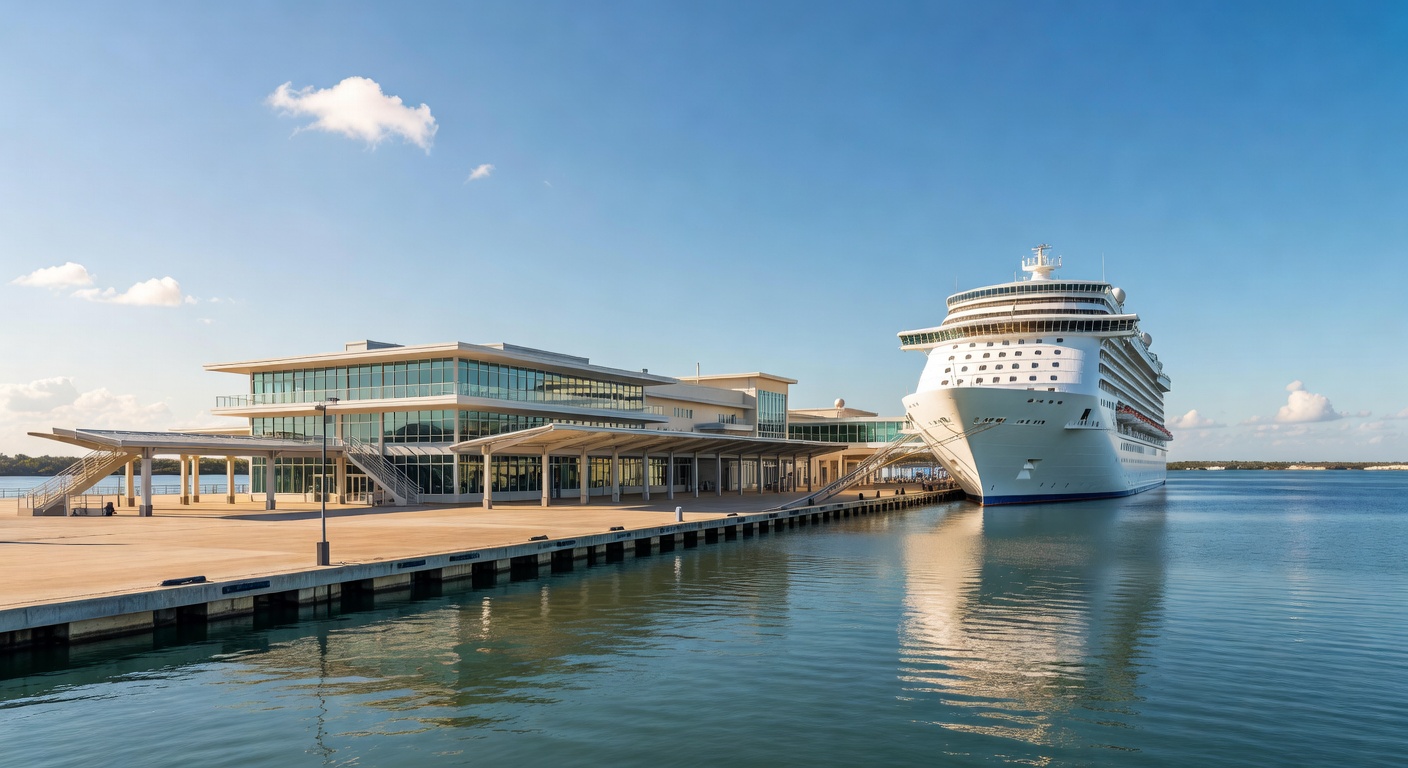
The route tends to suit travellers who want warm-weather port days without a long sailing or a large time commitment. Four- to seven-night roundtrips dominate the schedule, with Cozumel, Costa Maya, and Progreso as the primary Mexico calls. Port Tampa Bay's smaller terminal footprint adds a quieter, faster embarkation experience that first-time cruisers and families particularly appreciate.

Practical characteristics that shape a Mexico cruise departing from Tampa.
Tampa to Cozumel is roughly 540 nautical miles — ships arrive faster than from most other Florida ports, adding usable port time to even short sailings.
Most sailings run four to seven nights, making them accessible for travellers with limited vacation time or those testing cruising for the first time.
Port Tampa Bay handled over 1.6 million passengers in 2025 but remains significantly less congested than Miami or Fort Lauderdale on departure day.
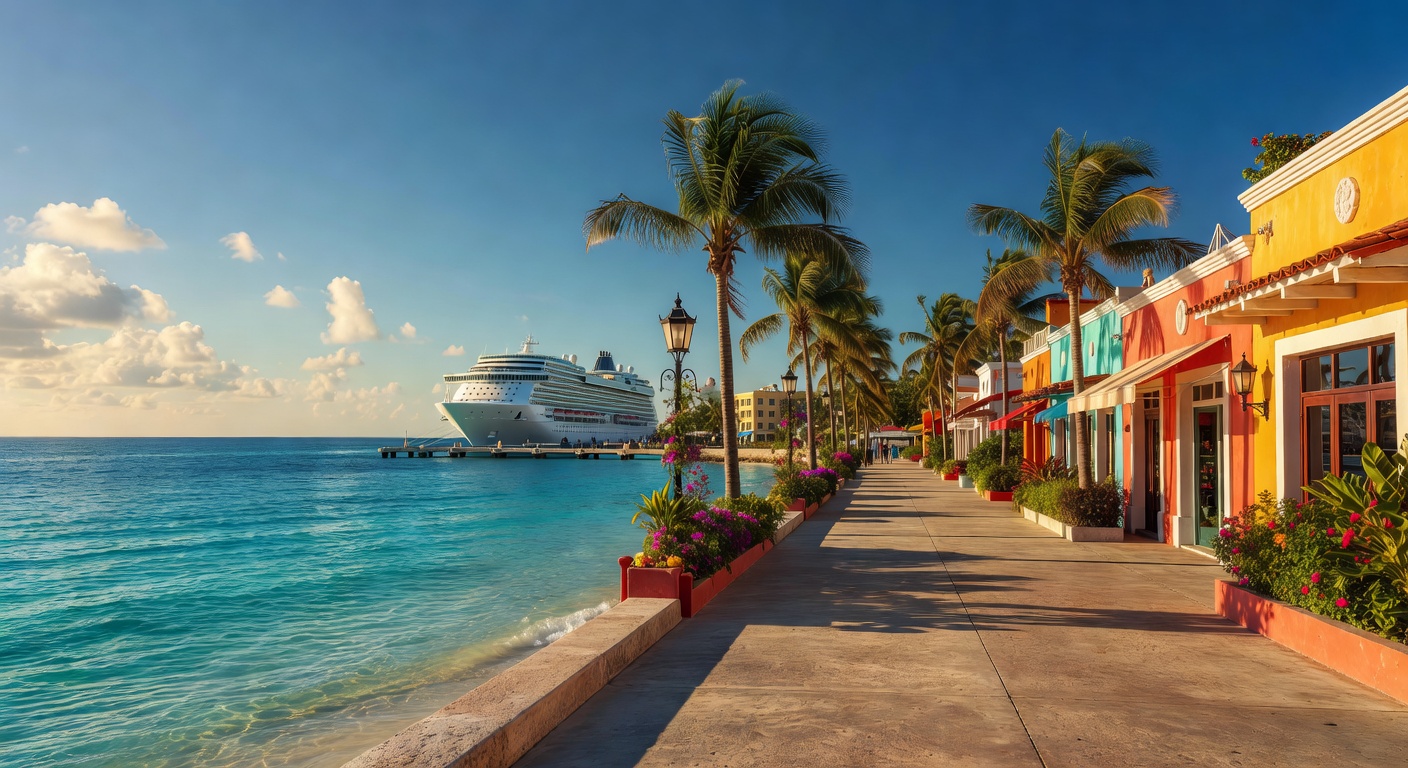
Cozumel offers reef snorkelling and proximity to Tulum; Costa Maya provides quieter beach clubs and Chacchoben ruins; Progreso is the gateway to Mérida and Chichén Itzá.
The port is a two- to three-hour drive from Orlando, Sarasota, and most of central Florida — no flights required for a large part of the state's population.
Many itineraries pair Mexico ports with Belize, Honduras, or Grand Cayman, giving variety within a single short sailing.

A four- or five-night sailing to Cozumel is one of the lowest-risk ways to find out whether cruising suits you. Tampa's manageable port and the route's affordability remove most of the barriers that make a first cruise feel like a big decision.

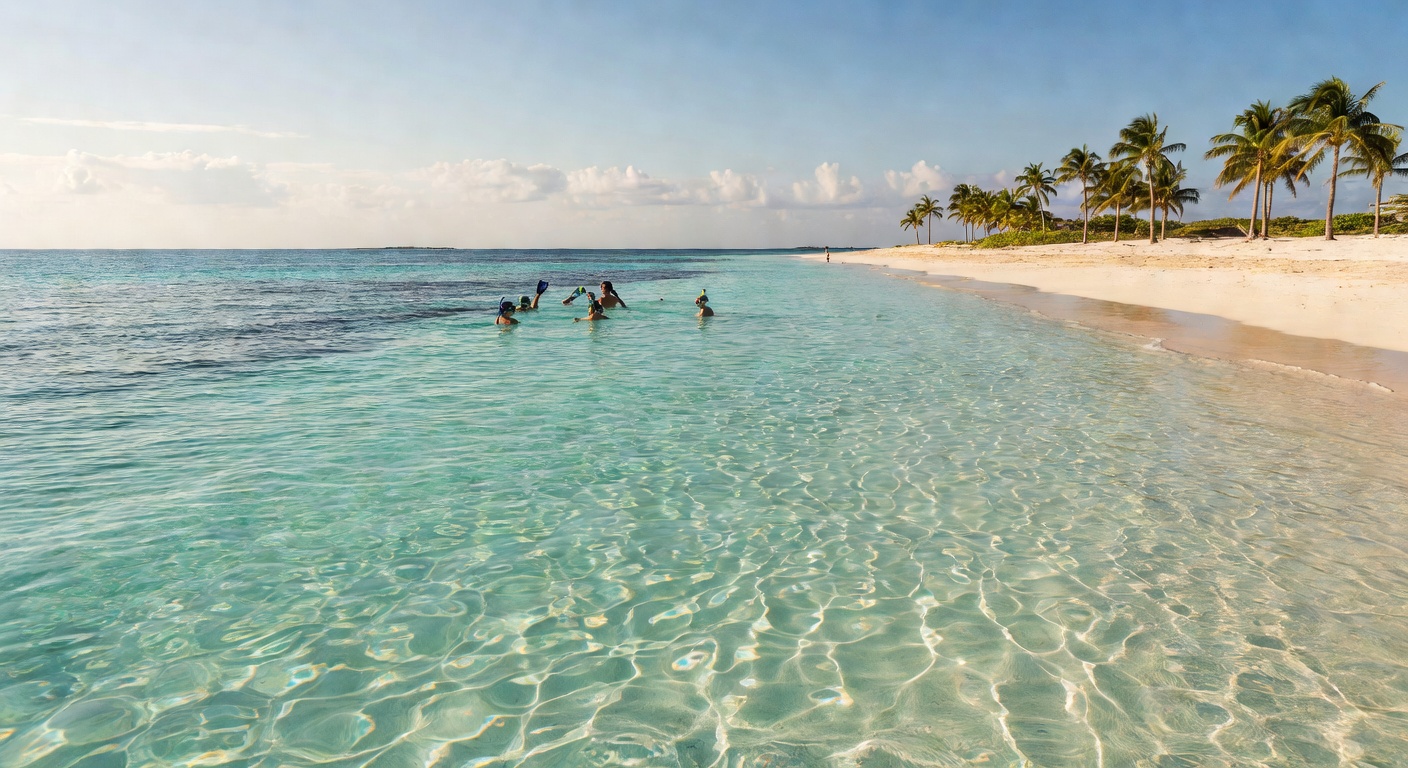
Snorkelling in Cozumel, beach clubs in Costa Maya, and onboard water features fill the days without requiring elaborate planning. The short duration keeps costs down and matches school-break windows.
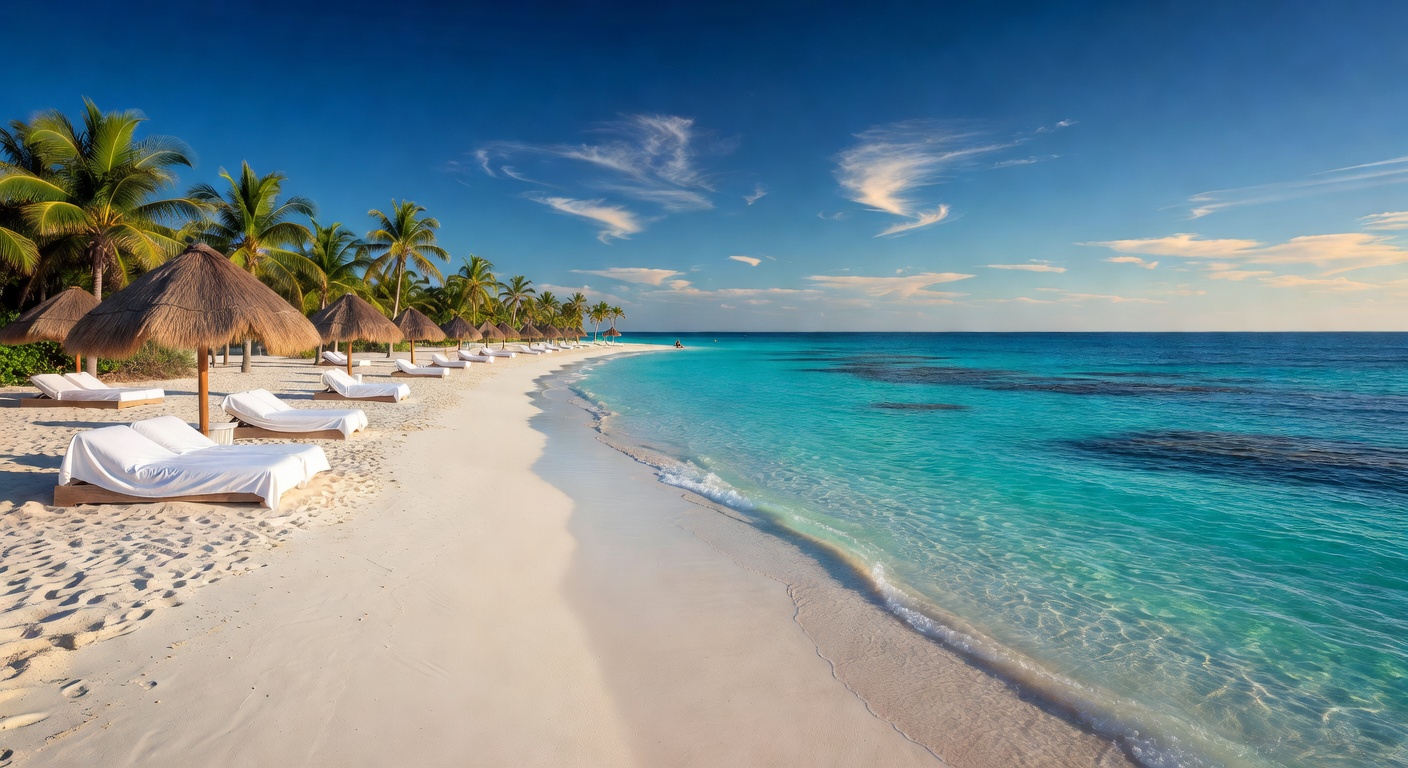
If the goal is sunshine, a few good dinners, and not thinking about logistics for a week, this route delivers without asking you to fly across the country first.

You will see the Yucatán's coast and can visit ruins on a day excursion, but this route does not reach Mexico City, Oaxaca, Puerto Vallarta, or the Pacific side. If you want Mexico beyond the cruise-port perimeter, a land trip or a West Coast sailing may be a better match.
Departure Port Logic
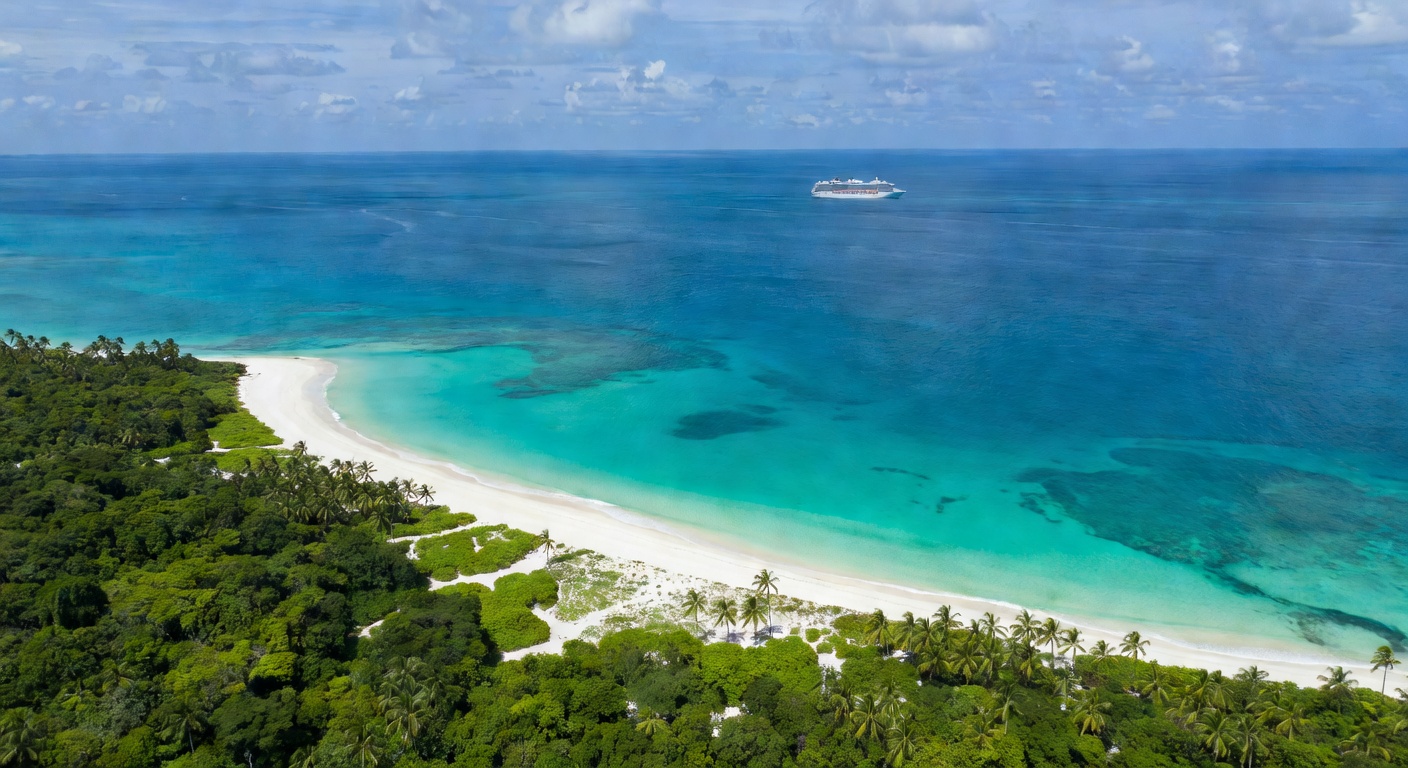
Tampa's Gulf Coast position creates a materially different trip than the same Mexico itinerary departing from Miami or Fort Lauderdale. The Gulf crossing is more direct, shaving transit time that translates into either an extra port call or a shorter overall sailing at the same number of stops. Embarkation day is noticeably calmer — Port Tampa Bay processes fewer ships per day than South Florida's terminals, and the parking-to-gangway experience is faster.
The trade-off is fleet size. Tampa draws fewer ships and fewer of the newest mega-ships in any line's fleet. If sailing the very latest hardware matters to you — Carnival's Excel-class, Royal Caribbean's Oasis-class — those ships homeport in South Florida. Tampa's deployment tends toward mid-fleet vessels that are well-maintained and well-suited to shorter runs but do not carry the wow factor of a brand-new build. For a four- or five-night Mexico itinerary, that trade-off is usually worth making.
Orlando, Lakeland, Sarasota, St. Petersburg — all within a two- to three-hour drive. Eliminating a flight removes cost, stress, and the risk of airline delays on embarkation day.
Port Tampa Bay's three cruise terminals handle a fraction of the volume that Miami's eight terminals process. The result is shorter lines and a less hectic start to the trip.
Channel deepening and new terminal construction are planned to accommodate growing demand and larger ships — a sign that cruise line deployment from Tampa is expected to increase.
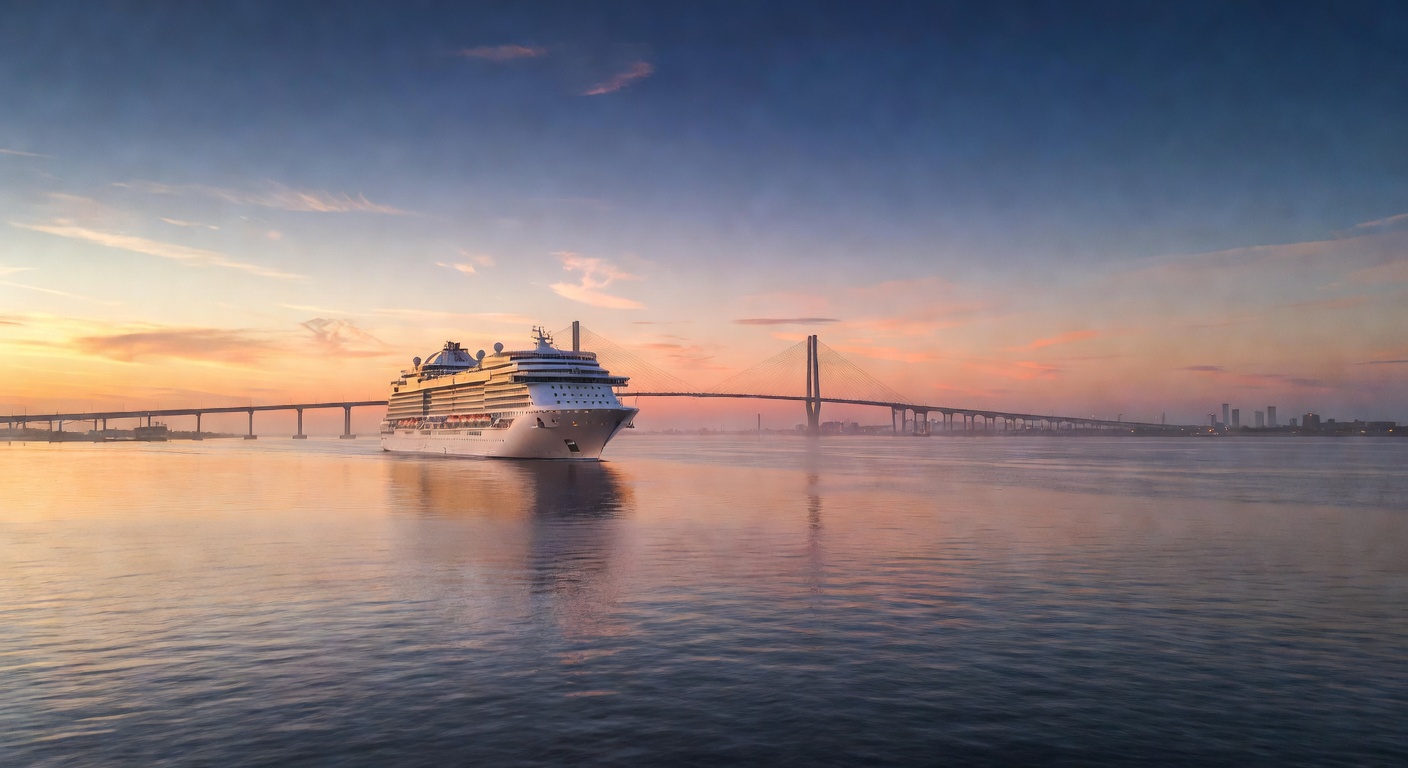

Highest volume of Tampa-to-Mexico sailings, with four- and five-night Cozumel runs making up the backbone of the schedule. Ships are mid-fleet but well-suited to short itineraries.
See Carnival Mexico sailings from Tampa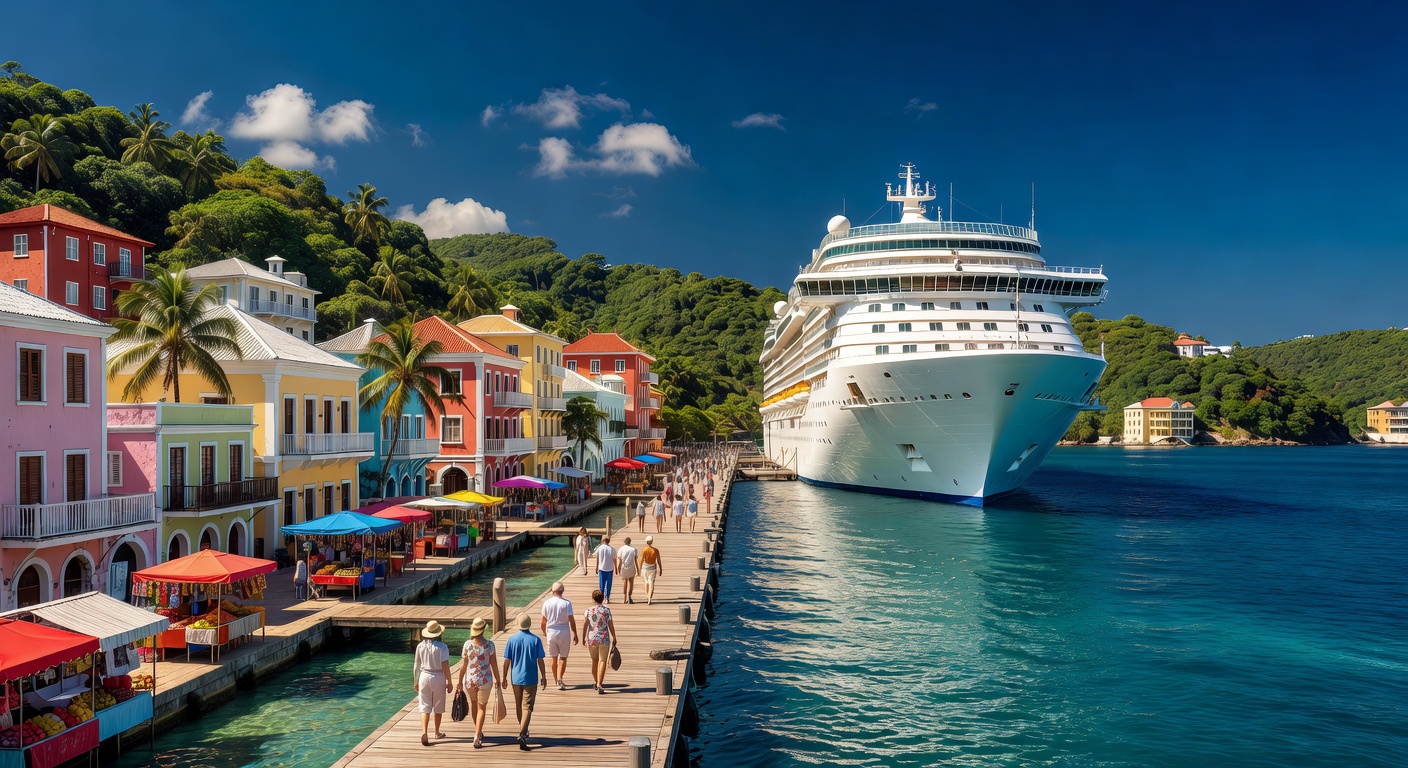
Seasonal deployment with five- to seven-night Western Caribbean itineraries that typically include Cozumel and Costa Maya alongside non-Mexico stops like Grand Cayman.
See Royal Caribbean Mexico sailings from Tampa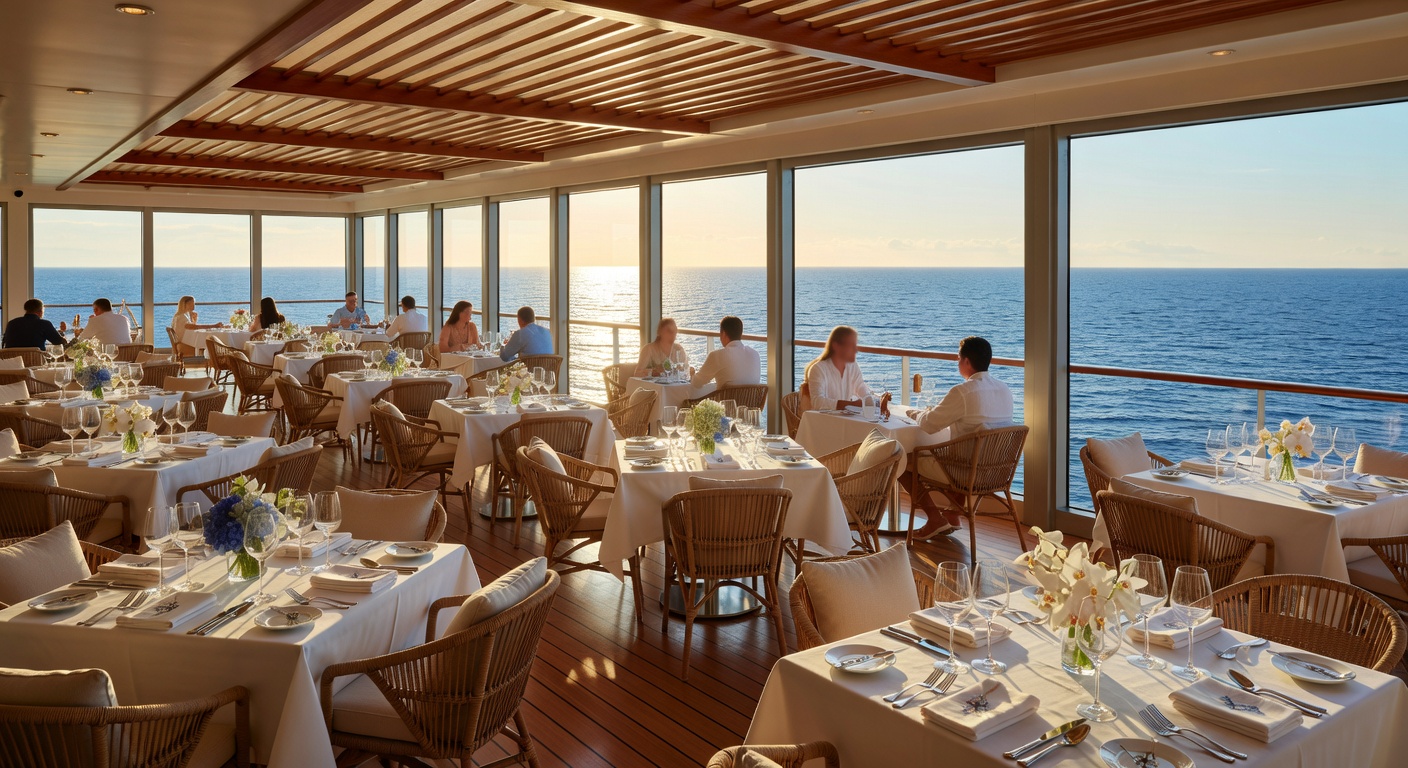
Freestyle dining and flexible daily schedules on Western Caribbean itineraries that call at Mexico ports among broader Caribbean rotations.
See Norwegian Mexico sailings from Tampa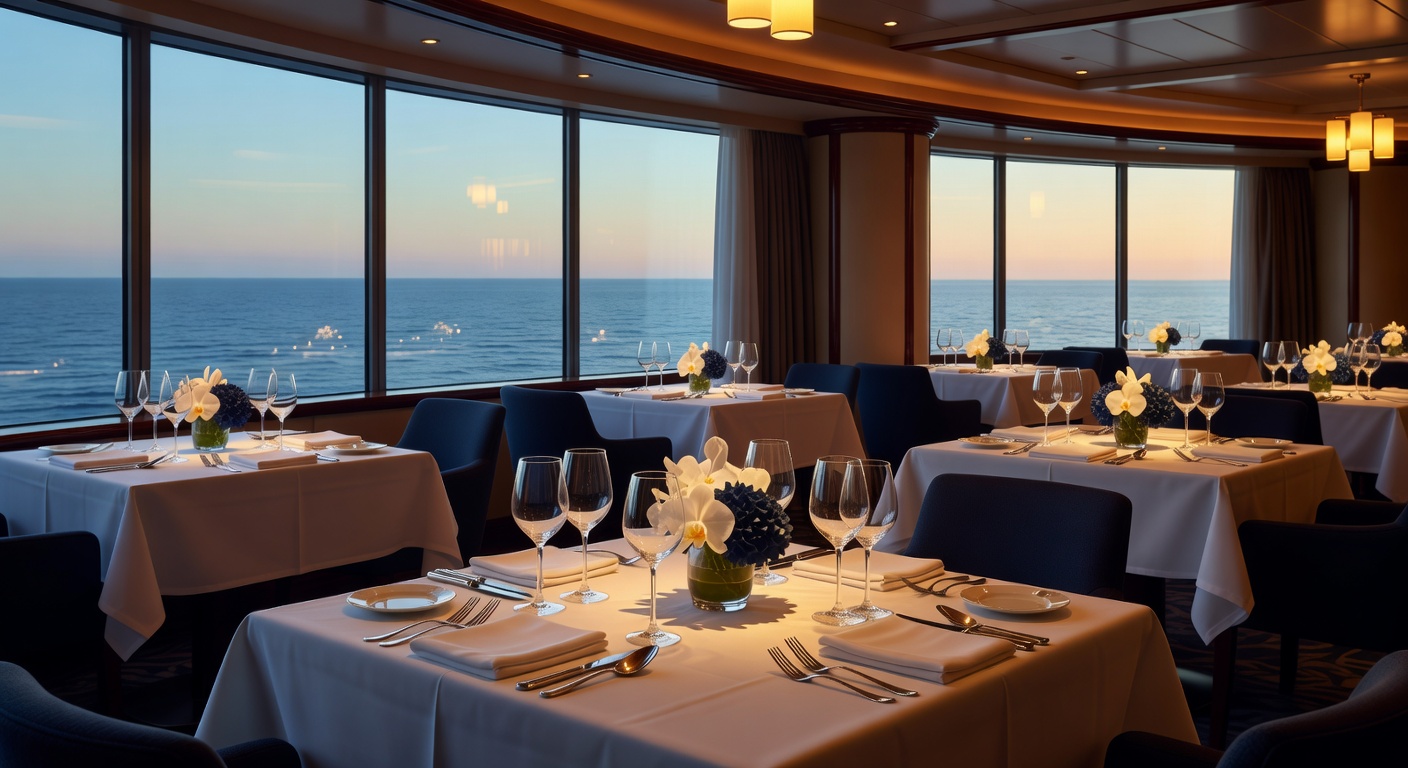
A premium-leaning option with Mexico-calling itineraries from Tampa, positioned as a dining and service upgrade over mainstream competitors.
See Celebrity Mexico sailings from Tampa
Seven-night roundtrips from Tampa calling at Cozumel and Costa Maya alongside other Western Caribbean ports, with a laid-back brand identity.
See Margaritaville at Sea Mexico sailings from Tampa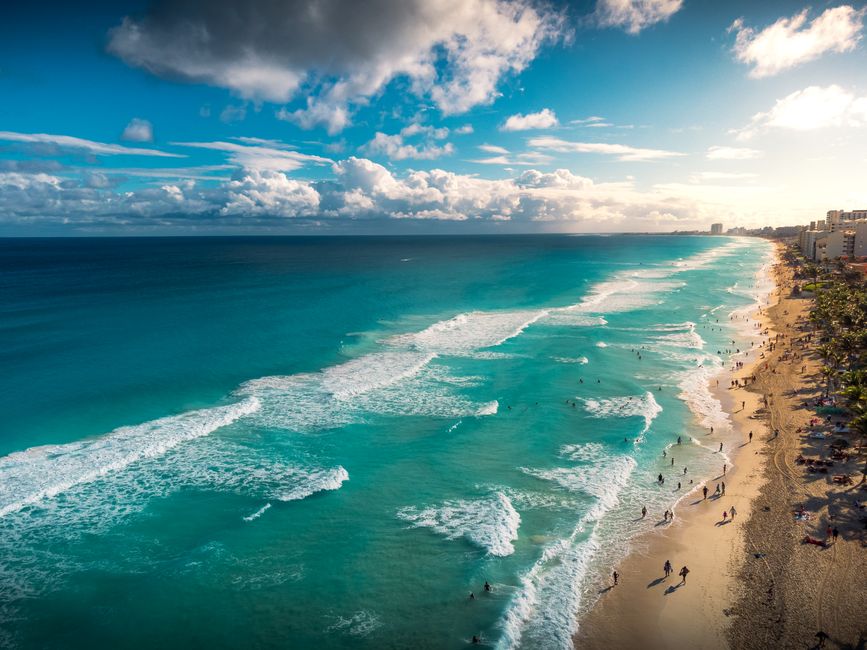
Mexico from Tampa is designed around accessible port days rather than extended sea time. Four- to seven-night durations keep the trip compact, and the Gulf crossing delivers you to the Yucatán coast faster than most alternative departure points.
This route rewards travellers who want sunshine, snorkelling, a ruin visit, and a few good meals without over-planning. It is not the route for extended overland Mexico travel or Pacific coast destinations.
Tampa draws mid-fleet vessels, not the newest flagships. If sailing the latest hardware is a priority, South Florida ports offer more options. If a calmer embarkation and efficient Gulf crossing matter more, Tampa earns the trade.
If you live within driving distance of central Florida and want a short, affordable route to the Yucatán coast with minimal embarkation hassle, Tampa is the departure port that makes the most practical sense — just know you are choosing port efficiency over the newest ships in any line's fleet.
