




Drive-to departure
The World Cruise Center in San Pedro and Long Beach Cruise Terminal are both within LA's metro area — no flights required for Southern California residents.

Mexico from Los Angeles
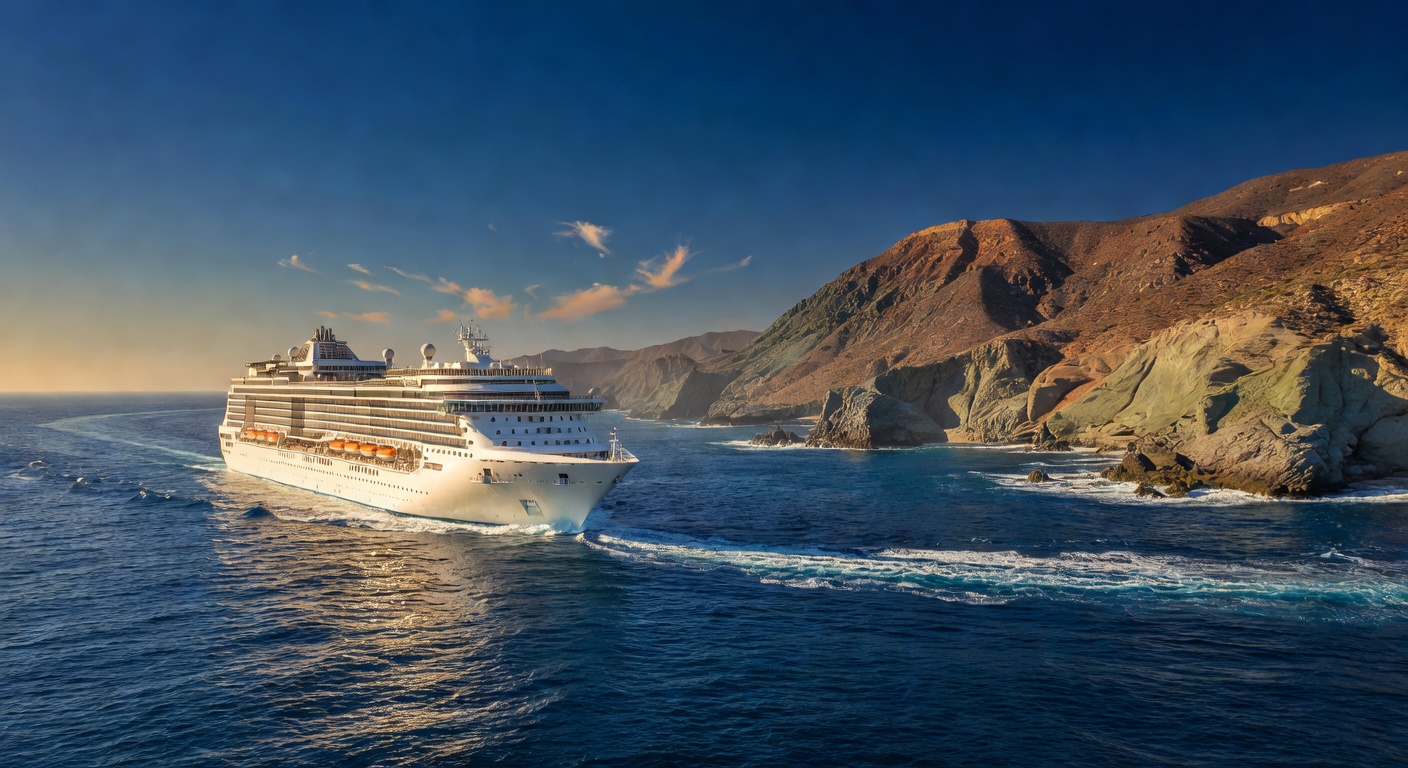
Los Angeles puts the Mexican Riviera within a single sea day's reach — no positioning flights, no time-zone adjustments, just a short drive to the port and a week of Pacific coastline ahead of you. The standard seven-night round-trip visits Cabo San Lucas, Puerto Vallarta, and Mazatlán, three ports with genuinely different personalities, balanced by enough sea days to make the ship feel like a destination in its own right.
This is one of the most straightforward warm-weather cruise pairings available from the West Coast. It suits first-timers who want to test cruising without a complex itinerary, families who want sun and onboard entertainment in a single package, and experienced cruisers who value an easy embarkation and reliable ports over logistical novelty.

Practical characteristics that shape the LA-to-Mexico experience, from embarkation to port rhythm.
The World Cruise Center in San Pedro and Long Beach Cruise Terminal are both within LA's metro area — no flights required for Southern California residents.
Mexico's Pacific coast ports share the same time zone as Los Angeles, so you never lose or gain an hour.
Seven-night itineraries typically include three port days and two to three sea days, creating a rhythm that avoids feeling rushed.
Several itineraries keep the ship docked into the evening at Vallarta, giving you time for a waterfront dinner ashore.
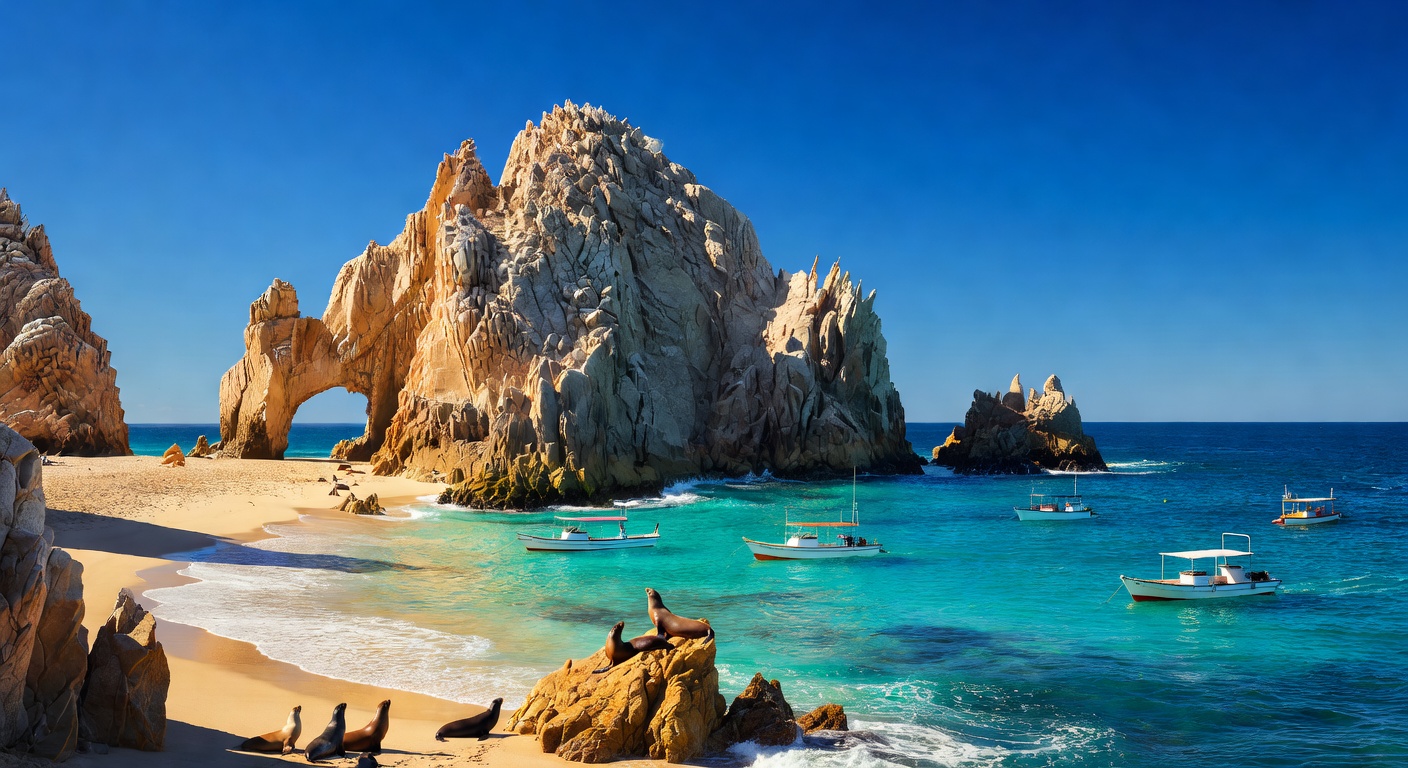
Cabo San Lucas is a tender port — you ride a small boat to the marina, which adds time but puts you right in the harbour with views of the famous arch.
October through April brings dry conditions and highs in the low 80s°F across all three Riviera ports.
No flights, no passport complications on a closed-loop sailing, and a seven-night length that is long enough to feel like a real vacation without over-committing. The ports are welcoming, the sea days are built in for recovery, and the ships deployed here are among the most activity-rich in each line's fleet.
The large ships on this route — Carnival Panorama, Ovation of the Seas, Norwegian Bliss — carry extensive family programming, waterparks, and supervised kids' clubs. Port days offer straightforward beach time without complicated logistics. The two sea days give families time to actually enjoy what the ship offers.
The route delivers reliable warmth, a walkable cultural port in Vallarta, a beach day in Cabo, and enough time at sea to use the spa, the pool deck, or a quiet corner of the ship. Not the most adventurous itinerary, but a very comfortable one.
The Mexican Riviera rotation from LA is consistent — Cabo, Vallarta, Mazatlán, repeat. If you have sailed it twice, the ports will feel familiar. Travellers looking for new ground from the West Coast may prefer a repositioning cruise to Hawaii, a longer Panama Canal transit, or waiting for a seasonal Alaska deployment.

Why Los Angeles
Departing from Los Angeles eliminates the single biggest expense and logistical hurdle of most cruise vacations: the flight to the port. For anyone in Southern California — or within a day's drive — this turns a Mexican Riviera cruise into something closer to a road trip that happens to involve a ship. You can park at the terminal, board in the early afternoon, and be at sea by dinner. That accessibility is a meaningful part of the route's value, especially for families or groups where airfare for four or six people would double the trip cost.
LA also creates natural pre- and post-cruise options that most departure ports cannot match. A night in Santa Monica before embarkation, a day at the Getty or Griffith Observatory after disembarkation — the port city itself is a destination. And because the cruise terminals in San Pedro and Long Beach are both within LA's metro area, you are not stuck in an industrial port zone with nothing to do if you arrive early or linger after.
Royal Caribbean and Princess use the World Cruise Center in San Pedro. Carnival uses the Long Beach Cruise Terminal. Both are off the 710 freeway and about 25 miles from LAX — roughly 30-45 minutes depending on traffic.
Terminal parking runs approximately $20-$25 per day. For a seven-night cruise, that adds up to $140-$175 — still far less than two round-trip flights, but worth budgeting for.
A handful of Mexican Riviera sailings depart from San Diego, about two hours south. The itineraries are similar, but departure options are fewer and less frequent than from LA.
High-energy, value-focused seven-night Riviera loops from Long Beach aboard Carnival Panorama and Carnival Firenze — both large ships with waterparks, extensive dining, and a lively onboard atmosphere.
See Carnival Mexico cruises from Los Angeles
Feature-rich ships — Ovation of the Seas (Quantum-class) and Navigator of the Seas (Voyager-class) — running seven-night itineraries from San Pedro with evening stays in Puerto Vallarta on select sailings.
See Royal Caribbean Mexico cruises from Los Angeles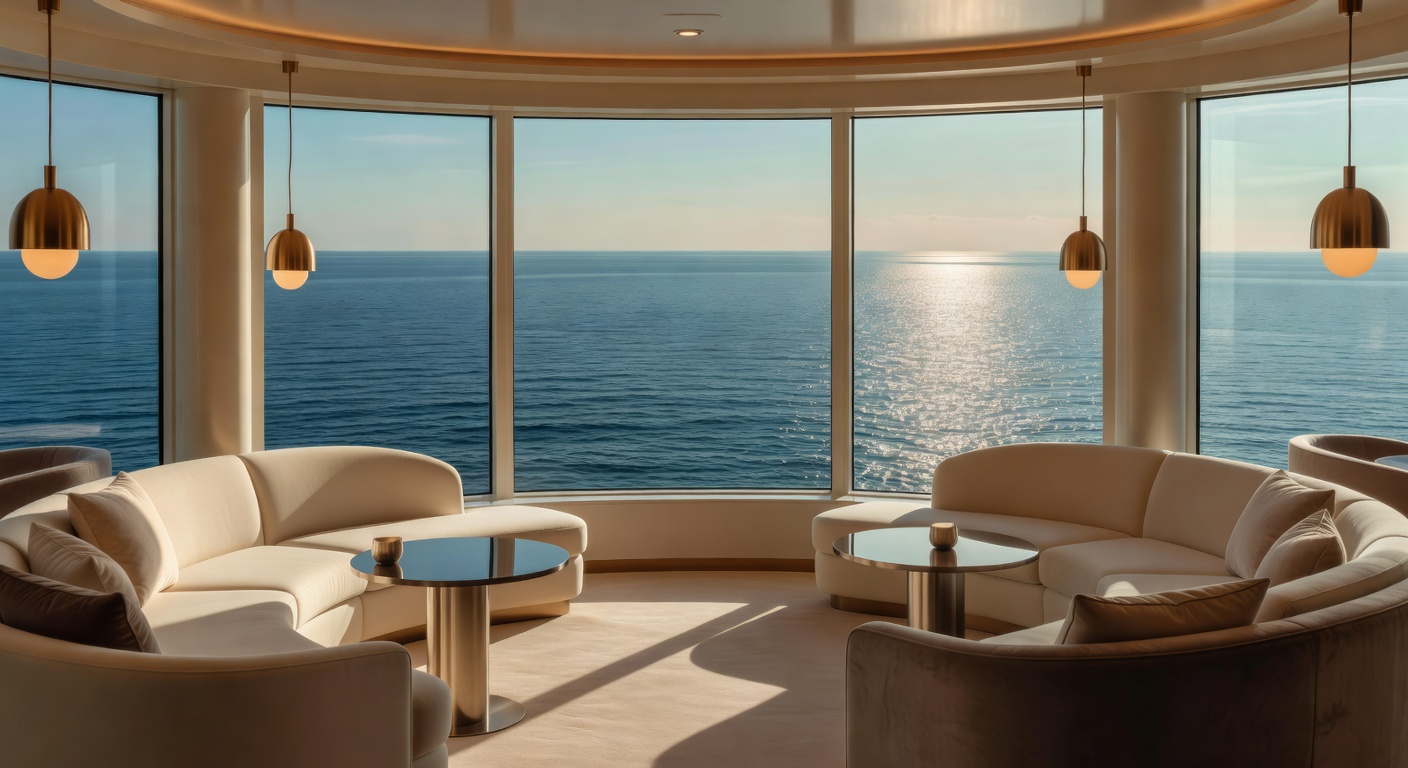
Seasonal Mexican Riviera deployments, typically aboard Norwegian Bliss, with NCL's Freestyle Cruising approach — no fixed dining times, open seating, and a relaxed onboard dress code.
See Norwegian Mexico cruises from Los Angeles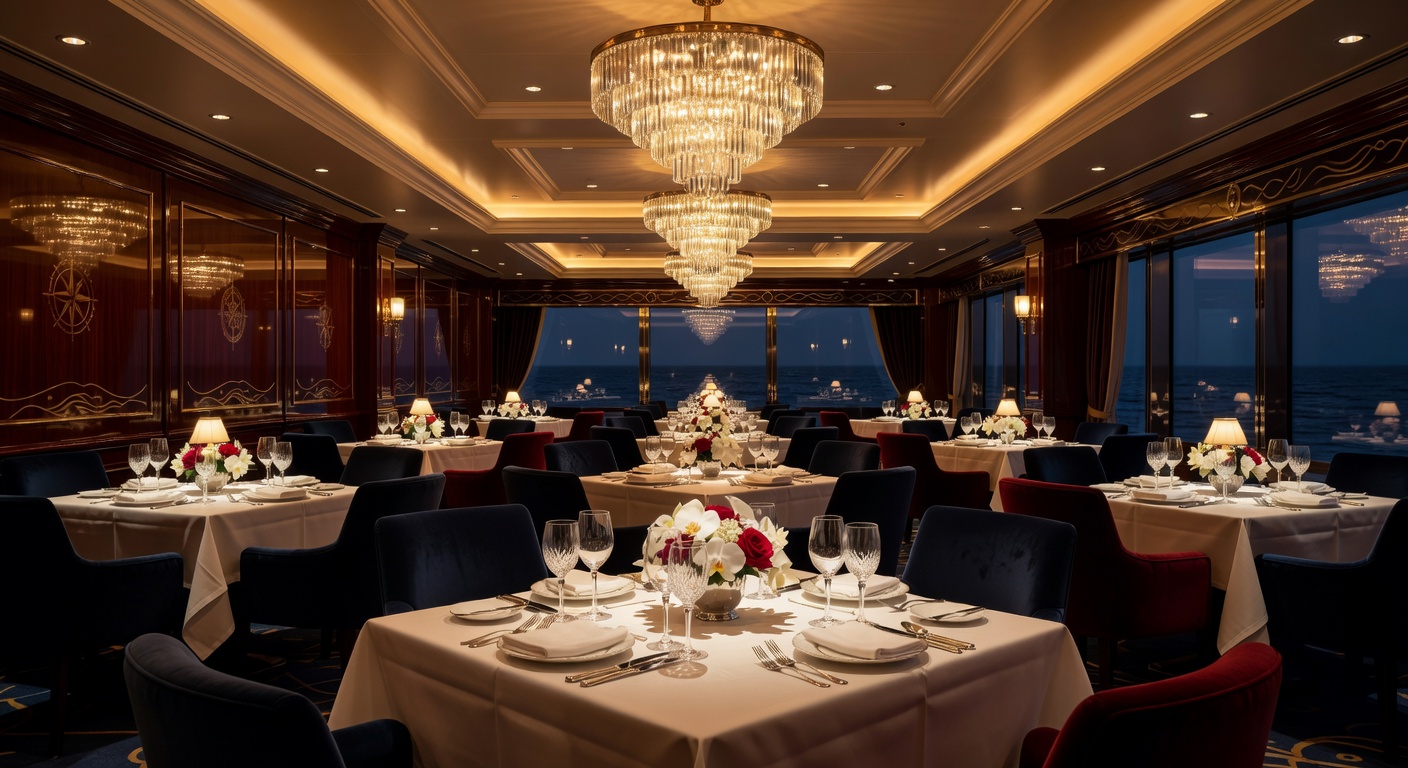
Seasonal Riviera sailings with Princess's signature MedallionClass technology, a more traditional cruise atmosphere, and strong dining programming.
See Princess Mexico cruises from Los Angeles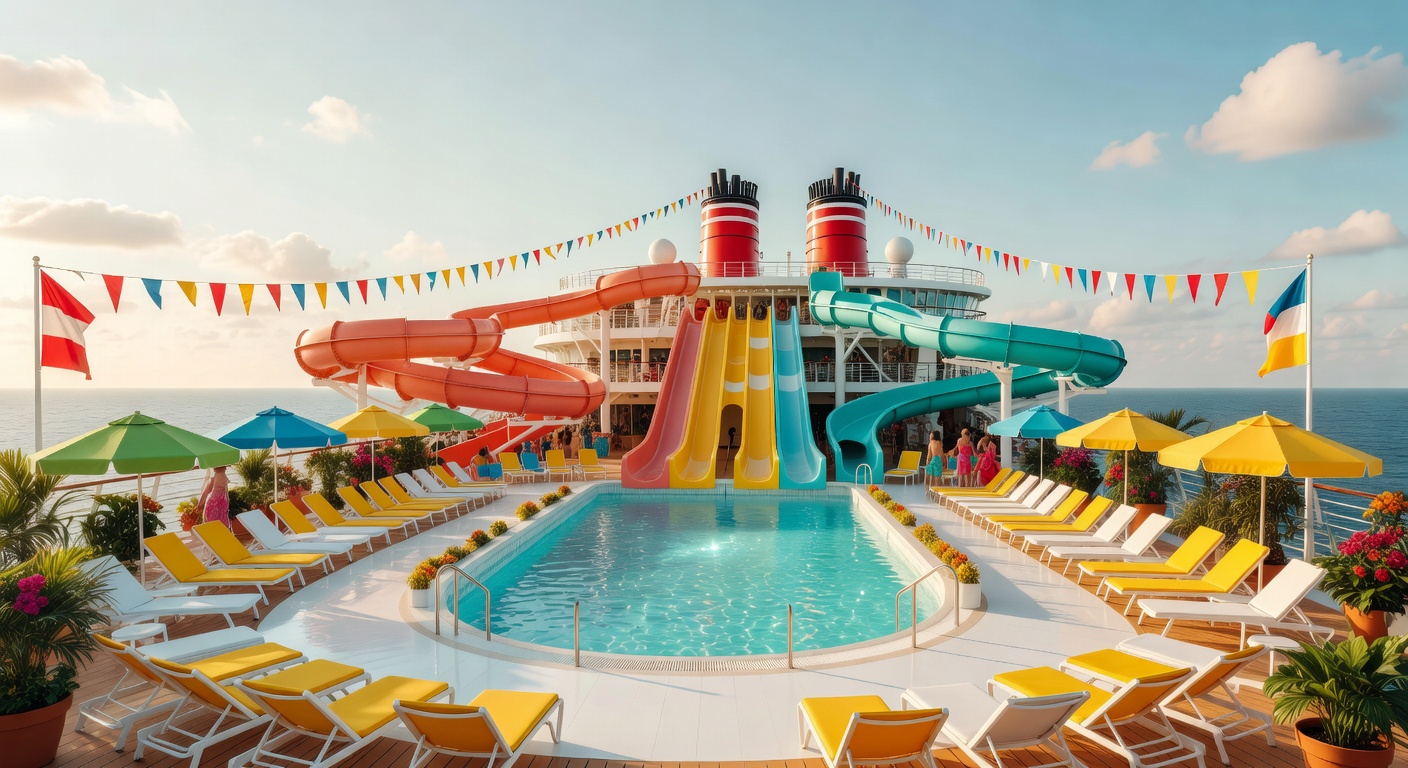
Limited Mexican Riviera sailings from San Pedro, purpose-built for families with children, with Disney's signature character experiences, kids' clubs, and entertainment programming.
See Disney Mexico cruises from Los Angeles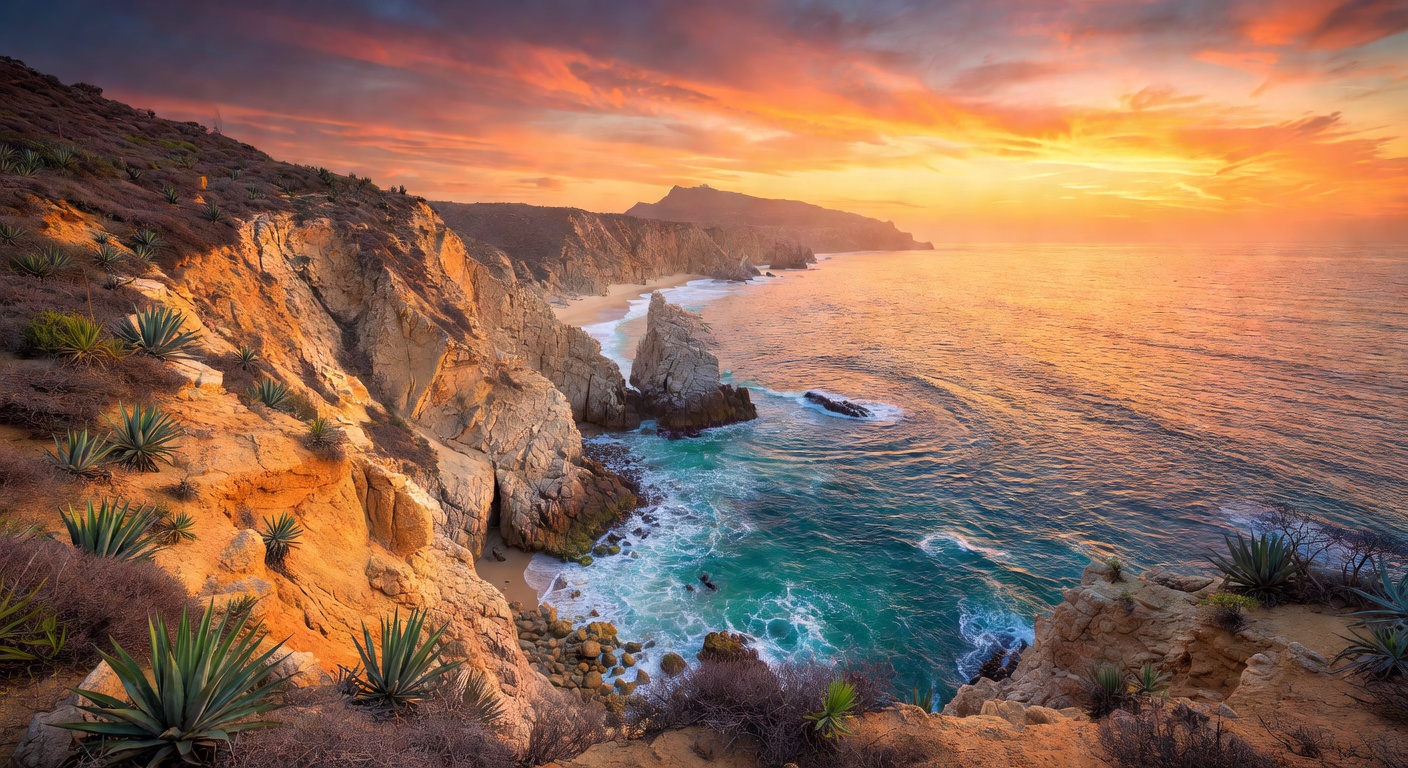
Three port days and two to three sea days over seven nights. The rhythm alternates between active days ashore and recovery time on the ship. Expect warm, dry weather from October through April and a relaxed tempo that suits first-timers and repeat cruisers alike.
This is not a route that demands advance excursion booking or detailed port research. All three Riviera ports are walkable, taxi-friendly, and well set up for independent exploration. Bring a passport, pack light layers for the sea days, and let the itinerary do the work.
The three-port Riviera loop is reliable and well-executed, but it does not change much from sailing to sailing. If you have done this route before, the ports will feel familiar. The variation comes from the ship you choose and the line you sail with — that is where repeat cruisers should focus their decision.
If you live within driving distance of LA and want a warm-weather week that requires almost no logistical planning, the Mexican Riviera is one of the most sensible cruise pairings available — just know that the port rotation rewards first and second visits more than third and fourth.
