




Small-Ship Advantage
Regulatory changes have shifted big ships away from Venice proper, meaning the lines still operating here tend to be smaller luxury and premium vessels with a more intimate onboard feel.


Destination from Port
Venice sits at the natural gateway to the eastern Mediterranean and the Adriatic, making it one of the most logical departure points for itineraries that loop through Croatia, Greece, and the wider region. Whether you're embarking from the city itself or from the nearby mainland terminals that now handle larger ships, the pairing gives you immediate access to port-intensive routes where sea days are short and destination time is high.
This departure port tends to reward travellers who want to combine a culturally rich embarkation city with an eastern Mediterranean itinerary — particularly those drawn to smaller luxury and premium lines that have maintained the strongest presence here. If you prefer an Adriatic-focused or Greek Islands routing without a long positioning leg, Venice remains one of the most efficient starting points in the region.

Venice-based Mediterranean sailings have a specific character shaped by geography, port logistics, and recent regulatory changes — here's what defines the experience.
Regulatory changes have shifted big ships away from Venice proper, meaning the lines still operating here tend to be smaller luxury and premium vessels with a more intimate onboard feel.
"From Venice" can mean the historic city waterfront or the nearby Marghera terminal, and the difference significantly affects your pre-cruise experience and transfer logistics.
Venice's position at the top of the Adriatic opens two natural routing categories — eastern Mediterranean loops reaching Greece and Turkey, and tighter Adriatic-focused itineraries hugging the Croatian and Montenegrin coasts.
Ports along these routes are places travellers plan entire holidays around, not filler stops, so shore days consistently feel substantial and rewarding.
Venice itself is a world-class destination, making it easy to build meaningful time before or after sailing without needing a connecting flight to reach somewhere interesting.
The geography keeps distances between ports relatively short, so itineraries lean toward frequent port calls rather than long stretches at sea.
Postcards from this route
Scenes from Venice and the eastern Mediterranean ports along the way
Venice puts you closer to Dubrovnik, Kotor, and the Greek islands than almost any western Med departure port. If your goal is the eastern Mediterranean with minimal sea days, this pairing is hard to beat — itineraries are port-intensive by design.
Few departure ports double as a world-class destination. Building in two or three nights before or after sailing lets you treat Venice as part of the trip rather than just a logistics stop. Budget extra time — the city earns it.
Big ships no longer transit past St. Mark's Square. Many large-ship sailings now depart from Marghera or nearby mainland terminals, which changes the embarkation experience significantly. Check your actual terminal before booking — 'from Venice' can mean different things depending on the line and ship size.
Venice's position at the top of the Adriatic makes it a natural launchpad east, not west. If Barcelona, the French Riviera, or relaxed sea days are your priority, a western Med departure port like Civitavecchia or Marseille will serve you better. Venice routes tend to pack in ports with little downtime.
Departure Port Logic
Venice's position at the top of the Adriatic doesn't just add atmosphere — it dictates route geometry. Departing from here (or from the nearby Marghera terminal, which now handles larger ships) gives itineraries natural access to Croatia, Montenegro, and the Greek islands without the long repositioning sea days that western Mediterranean ports require to reach the same destinations. That means more port days per night aboard, which is a measurable difference for travelers who value time on the ground over time at sea.
The trade-off is logistical. Venice's evolving cruise infrastructure means embarkation may involve a transfer from the historic center to the mainland terminal, and flight connections are thinner than from Rome or Barcelona. Travelers who plan a pre-cruise stay in the city itself can turn that friction into an advantage — few departure ports double as a world-class destination in their own right — but those expecting a seamless terminal-to-ship experience should factor in the extra step. The port rewards preparation; it penalizes assumptions.
Large ships now typically depart from Marghera on the mainland rather than the historic Stazione Marittima. Check your sailing's exact terminal before booking accommodation — a water taxi across the lagoon adds time and cost that can catch travelers off guard.
Venice is one of the few departure ports worth arriving early for. A night or two before sailing lets you absorb the city without the pressure of an embarkation-day schedule, and it provides a buffer against flight delays into Marco Polo Airport.
Compared to departures from Barcelona or Civitavecchia, Venice-based itineraries reach Adriatic and eastern Mediterranean ports with significantly less open-water transit. That geography translates into itineraries with a higher ratio of port calls to sea days.
Cunard treats Venice as a waypoint on longer repositioning or grand-voyage itineraries rather than a home for weekly turnaround sailings. Expect extended Mediterranean segments that may combine the Adriatic with western Mediterranean or transatlantic legs.
Browse Cunard sailings from Venice
Princess deploys mid-to-large-size ships on eastern Mediterranean rounds that use Venice or nearby Trieste as a turnaround point, typically pairing Croatian and Greek ports with a manageable number of sea days.
See Princess itineraries from Venice
Holland America leans into destination-focused itineraries from the northern Adriatic, often with longer port calls and routes that reach beyond the standard Croatian-and-Greek loop into less-visited corners of the eastern Mediterranean.
Explore Holland America sailings from Venice
MSC maintains a limited Venice-area presence with large, amenity-dense ships running Adriatic and eastern Mediterranean loops, often at an accessible price point relative to the competition sailing from the same region.
Check MSC sailings from Venice
Venice puts you at the doorstep of Croatia, Greece, and the Adriatic islands — ports people build entire holidays around. But "from Venice" now sometimes means Marghera or Trieste, not the historic waterfront. Confirm the actual embarkation point before booking.
This route rewards travelers who prioritize time on the ground over sea days. If you want consecutive port calls at destinations with real depth — Dubrovnik, Kotor, the Greek islands — and you value a pre- or post-cruise city stay, Venice remains hard to beat as a starting point.
Regulatory changes pushed large vessels to nearby ports, so the biggest mainstream ships may no longer dock in Venice proper. Luxury and premium lines still operate here with smaller ships. That means fewer mass-market options but a more manageable embarkation experience and better access to the city itself.
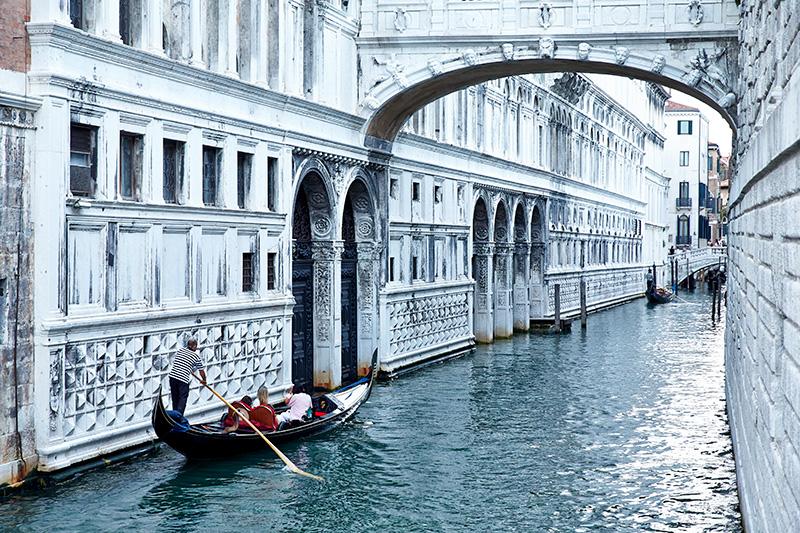
This pairing rewards travellers who want Venice itself woven into the journey and value strong eastern Mediterranean port days over sheer itinerary variety — but the regulatory shift means you may actually depart from Marghera or Ravenna, so confirm the exact terminal before you book and factor in any extra transfer time.












