




Central Positioning
Civitavecchia's mid-coast location means western, eastern, and full-loop itineraries are all reachable without excessive positioning days.



Mediterranean from Rome
Civitavecchia sits roughly halfway down Italy's western coast, and that geography does real work. Unlike Barcelona, which favours the western Mediterranean, or Athens, which favours the east, Rome's port gives cruise lines enough range to design itineraries heading in either direction — or both — without wasting days at sea getting to the first stop. The result is the widest selection of route shapes available from any single Mediterranean embarkation port.
The pairing also gives you Rome itself. A two- or three-night pre-cruise stay turns a week-long sailing into a full European trip, and the city rewards that time more generously than almost any other port city in the region. If you are choosing where to start a Mediterranean cruise and you have not locked in a specific sub-region, Rome is the departure point that keeps the most doors open.
These are the practical route characteristics that matter when you are deciding whether to sail from Civitavecchia.
Civitavecchia's mid-coast location means western, eastern, and full-loop itineraries are all reachable without excessive positioning days.
From seven-night western loops to fourteen-night eastern voyages, the itinerary menu from Rome is broader than from most competing ports.
Rome is one of the few embarkation cities where a two- or three-night stay feels like its own trip rather than a logistical buffer.
Nearly every major cruise line — from mainstream to luxury — positions ships at Civitavecchia during the Mediterranean season.
Western Mediterranean loops from Rome typically call at a port nearly every day, minimising open sea days on shorter sailings.
May, September, and October departures from Rome often price 20–30% below peak summer while still delivering warm, manageable weather.

If you have not sailed the Med before and are not sure whether western or eastern ports appeal more, Rome keeps both options on the table. The western loop is especially forgiving for newcomers — short distances, familiar port infrastructure, and plenty of ships to choose from.
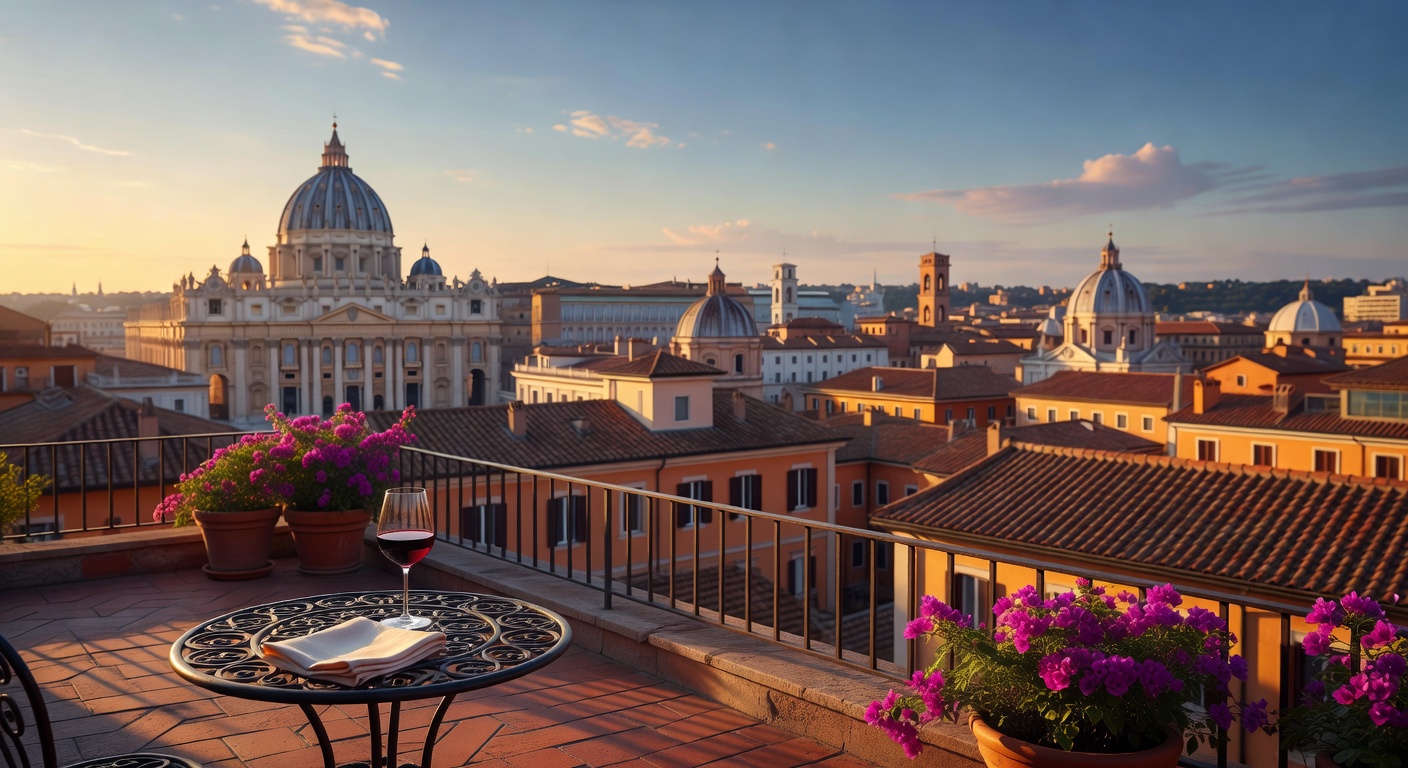
Rome is the rare embarkation city that is genuinely worth visiting on its own terms. Adding two or three nights before or after the sailing creates a trip that feels substantially bigger than the cruise alone.
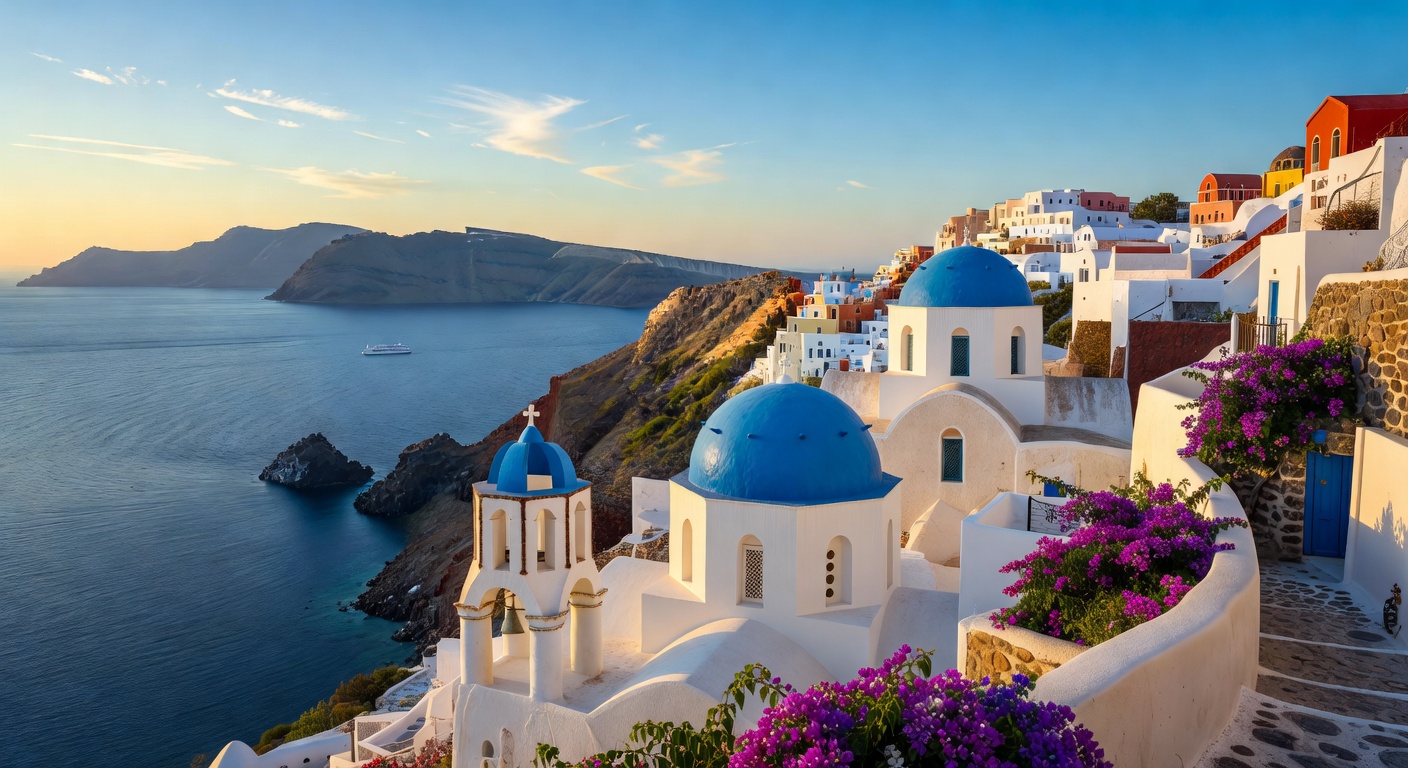
You can reach the Greek islands from Rome without flying to Athens first, but the trade-off is longer itineraries (ten to fourteen nights) with more sea days than western routes. If Greece is the entire point and time is limited, Athens is the more direct start.
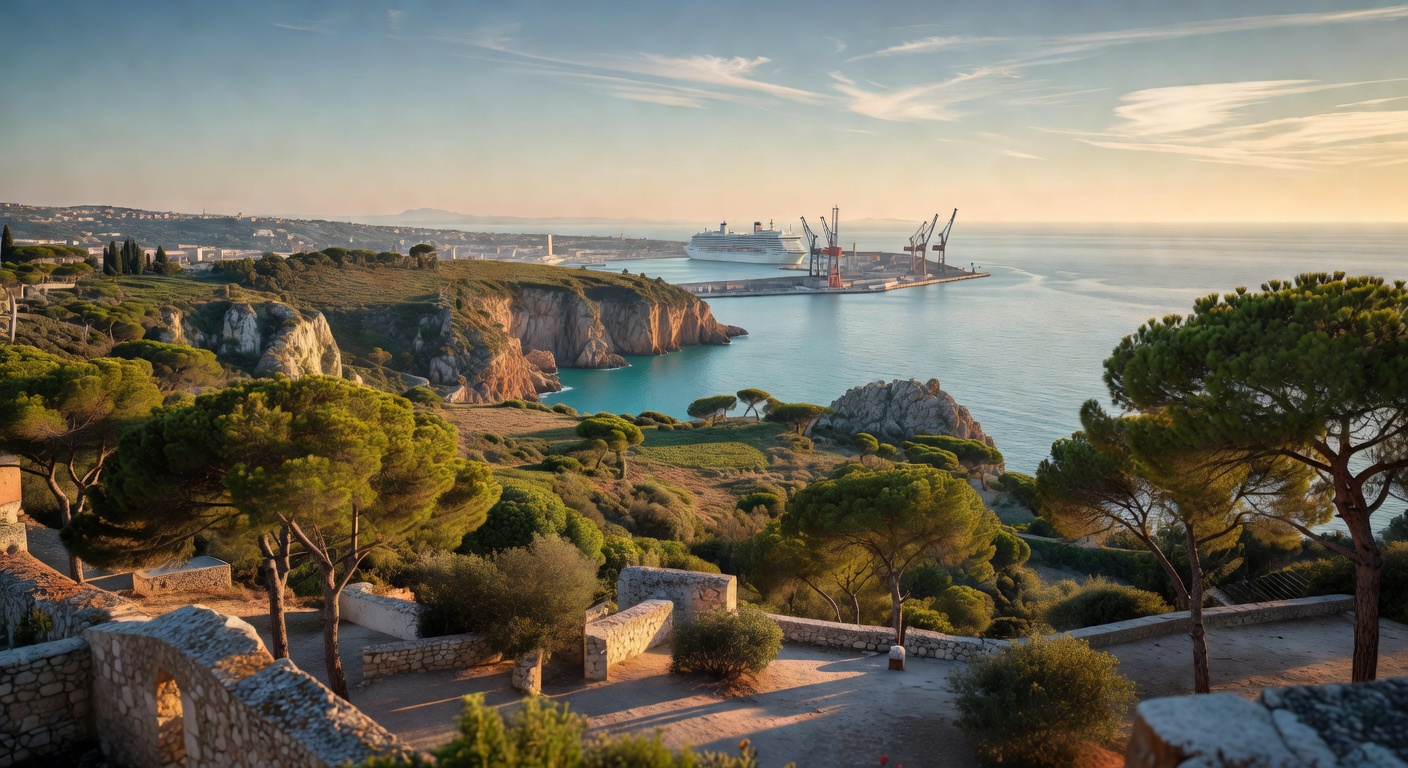
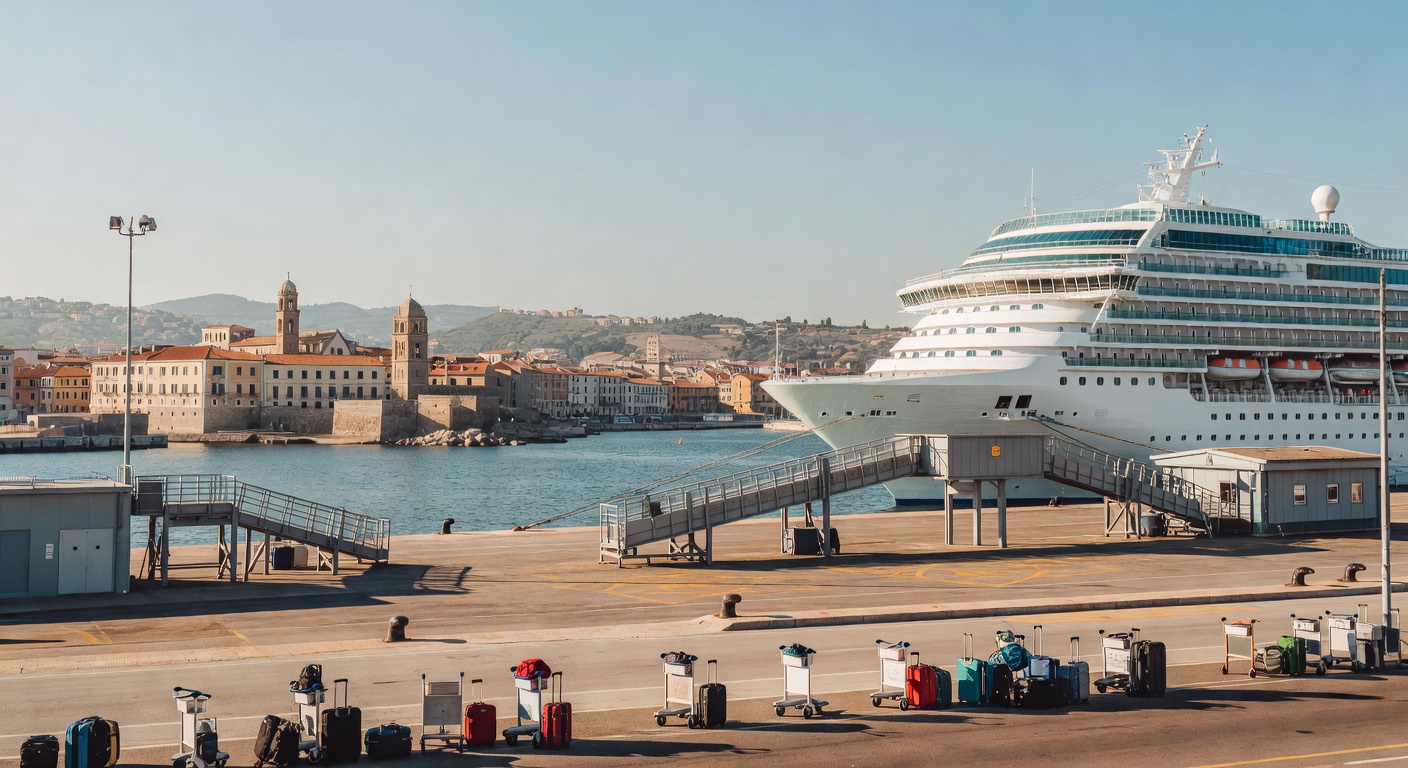
The hour-long transfer between Rome and Civitavecchia adds a logistical layer that does not exist at walk-on ports. If you are flying in on embarkation morning with no buffer, the margin for error is thin. This port rewards travellers who build in at least one extra night.
Departure Port Logic
The single most important thing about sailing from Rome is that you are not sailing from Rome. Civitavecchia is a separate city roughly sixty minutes northwest by train or road, and that gap changes your first and last day in ways that matter. You need to decide how you are getting to the port, whether you are staying overnight beforehand, and how much of your embarkation day you are willing to spend in transit rather than in Rome. Travellers who plan for this arrive relaxed. Travellers who do not discover the distance at the wrong moment.
The upside of the distance is Rome itself. Unlike port cities that exist primarily to service ships — Civitavecchia among them — Rome is a destination that justifies its own dedicated time. That makes the transfer feel less like a hassle and more like a seam between two distinct parts of a trip, both of which are worth having.
Regional train from Roma Termini (~60 min, a few euros), cruise line shuttle ($15–$30 per person), or private car (~$100–$150 for up to four passengers). The train does not stop at the terminal — plan for a short taxi or shuttle from the station to the dock.
A hotel near Roma Termini puts you within walking distance of the morning train and within reach of the city's best restaurants the night before. Same-day connections from Fiumicino airport are possible but leave no margin for delays.
On itineraries that call at Civitavecchia mid-cruise, the shuttle into Rome eats two to three hours of port time. If you have already seen the city, consider the Etruscan necropolis at Tarquinia or the hilltown of Tolfa instead.
Seven-night western Mediterranean loops with frequent port days and large-ship entertainment infrastructure.
See Royal Caribbean sailings from Rome
Both western and eastern Mediterranean itineraries, including newer eastern ports from spring 2026.
See MSC sailings from Rome
Flexible dining, Freestyle approach, western Med loops with some longer eastern options.
See Norwegian sailings from Rome
Premium-tier western and eastern routes with a more refined onboard tone than mainstream lines.
See Celebrity sailings from Rome
All-inclusive luxury sailings, smaller ships, access to ports that larger vessels cannot reach.
See Silversea sailings from Rome
Longer itineraries (12–14 nights) with a slower pace and traditional cruise atmosphere.
See Holland America sailings from Rome
Rome's mid-coast position opens both western and eastern Mediterranean routes without excessive repositioning. Western loops run seven nights with near-daily port calls. Eastern routes need ten to fourteen nights and include more sea days. Choose the direction based on how much time you have and whether you want port density or destination drama.
This departure port suits travellers who have not locked into a single sub-region and want to combine a city stay with a cruise. If you already know you want only Greece, Athens is more direct. If you want the flexibility to go west, east, or both on a longer sailing, Rome is the starting point that keeps everything reachable.
The hour-long gap between Rome and Civitavecchia is the cost of this port's flexibility. It adds time, it adds a logistical decision, and it makes same-day airport connections risky. Budget an extra night in Rome — you will not regret spending it — and the tradeoff disappears.
If you want the widest Mediterranean route menu from a single port and a city worth visiting on its own terms, Rome is the strongest all-round starting point — just build in an extra night to absorb the Civitavecchia transfer.












