




Westward-Tilted Itineraries
Lisbon's Atlantic position pulls routes through ports that Barcelona or Marseille departures rarely touch, giving you a less-conventional Mediterranean entry point.


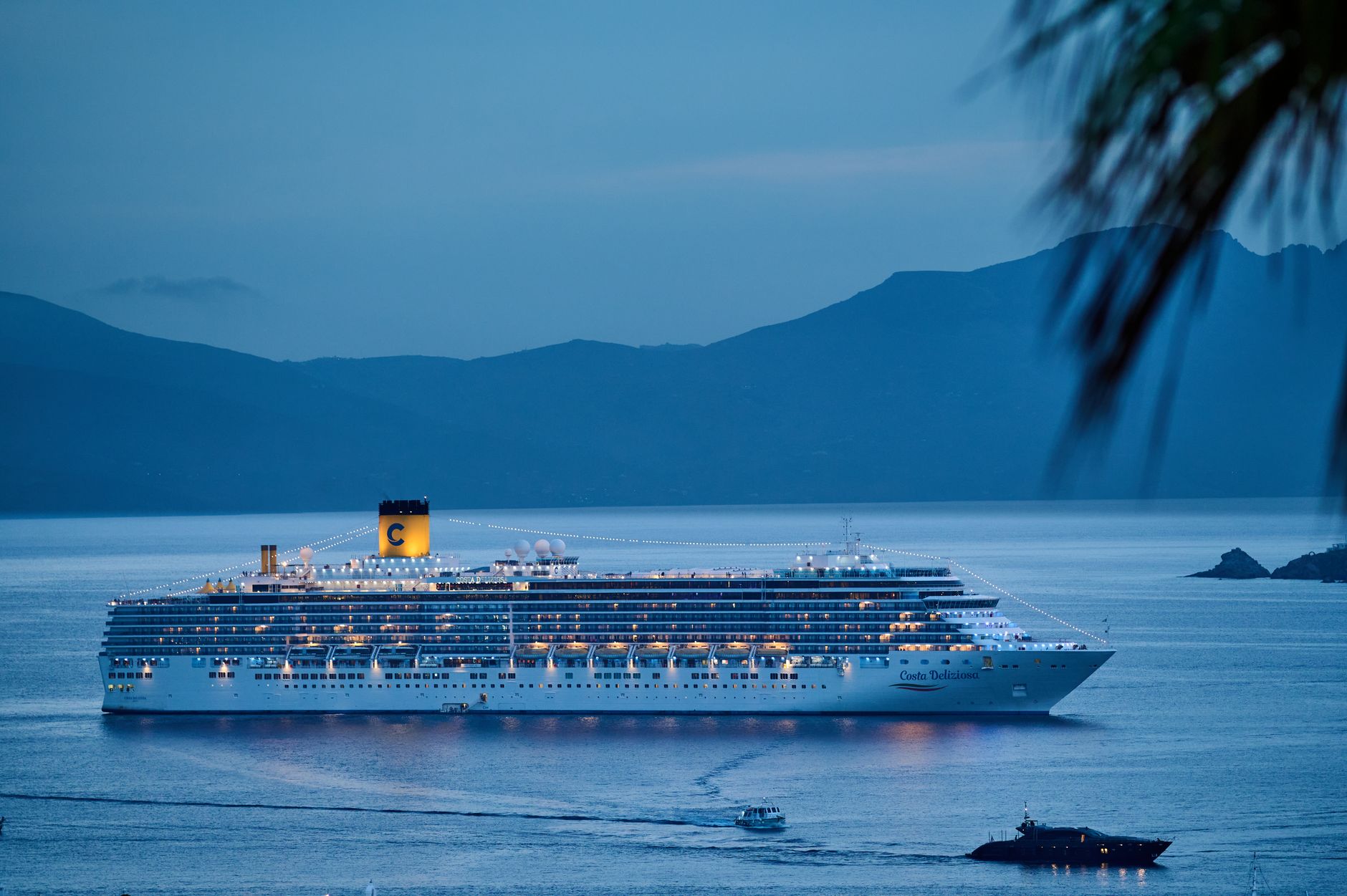
Destination from Port
Starting a Mediterranean cruise from Lisbon tilts the route westward and southward, creating itinerary shapes you simply will not find when departing from Barcelona or Marseille. The geography opens access to Atlantic-facing ports, the coast of Morocco, and the western Mediterranean in combinations that feel distinct rather than duplicative. For travellers who want their sailing to cover genuinely different ground, Lisbon redraws the map.
This pairing suits cruisers who want to combine a proper city break with embarkation — Lisbon is a destination in its own right, not a transit point. The port sits close to the historic centre, embarkation logistics are straightforward, and the broad cruise season from April through November means flexible timing. It tends to appeal to both first-time Mediterranean cruisers looking for a fresh angle and repeat visitors ready to move beyond the classic western Med loop.
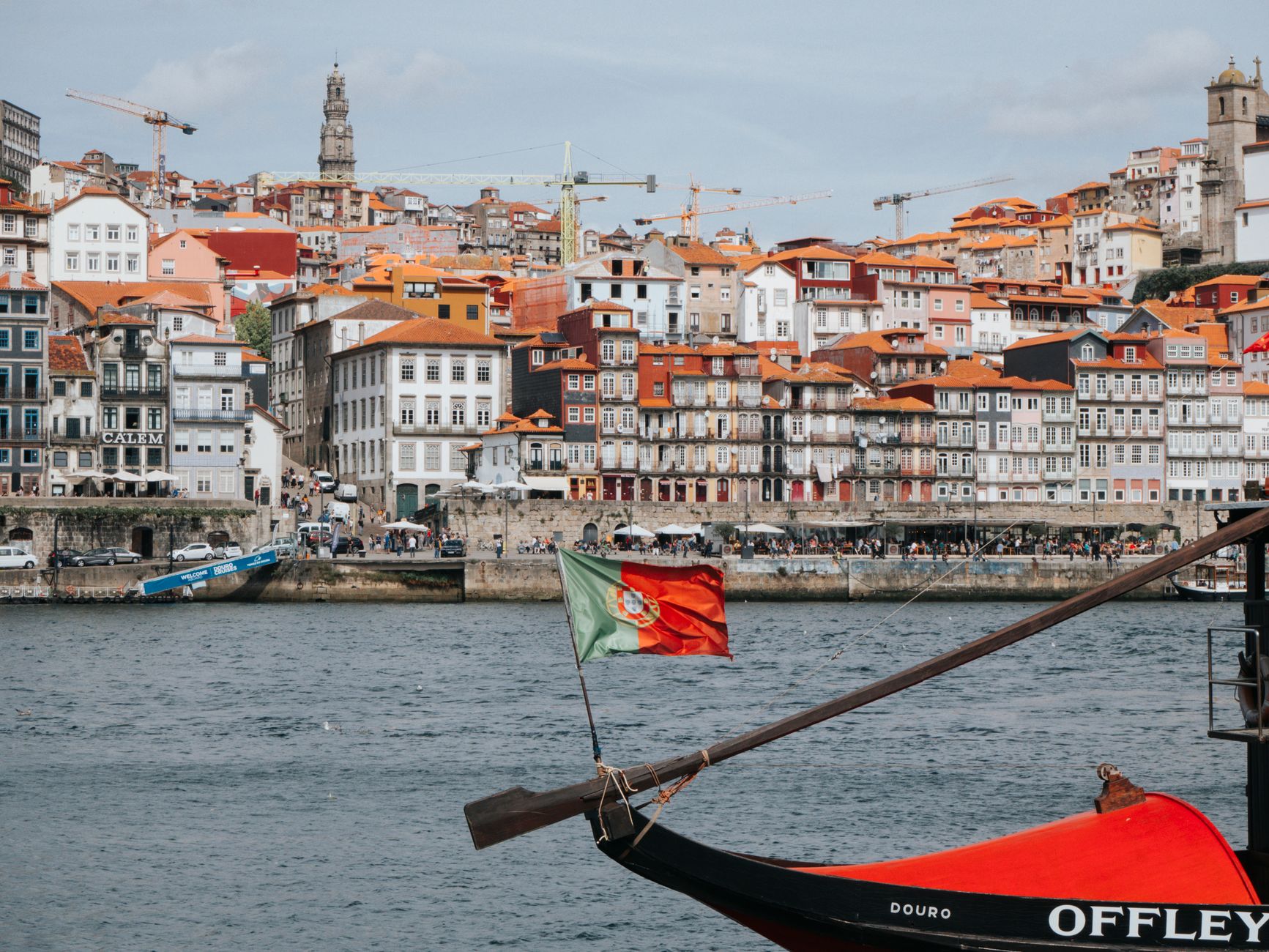
Sailing from Lisbon shapes your Mediterranean cruise in ways that other embarkation ports simply cannot — from the itinerary geometry to the pace onshore.
Lisbon's Atlantic position pulls routes through ports that Barcelona or Marseille departures rarely touch, giving you a less-conventional Mediterranean entry point.
The embarkation port doubles as a genuine destination, making it easy to add a two- or three-night Lisbon stay before or after your sailing without a connecting flight.
Routes from Lisbon split into recognisably different patterns — westward Atlantic loops, southbound runs, and classic Med transits — so you can match the sailing to your priorities.
The cruise terminal at Santa Apolónia sits along the Tagus River close to the historic centre, putting you a short taxi ride from the Baixa district on embarkation day.
Lisbon's position as a natural waypoint between Northern Europe and the Mediterranean attracts everything from mainstream lines to ultra-luxury operators, widening your choice of onboard style.
The heaviest concentration of departures falls in May, June, September, and October, when temperatures are comfortable and peak-summer crowds have yet to arrive or have already thinned.
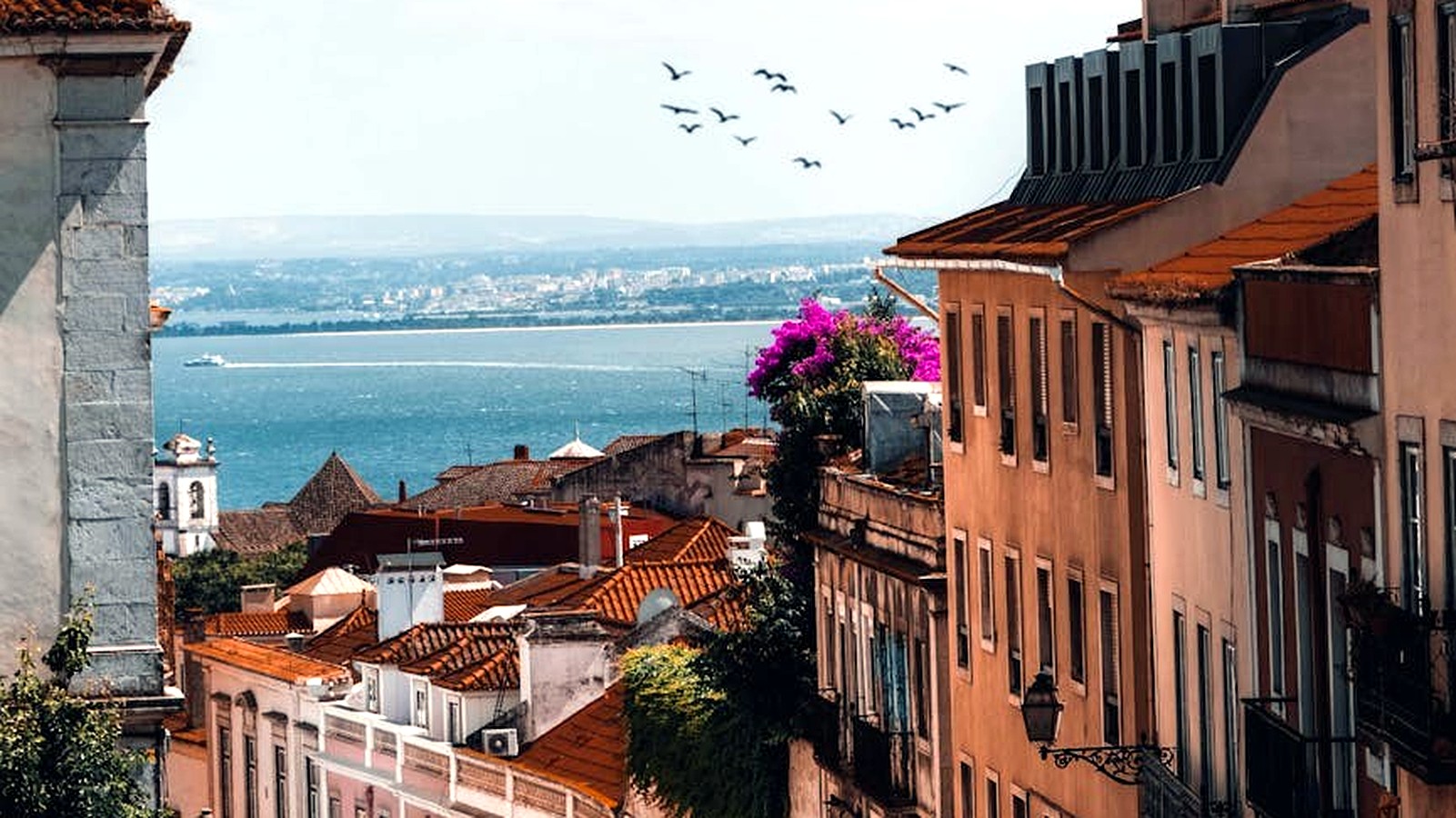
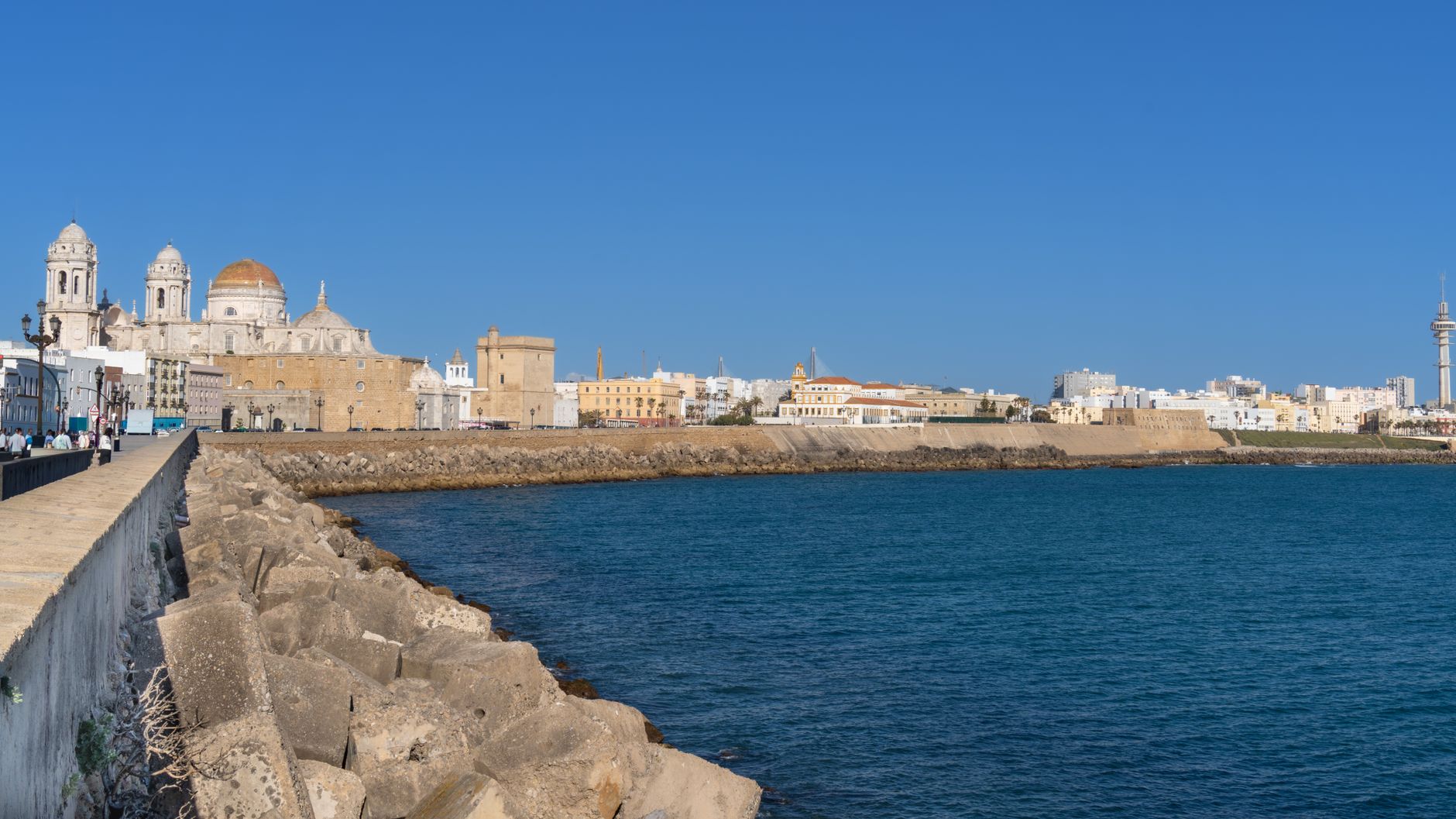
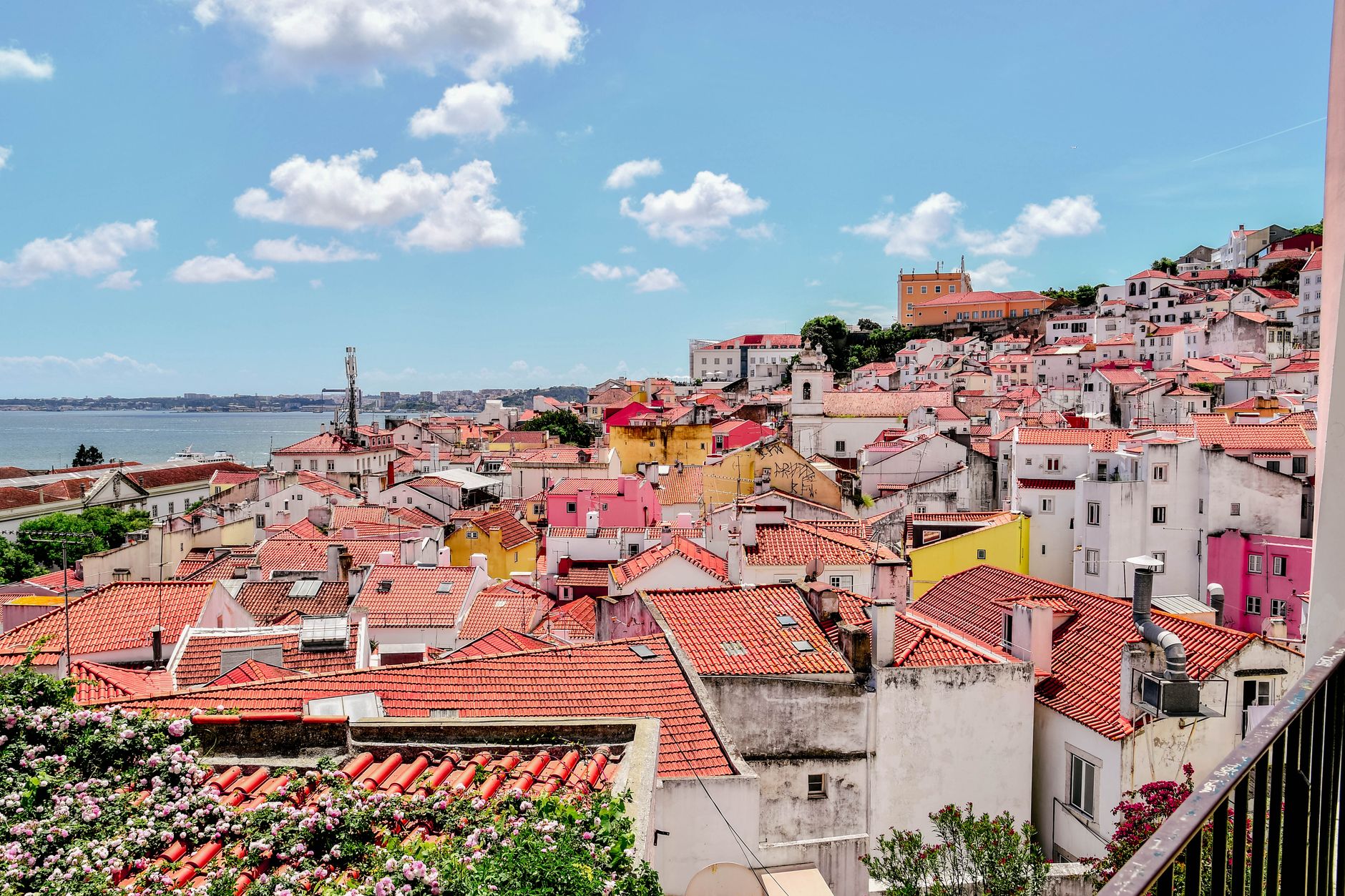
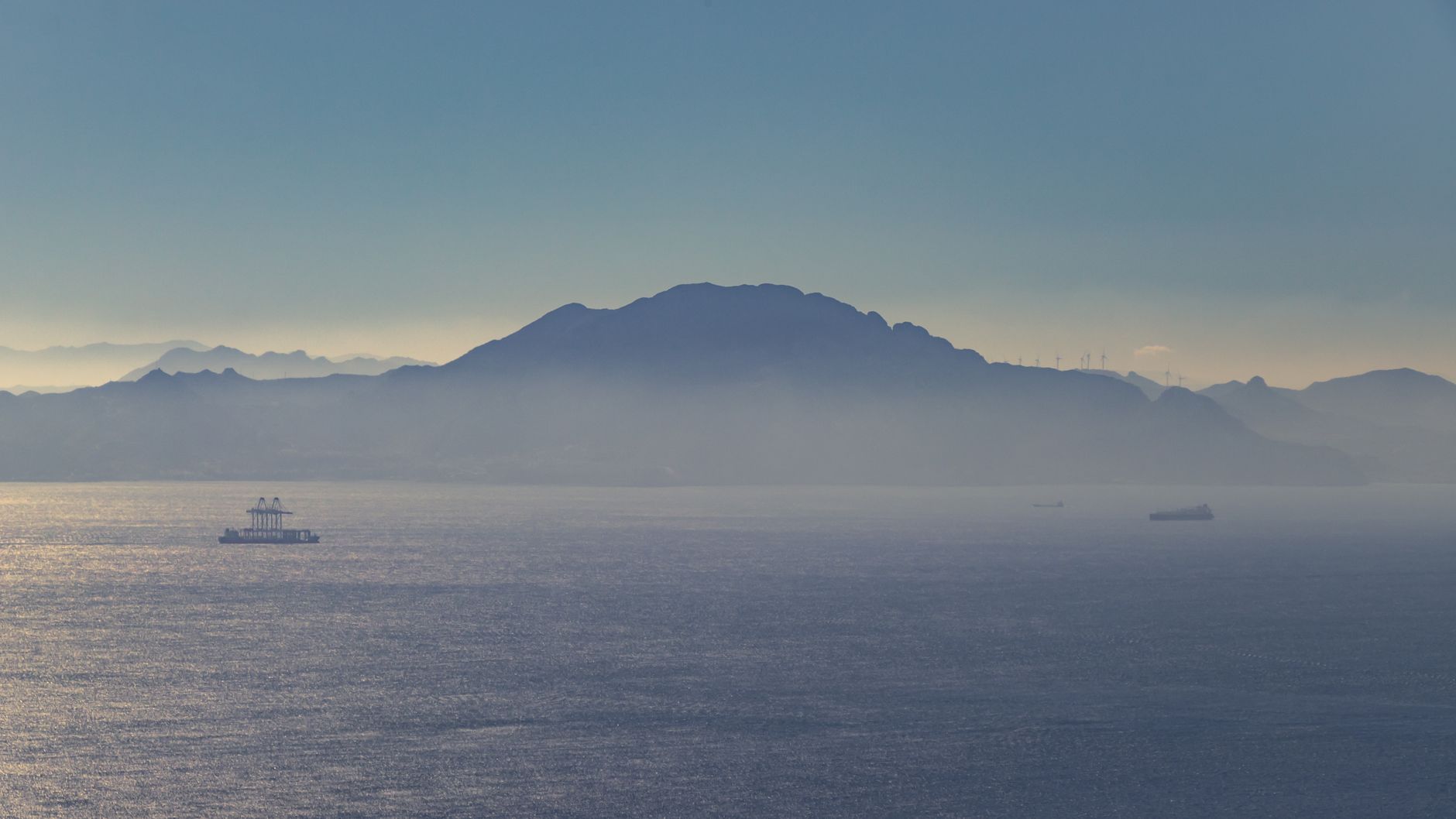
Postcards from this route
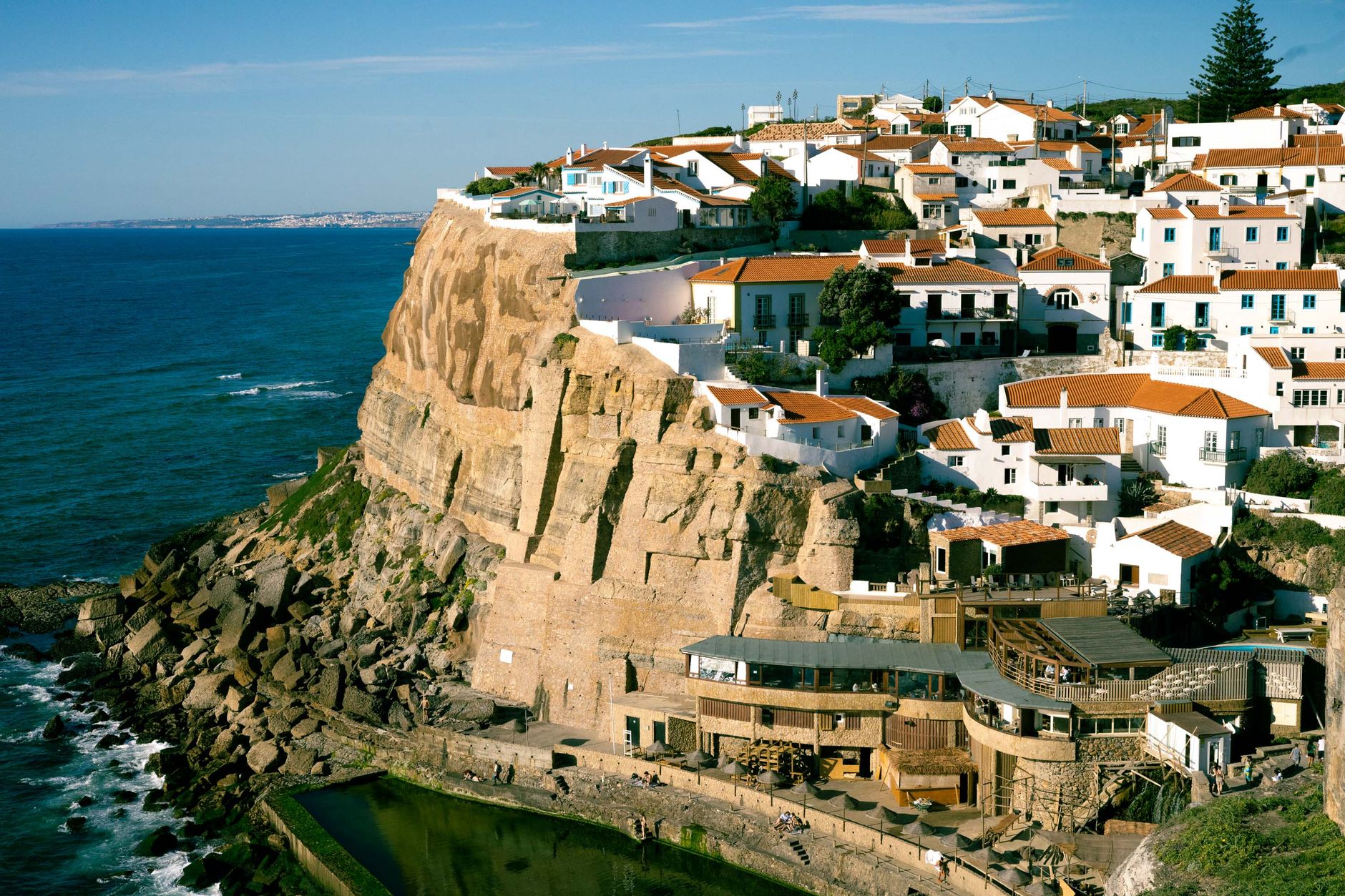
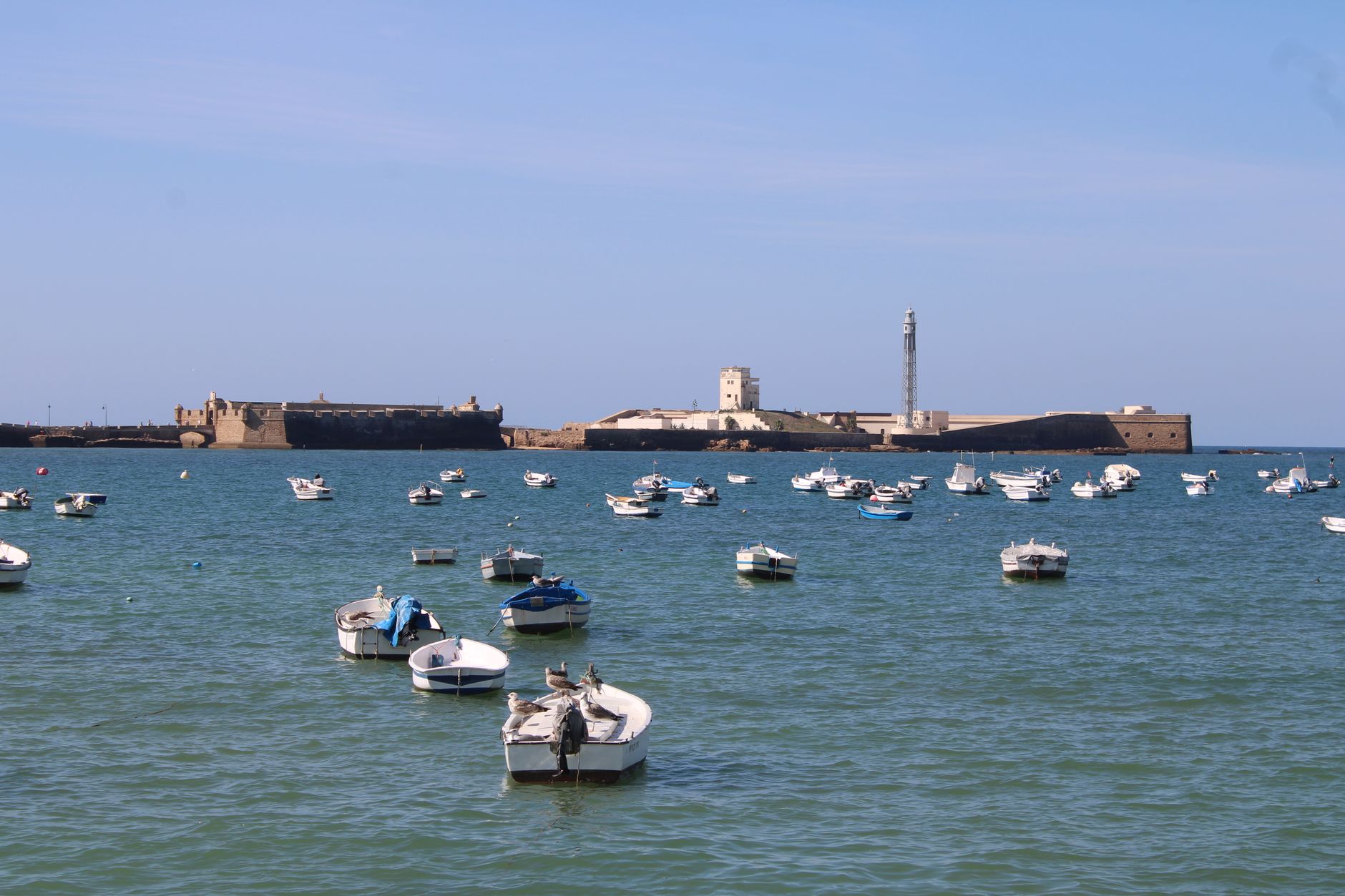
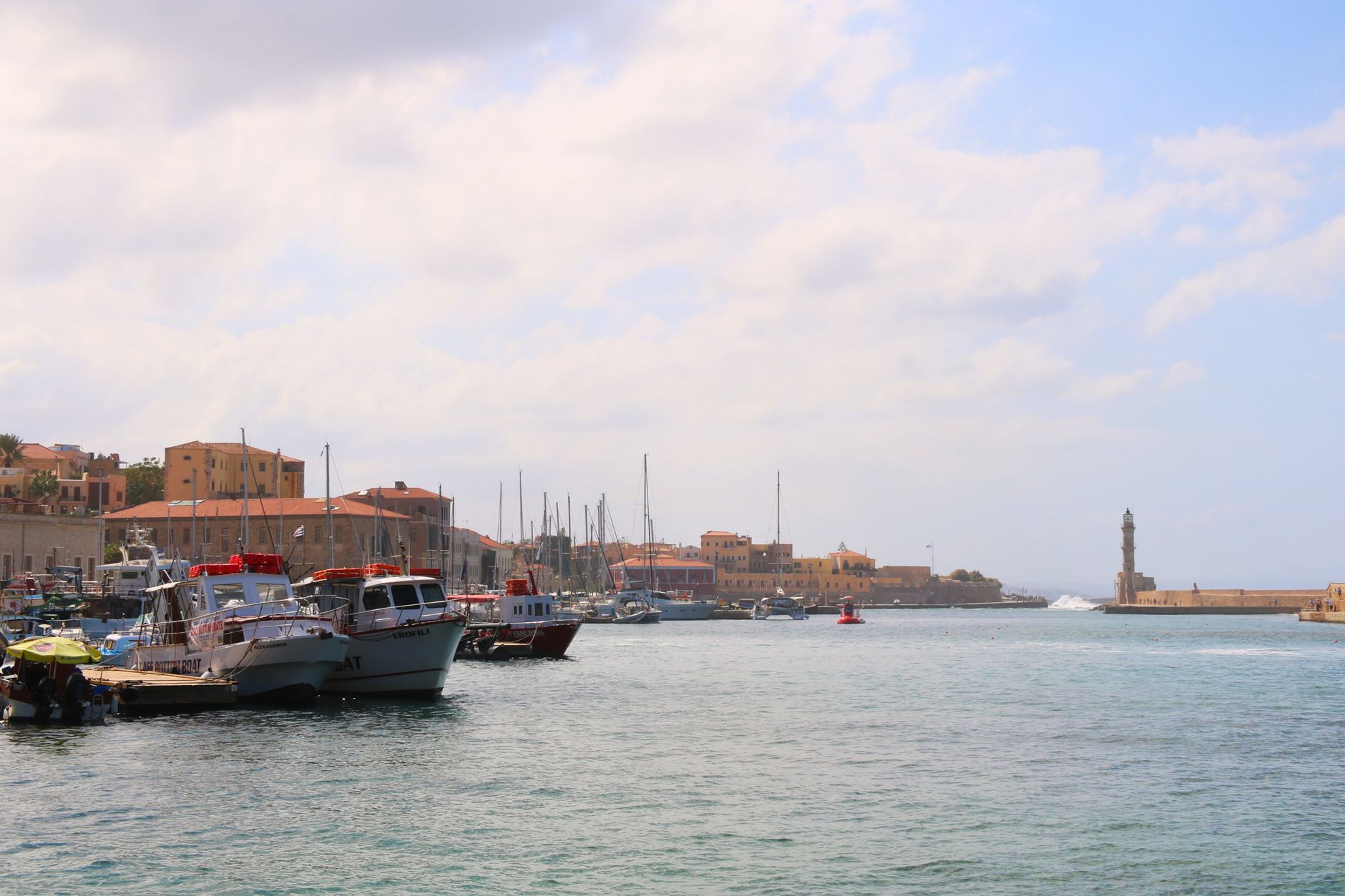
Scenes along the westward route: Lisbon's Tagus waterfront, Atlantic headlands, and Mediterranean port arrivals.
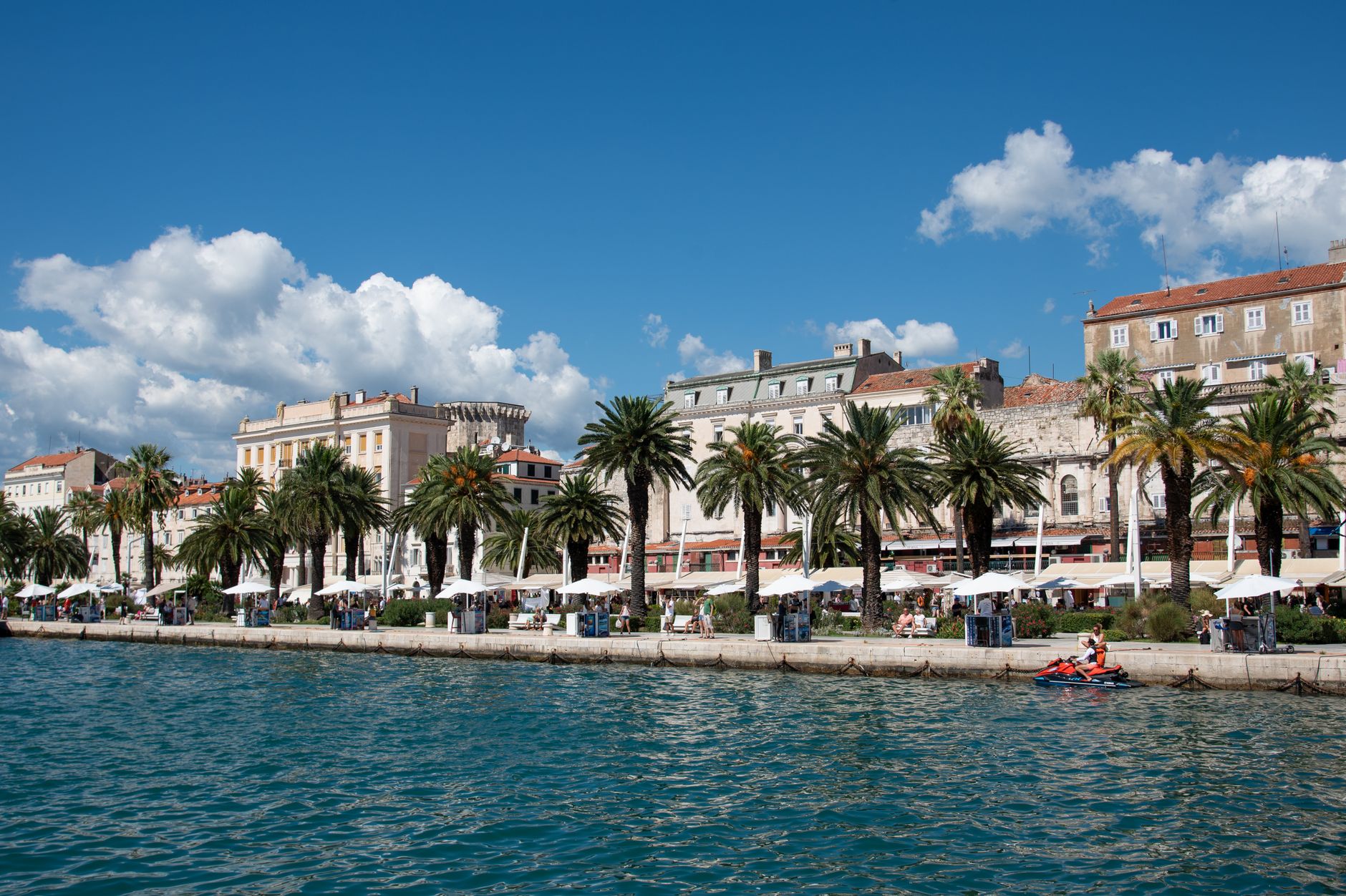
Lisbon is one of the few embarkation ports worth arriving days early for. If you want a genuine city experience bookending your sailing — not just an airport-to-terminal transfer — this departure point delivers in a way most Mediterranean homeports cannot.
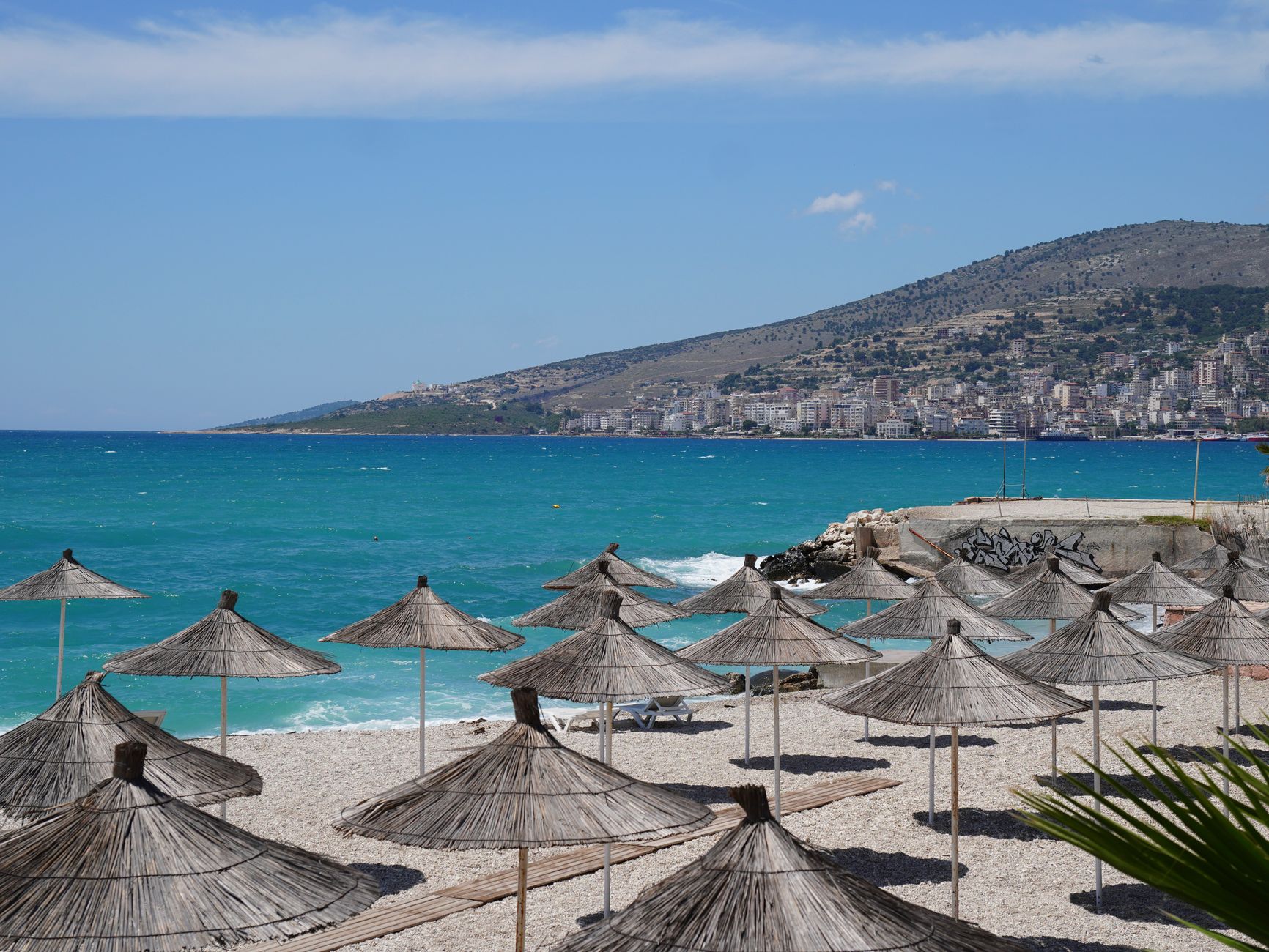
Sailings from Lisbon tilt westward and southward rather than retracing the standard Barcelona–Rome corridor. If you have already done the central Mediterranean circuit and want different port calls — or want to combine Atlantic islands with Med stops — this routing opens up options other departure cities do not.

Lisbon sits on the Atlantic edge, so reaching the eastern Mediterranean means additional sailing time. If your priority is a short itinerary packed with classic ports like Santorini, Dubrovnik, or the Amalfi Coast with minimal sea days, a departure from Barcelona or Civitavecchia will be more efficient.

The heaviest concentration of departures clusters in May, June, September, and October. If you are locked into mid-winter travel or the very peak of August, your choice of sailings and lines operating from Lisbon narrows considerably. Check availability early rather than assuming year-round options.
Departure Port Logic
Lisbon sits at the western edge of continental Europe, and that geographic fact rewrites the itinerary in ways that matter. Departing from here means your ship enters the Mediterranean through the Strait of Gibraltar rather than starting inside it, which opens up port calls along the Algarve, Atlantic Morocco, and Cádiz that Barcelona- or Civitavecchia-based sailings rarely touch. The route pacing is different too — longer initial sea stretches give way to tighter port clusters once you pass through the strait, creating a rhythm that feels less like a conveyor belt and more like a deliberate westward-to-eastward reveal.
The other thing Lisbon changes is the trip around the cruise itself. This is a genuine destination city, not a parking lot with a gangway. Travellers who arrive two or three days early get a meaningful pre-cruise experience — the food, the neighbourhoods, the light — without needing a connecting flight to somewhere more interesting. That capacity to absorb a real city stay on either end, combined with a cruise terminal close to the historic centre, turns Lisbon from a logistics choice into a trip-design advantage that most mainstream embarkation ports simply cannot match.
The Lisbon Cruise Terminal at Santa Apolónia sits roughly ten minutes by taxi from the Baixa district. That closeness means embarkation day can include a final lunch in the city rather than hours spent navigating transfers from a remote port area.
Sailing from Lisbon means transiting the Strait of Gibraltar — a natural itinerary milestone that opens access to both Atlantic-facing and western Mediterranean ports in a single voyage, a combination most eastern-Med departure points cannot replicate.
If you plan to pair a land stay with your sailing, Lisbon rewards that instinct with a walkable historic core, reliable public transport, and enough depth to justify three or four pre- or post-cruise nights without running out of reasons to explore.
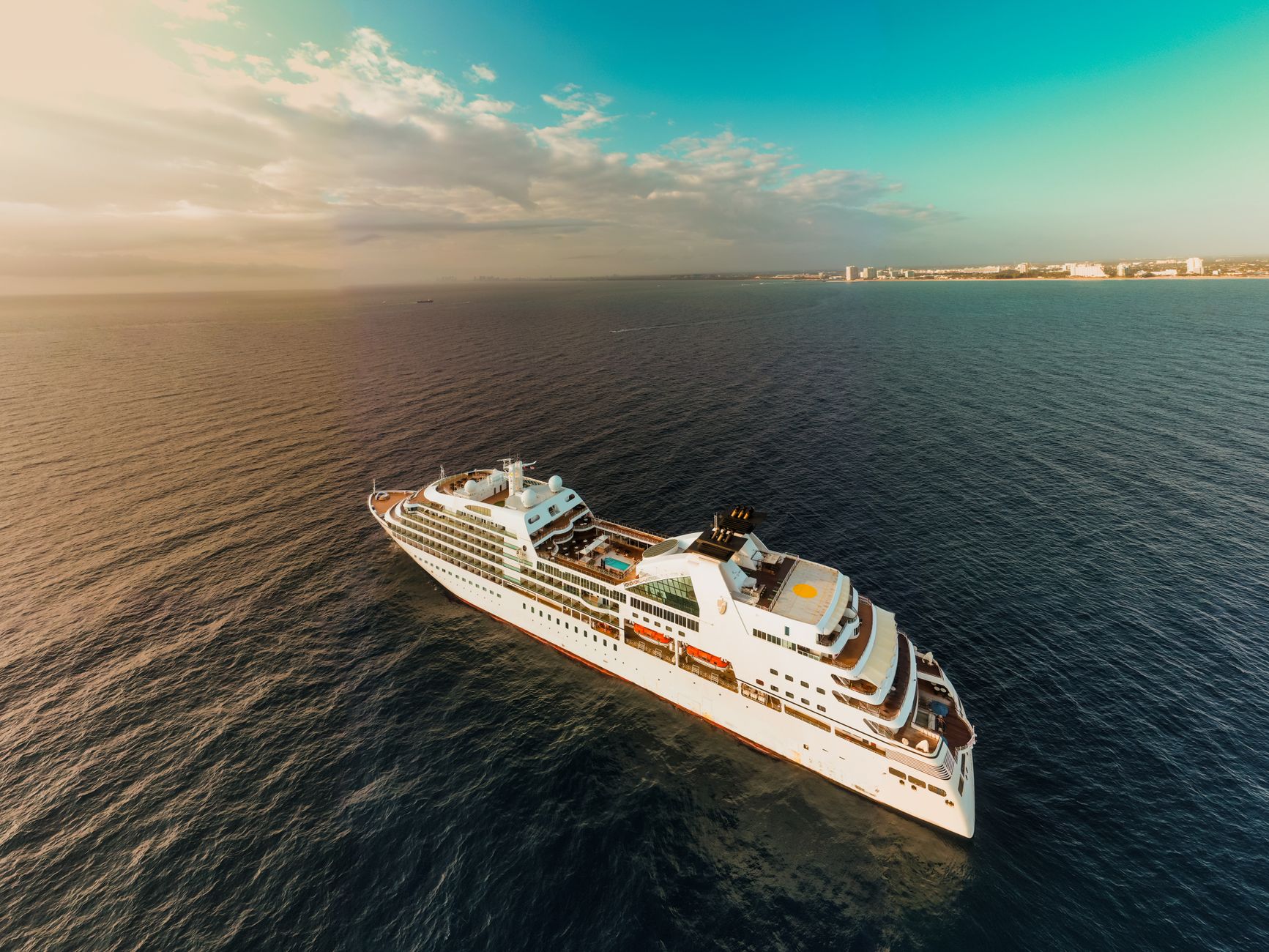
Silversea uses Lisbon as a natural pivot point for repositioning voyages and longer Mediterranean arcs, often linking the Iberian Atlantic coast with deeper western Med ports or continuing south toward the Canary Islands and North Africa. Itineraries tend to be unhurried, with late departures and overnight stays built into select ports.
Browse Silversea sailings from Lisbon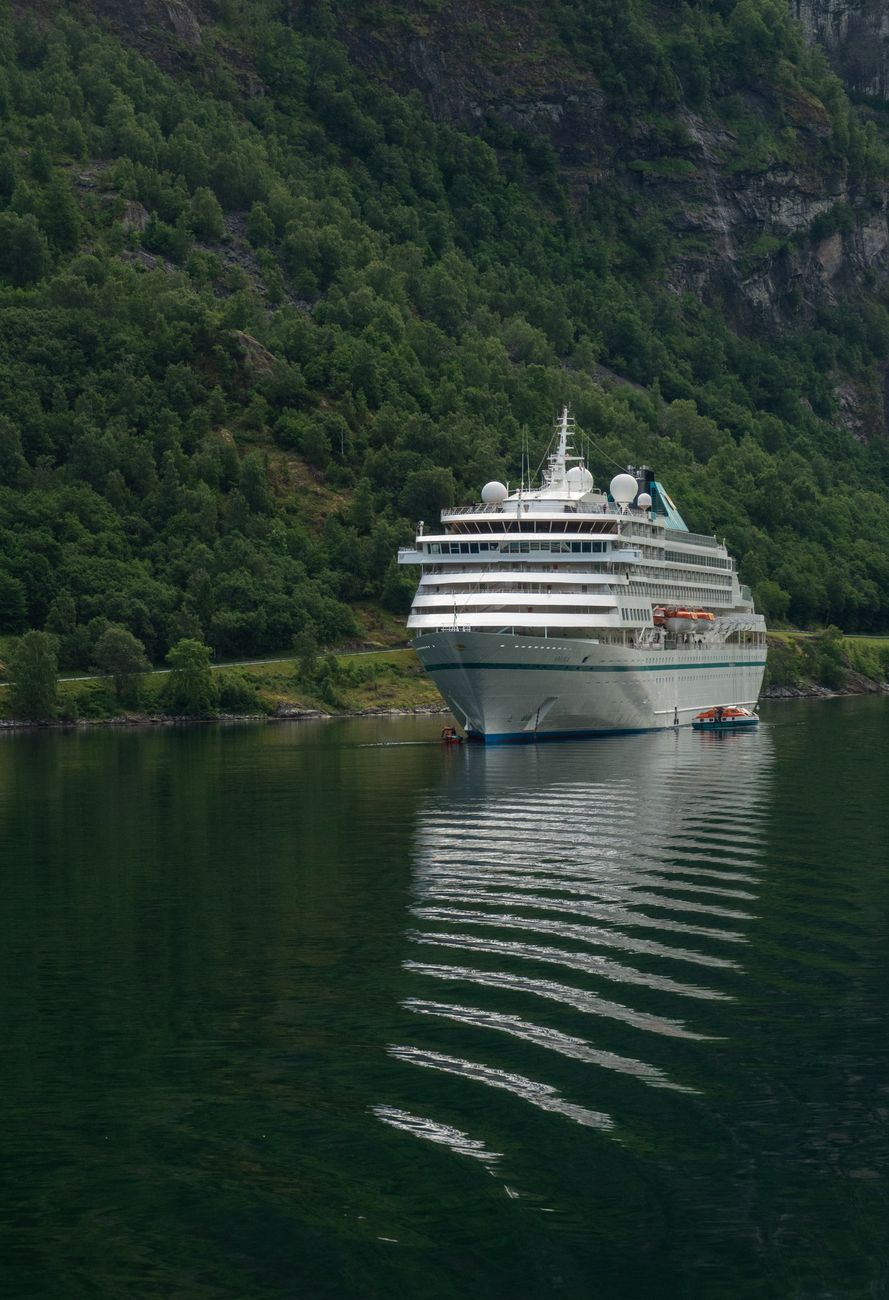
Crystal positions Lisbon within longer, often transatlantic or repositioning itineraries that treat the city as either an embarkation point or a meaningful mid-voyage call. Sailings from here tend to trace the western Mediterranean and Atlantic coast with a deliberate pace and curated port sequences.
Browse Crystal sailings from Lisbon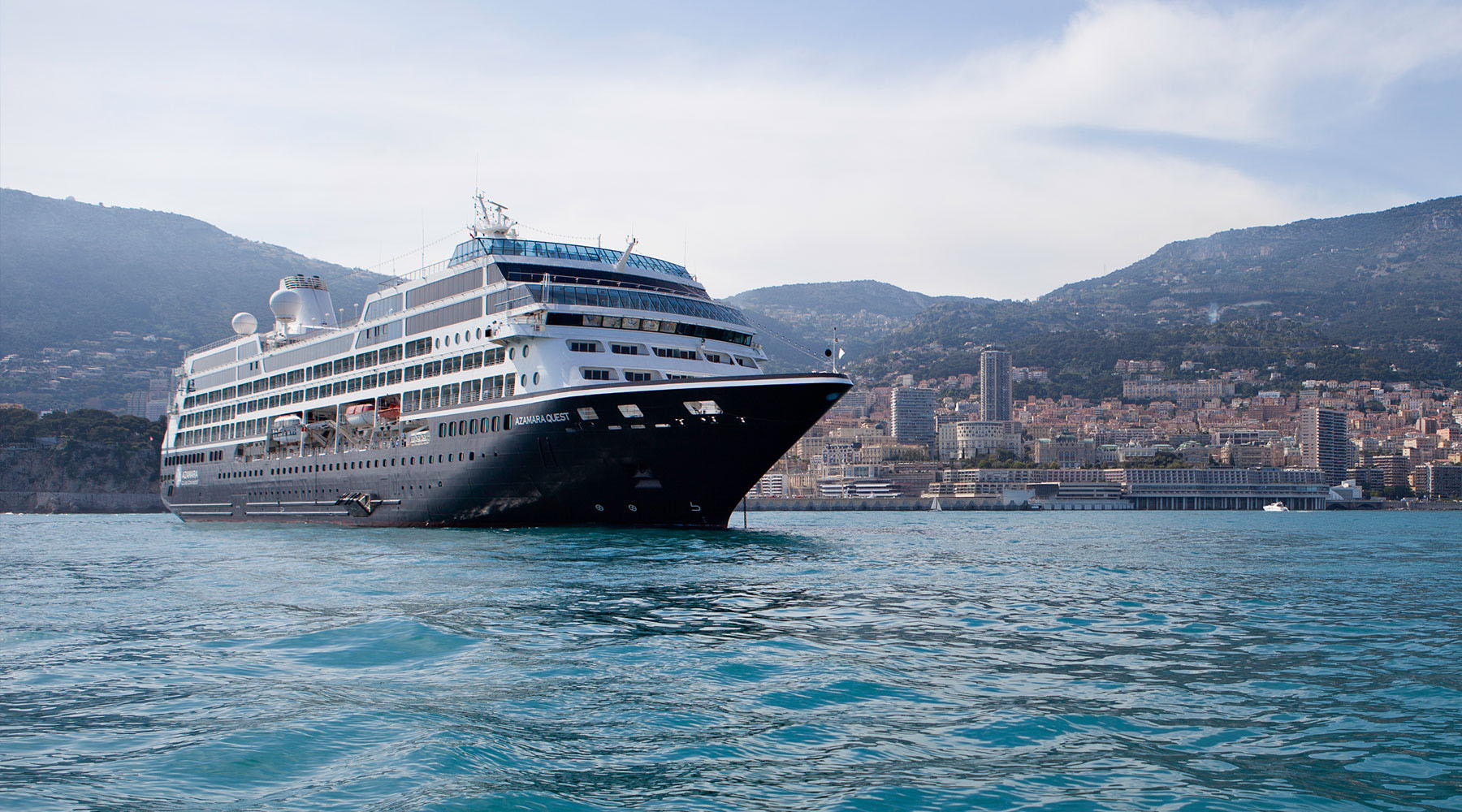
Azamara leans into Lisbon's geographic advantage by building itineraries that hug the Iberian and North African coastlines, often with later port departures and occasional overnight stays designed to let passengers experience destinations after the day-trippers leave. The line's mid-size ships keep the routing flexible.
Browse Azamara sailings from Lisbon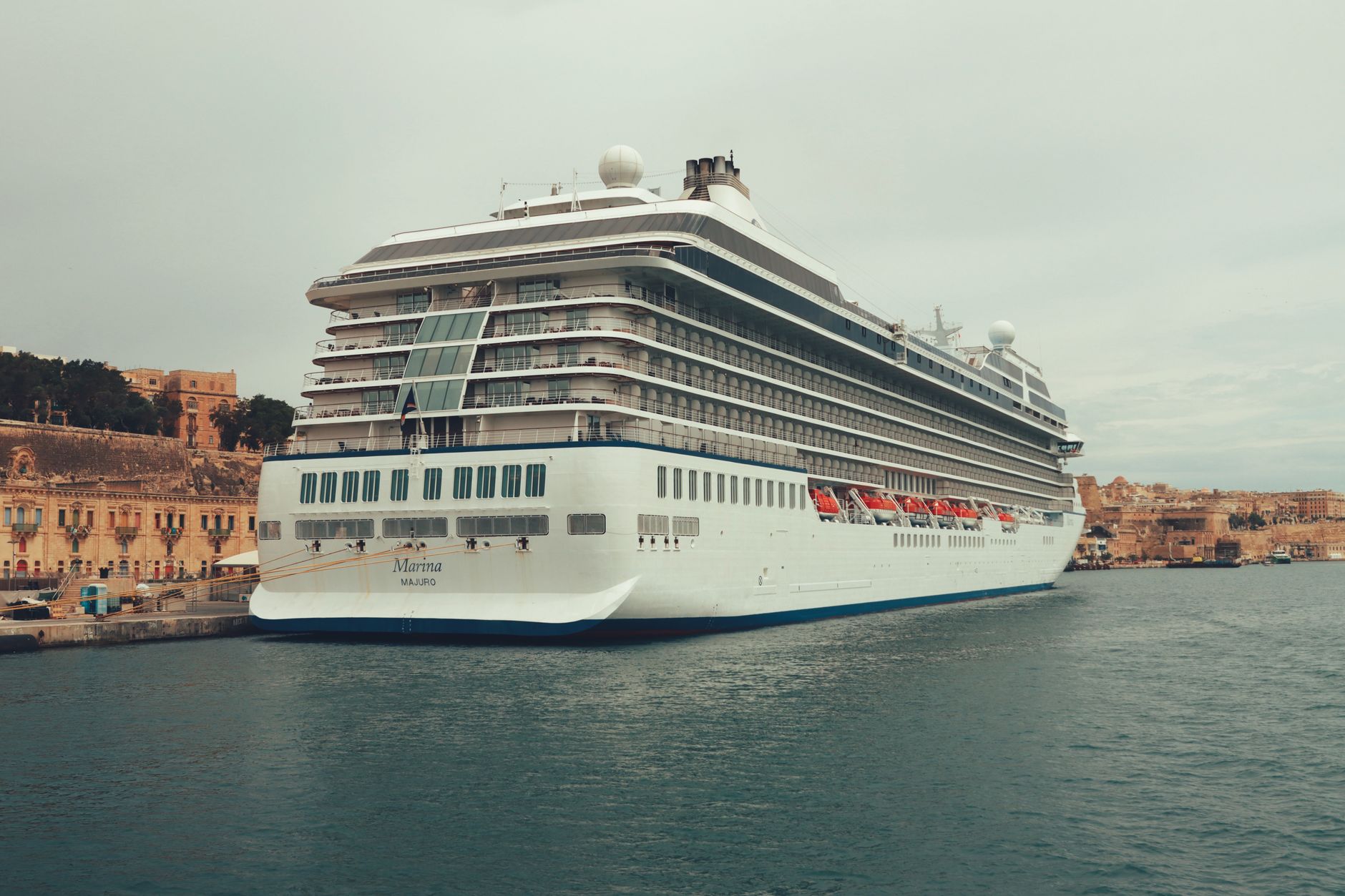
Oceania uses Lisbon as a homeport for itineraries that balance the western Mediterranean with Atlantic-facing routes, often incorporating calls along the Portuguese and Spanish coasts before pushing into the central Med or south toward Morocco. The line's food-centric identity pairs naturally with the culinary ports on these routes.
Browse Oceania sailings from Lisbon
Lisbon's position on the Atlantic edge pulls itineraries westward and southward rather than tracing the familiar Barcelona–Rome–Greek Islands circuit. Expect stops in Atlantic islands, Morocco, Cádiz, and the western Mediterranean — ports that mainstream embarkation cities often skip entirely.
If you want to spend two or three days exploring a world-class city before or after your sailing — not just passing through a transit port — Lisbon delivers. This pairing suits repeat Mediterranean cruisers looking for fresh ports and travelers who value the embarkation experience as part of the trip.
Lisbon is not a year-round megaport. The sailing season concentrates between April and November, with the widest selection in shoulder months. You will find fewer departures and itinerary variants than Barcelona or Civitavecchia, so flexibility on dates matters more here than at high-volume hubs.
This pairing is a strong fit for travellers who want a genuine city experience bookending their sailing and access to western Mediterranean and Atlantic itinerary shapes you simply won't find departing from Barcelona or Civitavecchia. The tradeoff is a narrower selection of sailings and lines compared to those mega-hub ports, so you'll need more flexibility on dates and itinerary type.












