




Two Distinct Cruise Modes
Porto offers both Douro River cruises on small ships and ocean sailings from the Leixões terminal, giving you fundamentally different experiences from one city.



Destination from Port
Porto splits its cruise identity between intimate Douro River sailings and a growing roster of ocean departures from nearby Leixões. The river route carries small ships east through terraced wine country, while ocean itineraries tend to cluster around spring and autumn repositioning windows — making Porto a seasonal, purpose-driven choice rather than a year-round hub.
This pairing suits travelers who want their departure city to double as a destination. Porto's UNESCO-listed Ribeira district, its port-wine cellars, and its walkable scale reward two or more nights on land before or after sailing. It's a natural fit for repeat cruisers looking beyond high-volume embarkation ports like Barcelona or Southampton, and for anyone drawn to the Douro Valley's quieter, slower rhythm.
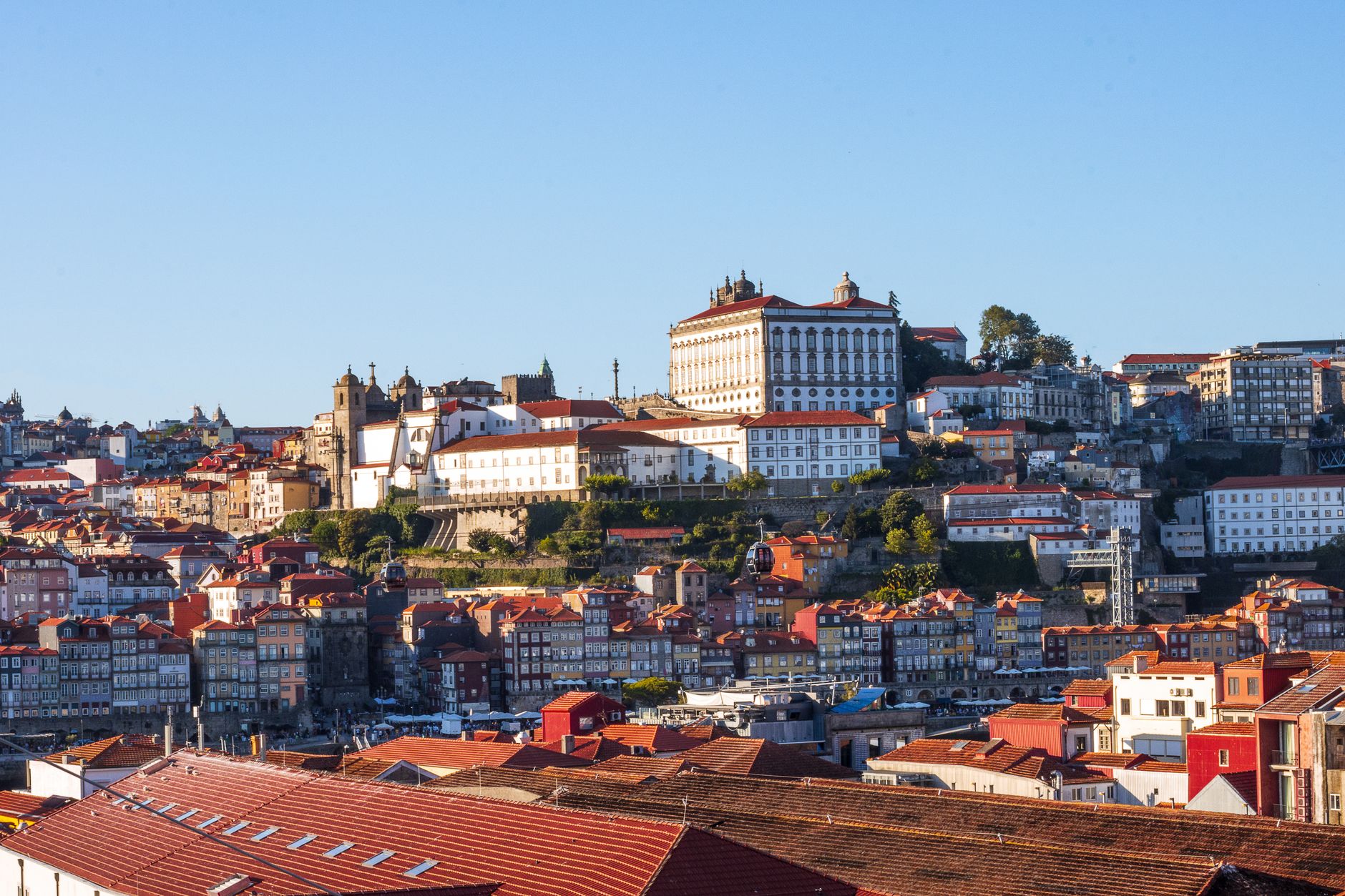
Porto splits into two very different cruise experiences — intimate Douro River sailings and seasonal ocean departures — each with its own rhythm, scale, and appeal.
Porto offers both Douro River cruises on small ships and ocean sailings from the Leixões terminal, giving you fundamentally different experiences from one city.
River ships carry between 100 and 200 passengers, creating a quieter, more personal atmosphere than mainstream European river routes.
Douro itineraries typically run seven or eight nights, allowing a slow eastward progression through the valley without rushed port stops.
The sailing corridor winds through vineyard-covered hillsides and narrow locks, making the transit itself a visual highlight rather than just a means between ports.
Ocean departures from Leixões concentrate in spring and autumn repositioning windows, offering a limited but growing roster of longer itineraries.
Unlike purely functional embarkation cities, Porto's UNESCO-listed Ribeira district and walkable waterfront reward at least two nights on land before or after sailing.
Postcards from this route
River bends, tiled facades, and terraced vineyards — scenes from a Porto departure.

If a seven-night sailing through terraced vineyards on a 100–200 passenger ship sounds like the right pace, Porto is the natural starting point. No other departure port gives you direct access to the Douro without a transfer day.

Porto functions as a genuine destination before or after your cruise. The Ribeira district, port wine lodges, and local food scene justify building extra nights into your trip — something not every embarkation port can claim.
Ocean departures from Leixões are few and concentrated in spring and autumn repositioning windows. If you need year-round choice, multiple ship classes, or frequent sailings, Barcelona or Southampton will serve you far better.
The Douro is not the Rhine or the Danube. Stops like Régua, Pinhão, and Barca d'Alva are small, rural, and low-key. If you expect major-city energy at every port, this route will feel too quiet.
Departure Port Logic
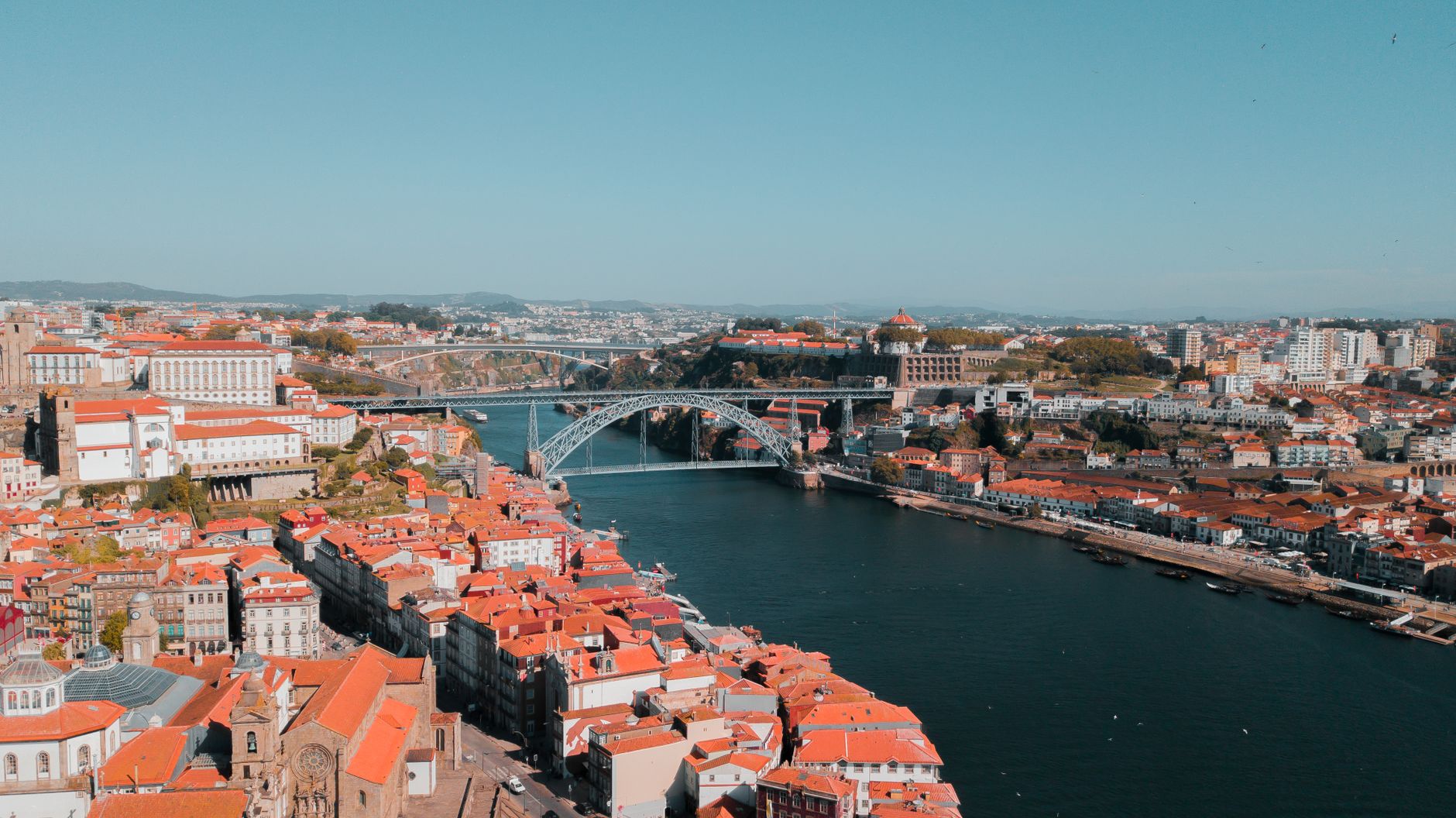
Porto's departure logic is fundamentally different from most European embarkation ports because it serves two distinct cruise categories from two different waterfronts. Douro River cruises depart from the city's riverfront quays, putting you aboard within walking distance of the Ribeira district — no transfer bus, no industrial port zone. Ocean cruises, by contrast, leave from Leixões, a working port roughly 15 kilometres north of the city centre. That split matters for planning: a Douro sailing lets you step off a Ribeira restaurant terrace and onto your ship, while an ocean departure requires a transfer and a port experience closer to what you'd find at any mid-sized commercial terminal.
The practical consequence of choosing Porto over a larger hub like Barcelona or Southampton is a narrower departure calendar but a more intentional trip. Ocean sailings cluster in spring and autumn repositioning windows, so you cannot simply pick any week and expect availability. Douro river departures run more regularly through the season but cap at roughly 100–200 passengers per vessel. If you want maximum schedule flexibility or mega-ship variety, Porto is the wrong port. If you want a departure city that rewards the days before and after the cruise as much as the sailing itself — and you are willing to plan around a tighter schedule — Porto earns its place on the itinerary in a way that transfer-hub ports rarely do.
Douro river ships board along Porto's historic riverfront. Ocean cruises depart from Leixões, about 15 km north. Confirm which terminal your sailing uses before booking airport transfers or hotels.
Leixões ocean sailings are concentrated in spring and autumn, when ships reposition between Northern Europe and the Mediterranean. Summer and winter options are limited, so flexibility on dates is essential.
Unlike pure transfer ports, Porto justifies at least two nights on land. Budget time for the Ribeira, port wine lodges in Vila Nova de Gaia, and the Douro riverfront — experiences that disappear once you board.
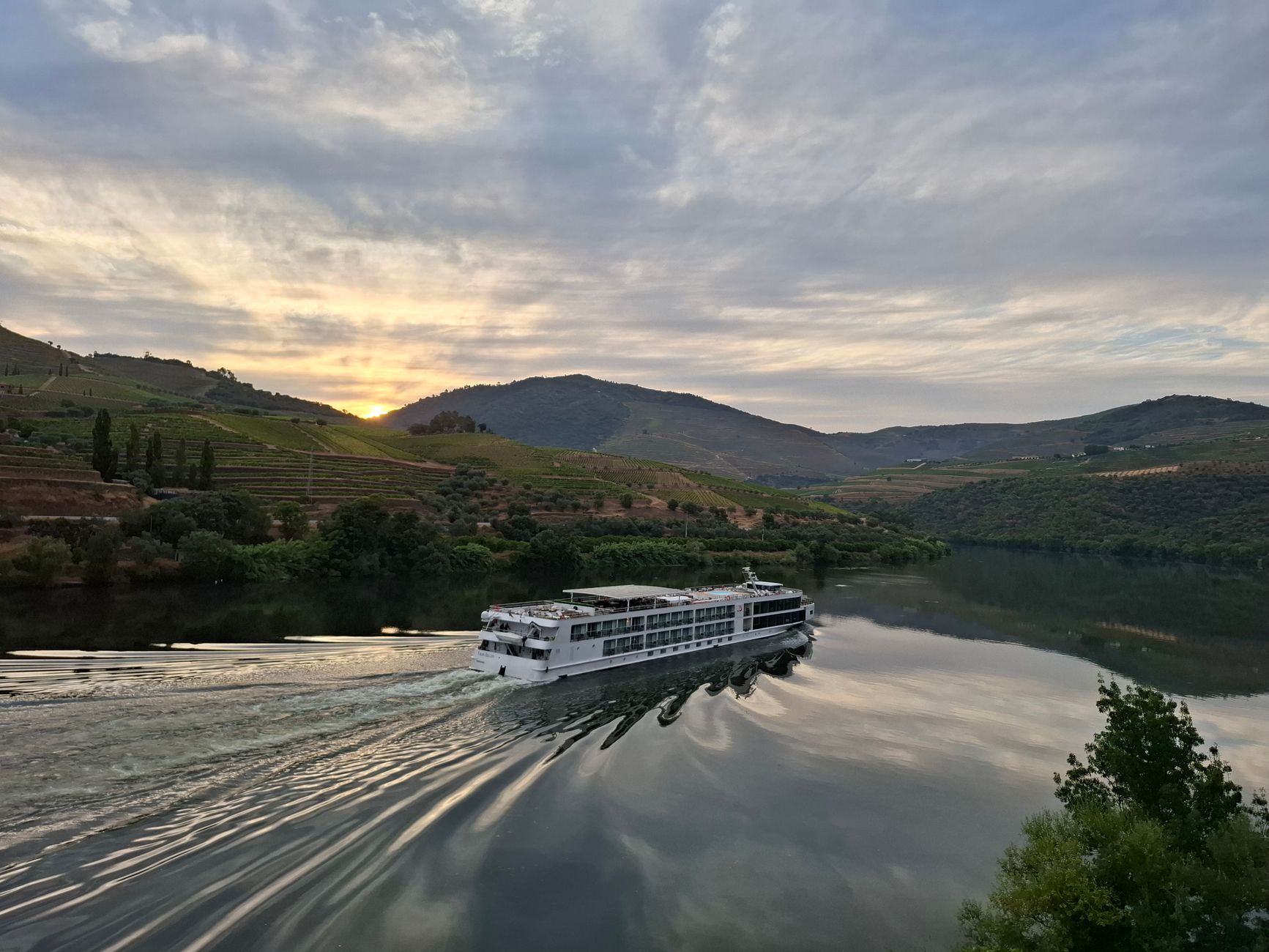
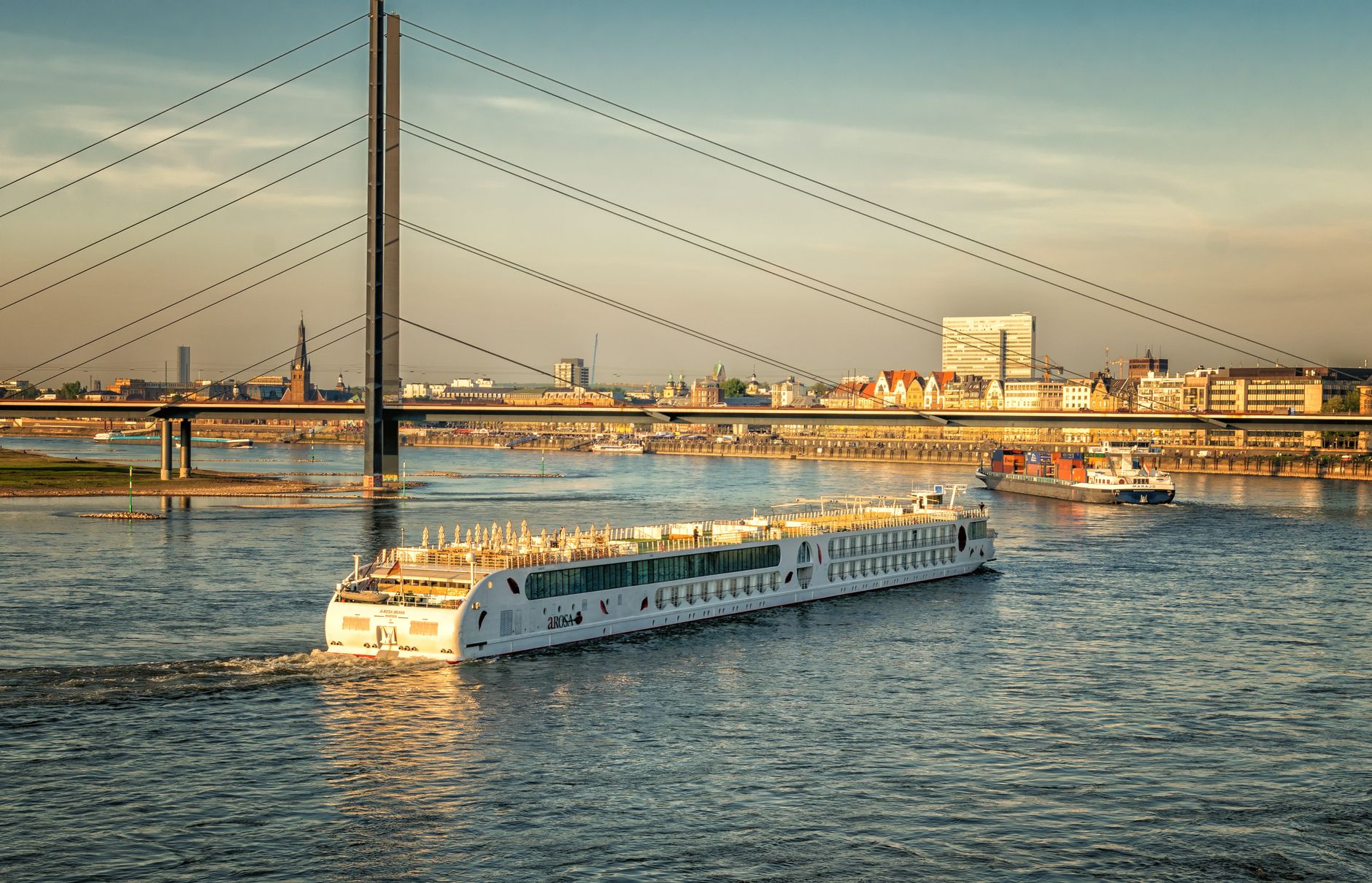
AmaWaterways is one of the most established operators on the Douro, running a substantial schedule of seven-night sailings between Porto and the Spanish border. Its Douro ships are purpose-built for the river's narrow locks and carry around 100–130 passengers, with an emphasis on wine-paired dining and active excursion options like guided hikes and bike rides through the vineyard terraces.
View AmaWaterways Douro sailings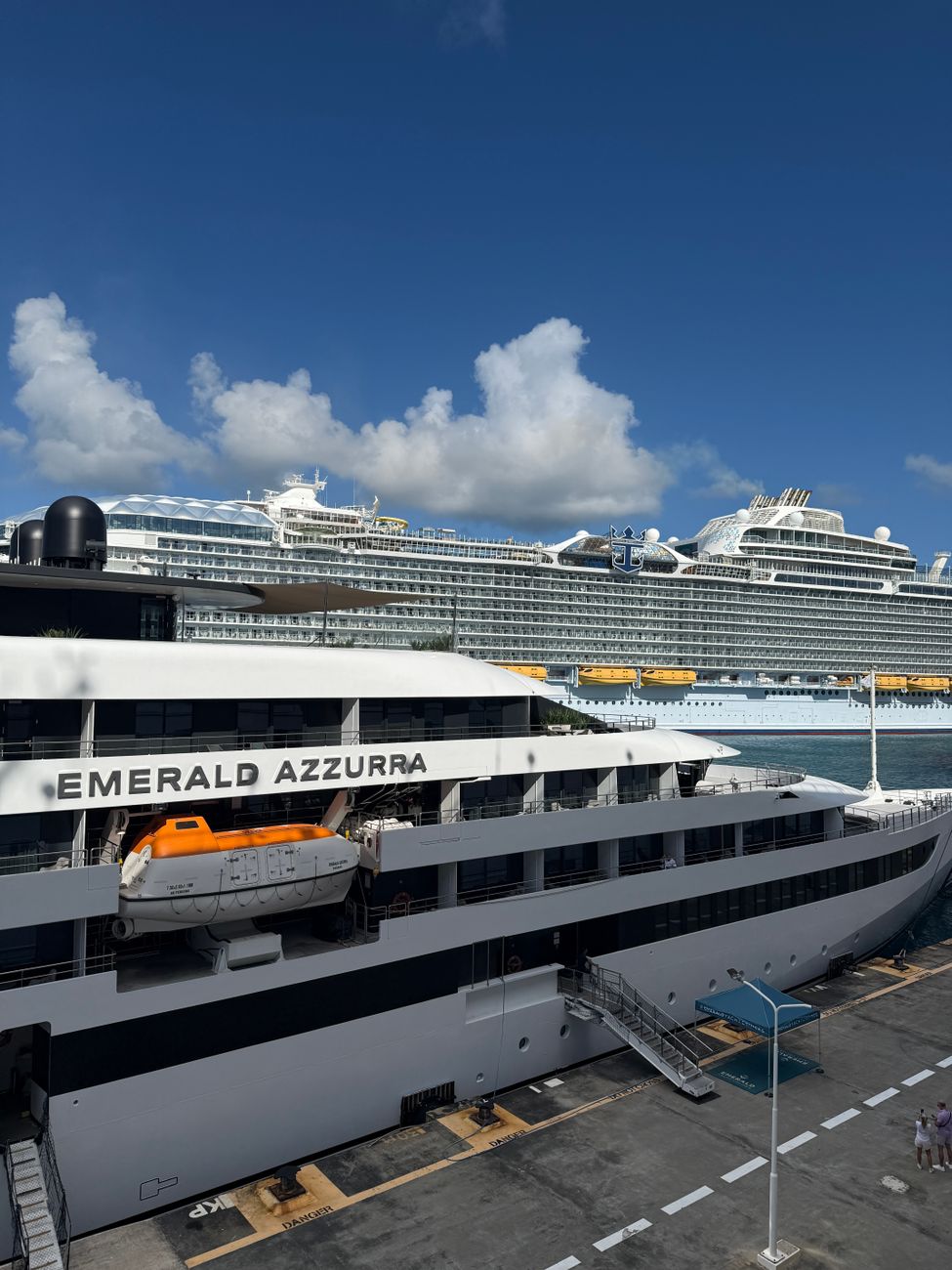
Emerald Cruises operates purpose-built Star-Ships on the Douro that feature an indoor pool that converts to a cinema — a distinctive design choice among river ships. The line positions itself in the contemporary-premium space, blending included excursions with a more modern aesthetic than many traditional river cruise brands.
View Emerald Cruises Douro sailings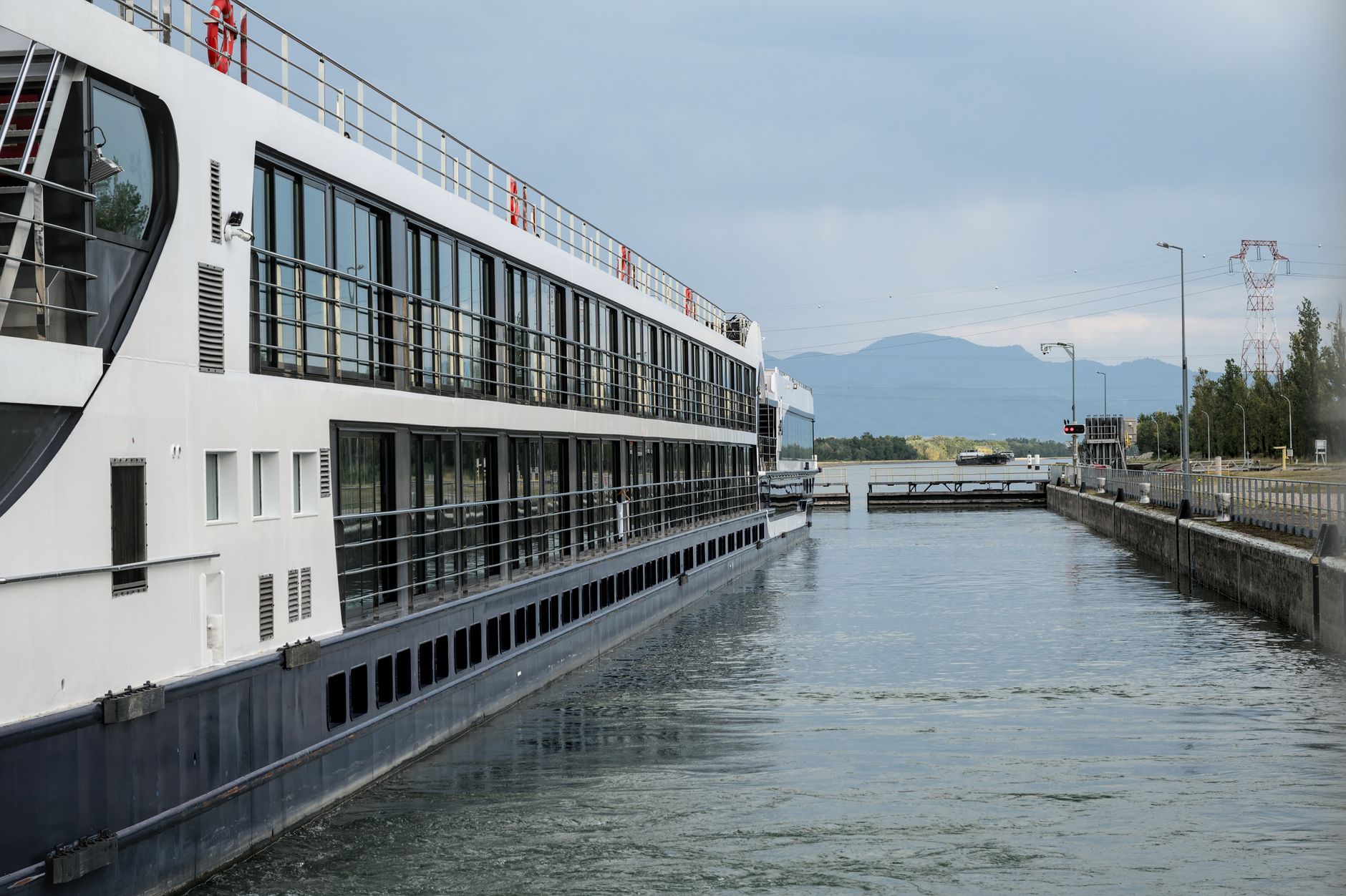
Avalon Waterways differentiates on cabin design — its Suite Ships feature wall-to-wall panoramic windows that open to create an open-air experience, turning the stateroom itself into a viewing platform for the Douro's terraced hillsides. The line's Douro itineraries follow the standard Porto-to-Spanish-border routing with a mix of cultural and culinary shore excursions.
View Avalon Waterways Douro sailings
Scenic positions its Douro sailings at the luxury end of the river cruise market, with all-inclusive pricing that folds in premium drinks, gratuities, and curated excursions — including its Scenic Enrich exclusive cultural experiences. Ships are among the most finished in terms of onboard appointments, with butler service in top suites.
View Scenic Douro sailings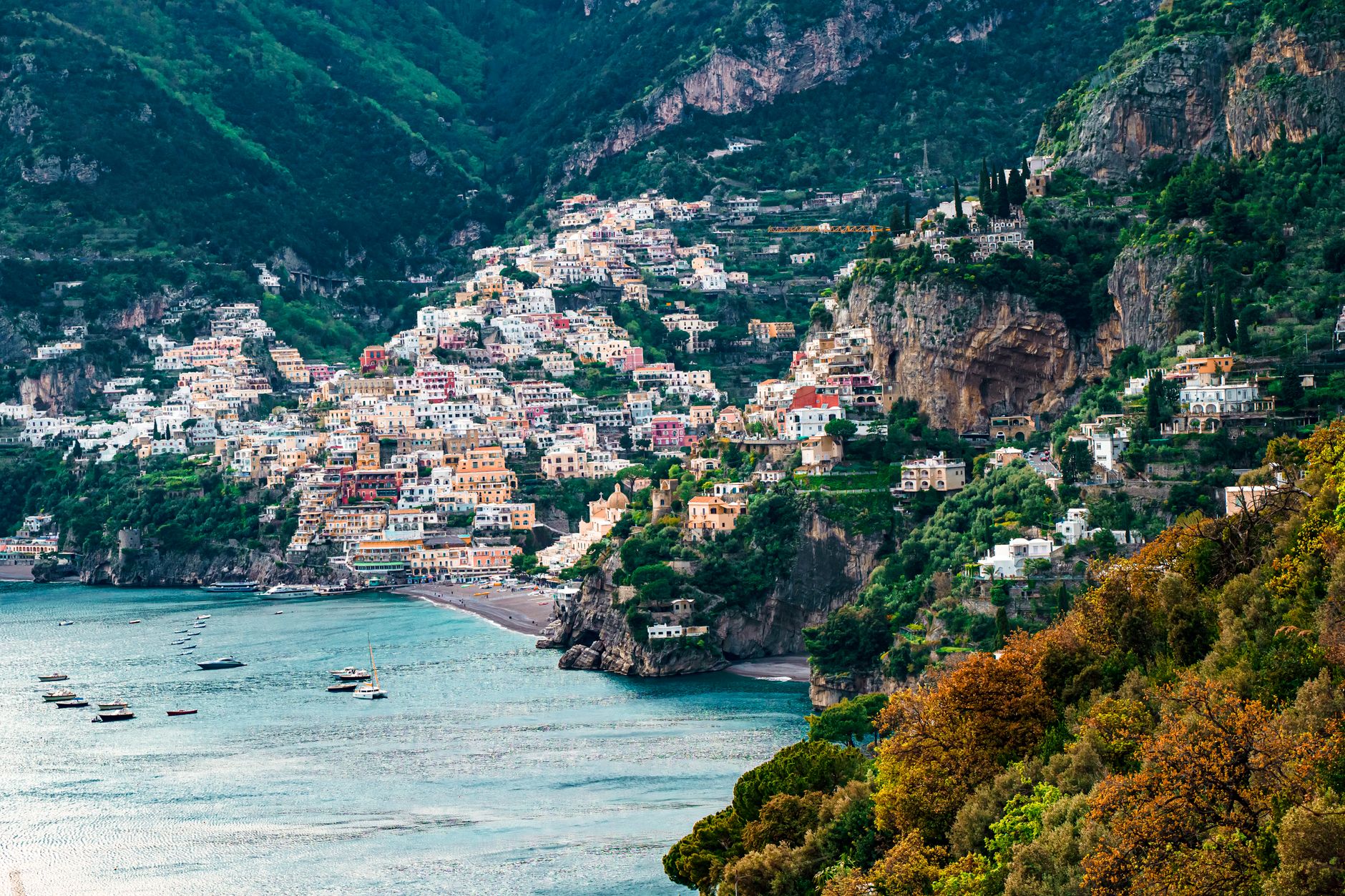
Porto offers two distinct cruise experiences. The Douro River sailings are intimate, slow-paced journeys through terraced wine country on ships carrying 100–200 passengers. Ocean departures from Leixões are fewer and concentrated in spring and autumn repositioning windows. Know which type you want before you start searching — the experiences share a city but almost nothing else.
Porto rewards cruisers who treat the departure city as part of the trip, not just a transfer point. If you want two or three nights exploring a UNESCO-listed riverfront, port wine cellars, and walkable neighborhoods before you even board, this is your port. It suits those who prefer atmosphere over itinerary volume and who are comfortable with a quieter, less commercial starting point.
Porto cannot match Barcelona or Southampton for frequency or route variety — ocean sailings from Leixões are a small, seasonal roster. The Douro itself is slower and less populated than the Rhine or Danube, with small towns rather than major cities along the way. If you need wide itinerary choice or big-ship energy, Porto will feel constraining. If you value distinctiveness over options, it belongs on your shortlist.

Porto is a strong fit for travellers drawn to Douro River cruising or those who want a European departure port that doubles as a genuine destination — but ocean sailing options from Leixões remain limited and seasonal, so flexibility on dates and itineraries is essential.














