




Directional choice
Budapest is the only major Danube port where your direction of travel — upstream or downstream — creates two fundamentally different trip experiences.


Europe from Budapest
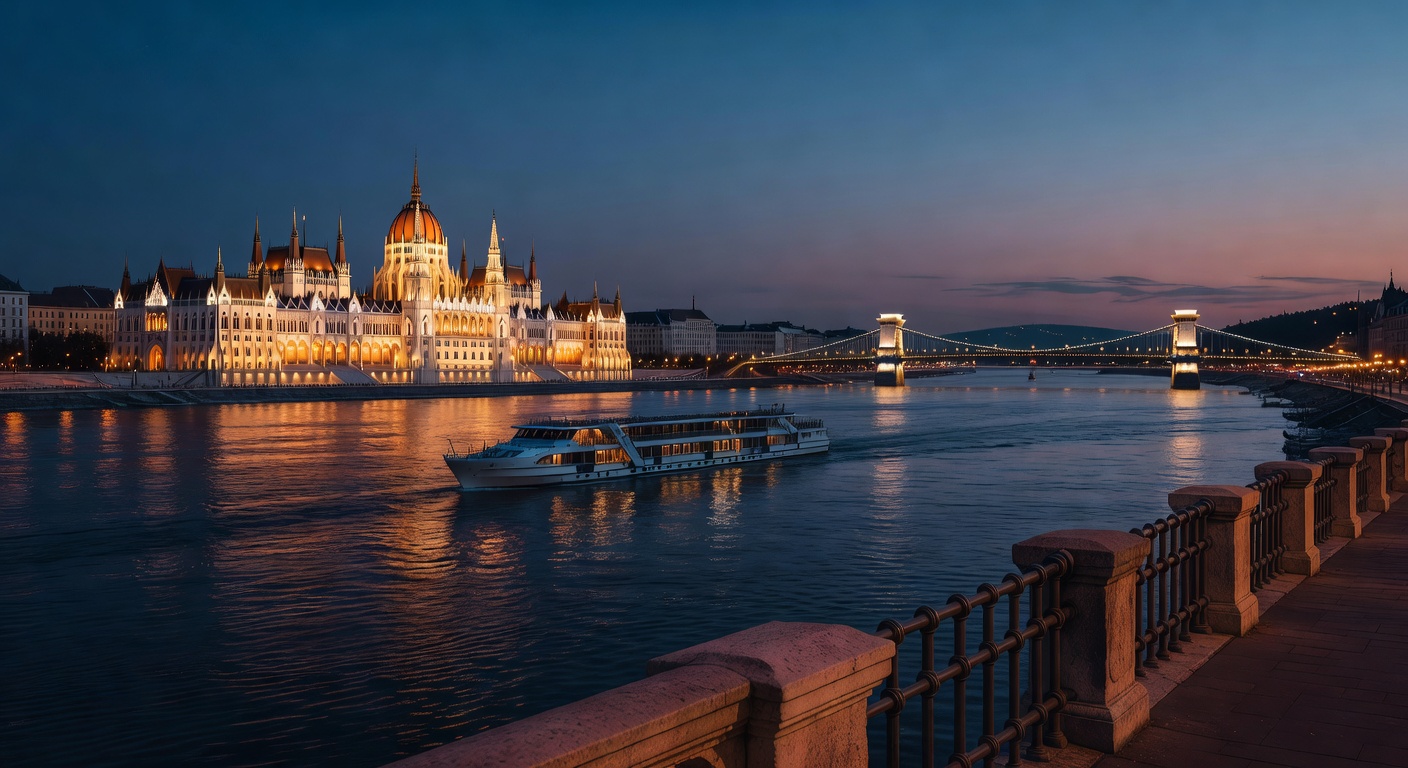
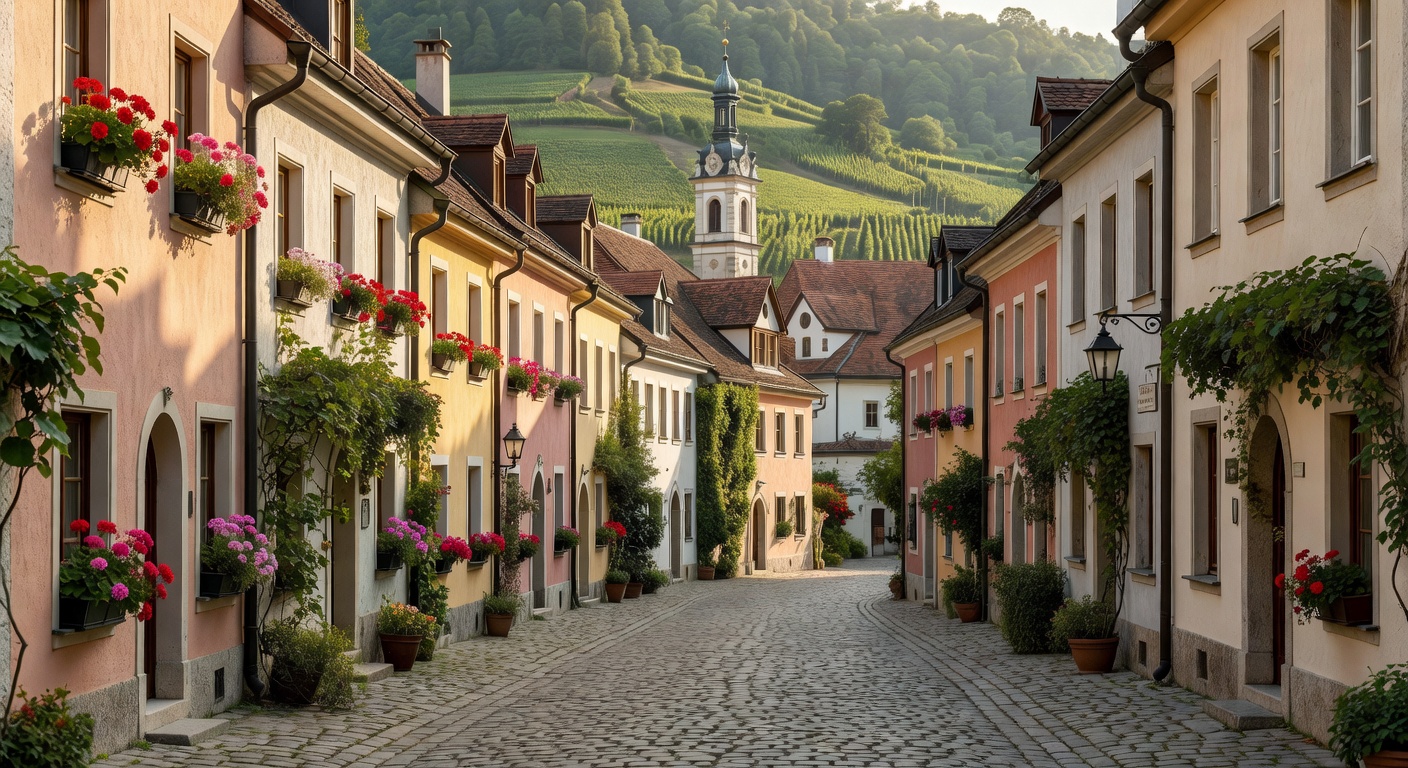
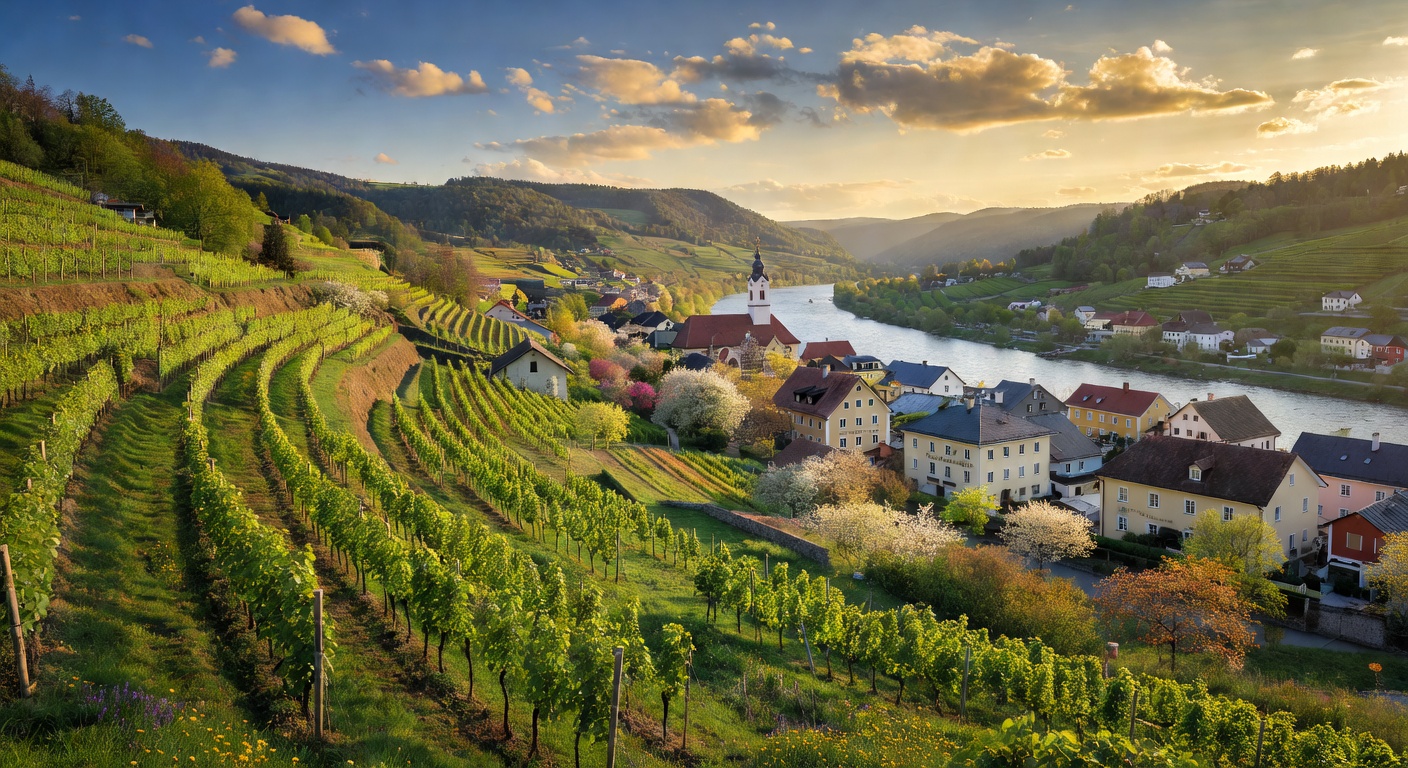
Budapest sits at the pivot point of the Danube, giving travellers a genuine choice: sail upstream through Austria's wine country toward Vienna and Passau, or head downstream through Serbia, Bulgaria, and Romania toward the Black Sea. That dual identity makes Budapest one of the few river cruise departure ports that offers fundamentally different trip shapes depending on which direction you choose.
The upstream route is the Danube's bestseller — polished ports, short distances between stops, and a density of cultural landmarks that rewards every sailing day. The downstream route is longer, wilder, and appeals to travellers looking for something less familiar. Both begin in a city that is worth arriving early to explore on its own terms.
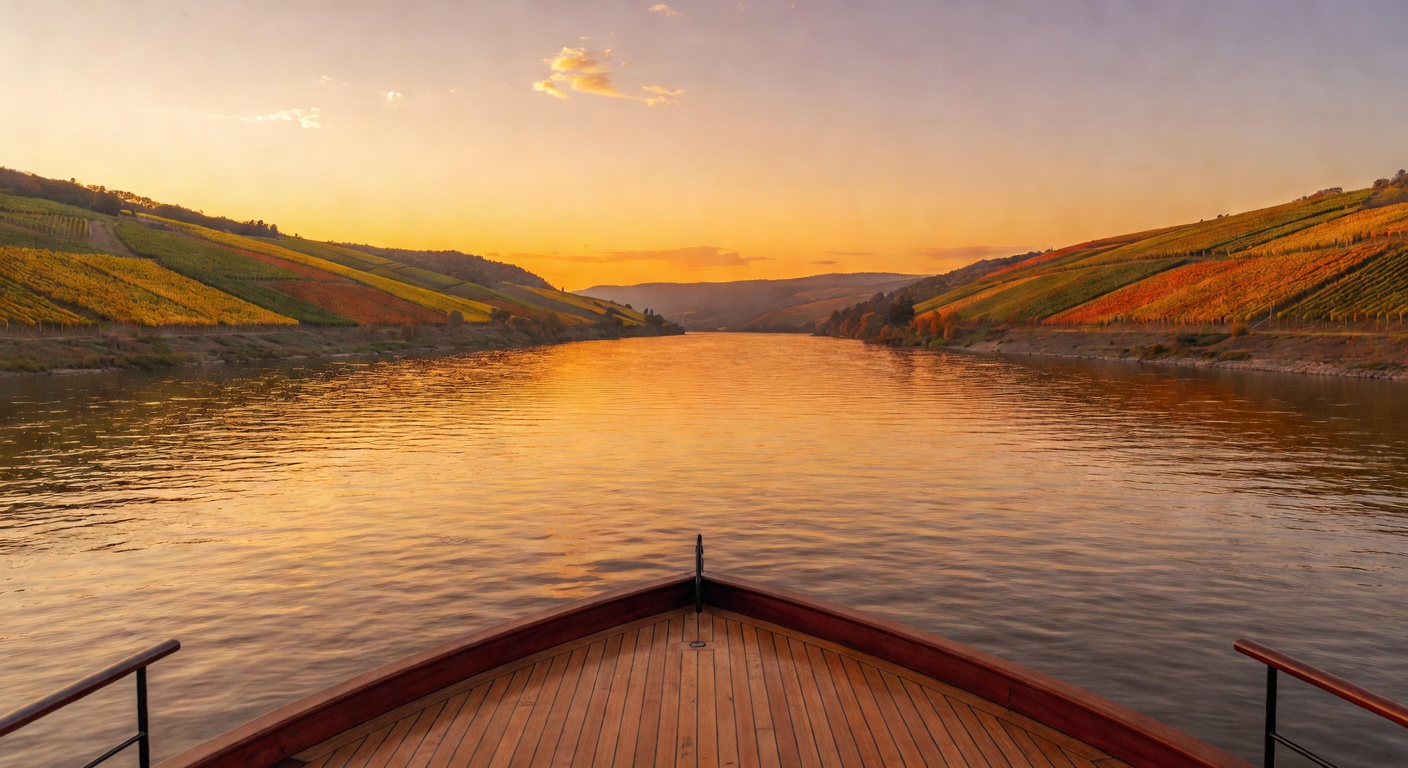
Practical characteristics that shape the experience of starting a European river cruise from Budapest.
Budapest is the only major Danube port where your direction of travel — upstream or downstream — creates two fundamentally different trip experiences.
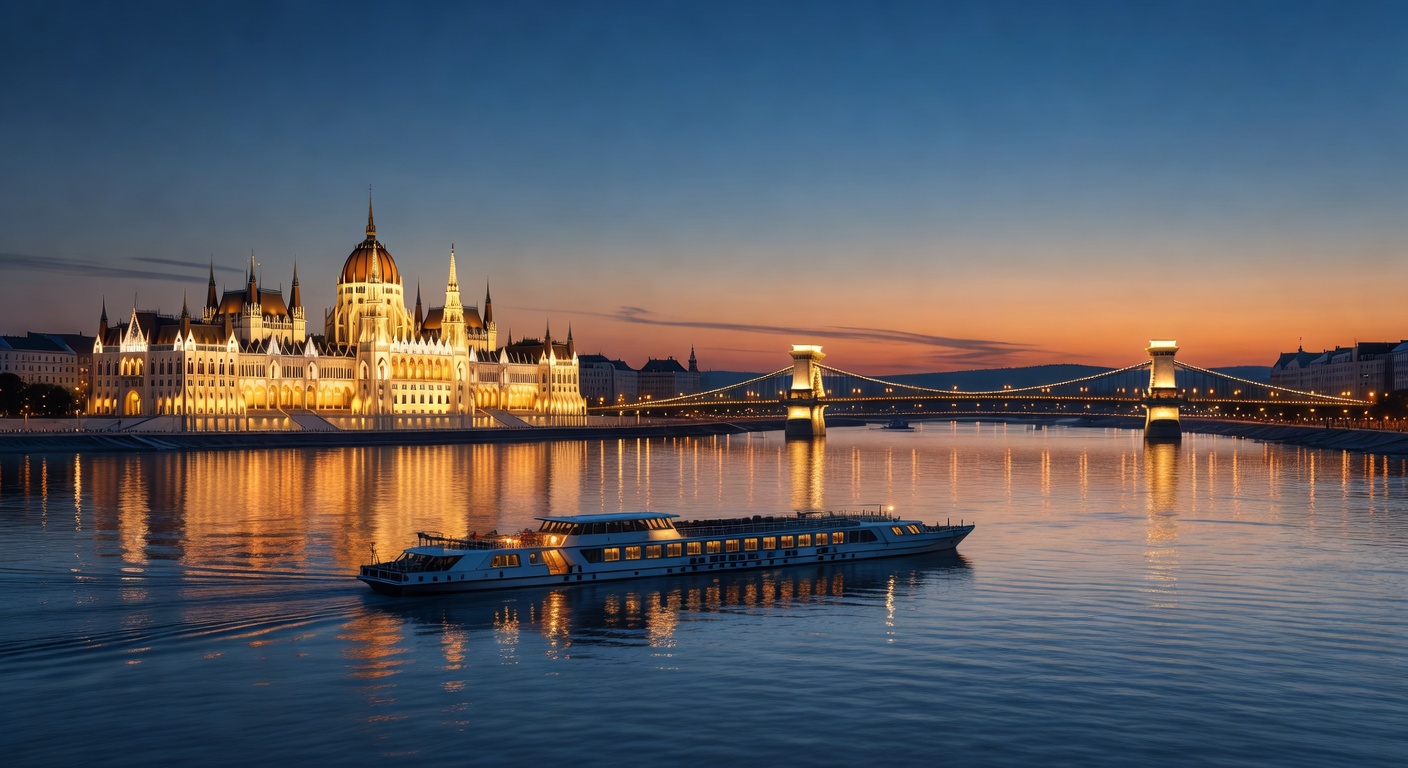
Most river cruise ships dock along the Pest embankment, within walking distance of the city centre, restaurants, and thermal baths.
Budapest rewards one or two extra nights before boarding — thermal baths, the Castle District, ruin bars, and the Central Market Hall are all accessible without a car.
Ferenc Liszt International Airport is roughly thirty minutes from the cruise terminal by taxi, and many lines include the transfer.
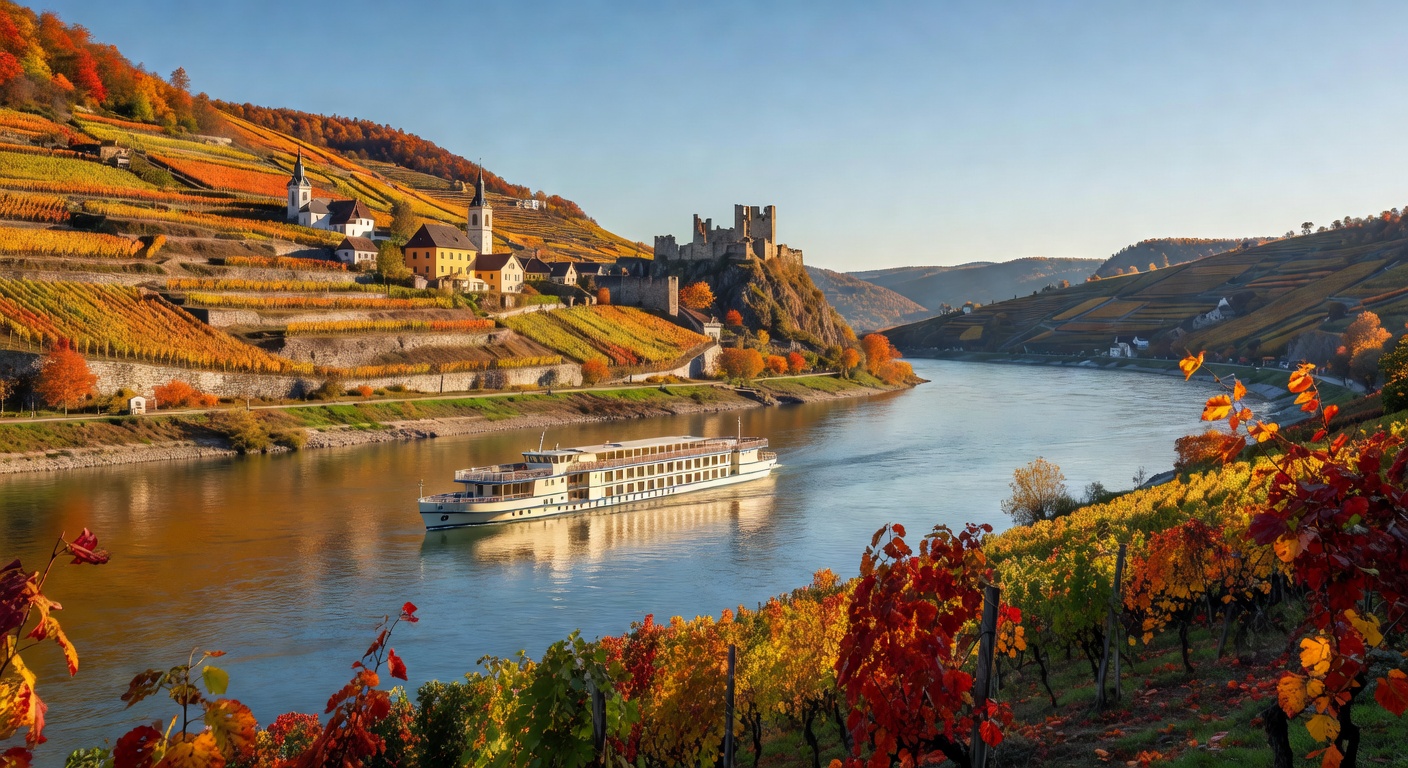
The upstream corridor toward Passau packs Bratislava, Vienna, Dürnstein, Melk, and Linz into seven to ten sailing days — among the highest stop-per-day ratios in river cruising.
Sailing east from Budapest opens access to Belgrade, the Iron Gates gorge, and the lower Danube — regions most Western travellers have never visited.
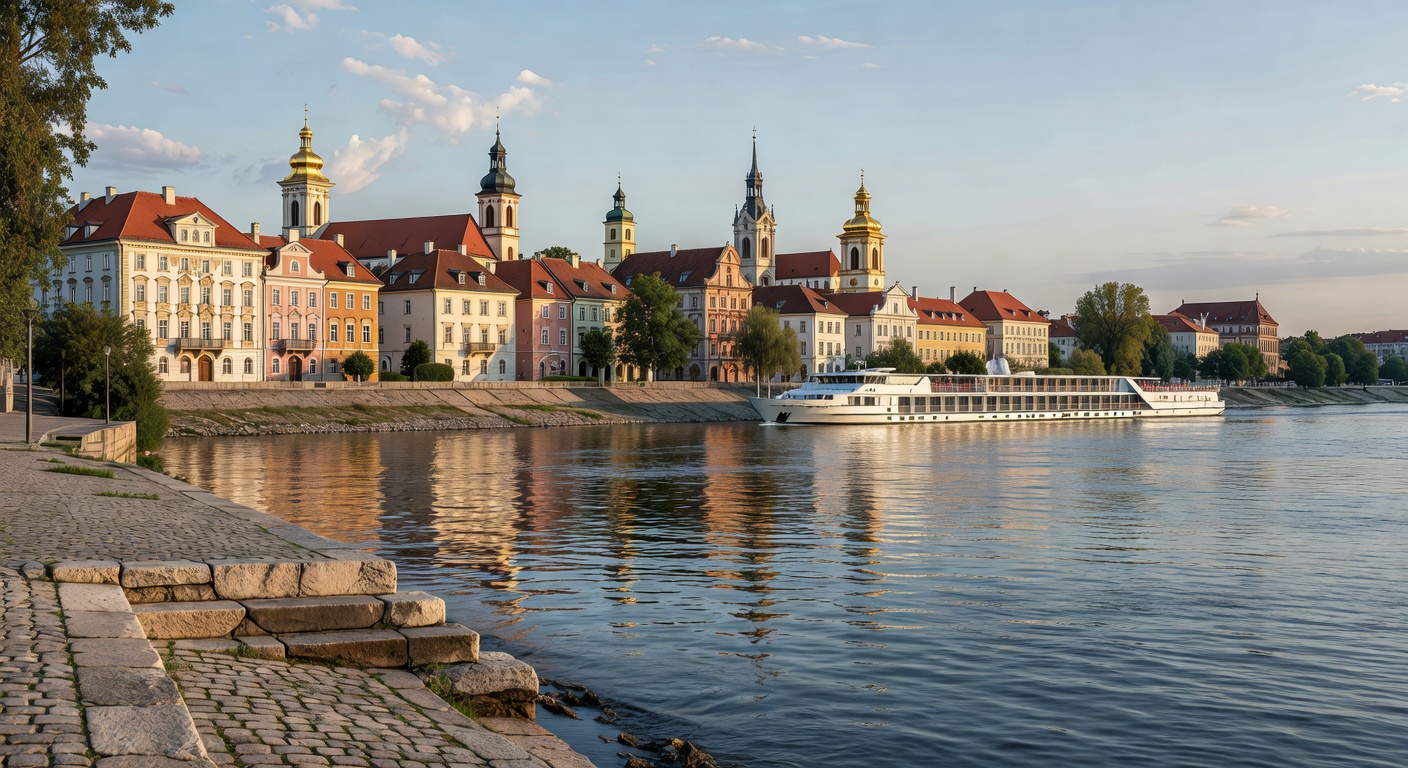
The upstream corridor from Budapest to Passau is the most refined stretch of river cruising in Europe. Ports are walkable, excursion infrastructure is mature, and the pace suits travellers who want to understand the format at its best.

The eastern Danube from Budapest toward the Black Sea delivers a different version of Europe — bigger, quieter, and less polished. It rewards travellers comfortable with slower-paced days and unfamiliar destinations.

River cruising's social format and the upstream corridor's variety of stops tend to keep a range of ages and interests engaged. Downstream itineraries work less well for mixed groups with first-time cruisers.
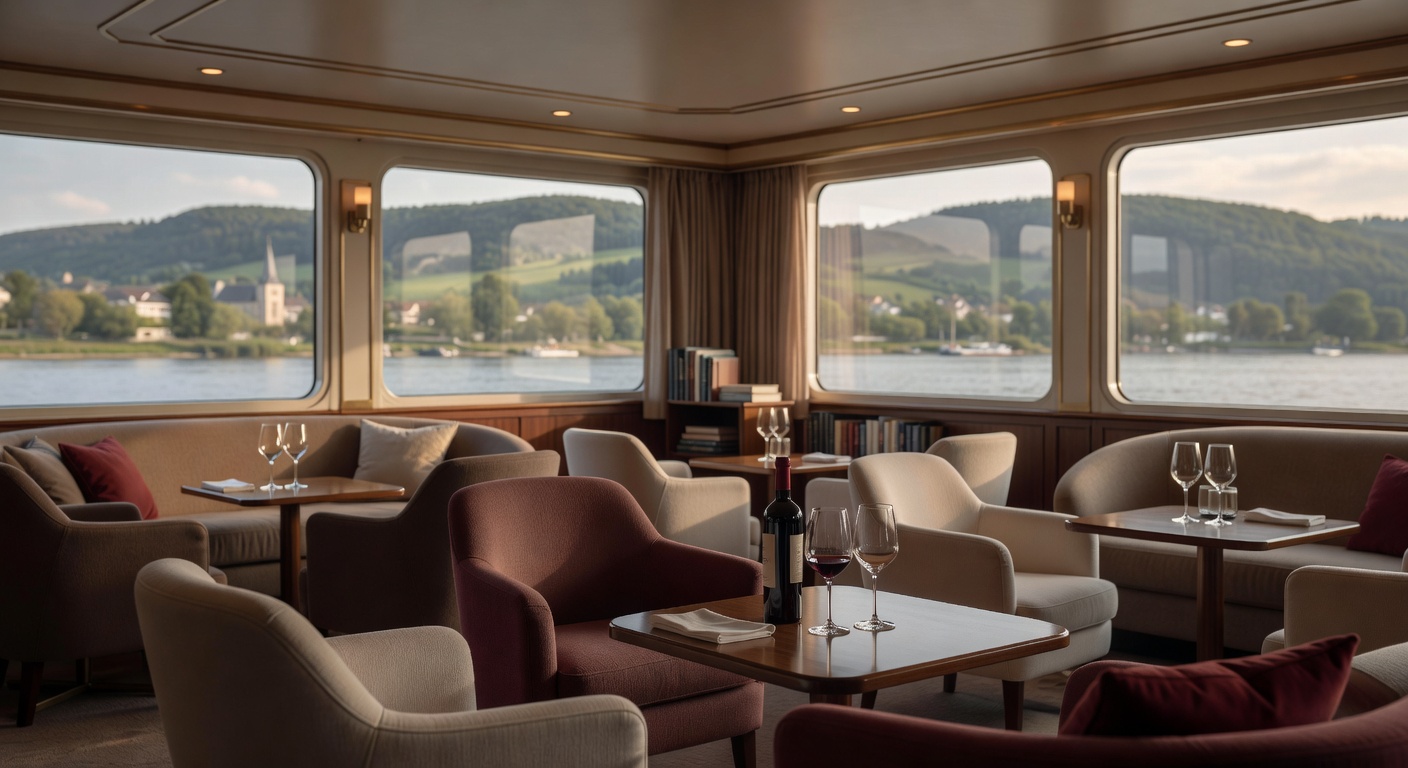
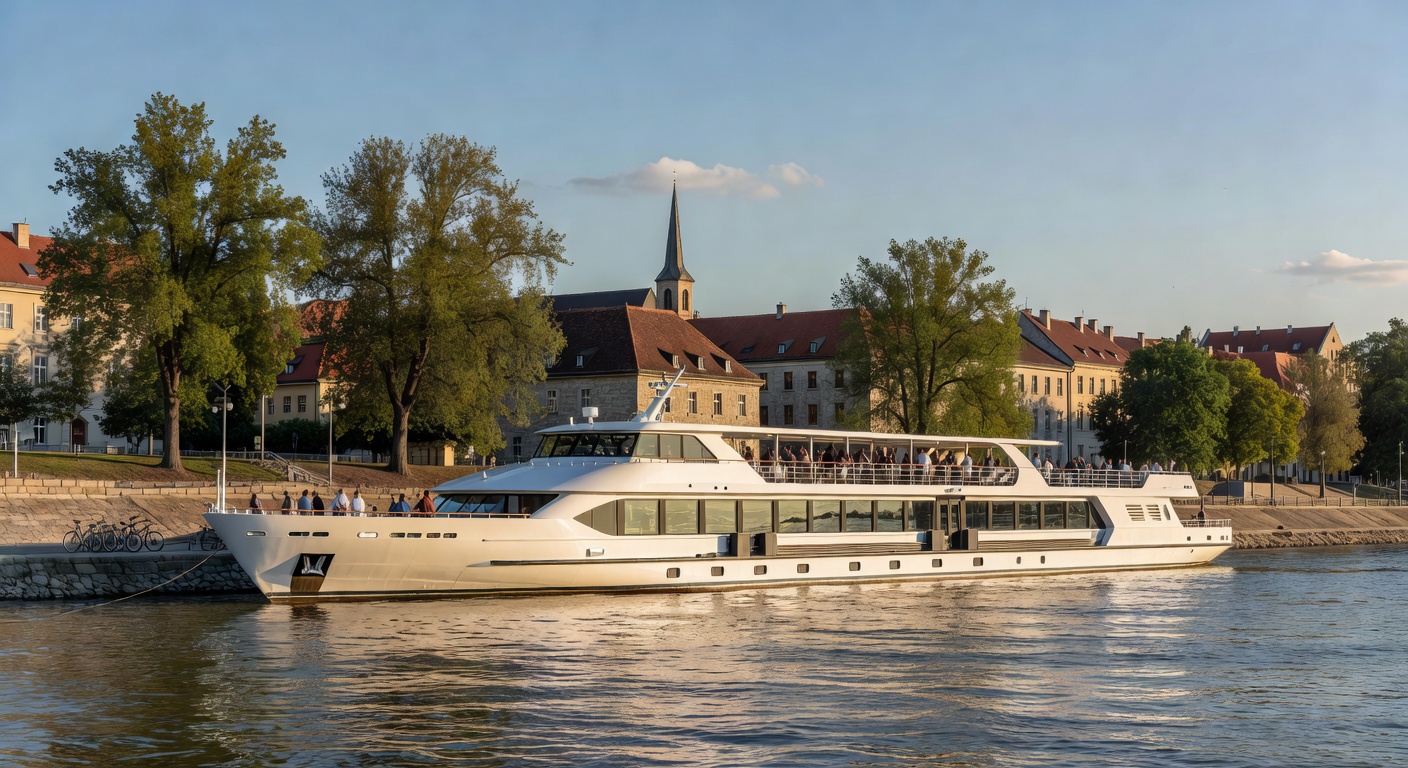
River cruise ships carry 130 to 190 passengers and are not designed around family activities. Children are welcome, but the onboard experience and excursion pace are built for adults. Ocean cruising may be a better fit for families with kids under twelve.
Departure port logic
Passau and Vienna are the other common embarkation points on the Danube, and choosing Budapest over either of them alters the itinerary in material ways. Starting in Budapest means you sail the upstream route in reverse — westbound toward Austria — which places Vienna and the Wachau Valley later in the trip rather than earlier. For many travellers, this is a better pacing: you begin in a dynamic, photogenic capital and end in progressively smaller, quieter towns.
More importantly, Budapest is the only departure port that gives you the option to sail east. No mainstream Danube itinerary departing Passau or Vienna reaches Belgrade or the Iron Gates. If the downstream route interests you at all, Budapest is where it starts. And as a pre-cruise or post-cruise city, Budapest offers more depth — and better value — than Passau, which is a small Bavarian town, or even Vienna, where hotel costs are significantly higher.
Budapest's airport is thirty minutes from the cruise terminal. Passau requires a transfer from Munich (roughly two hours) or a domestic connection.
Hotels, dining, and activities in Budapest cost noticeably less than equivalents in Vienna, making an extra night or two a more accessible decision.
Budapest is the only major embarkation port for downstream itineraries toward Serbia, Romania, and the Black Sea.
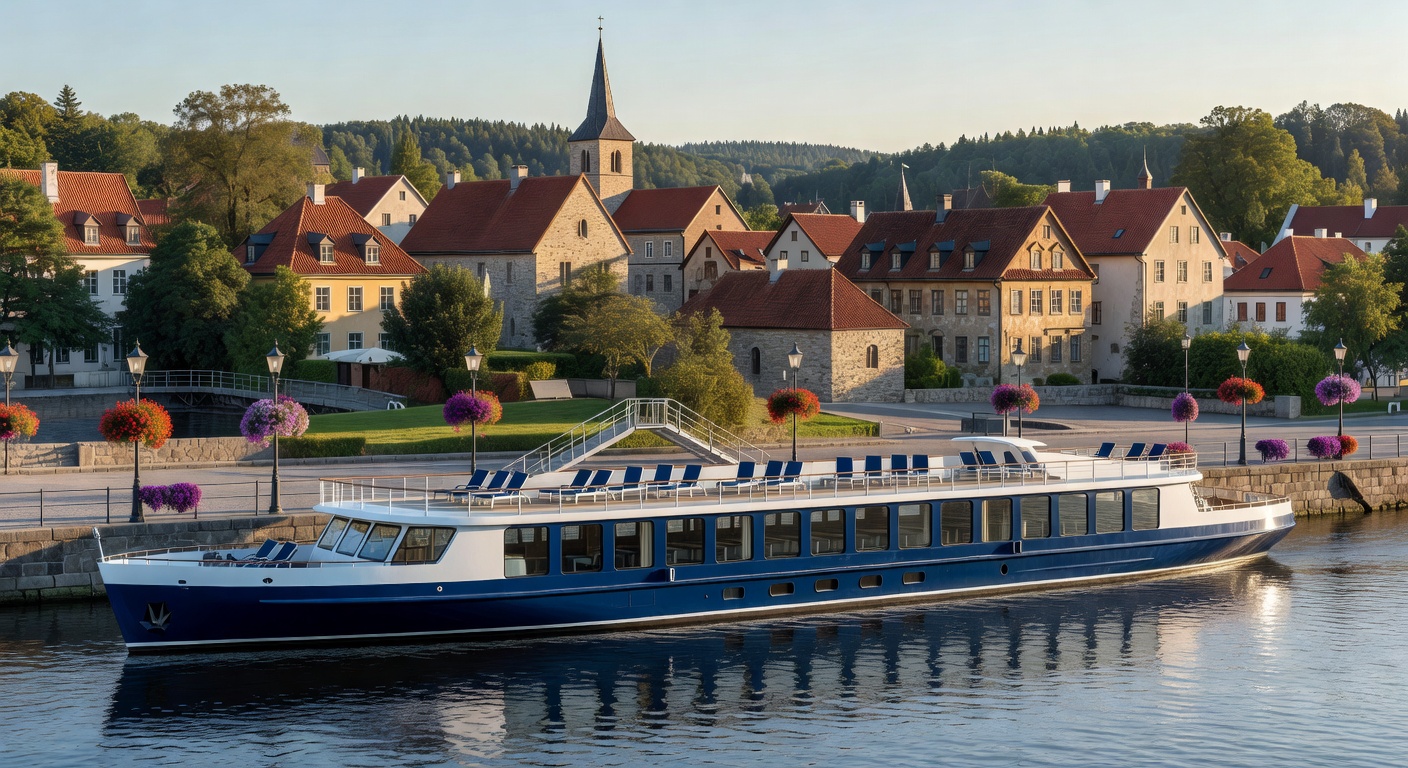
The largest Danube operator. Longships carry around 190 passengers on culturally immersive upstream itineraries with included excursions and meals-inclusive drinks.
See Viking Danube sailings from Budapest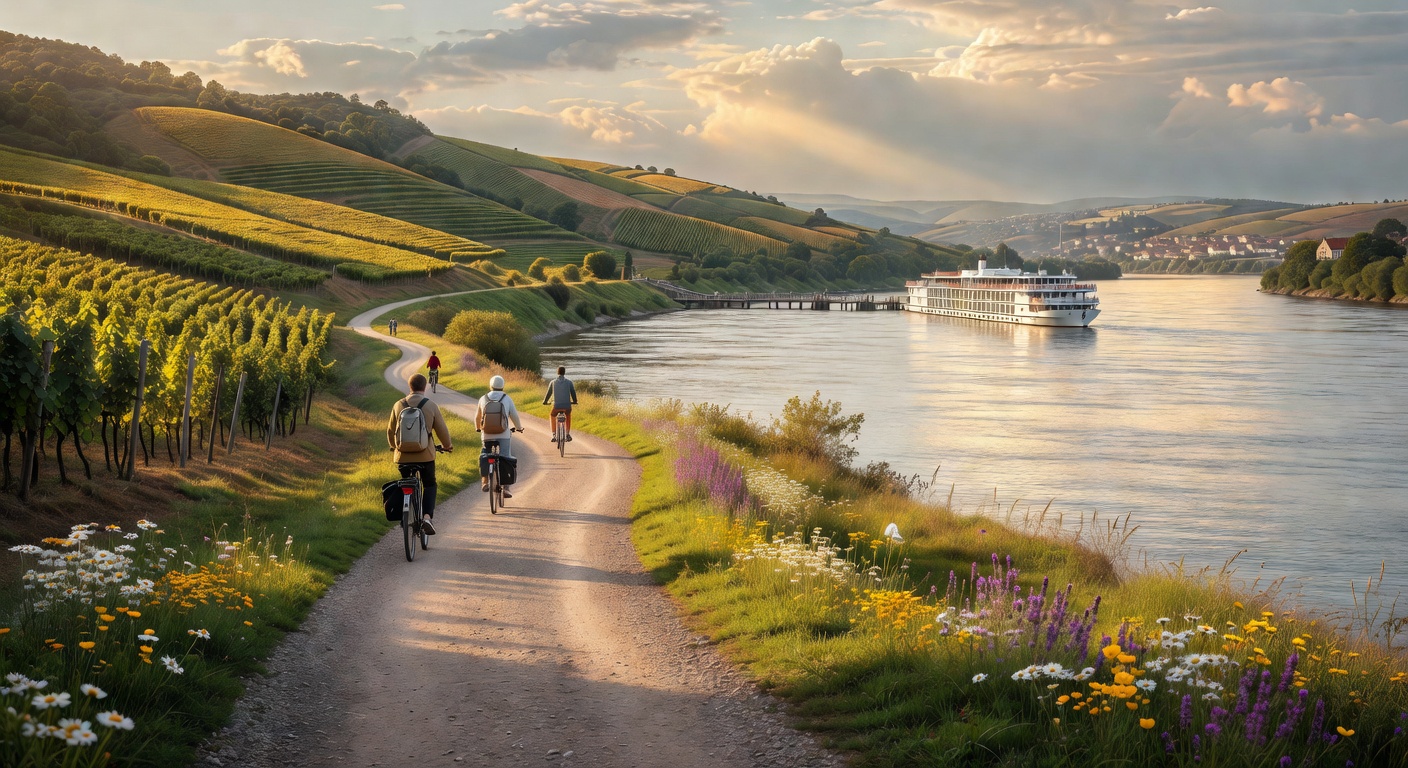
Slightly smaller ships with a focus on dining quality and active excursion options like guided cycling and hiking.
See AmaWaterways Danube sailings from Budapest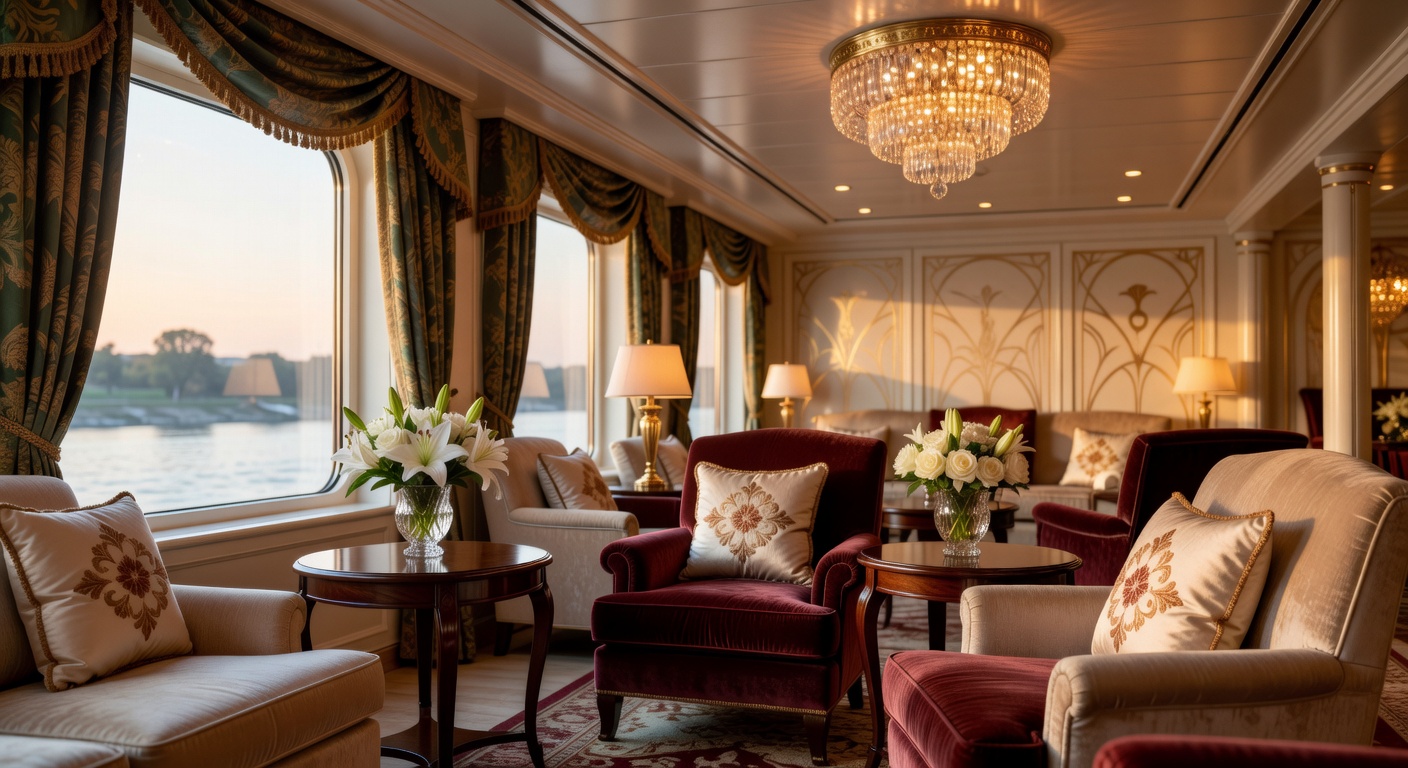
Fully inclusive smaller ships with ornate interiors. Operates the signature twelve-day Budapest-to-Bucharest eastern Danube itinerary.
See Uniworld Danube sailings from Budapest
All-inclusive with butler service, larger suites, and a luxury positioning. Operates both upstream and downstream Danube itineraries.
See Scenic Danube sailings from Budapest
Packages river cruises with pre- and post-cruise hotel stays and guided land touring. The Budapest-to-Black Sea itinerary is a standout.
See Tauck Danube sailings from Budapest
A French line with smaller, simpler ships and competitive pricing. Offers trans-European sailings from Budapest to Amsterdam.
See CroisiEurope Danube sailings from Budapest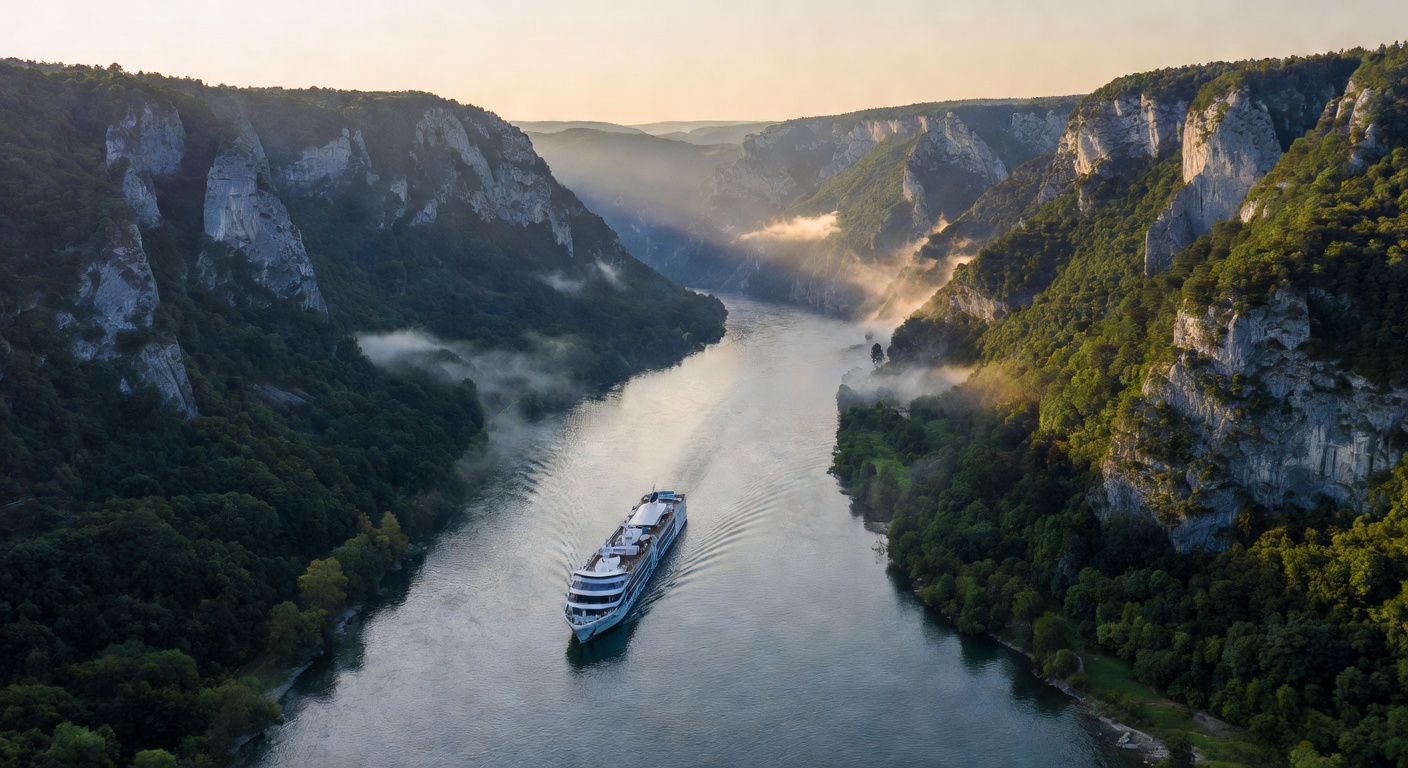
Upstream from Budapest delivers the Danube's greatest-hits corridor — Vienna, the Wachau, Passau — in seven to ten days. Downstream opens a longer, less familiar route through the Balkans. The direction you choose matters more than any other booking decision.
Budapest departures reward travellers who want the cruise to feel like a journey through different cultures, not a floating hotel that parks in scenic spots. Arrive early, explore the city, and treat the port stops as the point — not the ship.
July and August bring high temperatures and the highest probability of low-water disruptions. Spring and early autumn offer better weather, fewer crowds, and more reliable itineraries — but they also sell out earlier.
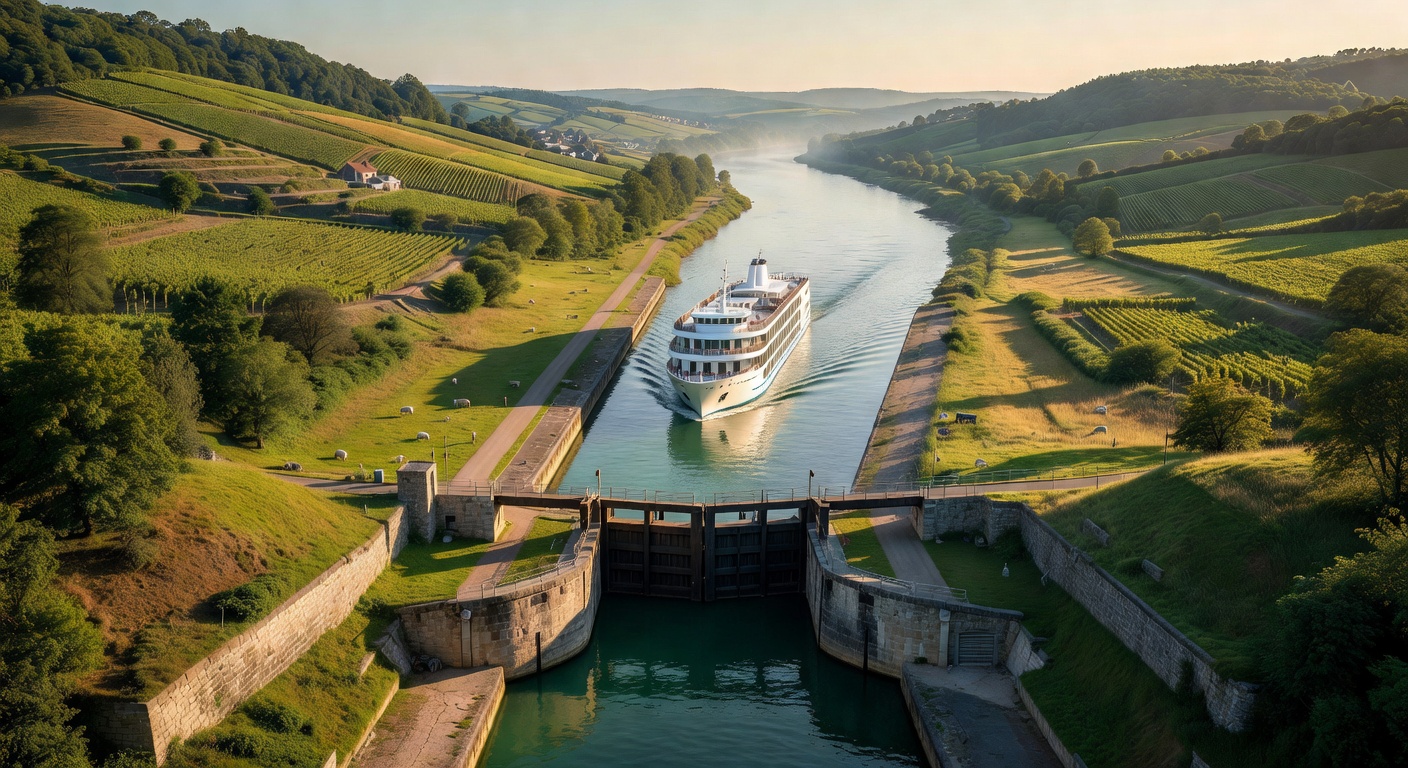
Budapest offers the most route flexibility of any Danube embarkation port, with upstream, downstream, and trans-European options departing from a city worth exploring on its own — though summer sailings carry meaningful heat and water-level risk.












