




Roundtrip Rhythm
Most sailings depart and return to Bordeaux, eliminating the need for one-way transfers and letting you settle into the city at both ends of the trip.




Destination from Port
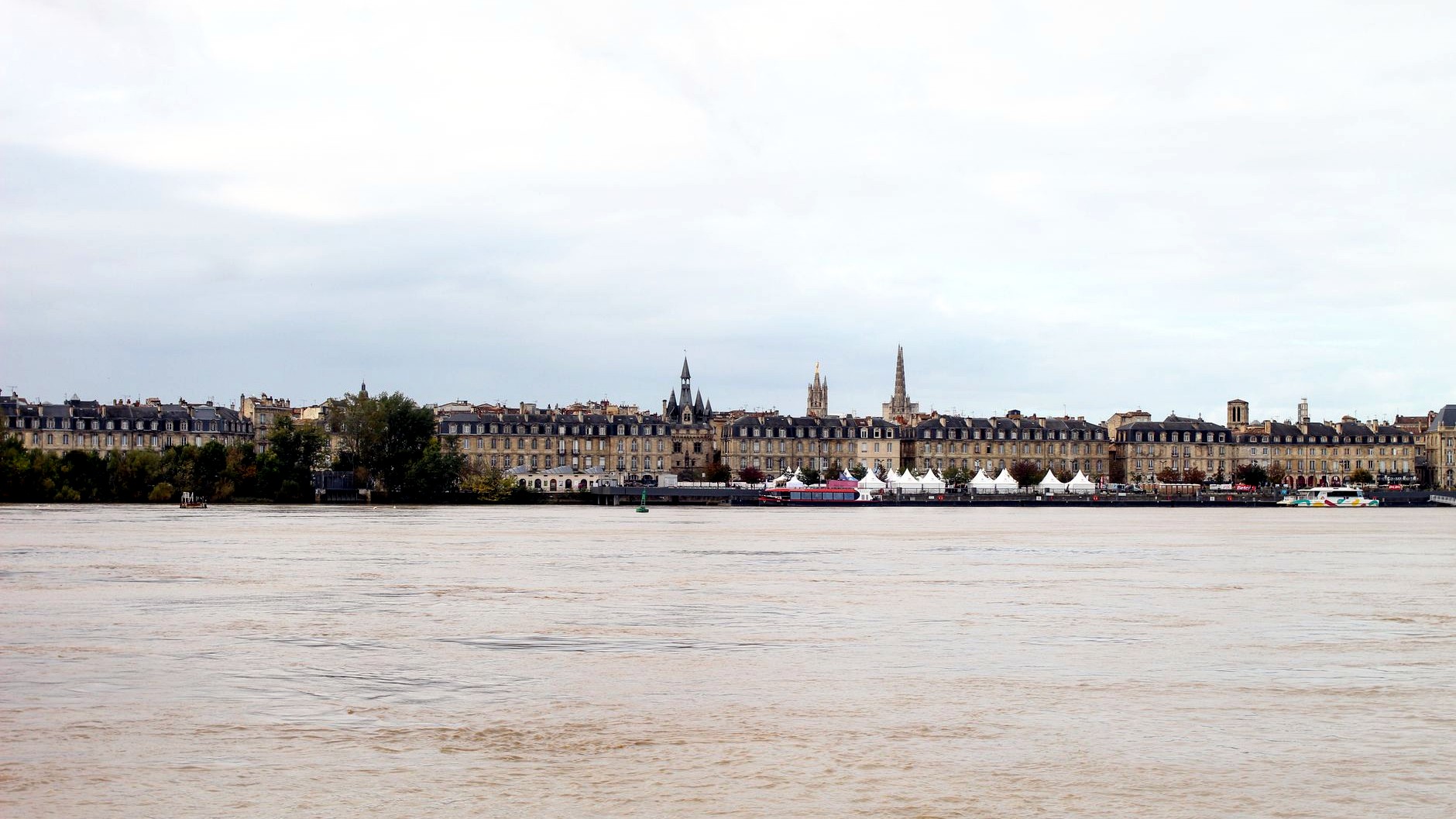
Bordeaux shapes a European river cruise in ways most departure ports cannot. Rather than serving as a brief embarkation point, the city anchors a compact loop along the Garonne and Gironde Estuary — a route designed around vineyard visits, medieval villages, and unhurried days on narrow waterways. The pairing works because Bordeaux is both the starting line and the thematic core: wine, food, and southwestern French culture define the itinerary from dock to dock.
This route tends to suit couples and seasoned river cruisers — often travellers who have already sailed the Rhine or Danube and want a more focused, slower-paced experience. Seven- to eight-day roundtrip sailings keep logistics simple, and the season stretching from late March through early November offers flexibility for shoulder-season travellers looking to avoid peak-summer crowds.

Bordeaux river itineraries have a distinct character shaped by the Garonne, the Gironde Estuary, and the surrounding wine country — here's what defines the route.
Most sailings depart and return to Bordeaux, eliminating the need for one-way transfers and letting you settle into the city at both ends of the trip.
The standard itinerary length keeps daily distances short, so the ship moves mostly at night and your days are spent ashore rather than watching riverbanks pass.
Ships sail north along the Garonne before merging into the wide Gironde Estuary, giving a sense of landscape variety from narrow urban river to expansive tidal waters.
The route threads through some of France's most celebrated wine regions, making vineyard visits and tastings a natural — not contrived — part of most shore stops.
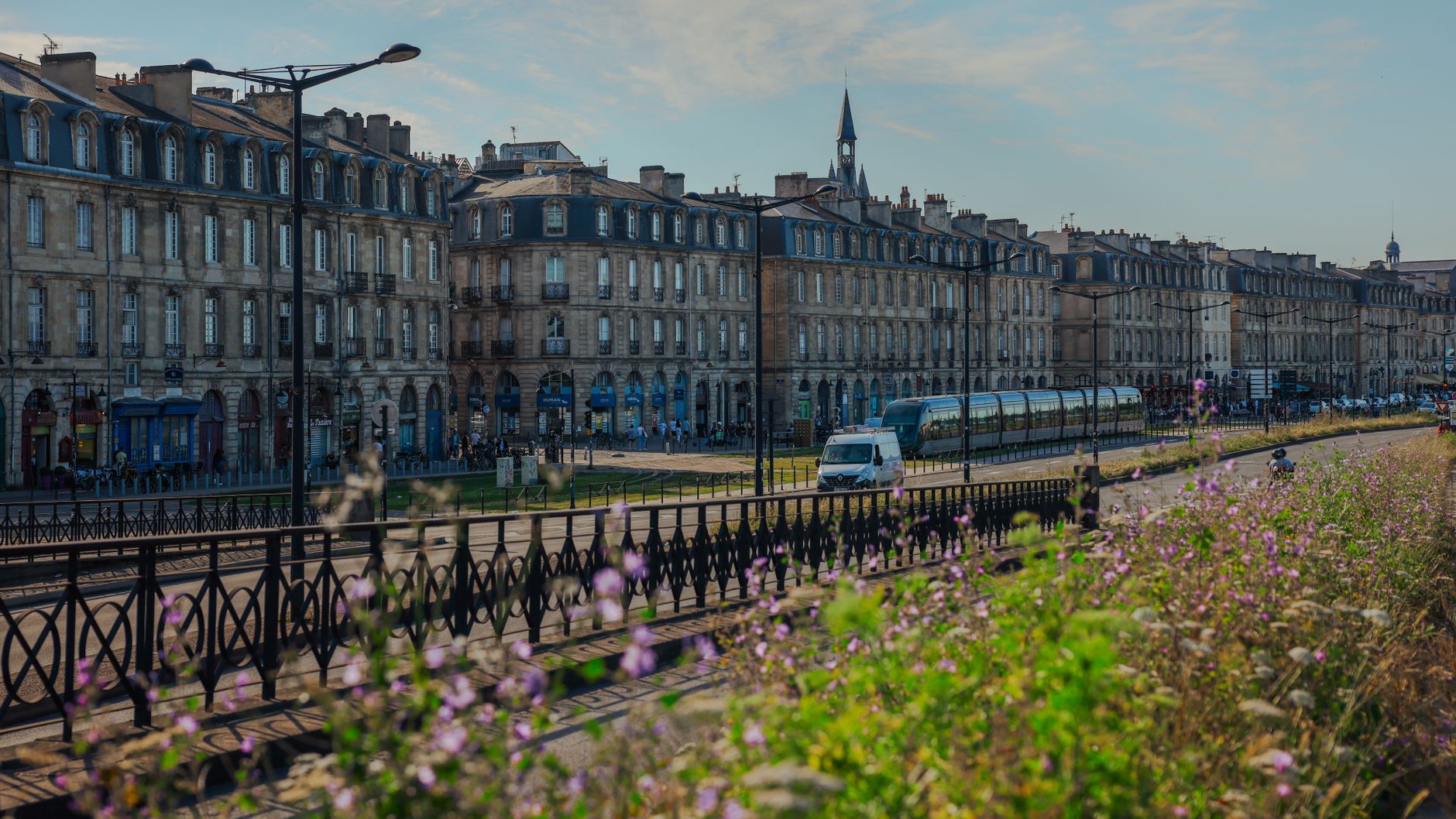
Unlike ports that are purely functional, Bordeaux itself rewards extended exploration before or after sailing, from the Place de la Bourse to the Miroir d'eau.
The route attracts experienced river cruisers — often couples in their fifties and sixties — looking for a tighter geographic focus after broader European itineraries.
Postcards from this route
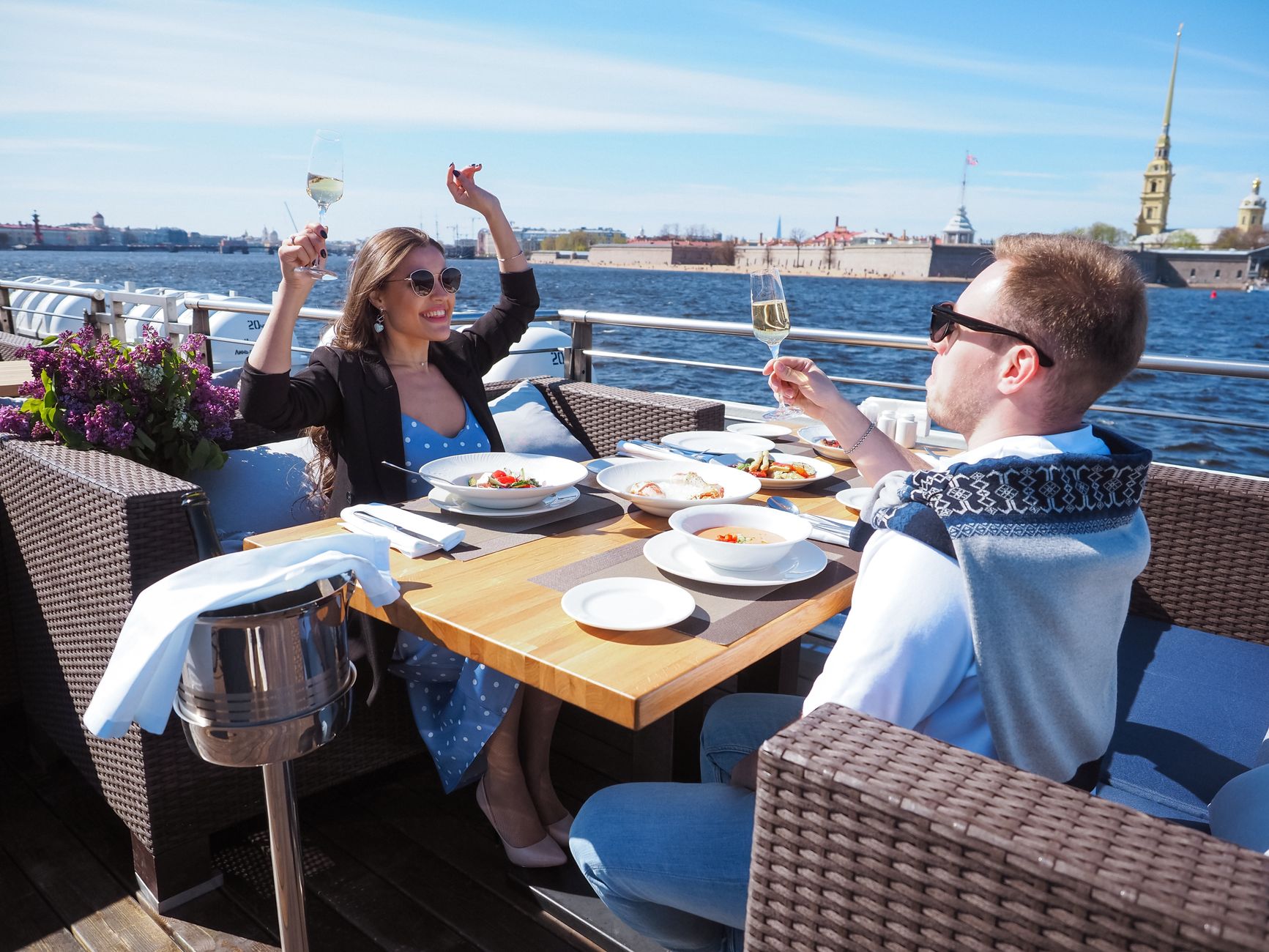
Along the Garonne and into the Gironde — scenes from a slower kind of European cruise.

Bordeaux river cruises are built for travellers who want depth over breadth. If you've ticked off the classic Central European rivers and want a single-region immersion centred on French wine country, this route delivers exactly that without repeating familiar ground.

Most sailings loop north along the Garonne and Gironde Estuary and back, visiting a handful of ports rather than racing through dozens. That means more time ashore in each stop but less geographic variety — ideal if you value lingering over listing countries.

These are river-only itineraries confined to southwest France. You won't cross borders or see Mediterranean coastline. If your goal is to cover several countries or mix ocean and port days, Bordeaux departures will feel restrictive by design.

Week-long sailings on the main operators often run well above entry-level river cruise pricing, and nearly every excursion revolves around vineyards, châteaux, and gastronomy. There's very little programming for children, and the onboard atmosphere skews firmly toward couples in their fifties and sixties.
Departure Port Logic
Bordeaux is not a substitute for Amsterdam, Basel, or Budapest — it is a fundamentally different starting point that narrows and deepens the cruise experience. Because nearly all itineraries here are roundtrip loops along the Garonne and Gironde Estuary, your embarkation city is also your disembarkation city. That means you can fly into Bordeaux–Mérignac Airport, settle in for a day or two exploring one of France's most compelling wine cities before boarding, and return to the same spot at the end without repositioning logistics. There is no cross-country transfer to arrange, no second city hotel to book.
This matters practically because Bordeaux's compact river geography keeps sailing distances short and port calls unhurried. Ships rarely travel more than a few hours between stops, which means less engine time and more time ashore in small-production wine villages that would never appear on a Rhine or Danube schedule. If you have already done the classic central European river routes and want a cruise where the departure port itself is a destination — not just a dock — Bordeaux delivers that in a way few other embarkation cities in the European river market can match.
Bordeaux's airport receives direct flights from major European hubs and select seasonal transatlantic connections. The city centre is roughly 30 minutes by tram or taxi, making same-day embarkation realistic without an overnight stay — though arriving a day early to explore the city is well worth it.
Because roundtrip itineraries return you to Bordeaux, building a land extension is unusually simple. The city's UNESCO-listed centre, its wine bar culture, and easy day trips to Saint-Émilion or Arcachon Bay make a two- or three-night add-on feel like a second vacation rather than filler.
Bordeaux departures tend to attract experienced river cruise travellers who have already ticked off the Rhine and Danube. The region's tighter geographic focus and wine-centric shore excursions reward curiosity over checklist sightseeing, so first-time cruisers seeking variety may find the route less varied than broader European sailings.
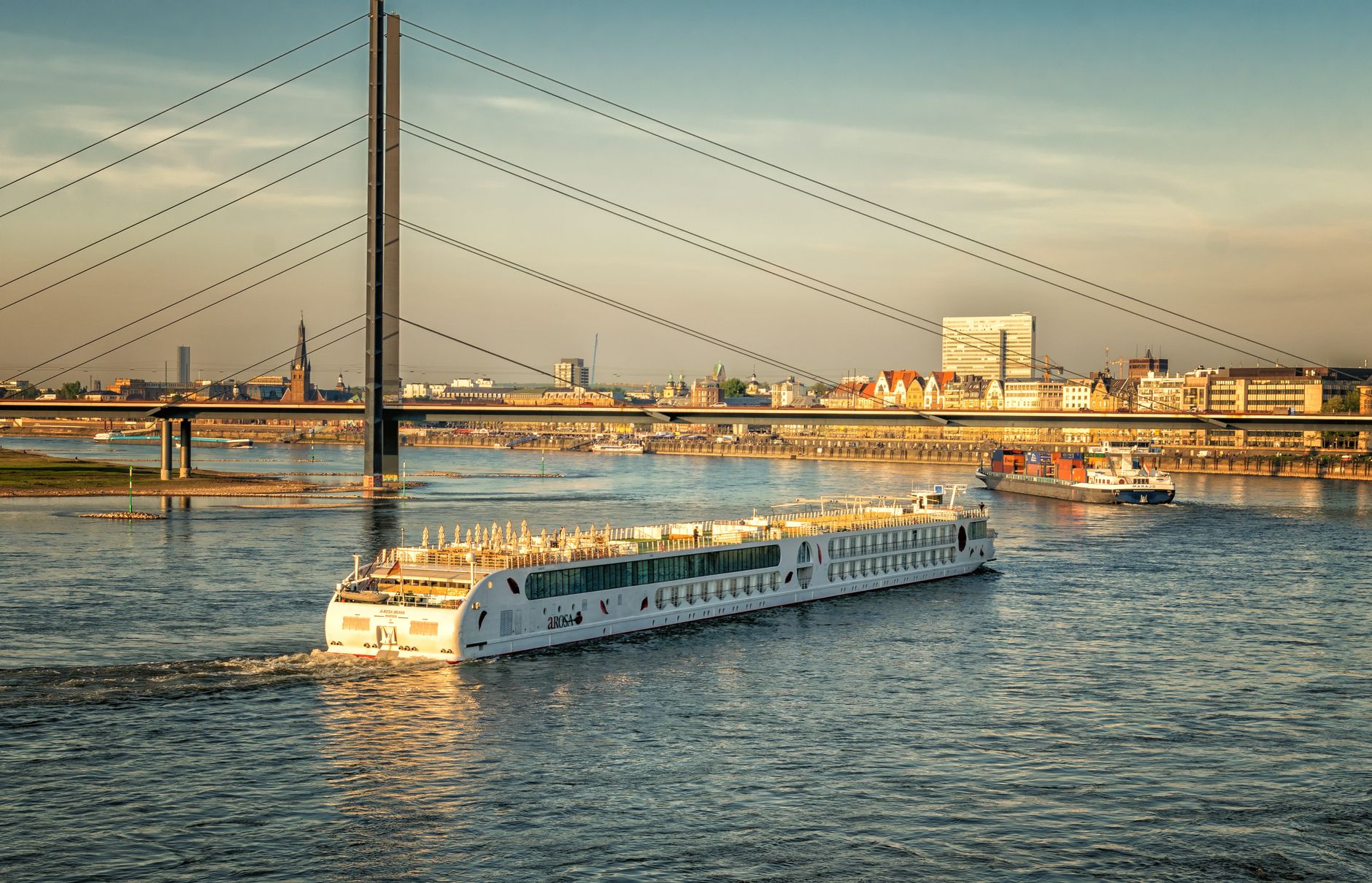
AmaWaterways treats the Bordeaux region as a wine-and-culinary immersion, weaving vineyard visits, guided tastings, and locally sourced onboard dining into a compact Garonne-Dordogne loop. Excursions lean active — expect guided bike rides through Saint-Émilion and walking tours that go beyond the obvious stops — while the ship itself maintains an inclusive, polished atmosphere.
View AmaWaterways Bordeaux sailings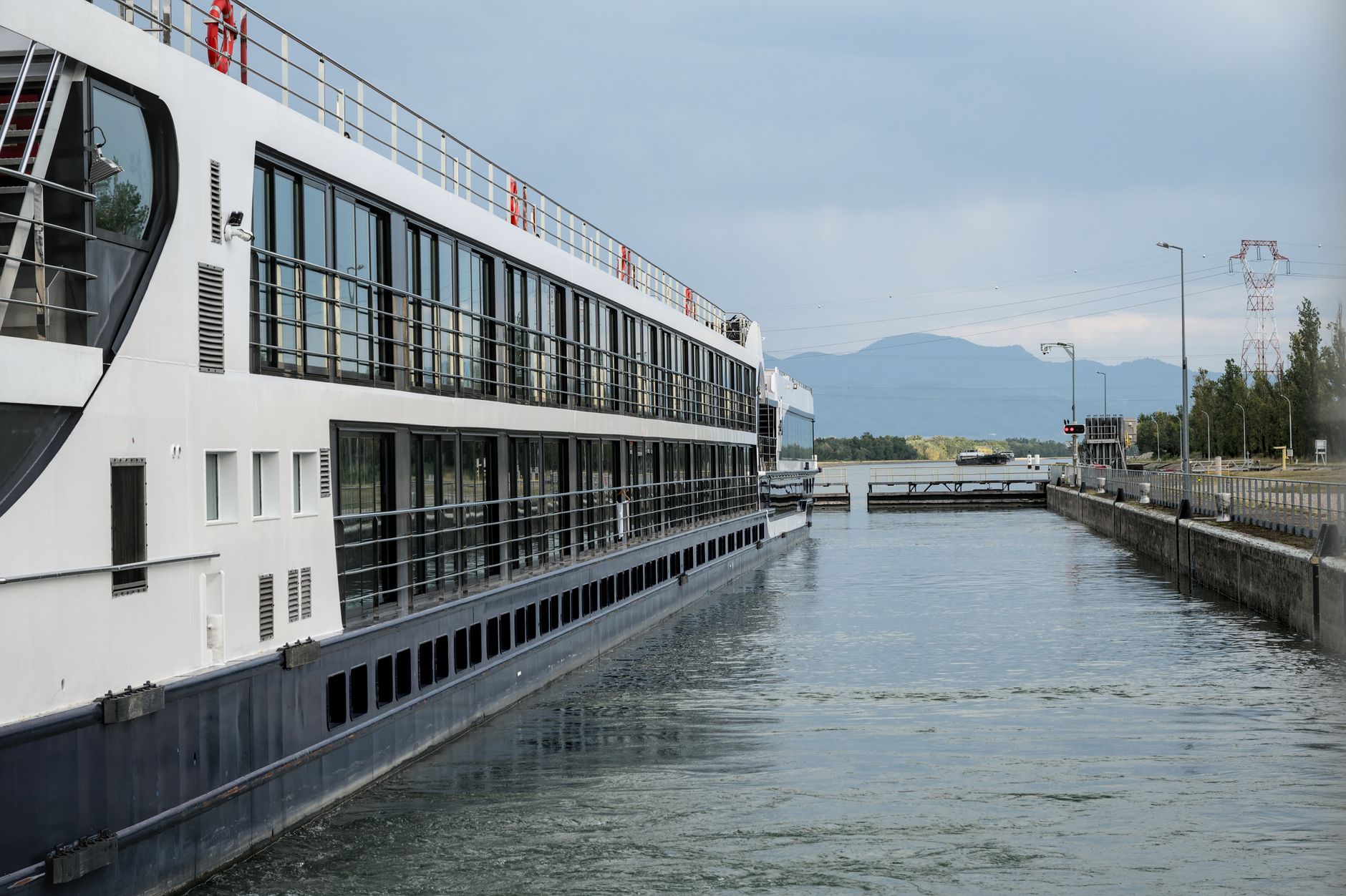
Avalon Waterways emphasises open, light-filled cabin design — particularly its signature wall-to-wall windows — and a more relaxed approach to structured touring. On the Bordeaux route, this translates to a balance between guided vineyard excursions and independent time in port towns along the Garonne and Dordogne.
View Avalon Waterways Bordeaux sailings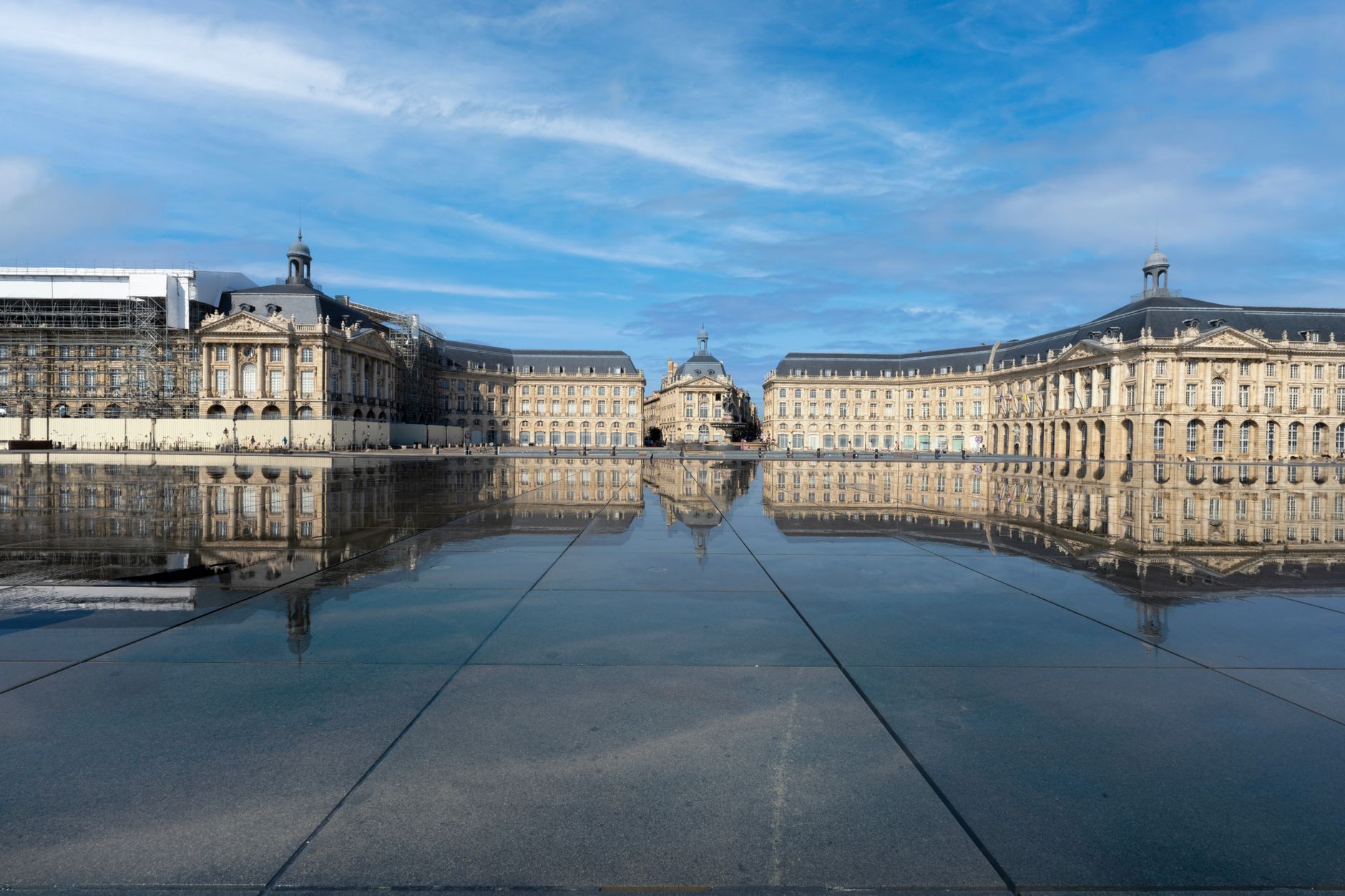
Bordeaux departures are almost entirely seven- to eight-day river roundtrips along the Garonne and Gironde Estuary. Expect intimate vineyard villages and estuary scenery rather than capital-city hopping. If you want geographic range, this is the wrong route; if you want depth in one region, it delivers.
This route suits couples in their fifties and sixties who have already ticked off mainstream European river itineraries and want something with a tighter, more immersive focus. Wine appreciation helps but isn't required — a genuine interest in French food, architecture, and unhurried days matters more.
Bordeaux is still a newer market with fewer competing lines than the Rhine or Danube, which can limit departure-date flexibility. The season runs late March to early November, with summer peak bringing crowds and heat. Pricing varies widely by operator and inclusion model, so compare what's bundled before you compare sticker prices.
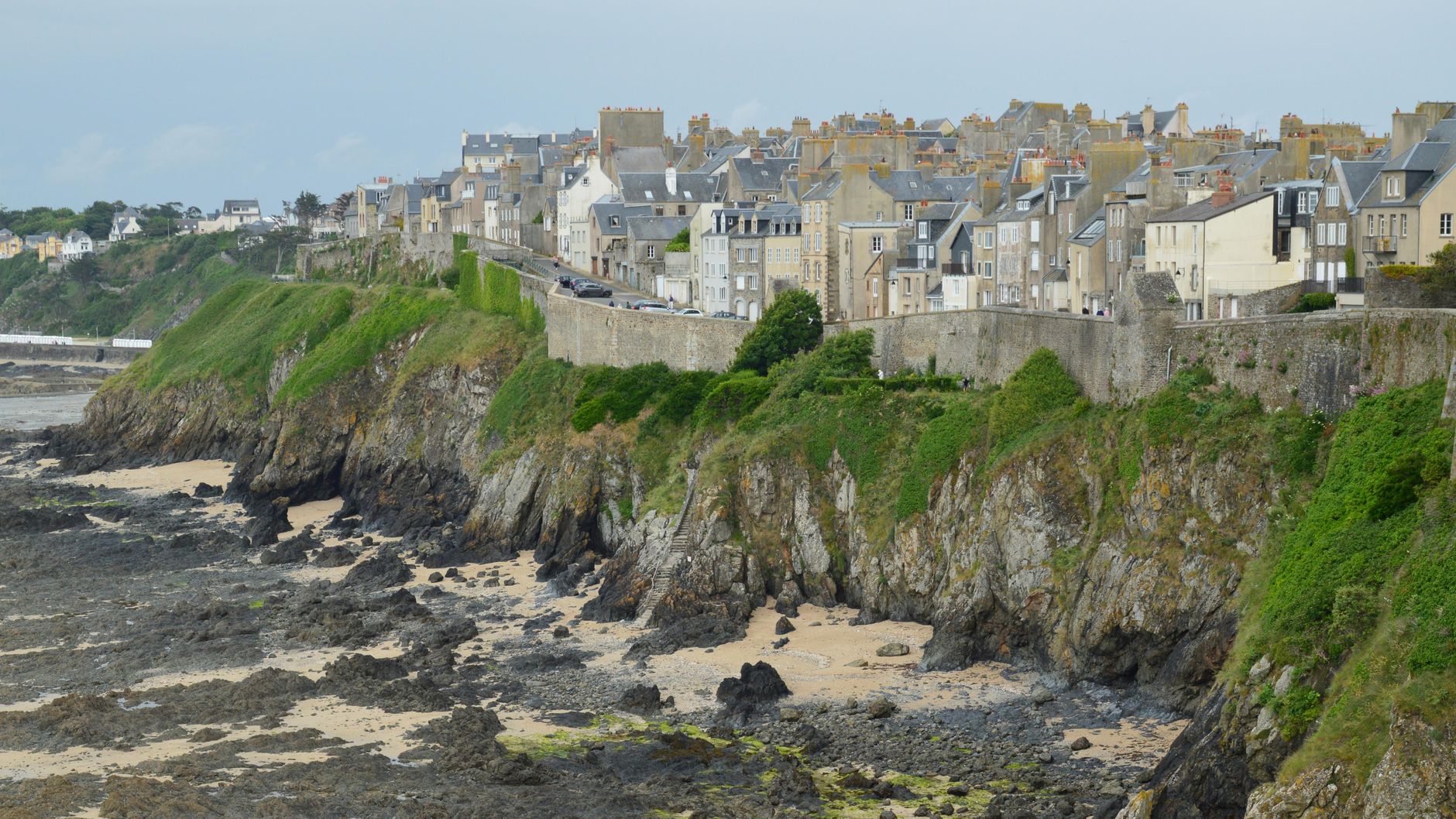
Bordeaux is an excellent departure port for travellers who have done the major Rhine-Danube routes and want a slower, wine-focused river itinerary rooted in southwest France. The tradeoff is a narrower range of operators and itineraries compared to more established European river corridors, so flexibility on dates and cabin categories will matter when booking.














