




Two Distinct Route Types
Berlin serves as a starting point for both intimate Elbe river cruises and large-ship Baltic sailings from Warnemünde, offering fundamentally different experiences under the same departure city.


Destination from Port
Berlin connects to European cruise itineraries in two distinct ways — via Elbe river sailings that depart from the city centre, and via Baltic ocean cruises that use the port of Warnemünde roughly two hours to the north. The river route threads southeast toward Prague through smaller towns and Saxon landscapes, while the ocean route opens up Scandinavia and the wider Baltic. It is a departure city that offers genuine range, not just a single embarkation option.
The pairing suits travellers already planning time in Berlin who want to extend a trip by water without a complicated transfer. River cruisers benefit from boarding right in the city, while ocean cruisers heading to Warnemünde face a manageable overland connection from Berlin Brandenburg Airport. Culture-focused travellers, history enthusiasts, and those who prefer depth over resort-style itineraries tend to find the Berlin pairing especially rewarding.
Berlin connects to European cruises in two very different ways — here's what shapes the experience on each route.
Berlin serves as a starting point for both intimate Elbe river cruises and large-ship Baltic sailings from Warnemünde, offering fundamentally different experiences under the same departure city.
The Elbe river route between Berlin and Prague is one of Europe's more unusual river sailings, following a less-travelled waterway rather than the mainstream Rhine or Danube.
Baltic cruise lines use the seaside town of Warnemünde as Berlin's ocean port, a real coastal town with a sandy beach, lighthouse, and harbour fish restaurants.
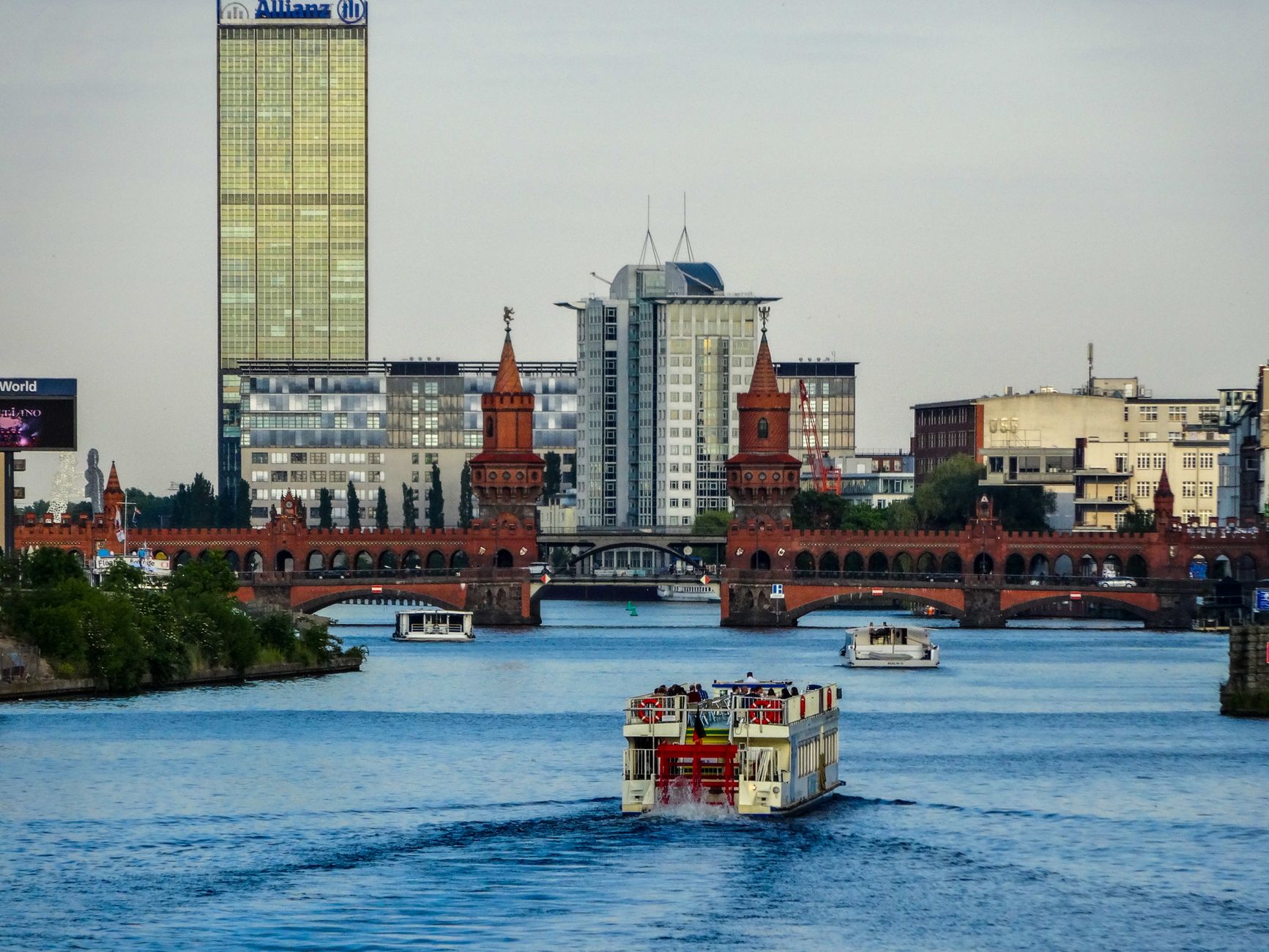
River cruise passengers board near Berlin's city centre, and the transfer from Berlin Brandenburg Airport takes only 30 to 45 minutes.
The Elbe river route favours depth over breadth, with ships docking close to town squares and allowing unhurried walks to local wine cellars and historic centres.
Elbe river cruises operate roughly April through November, with May, June, and September offering the best balance of weather, crowd levels, and water conditions.
Postcards from this route
Scenes from the Elbe river valley, the Baltic coast at Warnemünde, and the ports in between.
The Berlin-to-Prague river route is built for travellers who prefer docking steps from a town square over scanning a coastline from a mega-ship deck. If depth over breadth is your priority, this pairing delivers exactly that — but the Elbe is a quieter, less polished corridor than the Rhine or Danube, so set expectations accordingly.
River cruise embarkation happens near central Berlin, making the airport-to-ship logistics unusually painless. For the ocean route via Warnemünde, you'll need to factor in a roughly two-and-a-half-hour transfer north — doable, but a different level of planning.
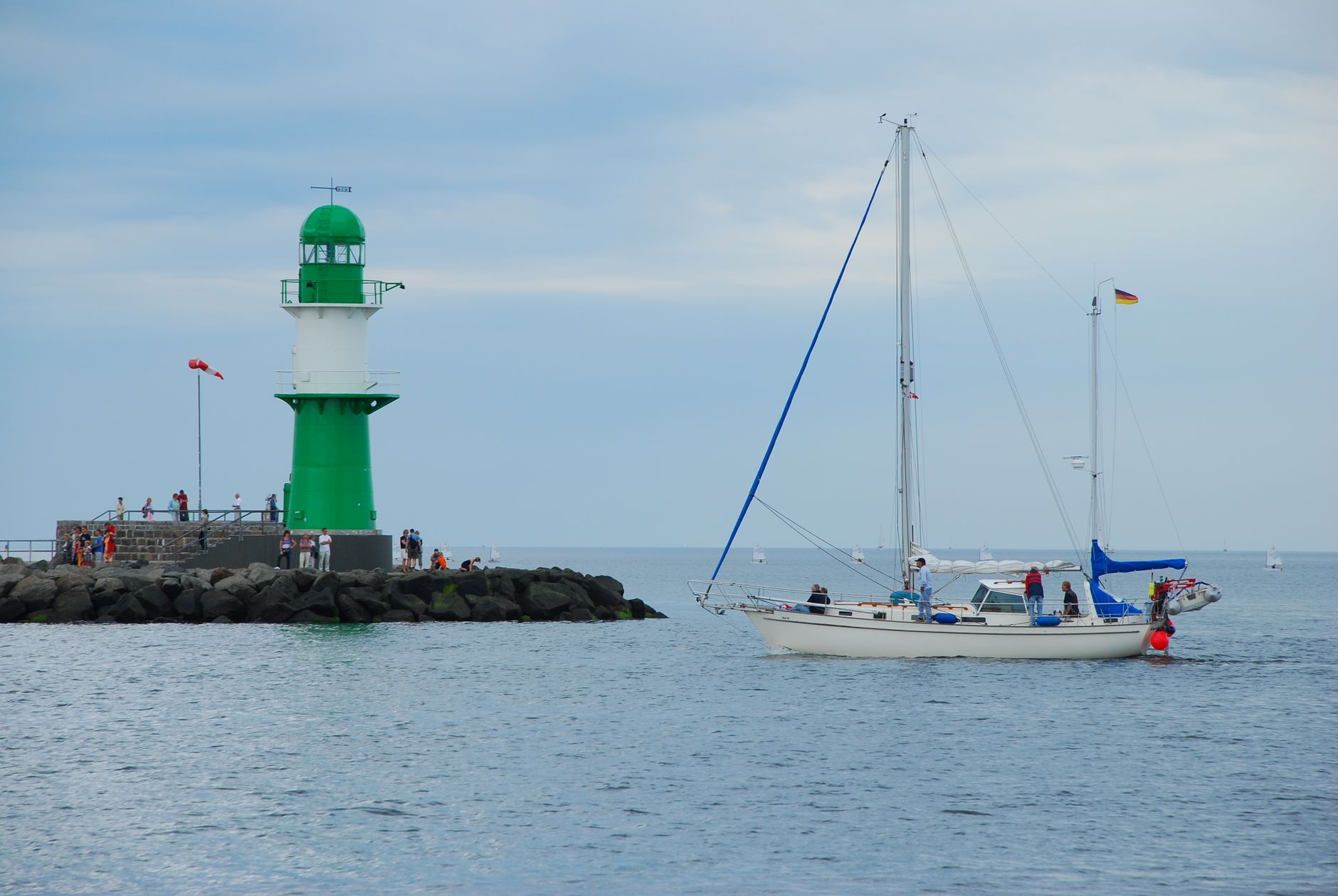
Ocean cruises listing 'Berlin' actually sail from Warnemünde, a small seaside town about 230 km north. Berlin is a port of call label, not a true home port for most lines. If you're imagining walking off a flight and onto a Baltic mega-ship the same afternoon, this route will require more logistics than you might expect.
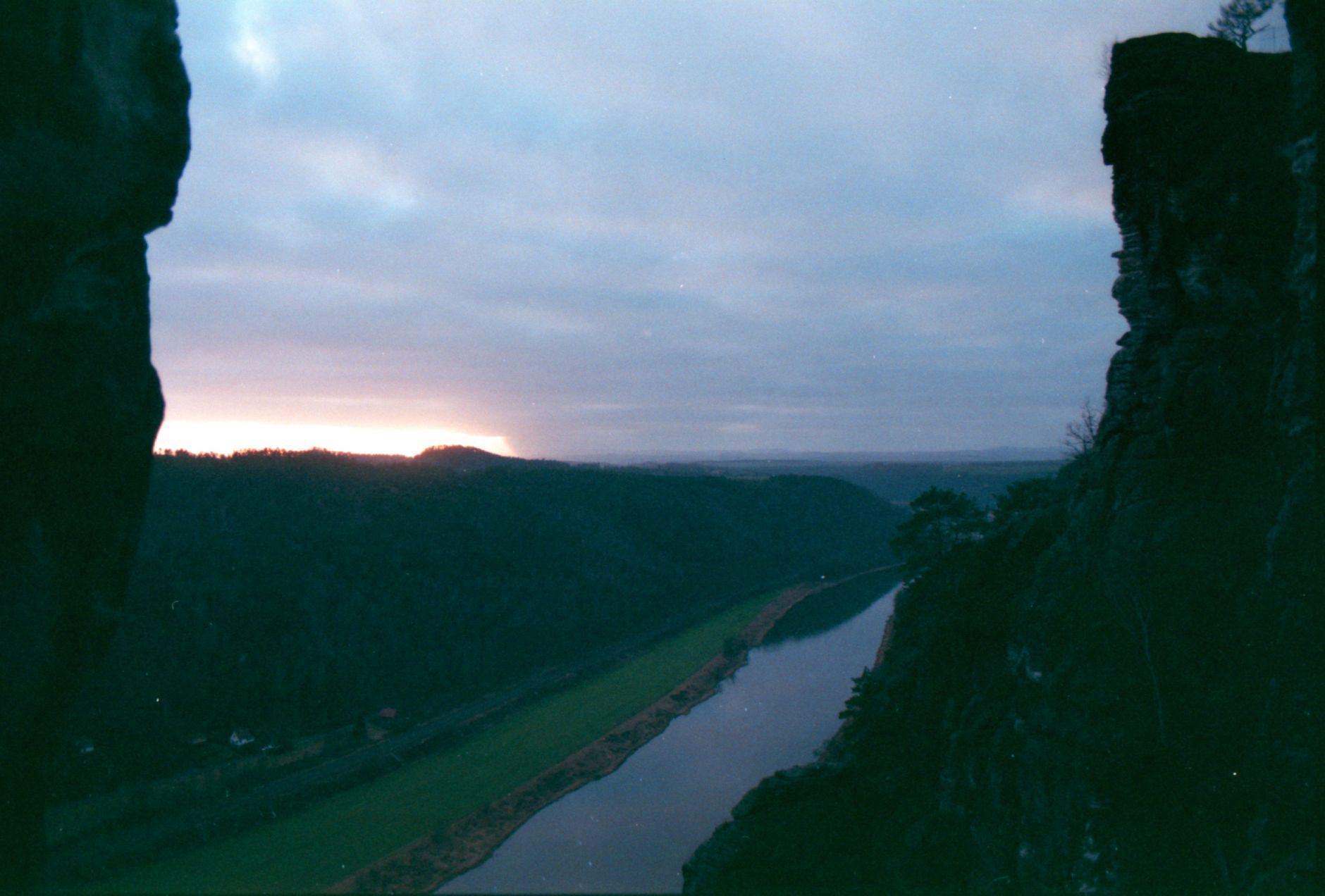
The Elbe is not as reliably navigable as Europe's larger rivers. Water levels can force itinerary changes or require bus transfers between ports, especially outside the sweet-spot months of May, June, and September. If flexibility with your schedule isn't something you're comfortable with, this route carries more uncertainty than a Rhine or Danube sailing.
Departure Port Logic
Berlin is not a port city, and that single fact reshapes every itinerary that claims to depart from it. For river cruises, it means you board right in the capital — steps from museums, restaurants, and city life — and sail the Elbe southeast toward Prague, a narrow and unhurried corridor that most river-cruise passengers never see. For ocean cruises, "Berlin" actually means Warnemünde, a seaside town roughly two and a half hours north by train or transfer. That gap matters: it adds a logistical step, but it also opens the entire Baltic Sea — Stockholm, Tallinn, Copenhagen — as your itinerary canvas. No other European departure point splits into two such fundamentally different cruise experiences from one city.
This dual identity is what makes Berlin worth evaluating carefully rather than defaulting to more conventional embarkation ports like Amsterdam or Copenhagen. If you want a slow, culturally dense river journey on a waterway that runs low and quiet compared to the Rhine, Berlin is one of the only starting points that delivers it. If you want a Baltic ocean voyage but also want a world-class city break before or after, Warnemünde's proximity to Berlin gives you that extension option in a way that boarding in, say, Kiel or Rostock alone would not.
Most river operators embark passengers near central Berlin, making the pre-cruise experience seamless. From Berlin Brandenburg Airport (BER), transfer time to the ship is typically 30 to 45 minutes — no port-town shuttle required.
Ocean sailings listed as "Berlin" use Warnemünde, roughly 2.5 hours north. Some cruise lines offer organised transfers; independent travellers can take a direct train from Berlin Hauptbahnhof. Factor this transit into your arrival day planning.
Unlike many embarkation ports that are primarily functional, Berlin itself is a destination. Adding two or three nights before or after sailing lets you explore the city's museums, food scene, and neighbourhoods — something Warnemünde or a standalone Baltic port town simply cannot match.
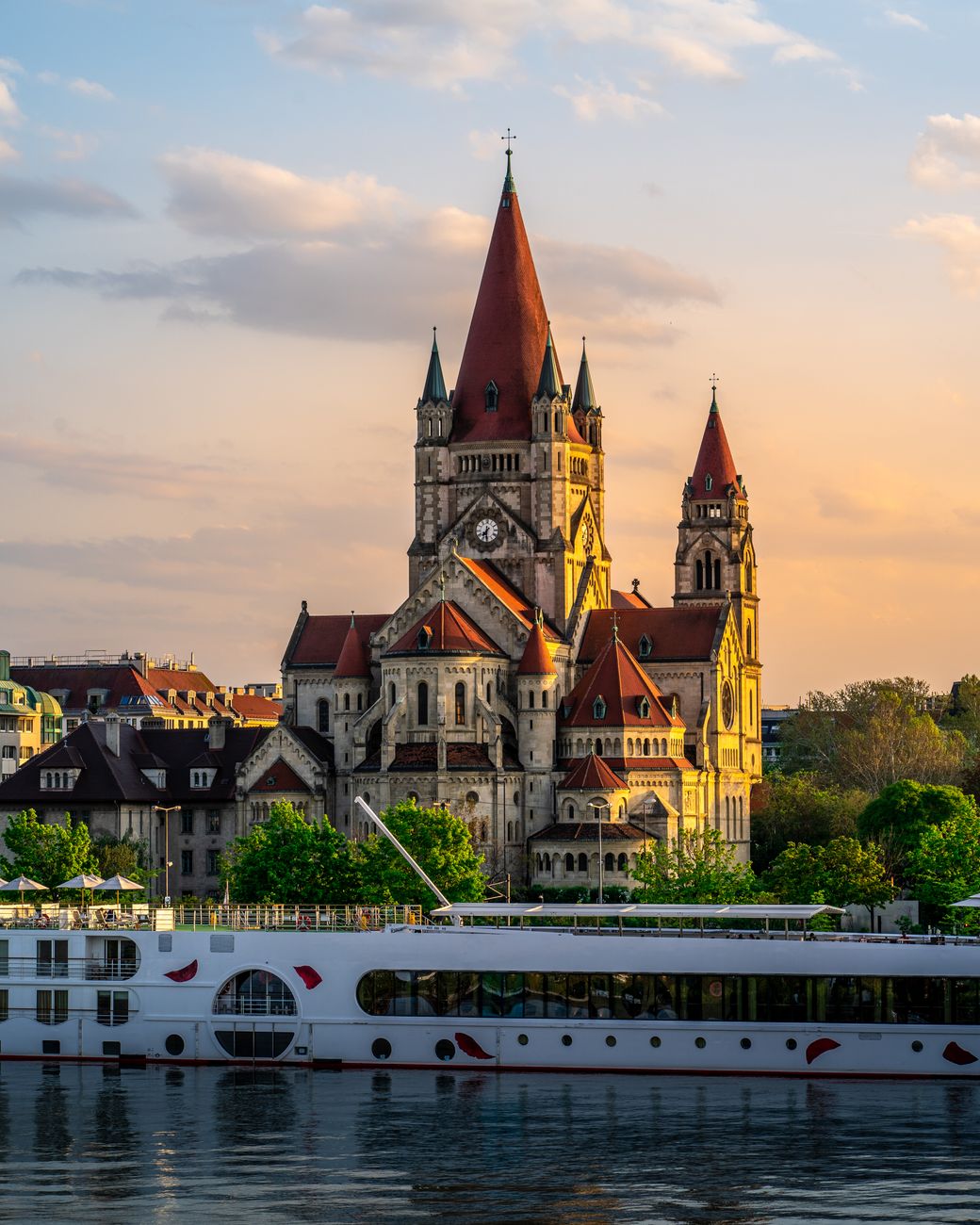

Viking River is the dominant operator on the Elbe corridor, running the Berlin-to-Prague itinerary with purpose-built longships designed for the river's narrower dimensions. The approach is culturally immersive and unhurried, with guided excursions woven into most port stops and an inclusive pricing model that folds in shore visits, meals, and wine at dinner.
Browse Viking River sailings from Berlin
AmaWaterways brings a food-and-wine-forward sensibility to the Elbe route, with an emphasis on regional cuisine, smaller group excursions, and an onboard atmosphere that leans slightly more social and convivial than some competitors. Their ships on this corridor carry fewer passengers, which suits the river's intimate scale.
See AmaWaterways Elbe departures
Berlin connects to Europe by river (the Elbe, toward Prague) or by sea (from Warnemünde, into the Baltic). The river route is intimate, slow, and focused on small-town immersion. The ocean route covers more ground — Scandinavia, the Baltics — at a faster pace. These are not variations of the same cruise; they are fundamentally different trips.
Choose the Elbe river route if you want to dock steps from historic town squares, visit local wine cellars, and trade port count for unhurried exploration. Choose the Baltic sea route if you want capital cities, broad geographic range, and the infrastructure of a large ship. Neither is better — but they reward very different travel instincts.
River embarkation happens in central Berlin — simple. Ocean sailings use Warnemünde, roughly 2.5 hours north, requiring a transfer. Elbe river seasons run April to November, with water levels occasionally affecting itineraries in ways the Rhine rarely does. Baltic sailings cluster in summer. Build these realities into your shortlist before comparing prices.
Berlin is a genuinely useful starting point if you want a characterful Elbe river cruise toward Prague or a Baltic sailing out of Warnemünde — but the two options are so different in pace and scope that choosing the wrong one could disappoint. River travellers get intimate ports and cultural depth at the cost of geographic range, while Baltic cruisers gain a broad itinerary but lose Berlin itself to a two-hour transfer.














