




Working-Port Embarkation
Piraeus is a major commercial port rather than a purpose-built cruise terminal, so the boarding experience is functional rather than polished — set expectations accordingly.


Europe from Athens
Sailing from Piraeus places you at the eastern edge of the Mediterranean, which means Greek islands, Turkish coastline, and Adriatic ports fall within short, efficient sailing distances. Rather than spending days at sea repositioning from western hubs, Athens-based itineraries put you among historically rich destinations from the first morning — a geographic advantage no western European homeport can replicate.
This pairing suits travellers who want island-dense, culture-heavy voyages without long transit days. It works especially well for those who want to bookend a cruise with time in Athens itself. The seasonal window — roughly late April through early November — aligns with warm, dry weather across the region, though peak summer months bring both the widest ship selection and the largest crowds ashore.

Sailing from Athens shapes your cruise in specific ways — from embarkation logistics to itinerary rhythm — that are worth understanding before you book.
Piraeus is a major commercial port rather than a purpose-built cruise terminal, so the boarding experience is functional rather than polished — set expectations accordingly.
Central Athens sits roughly twenty minutes from the port by taxi, making pre- and post-cruise exploration of the Acropolis and city centre genuinely practical.
Athens positions you at the geographic heart of the eastern Mediterranean, giving itineraries fast access to the Greek islands, Turkey, and the Adriatic without long open-water transits.
Sailings from Piraeus cluster into recognisable patterns — Greek island loops, Turkey-and-Greece combos, and broader eastern Mediterranean arcs — each with a different rhythm and appeal.
Distances between ports are compact, meaning less time at sea and more hours ashore at islands and coastal towns compared to western Mediterranean routes.
The cruise season runs roughly late April through early November, with the widest ship and itinerary selection concentrated in the peak summer months of June through August.
Postcards from this route
Scenes from the eastern Mediterranean — Athens to the islands and beyond.

Athens puts you within a few hours of Santorini, Mykonos, and Crete. Most sailings reach a first port of call the same day or next morning, so you spend time ashore rather than at sea. If eastern Mediterranean history and island-hopping are the priority, few homeports compete.
Piraeus is a working commercial port, not a sleek cruise-dedicated facility. Embarkation logistics can feel rougher than Miami or Southampton. The taxi ride from central Athens is short but traffic-dependent. If a seamless terminal experience matters to you, temper expectations.

Starting or ending in Athens gives you one of Europe's most historically significant cities as a built-in add-on. A couple of nights before or after the sailing lets you see the Acropolis, the Plaka, and more without squeezing it into a port call. The city earns the extra days.

Athens sailings concentrate between late April and early November, with the widest choice in summer. If you need a winter departure or want maximum schedule flexibility, you'll find far fewer options here than from year-round ports like Barcelona or Civitavecchia.

Departure Port Logic
Choosing Athens as your embarkation point is not a neutral logistics decision — it reshapes the entire sailing. Piraeus sits at the top of the Aegean, which means ships reach the Greek islands within hours rather than burning a full sea day crossing open water from, say, Rome or Barcelona. That compressed distance translates into itineraries that can pack in more port calls across the eastern Mediterranean — Turkey's Aegean coast, Crete, the Cyclades, even the Adriatic — without feeling rushed. A western Mediterranean homeport simply cannot replicate that geographic efficiency for these destinations.
The other practical shift is what happens on either side of the cruise. Athens is not just a transfer point; it is itself a destination worth two or three days. Travelers who fly in early get the Acropolis, the neighbourhoods of Plaka and Exarchia, and a food scene that justifies the jet lag — all without an internal flight or long train ride from the port. That said, Piraeus is a working commercial port, not a polished cruise village, so embarkation logistics are rougher around the edges than purpose-built terminals in Southampton or Fort Lauderdale. Knowing that going in sets realistic expectations.
Athens International Airport is roughly 40 kilometres from Piraeus. A taxi takes 45–70 minutes depending on traffic; the metro Line 1 connects directly but adds time with luggage. Budget extra margin on embarkation day — Athens traffic is unpredictable, especially midday.
Athens rewards an extra night more than most homeports. Adjusting to the time zone, visiting the Acropolis Museum without rushing, and eating in Psyrri or Monastiraki all work better when you are not racing to a boarding window. Many hotels near Syntagma Square are a short taxi from the port.
Piraeus operates as a cruise homeport roughly April through early November. Peak choice falls in June through August, but shoulder months — late April, May, September, October — offer milder temperatures, thinner crowds at ports of call, and often lower fares.

Princess uses Piraeus as a well-established seasonal hub, offering a wide range of eastern Mediterranean itineraries that often blend Greek island calls with ports along Turkey's coast, the Adriatic, and occasionally Egypt or Israel. Sailings tend toward classic multi-port routing with enough sea days to enjoy the ship without feeling rushed ashore.
Browse Princess sailings from Athens
Viking Ocean approaches Athens departures with a destination-dense, culturally oriented philosophy. Itineraries lean heavily on port time and tend to thread through historically significant stops across the Greek islands, the Aegean, and the wider eastern Mediterranean with minimal sea days.
Browse Viking Ocean sailings from Athens
Seabourn positions its Athens sailings at the luxury end, using intimate ships to access smaller eastern Mediterranean ports alongside marquee stops. Itineraries often feature less-visited Greek islands and Adriatic harbours, with an emphasis on unhurried port visits and occasional marina days for watersports off the ship's stern.
Browse Seabourn sailings from Athens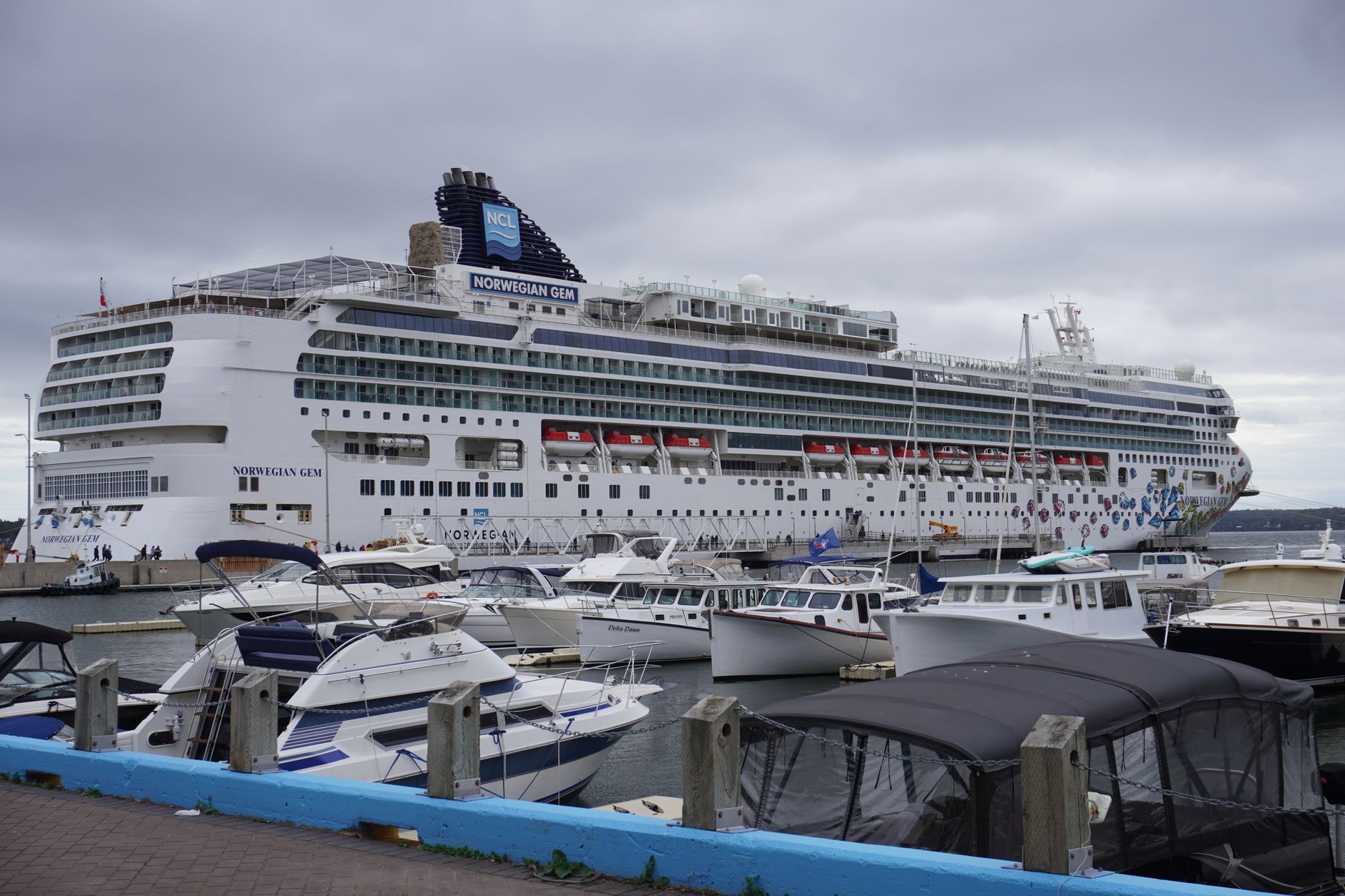
Norwegian Cruise Line brings a freestyle, large-ship approach to its Athens departures, with flexible dining schedules and a lively onboard atmosphere. Itineraries typically cover popular eastern Mediterranean highlights — Santorini, Mykonos, Turkish ports, and sometimes Croatia — at an accessible price point.
Browse Norwegian sailings from Athens
Athens-based sailings lean heavily toward the Greek Islands, Turkey's Aegean coast, and the wider eastern Mediterranean. Expect ancient ruins, volcanic landscapes, and compact island ports rather than big-city marquee stops. If your priority is western Mediterranean capitals like Barcelona or Rome, this isn't the most efficient starting point.
This route rewards travelers who want to combine a few days exploring Athens with a cruise that stays in reliably warm, historically dense waters. It suits people comfortable with a working commercial port rather than a polished terminal — and those willing to build pre- or post-cruise time into the trip.
The sailing season runs roughly April through early November, with the best selection bunched into summer months. Piraeus is a busy commercial port, not a resort dock, and Athens traffic can complicate transfers. Budget extra time for embarkation logistics and consider booking a pre-cruise hotel night to avoid stress.
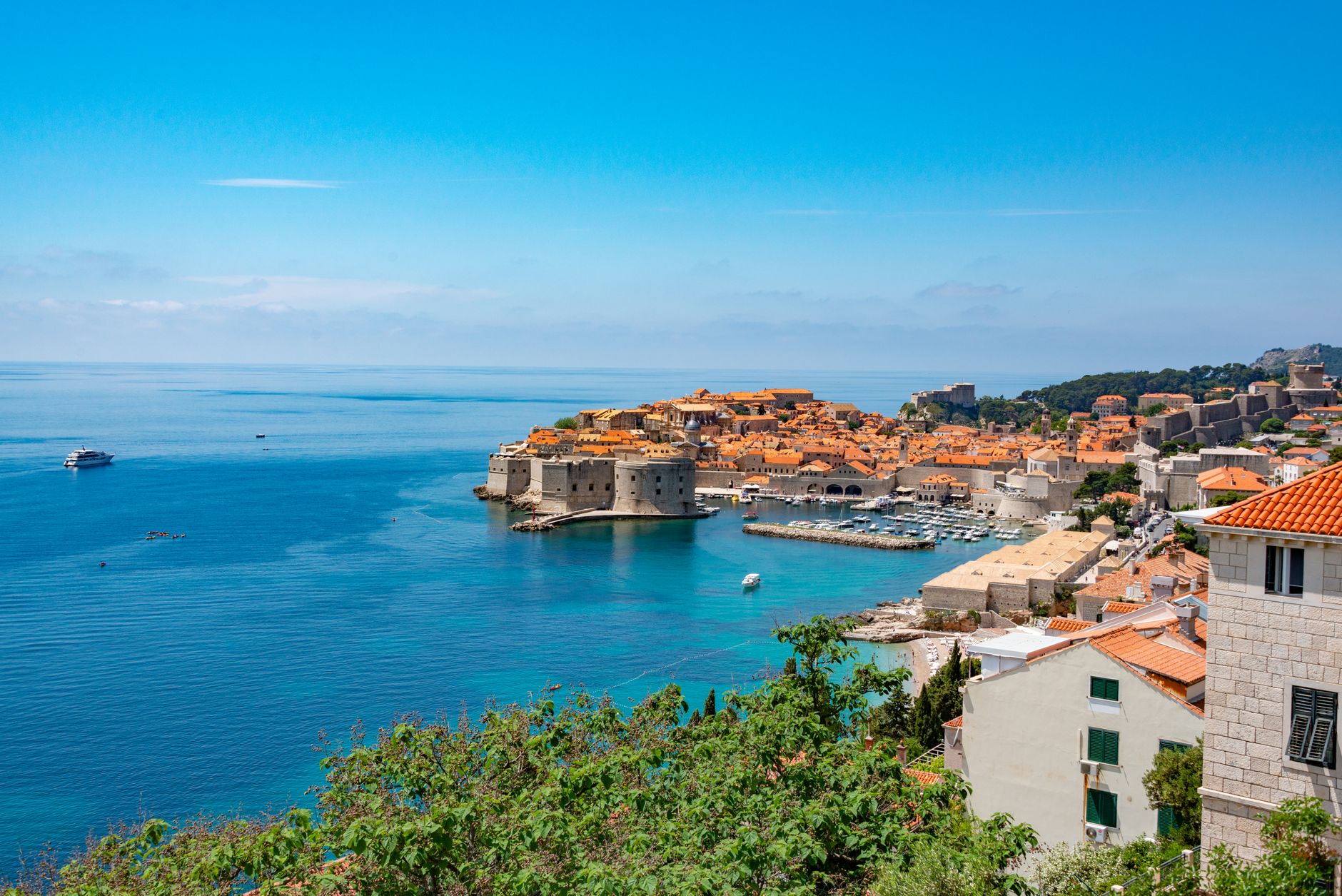
If your priority is immersing yourself in the eastern Mediterranean's ancient coastlines without spending sea days just reaching them, Athens is hard to beat as a starting point. The tradeoff is a seasonal window that limits you roughly to April through November, a busy commercial port that lacks the polish of purpose-built terminals, and fewer itinerary options compared to year-round homeports like Barcelona or Rome.














