




Dual-format departure
One of the few ports in Europe where ocean and river cruises both embark regularly, giving travellers a genuine format choice before picking a destination.

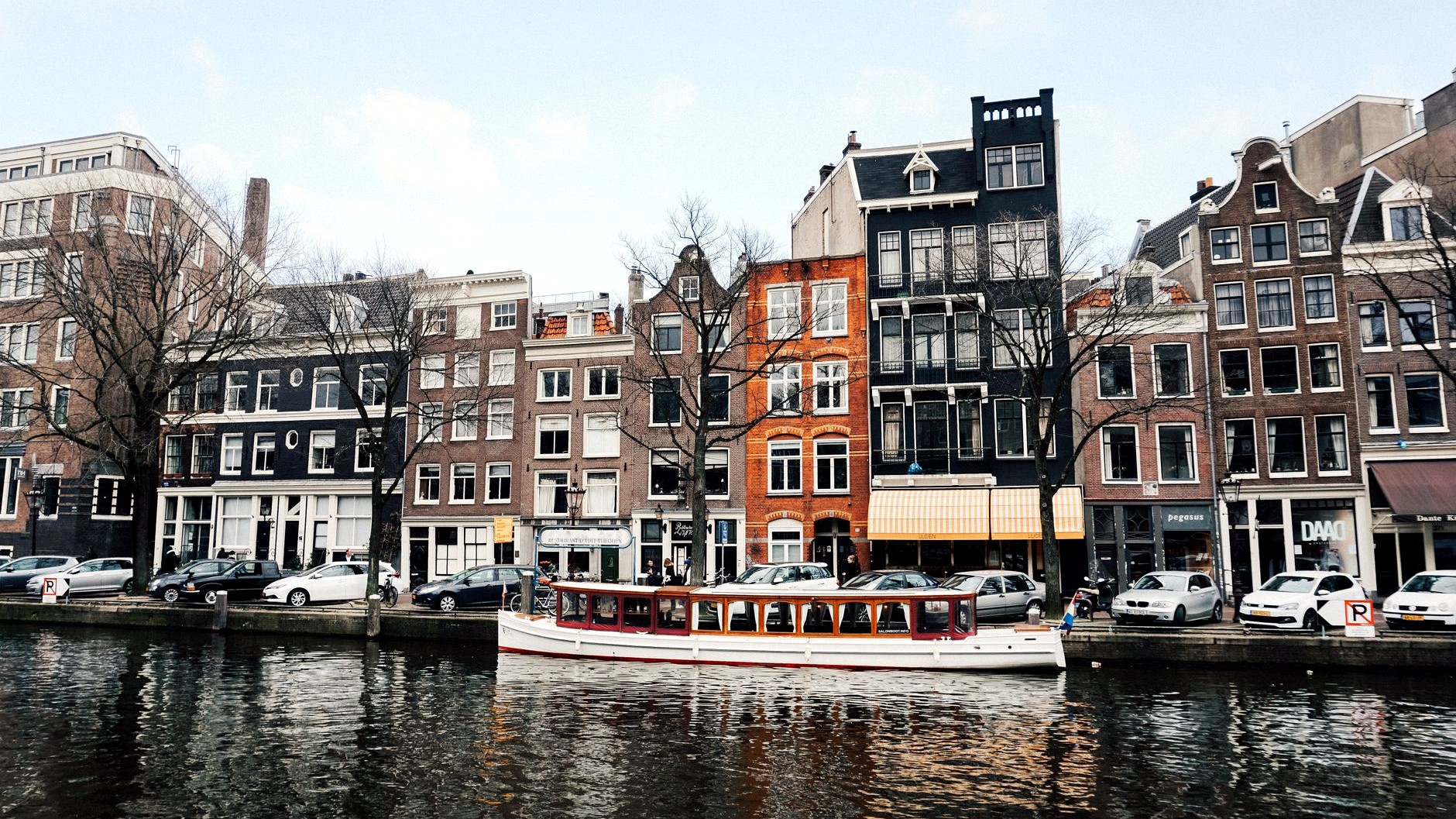
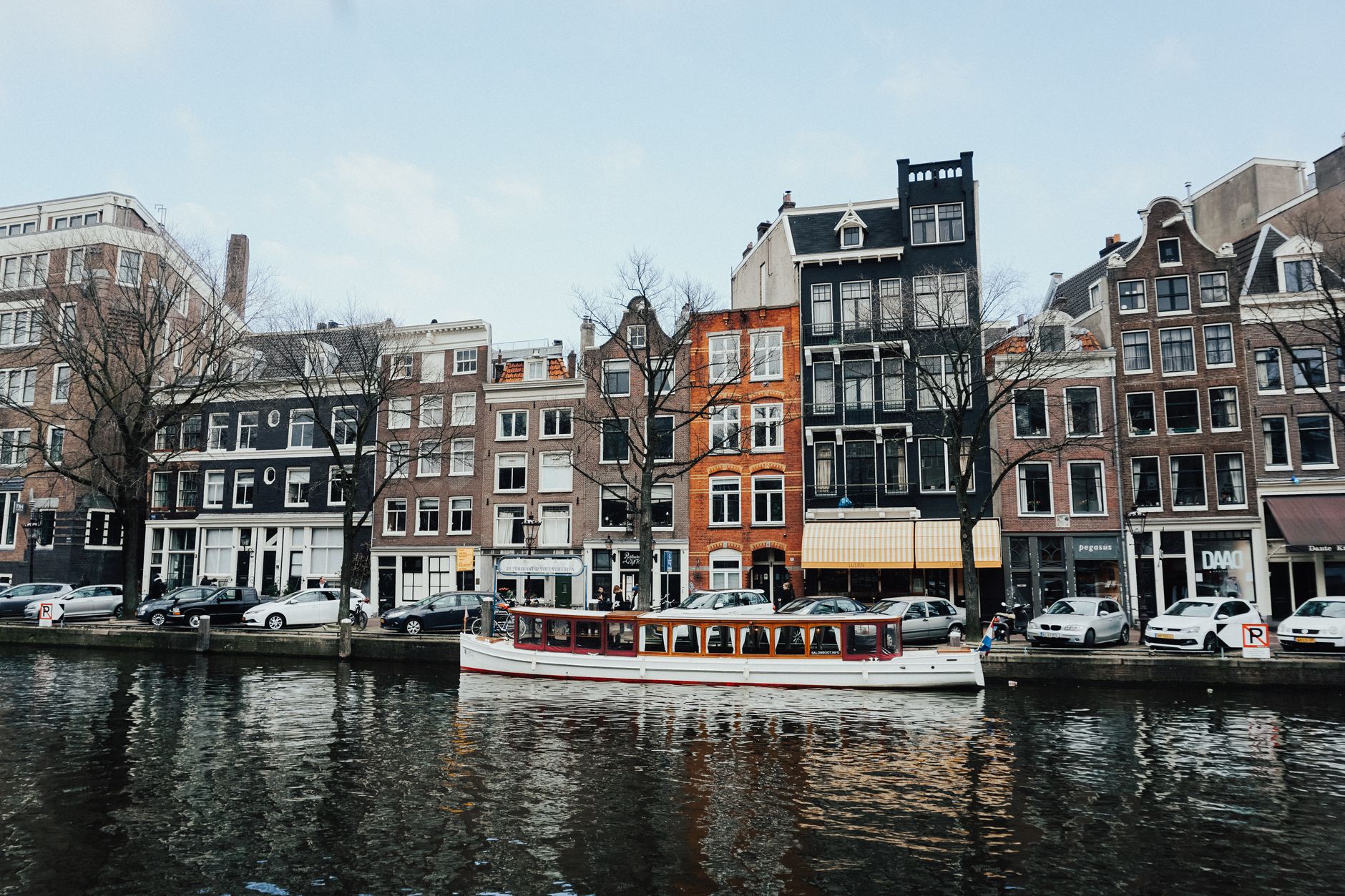
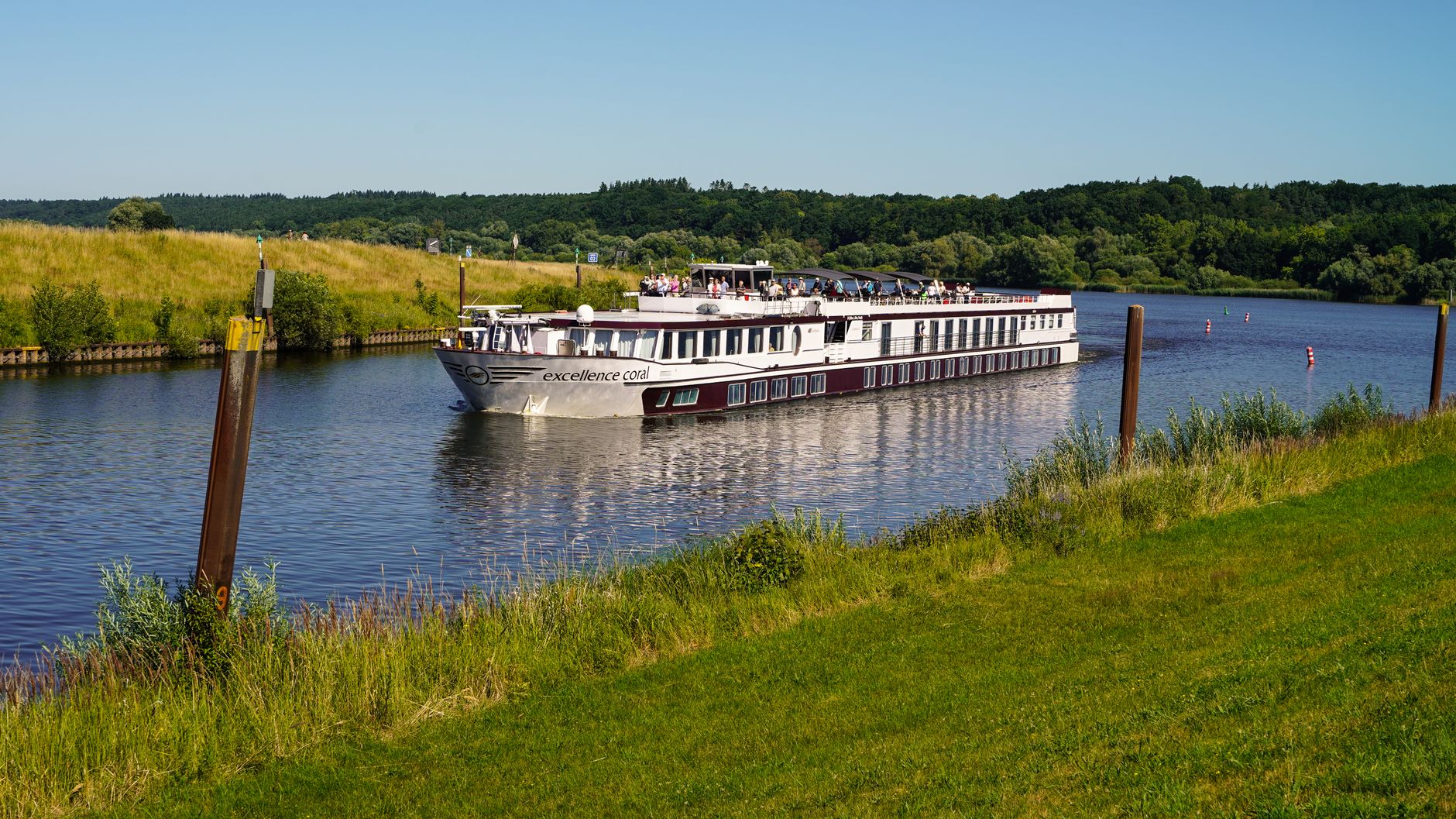
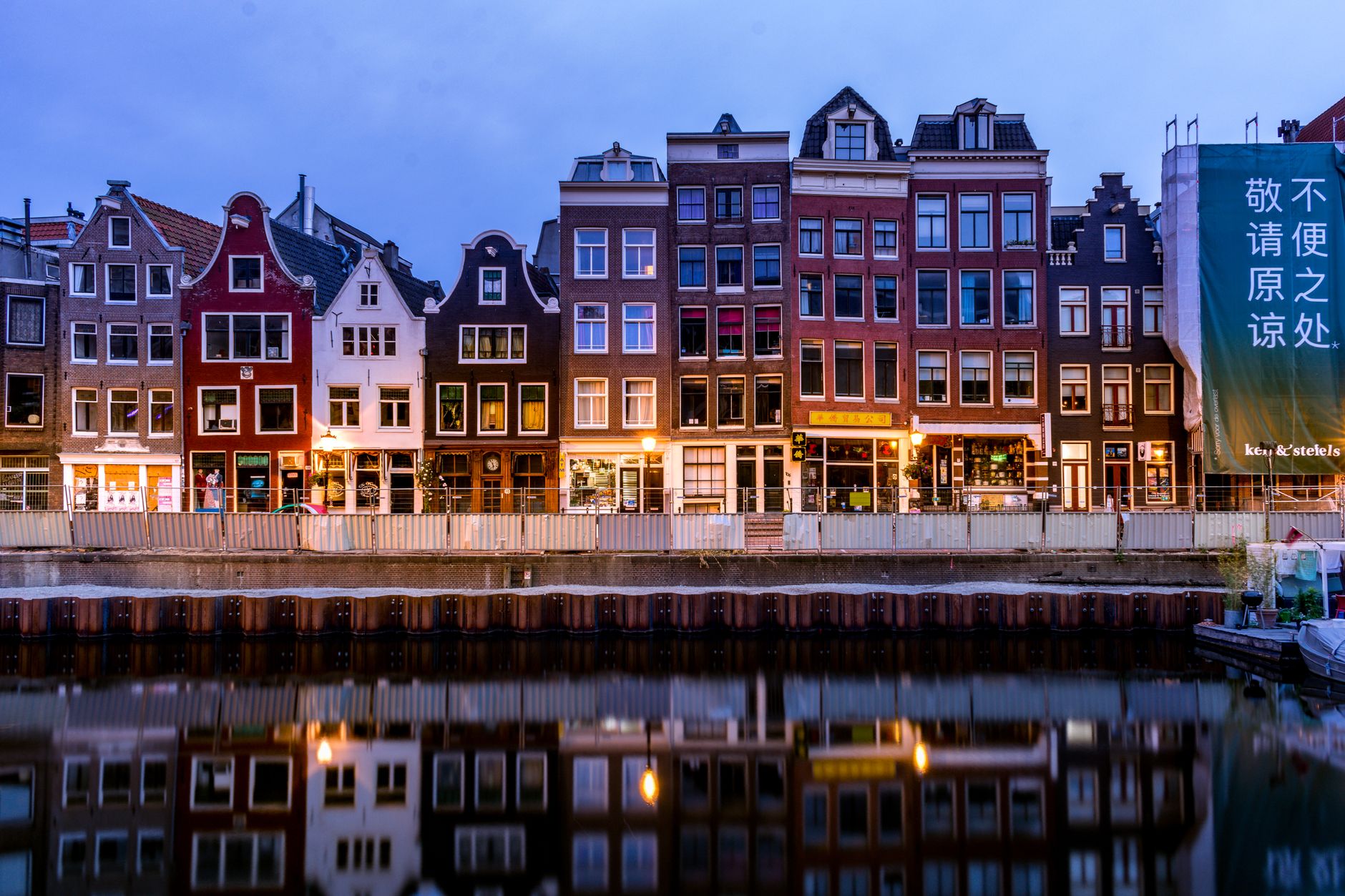
Europe from Amsterdam
Amsterdam is one of the rare European departure ports that opens two completely different kinds of cruising. Ocean ships head north toward Norwegian fjords, west toward the British Isles, or east into the Baltic. River longships slip south down the Rhine or trace the full arc of the Danube to Budapest. That dual access makes the city unusually flexible as a starting point for a European cruise — your choice of format shapes the trip more than the destination itself.
The port suits travellers who want a genuine city stay bookending their sailing, who are flying into a well-connected European hub, and who are drawn to Northern and Central Europe rather than the Mediterranean. It also suits anyone who has not yet decided between ocean and river cruising, because Amsterdam lets you compare both from the same starting line.
Amsterdam connects to Northern Europe's strongest ocean and river itineraries — here is what shapes the experience.
One of the few ports in Europe where ocean and river cruises both embark regularly, giving travellers a genuine format choice before picking a destination.
Ocean ships reach the Norwegian coast quickly, which means more port time and less open-sea transit than Mediterranean-based fjord repositioning voyages.
Amsterdam sits at the mouth of the Rhine, making it the natural starting point for Europe's most popular river cruise corridor.
The Passenger Terminal Amsterdam is centrally located near Centraal Station, within walking distance of the canal district and city-centre hotels.
Schiphol Airport is one of Europe's best-connected hubs, with direct flights from most major North American and European cities and a twenty-minute transfer to the port.
Amsterdam is a genuine destination — museums, canals, food, cycling culture — so adding a day or two before embarkation adds real value to the trip.

If your interest is Northern and Central Europe rather than the Mediterranean, Amsterdam positions you closer to the destinations that matter. Ocean itineraries reach Norwegian fjords, Baltic capitals, and the British Isles with minimal repositioning time, and river itineraries trace the continent's cultural heartland from the Netherlands to Hungary.
Amsterdam rewards time on the ground in a way that many embarkation ports do not. The Rijksmuseum, the canal belt, the food scene, and the cycling culture justify a two- or three-night stay before boarding — and the terminal's central location makes the transition from city to ship effortless.
The Amsterdam-to-Basel Rhine cruise is widely considered the best entry point for river cruising. It is the right length for a first experience, the scenery is consistently strong, and multiple lines offer polished versions of the itinerary at different price points.
Amsterdam does not connect efficiently to the Mediterranean. If your goal is Greek islands, the Italian coast, or the western Mediterranean, you need a departure port further south — Barcelona, Rome, or Athens. Sailing from Amsterdam to the Med means long repositioning voyages or a separate flight to a southern embarkation port.
Departure Port Logic
Amsterdam is not a neutral departure point — it shapes the trip in ways that matter. Its North Sea position means ocean ships reach Norwegian fjords, Baltic ports, and the British Isles faster than they would from Southampton, Copenhagen, or any Mediterranean port. That translates into more time in port and fewer open-sea transit days on itineraries of comparable length. For river cruising, Amsterdam is the headwater of Europe's most travelled corridor: the Rhine. Starting here means flowing downstream through the continent rather than working upstream against the current.
The city's airport connectivity also changes the logistics. Schiphol handles direct flights from most major cities on both sides of the Atlantic, which makes Amsterdam one of the easiest European embarkation ports to reach from North America without a connection. And because the cruise terminal sits centrally, travellers can combine a genuine city visit with embarkation day rather than spending the night in an airport-adjacent hotel near a peripheral port.
A taxi from Schiphol Airport to the Passenger Terminal Amsterdam takes about twenty minutes. Train-plus-tram is slightly longer but costs a fraction of the fare. The short transfer reduces arrival-day stress significantly.
Amsterdam's city government is evaluating whether to move or ban large cruise ships from the central terminal by 2035. Current sailings still dock near Centraal Station, but travellers booking far ahead should monitor updates.
Day trips to Haarlem, Delft, The Hague, or the Keukenhof gardens (seasonal) are easy from Amsterdam and add a Dutch dimension that the cruise itself will not cover.

High-frequency river operator running the Rhine corridor and connecting routes from Amsterdam south through Germany, France, and Switzerland — one of the most established presences on this waterway.
Explore Viking River sailings from Amsterdam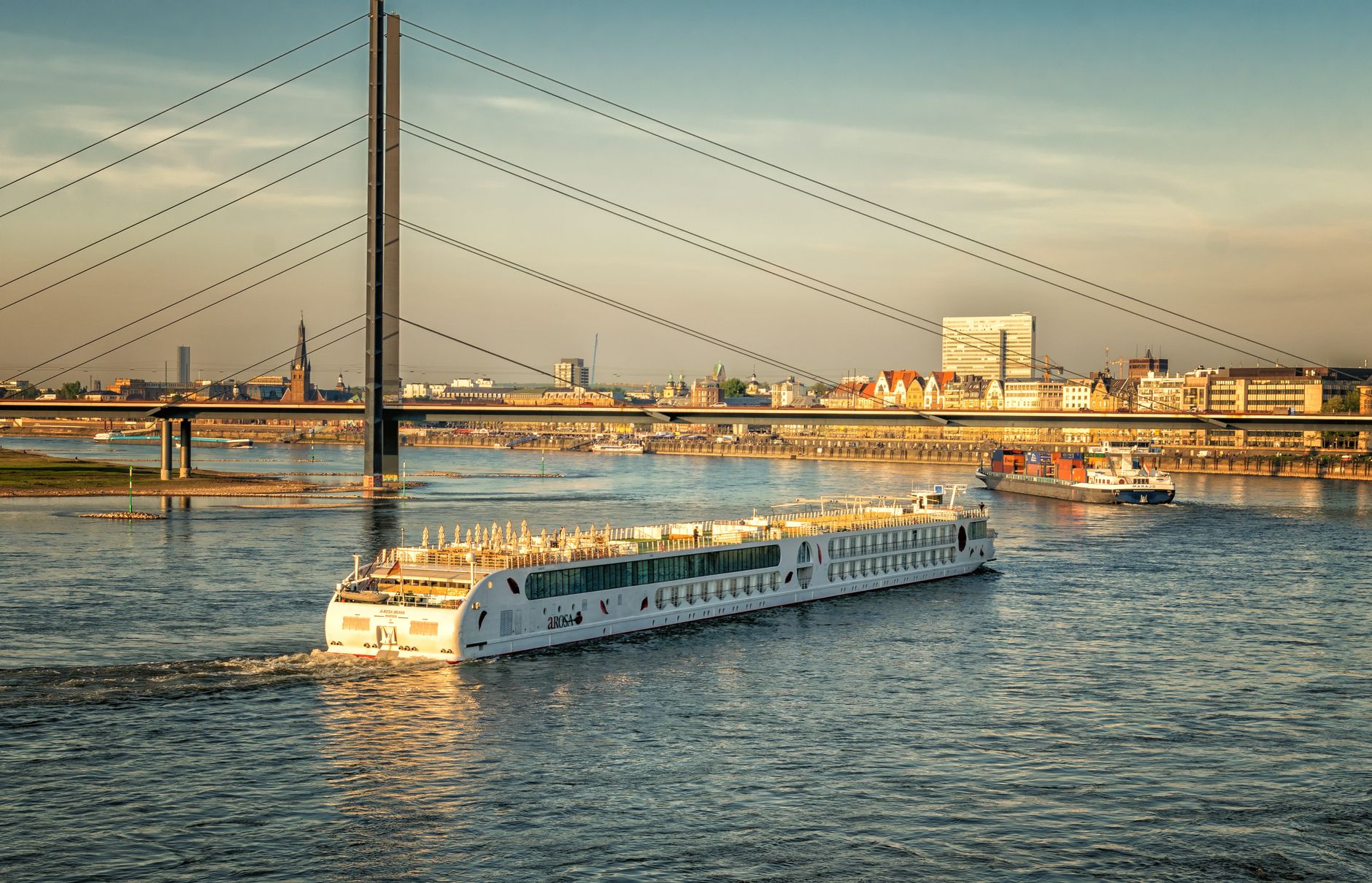
Food-and-wine-focused river cruising on the Rhine and Danube corridors, with Amsterdam as a regular embarkation point.
See AmaWaterways sailings from Amsterdam
Boutique river operator with a smaller fleet and a distinctly design-led approach, sailing select Rhine and European waterway routes from Amsterdam with emphasis on onboard atmosphere.
View Uniworld sailings from Amsterdam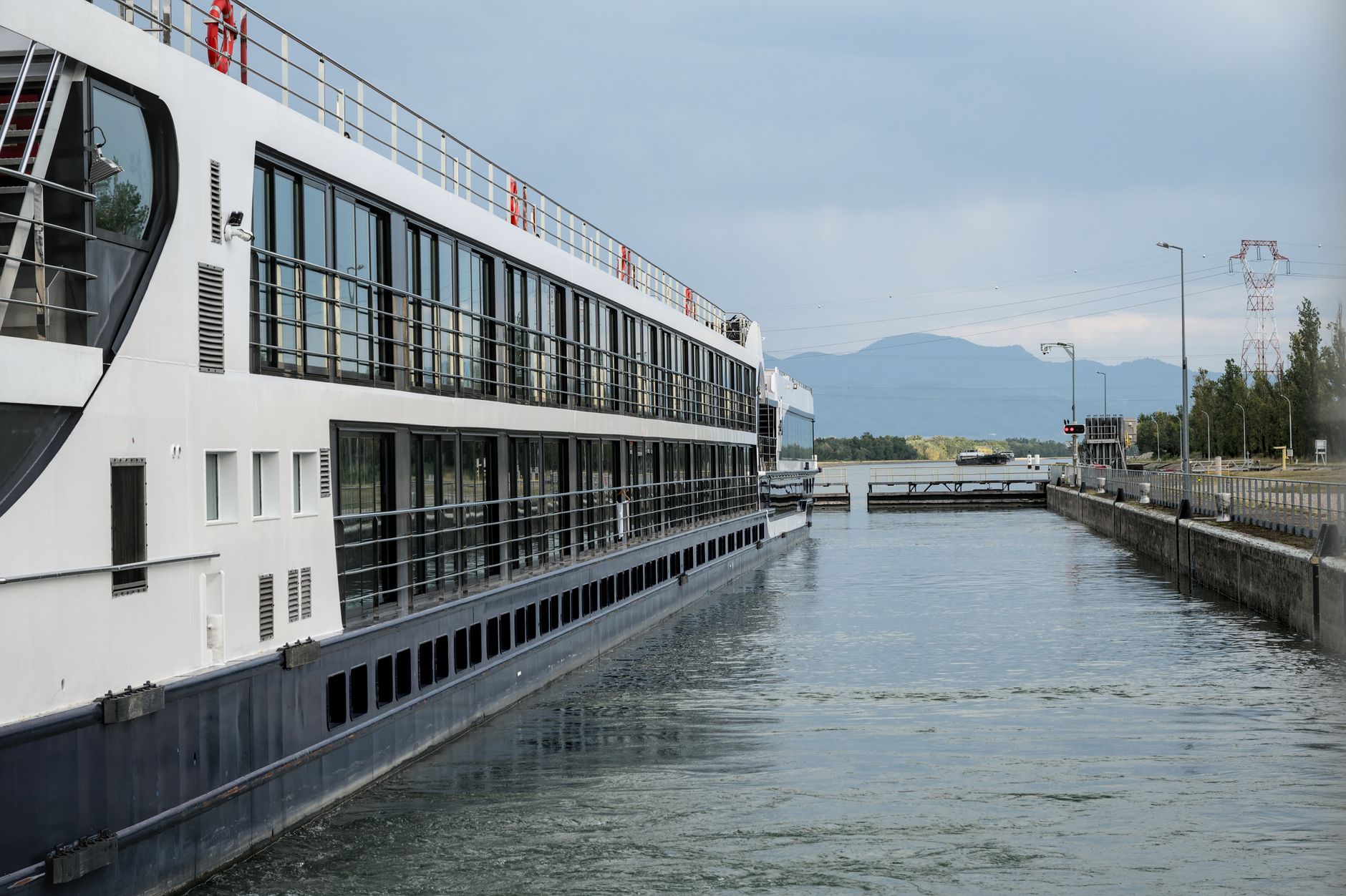
Suite-style river ships with panoramic windows, running Rhine and Grand European itineraries from Amsterdam.
See Avalon sailings from Amsterdam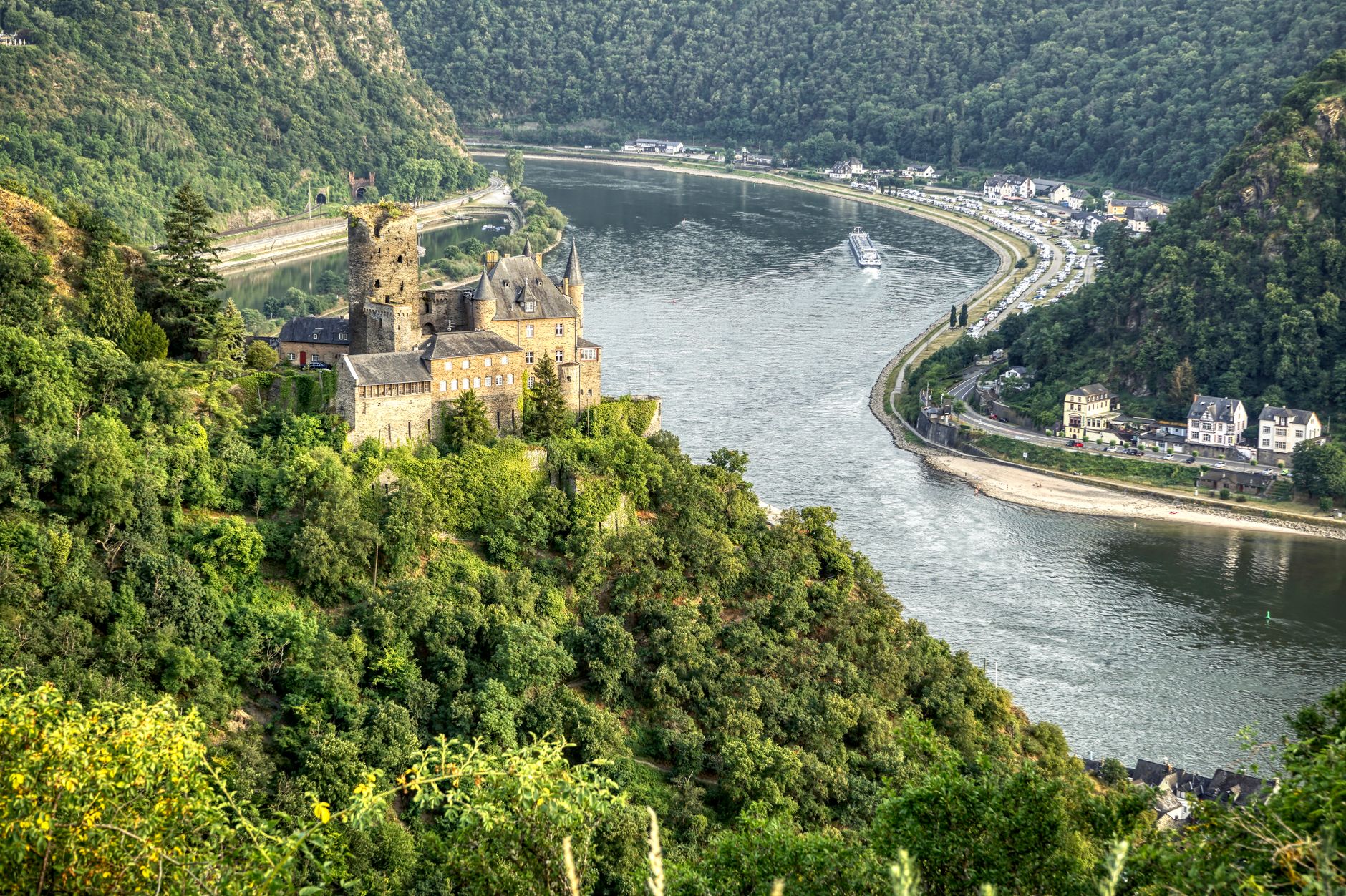
Amsterdam-departing itineraries focus exclusively on Northern and Central Europe — fjords, the Baltic, the British Isles on the ocean side; the Rhine, Main, and Danube corridors on the river side. If you want the Mediterranean, you need a different starting point.
This is a port pairing built for travellers drawn to history, architecture, art, and food rather than sun-and-sand. The destinations reward curiosity and walking more than they reward poolside time.
Northern Europe does not promise sunshine. Rain, wind, and cool temperatures are possible even in July. Pack layers, bring a waterproof jacket, and frame the weather as part of the experience rather than a disruption to it.
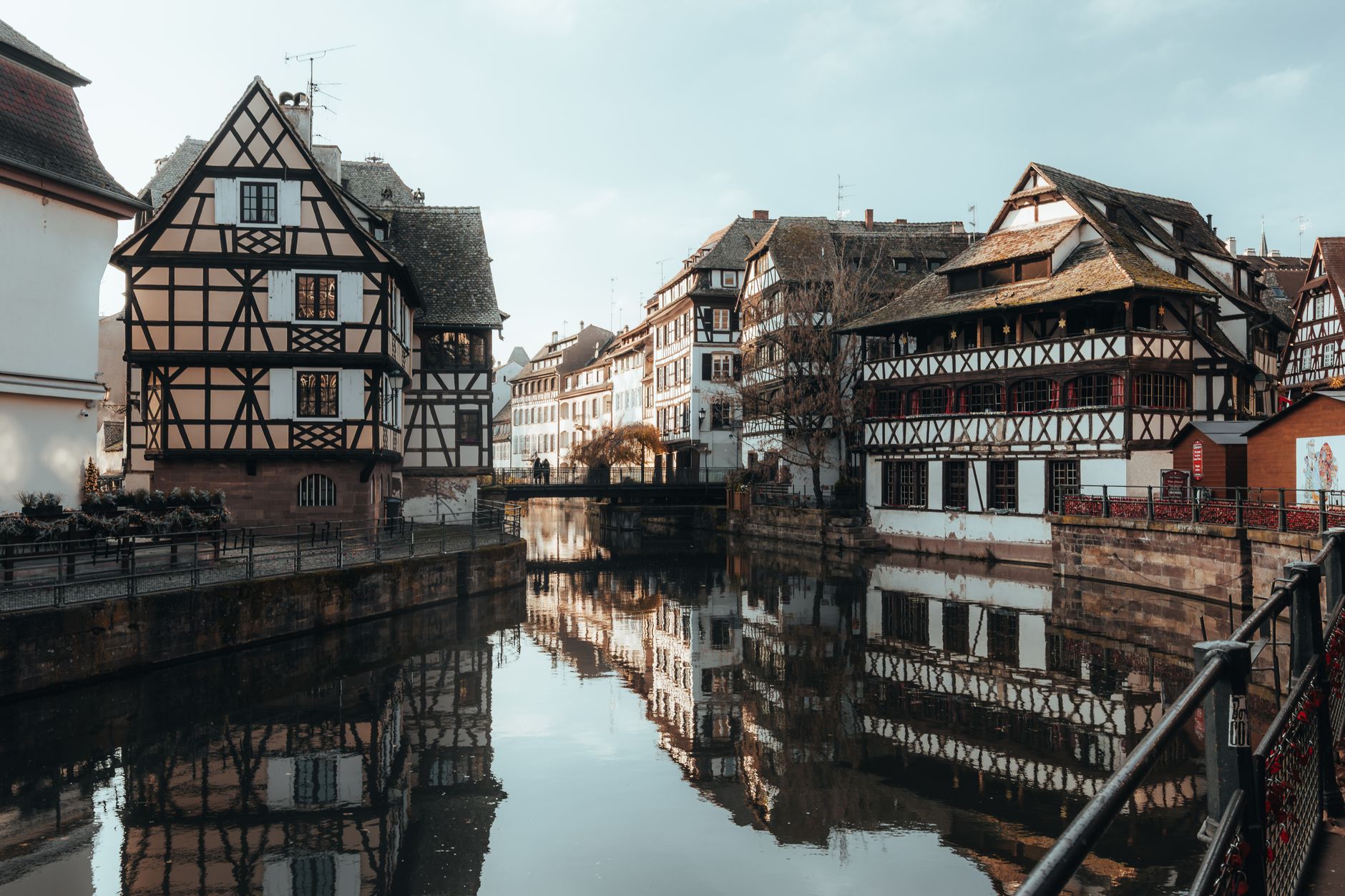
Amsterdam earns its place on a shortlist when your interest is Northern Europe, when you value a departure city worth visiting in its own right, and when you want the option to choose between ocean and river cruising from the same embarkation point. The tradeoff is geographic — this port does not connect to the Mediterranean, and the sailing season runs only six months of the year.














