




Old Port Embarkation
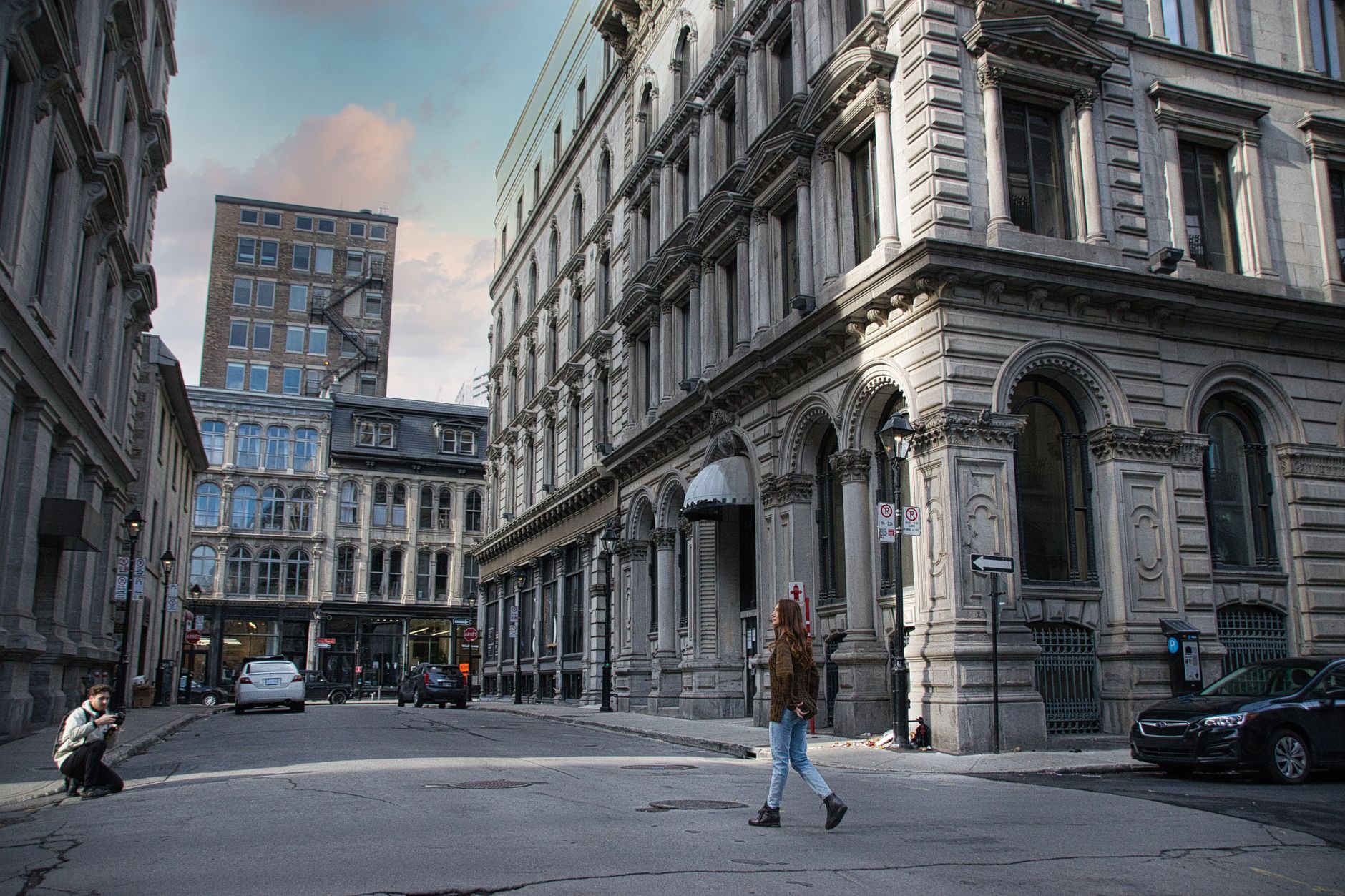
Montreal's cruise terminal sits in the historic Old Port district, so pre-cruise hours can be spent walking cobblestone streets and visiting Notre-Dame Basilica rather than waiting in a suburban terminal.

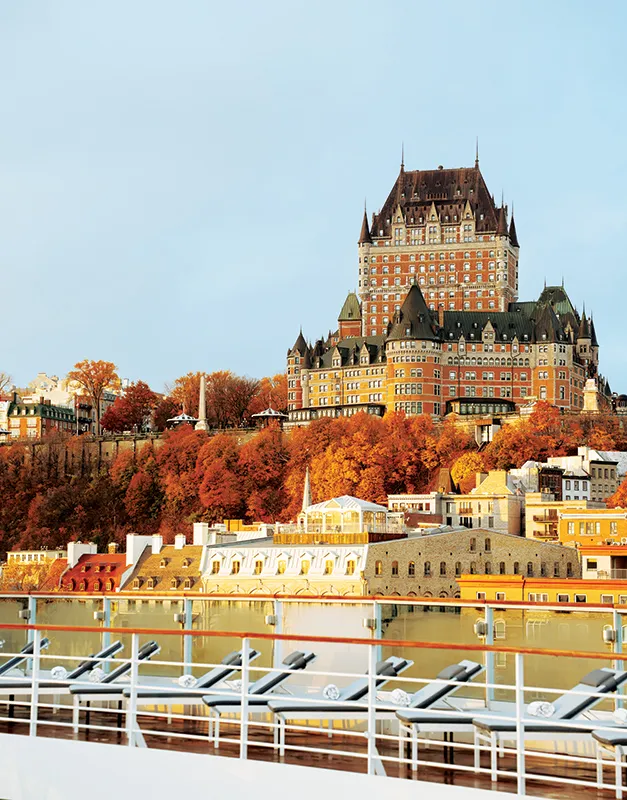

Destination from Port
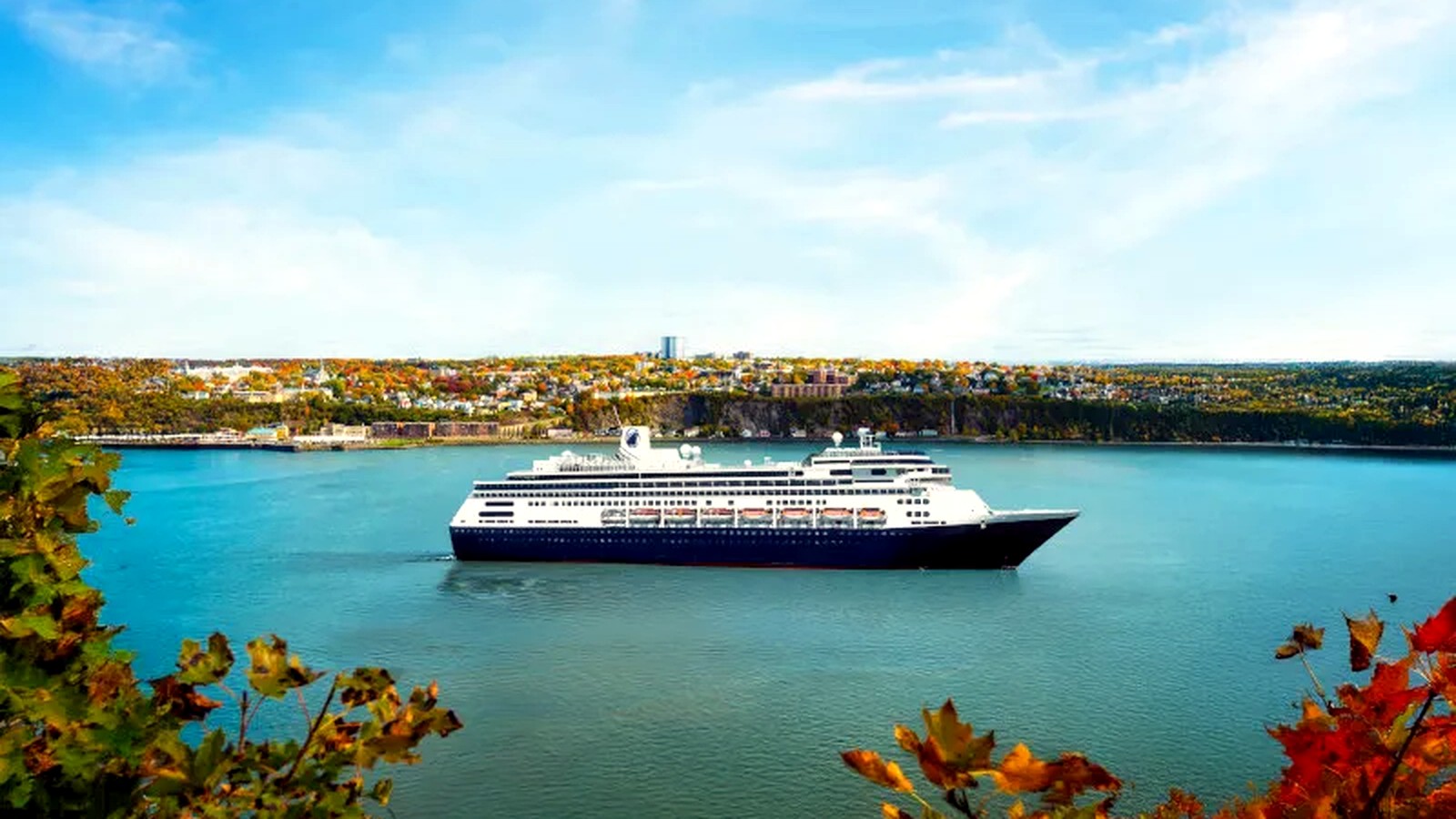
Sailing from Montreal sends you on a one-way southward arc down the St. Lawrence and along the Atlantic coast — a routing that trades round-trip convenience for a genuine sense of geographic progression. You embark in a French-speaking city steeped in history and disembark days later in Boston or New York, covering new ground at every stop rather than doubling back. The Old Port terminal puts you within walking distance of cobblestone streets and Notre-Dame Basilica before you even board.
This pairing tends to suit experienced cruisers and culture-minded travellers who value port-intensive itineraries and scenic variety over mega-ship amenities. The mid-size vessels deployed here fit the St. Lawrence's practical constraints and foster a quieter onboard atmosphere. Plan for one-way logistics — flying into Montreal and home from your disembarkation city — but in return you get an autumn-foliage corridor and a route that genuinely changes character from day to day.

Sailing south from Montreal shapes the cruise in specific ways — from embarkation logistics to port rhythm and seasonal timing.
Montreal's cruise terminal sits in the historic Old Port district, so pre-cruise hours can be spent walking cobblestone streets and visiting Notre-Dame Basilica rather than waiting in a suburban terminal.
Sailings run one-direction from Montreal toward Boston or New York, meaning you see different scenery every day instead of retracing your wake on a round-trip loop.
St. Lawrence draught and berth limitations keep the vessels mid-size, which typically means fewer crowds on board and the ability to dock in smaller, character-rich ports.
The heaviest departure concentration falls between September and mid-October, aligning with fall colour season across Quebec and New England's coastline.
The first significant port after Montreal is almost always Québec City, giving the itinerary an early cultural high point before heading into smaller maritime towns.
The route emphasises history, architecture, and coastal scenery over beach or resort stops, appealing to travellers who prefer walking a walled city to lounging on sand.
Postcards from this route
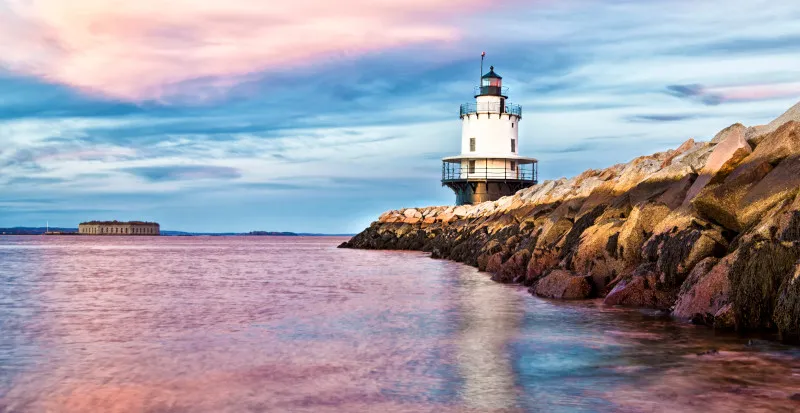
Montreal's Old Port, the St. Lawrence passage, and the autumn coastline south to Boston
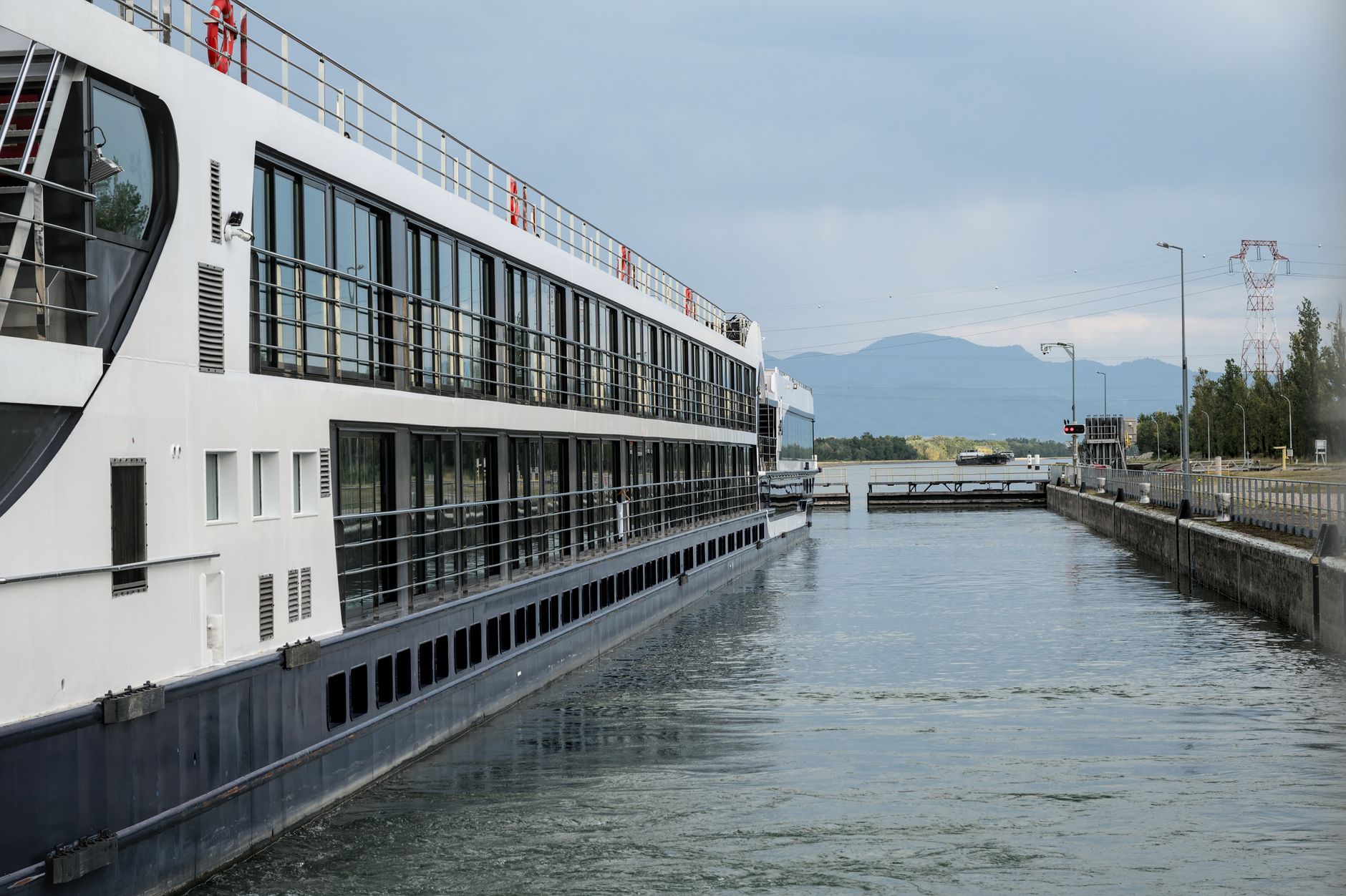
Montreal departures sail the full length of the St. Lawrence before working down the Atlantic coast. Every day brings a genuinely new landscape. If retracing your route on a round-trip sounds tedious, this linear routing is a major draw.
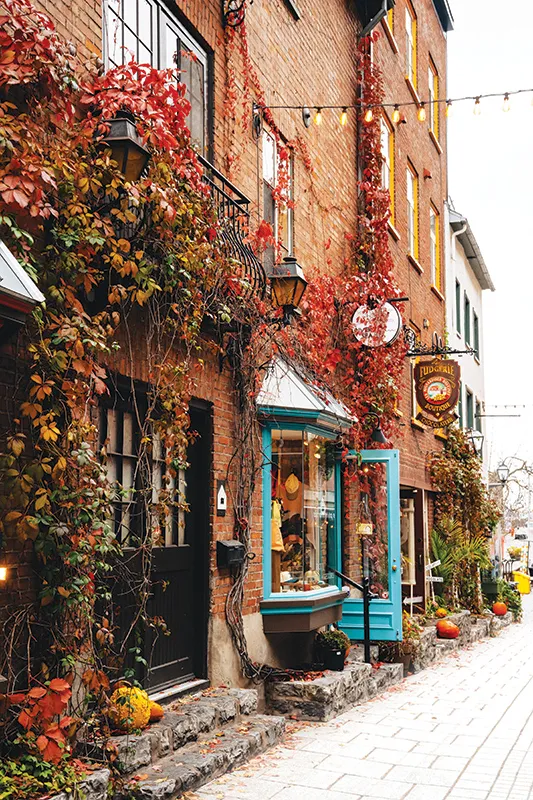
The ships here tend to be mid-size, and the itineraries lean toward Québec City, Halifax, and Bar Harbor rather than private islands. If you'd rather explore a cobblestone district than a mega-ship water park, this route is built for you.

Most Montreal sailings end in Boston or New York, so you'll fly into one city and out of another. That means booking two one-way flights and potentially managing luggage and ground transfers at both ends. If seamless logistics matter more than the route itself, Boston or New York round-trips are easier to arrange.

Montreal departures cluster between September and mid-October. That's prime fall foliage, but it also means fewer sailings to pick from and cooler, less predictable weather. If you need schedule flexibility or guaranteed warmth on deck, this port's short season may be a constraint.

Departure Port Logic
Choosing Montreal as your departure port commits you to a one-way, southbound sailing down the St. Lawrence and along the Atlantic coast. That is a fundamentally different trip from the round-trip loops offered out of Boston or New York. You trade the convenience of returning to the same city for a linear route that covers more coastal ground and avoids backtracking — meaning more unique port calls and fewer sea days spent retracing your wake. It also means you need to plan separate flights for embarkation and disembarkation, which adds logistical complexity but rewards you with a genuine point-to-point journey.
Montreal's Old Port terminal also sets a specific tone from the first hour. You're stepping aboard from a walkable, historically dense city center — not from an industrial cruise terminal on the urban fringe. That pre-cruise experience matters, especially for travelers inclined to add a day or two exploring Montreal's restaurants, basilicas, and neighborhoods before boarding. The port's St. Lawrence location also means the ship enters the scenic, river-and-fjord portion of the route immediately, rather than working up to it after days at sea. In short, Montreal front-loads the cultural and geographic payoff that other departure ports save for mid-voyage.
Most travelers fly into Montreal's Trudeau International (YUL) and fly home from Boston Logan (BOS) or a New York-area airport. Book open-jaw airfare early — this is not a round-trip port, and return flights from the disembarkation city need to be arranged separately.
The St. Lawrence River's draught and berth limitations restrict the size of vessels that can depart Montreal. Expect mid-size ships from lines like Holland America, Oceania, or Silversea rather than mega-ships — which shapes the onboard atmosphere toward quieter, more destination-focused sailings.
Montreal departures concentrate between September and mid-October, when fall foliage peaks along the route. Sailing earlier in summer is possible but gives up the signature autumn scenery that makes this particular departure port's geography so visually rewarding.
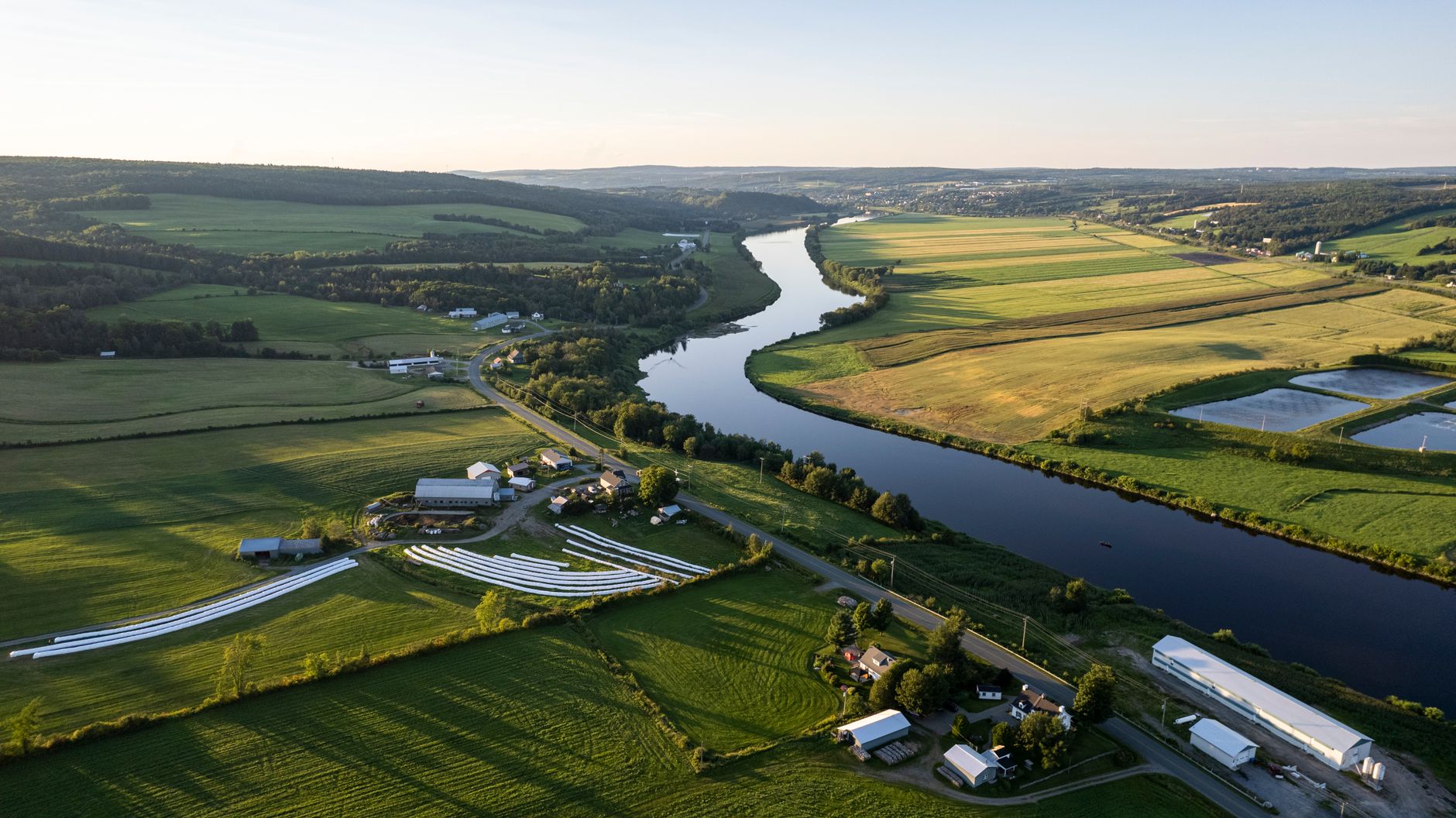

Holland America treats the Montreal–New England corridor as a signature seasonal programme, deploying mid-size ships that suit the St. Lawrence's constraints while offering a full-service onboard experience. Itineraries lean into port time and scenic cruising rather than onboard spectacle.
Browse Holland America sailings from Montreal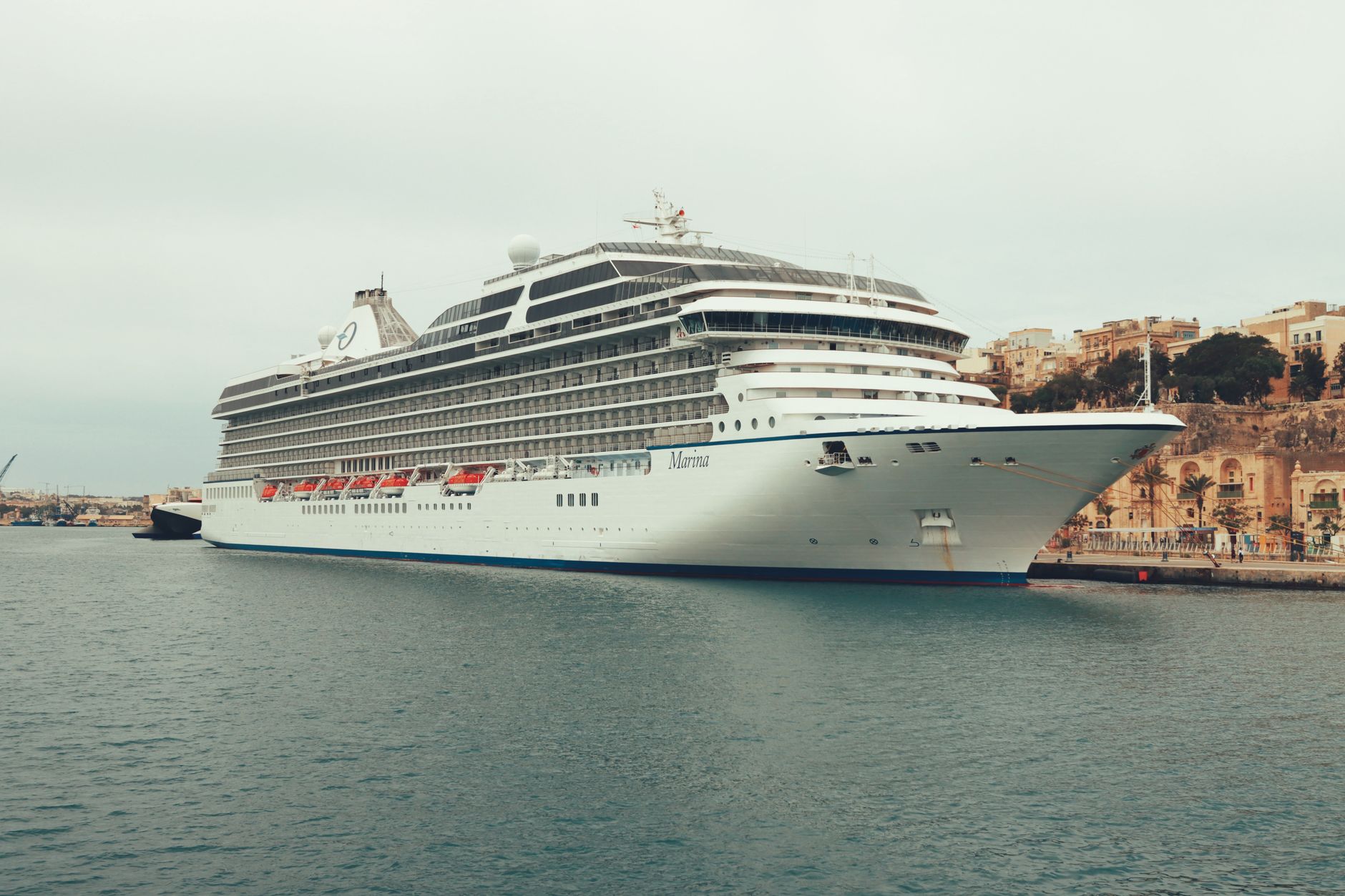
Oceania brings a food-forward, destination-focused philosophy to the Montreal departure. Its mid-size ships are a natural match for St. Lawrence ports, and itineraries tend to prioritise longer port stays that allow for unhurried exploration of places like Quebec City and Halifax.
Browse Oceania sailings from Montreal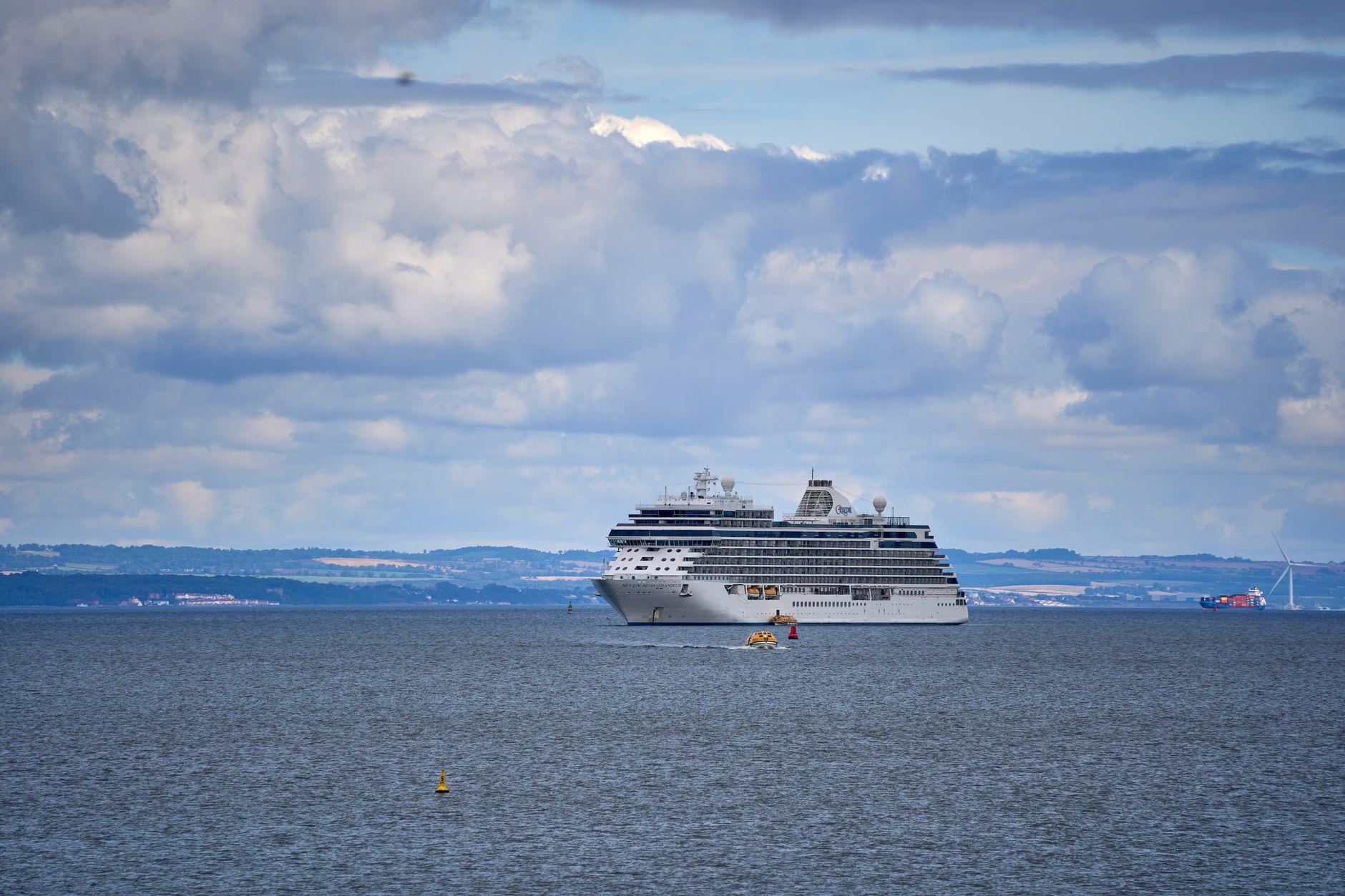
Seabourn operates this route at the ultra-luxury end, with small ships that can access smaller harbours and an all-inclusive model that folds gratuities, drinks, and dining into the fare. The onboard tone is polished and quiet, with an emphasis on personalised service.
Browse Seabourn sailings from Montreal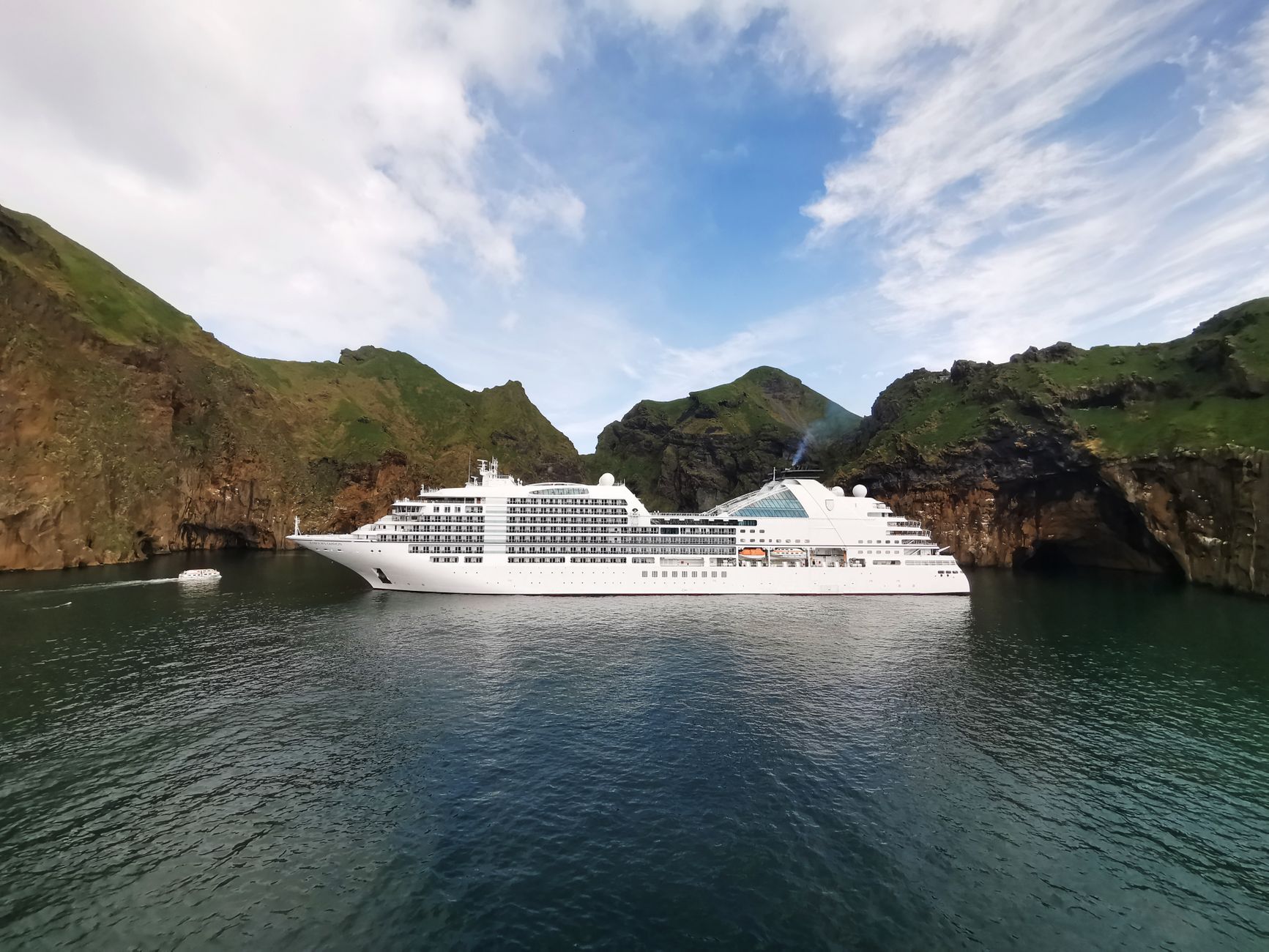
Silversea approaches the Montreal corridor with boutique-scale ships and an all-inclusive pricing structure. Itineraries tend to emphasise the journey itself — scenic St. Lawrence cruising, cultural enrichment, and port-intensive scheduling — over onboard entertainment.
Browse Silversea sailings from Montreal
Montreal departures sail one-way down the St. Lawrence toward Boston or New York. That means no backtracking and a wider spread of ports — but you'll need to arrange a flight home from a different city than where you started.
This route favors travelers who prioritize historic ports, fall foliage, and French-Canadian culture over mega-ship amenities. Ships here tend to be mid-size and the pace leans contemplative. If you want waterslides and all-night entertainment, look elsewhere.
The sweet spot is September to mid-October for fall color, but that's also the busiest booking window. Sailing earlier means warmer weather and longer days but green leaves; sailing later risks rougher seas and cooler temperatures. One-way logistics add cost and planning time compared to round-trips from Boston or New York.

This route is a strong fit for culture-focused travellers who want a one-way scenic arc through the St. Lawrence and Maritime provinces aboard a mid-size ship — but the one-way logistics, a narrow September-to-October peak season, and the need to arrange return flights from Boston or New York add planning steps that round-trip sailings from those cities don't require.











