




Embarkation in a global city
Tokyo and Yokohama terminals are reachable by public transit from central Tokyo, making pre-cruise exploration seamless.


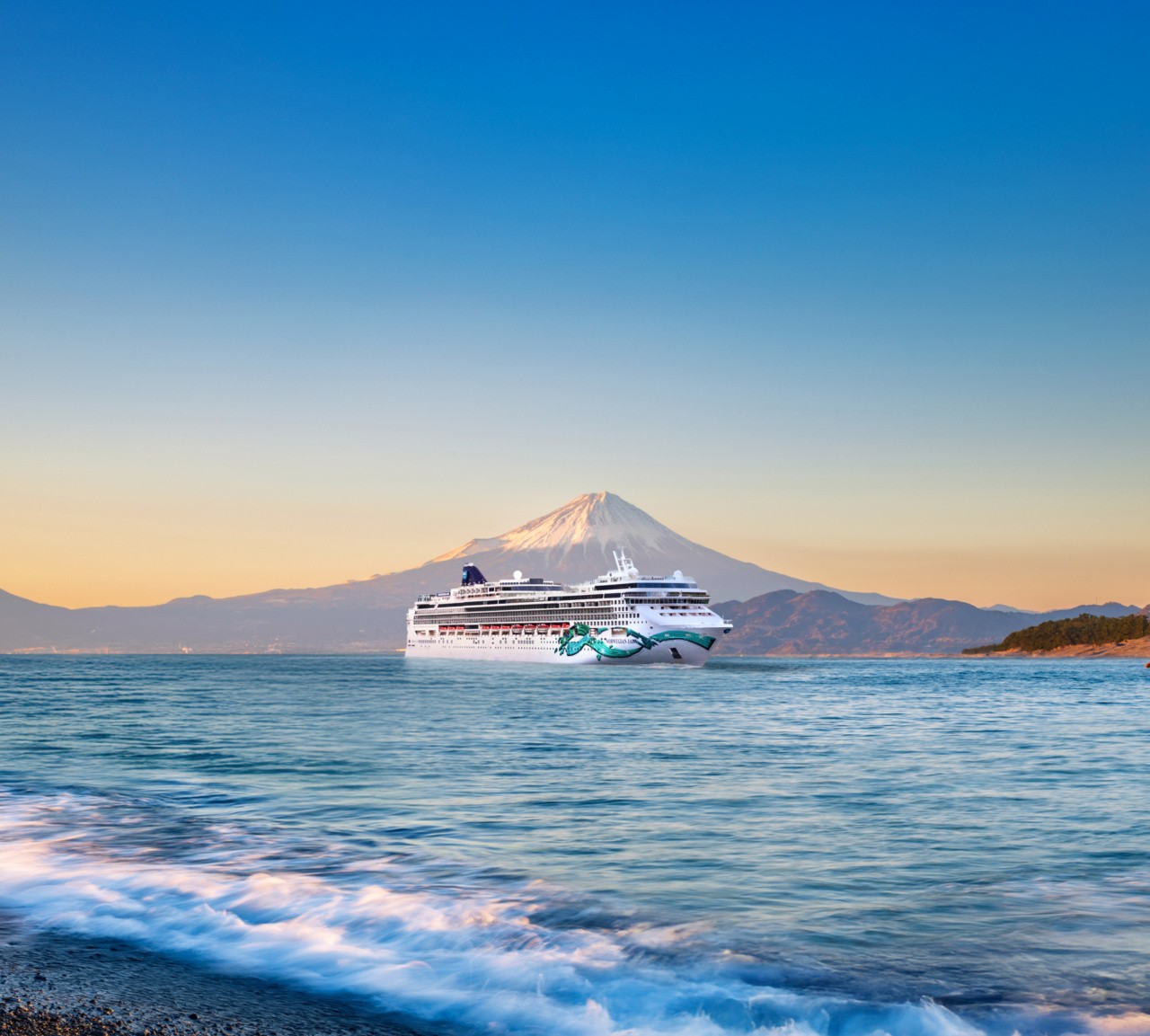

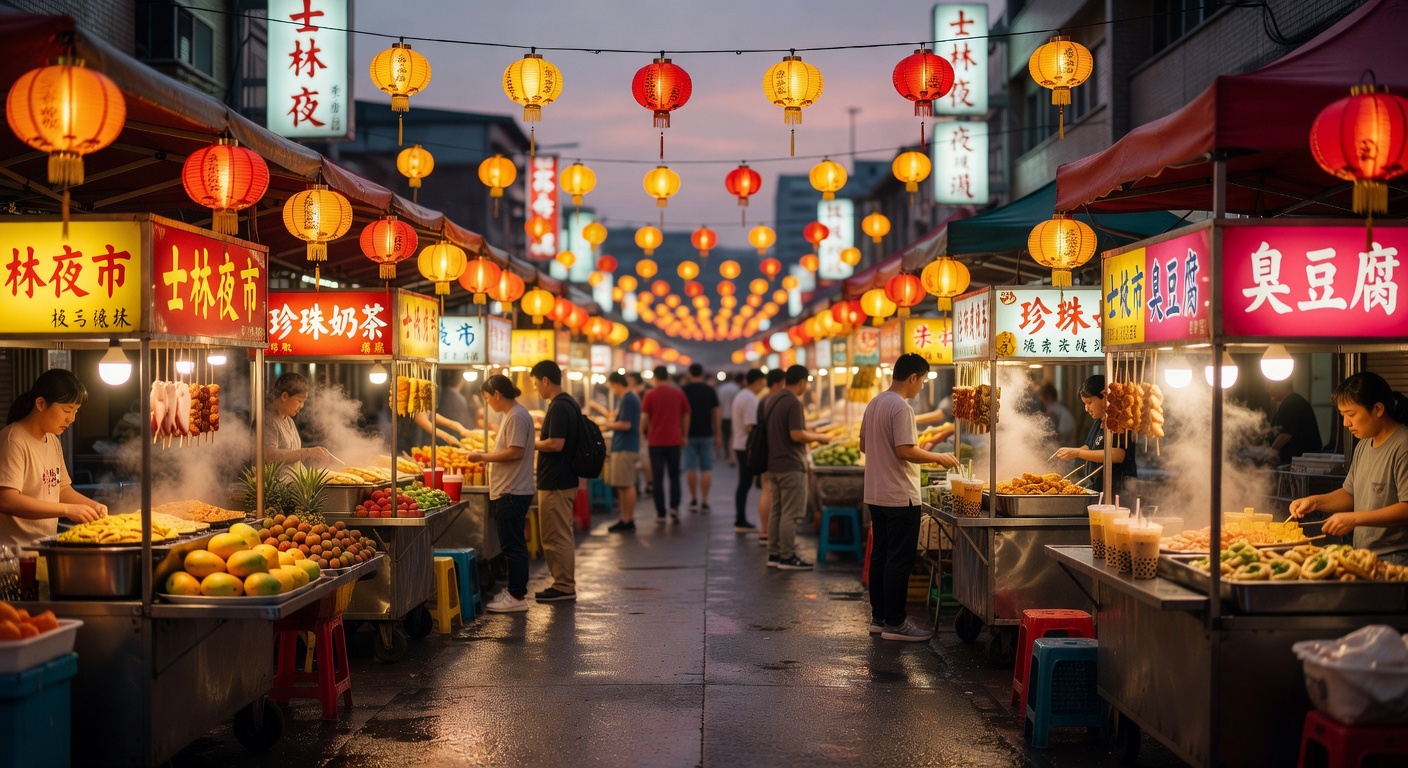
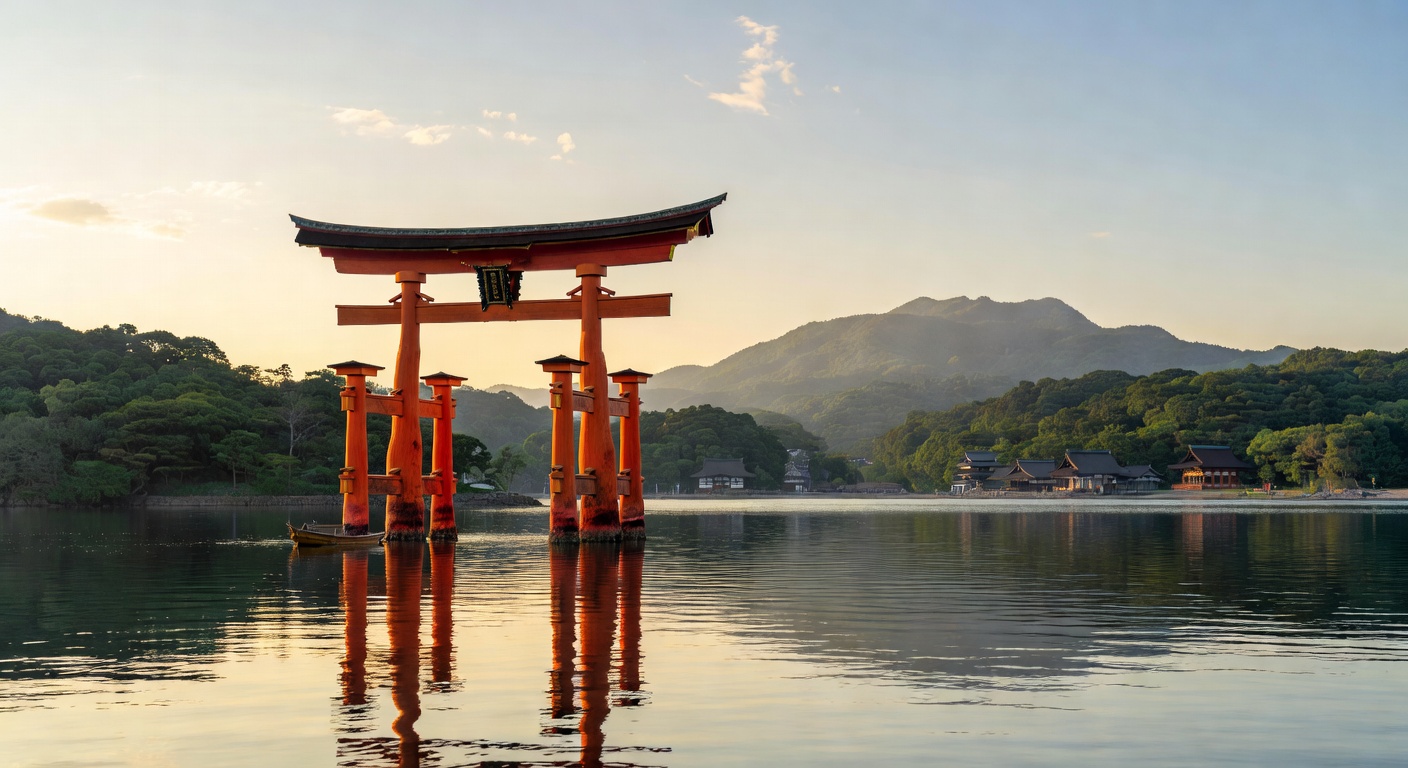
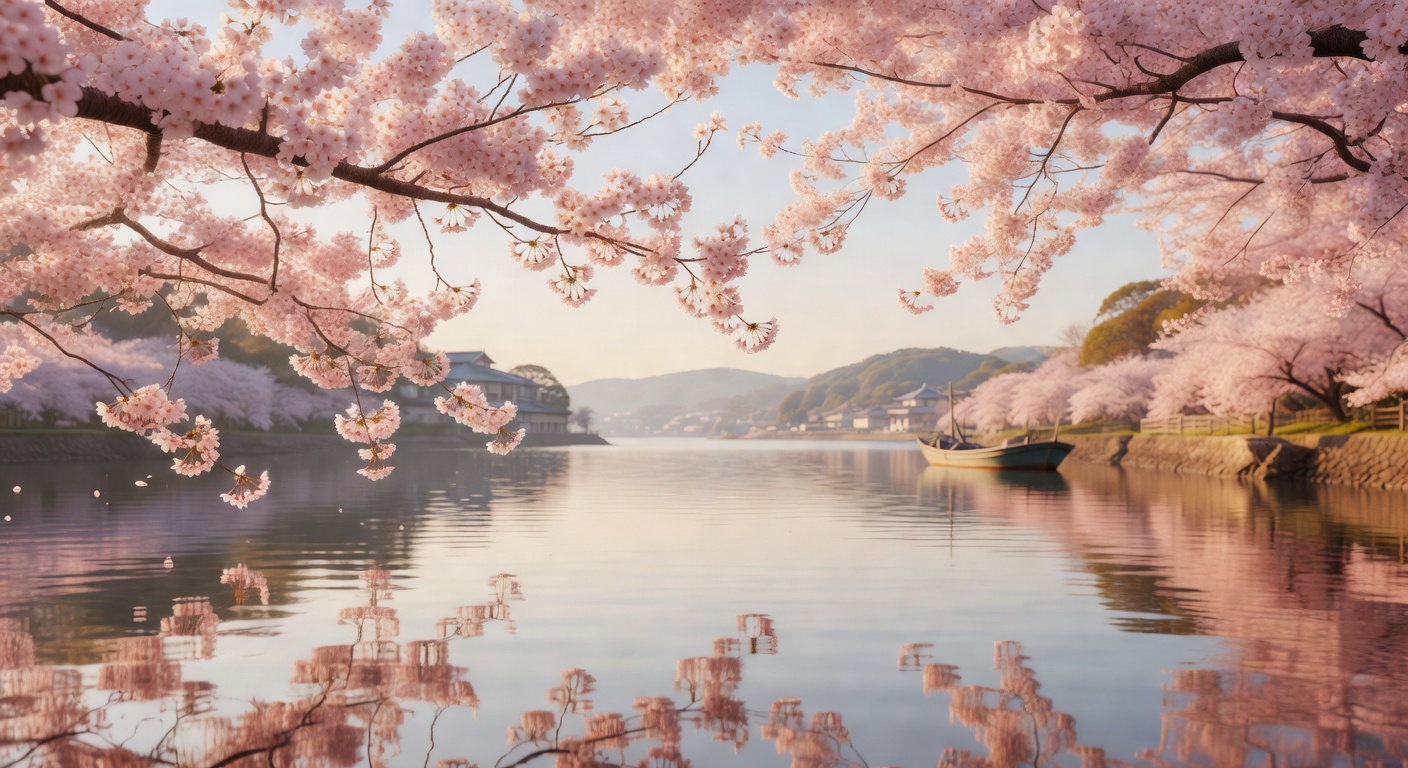
Asia and Asia Pacific from Tokyo
Tokyo is one of the few embarkation ports in the world that is itself a destination worth several days. Sailing from here puts you at the northern end of Asia's cruise corridor, with itineraries stretching south through Japan's own coastal ports, across to South Korea and Taiwan, and onward to Southeast Asia's major gateways. The route shape rewards travellers who want cultural range — distinct languages, cuisines, and landscapes changing at every port — without the grind of multi-city flights.
The pairing suits travellers who want Japan as the anchor of an Asia cruise, with the flexibility to extend into the broader region on longer sailings. It works particularly well for those planning a pre-cruise Tokyo stay, since the city's transport network connects directly to both the Tokyo and Yokohama cruise terminals.
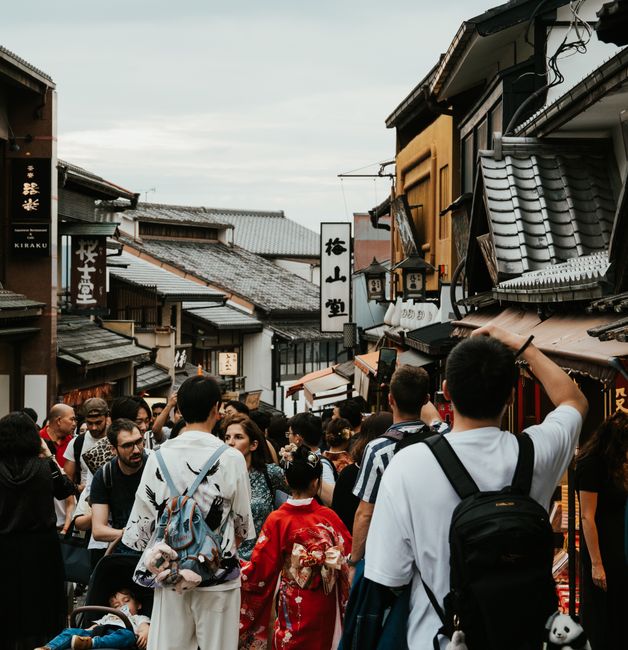
Practical characteristics of sailing Asia and Asia Pacific from Tokyo, beyond the destination brochure.
Tokyo and Yokohama terminals are reachable by public transit from central Tokyo, making pre-cruise exploration seamless.
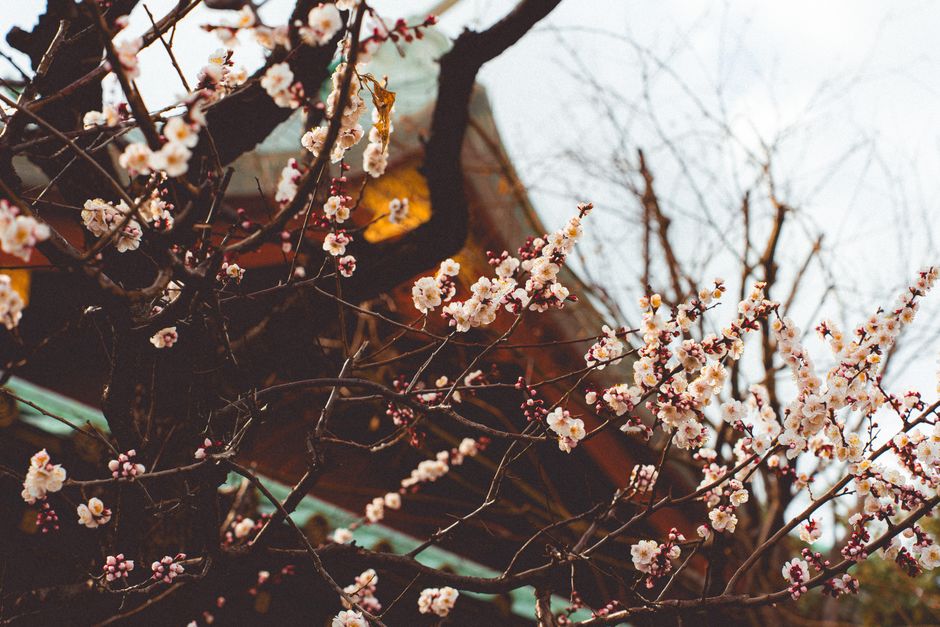
Late-March and April departures coincide with Japan's sakura season, one of the most sought-after sailing windows in global cruising.
Five- to ten-night sailings stay within Japan, calling at ports like Kobe, Osaka, Hiroshima, and Kagoshima — culturally dense without long sea days.
Medium-length sailings extend to South Korea, Taiwan, and Hong Kong, turning a Japan cruise into a regional survey.
Two- to four-week one-way sailings from Tokyo reach Singapore, Bangkok, and beyond, covering half a dozen countries.
October and November departures offer Japan's autumn colours at lower prices than the spring cherry blossom peak.
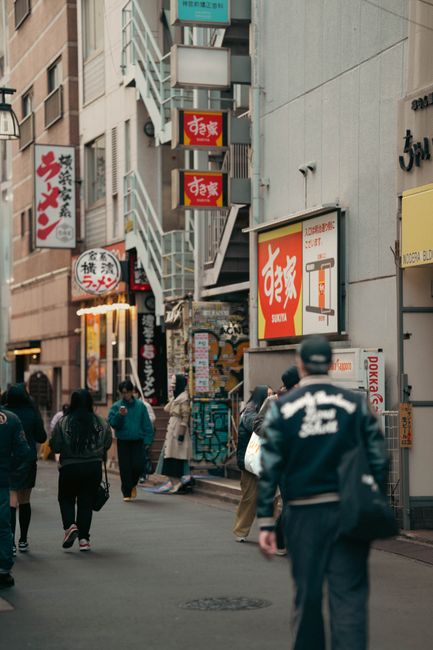
If Japan is high on your list and you want to add South Korea, Taiwan, or Southeast Asia without booking a second trip, a longer Tokyo departure does the work of several flights in a single sailing.
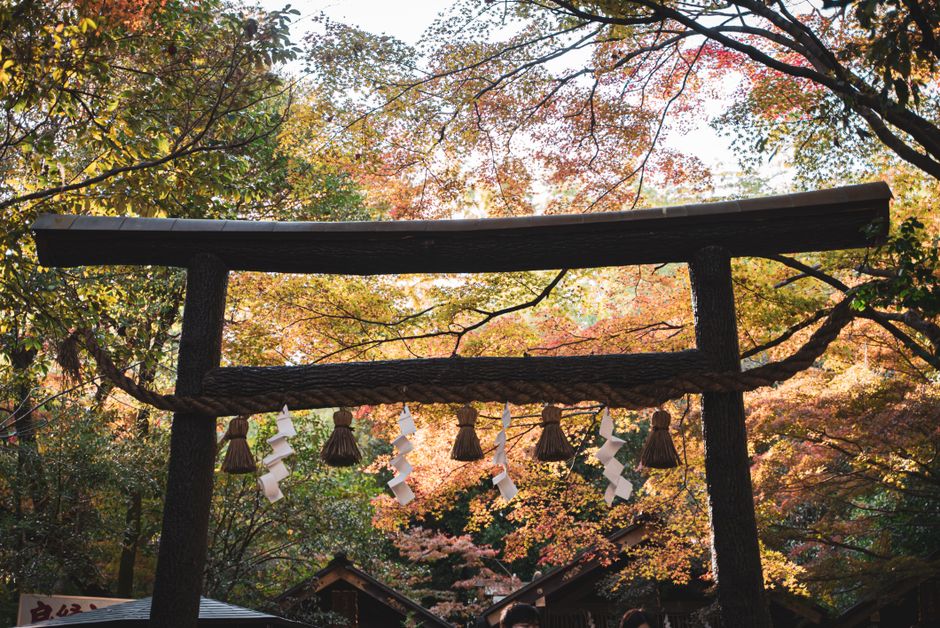
If the Caribbean and Mediterranean feel familiar, Asia from Tokyo offers genuinely different port experiences — the food, the architecture, the pace of life on shore all feel unlike anything on the standard cruise rotation.

Teenagers and older kids tend to find the cultural exposure rewarding, but the long-haul flight and time zone shift can be hard on younger children. A shorter Japan-focused roundtrip minimises jet-lag recovery time.
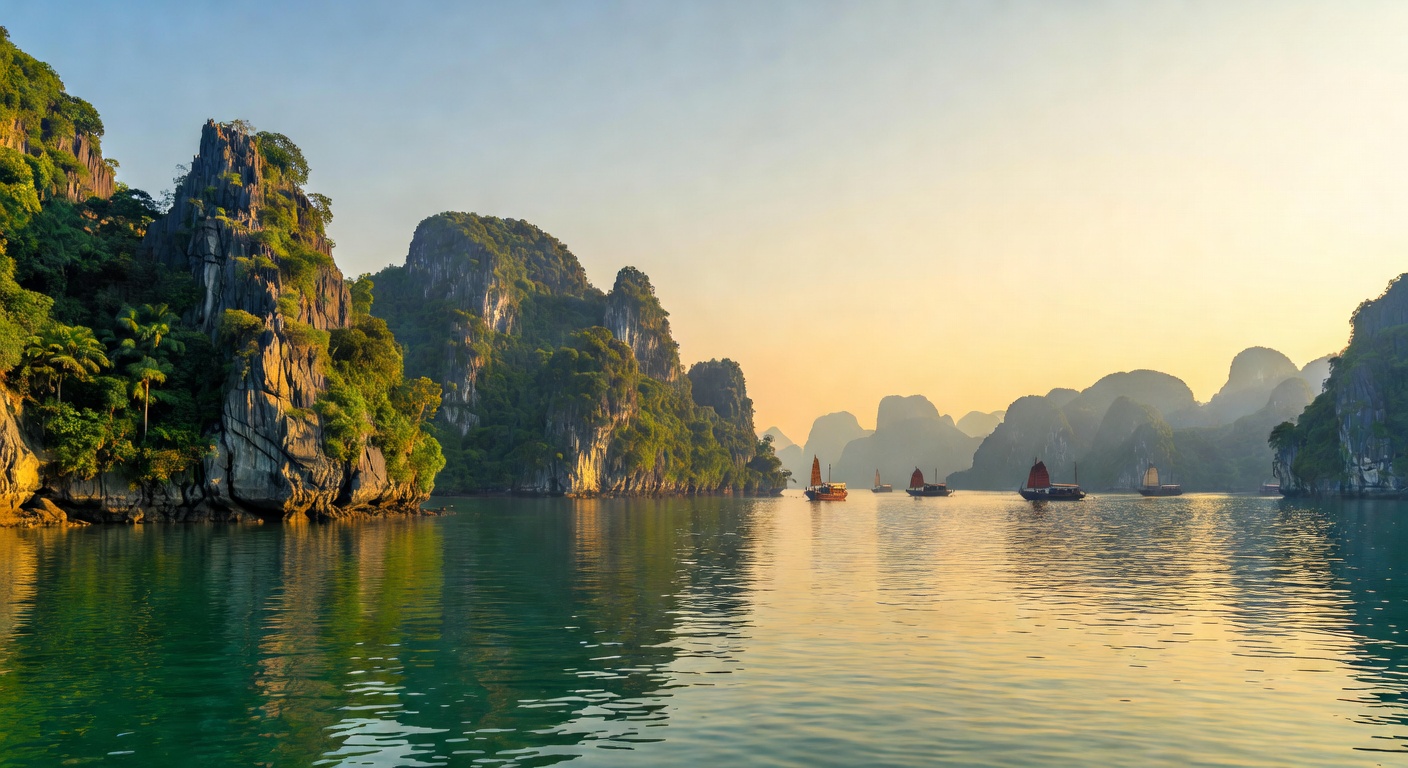
If your goal is Vietnam, Thailand, and Indonesia and you have limited interest in Japan, a Singapore departure puts you closer to those ports without the northward positioning. Tokyo adds a travel day that may not justify itself.
Departure port logic
Starting in Tokyo means starting at the cultural and geographic top of the Asia cruise map. The first ports of call are Japanese — Kobe, Osaka, Hiroshima — before the itinerary gradually shifts south and west into different countries. This creates a pacing that feels like an unfolding journey rather than a random sequence of ports. You begin in one of the world's most orderly, detail-obsessed cultures and move toward the warmer, louder, more improvisational rhythms of Southeast Asia.
The alternative departure ports — Singapore, Hong Kong, Shanghai — each produce a fundamentally different trip. Singapore starts in the tropics and stays there. Hong Kong puts you in the middle of the corridor. Tokyo puts you at the edge, and the voyage moves inward. That geographic logic shapes not just the ports you visit but the emotional arc of the trip — and for many travellers, starting at the edge is what makes the journey feel like one.
Budget two to four days before embarkation. The Shinjuku, Asakusa, and Shibuya districts are each worth a half-day, and the Tsukiji Outer Market is a morning in itself. Haneda Airport is thirty to forty-five minutes from central Tokyo.
Check whether your sailing departs from the Tokyo International Cruise Terminal (Odaiba) or Yokohama. Both are reachable by train, but Yokohama adds roughly forty minutes from central Tokyo.
Tokyo is GMT+9. For travellers from North America or Europe, arriving the day before embarkation lets you adjust and avoids starting the cruise exhausted.

The most established Tokyo-departure operator, with dedicated Japan seasons and ships configured for the regional market.
See Princess Asia sailings from Tokyo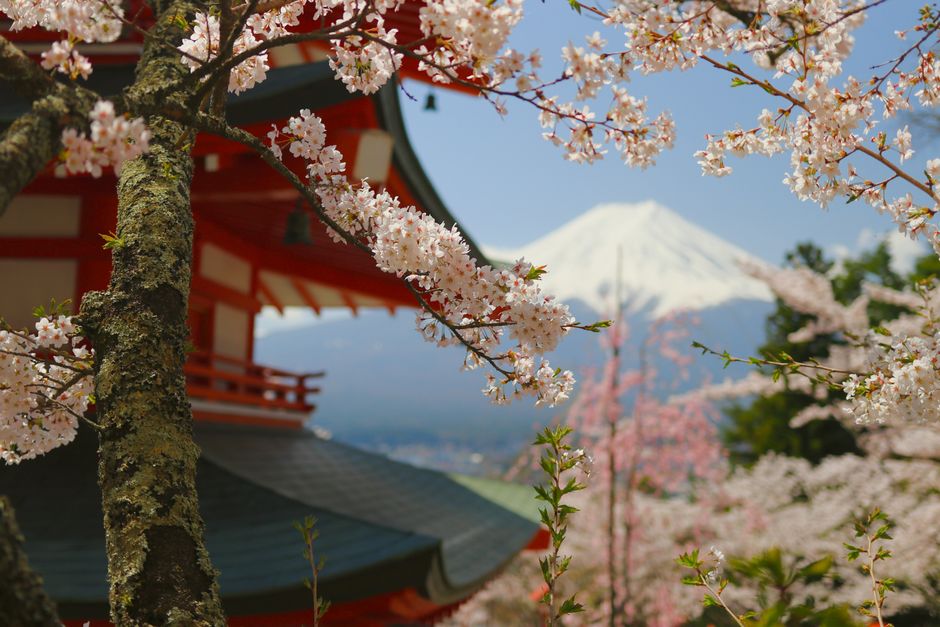
Expanding its Asia presence with new overnights at the Port of Tokyo for 2026–2027 and a contemporary onboard atmosphere.
See Celebrity Asia sailings from Tokyo
Grand-voyage format — multi-week one-way sailings from Tokyo through Southeast Asia, with an emphasis on cultural immersion and smaller ports.
See Silversea Asia sailings from Tokyo
Tokyo calls are typically part of repositioning or seasonal deployments rather than dedicated roundtrip seasons.
See Royal Caribbean Asia sailings from Tokyo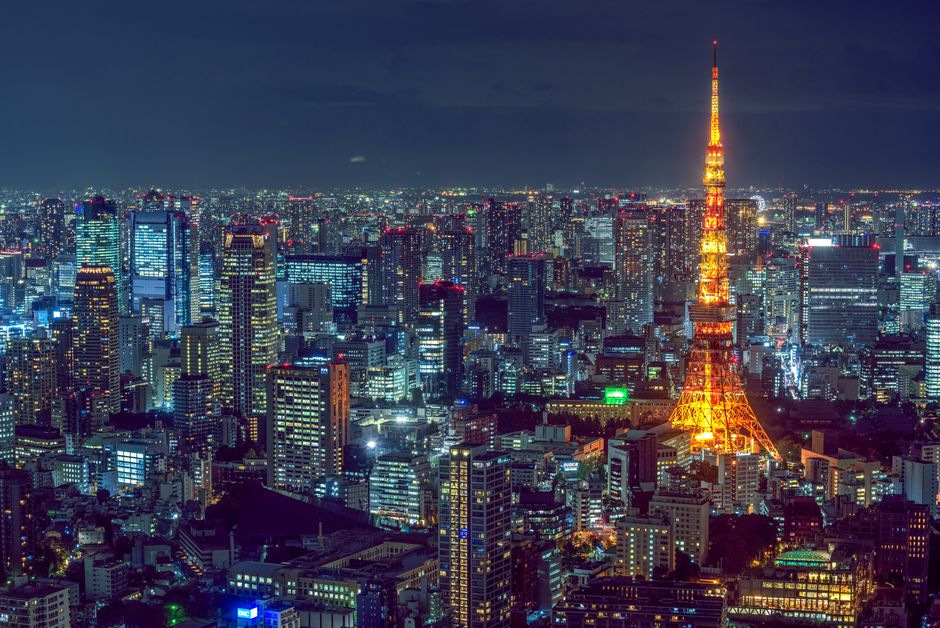
Short sailings stay within Japan. Medium sailings reach South Korea and Taiwan. Long sailings traverse the full Asia Pacific corridor. Match your itinerary length to your geographic ambition — five nights gives you Japan, fourteen gives you the region.
This route rewards travellers who find energy in cultural contrast. Every port feels genuinely different. Pack for variable weather, download translation apps, and plan to explore independently — Japan's infrastructure makes it easy.
The flight to Tokyo is significant for North American and European travellers. A five-night roundtrip may not justify the travel day each way. Consider ten nights or longer to make the most of the distance, or pair a shorter sailing with an extended Tokyo stay.
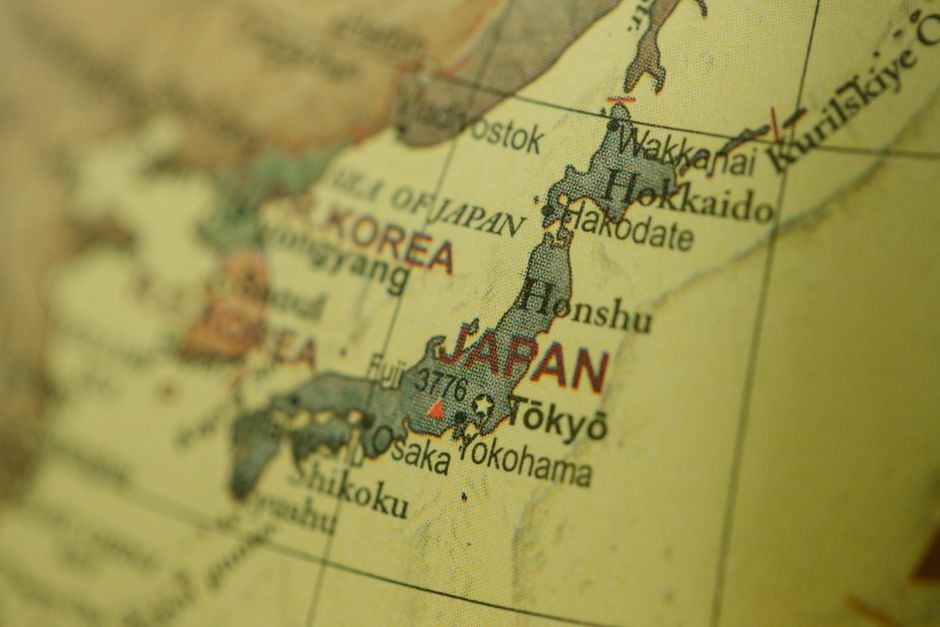
If Japan is part of what drew you to an Asia cruise, Tokyo is the natural starting point — the city itself adds days of value to the trip. The tradeoff is the long-haul flight, which argues for a longer sailing to justify the distance.










