




Year-round sailing calendar
Unlike most Asia Pacific homeports, Singapore operates cruise departures twelve months a year, so you are not limited to a narrow seasonal window.


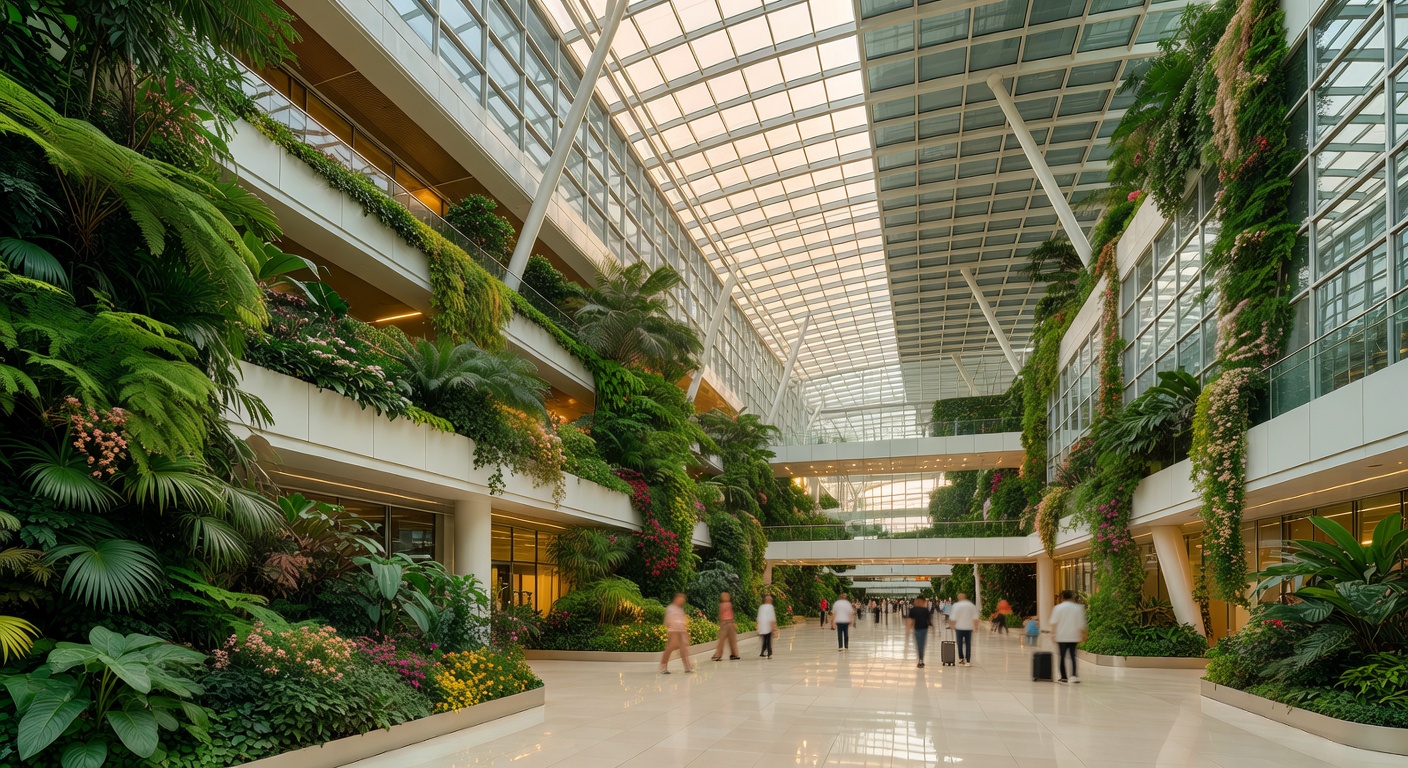
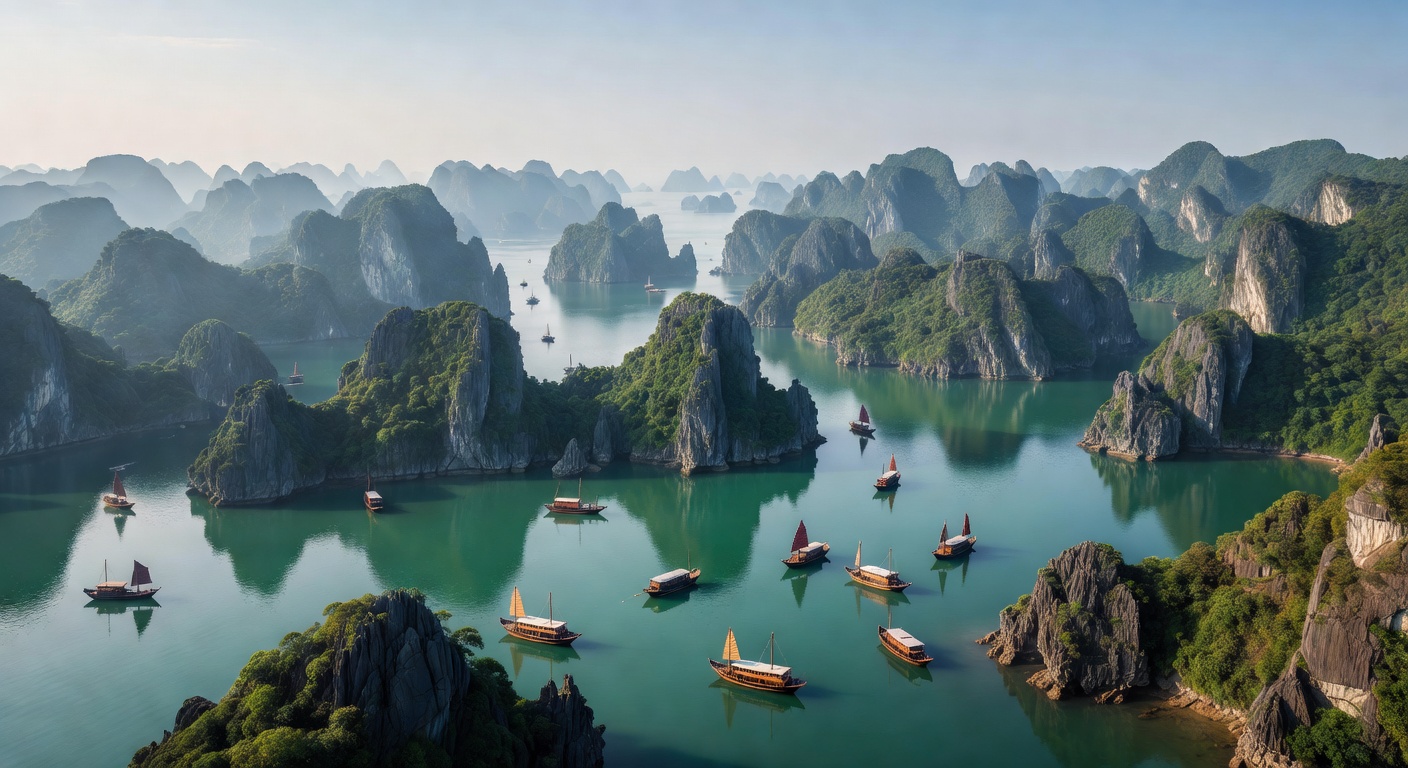
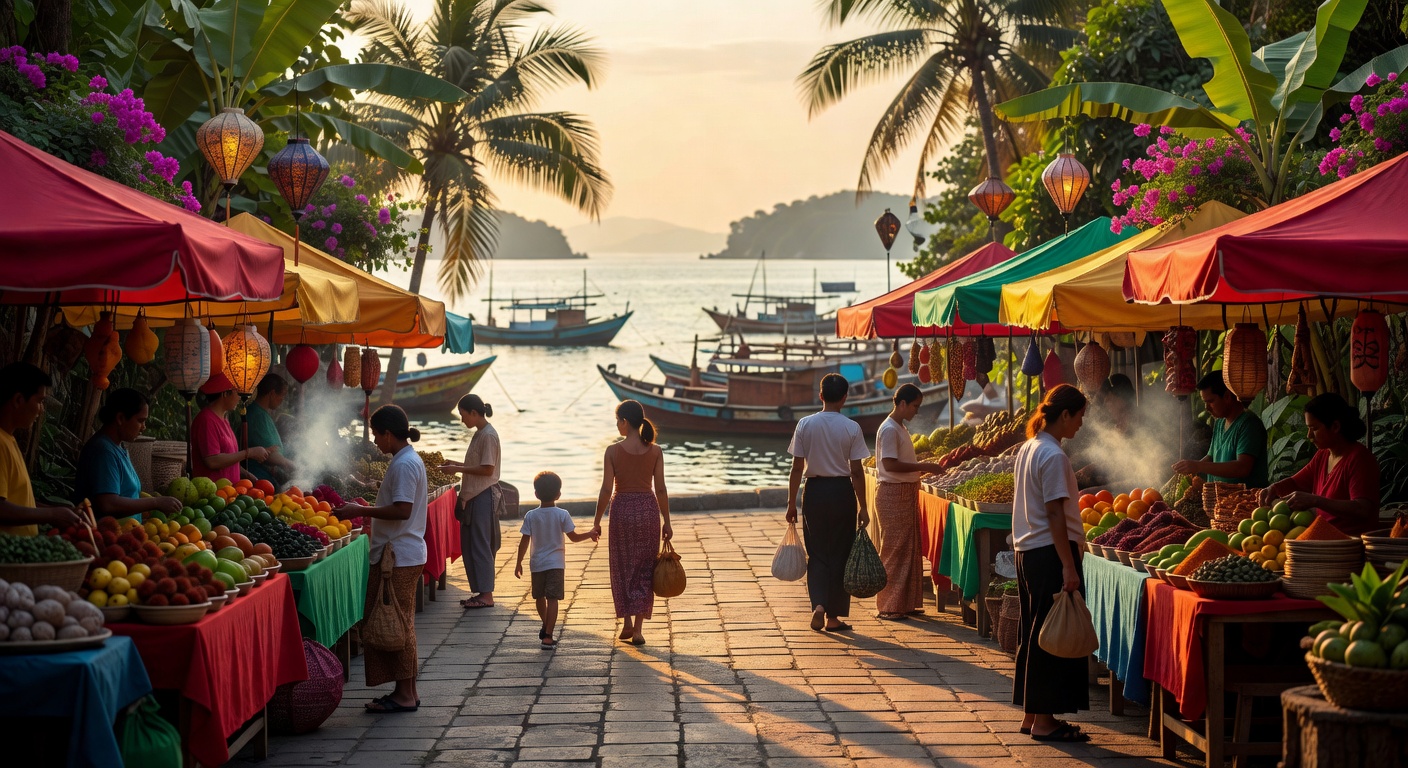

Asia and Asia Pacific from Singapore
Singapore is the region's dominant cruise homeport — handling nearly half of Southeast Asia's 3.9 million cruise passenger visits in 2024 — and it opens the widest range of Asia Pacific itineraries from a single embarkation point. Short loops into Malaysia and Thailand, week-long voyages through Vietnam and Indonesia, and longer repositioning sailings to Japan, Hong Kong, or Australia all depart from the same terminal at Marina Bay.
The pairing works because Singapore solves two problems at once: it is exceptionally well-connected by air from Europe, North America, and Australasia, and it is a genuine destination in its own right, which means arriving early or staying late never feels like dead time. If you want an Asia cruise that minimises transit friction and maximises itinerary choice, this is the departure port that delivers.
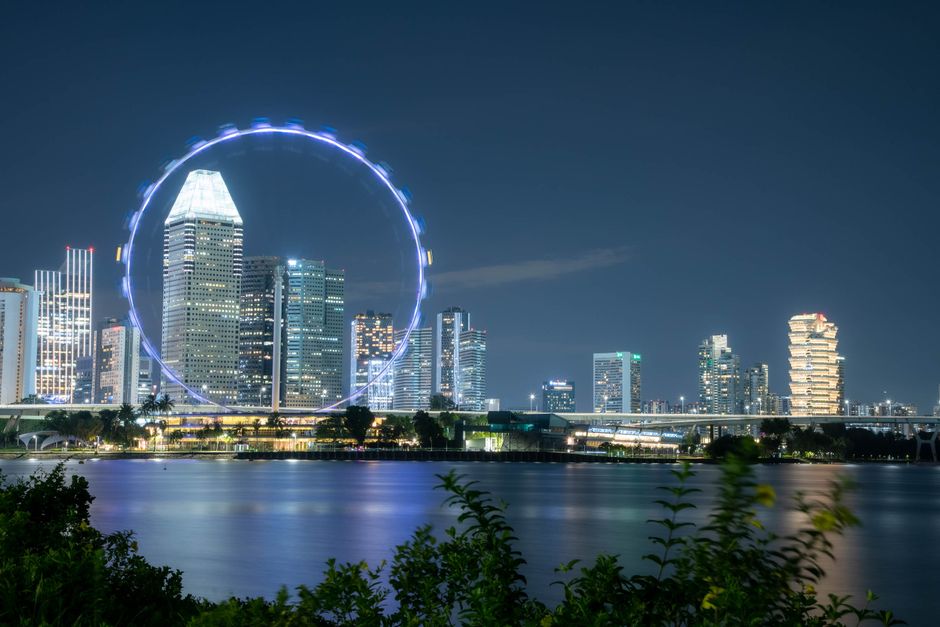
Practical characteristics of cruising Asia and Asia Pacific from Singapore — what shapes the experience and why it matters for your planning.
Unlike most Asia Pacific homeports, Singapore operates cruise departures twelve months a year, so you are not limited to a narrow seasonal window.
Short Southeast Asia loops, mid-range Vietnam and Indonesia voyages, and long repositioning sailings to Japan or Australia all depart from Marina Bay.
Marina Bay Cruise Centre sits fifteen minutes from the city centre, and Singapore's transport network makes the airport-to-terminal transfer straightforward.
Singapore has enough to fill three or four days on its own — hawker food, Gardens by the Bay, diverse neighbourhoods — making a cruise-and-stay approach genuinely rewarding.
Royal Caribbean, Princess, Holland America, Celebrity, Oceania, Silversea, and Ritz-Carlton Yacht Collection all operate from Singapore at various points in the year.
Ships based here carry a more globally diverse demographic than Caribbean or Mediterranean sailings — a social dynamic many cruisers find refreshing.

If you have never cruised in Asia and want the departure port to do some of the heavy lifting — good air connections, smooth embarkation, a compelling city to explore before or after — Singapore is the lowest-friction starting point in the region.
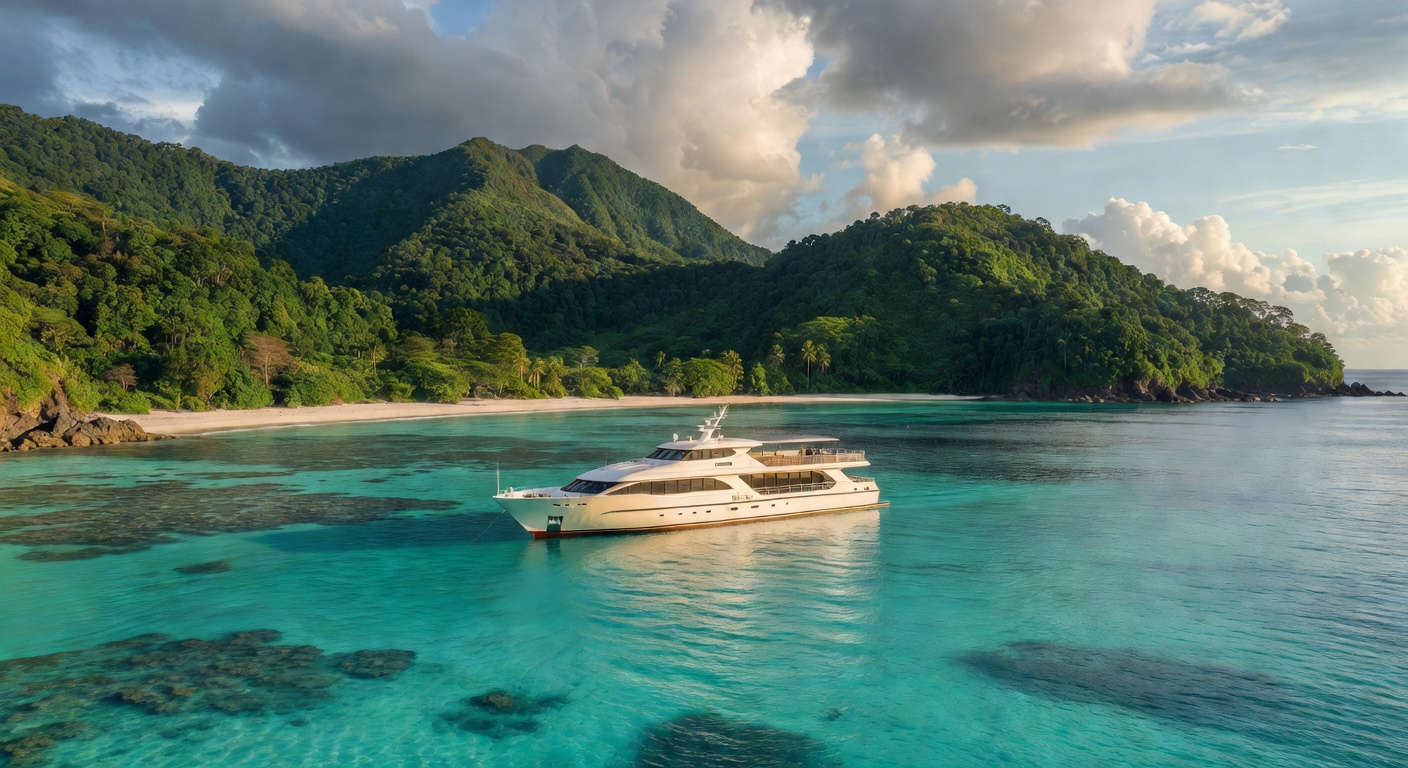
Singapore is where luxury and expedition lines stage their Asia Pacific departures. If you are looking for smaller ships, uncommon ports in eastern Indonesia or the Philippines, and a more curated experience, the options out of this port are stronger than from any other city in the region.
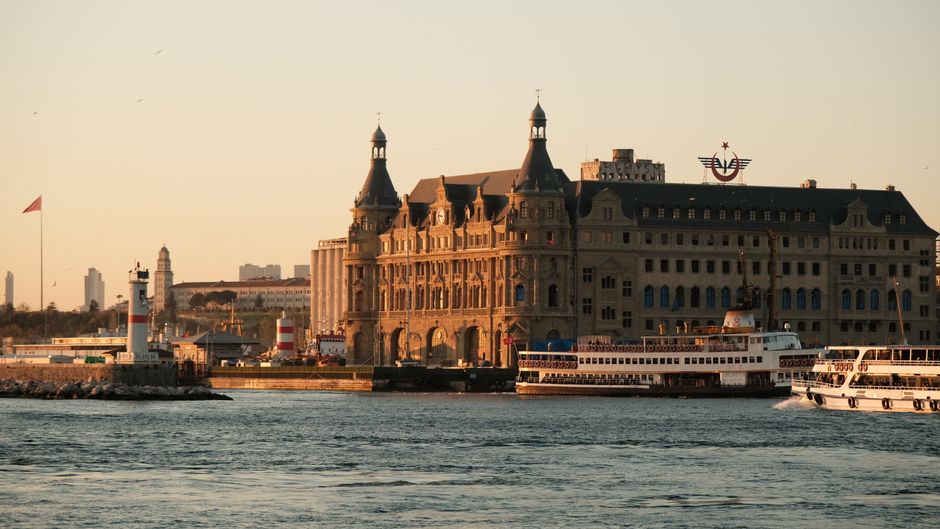
Spectrum of the Seas and similar large ships offer enough onboard activity to keep families engaged on sea days, and the short Southeast Asia loops are manageable even with younger children. The key is managing expectations around heat and port-day pacing.
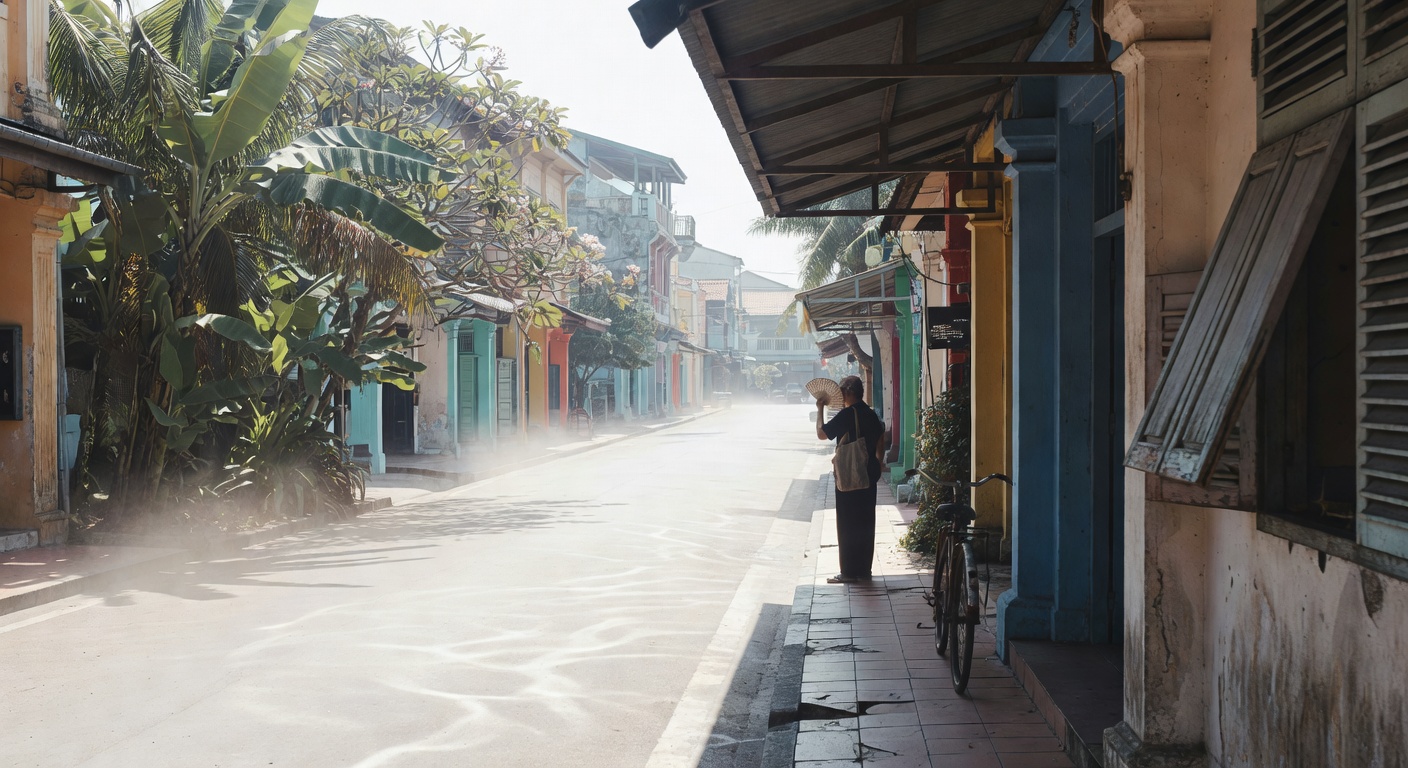
There is no cool season in equatorial Southeast Asia. If tropical heat genuinely diminishes your enjoyment, the onboard air conditioning provides relief, but port days in cities like Ho Chi Minh City or Penang will be demanding. Consider Japan-focused itineraries from Tokyo or Hong Kong in spring or autumn instead.
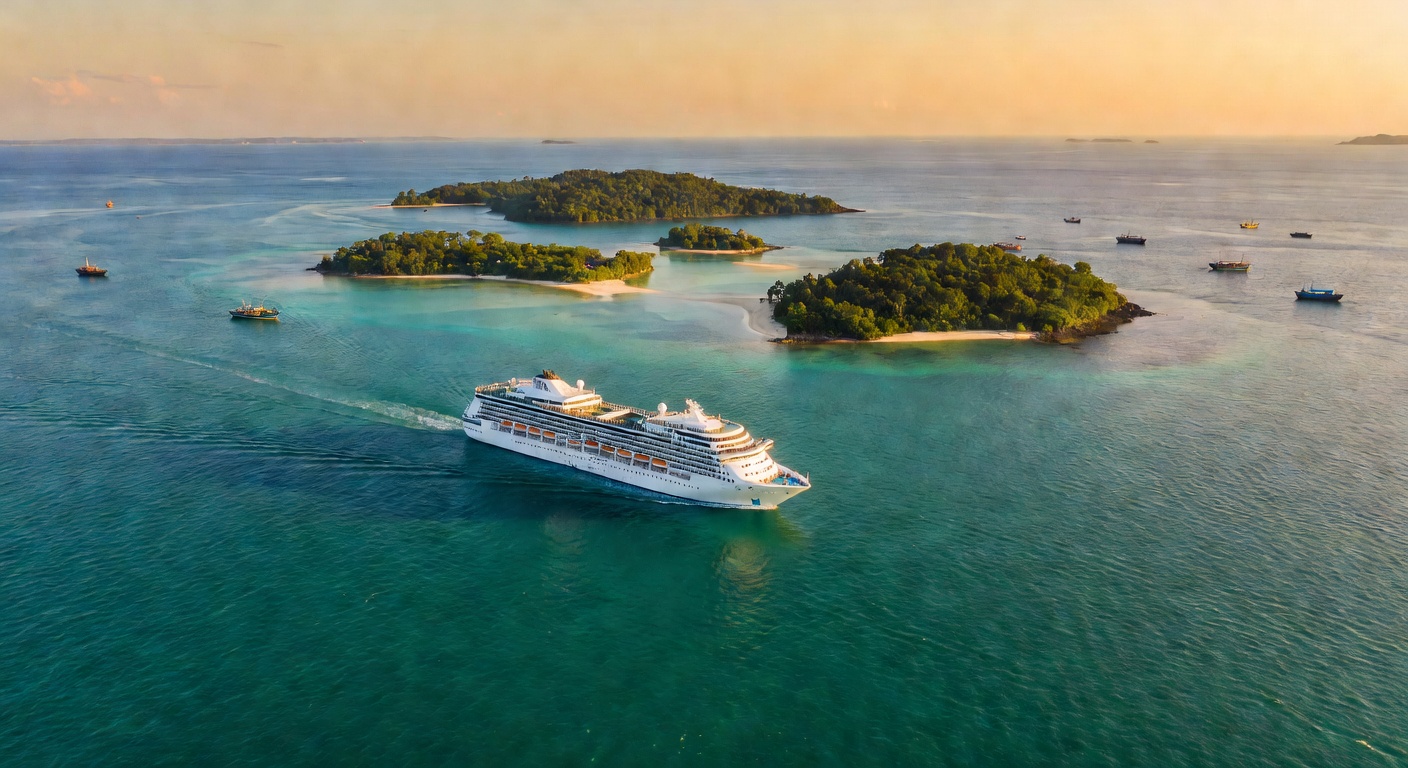
Departure Port
Singapore's value as a departure port is structural, not just geographic. It is the only major Asia Pacific homeport that operates year-round, offers itineraries spanning Southeast Asia, East Asia, Australasia, and the Indian Ocean, and serves as an international air hub with direct connections from London, Los Angeles, Sydney, Dubai, and dozens of other cities. Hong Kong and Tokyo are excellent homeports for region-specific sailings, but neither matches Singapore's breadth of itinerary choice or calendar consistency.
The city also changes the trip economics. Singapore's hawker centres mean you can eat extraordinarily well for very little before or after the cruise. The MRT eliminates the need for expensive private transfers. And because the port is central rather than industrial, your embarkation day does not begin with a ninety-minute coach ride from a distant terminal — a reality in several competing homeports.
Changi Airport serves over 100 airlines with direct routes from London Heathrow, multiple US gateways via connections, and hubs across the Middle East and Australasia — keeping the long-haul transit as simple as it can be.
Two or three nights in Singapore before embarkation eliminates jet lag, adjusts you to the climate, and fills the time with genuine experiences — not airport-hotel limbo.
The terminal is modern, centrally located, and processes embarkation efficiently compared to many large-scale cruise facilities elsewhere in the region.
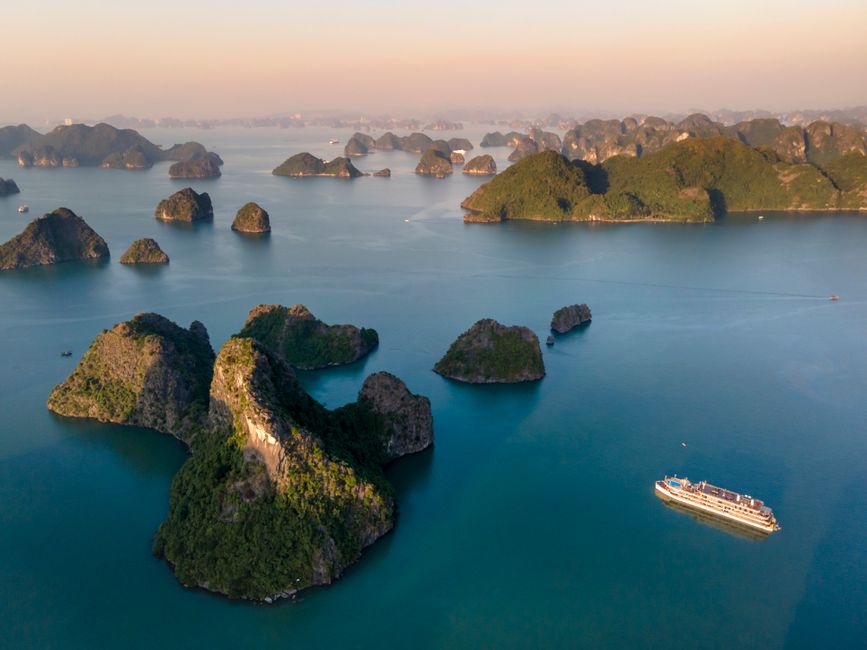
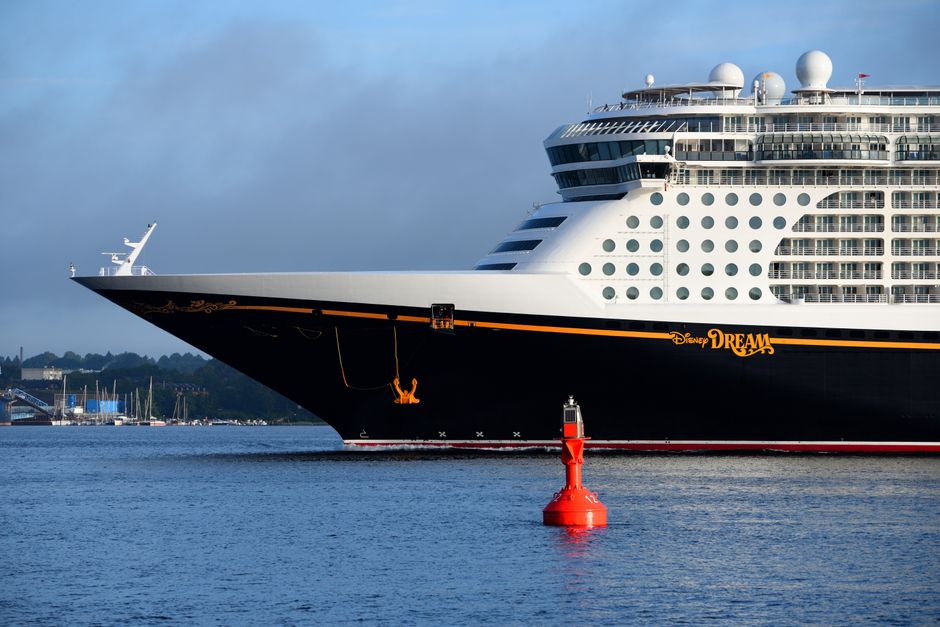
The strongest year-round presence from Singapore, anchored by Spectrum of the Seas — a ship built with the Asian market in mind. Itineraries range from short Southeast Asia getaways to longer voyages into East Asia.
See Royal Caribbean sailings from Singapore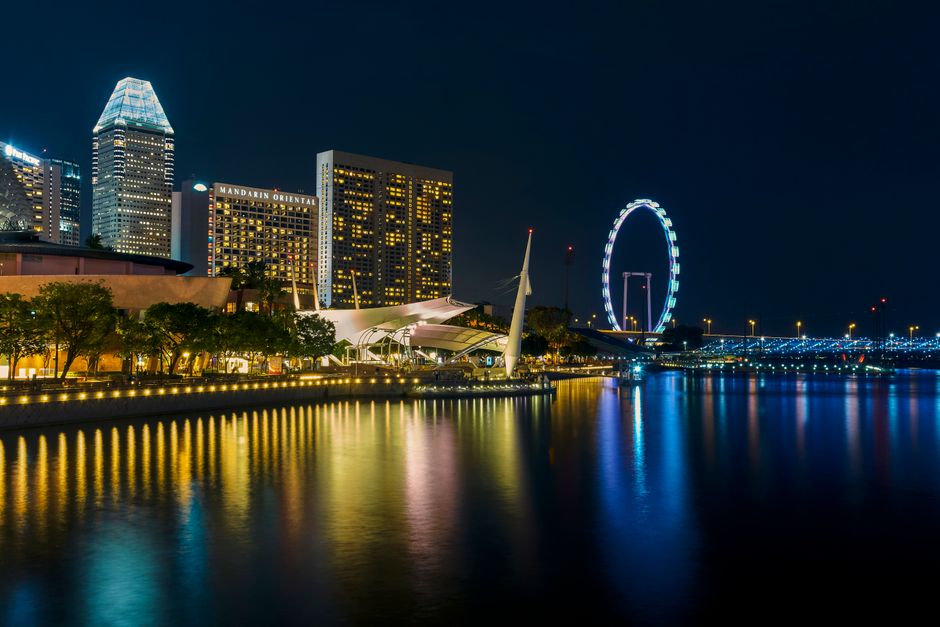
Seasonal deployments from Singapore, typically during Northern Hemisphere winter. Mid-sized ships with a traditional cruising pace — more lectures and lounges than water slides.
See Princess Cruises sailings from Singapore
Seasonal Asia Pacific deployments with a strong emphasis on enrichment programming — onboard lectures, culinary demonstrations, and music.
See Holland America sailings from Singapore
Premium-tier ships with a modern design sensibility and strong dining programme. Seasonal presence from Singapore with itineraries covering Southeast and East Asia.
See Celebrity Cruises sailings from Singapore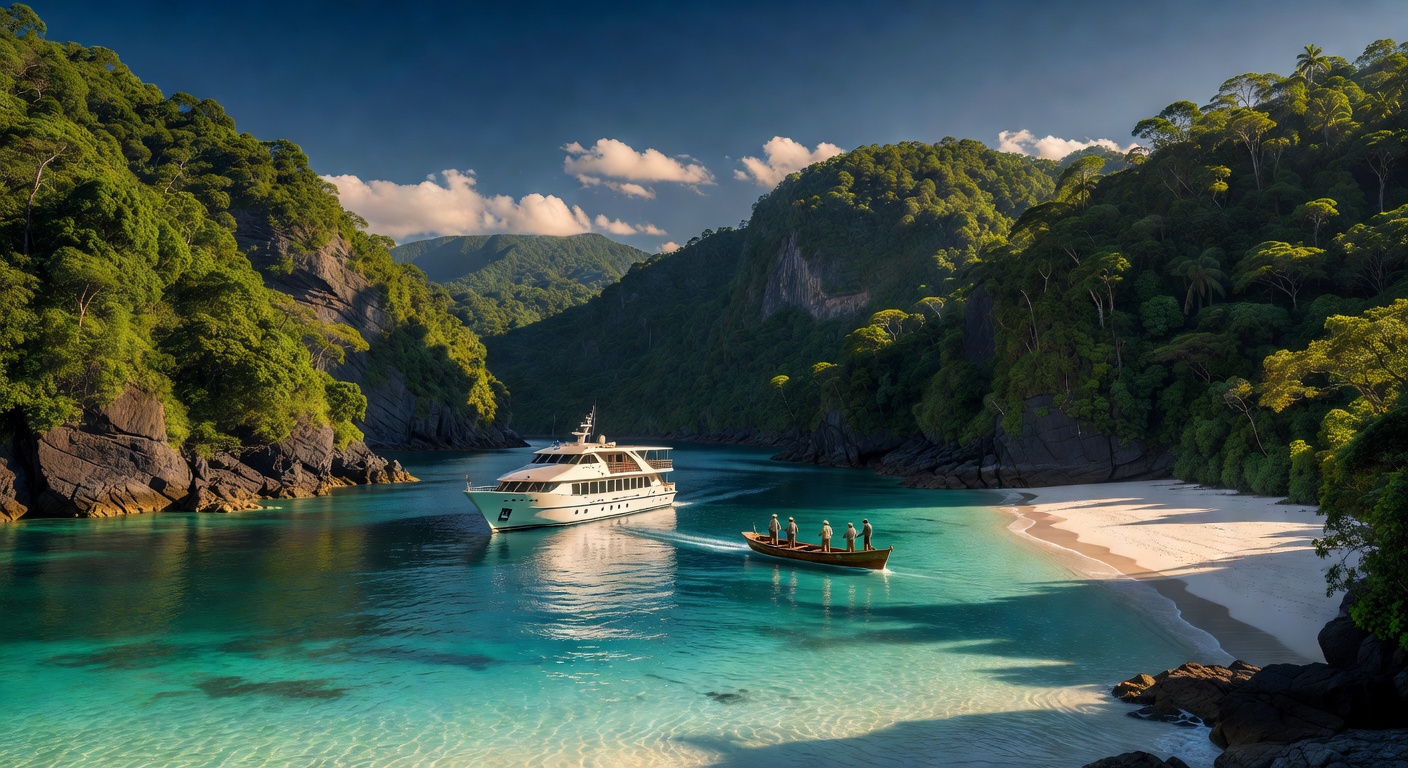
Ultra-luxury and expedition sailings using Singapore as a gateway to Southeast Asia, Indonesia's eastern archipelago, and beyond. All-inclusive pricing with butler service in every suite.
See Silversea sailings from Singapore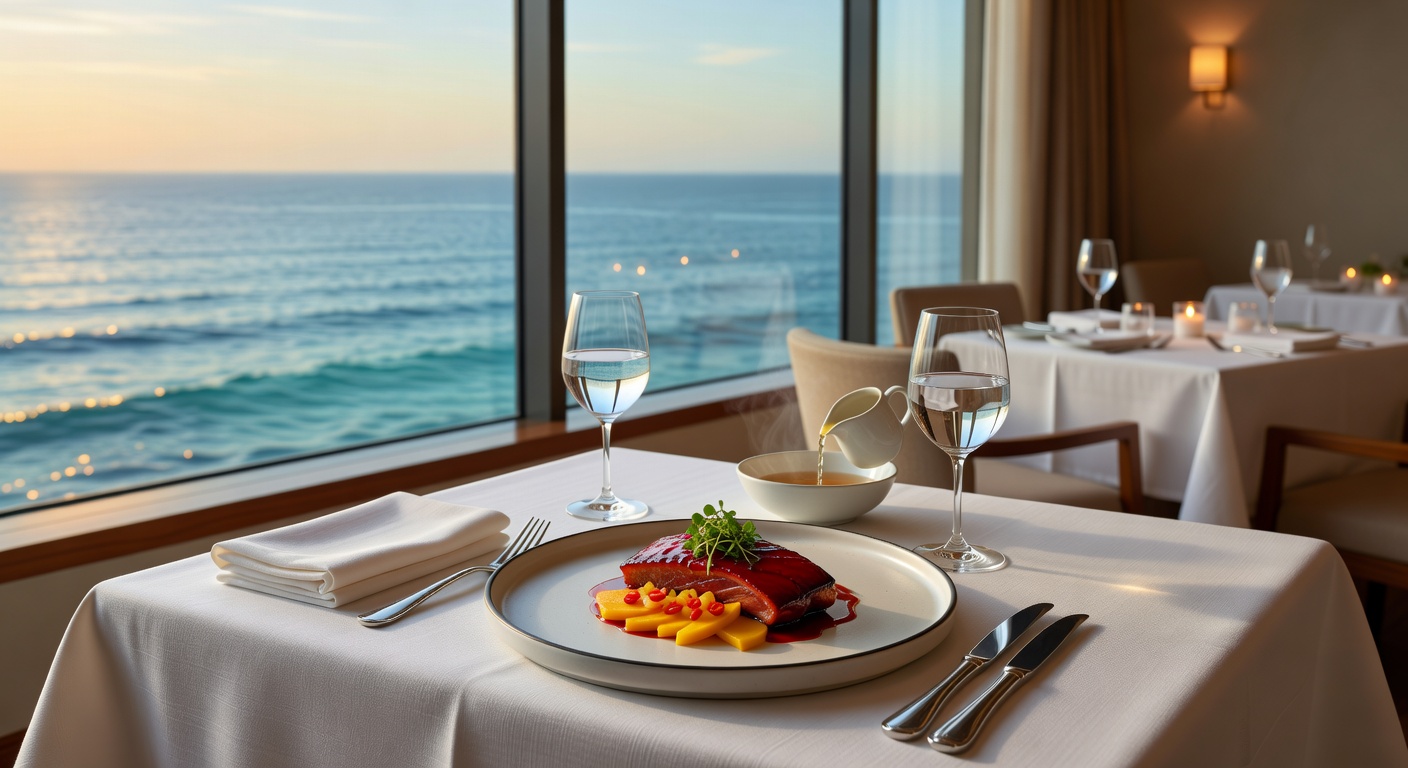
Upper-premium ships with a food-and-destination focus. Mid-sized vessels around 1,200 passengers that balance sophistication with a relatively relaxed dress code.
See Oceania Cruises sailings from Singapore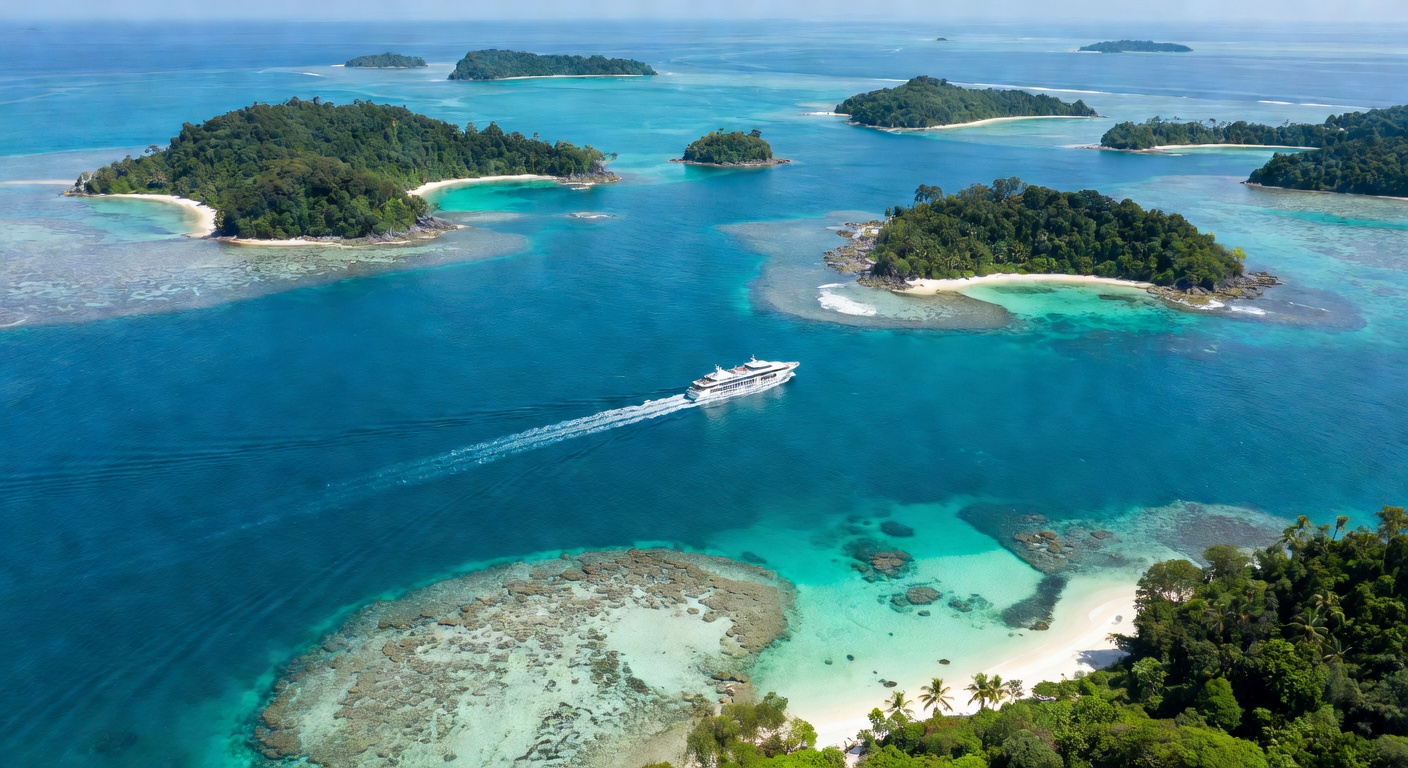
Asia Pacific sailings from Singapore are destination-heavy. Most itineraries prioritise time in port over sea days, and the ports themselves — from Vietnamese cities to Indonesian islands — reward travellers who come prepared with at least a loose plan for each call. This is not a sit-by-the-pool cruise, though you can certainly do that on the sea days.
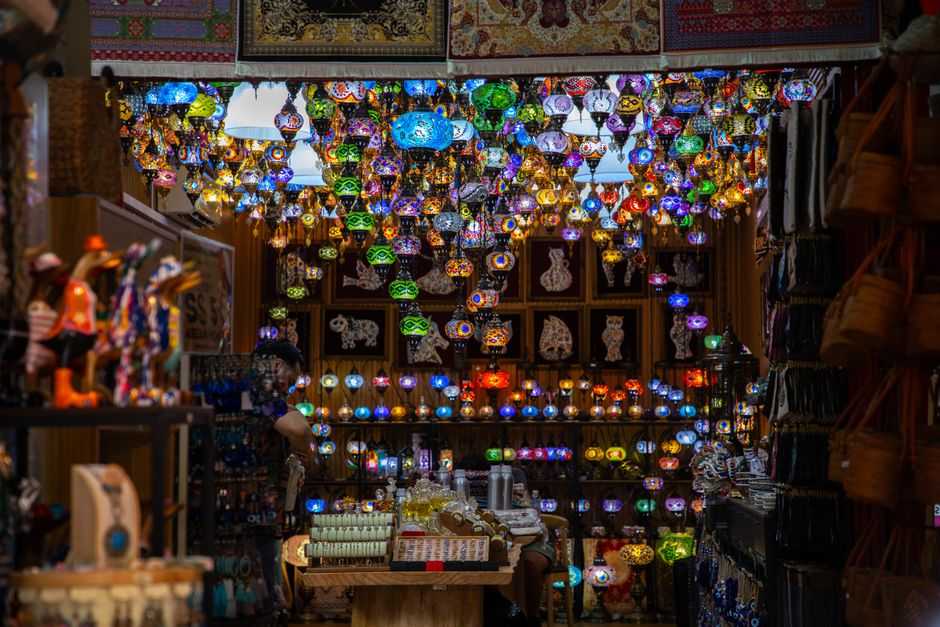
The best-suited travellers are those who find unfamiliar food exciting rather than stressful, who can adapt to port logistics that are less polished than a western Mediterranean call, and who genuinely enjoy the sensory overload of a Southeast Asian market at nine in the morning.
Getting to Singapore requires a significant flight from the UK, US, or most of Europe. That is the real cost of this route — not the cruise fare, which is often competitive. Budget for the airfare and a pre-cruise hotel stay, and weigh that against the fact that no other cruise region delivers this much cultural variety per port day.
If you want the widest choice of Asia Pacific itineraries from a single, well-connected, year-round homeport with a city worth exploring on either side of the sailing, Singapore is the departure point that keeps the most options open. The tradeoff is the long-haul flight and equatorial heat — both are real, and neither can be planned around entirely.










