




Intimate ship size
Ships carry 80 to 120 passengers, creating a social dynamic closer to a small group tour than a conventional cruise.

Asia & Asia Pacific from Phnom Penh
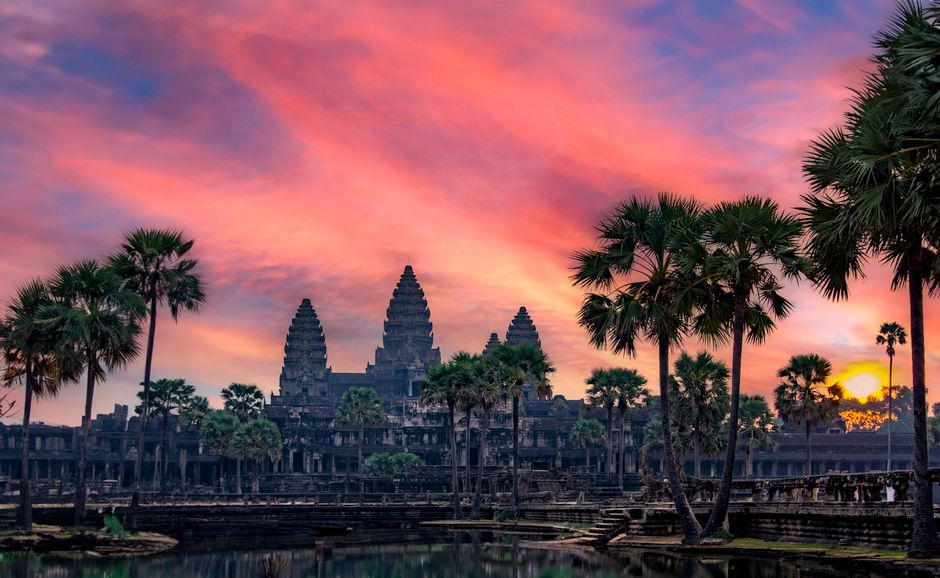
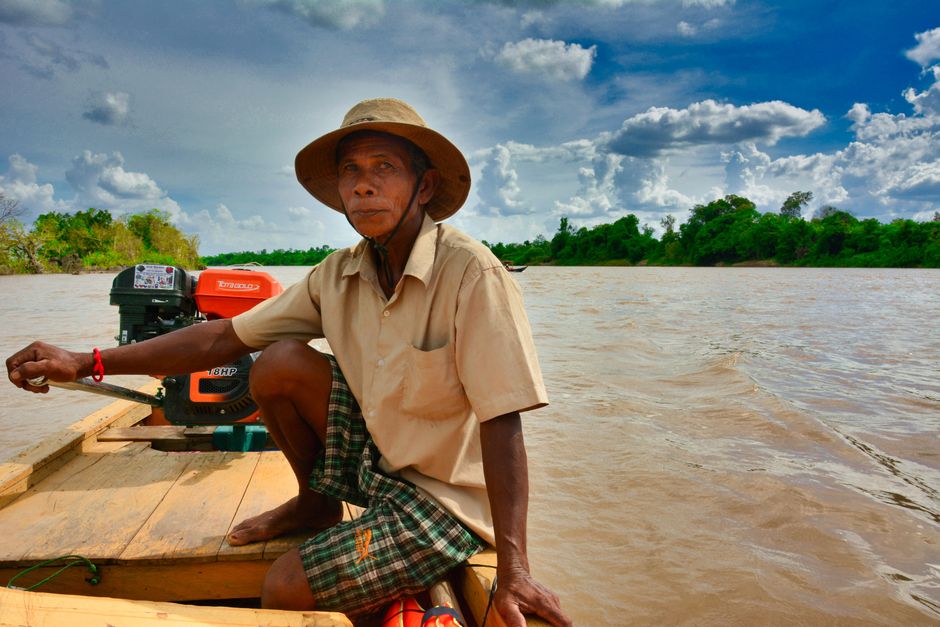
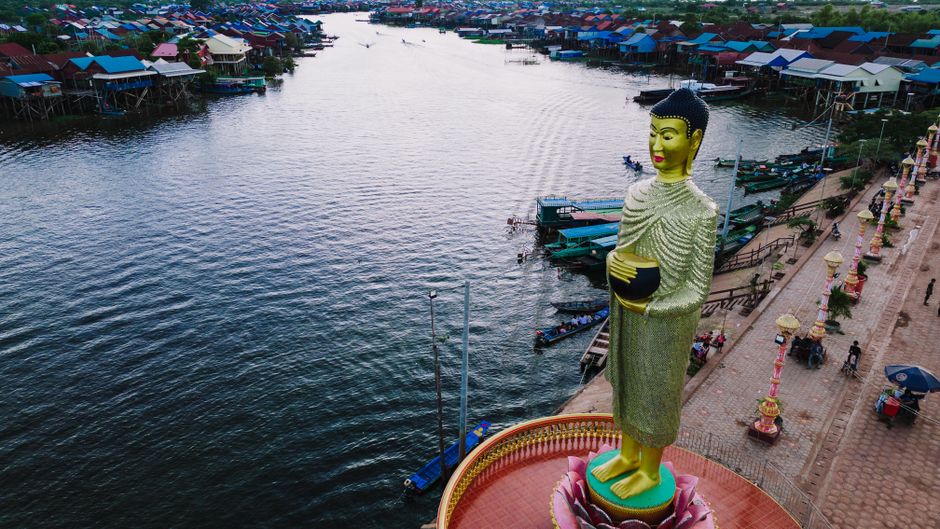
Phnom Penh is the gateway to the Lower Mekong river corridor — a seven-to-fourteen-night cruise route between Cambodia and Vietnam that trades the scale and speed of ocean cruising for slow, village-level immersion across one of Southeast Asia's most culturally dense waterways. From the river dock near Sisowath Quay, small ships carrying fewer than 120 passengers head downstream through the Mekong Delta to Ho Chi Minh City, stopping at floating markets, Buddhist temples, and Khmer archaeological sites that are effectively unreachable any other way.
This is a departure port for travellers who want Asia at walking pace rather than sea-day pace. It pairs naturally with pre- or post-cruise time in Phnom Penh itself and connects logistically to wider Asia Pacific ocean itineraries departing from Singapore or Ho Chi Minh City, making it a strong building block for a multi-week Southeast Asian trip.
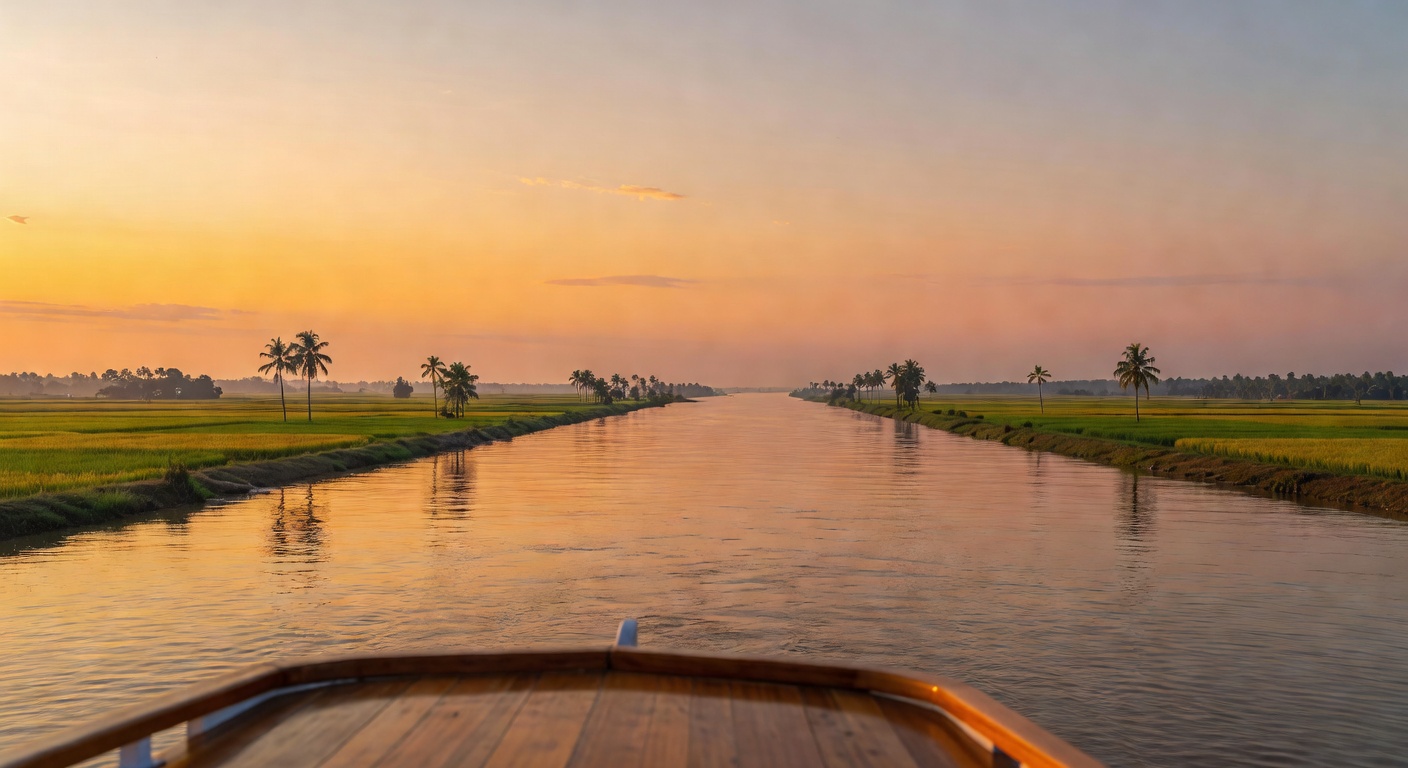
The Phnom Penh–Saigon Mekong corridor has a distinct character shaped by the river, the ships, and the communities along the banks.
Ships carry 80 to 120 passengers, creating a social dynamic closer to a small group tour than a conventional cruise.
Most operators bundle guided shore excursions into the fare, with one or two stops scheduled every day of the voyage.
The route crosses from Cambodia into Vietnam, covering both nations' rural landscapes and river communities in a single sailing.
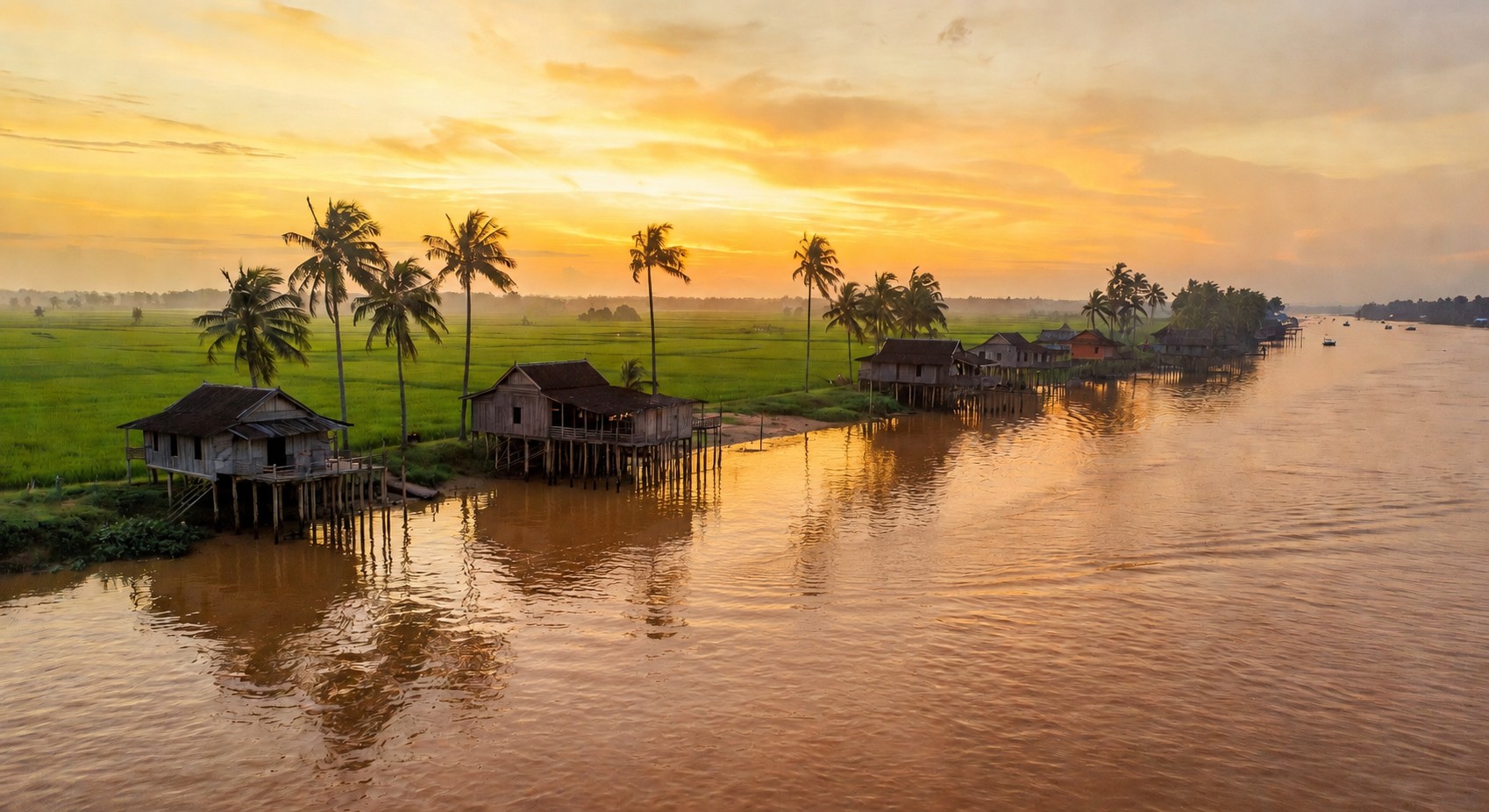
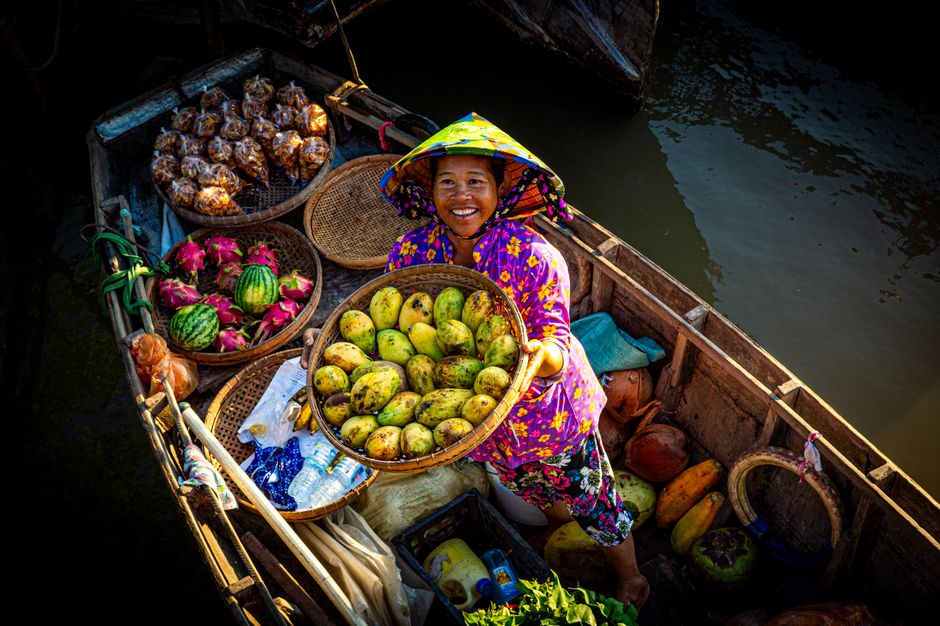
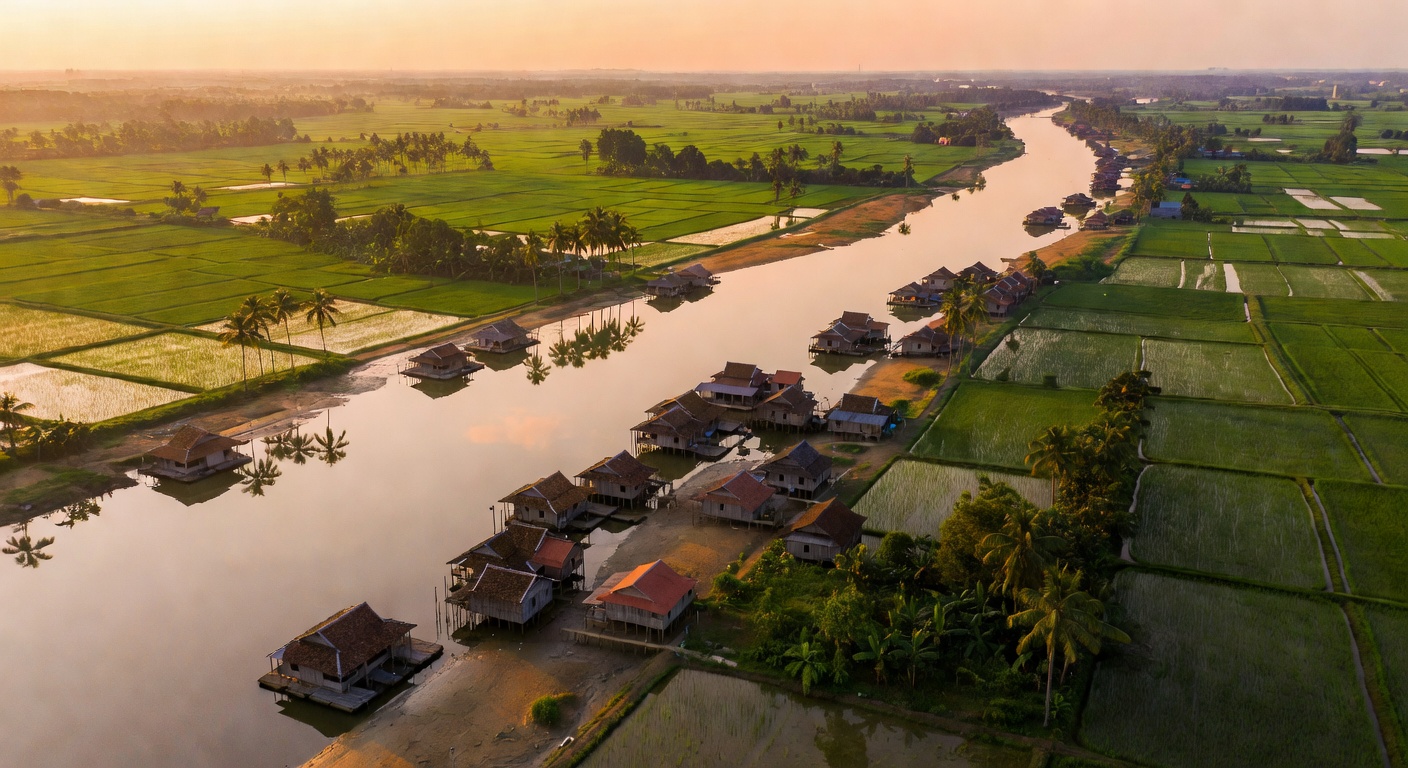
The final days navigate narrow delta waterways where the density of floating markets, fish farms, and village life is extraordinary.
Boarding in Phnom Penh is a dock-side transfer with no terminal queues — you walk from vehicle to ship in minutes.
Most operators offer a bundled Phnom Penh city tour covering the Royal Palace, Silver Pagoda, and historically significant sites like Tuol Sleng.
If you have done a European river cruise and want something with deeper cultural contrast, this is the natural next step. The daily excursion rhythm is familiar, but the landscape and communities are a world apart.
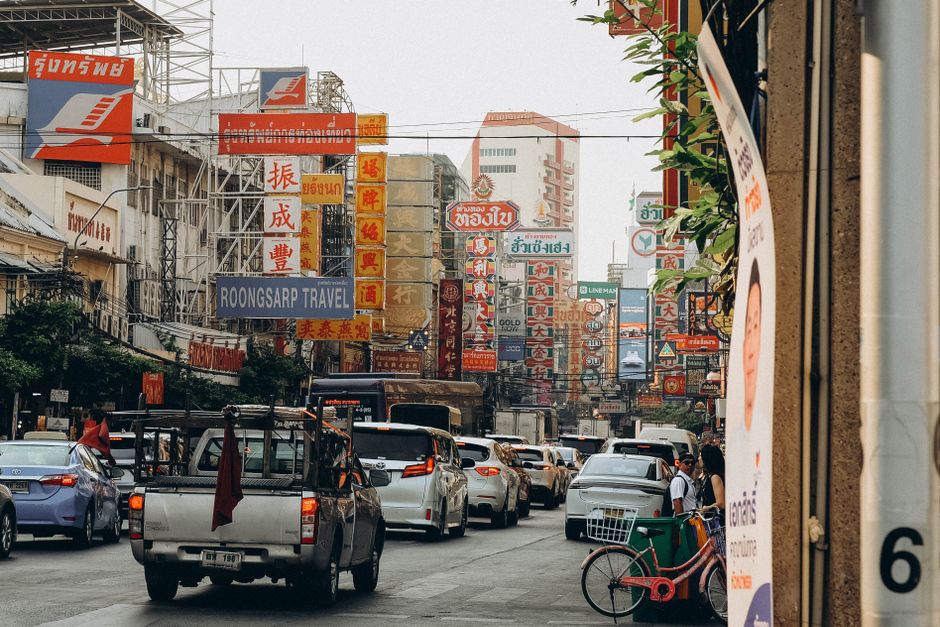
The Phnom Penh departure feeds cleanly into a Saigon stay and onward ocean cruise or overland travel, making it an efficient first or second leg of a longer Southeast Asian itinerary.
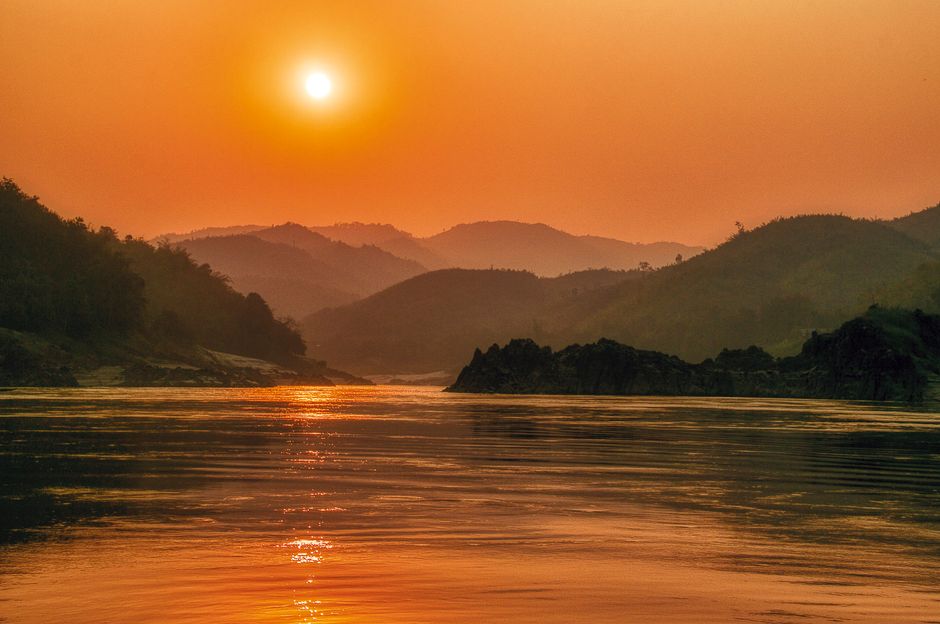
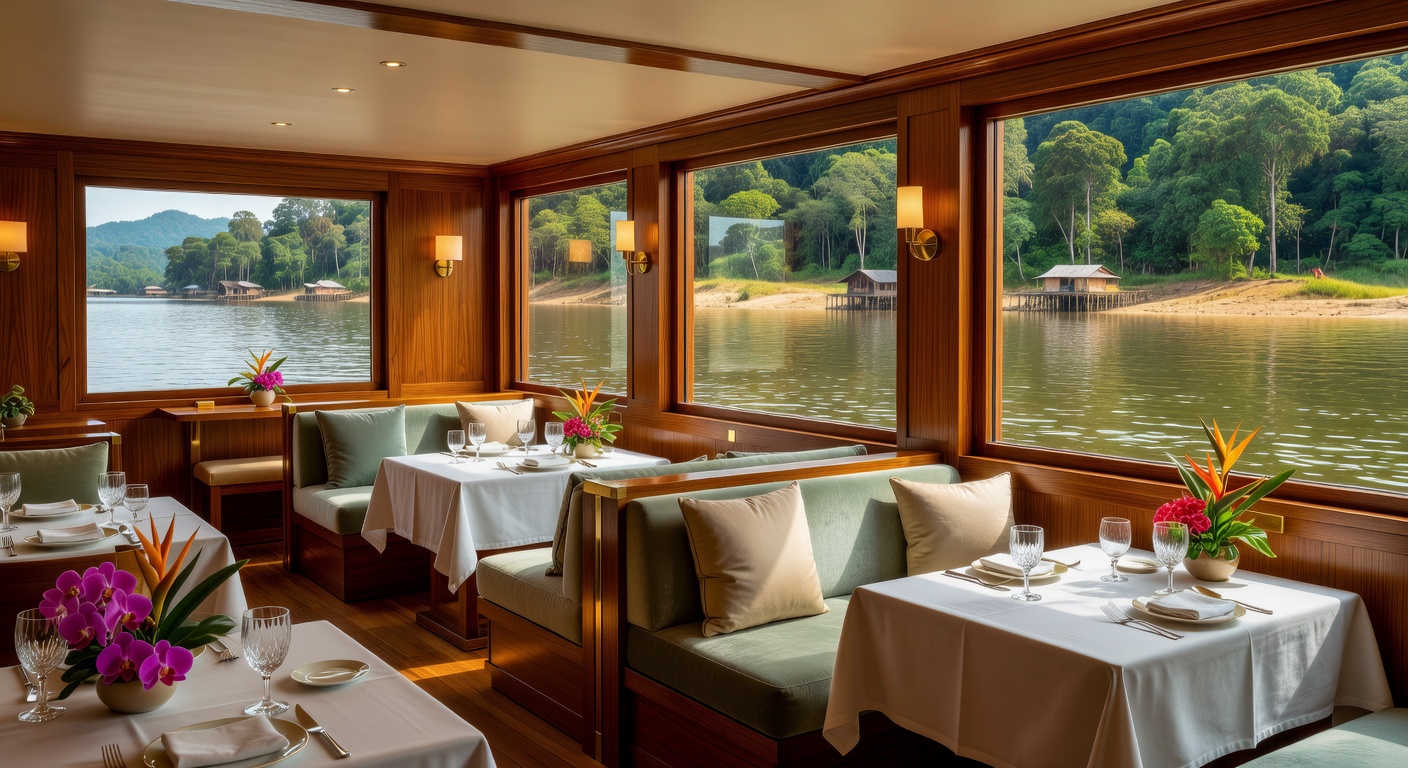
These are small river vessels with limited onboard facilities. If your idea of a cruise involves a pool deck, a spa complex, or evening shows, this product will feel like a different category entirely — because it is.

The itinerary is geared toward adult interests and involves daily walking tours in tropical heat. There are no children's programmes, and the ship environment is quiet and conversational rather than activity-driven.
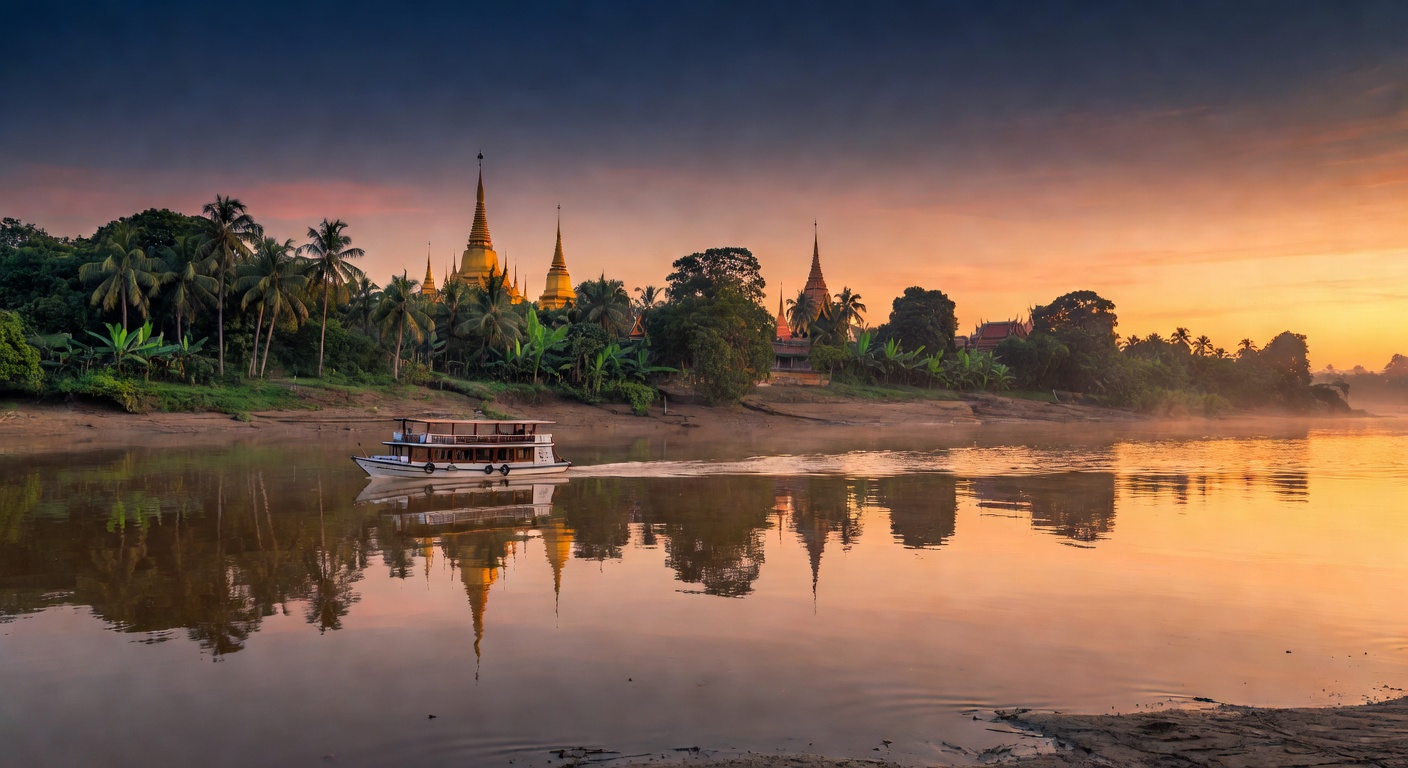
Departure Port Logic
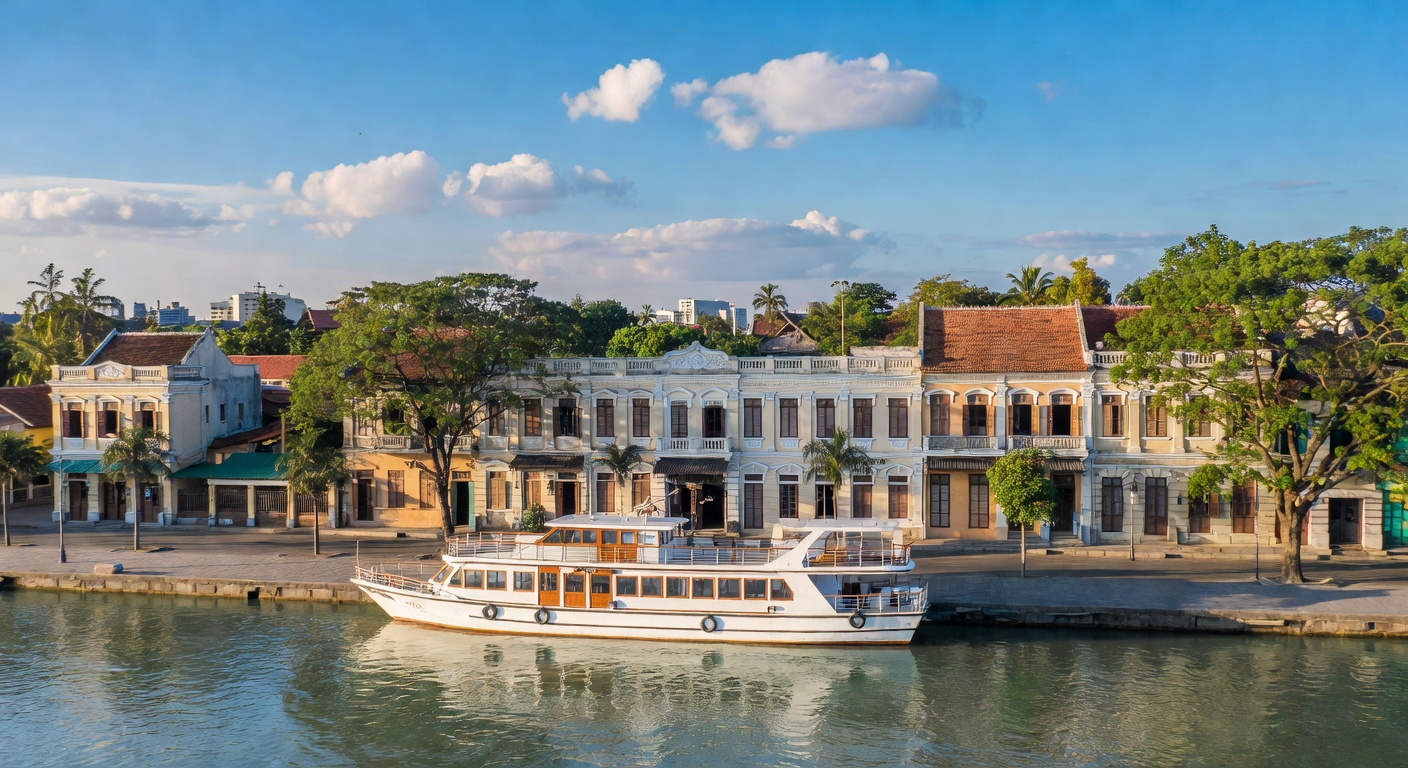
Departing from Phnom Penh means starting in Cambodia — and that changes the trip in ways that go beyond geography. The city itself is a destination: the Royal Palace, the riverside promenade, the food markets, and the sobering history of the Khmer Rouge era all provide a context that colours everything you see on the river in the days that follow. Most operators build a city tour into the embarkation package precisely because Phnom Penh is too significant to treat as a transfer point.
Logistically, Phnom Penh's airport has strong connections to Bangkok and Singapore, which are the two most common gateway cities for Western travellers heading to Southeast Asia. A pre-cruise night in Phnom Penh is highly recommended to buffer against flight delays — there is no same-day recovery option if a connecting flight is missed, because the ships are small and depart on schedule. The reverse direction (starting in Ho Chi Minh City) is equally viable, but starting in Phnom Penh means your trip builds toward the density and energy of the Mekong Delta, which many passengers find to be a more satisfying narrative arc.
Phnom Penh International Airport receives daily direct flights from both cities, with flight times of roughly one and two hours respectively. No nonstop service from Europe or North America.
Cambodia's e-visa system processes in about three business days. Visa-on-arrival is available for US, UK, Australian, and most EU passport holders at approximately $30.
Hotel rates in Phnom Penh are significantly lower than in Bangkok or Singapore, making a one- or two-night pre-cruise buffer both affordable and worthwhile.
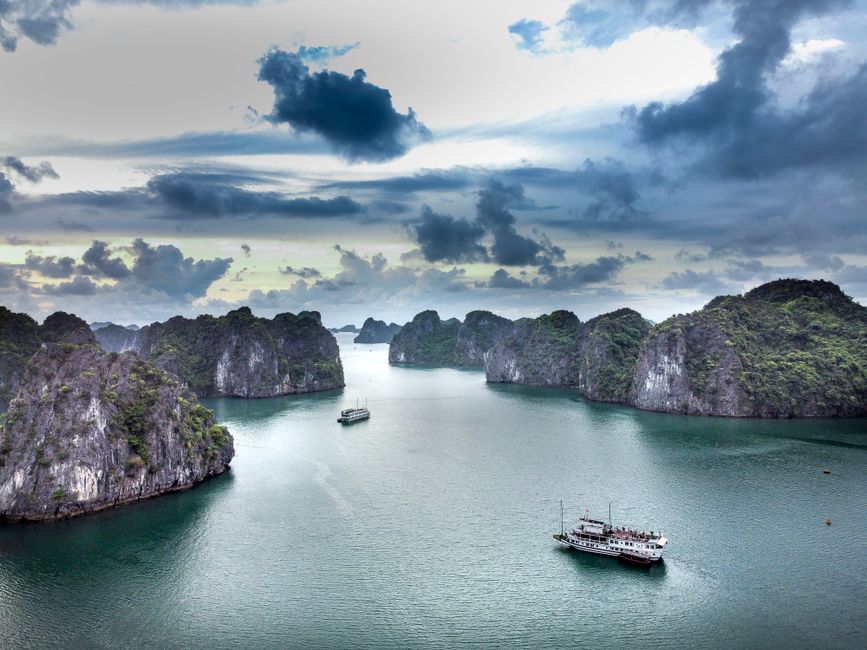
Destination-enrichment focus with a Scandinavian-inflected ship design, following the same structured cultural programme familiar to Viking's European river passengers.
See Viking Mekong cruises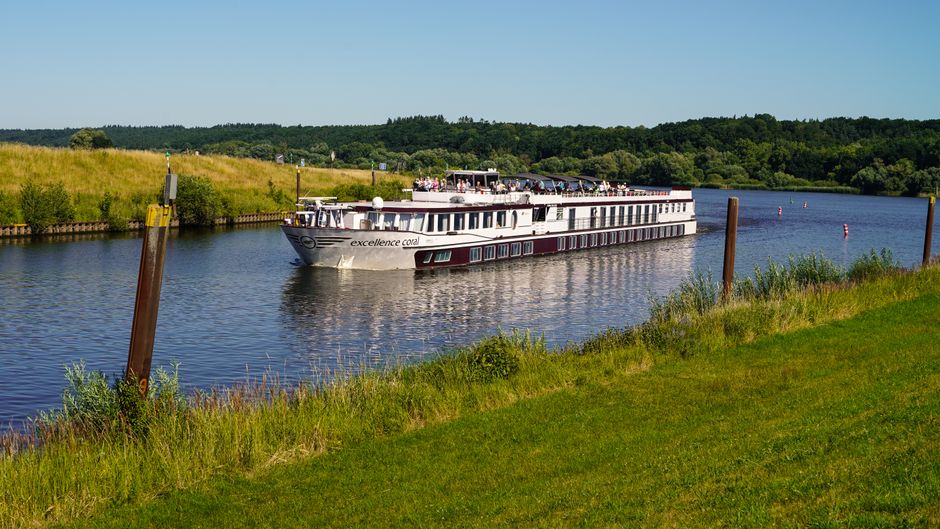
A dining-forward approach on the AmaDara, with a slightly higher emphasis on food quality and a mix of included and optional excursion formats.
See AmaWaterways Mekong cruises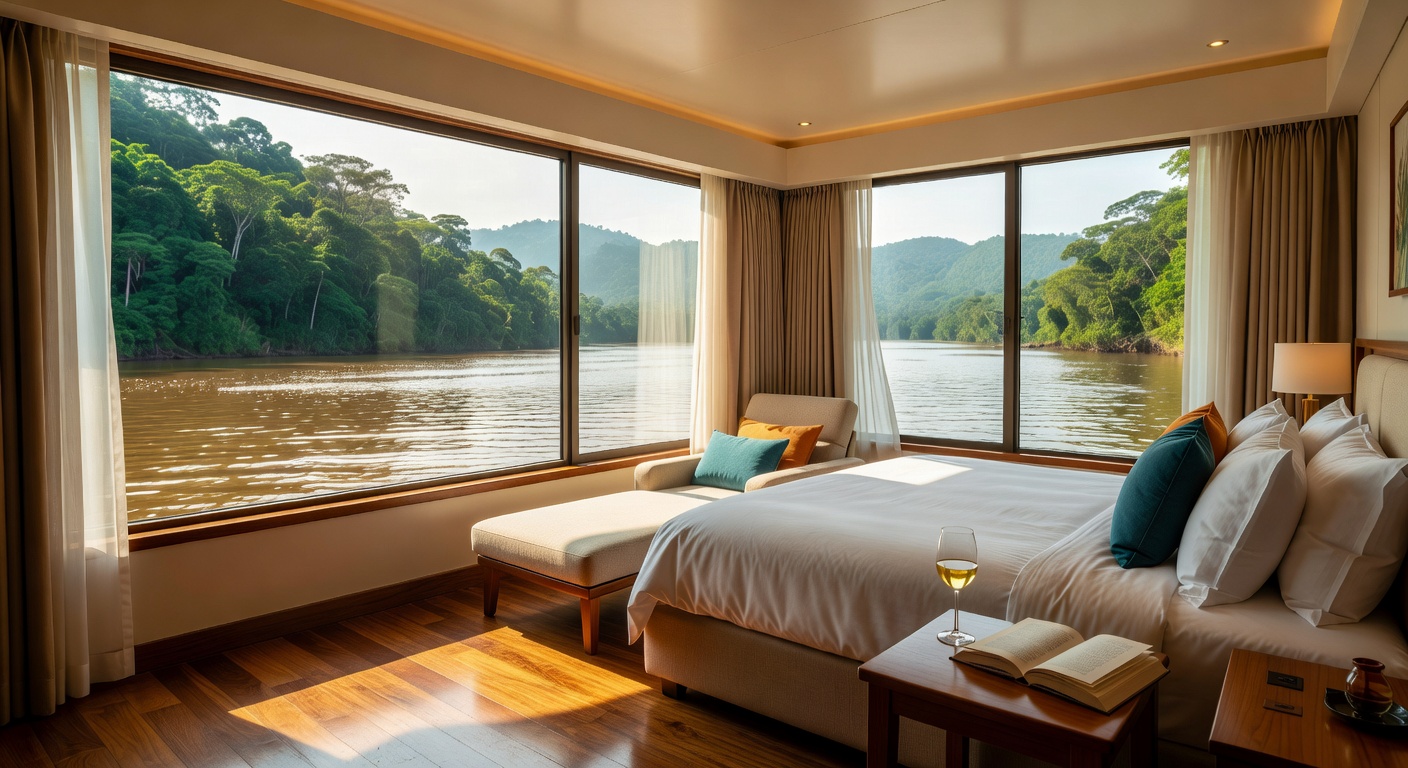
Premium all-inclusive positioning with larger suites, butler service, and spa facilities on the Scenic Spirit.
See Scenic Mekong cruises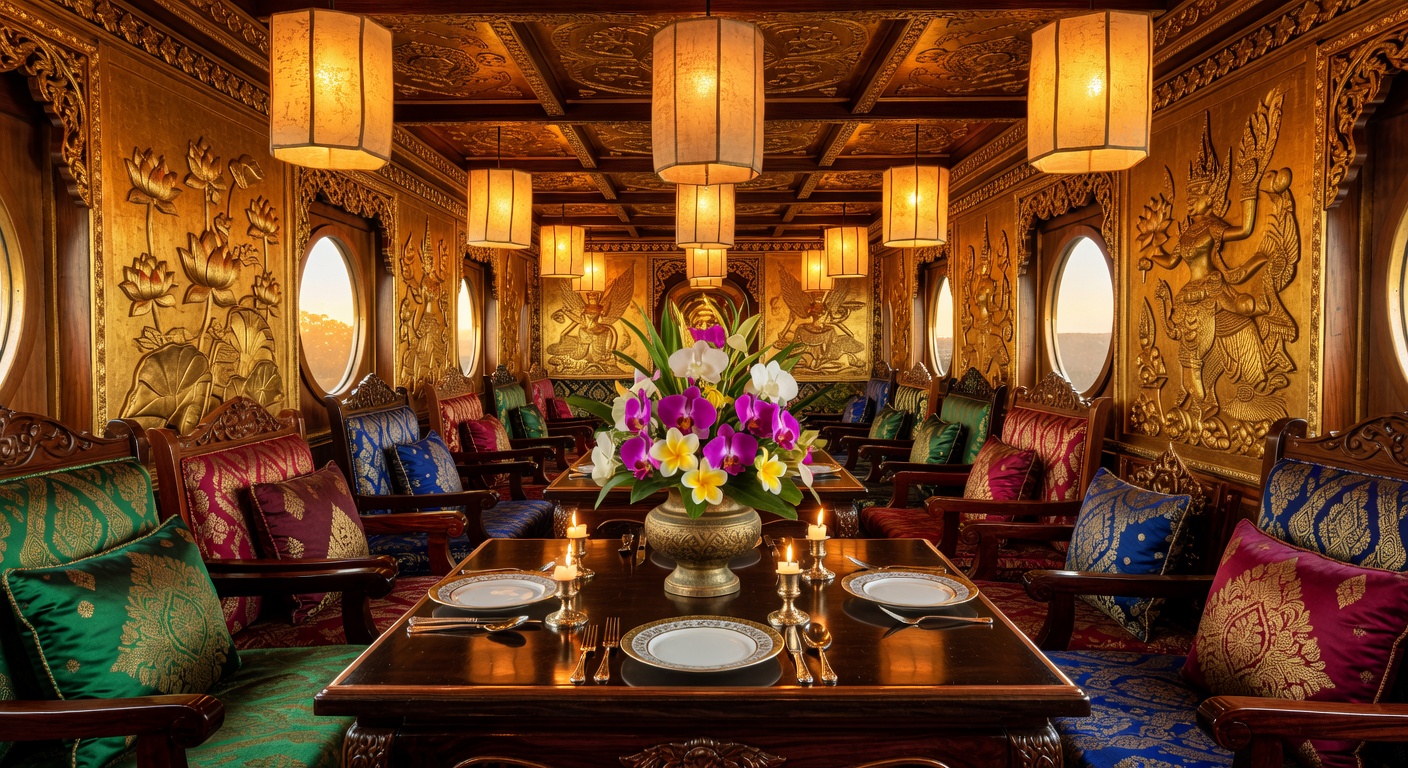
Luxury-tier with ornate ship interiors and a highly curated excursion programme emphasising small-group cultural experiences.
See Uniworld Mekong cruises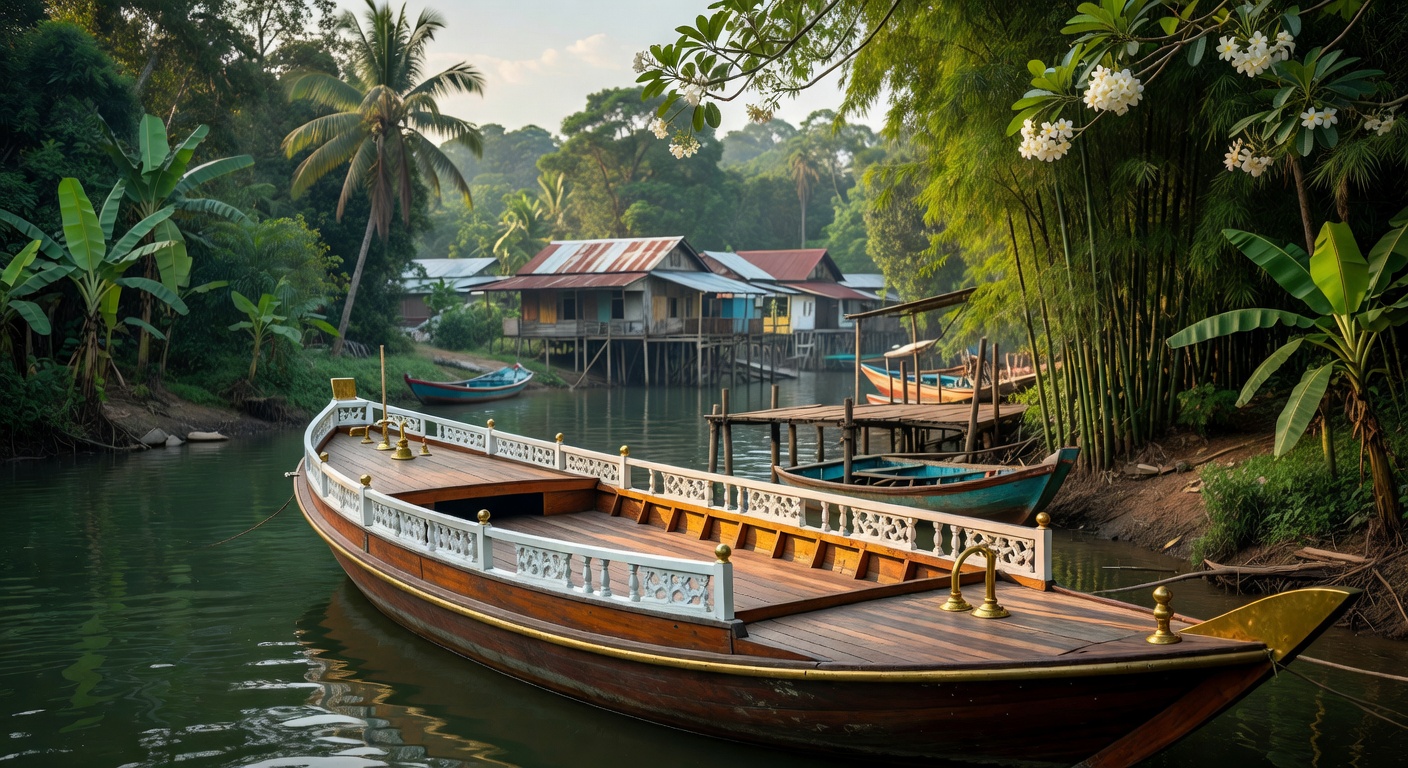
Specialist Southeast Asian river operator with a colonial-style ship design and an expedition-influenced ethos.
See Pandaw Mekong cruises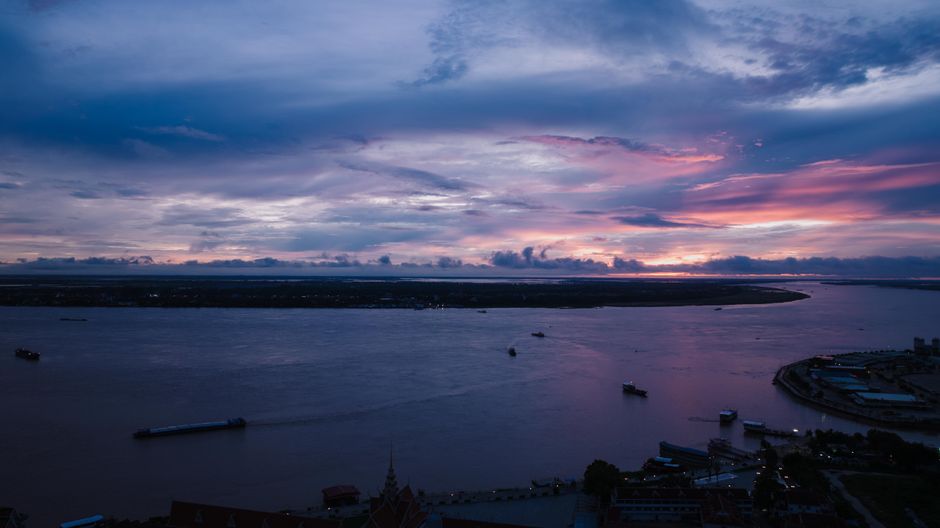
This is a daily-excursion cruise, not a sea-day cruise. Expect to be off the ship for several hours most days, walking through villages, markets, and temples in tropical heat. The river itself is scenic but quietly so — the drama is on the banks, not the water.
The best candidates for this route want to be immersed in a place, not entertained by a ship. If you are happiest with a local guide explaining how fish paste is made in a stilted river village, this is your trip. If you need structured evening programming, it is not.
Phnom Penh requires an international connection through Bangkok or Singapore, and ships are small enough that popular sailings in peak season sell out months ahead. Build in a pre-cruise night, book early for November through February, and confirm visa requirements well before departure.
This route delivers some of the deepest cultural immersion available in river cruising, but it requires comfort with small ships, tropical conditions, and a pace that prioritises villages over amenities. If that tradeoff appeals, few itineraries in Asia reward the commitment more generously.










