




Vietnamese coastal access
Sailings originating here often include Vietnamese ports — Nha Trang, Da Nang, Halong Bay — that Singapore-originating itineraries sometimes skip.


Asia & Asia Pacific from Ho Chi Minh City
Ho Chi Minh City puts you at the southern edge of one of cruising's fastest-growing regions. Sailings from Phu My port thread through Vietnam's coast, across the Gulf of Thailand, and into the broader Southeast Asian corridor — covering ports in Thailand, Cambodia, Malaysia, and Singapore on itineraries that typically run ten to fourteen nights. The route shape favours depth over speed, giving you extended time in each port rather than racing between marquee stops.
This departure point works best for travellers who want to combine a genuine Vietnam experience with a multi-country cruise — and who are comfortable with the added logistics of a port terminal located about ninety minutes from the city centre. The ships that embark here tend to be mid-size and premium-tier, which means smaller crowds at ports and a more intimate onboard atmosphere.

Practical characteristics of sailing Asia from Ho Chi Minh City — what shapes the trip and how it differs from other departure points.
Sailings originating here often include Vietnamese ports — Nha Trang, Da Nang, Halong Bay — that Singapore-originating itineraries sometimes skip.
The port's current infrastructure favours ships carrying 1,000–2,000 passengers, which means less crowded port days and more attentive onboard service.
A typical sailing touches three to five countries in a single voyage — Vietnam, Thailand, Cambodia, Malaysia, and Singapore are common combinations.
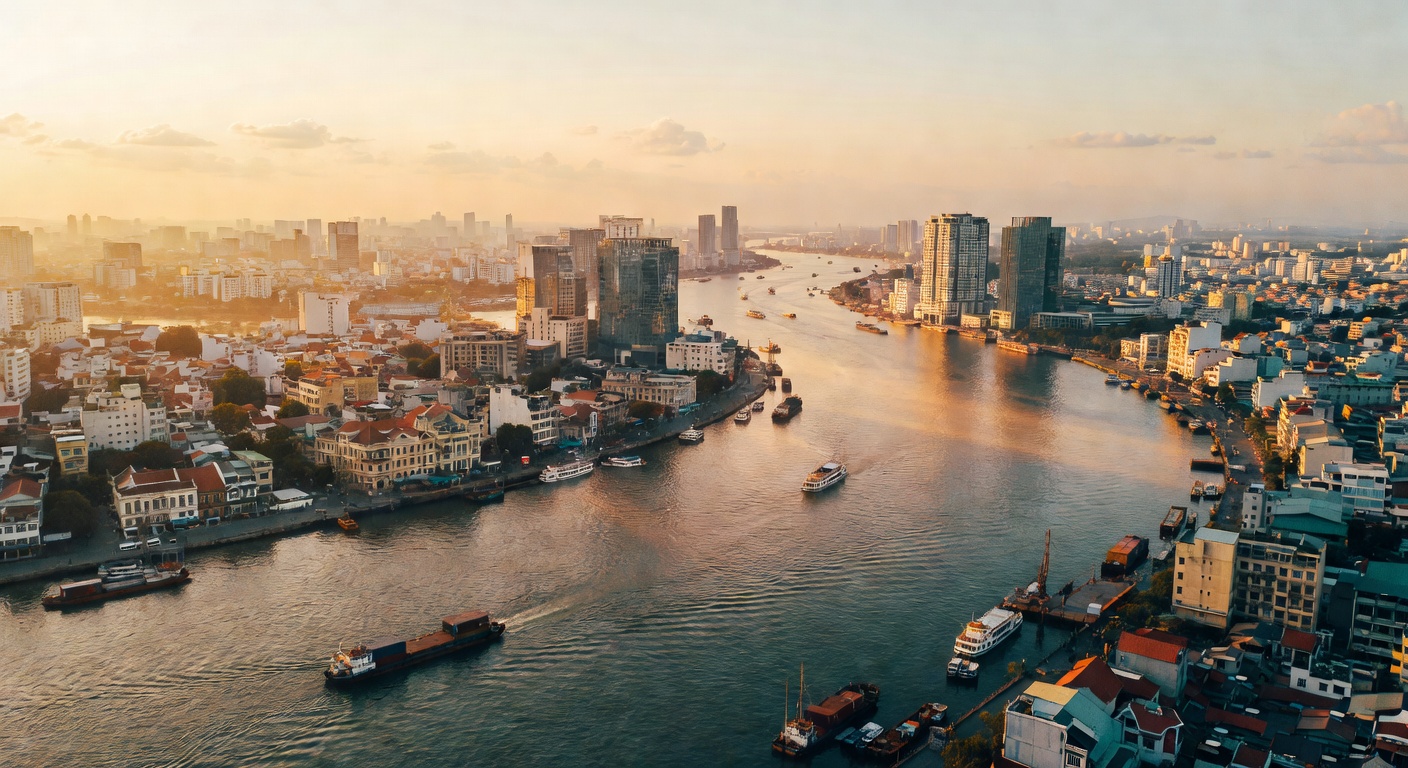
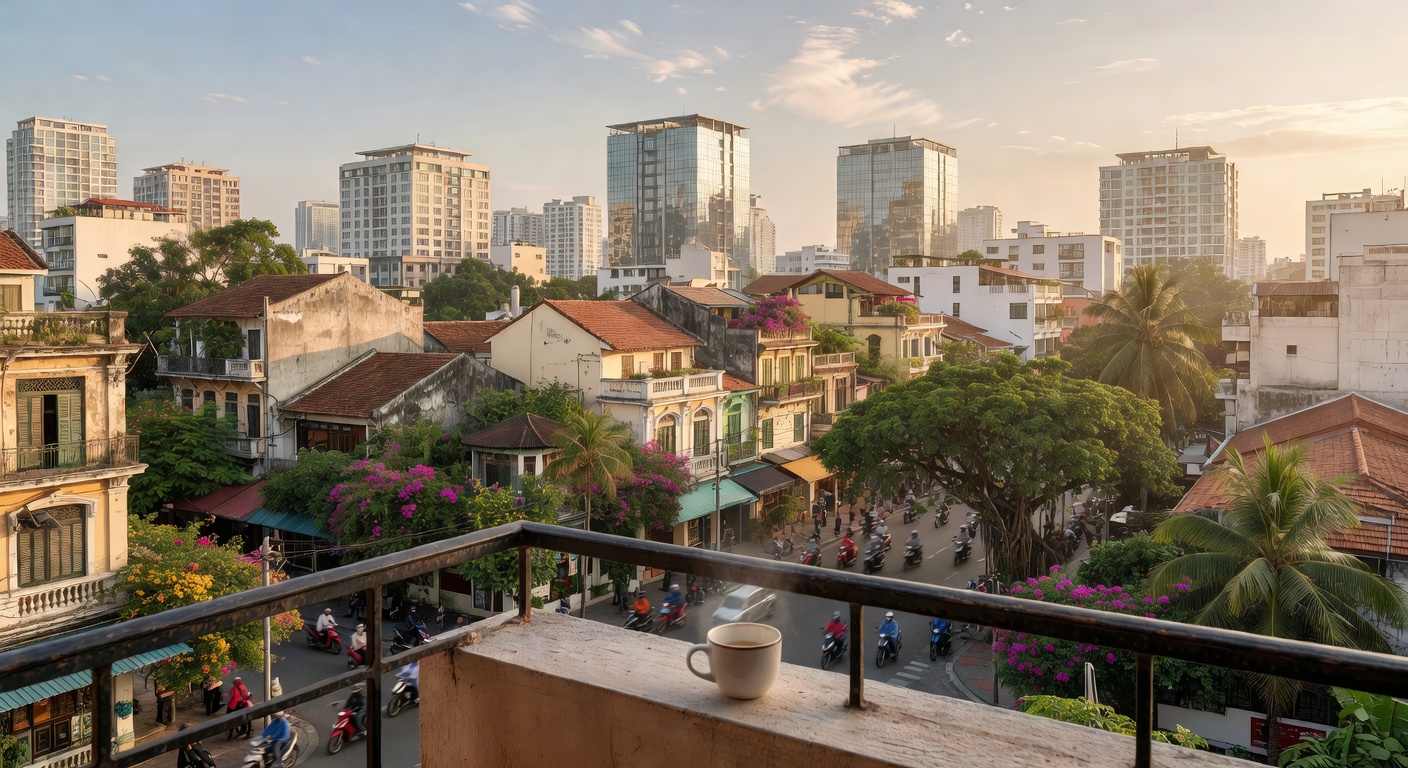
Arriving early gives you access to one of Southeast Asia's most dynamic cities, from District 1's street food scene to the Cu Chi Tunnels and Mekong Delta day trips.
The November-to-April cruise season overlaps neatly with southern Vietnam's dry season, meaning comfortable weather at embarkation and across most itinerary ports.
Seasonal ship movements create longer one-way sailings to Hong Kong, Japan, or Australia at competitive per-night pricing.
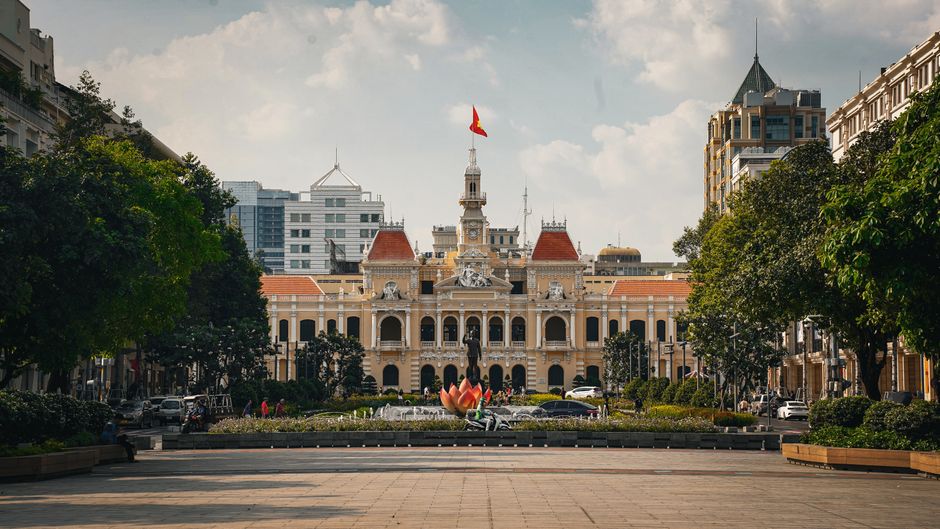
If you have already sailed from Singapore or Hong Kong and want a fresh perspective on Southeast Asia — with Vietnamese coastal stops and a compelling pre-cruise city — Ho Chi Minh City delivers something genuinely different.

Starting here lets you build a land-and-sea itinerary naturally. Spend days in the city and the Mekong Delta before boarding a ship that carries you through the rest of the region.
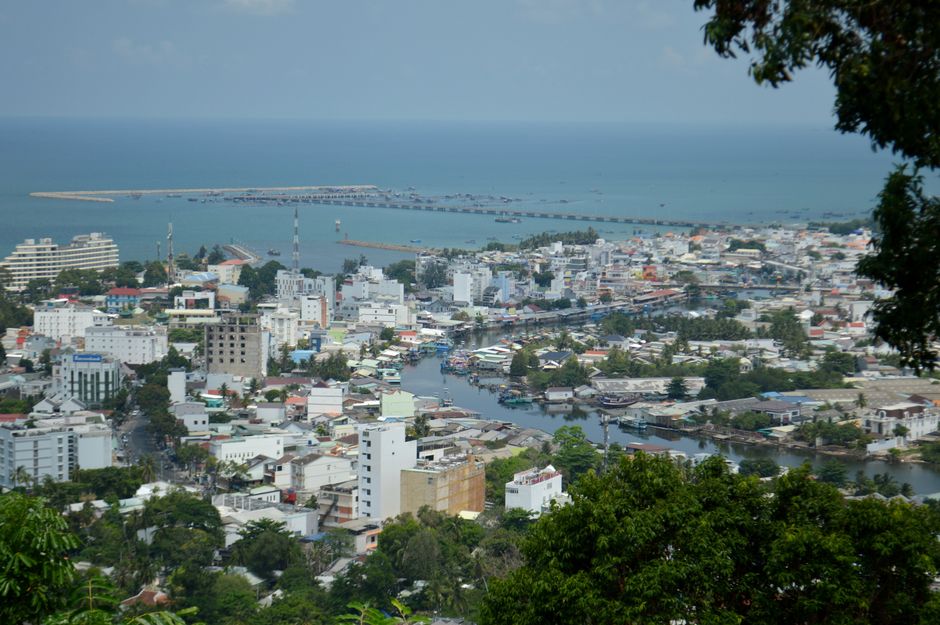
The Phu My port transfer, less frequent departure dates, and developing terminal facilities add friction. Singapore offers a smoother first experience if embarkation convenience matters most to you.
The ships operating from Ho Chi Minh City are predominantly premium and luxury mid-size vessels. If waterslides, kids' clubs, and four-night getaways are the priority, Singapore departures on Royal Caribbean or Norwegian are a better match.

Departure Port Logic
Choosing Ho Chi Minh City over Singapore or Hong Kong as your embarkation point reshapes the trip in two material ways. First, the itinerary itself tends to include more Vietnamese coastal ports — Nha Trang, Chan May (for Hue and Da Nang), and sometimes Halong Bay — because the sailing begins where those stops are geographically convenient. Singapore-originating ships often bypass Vietnam's central coast to keep routing efficient. Second, the pre-cruise experience is fundamentally different. Rather than arriving at a polished, cruise-optimised city terminal, you are arriving in one of Asia's most kinetic cities and making the journey to the ship part of the story.
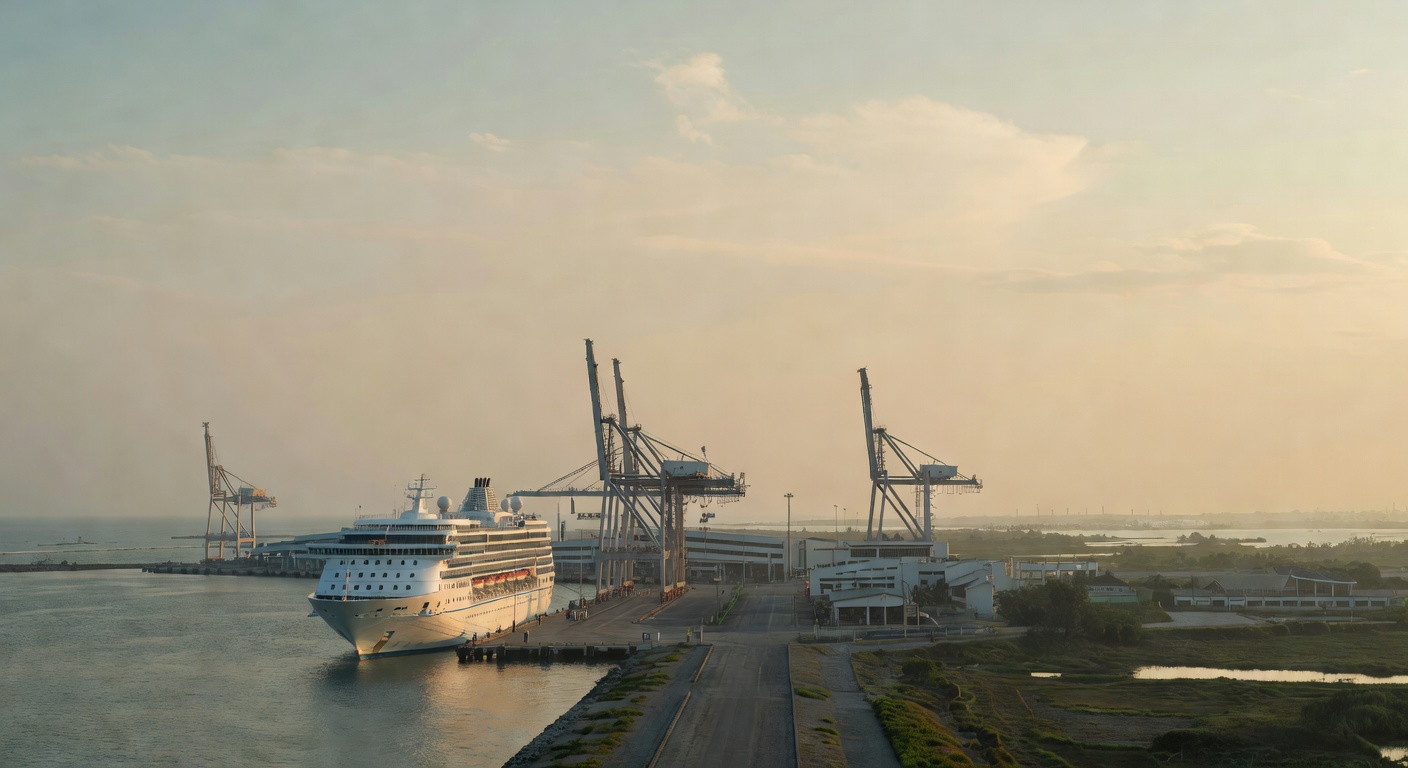
The tradeoff is operational friction. Phu My port is a working commercial port that handles cruise ships, not a purpose-built cruise terminal. The transfer requires planning, the departure calendar is thinner, and the ships available are smaller. These are not problems — they are characteristics. They suit travellers who value the destination experience more than embarkation smoothness and who see the departure city as part of the trip, not just a logistics waypoint.
Plan for a ninety-minute road transfer. Shuttle services are available through most cruise lines, and independent car services are easy to arrange. Arriving the day before is the most comfortable approach.
District 1 hotels, the Mekong Delta, and the Cu Chi Tunnels are all accessible within one to two pre-cruise days and add genuine depth to the trip.
Ho Chi Minh City plans to invest in three international passenger ports by 2030, including a facility at Vung Tau. Future sailings may benefit from improved terminal access.


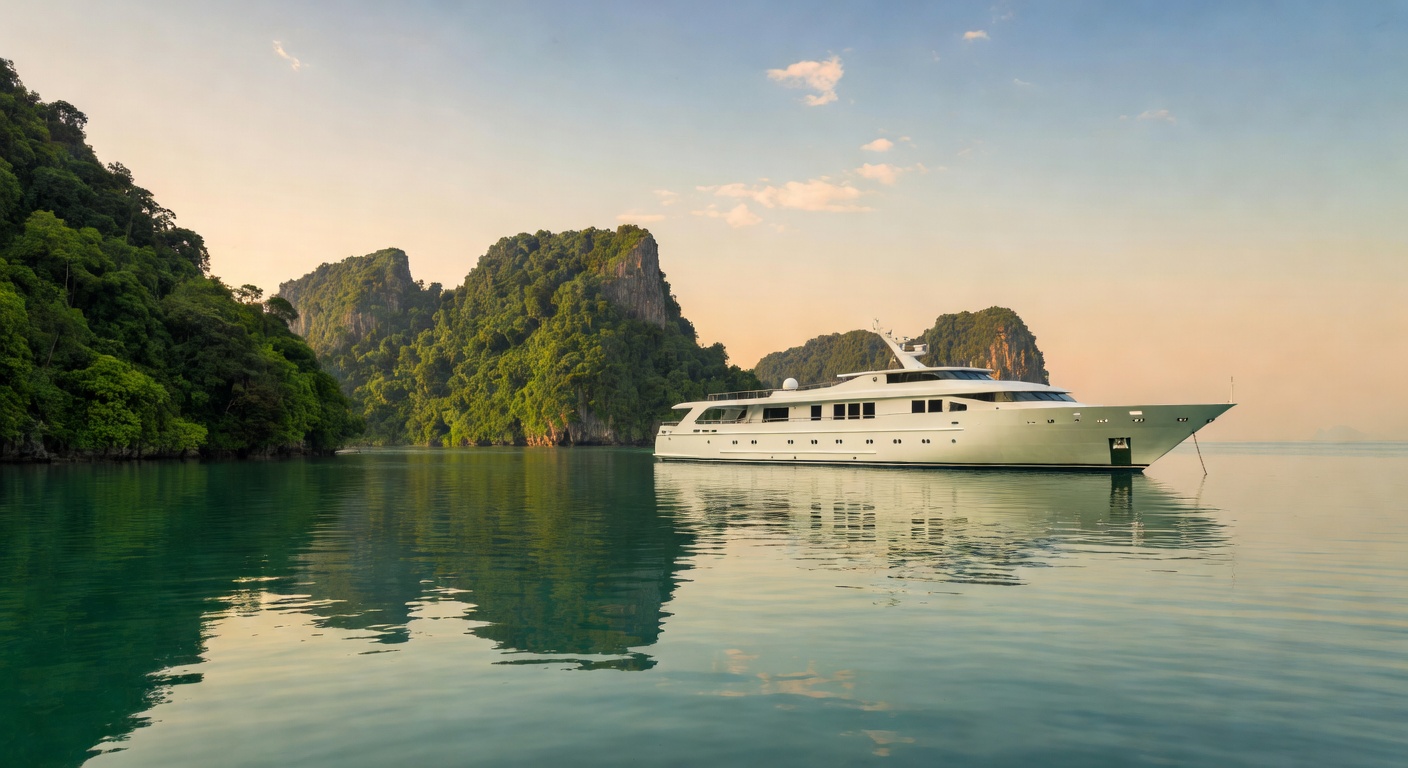
Emerald Cruises operates yacht-style small ships on Southeast Asia routes, with Ho Chi Minh City featuring as an embarkation or disembarkation point on regional sailings that move through Vietnam, Cambodia, Thailand, and beyond — pairing ocean legs with destination depth rather than port-count speed.
Explore Emerald Cruises sailings
Viking River brings its structured, culturally oriented approach to the Mekong corridor, with sailings that connect Vietnam and Cambodia along the river rather than the open South China Sea — making Ho Chi Minh City a natural gateway city for itineraries that push upriver toward Phnom Penh and Siem Reap.
View Viking River Mekong sailings
AmaWaterways runs the Mekong between Vietnam and Cambodia, with Ho Chi Minh City serving as the natural bookend for sailings that travel the river between the delta and Angkor — a route that prioritises cultural immersion over coastal itinerary breadth.
See AmaWaterways Mekong options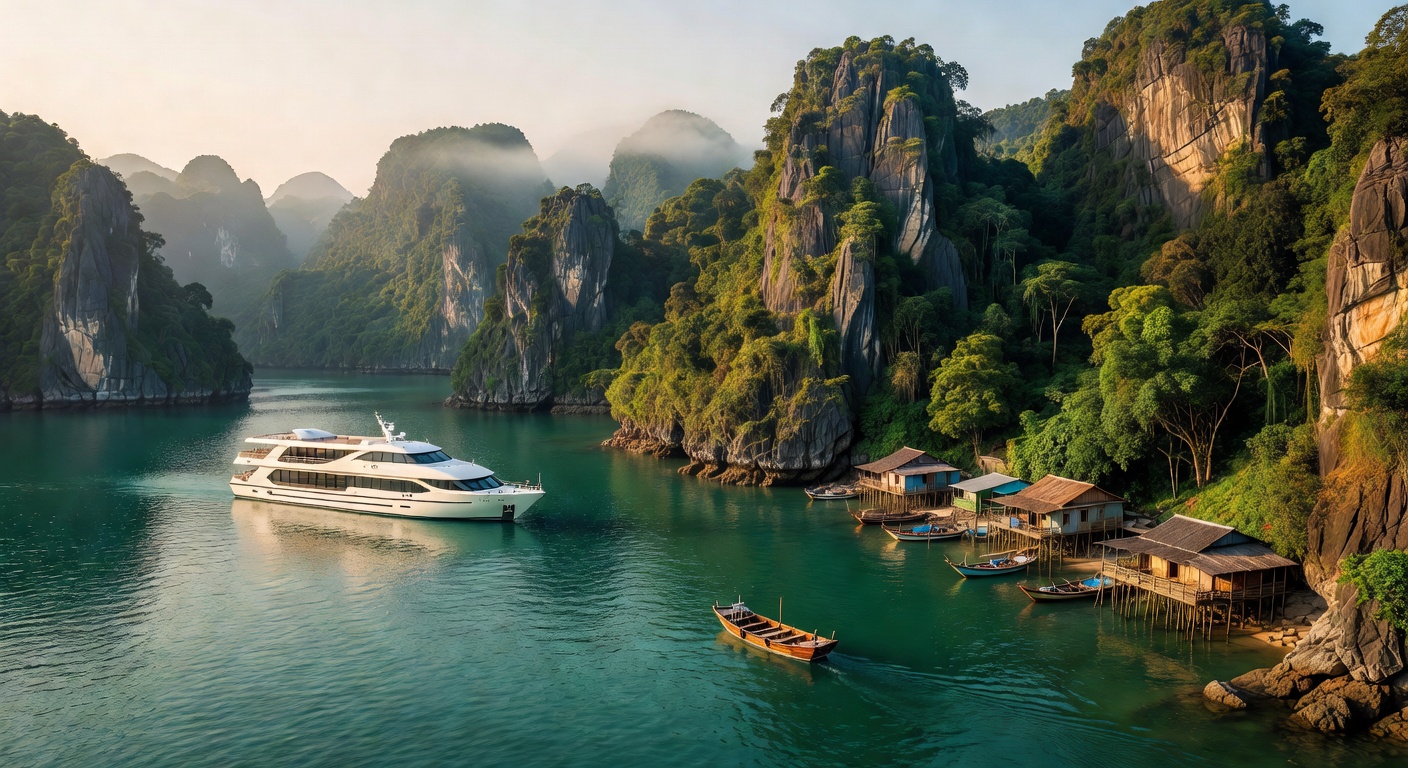
Scenic operates on the Mekong between Vietnam and Cambodia with an all-inclusive, luxury-tier river cruise approach — positioning Ho Chi Minh City as a gateway to a closely curated sailing experience that emphasises comfort, included experiences, and unhurried pacing along the river.
Explore Scenic Mekong sailings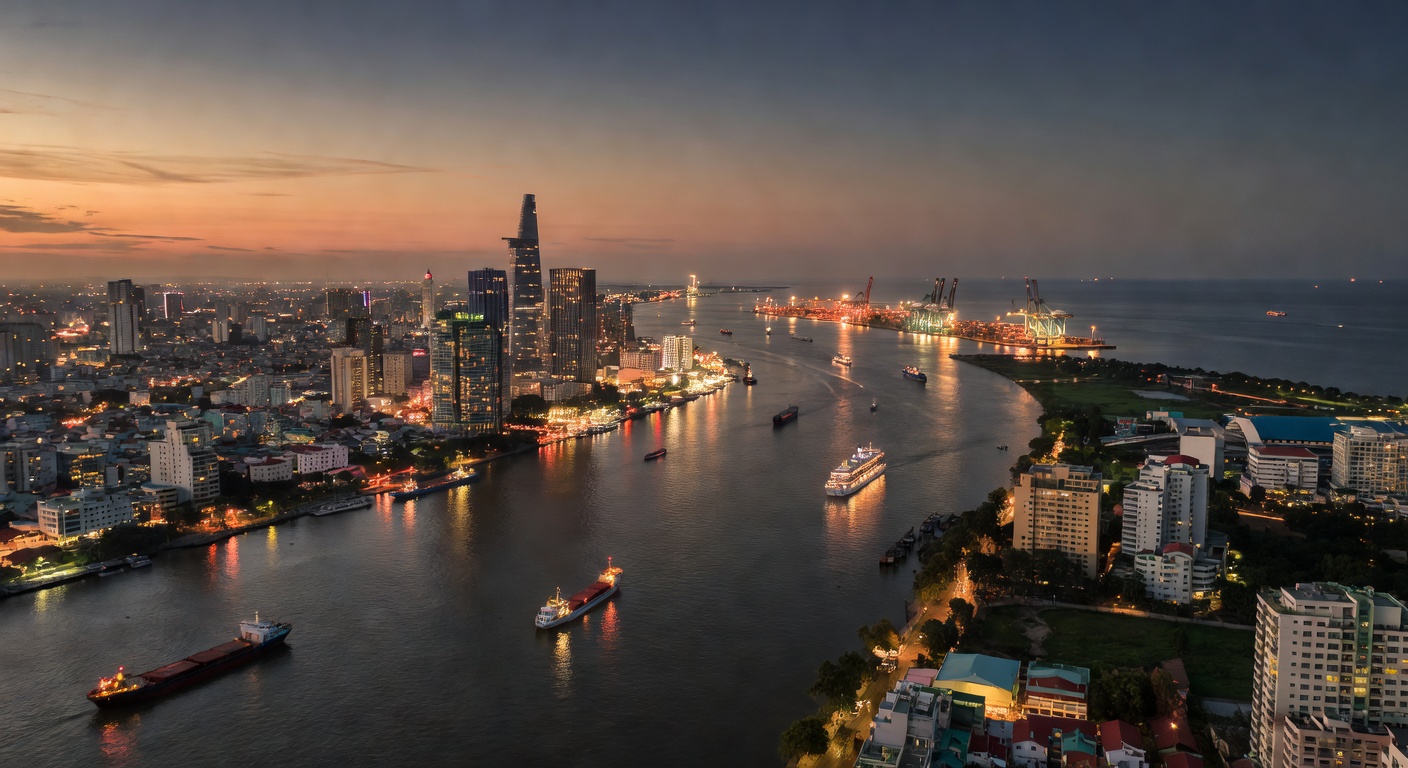
Expect ten-to-fourteen-night sailings that prioritise time in port over sea days. The rhythm is destination-intensive — you are visiting countries, not passing them. This suits travellers who want to see places, not just be on a ship.
Ho Chi Minh City rewards an extra day or two before embarkation. If you view the pre-cruise as part of the experience rather than a logistics hurdle, this departure port delivers more than the usual starting point.
You get a distinctive starting point and itineraries with Vietnamese coastal depth. In return, you accept a ninety-minute port transfer, fewer departure dates, and smaller ships. The exchange is worth it for the right traveller — but only if you know it going in.

Ho Chi Minh City is the Asia departure port for travellers who want cultural depth from the moment the trip begins — but the Phu My transfer and thinner departure calendar mean it rewards planning more than spontaneity.










