




Built-in pre-cruise city stay
The three-to-four-hour port transfer means arriving in Hanoi the night before embarkation is essential, which naturally creates a two-night city stay most travellers end up grateful for.



Asia and Asia Pacific from Hanoi
Hanoi is not a conventional embarkation city — it is landlocked, roughly 160 kilometres from the port at Ha Long — but that distance is exactly what makes this pairing distinctive. Starting a Southeast Asia cruise from Vietnam's capital means spending time in one of the region's most culturally immersive cities before boarding, and sailing itineraries that concentrate on Vietnam, Thailand, Cambodia, Singapore, and Malaysia during the November-to-April season.
This route suits travellers who value cultural depth over embarkation convenience. The port transfer adds planning effort, but it also adds context — you arrive on the ship already oriented to the region rather than adjusting from a sterile terminal. Premium and expedition lines dominate the options, making this a pairing that skews toward experienced cruisers and couples seeking something materially different from the Caribbean or Mediterranean.
Practical characteristics of cruising Asia and Asia Pacific from Hanoi — what shapes the experience and why it matters for planning.
The three-to-four-hour port transfer means arriving in Hanoi the night before embarkation is essential, which naturally creates a two-night city stay most travellers end up grateful for.
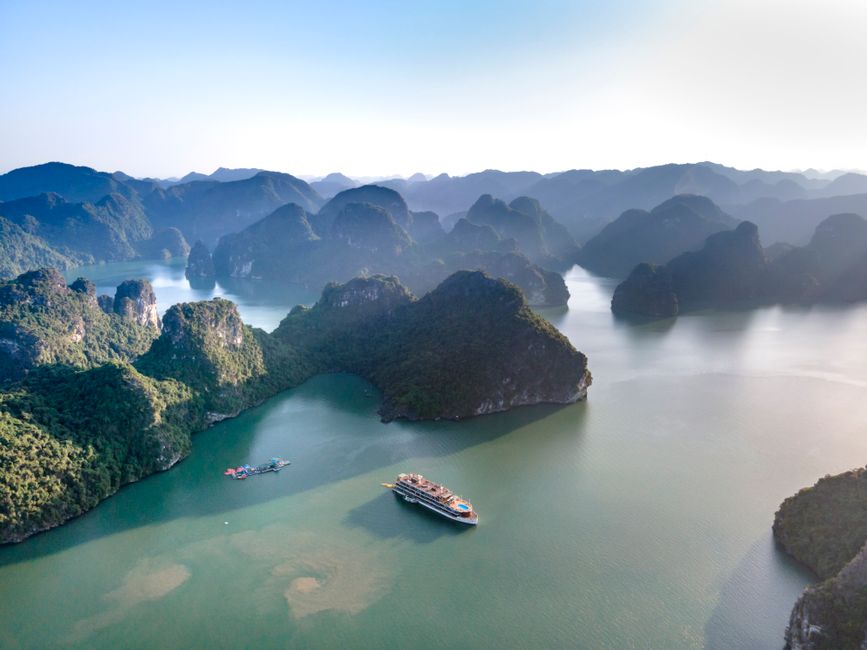
Ships departing from Ha Long port sail directly through one of the most dramatic seascapes in Southeast Asia within the first hours of the cruise.
Most itineraries run November through April, aligning with the driest and most comfortable weather across Vietnam, Thailand, and Cambodia.
Premium and expedition lines dominate this route, meaning passenger counts are lower and ships can access ports that mega-ships cannot.
A single 10-to-14-night sailing can cover Vietnam, Thailand, Cambodia, Singapore, and Malaysia — five distinct cultures, cuisines, and landscapes.
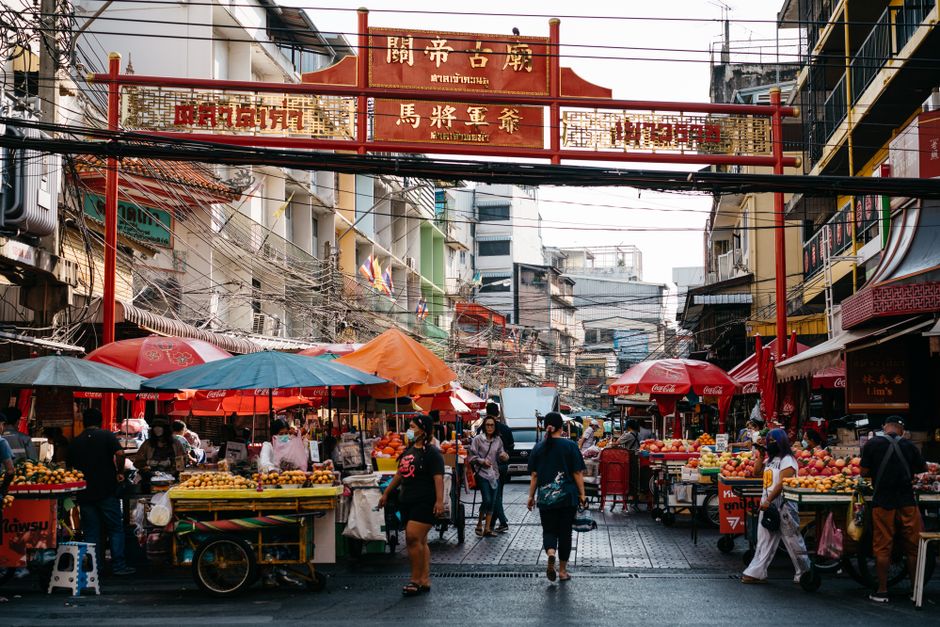
Ports in Southeast Asia reward early starts and active exploration — temple complexes, street food markets, and city walks rather than beach lounging.
If you have done the Caribbean and the Mediterranean and want something that feels genuinely different, this route delivers. The ports reward curiosity, the ships are intimate, and the pre-cruise stay in Hanoi adds a dimension most embarkation cities cannot match.
The premium and expedition lines that dominate this route cater well to couples and solos who prioritise destination experience over onboard entertainment. The smaller ship sizes create a social atmosphere without the crowds.

The ships that sail from Hanoi are generally not the mega-ships with extensive children's programming. Shore days involve heat, walking, and cultural sites that may not hold young attention spans. The three-to-four-hour port transfer adds a logistical layer that can be stressful with small kids.
If you prefer the simplicity of walking off a flight and onto a ship — as you can in Singapore or Hong Kong — this is not that. The inland-to-coast transfer is manageable but requires planning, and there is no shortcut around it.

Departure Port Logic
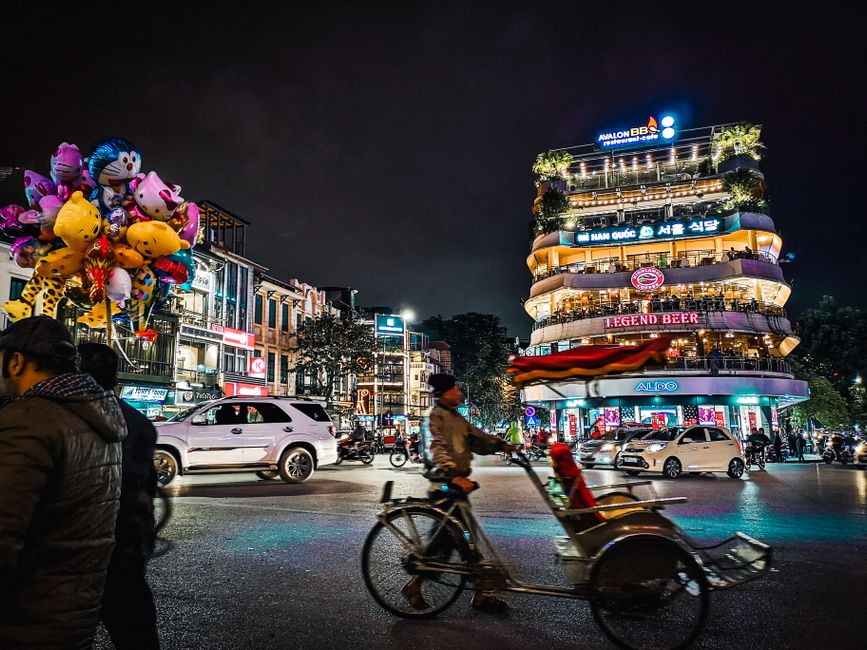
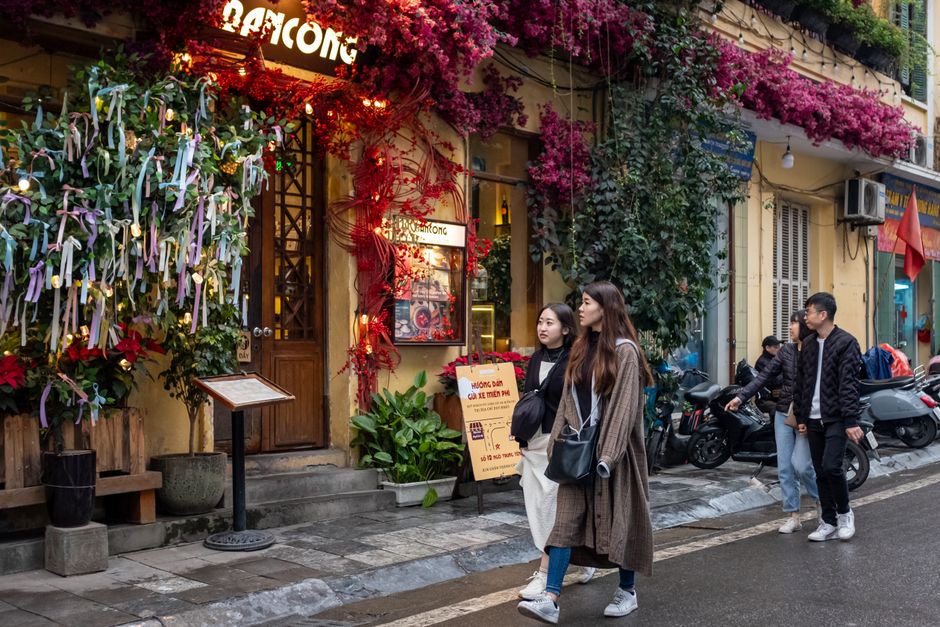
Hanoi is not just a logistical starting point — it is a cultural anchor that shapes how the rest of the itinerary feels. Spending two nights in the Old Quarter before you board means you arrive on the ship already tuned to the rhythms of Southeast Asia: the food, the pace, the sensory density. Ports that follow — whether that is Bangkok, Sihanoukville, or Singapore — feel like continuations of a story rather than disconnected stops.
The practical trade-off is real. The three-to-four-hour coach transfer to Ha Long port adds a variable that does not exist when you embark in Singapore or Hong Kong. You need to arrive a night early, you need to budget time for the transfer, and you are dependent on road conditions. Cruise lines that regularly use Ha Long have polished the transfer experience — many include a city tour along the way — but it is still an extra step that some travellers will not want.
Approximately 3–4 hours by coach. Most cruise lines offer organised transfers, often with a built-in city tour or scenic stop. Independent transfer by private car is also available.
About 45 minutes from Hanoi's Old Quarter by taxi or Grab. Direct international connections from London, major Asian hubs, and Australian cities.
Two nights minimum recommended. Old Quarter boutique hotels from around $40–$70/night; international chains $120–$200/night. The food scene alone justifies the extra time.
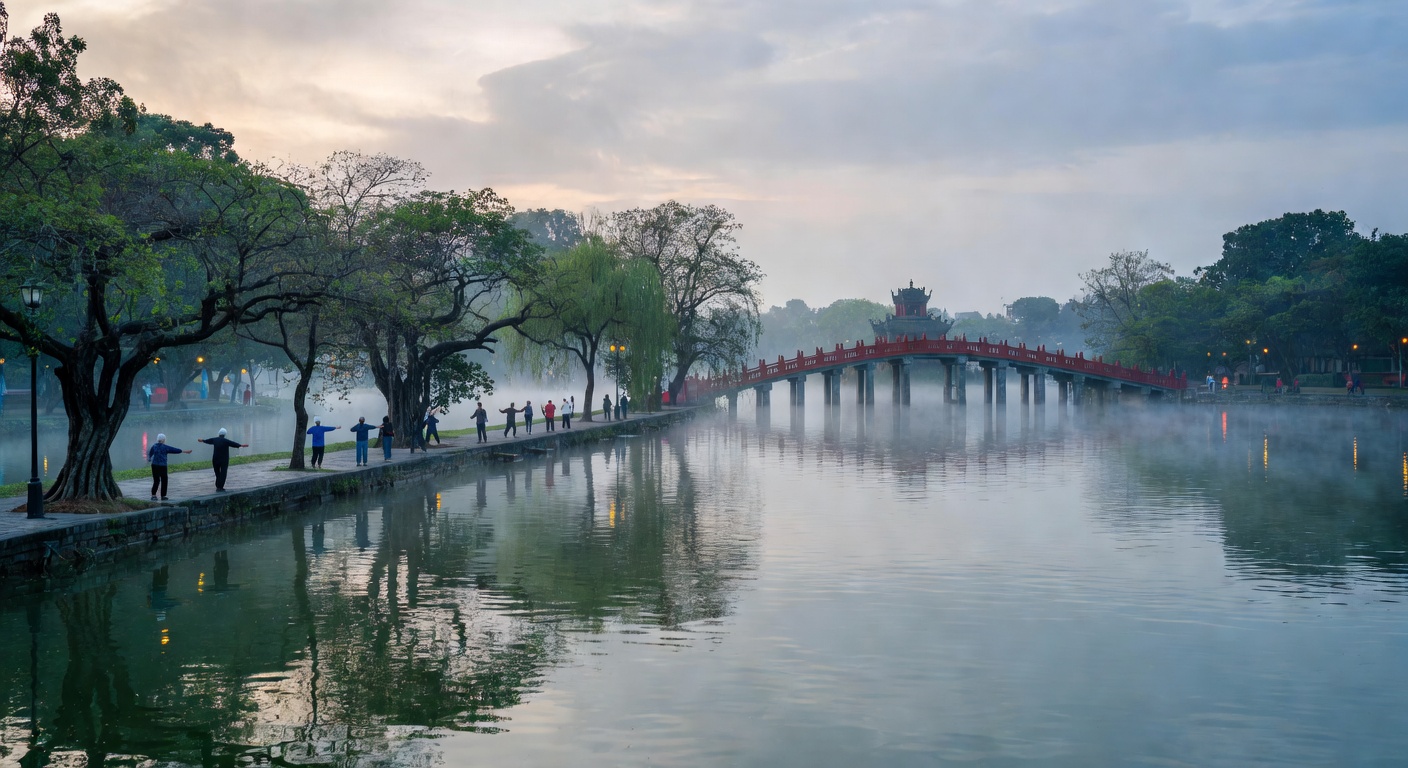
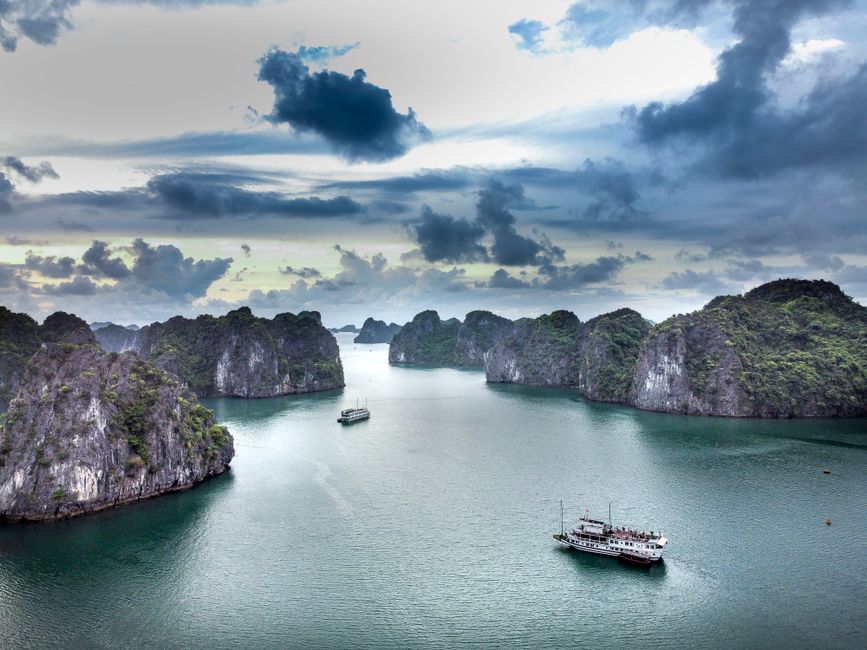
Emerald Cruises approaches the Hanoi gateway with small-ship ocean itineraries that weave between Vietnam, Thailand, Cambodia, and Singapore, keeping group sizes intimate and port time generous for meaningful shore exploration.
Explore Emerald Cruises sailings from Hanoi
Viking River connects the Hanoi region to the wider Mekong and Southeast Asia river network, with itineraries that prioritise cultural depth over distance — moving slowly through Vietnam and Cambodia in a way that ocean loops cannot.
View Viking River itineraries from Hanoi
Avalon Waterways runs river itineraries through the Mekong basin and Vietnam's inland waterways, with an emphasis on open-air immersion and a slightly more flexible approach to shore time than some comparable lines.
Browse Avalon Waterways sailings from Hanoi.jpeg)
Scenic operates all-inclusive luxury river voyages through Southeast Asia, with itineraries centred on the Mekong that treat the journey itself — not just the ports — as a core part of the product.
See Scenic luxury sailings from Hanoi
This is a cruise for travellers who want to be off the ship as much as on it. Shore days in Southeast Asia are active, sensory, and sometimes physically demanding. The reward is depth — you come back understanding the region, not just having seen it from a tender.
The Hanoi port transfer, variable weather in winter months, and the sheer cultural distance from typical Western cruise ports all reward a mindset of flexibility. Travellers who embrace the unfamiliar will get the most from this route.
Starting from Hanoi adds a transfer day, requires an advance arrival, and limits your line choices compared to Singapore or Hong Kong. What you gain is a richer starting context and itineraries that lean into Vietnam rather than treating it as a single port call on a broader loop.
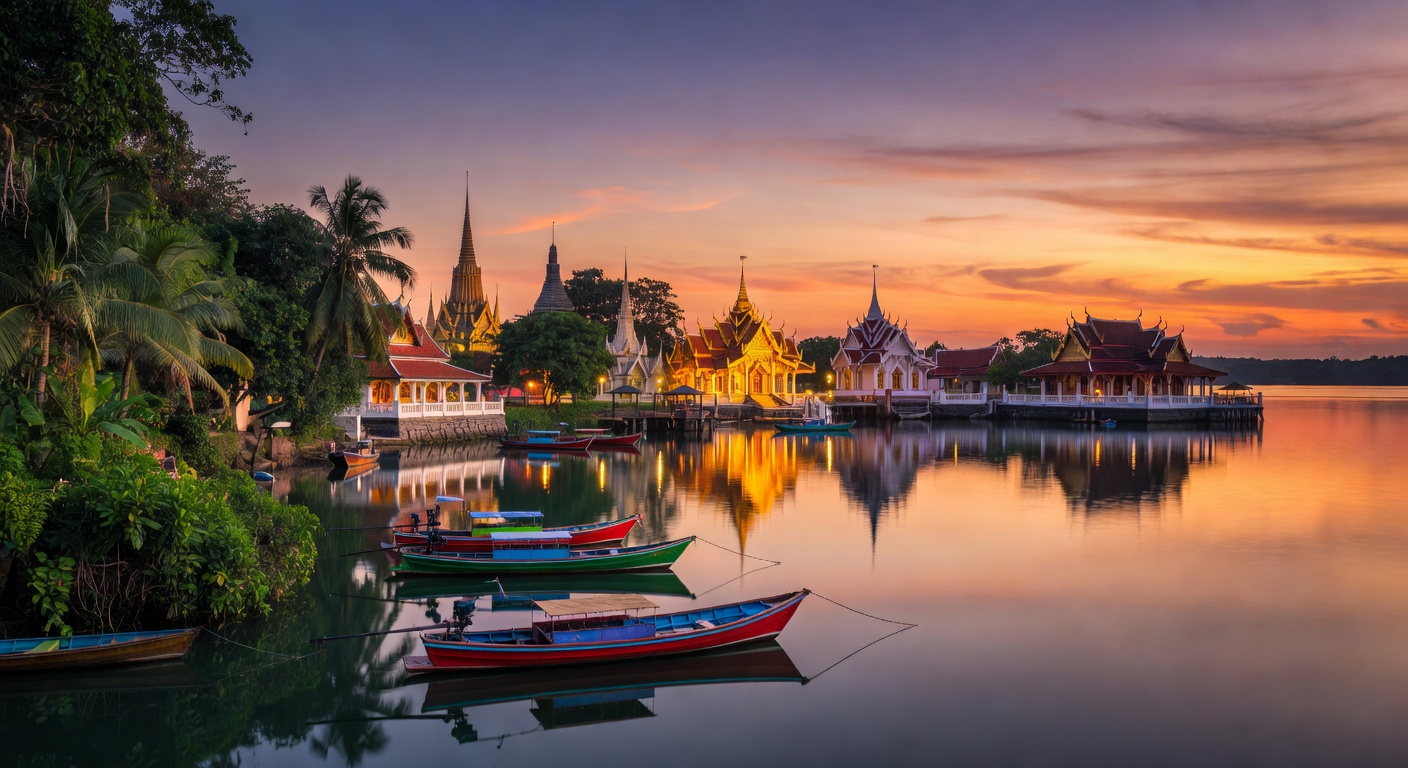
Asia and Asia Pacific cruises from Hanoi are built for travellers who want cultural immersion from the moment they land, not just the moment they board — but the inland port transfer and seasonal availability mean this route rewards planning more than most.










