




Gulf of Alaska crossing
A full sea day across open ocean connects Southcentral and Southeast Alaska — rougher than the Inside Passage but essential for accessing glaciers like Hubbard.

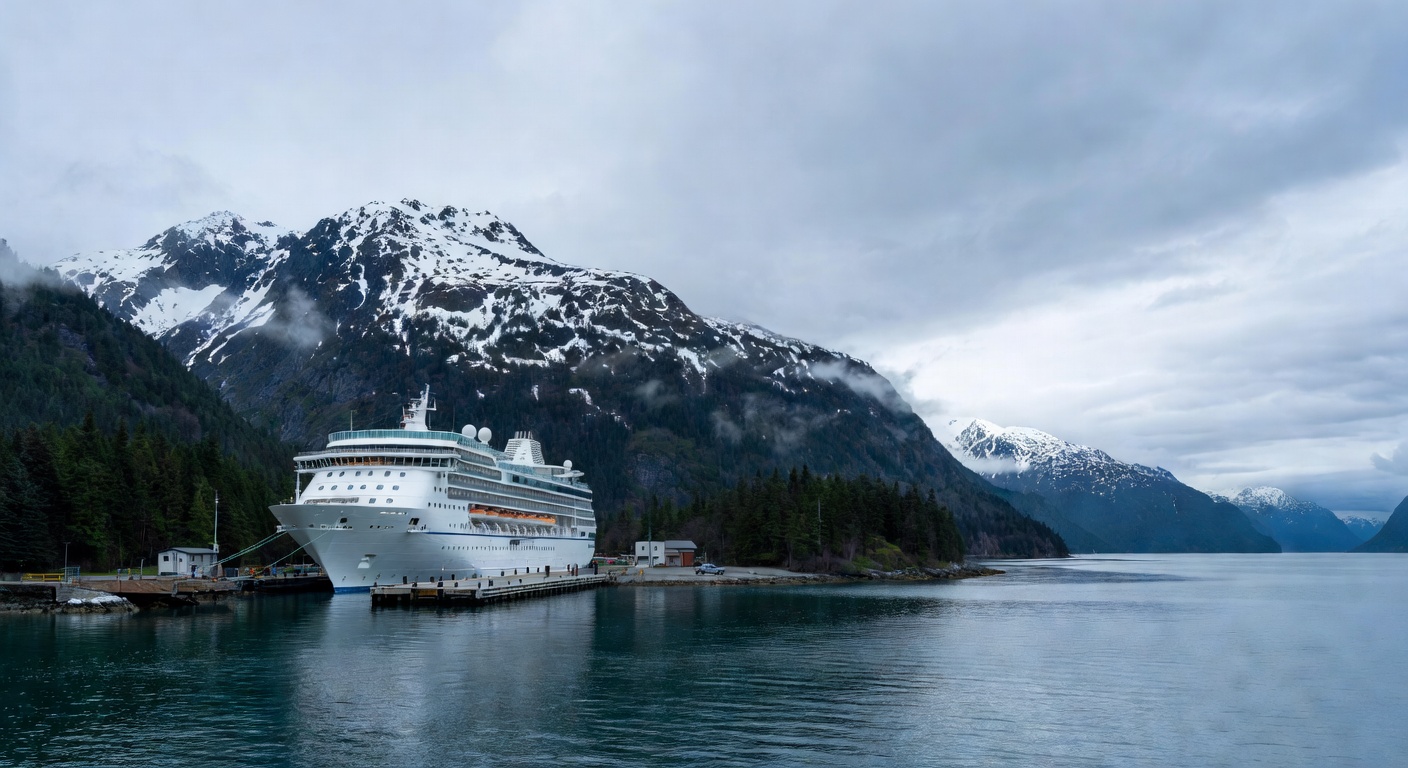
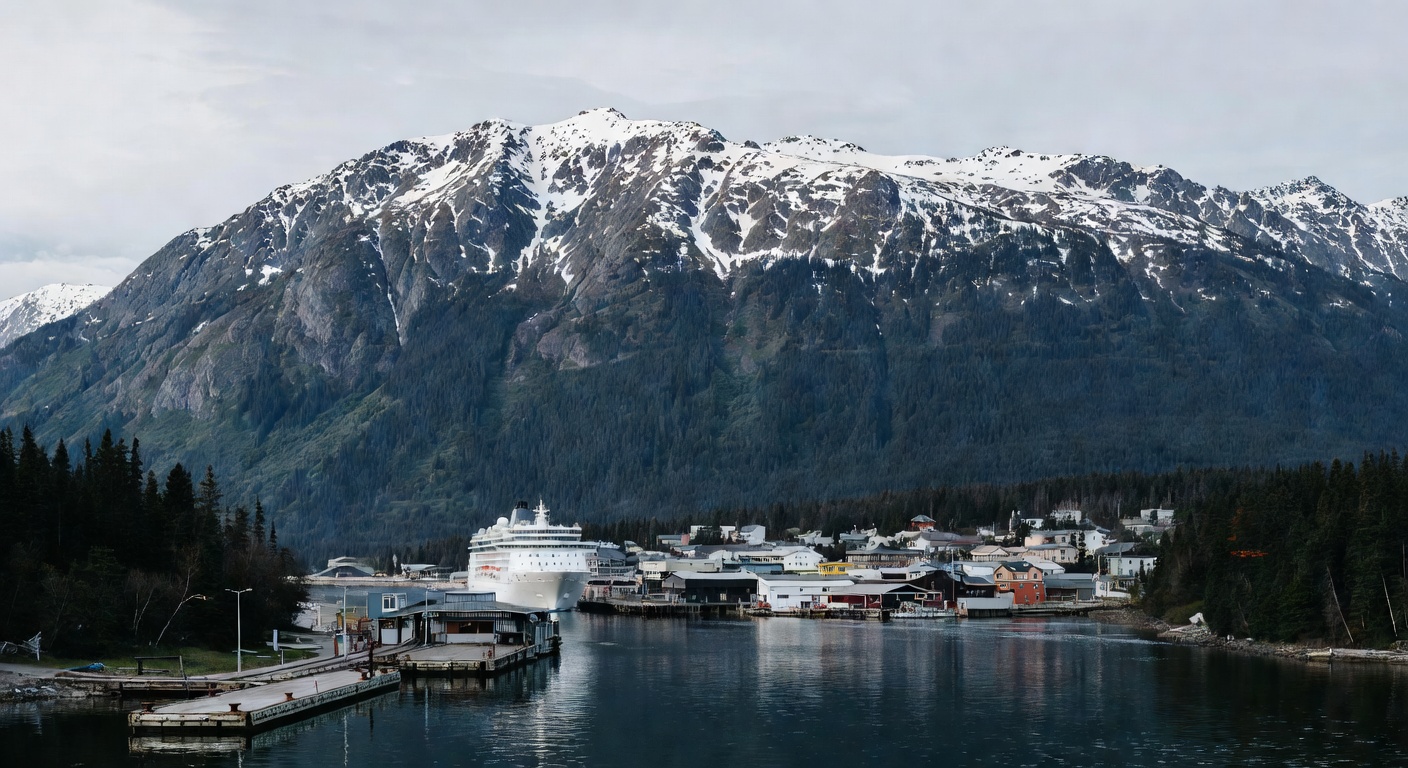
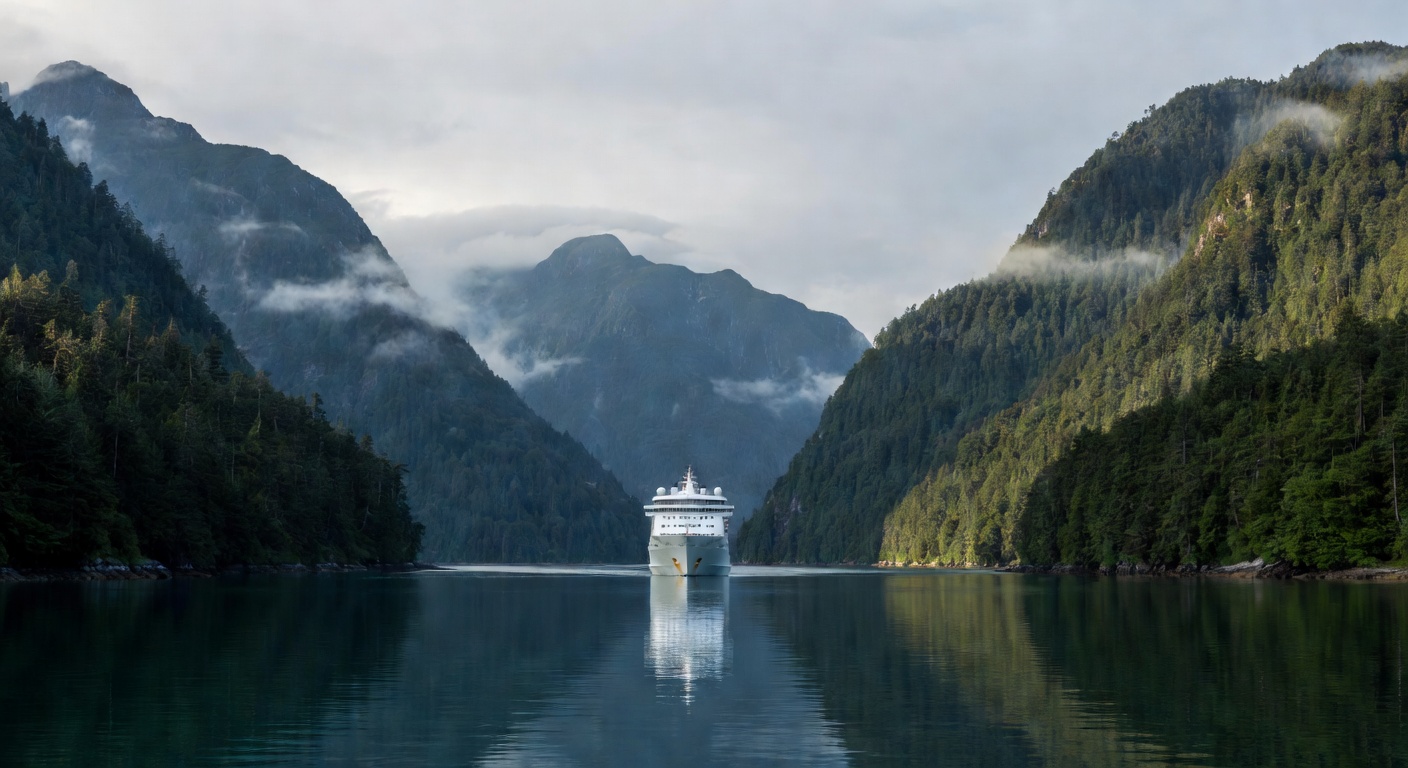
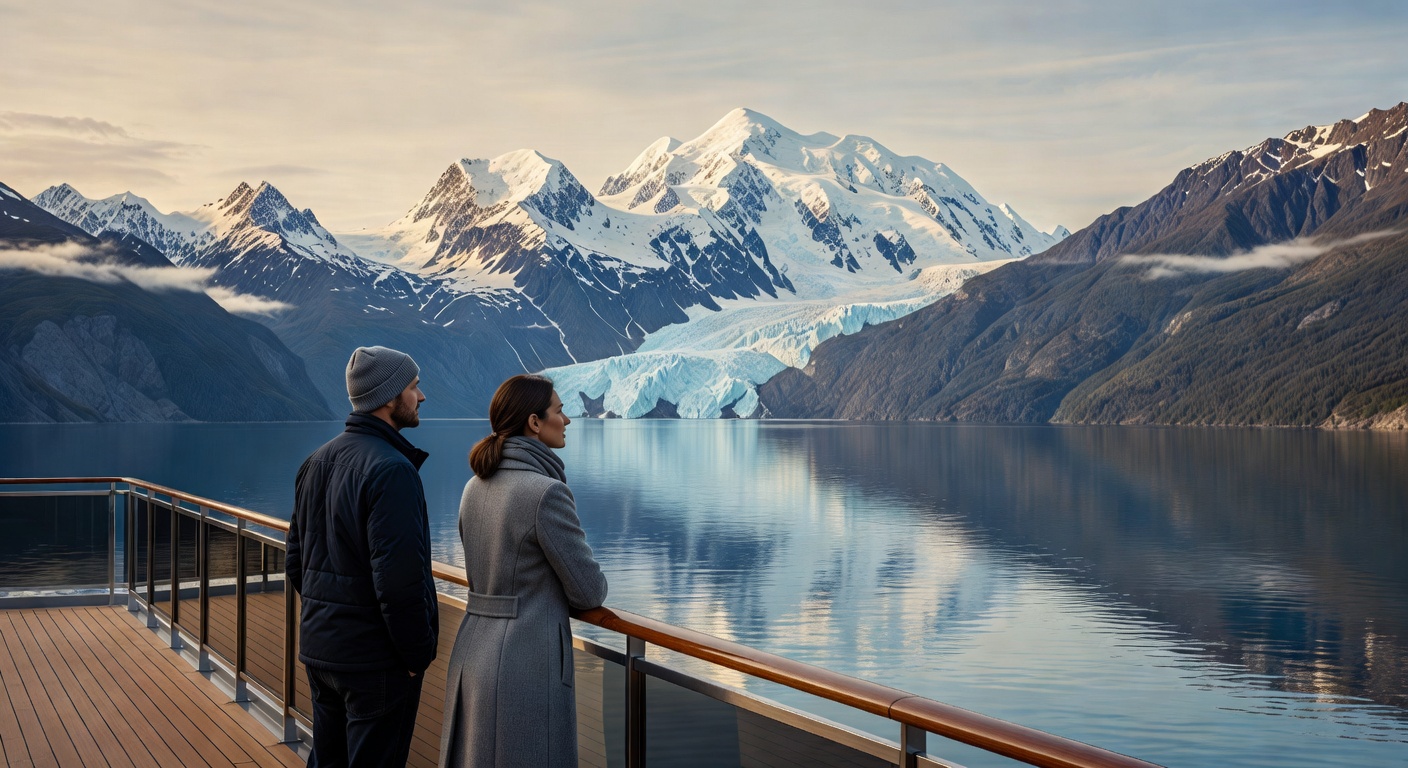
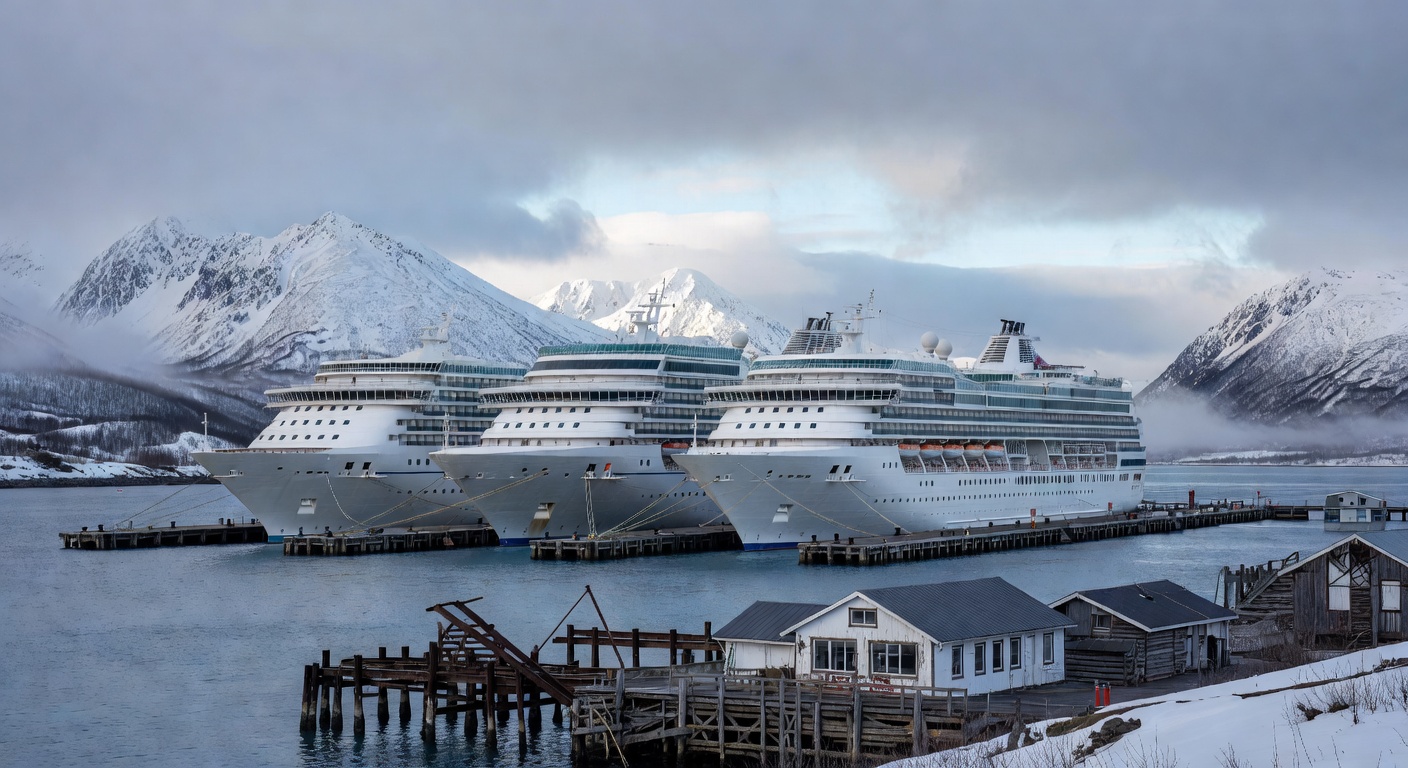
Alaska from Whittier
Whittier is the starting point for one-way Gulf of Alaska crossings — the itineraries that add Hubbard Glacier, College Fjord, and the open gulf to a sailing that also calls on Juneau, Skagway, and Ketchikan. It is a gateway port, sixty miles south of Anchorage, and its value is in what it connects: the glaciers of Southcentral Alaska, the Inside Passage ports of the southeast, and the land-based interior that round-trip cruises cannot reach.
This pairing suits travellers who want the most complete Alaska cruise itinerary available and are willing to manage one-way flight logistics to get it. It is especially strong for anyone planning a Denali or Kenai Peninsula extension before or after the sailing.
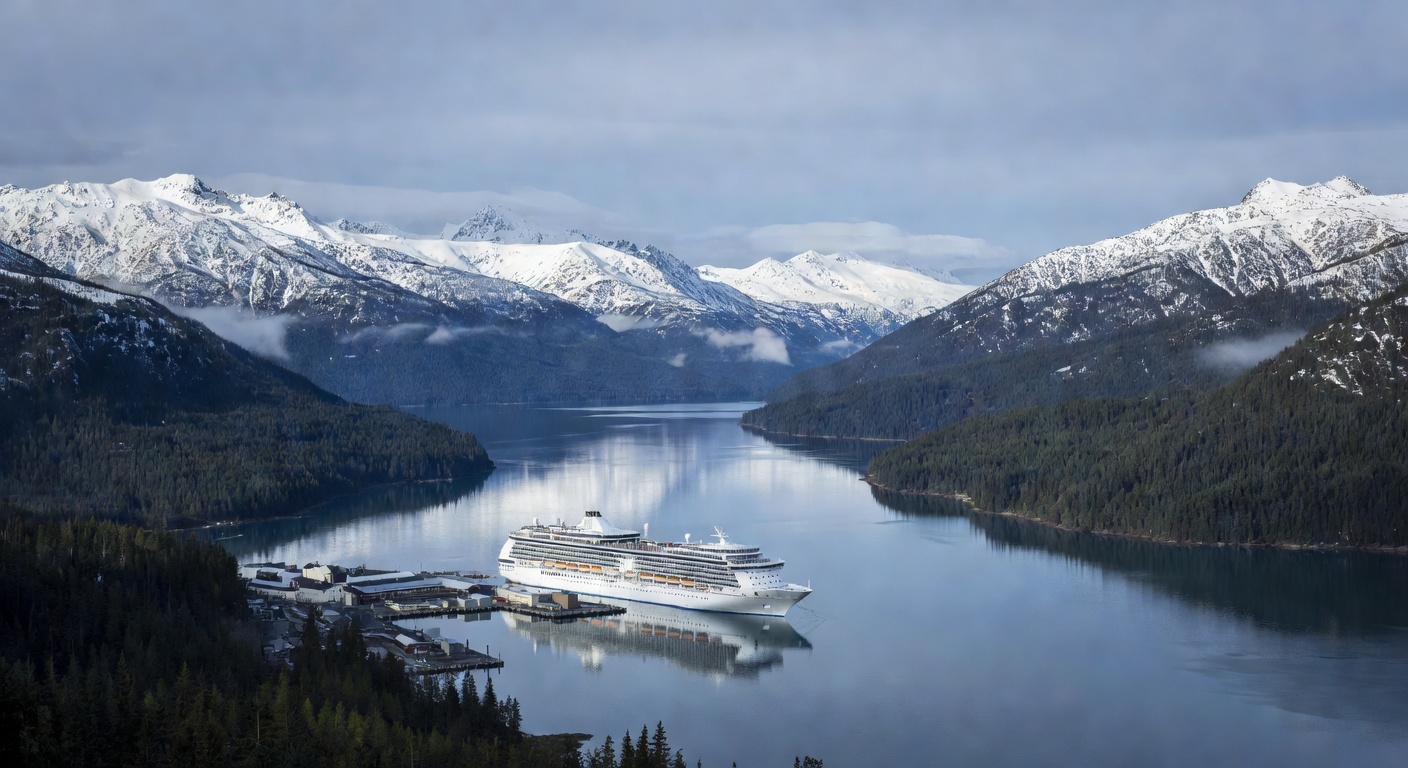
Practical characteristics that shape the Whittier–Alaska cruise experience.
A full sea day across open ocean connects Southcentral and Southeast Alaska — rougher than the Inside Passage but essential for accessing glaciers like Hubbard.
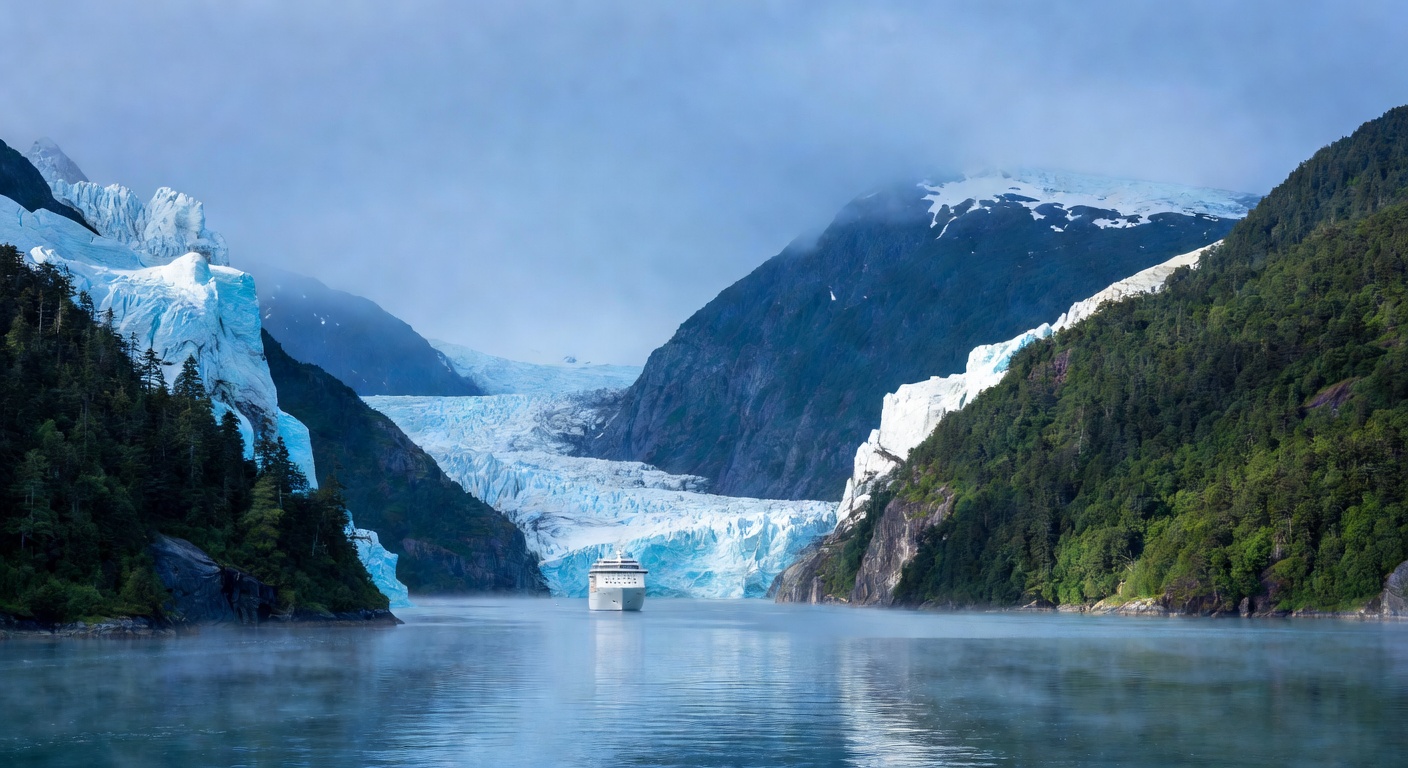
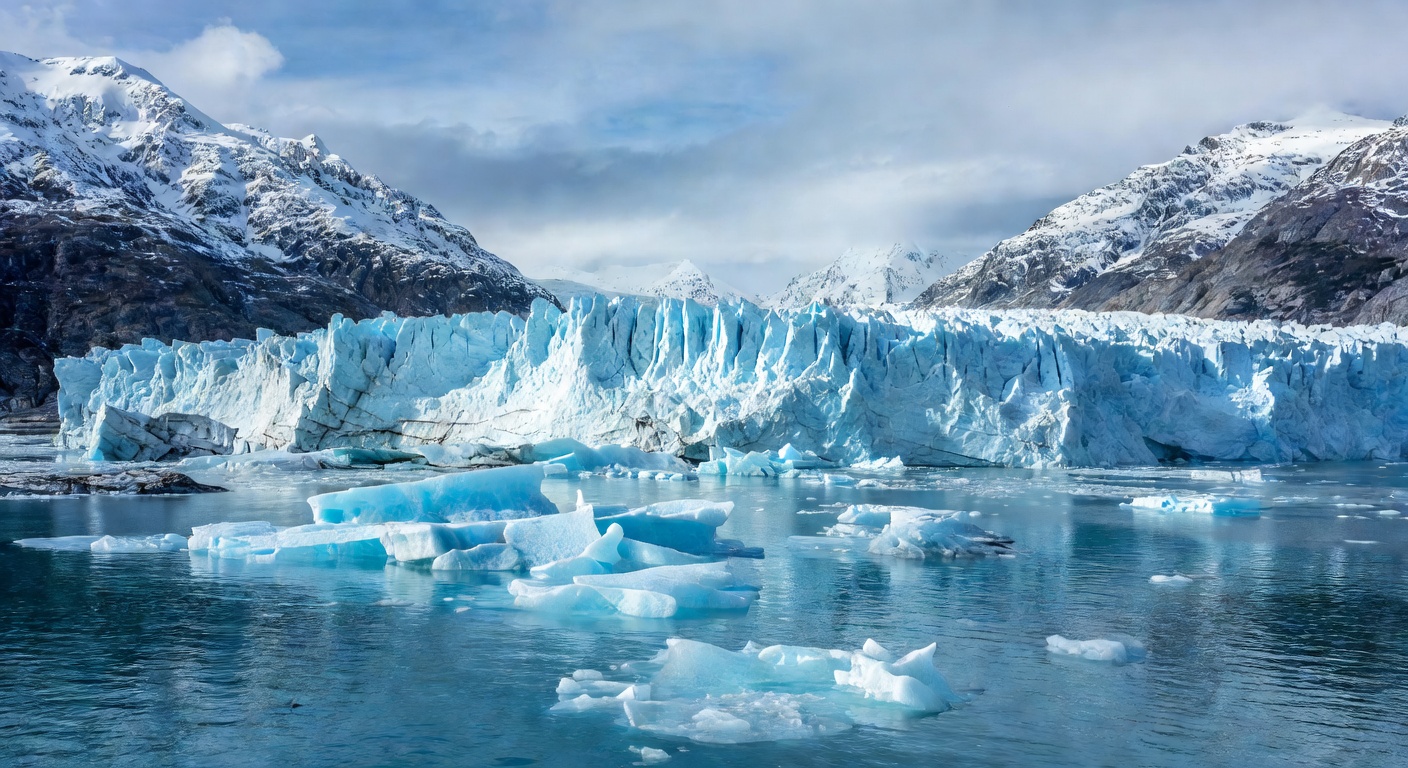
Most one-way itineraries through Whittier include several hours at North America's largest tidewater glacier, a highlight unavailable on round-trip Inside Passage sailings.
Some itineraries route through Prince William Sound's College Fjord, where more than a dozen named glaciers are visible in a single afternoon.
Whittier is roughly sixty miles from Anchorage by road, making pre-cruise or post-cruise time in Alaska's largest city easy to arrange.
The port's location makes multi-day land tours to Denali National Park a natural add-on, available as packaged cruisetours or independent itineraries.
The drive from Anchorage to Whittier follows Turnagain Arm — a stretch known for beluga whale sightings and mountain scenery that starts the trip before the ship does.
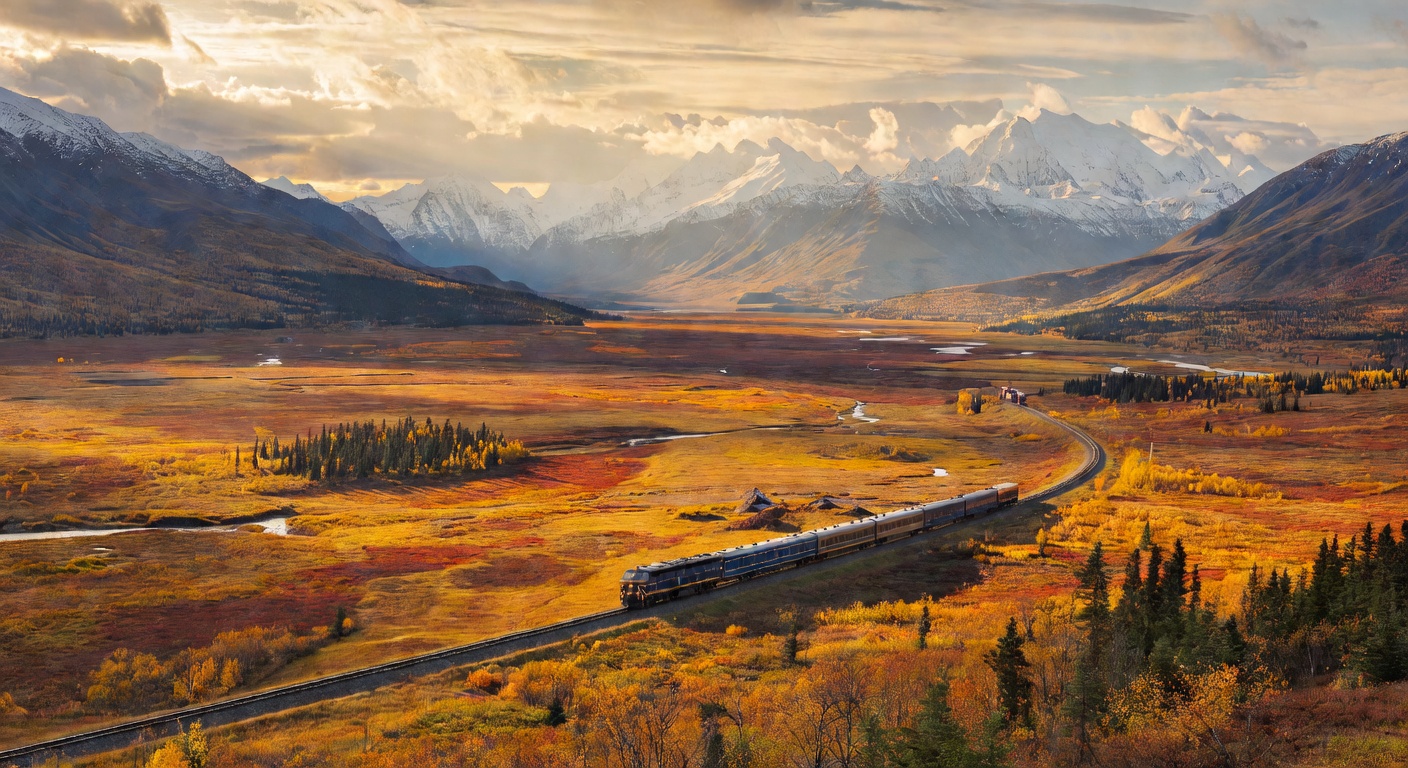
If the cruise is one piece of a larger Alaska itinerary that includes Denali, Anchorage, or the Kenai Peninsula, Whittier is the natural embarkation point. Its proximity to Anchorage and the Alaska Railroad makes land-sea combinations logistically straightforward.
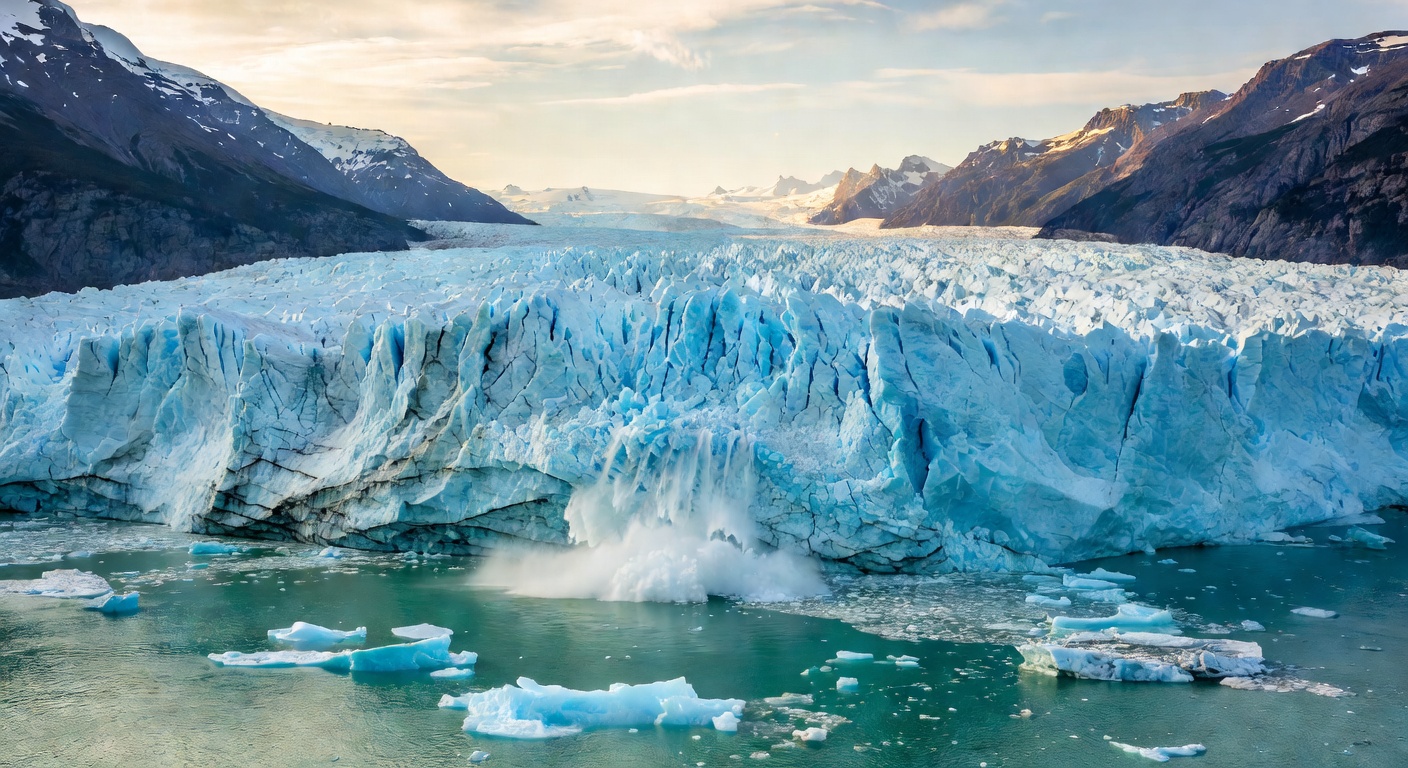
Whittier's one-way itineraries reach glaciers that round-trip sailings from Seattle or Vancouver cannot. If glacier scenery is the main reason you are booking an Alaska cruise, this route delivers more of it than any other option.
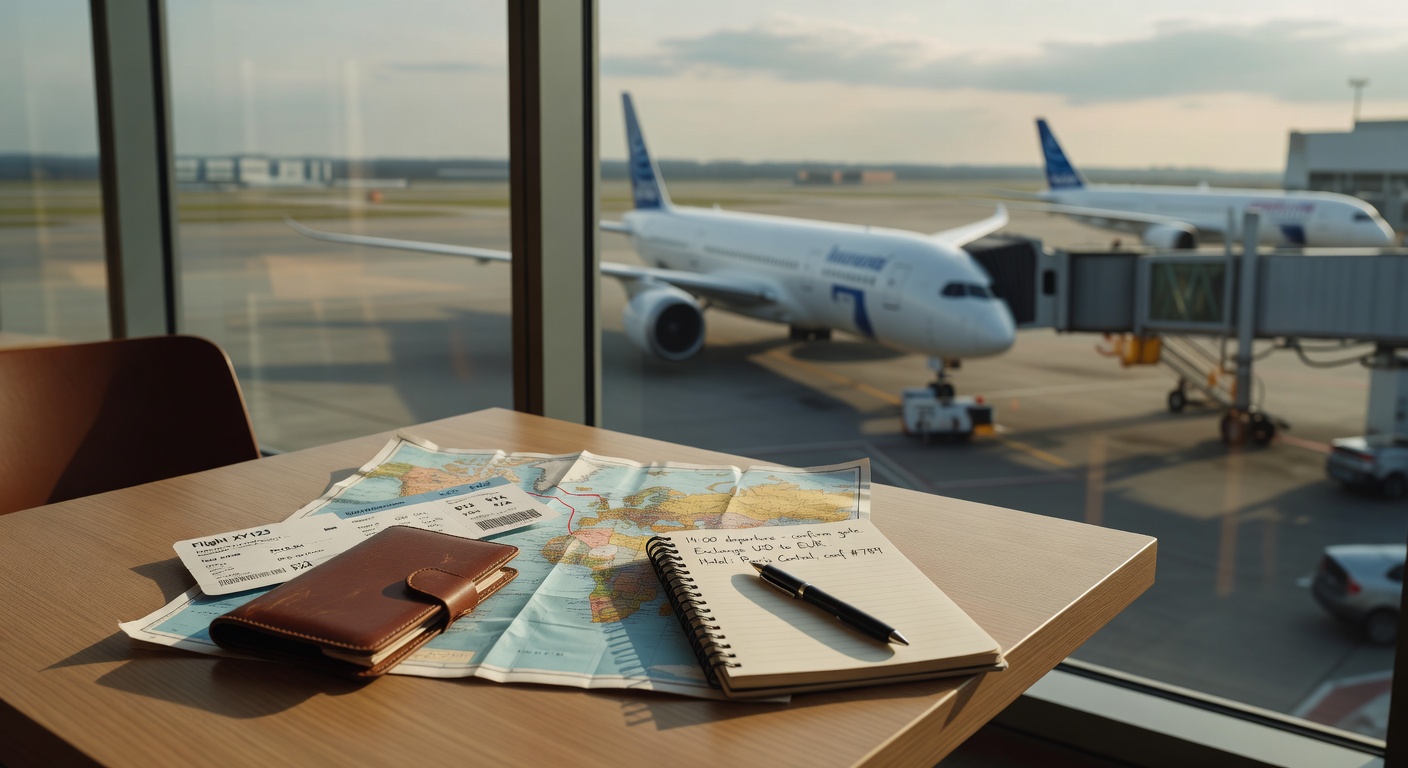
One-way sailings require flights into and out of different cities, which typically costs more than a round-trip ticket. Add a hotel night in Anchorage and a transfer to Whittier, and the total trip cost can run meaningfully higher than a round-trip from Seattle or Vancouver.
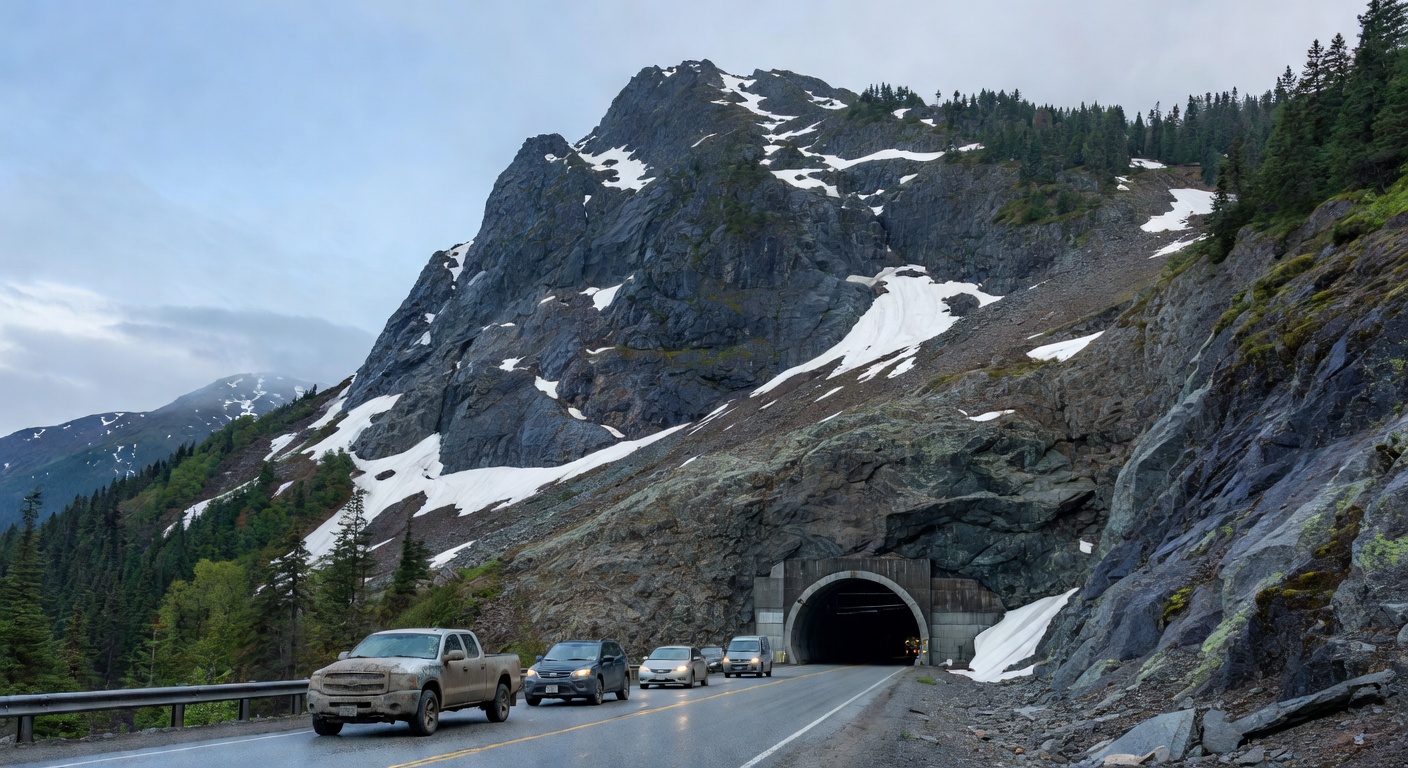
Whittier adds real logistical layers — the one-lane tunnel, the need for a pre-cruise night in Anchorage, the one-way flight coordination. If you want the easiest possible Alaska cruise with the fewest moving parts, a round-trip from Seattle or Vancouver is a more forgiving starting point.
Departure Port Logic
Whittier is not just an alternative to Vancouver or Seattle — it produces a different itinerary entirely. Departing from Whittier means your ship crosses the Gulf of Alaska, which opens access to Hubbard Glacier, College Fjord, and Prince William Sound. None of those appear on round-trip Inside Passage sailings. The tradeoff is that you end up in a different city than you started, which means one-way flights and more complex travel planning.
The port's real leverage is its position relative to interior Alaska. Anchorage is an hour away. Denali is reachable by car or train in half a day. The Kenai Peninsula is to the south. No other Alaska cruise port sits this close to the state's interior highlights, which is why Princess and Holland America have built their cruisetour infrastructure around it. If your Alaska trip includes land time, Whittier is the port that makes it practical.
Whittier is reached by a single 2.5-mile tunnel that alternates traffic direction on a fixed schedule. Time your drive to match tunnel openings — missing your slot means a wait of up to thirty minutes.
Most travellers fly into Anchorage and stay overnight before transferring to Whittier on embarkation morning. The drive is scenic and straightforward, but plan for it — Whittier itself has very limited accommodation and services.
The Alaska Railroad connects Anchorage and Whittier, and some cruisetour packages include rail segments. Independent travellers can book the train as well — it is a short, scenic ride through mountain corridors.
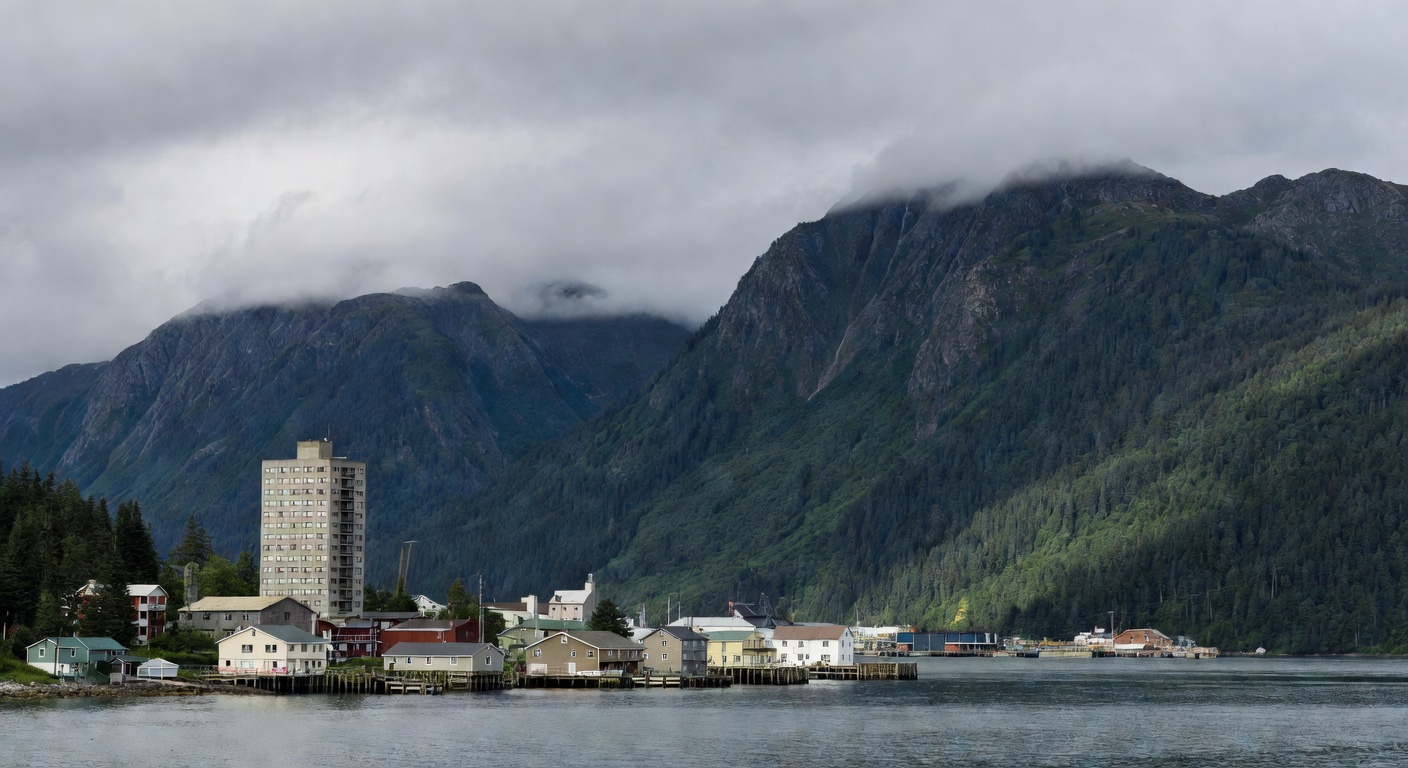
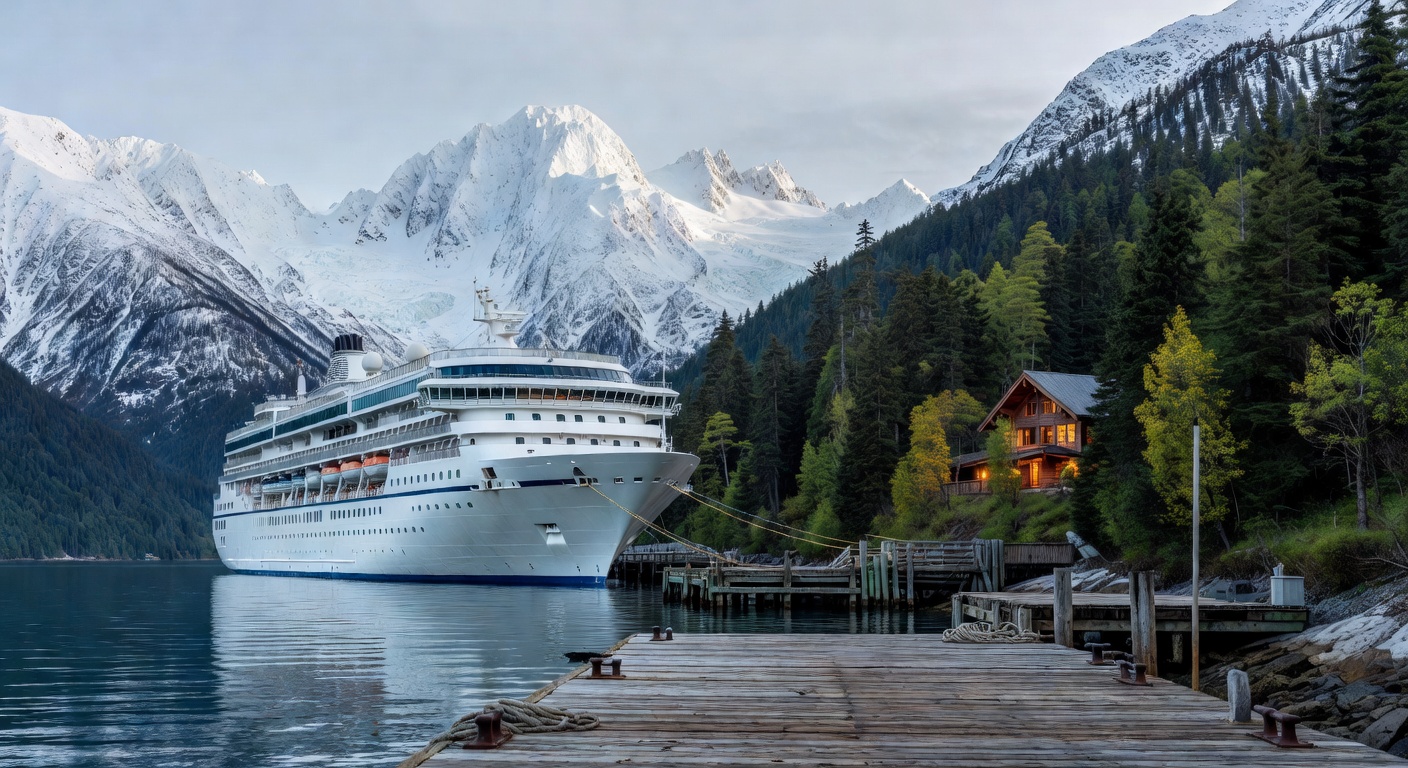
Deep Alaska infrastructure — Princess operates its own rail cars, wilderness lodges, and cruisetour packages connecting the cruise with Denali and Kenai Fjords.
See Princess Alaska sailings from Whittier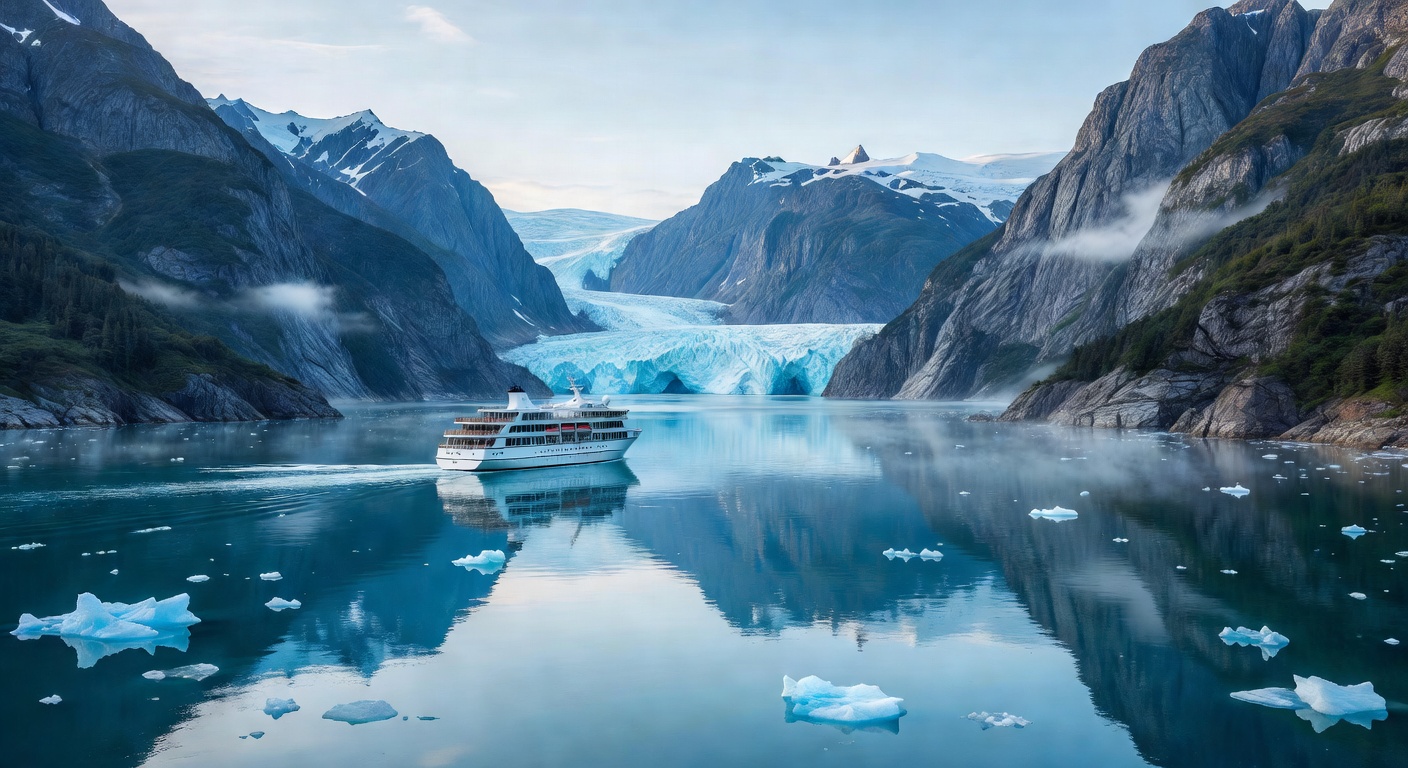
Heritage Alaska operator with strong destination programming and extensive cruisetour options similar to Princess.
See Holland America Alaska sailings from Whittier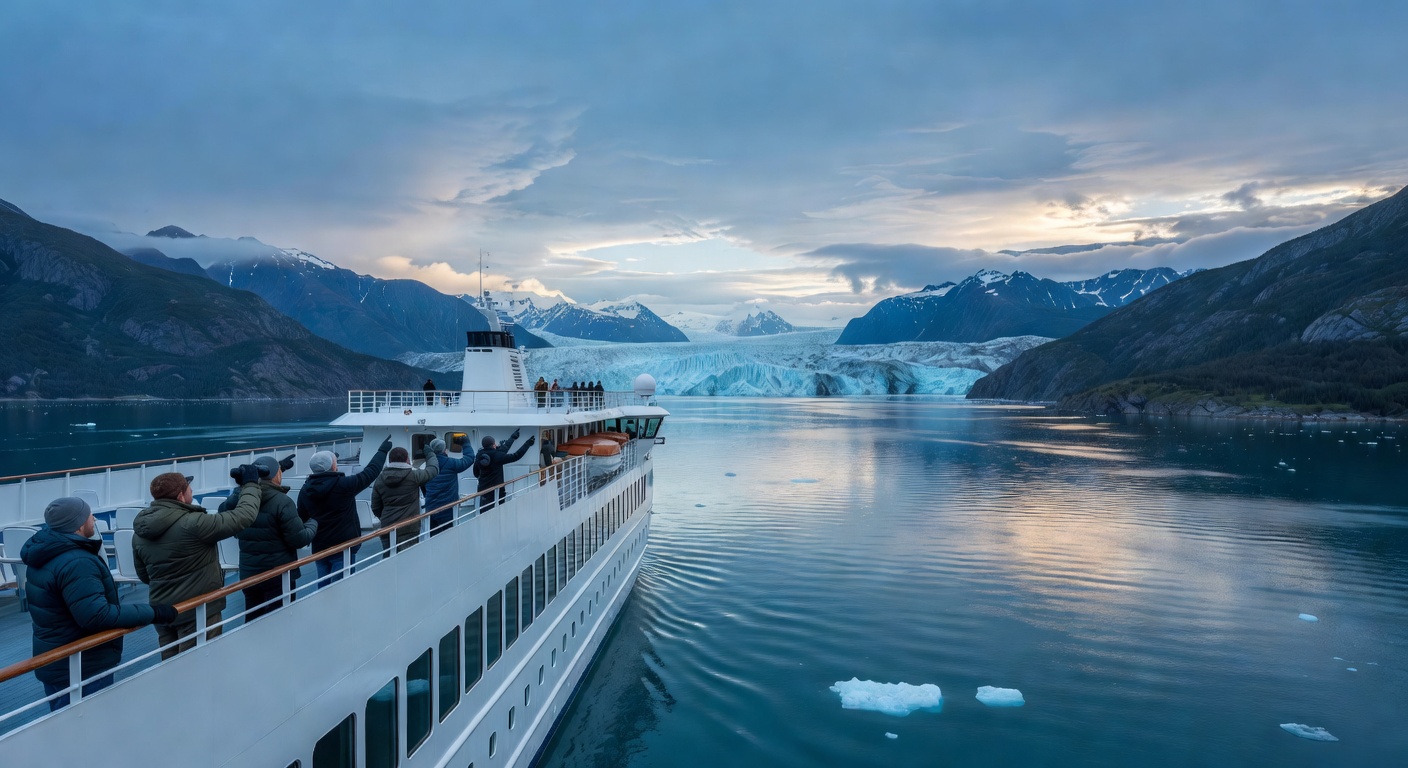
Freestyle cruising on one-way Whittier–Vancouver itineraries. Norwegian Jade (approximately 2,350 guests) is deployed for the 2026 season.
See Norwegian Alaska sailings from Whittier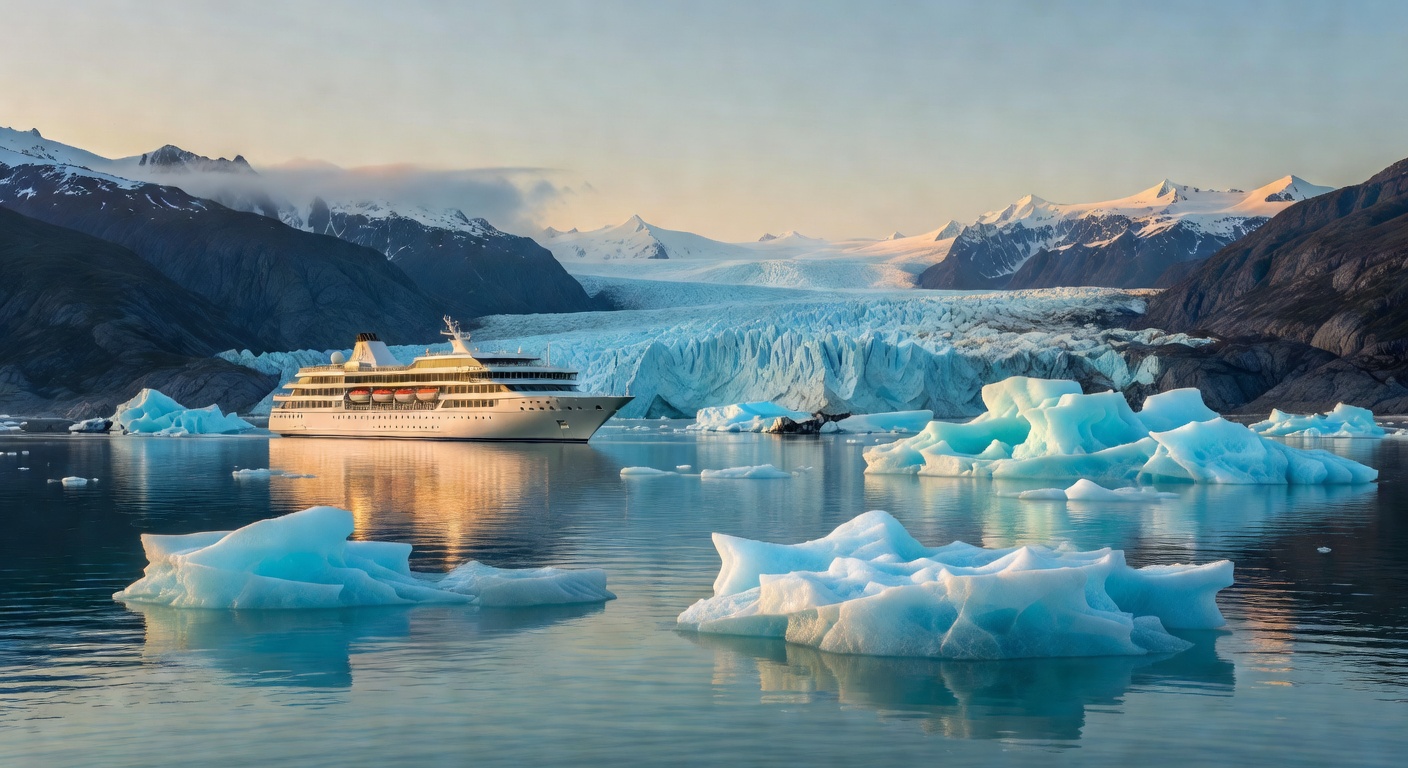
All-inclusive luxury on a smaller ship (Seven Seas Explorer, approximately 830 guests). Whittier-to-Vancouver sailings run seven nights.
See Regent Seven Seas Alaska sailings from Whittier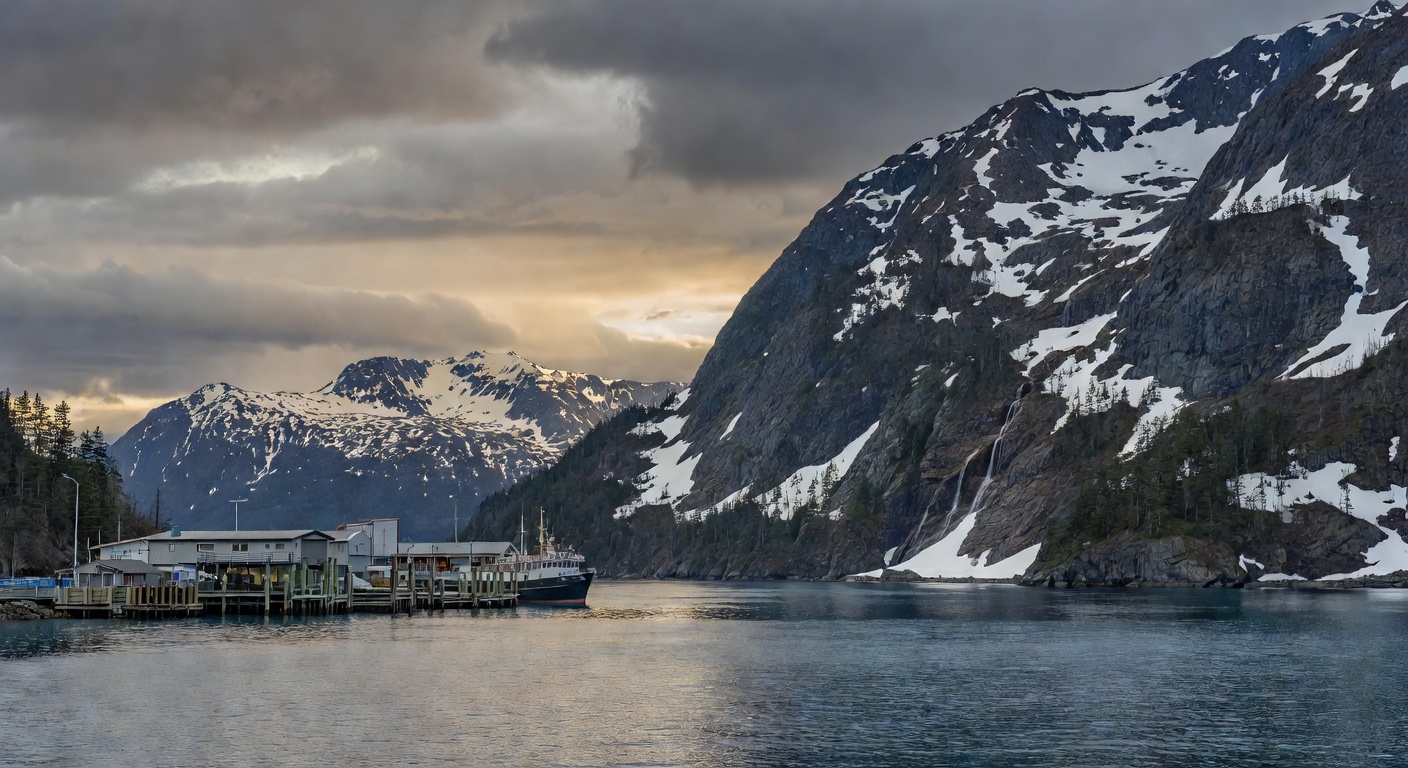
This is a one-way Gulf of Alaska crossing that prioritises glacier scenery and open-water sailing over port-town time. Expect Hubbard Glacier, potential College Fjord or Glacier Bay permits, and Southeast Alaska port calls — all in seven nights. The itinerary covers more geography than a round-trip but demands one-way flight logistics.
This pairing is strongest for travellers who see the cruise as one component of a larger Alaska experience — especially those adding Denali, Anchorage, or the Kenai Peninsula. It also suits anyone who ranks glaciers and natural scenery above port shopping and nightlife.
One-way flights between Anchorage and Vancouver are typically more expensive than round-trip tickets. Add a hotel night in Anchorage and a Whittier transfer, and the total cost rises. The reward is a route that reaches parts of Alaska no round-trip sailing can touch — but the added complexity is real.
A Whittier departure delivers the most glacier-rich, geographically complete Alaska cruise itinerary available — but it comes with one-way flight costs and logistical layers that round-trip sailings avoid. It is the right choice for travellers who want to see the full scope of coastal Alaska and are willing to plan around the complexity.










