Thank you! Your submission has been received!
Oops! Something went wrong while submitting the form.
Blank white square with no visible content or details
CRUISE SEARCH

Alaska Cruises from Tokyo, Japan

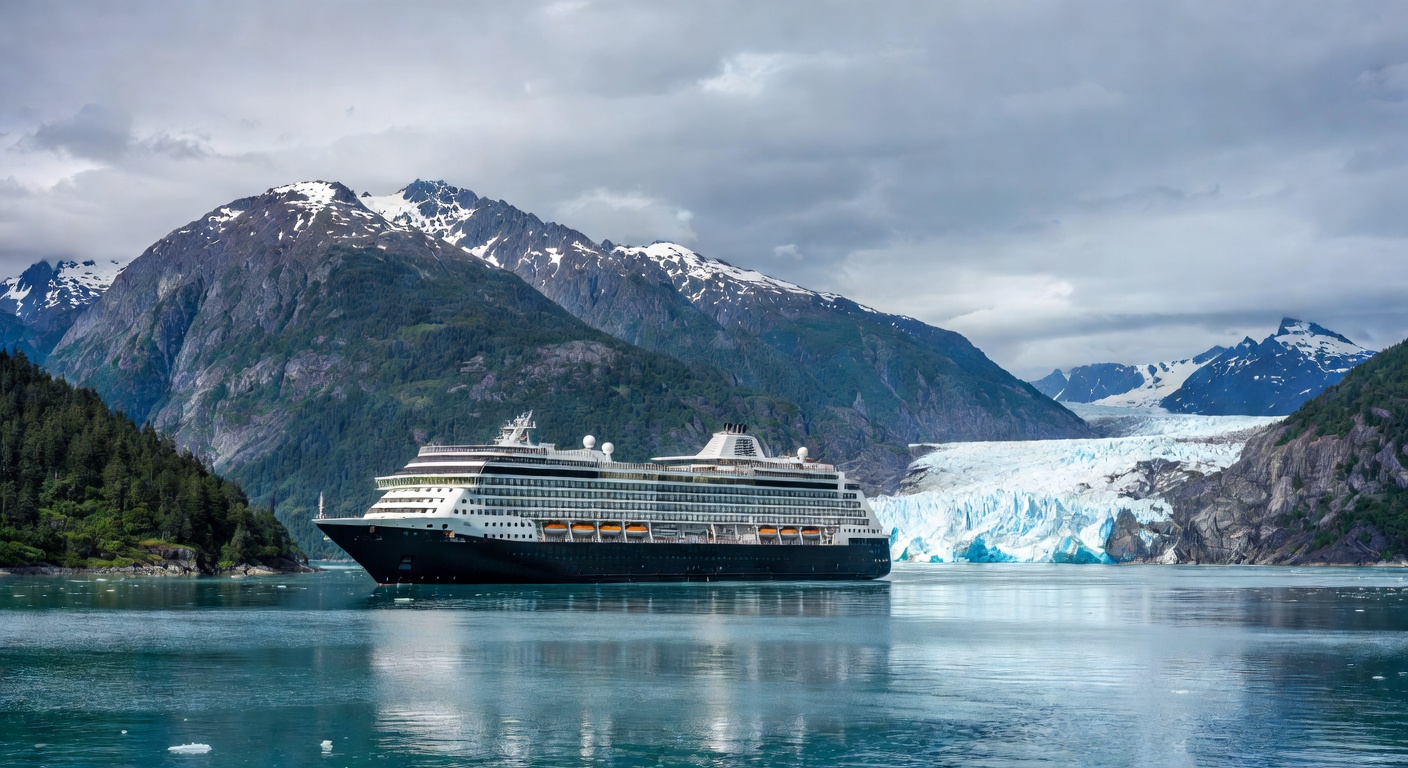
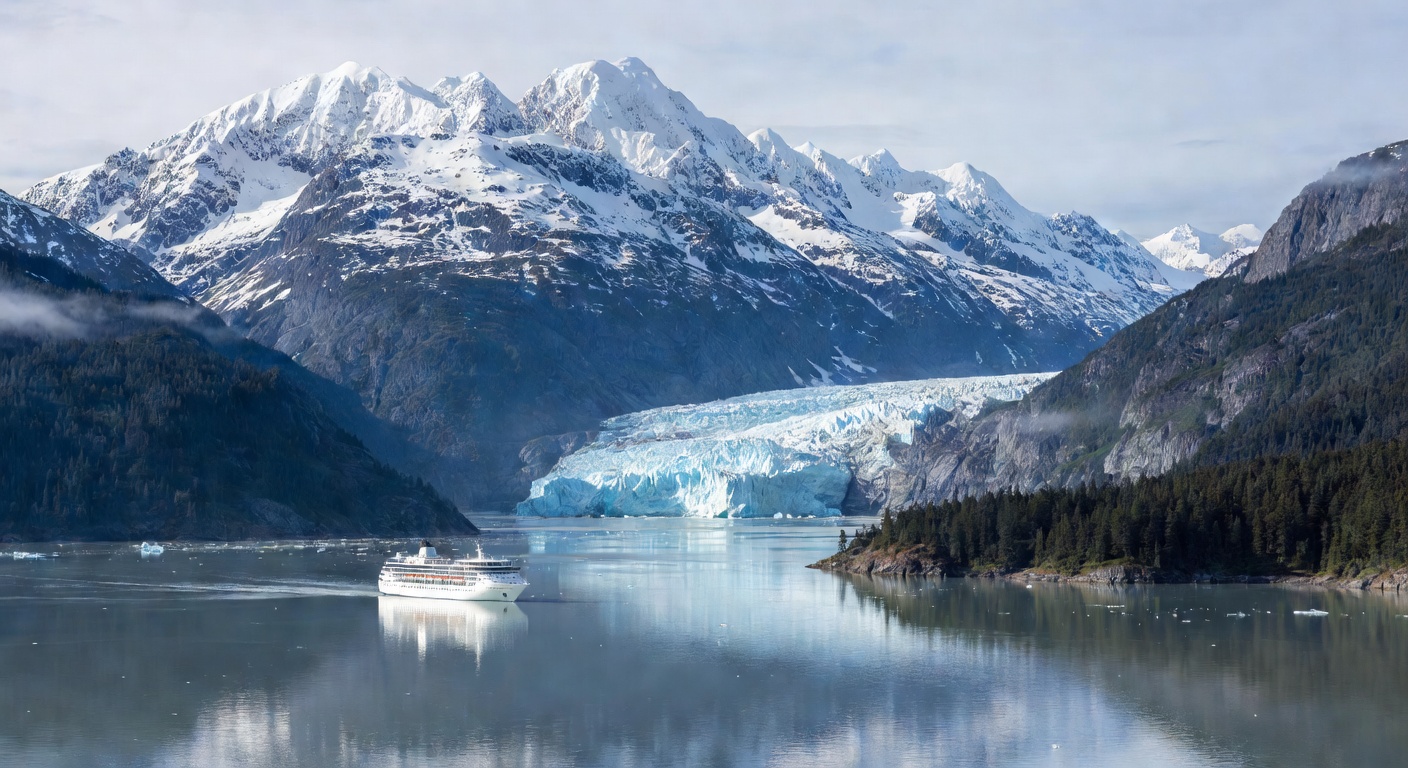
A wide editorial travel photograph of a large cruise ship sailing through calm waters with snow-capped Alaskan mountains and a tidewater glacier in the background under dramatic overcast skies.
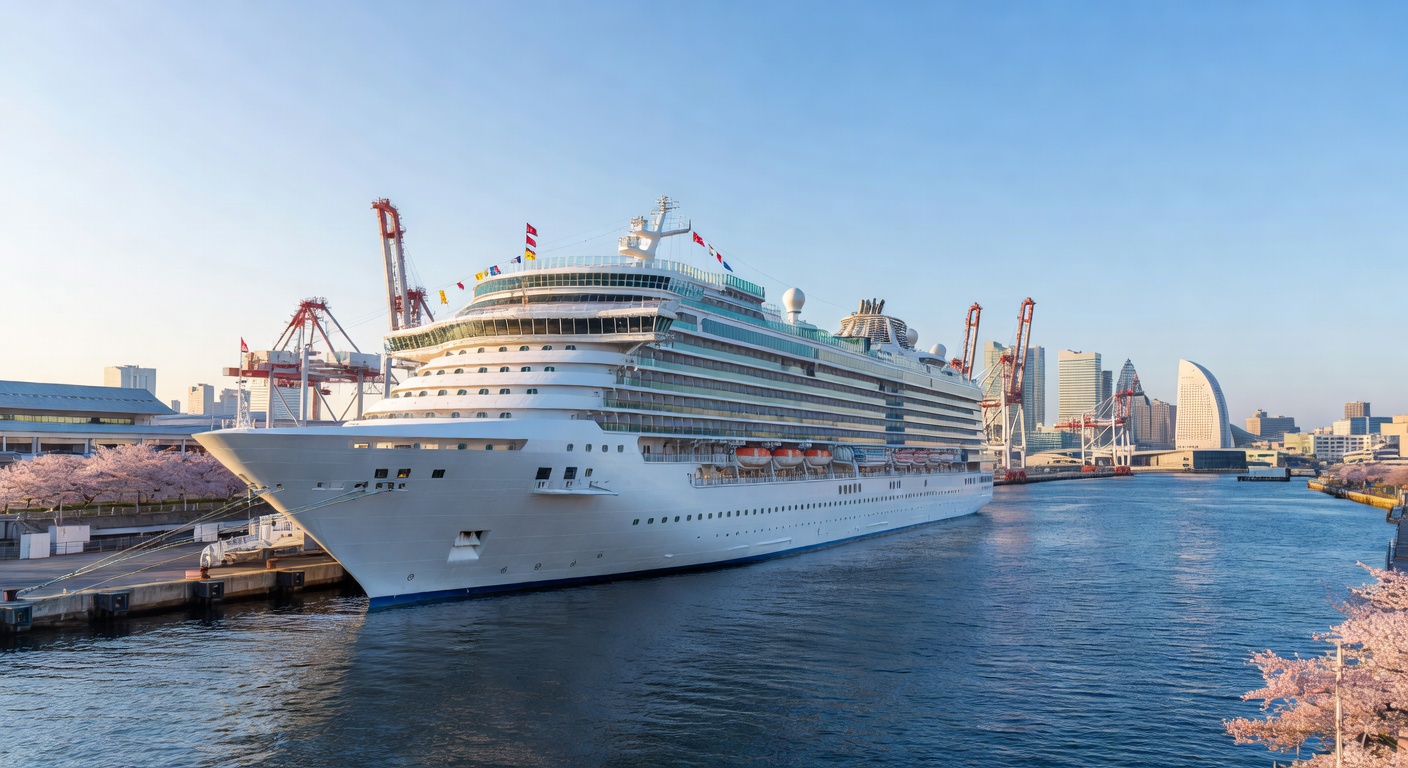
A wide editorial travel photograph of a cruise ship docked at Yokohama or Tokyo port with the city skyline and port cranes visible in the background during a clear spring morning, suggesting the start
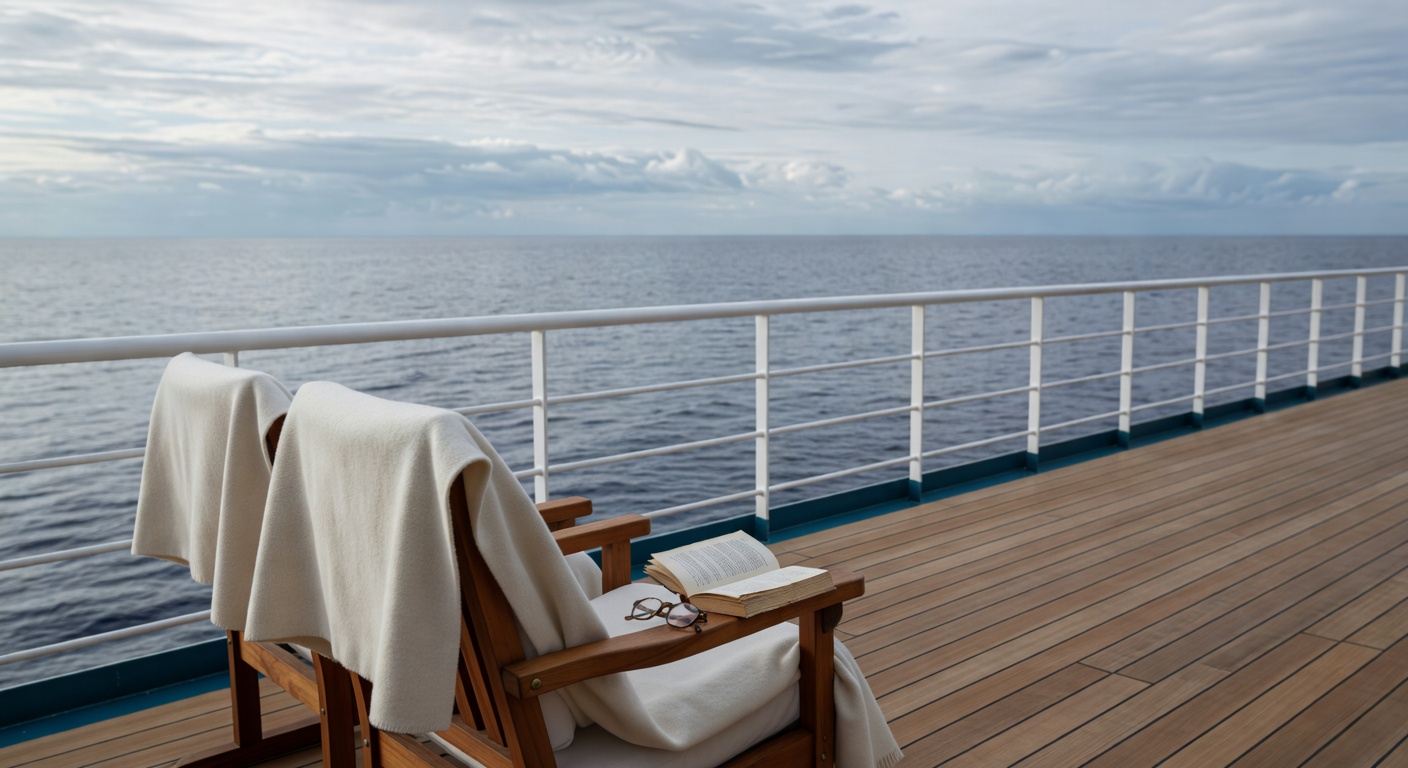
A wide editorial travel photograph of an older couple relaxing on the open deck of a cruise ship with blankets and books, gazing out at a vast grey-blue ocean horizon under soft diffused light.
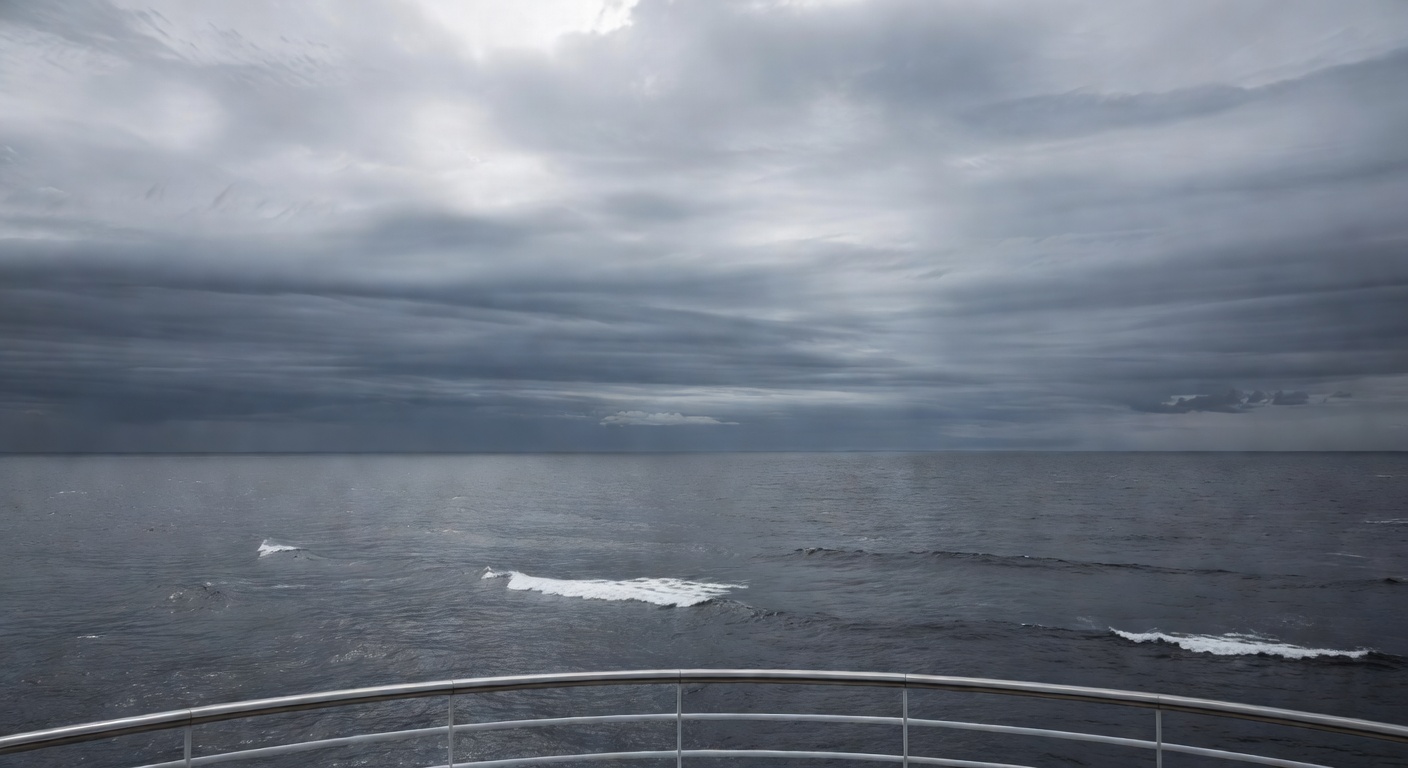
A wide editorial travel photograph of a moody, metallic North Pacific seascape with dramatic low-angle sunlight breaking through heavy overcast clouds, ocean swells visible, and seabirds silhouetted a
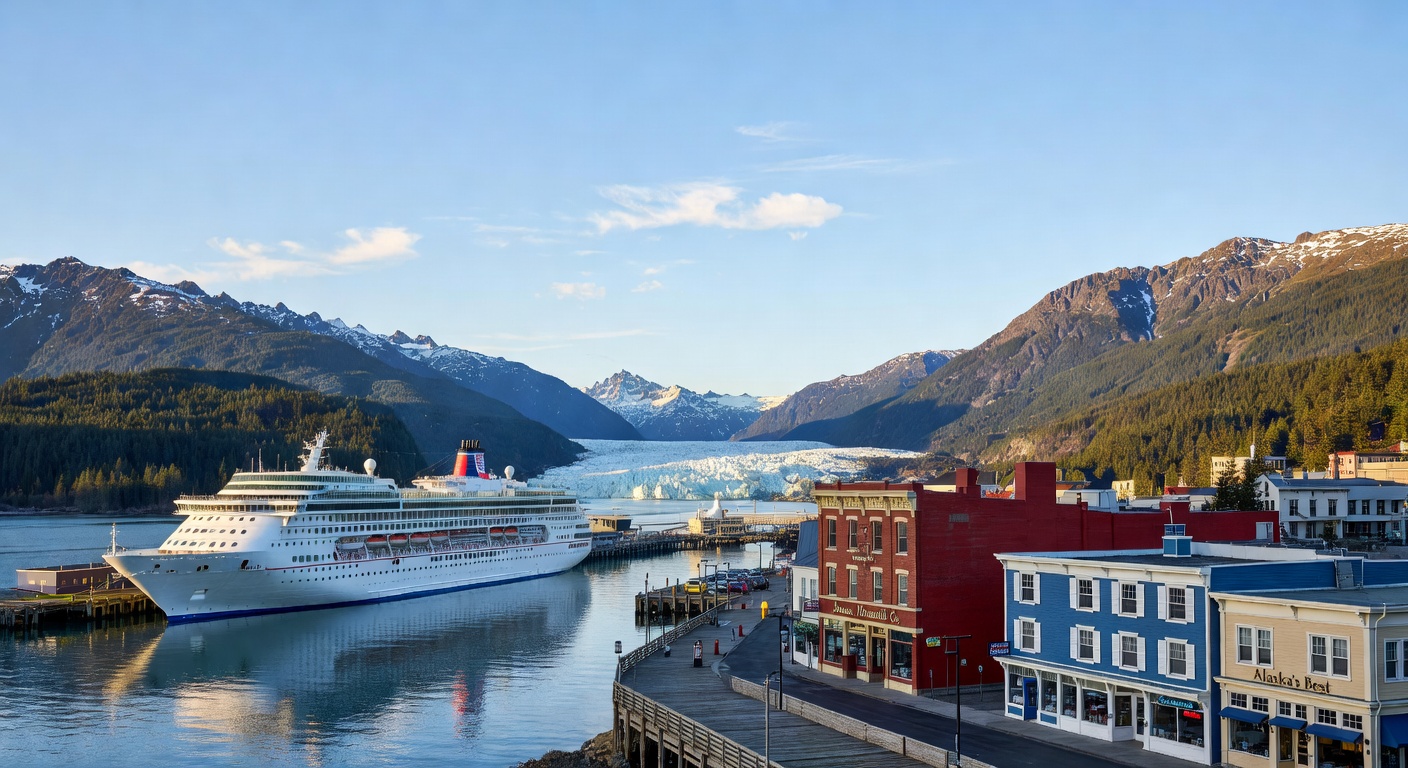
A wide editorial travel photograph of the Juneau Alaska waterfront with a cruise ship docked at port, the Mendenhall Glacier area mountains rising behind the colorful downtown buildings under a clear

Destination from Port

Alaska Cruises from Tokyo: A Transpacific Repositioning Route Worth Understanding

Sailing to Alaska from Tokyo is not a conventional cruise itinerary — it is a repositioning passage that happens when cruise lines shift ships from their Asia season into position for Alaska's summer. Departing from Yokohama (the working port for Tokyo-area embarkations), these sailings cross the North Pacific over four to five consecutive sea days before reaching Alaskan waters, making the ocean crossing itself a core part of the experience rather than a detail to overlook.

The pairing suits unhurried travellers who are comfortable at sea and want to combine a genuine transpacific journey with glacier and wildlife scenery at the far end. It is a practical fit for those already based in or visiting Japan, or for travellers interested in a one-way itinerary between Asia and North America's west coast. Those prioritising maximum Alaskan port calls or a shorter trip are generally better served by a standard roundtrip from Seattle or Vancouver.

Repositioning passageExtended sea daysYokohama embarkationOne-way logisticsLimited annual sailings
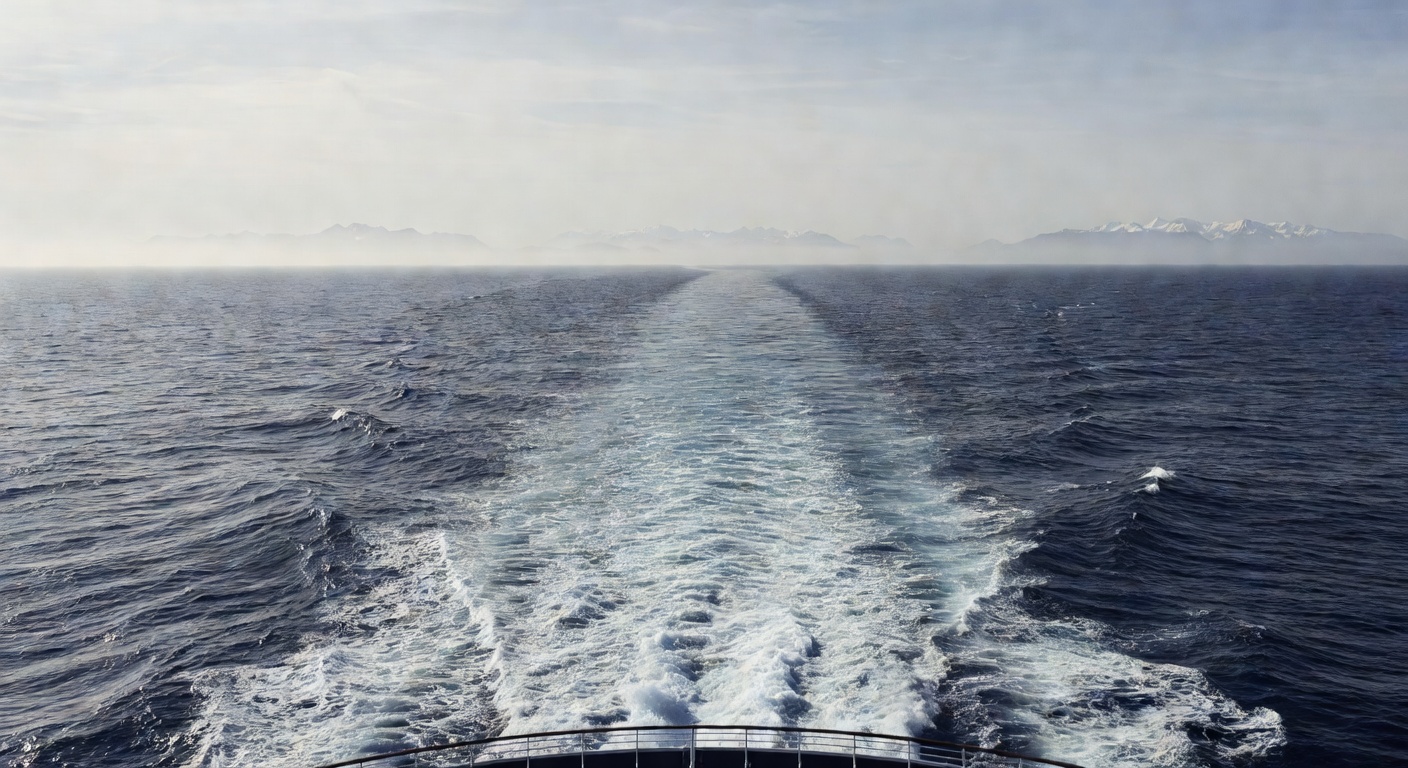
A wide editorial travel photograph of a cruise ship's wake stretching across a vast dark blue North Pacific Ocean toward a distant horizon where snow-capped peaks are just becoming visible through haz

What Makes This Route Different

This transpacific repositioning crossing combines open-ocean sea days with a condensed Alaska segment — a combination that suits a specific kind of traveller.

Repositioning-Only Availability

These sailings exist because cruise lines need to move ships between their Asia and Alaska seasons, meaning the route appears on only a handful of departures each year rather than running on a regular weekly schedule.

Extended Open-Ocean Crossing

The North Pacific crossing means four to five consecutive sea days with no port stops, making the voyage feel genuinely expedition-like rather than port-intensive.

North Pacific Conditions

Expect cold water temperatures, frequently overcast skies, and the possibility of rough seas — particularly on spring eastbound departures — rather than the calm conditions of Caribbean or Mediterranean routes.

Condensed Alaska Port Calls

The Alaska segment typically includes two to four port calls, notably fewer than the five or six you would see on a dedicated Inside Passage roundtrip from Seattle or Vancouver.

Narrow Departure Window

Eastbound sailings from Tokyo toward Alaska most commonly depart in April or May, as ships reposition ahead of the Alaska summer season, leaving little flexibility on timing.

One-Way Logistics

Because you embark in Tokyo or Yokohama and disembark at a North American port — or the reverse — the route requires booking separate international flights at each end, adding planning complexity.

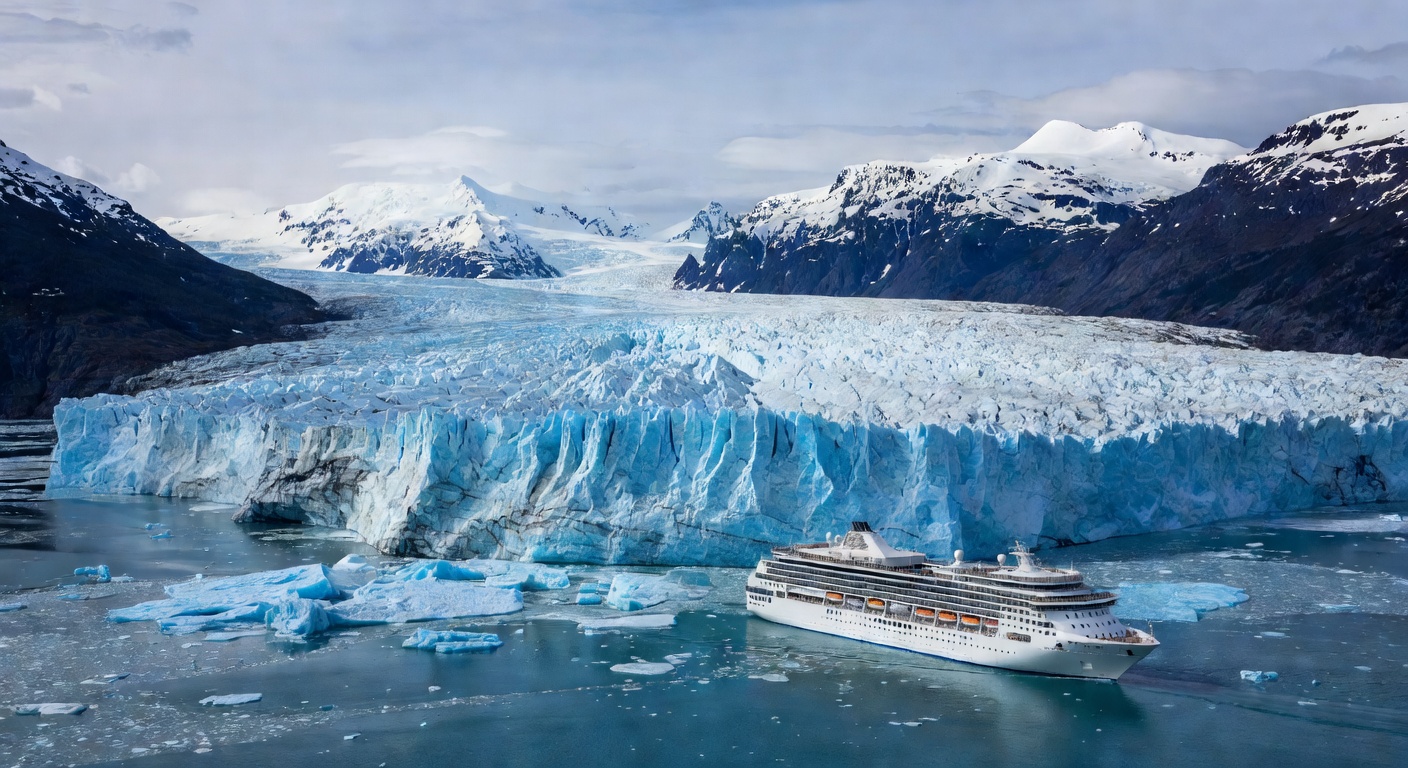
A wide editorial travel photograph of a massive tidewater glacier calving ice into turquoise water with forested mountain slopes on either side, taken from the perspective of an approaching ship in Gl
The Open-Ocean Traveller
Great fit

The Open-Ocean Traveller

Loves sea days · Flexible schedule · Pacific crossing is the point

Four to five consecutive open-ocean days define this route. If unhurried time at sea — watching the North Pacific shift from grey to green — is something you actively want, this itinerary rewards that preference in a way no standard Alaska roundtrip can.

The Combination Trip Planner
Great fit

The Combination Trip Planner

Asia trip already booked · One-way routing · Efficient repositioning

If you are already spending time in Japan, embarking from Yokohama lets you extend the trip without backtracking. You arrive home via Alaska instead of flying back from Tokyo — a logical geographic arc that makes the one-way logistics work in your favour.

Alaska-First Cruisers
Think twice

Alaska-First Cruisers

Wants maximum ports · Prefers roundtrip · Budget-conscious

The Alaska segment here is shorter than a dedicated Inside Passage itinerary — expect two to four port calls, not five or six. If glaciers and wildlife time are the priority, a standard seven-night roundtrip from Seattle or Vancouver will deliver more Alaska for less money.

Inflexible or First-Time Cruisers
Think twice

Inflexible or First-Time Cruisers

One-way logistics · Limited sailing dates · Rough spring seas

This is not a route with weekly departures. Sailings are rare, dates are fixed around repositioning schedules, and one-way ticketing means booking flights at both ends. The North Pacific in April and May can also be rough and overcast — not the cruise introduction most new travellers picture.

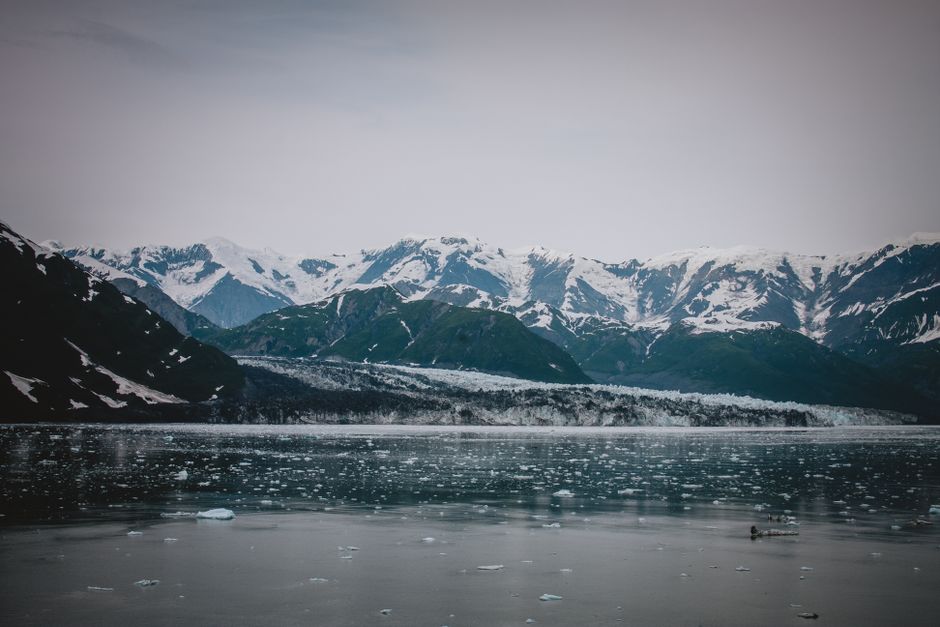
Snow-capped mountains and icy waters create a serene scene in the Alaskan wilderness.

Why Tokyo Changes Everything About This Alaska Cruise

Departing from Tokyo — technically Yokohama, the working cruise port for the Tokyo area — means your Alaska cruise begins with four to five consecutive days at sea crossing the North Pacific before you reach your first Alaskan port. That open-ocean crossing is the defining feature of this route, and it is not a minor detail: it adds significant total voyage length, shapes the type of traveler this cruise suits, and means the Alaska segment itself is shorter than what you would get on a dedicated roundtrip from Seattle or Vancouver.

Choosing Tokyo as your embarkation point also locks you into a one-way itinerary. You board in Japan and disembark in North America, or you do the reverse. That asymmetry requires independent flight planning on both ends, which adds cost and complexity that a Seattle or Vancouver departure avoids entirely. The tradeoff is a genuinely rare transpacific experience — but it is a tradeoff, not a free upgrade.

Port Detail

Tokyo Cruises Actually Depart from Yokohama

Ships listed as sailing from Tokyo use Yokohama as the physical embarkation point. Budget travel time from central Tokyo to Yokohama pier — typically 30 to 45 minutes by train — and plan an overnight in the area before departure to avoid embarkation-day stress.

Logistics

One-Way Means Two Separate Flight Plans

Unlike roundtrip Alaska cruises from Seattle or Vancouver, a Tokyo-origin sailing requires you to book flights into Japan and out of a North American port independently. Repositioning fares can be low, but the total trip cost rises once one-way airfare on both ends is factored in.

Timing

Eastbound Sailings Concentrate in April and May

Tokyo-to-Alaska repositioning sailings most commonly depart in April or May as lines move ships into position for the Alaska summer season. This timing means North Pacific conditions can be cold, overcast, and rough — relevant for those with sea-sickness concerns or strong preferences for deck time.

A wide panoramic editorial photograph of snow-capped Alaskan mountains and glaciers rising above a calm fjord with a single cruise ship in the distance, shot in soft natural light that emphasises the
Azamara

Azamara

Boutique repositioning with an emphasis on immersive destination time — the open-ocean crossing is treated as part of the journey rather than dead time, with enrichment programming and a relaxed onboard rhythm.

Well-suited to experienced cruisers who want a smaller ship, value destination depth over port volume, and are comfortable with extended sea days as a feature rather than a compromise.

Azamara's smaller vessel size means a more intimate crossing experience and the ability to dock in ports where larger ships cannot, which can matter in Alaska's more compact harbors. The trade-off is fewer onboard amenities than a mainstream mega-ship, so passengers should be comfortable with a quieter, more club-like atmosphere across the sea days.

View Azamara sailings on this route
Holland America

Holland America

A classic transpacific repositioning aboard a mid-to-large ship, with a well-established Alaska program on the far end — Holland America has long operated both Japan and Alaska seasons, making this crossing a natural part of their deployment calendar.

A strong fit for travellers who want a familiar, full-service cruise experience across the Pacific — particularly those who appreciate traditional cruise culture, structured sea-day programming, and a loyal repeat-passenger community.

Holland America's history on both the Alaska and Asia routes gives this crossing a sense of editorial coherence rather than pure logistical transit — the onboard narrative connects Japan and Alaska in a way the line leans into. Larger ships mean more dining and entertainment options during the open-ocean days, though the scale of the vessel also means a less intimate experience.

Browse Holland America options for this crossing
Regent Seven Seas

Regent Seven Seas

An ultra-luxury, all-inclusive repositioning — the transpacific crossing is positioned as a destination in itself, with refined onboard life designed to make consecutive sea days feel like the point rather than the passage.

Best suited to luxury travellers who prioritise space, service, and cuisine and who view a long ocean crossing as a genuine pleasure — the per-passenger space ratios and all-inclusive model make extended sea days genuinely comfortable.

Regent's all-inclusive pricing structure means that the cost comparison with other lines requires accounting for what is bundled — flights, gratuities, shore excursions, and beverages are typically included, which affects the overall value calculation on a long voyage like this. The Alaska port segment will be shorter than a dedicated Alaska itinerary, so the draw here is the complete voyage experience rather than Alaska port density.

Explore Regent Seven Seas sailings
Silversea

Silversea

Small-ship luxury repositioning with a high crew-to-guest ratio, making the extended North Pacific crossing one of the more comfortable ways to cover this ocean distance — the ship itself is the experience across the sea days.

Suited to independent, well-travelled passengers who want a quiet, uncrowded environment and are happy to self-direct their time at sea — less appropriate for those who want large-scale onboard entertainment or a lively social atmosphere.

Silversea's smaller vessel size keeps the crossing intimate, and the all-inclusive model removes the friction of onboard spending decisions across a long voyage. As with other luxury operators on this route, the Alaska portion will involve fewer port calls than a standard Alaska roundtrip — the appeal is the combined transpacific and Alaska narrative rather than maximum glacier time.

See Silversea options for this route
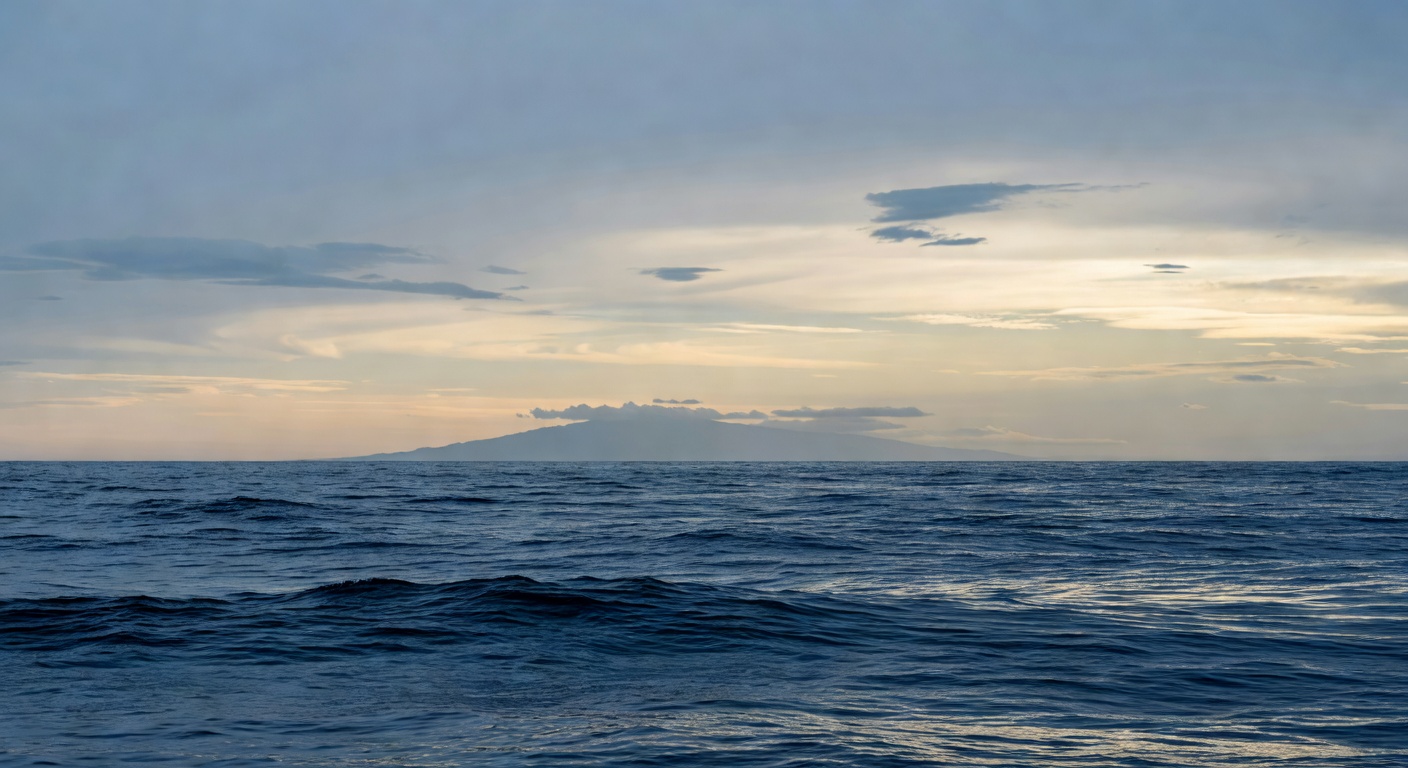
A wide cinematic editorial photograph of a vast deep-blue North Pacific seascape with distant volcanic peaks or misty coastline on the horizon, capturing the immense oceanic crossing between Japan and
Route Character

This Is a Repositioning Cruise, Not a Scheduled Service

Ships sail this route once, moving between Asia and Alaska seasons — not on a repeating weekly loop. Sailings are rare, the roster changes year to year, and availability is limited. Treat it as a special-event booking, not a standard cruise product.

Ideal Traveler Mindset

You Need to Genuinely Enjoy Sea Days

Four to five consecutive open-ocean days on the North Pacific are the defining feature of this crossing. Skies are often overcast, water is cold, and conditions can be rough in spring. If long stretches at sea sound appealing rather than daunting, this route fits. If you want maximum port time, a standard Alaska roundtrip from Seattle or Vancouver is a better match.

Key Tradeoff

Fewer Alaska Ports and One-Way Logistics

The Alaska segment is shorter than a dedicated Alaska itinerary — expect two to four port calls rather than five or six. You also embark and disembark in different countries, which means coordinating one-way flights on both ends. That complexity adds cost and planning time most Alaska-focused travelers do not need.

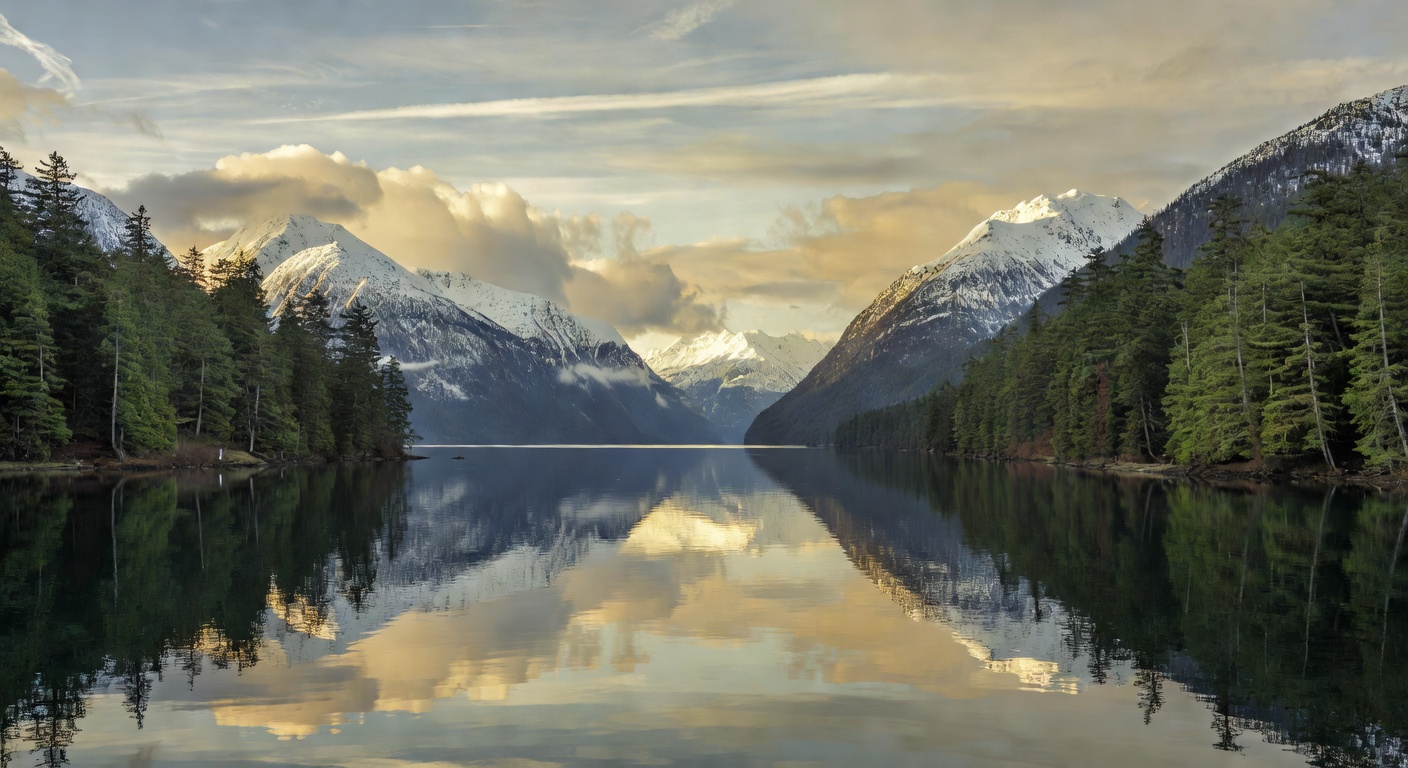
A wide panoramic editorial travel photograph of Alaska's Inside Passage with towering snow-capped mountains reflected in calm fjord waters, lush green shoreline forests, and soft golden light filterin

Best For Unhurried Travellers Who Want Alaska and the Pacific in One Journey

A Tokyo-to-Alaska repositioning cruise is a rare and genuinely distinctive itinerary that combines a transpacific ocean crossing with glacier and wildlife scenery — but the limited sailings per year, one-way logistics, and multiple consecutive sea days make it a poor fit for anyone prioritising port density or simplicity. If maximising Alaska time is the goal, a standard roundtrip from Seattle or Vancouver remains the more practical and usually less expensive choice.

h