




Hubbard Glacier access
Seward's position on the Gulf of Alaska means ships can reach Hubbard Glacier — the largest tidewater glacier in North America — which most round-trip Inside Passage itineraries cannot.

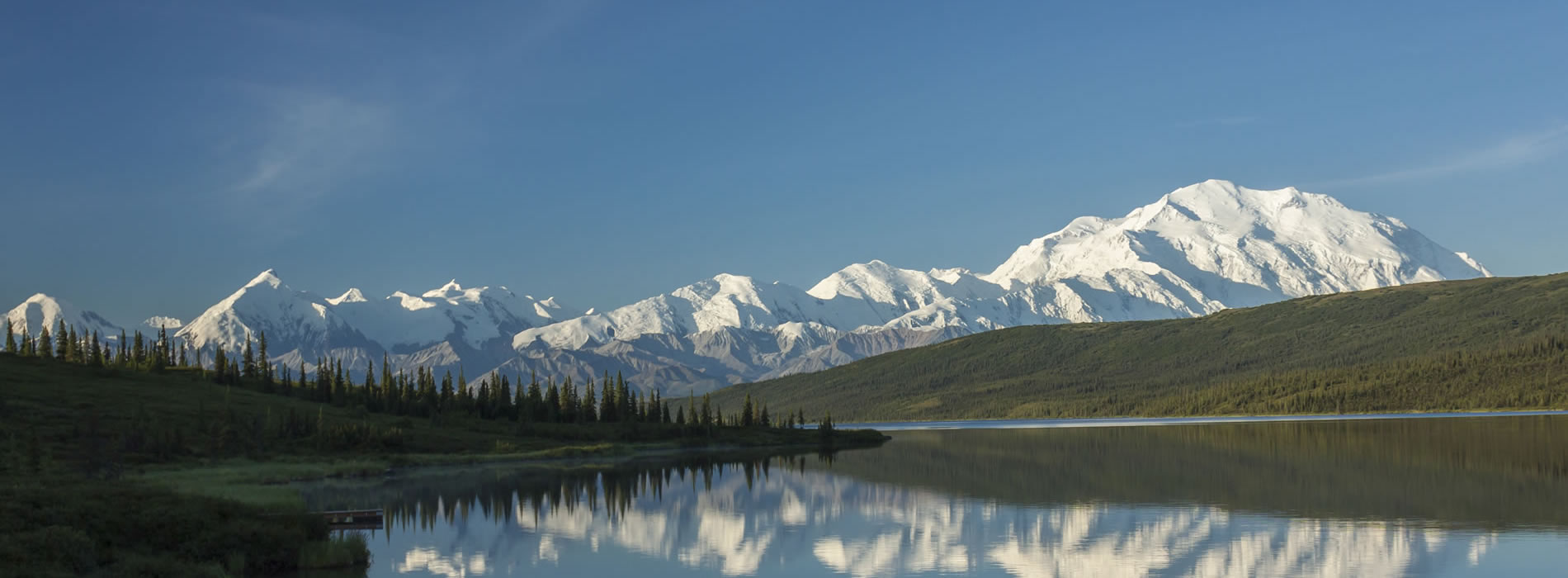
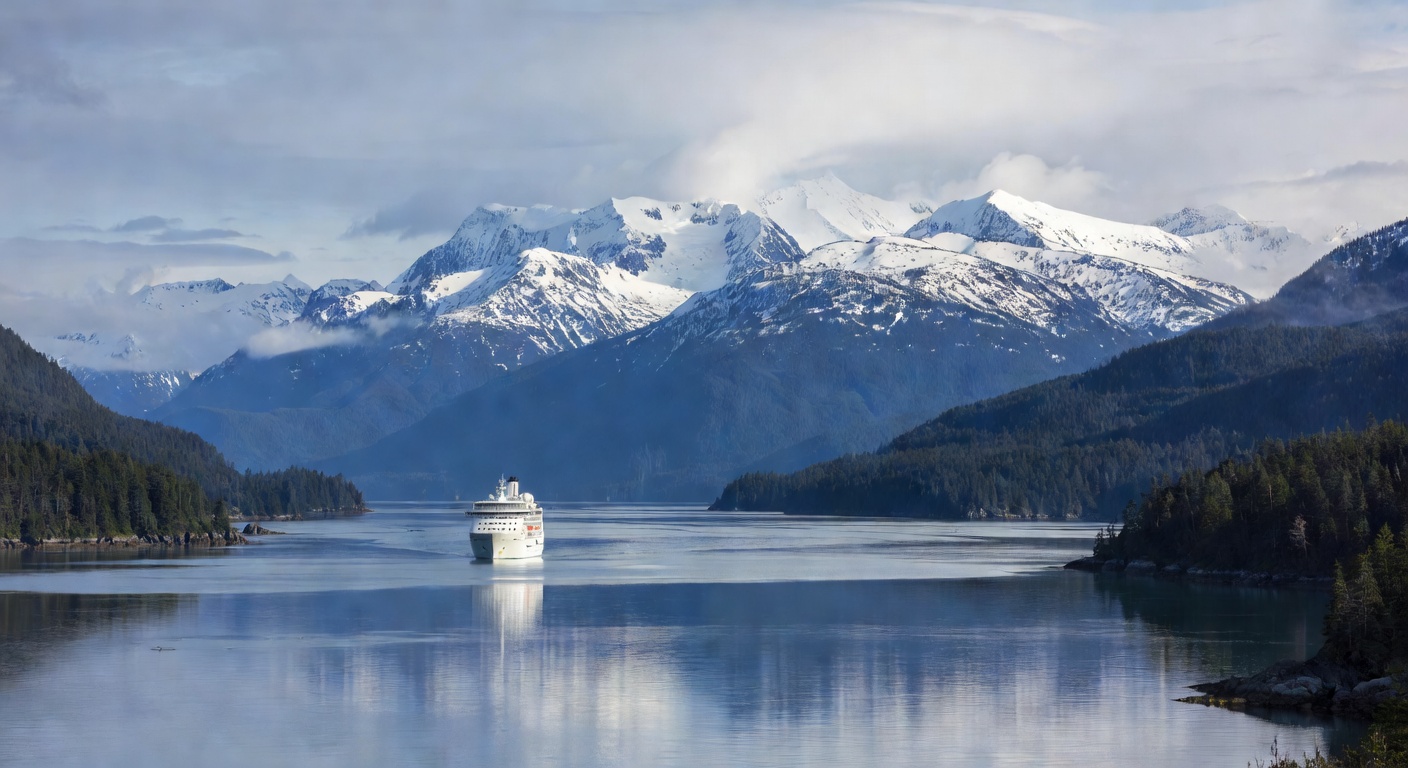
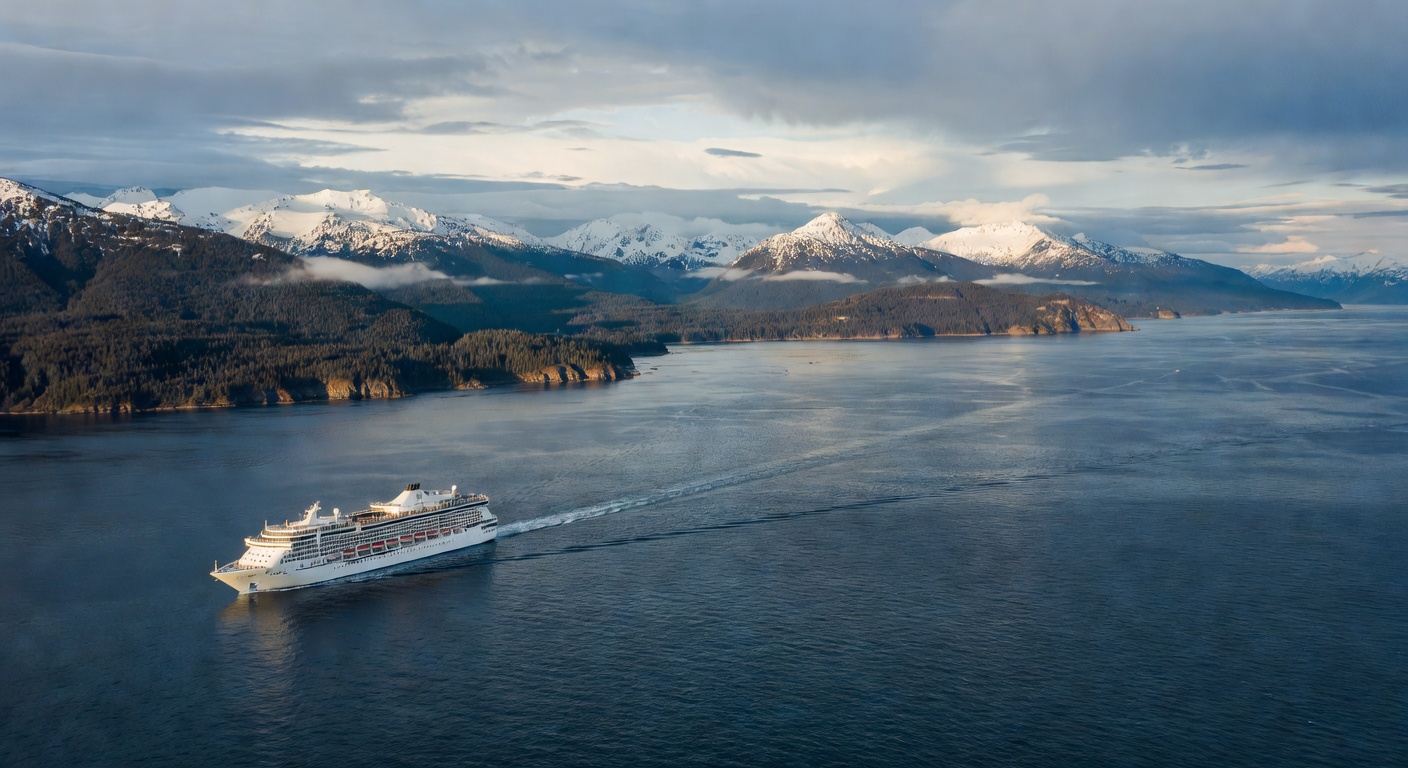
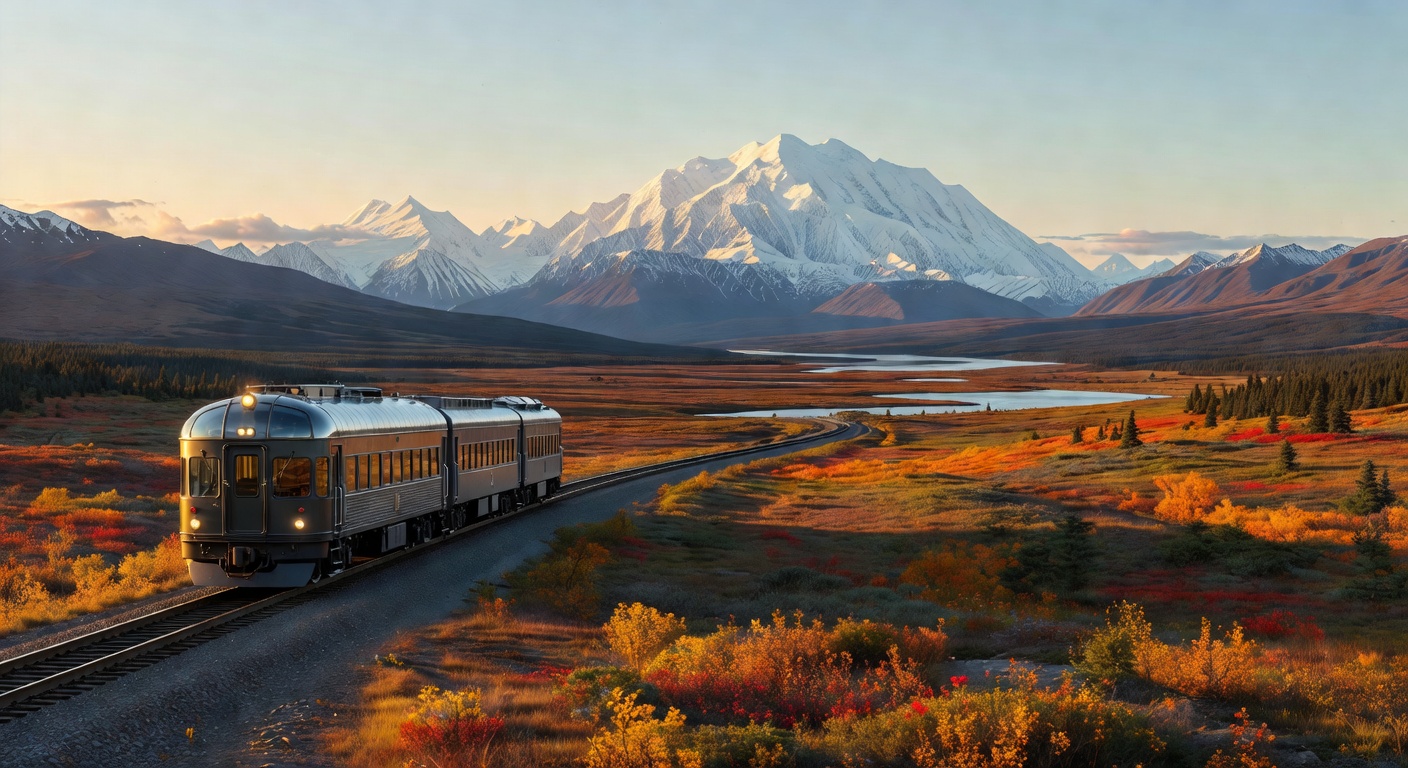

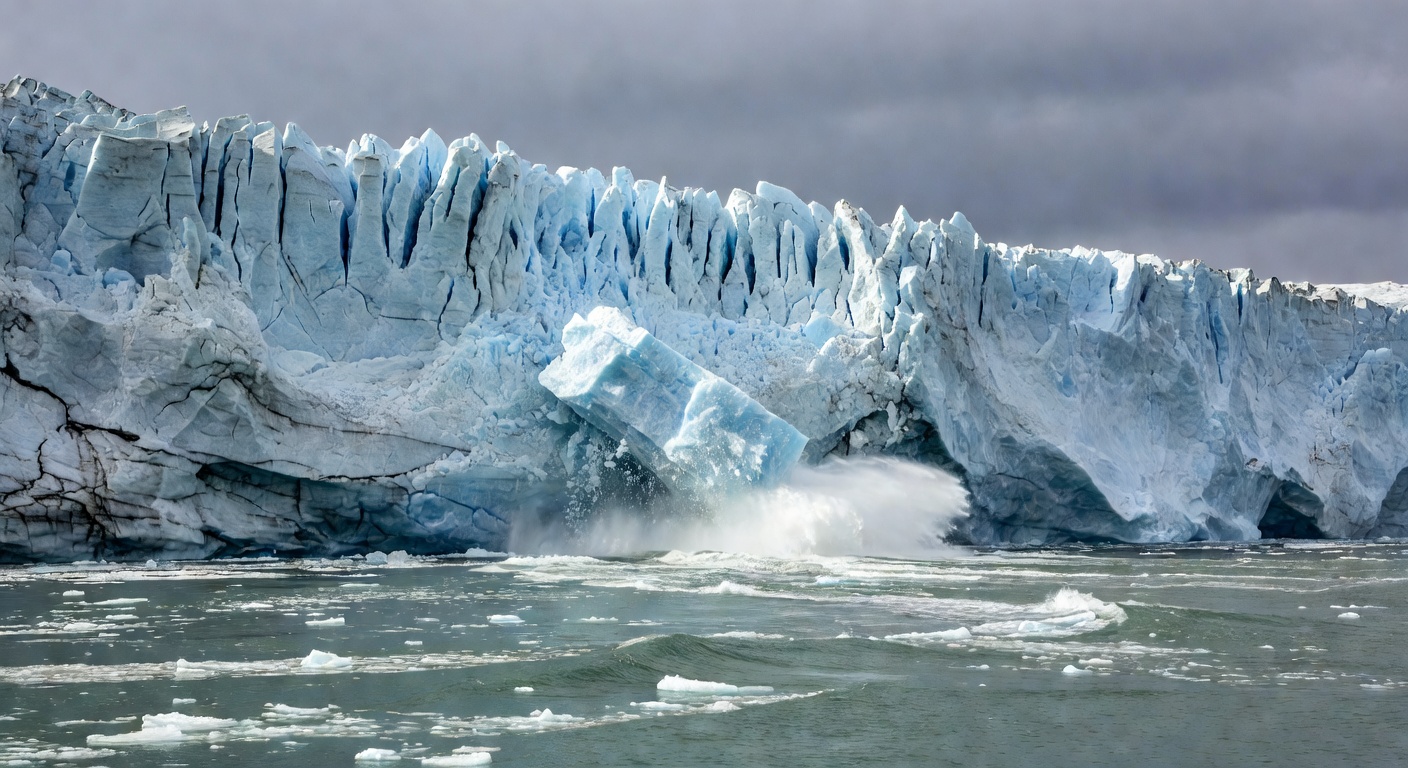
Alaska from Seward
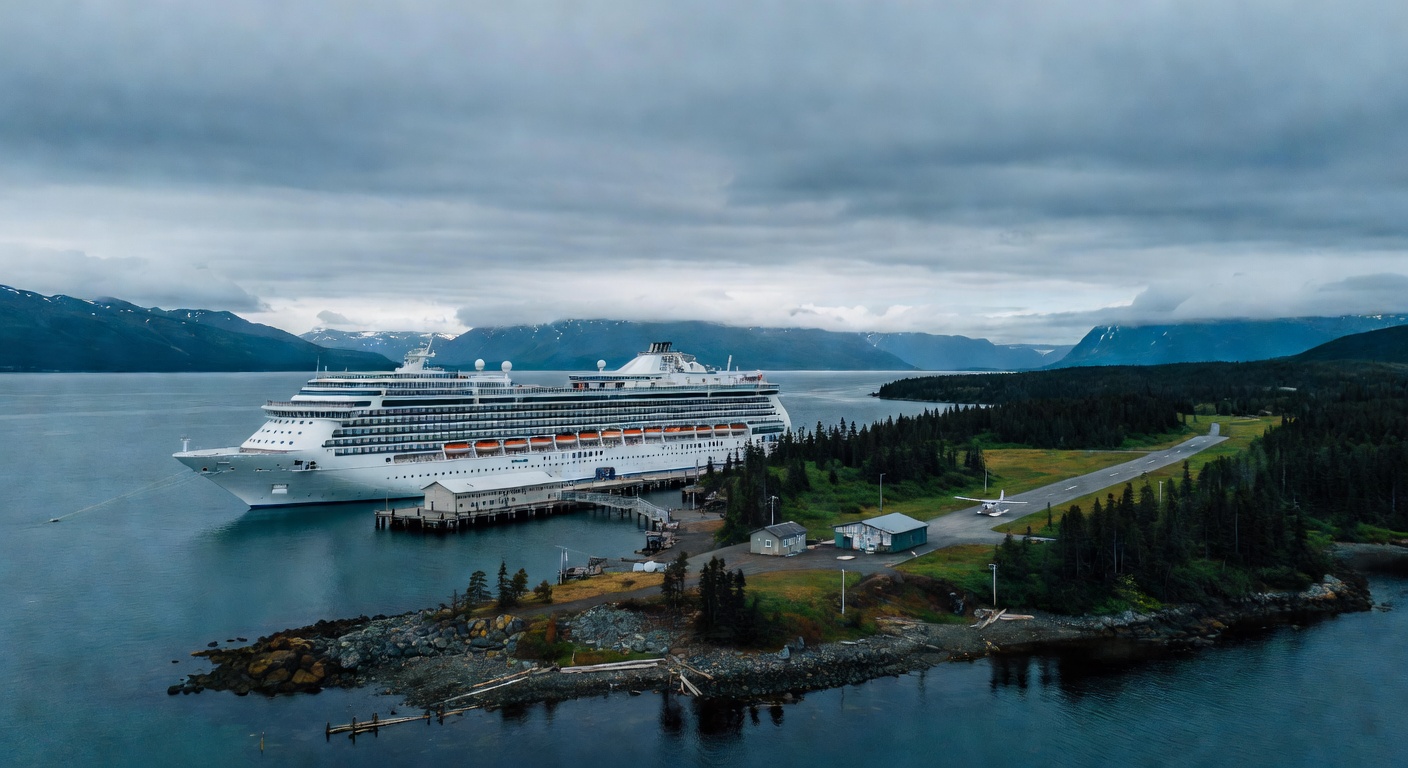
Seward sits on the Gulf of Alaska coast, roughly 125 miles south of Anchorage, and serves as the embarkation or disembarkation point for one-way sailings to and from Vancouver. That one-way structure is the whole point — it lets the ship cover the Inside Passage ports and the Gulf of Alaska glaciers in a single voyage, without retracing its route.
This pairing suits travellers who want the most geographically expansive Alaska cruise available, especially those combining a cruise with a land tour through Denali and the Alaskan interior. The tradeoff is logistical: one-way flights and an Anchorage-to-Seward transfer are part of the deal.
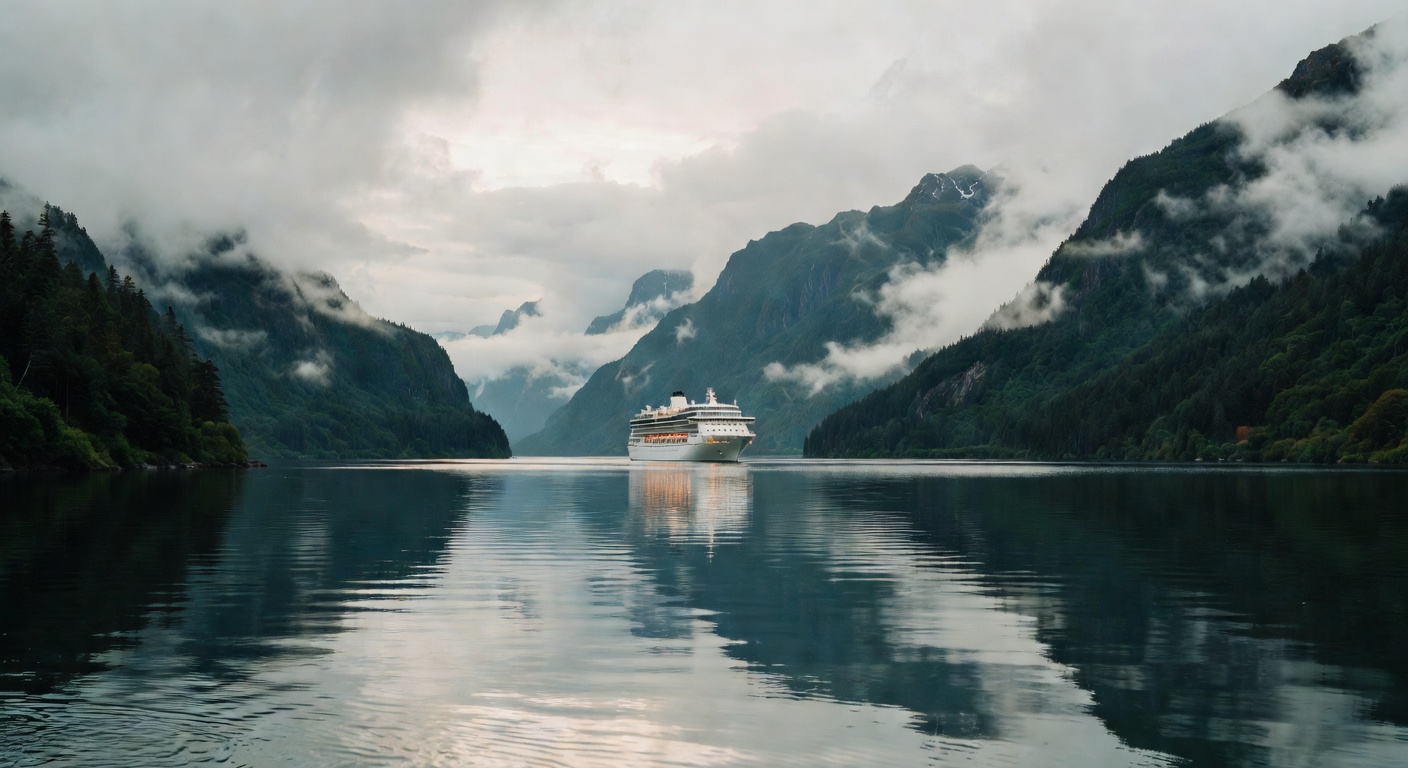
Practical characteristics of an Alaska cruise that starts or ends in Seward.
Seward's position on the Gulf of Alaska means ships can reach Hubbard Glacier — the largest tidewater glacier in North America — which most round-trip Inside Passage itineraries cannot.
One-way sailings between Seward and Vancouver cover new water every day instead of doubling back through the same channels.
Princess and Holland America operate Cruisetour programmes that hinge on Seward, combining rail, lodge stays, and Denali with the cruise itself.
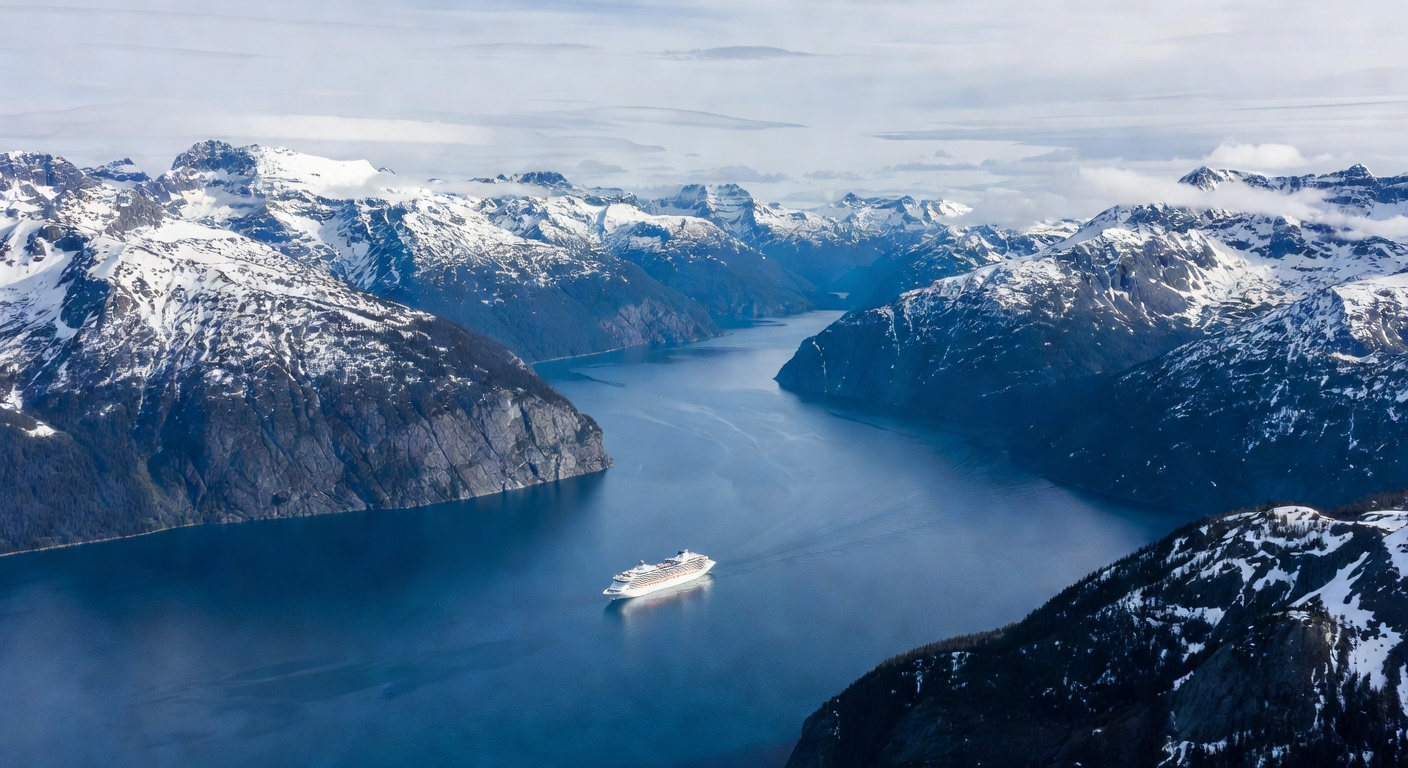
Many Seward itineraries include a full day in Prince William Sound's College Fjord, where more than a dozen named glaciers are visible from the ship.
A pre- or post-cruise day in Seward puts Kenai Fjords National Park within reach by boat tour, offering whale, puffin, and glacier sightings before the voyage even begins.
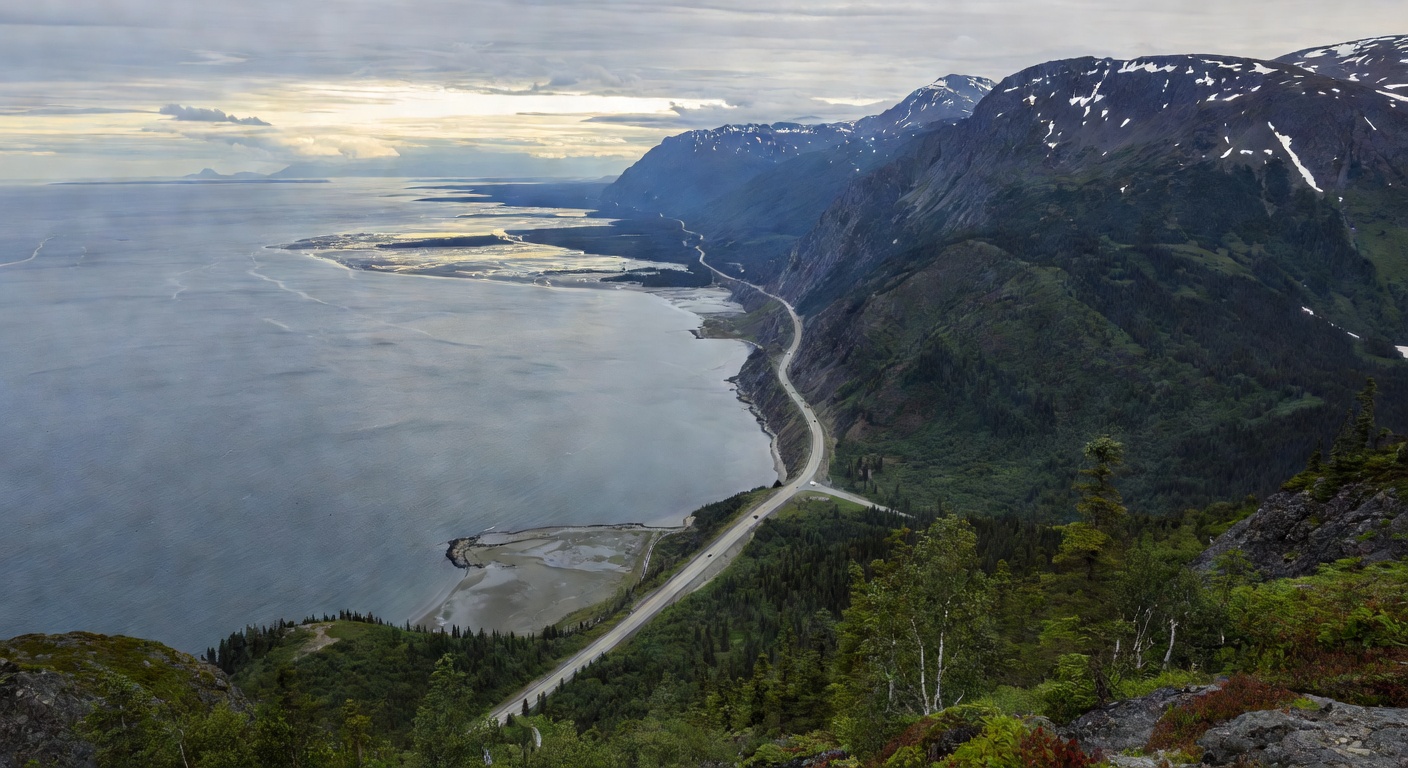
The drive or rail journey from Anchorage to Seward follows the Seward Highway along Turnagain Arm — widely considered one of the most beautiful drives in North America.
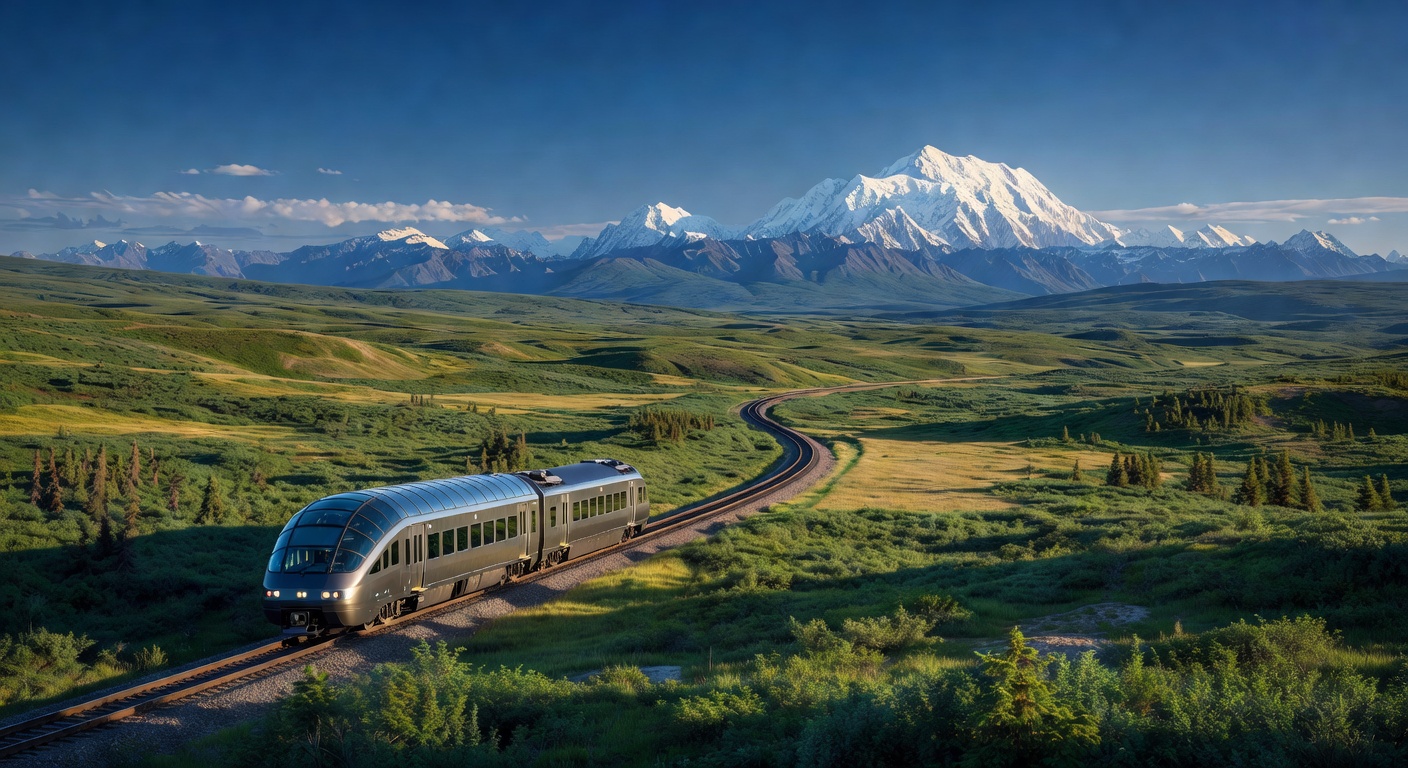
If your goal is to see glaciers, wildlife, and the interior on a single trip, Seward is the port that stitches the land and sea pieces together. The Cruisetour infrastructure from Princess and Holland America is purpose-built for this.
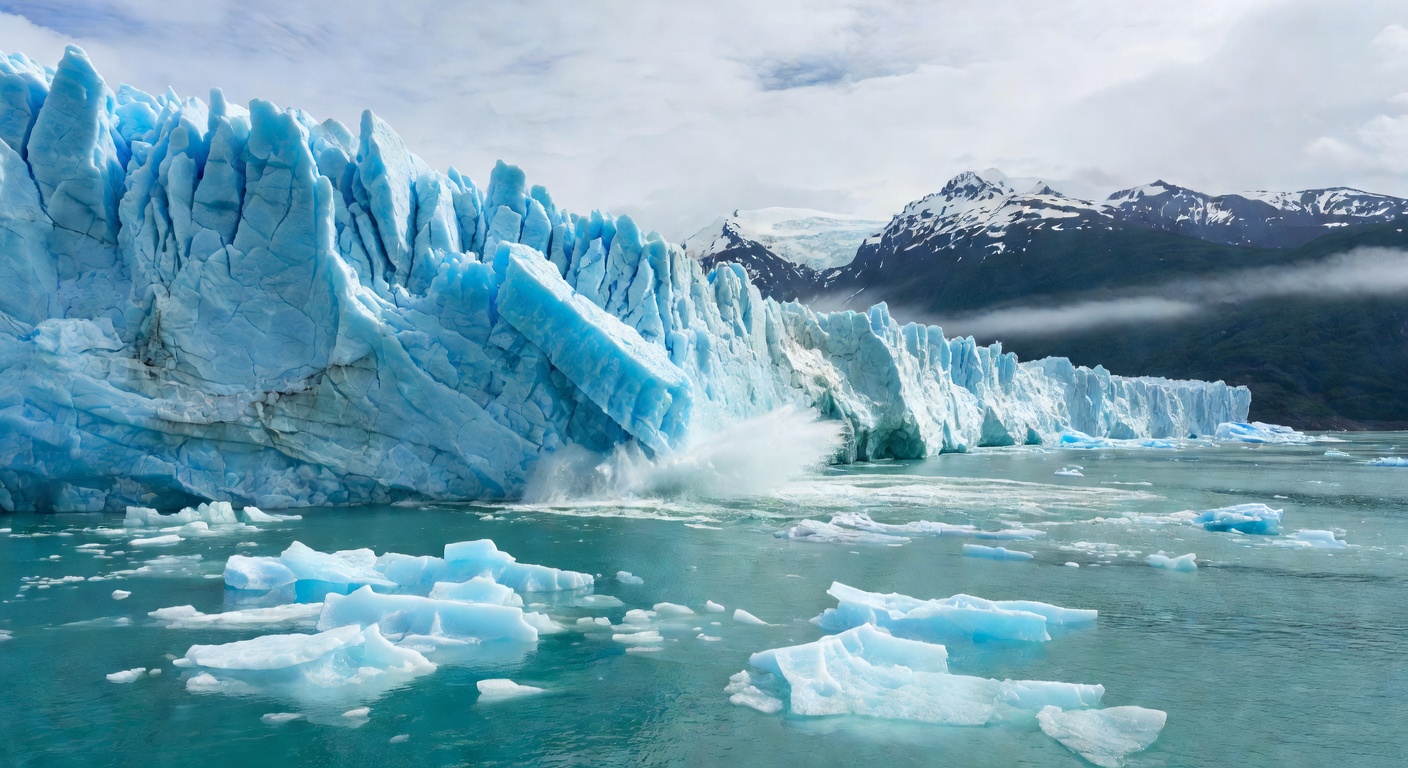
Seward sailings reach Gulf of Alaska glaciers that round-trip Inside Passage loops cannot. If seeing the big ice matters more than anything else on your itinerary, this route delivers.
A Seward sailing means flying into one city and out of another, plus arranging ground transport across 125 miles of highway. If you want to board and disembark in the same place with minimal logistics, round-trip sailings from Seattle or Vancouver are a better match.
One-way Seward itineraries tend to be priced slightly above comparable round-trips, and the additional cost of one-way airfare and transfers adds up. A round-trip sailing is often the more economical first Alaska cruise.
Why the Port Matters
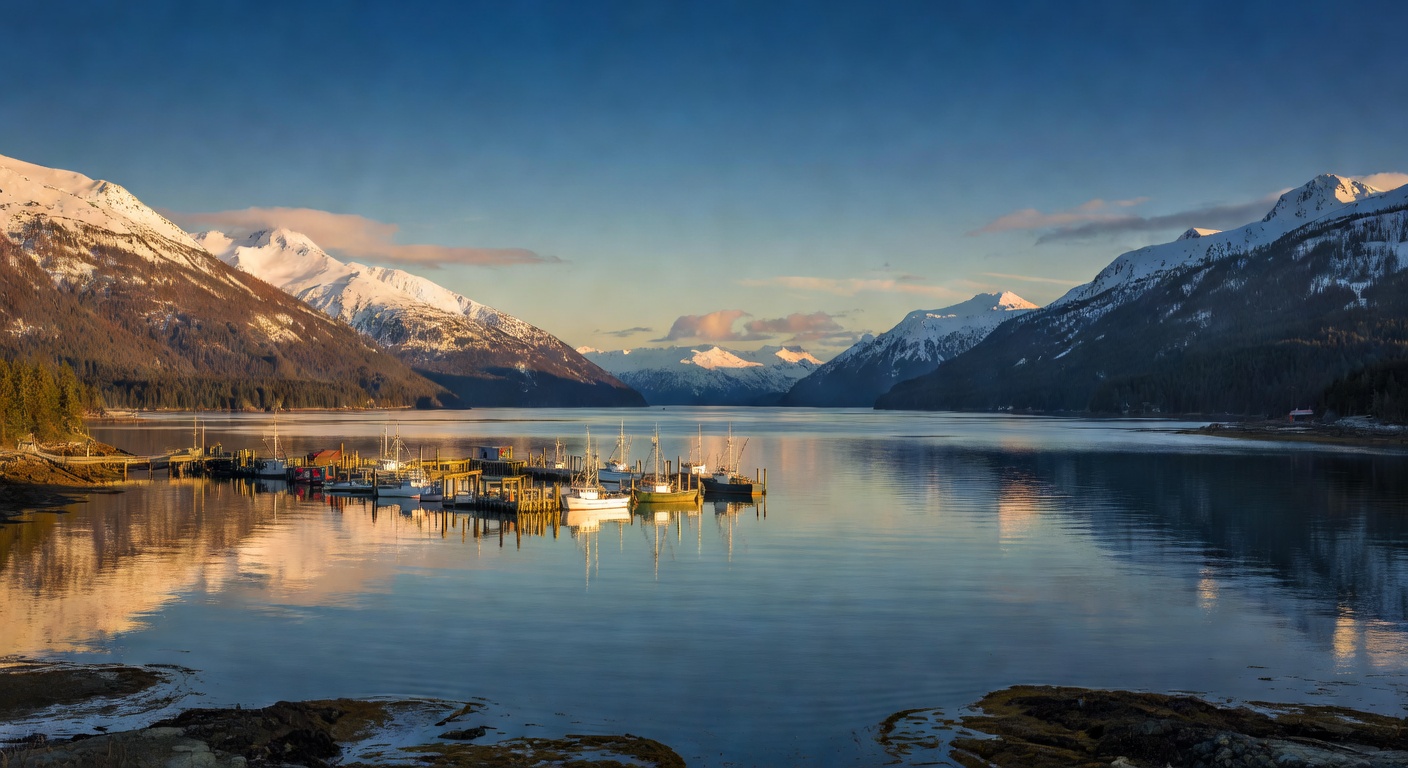
Choosing Seward as your embarkation or disembarkation port is a trip-shape decision, not just a logistics one. It commits you to a one-way itinerary across the Gulf of Alaska, which means Hubbard Glacier, College Fjord, and scenic days that round-trip sailings from Seattle or Vancouver simply cannot fit into their routing. The geography is the reason — Seward sits hundreds of miles northwest of the Inside Passage, and the ship uses that distance to show you a bigger piece of Alaska.
The practical consequence is that your trip has a built-in land segment. You will fly into Anchorage, transfer to Seward by road or rail, and either start or finish your cruise there. That transfer is not dead time — it passes through some of the most dramatic coastal mountain scenery in the state — but it does require advance planning and, ideally, an overnight in Anchorage to buffer against weather or flight delays.
Motorcoach, private shuttle, rental car, or Alaska Railroad. The rail option is slower and pricier but follows one of the most scenic routes in the state. Do not attempt a same-morning fly-and-transfer on embarkation day.
Seward is the natural hinge for Cruisetour programmes that add three to five land nights through Denali, Talkeetna, and the Kenai Peninsula before or after the sailing.
Some cruise lines use Whittier instead of Seward for Gulf of Alaska sailings. Whittier is closer to Anchorage but has virtually no town infrastructure. Seward offers more to do on the ground if you have a spare day.
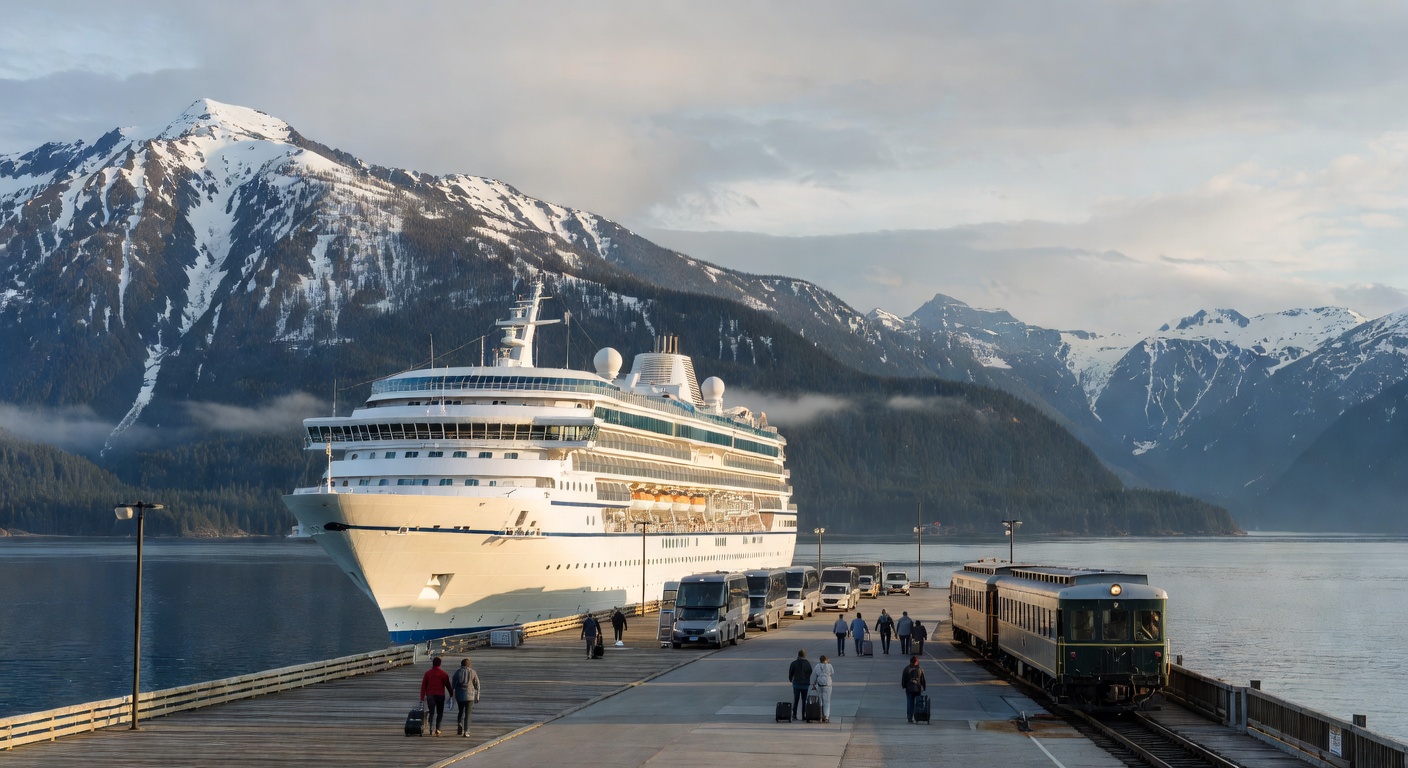
The most established Seward operator, with purpose-built Cruisetour infrastructure including rail cars, wilderness lodges, and motorcoach transfers connecting Denali to the ship.
See Princess Alaska sailings from Seward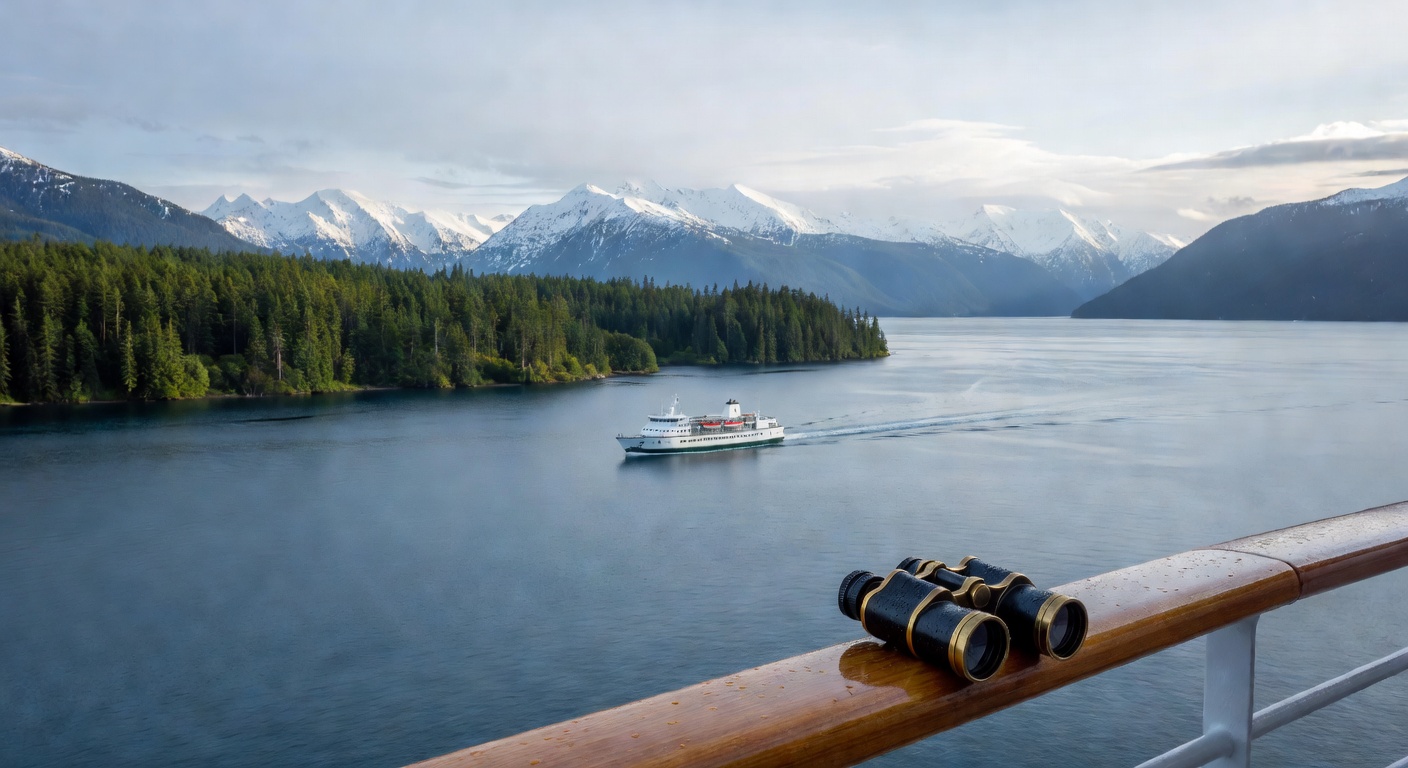
Decades of Alaska experience with an emphasis on naturalist-led programming, scenic cruising, and a more traditional cruise atmosphere.
See Holland America Alaska sailings from Seward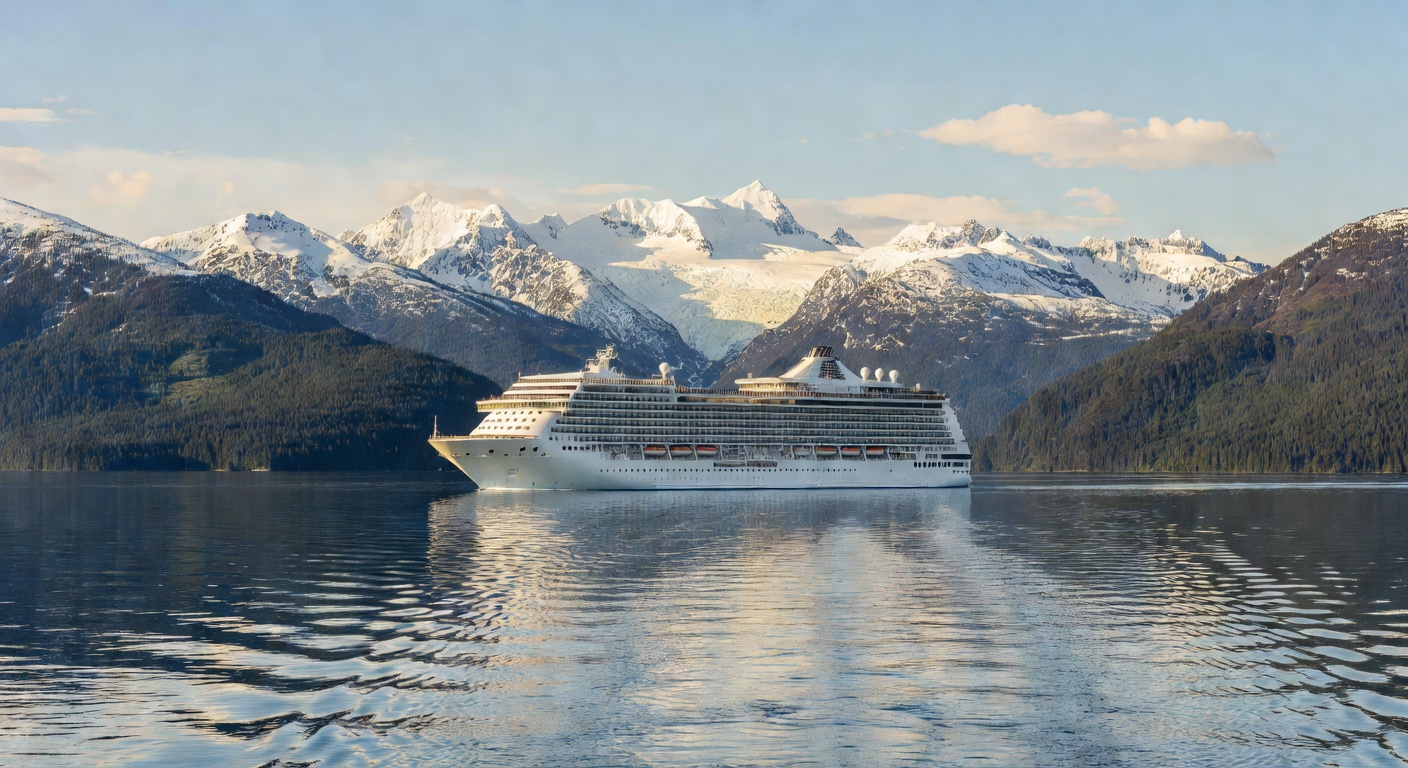
Brings mega-ship amenities and family infrastructure to the Gulf of Alaska routing, with larger vessels than the traditional Alaska operators.
See Royal Caribbean Alaska sailings from Seward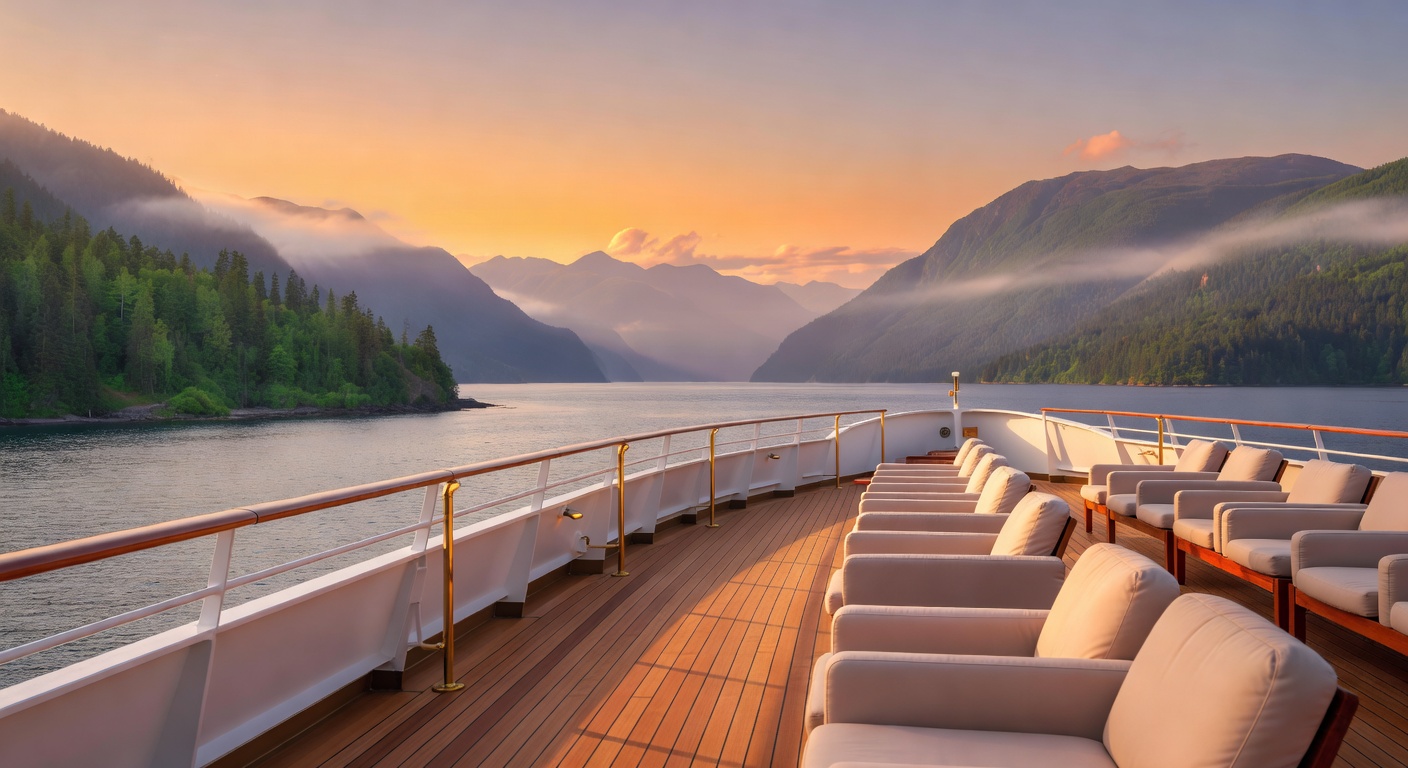
Premium-tier one-way sailings with a focus on dining, service, and a more refined onboard atmosphere.
See Celebrity Alaska sailings from Seward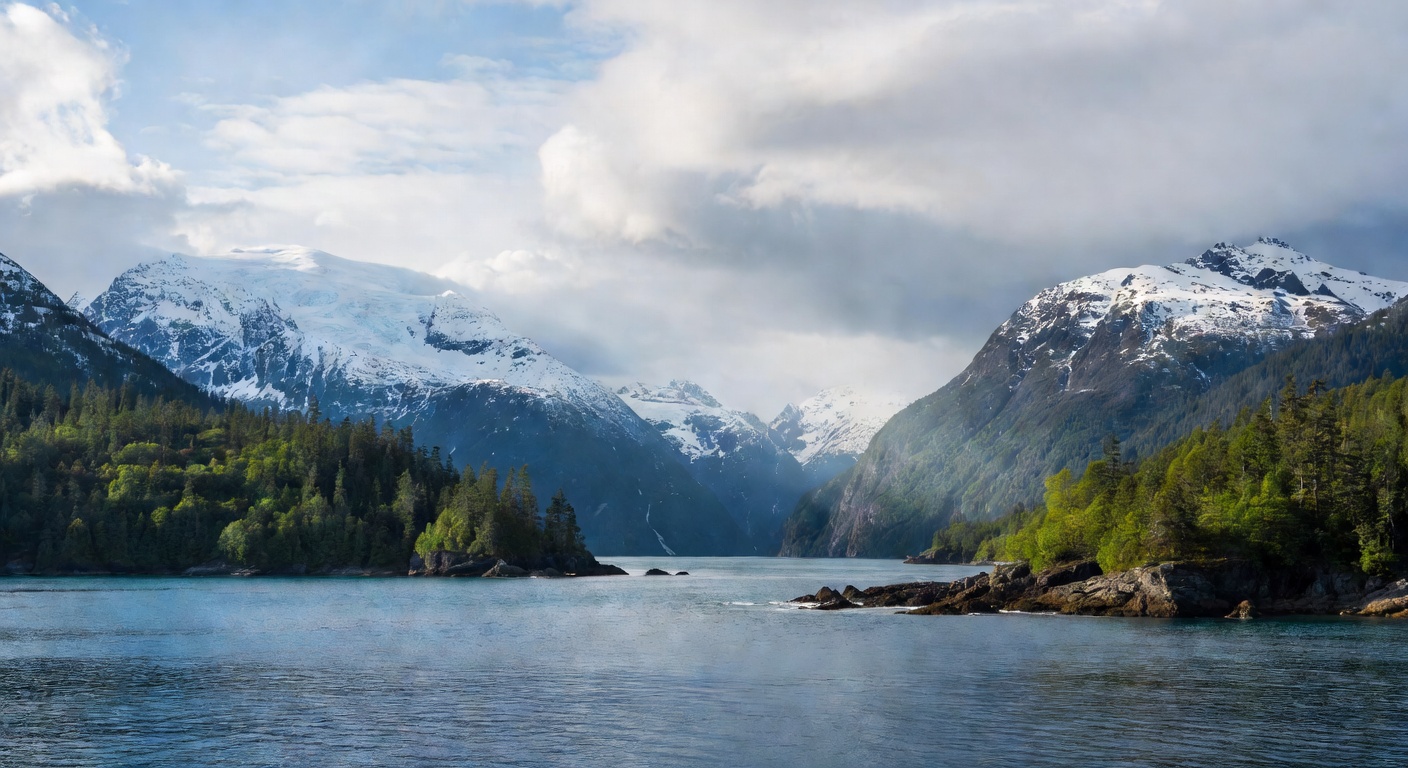
Seward sailings are one-way voyages to or from Vancouver. Every day covers new water, including Gulf of Alaska glacier days that round-trip itineraries cannot reach. Expect seven nights, with three to four port calls and one to two scenic cruising days.
This route rewards travellers who treat the transfer, the land extension, and the sailing as parts of a single trip rather than separate logistics. Build in an overnight in Anchorage, consider the Alaska Railroad to Seward, and look at Cruisetour options if Denali is on your list.
You will need one-way flights, an Anchorage-to-Seward transfer, and potentially an extra hotel night. The payoff is Hubbard Glacier, College Fjord, and a geographically broader Alaska experience. The cost is planning time and a moderately higher total trip budget.

If you are willing to manage the one-way logistics and the Anchorage transfer, a Seward sailing delivers the most geographically expansive Alaska cruise available — glaciers, Inside Passage ports, and Kenai Peninsula access in a single voyage. The tradeoff is real planning effort and a higher all-in cost than a round-trip loop.










