




Immediate glacier access
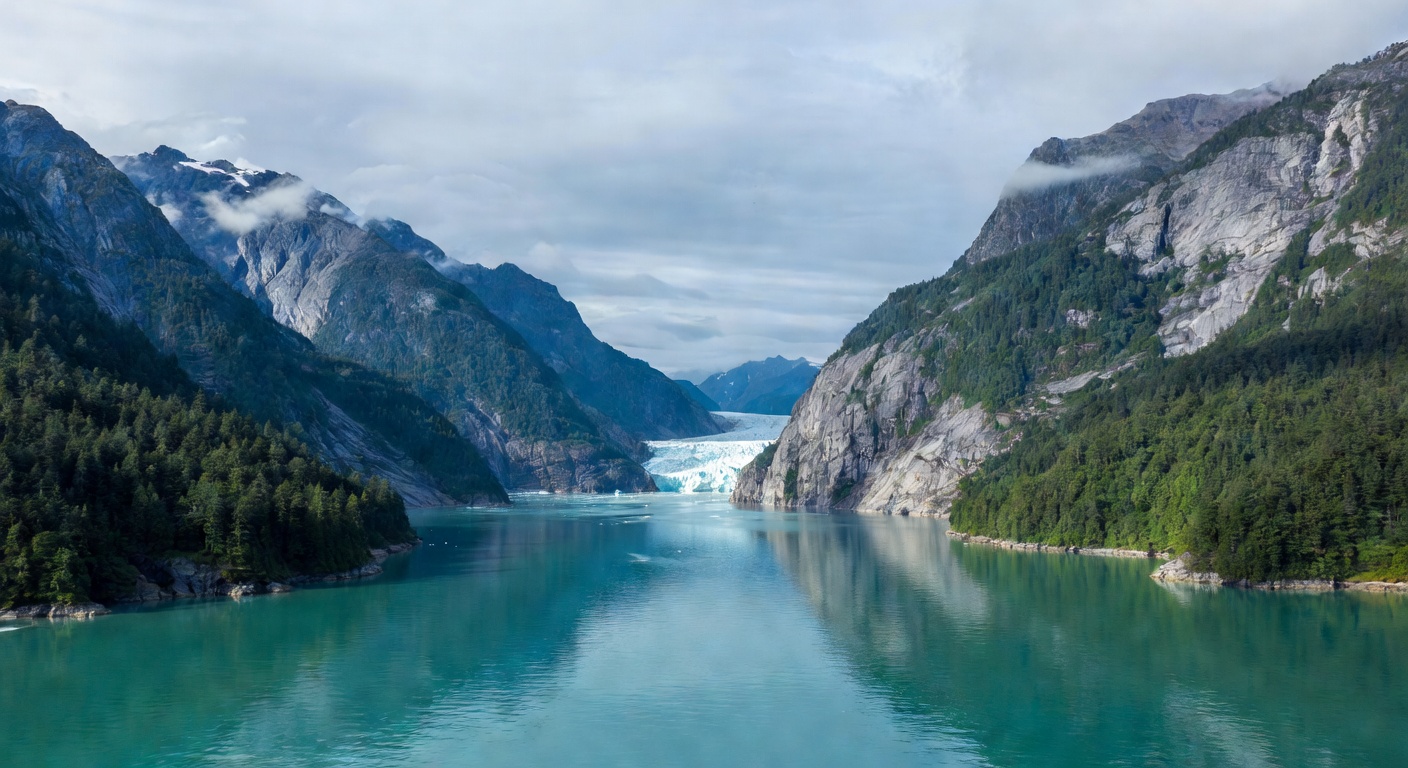
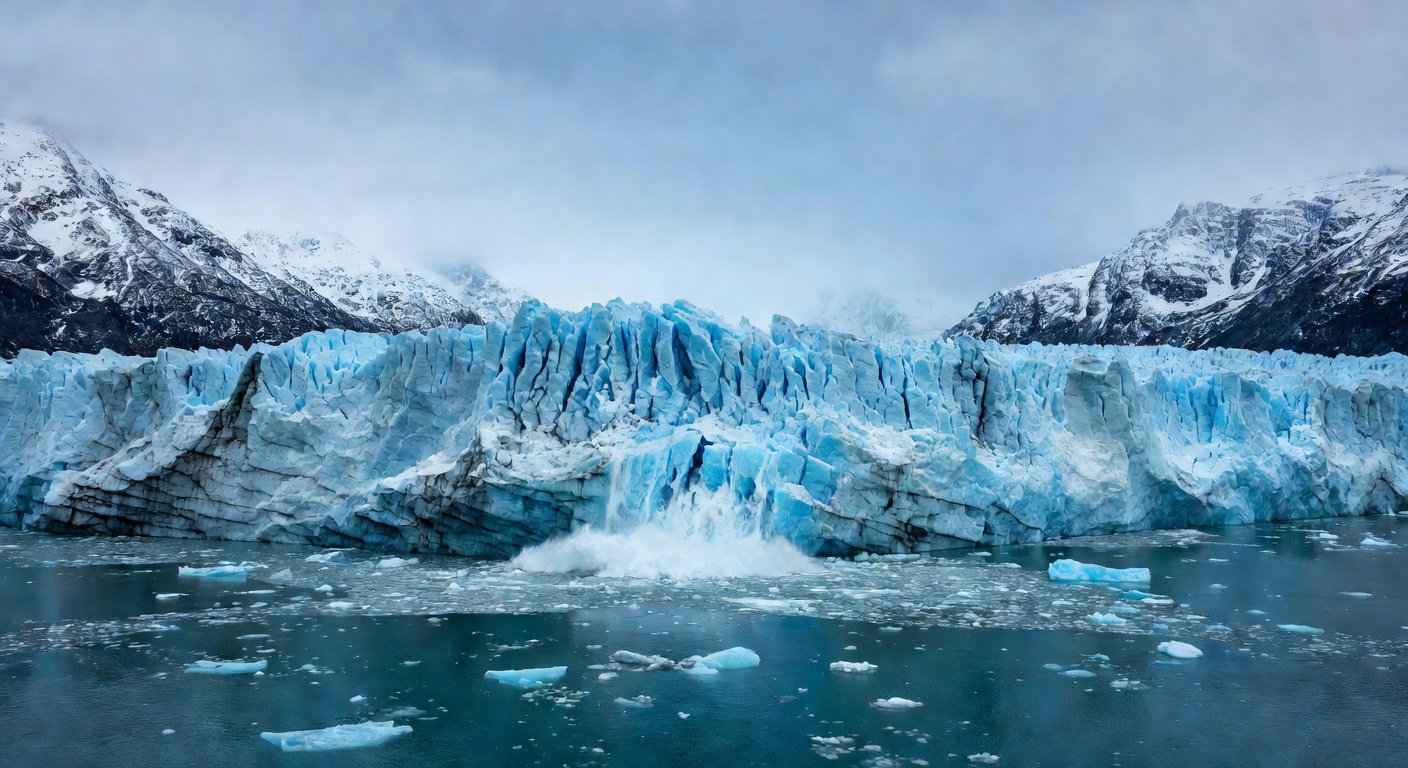
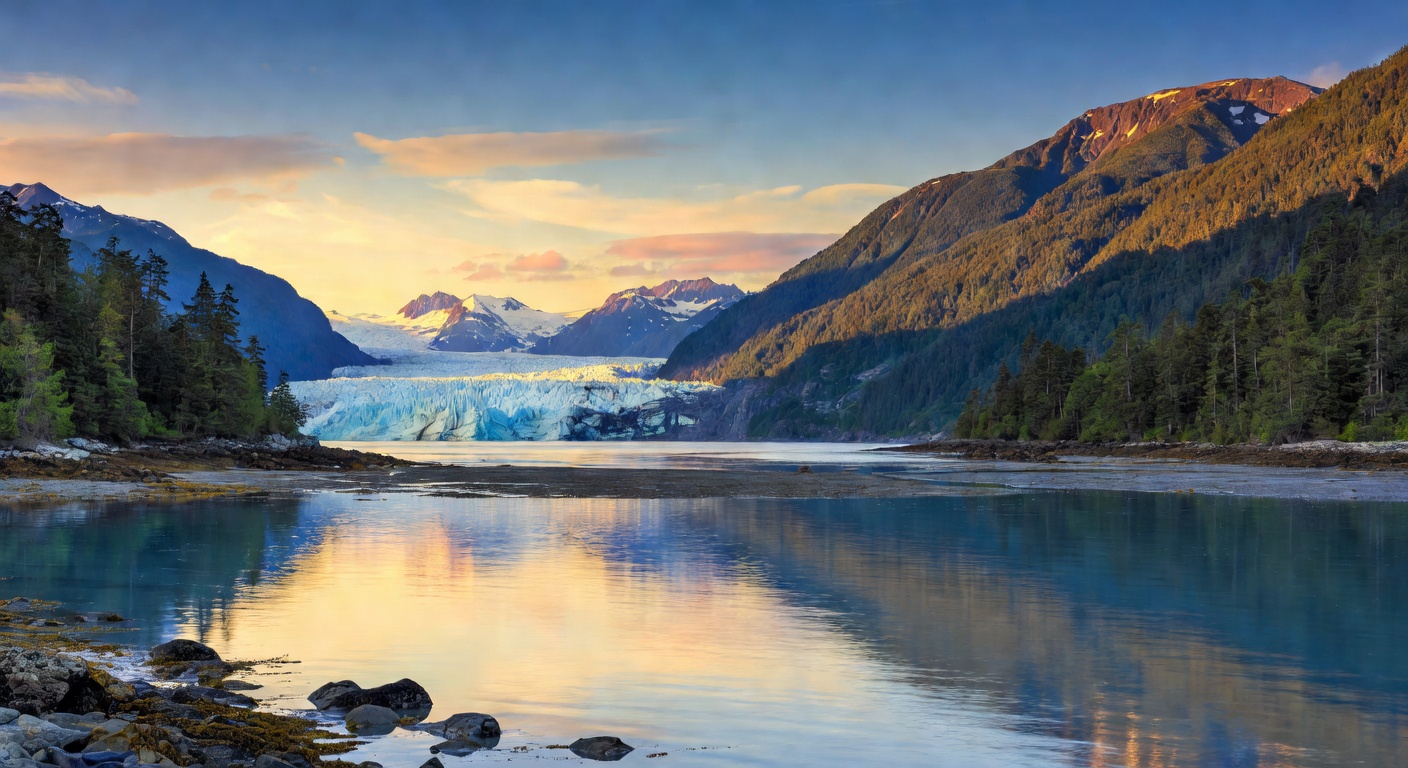
No repositioning days — you are cruising past tidewater glaciers and through narrow fjords from the first full day aboard.

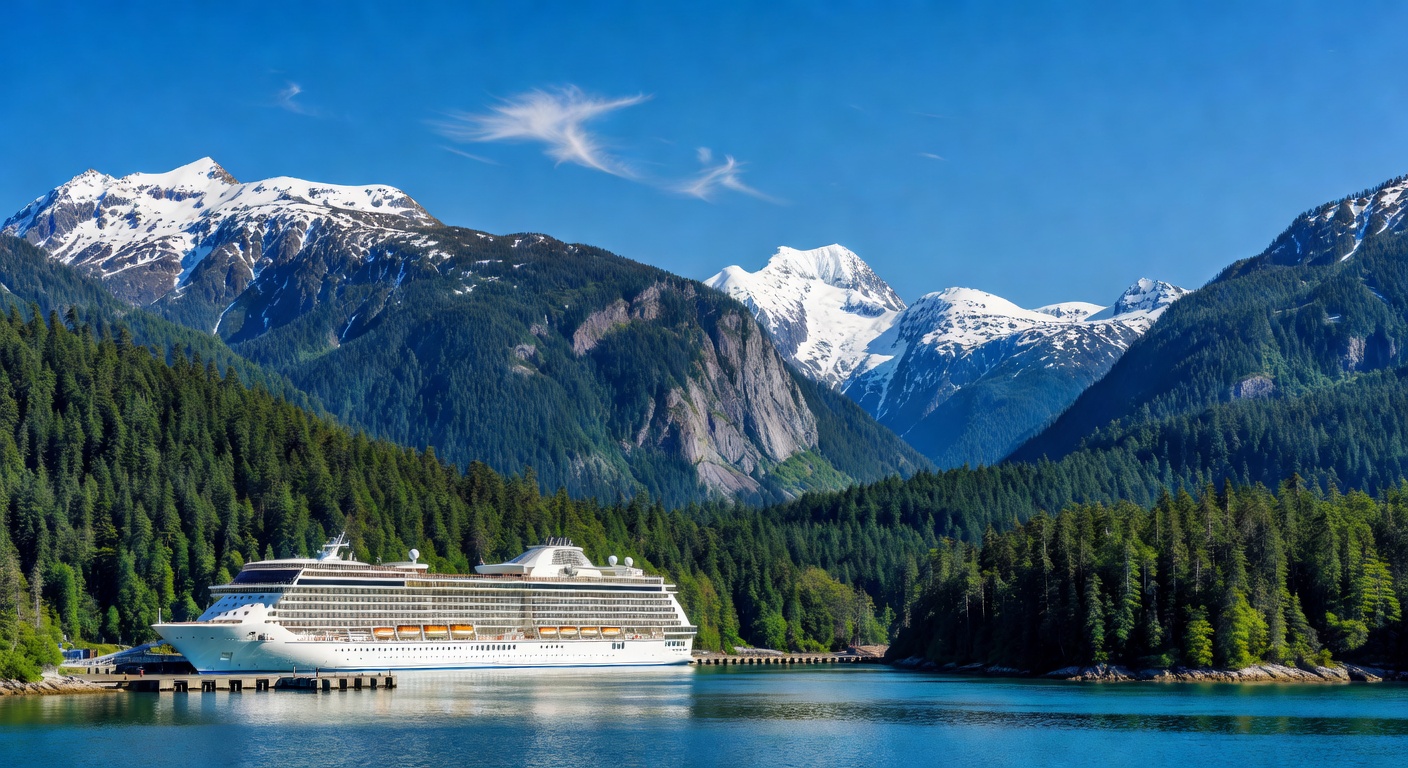
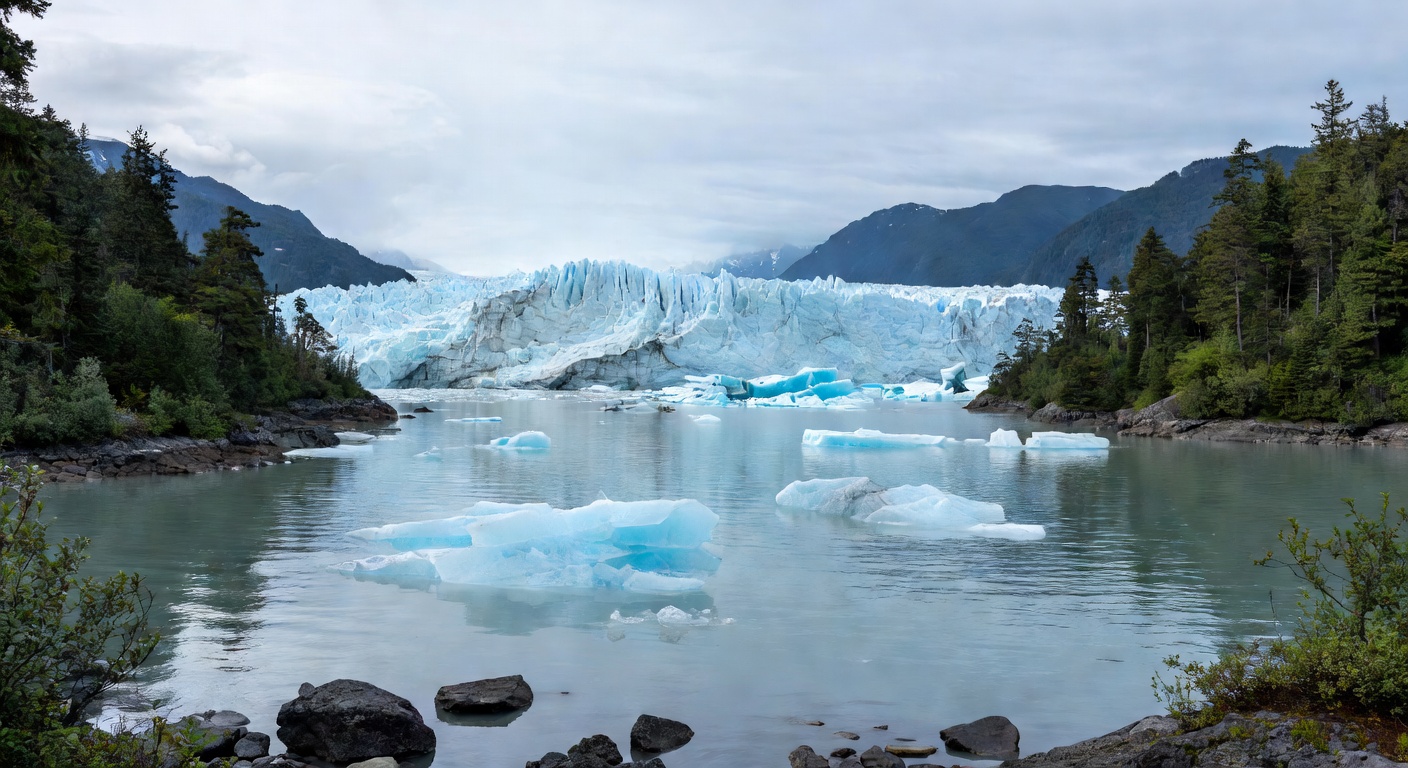
Alaska from Juneau
Most Alaska itineraries spend their first day sailing north to reach the cruising ground. Juneau skips that entirely. As Alaska's capital and busiest cruise port — over 1.7 million passengers passed through in 2025 — it sits in the heart of Southeast Alaska, surrounded by glaciers, narrow channels, and humpback feeding grounds from the moment you board.
Embarking from Juneau suits travellers who want more Alaska per day of sailing, particularly those combining a cruise with a Denali or Anchorage land segment, or return visitors who have already done the standard seven-night round-trip from Seattle. The ships that depart here tend to be smaller and more expedition-oriented, which means the experience is intimate, wildlife-forward, and unlike the mega-ship mainstream.
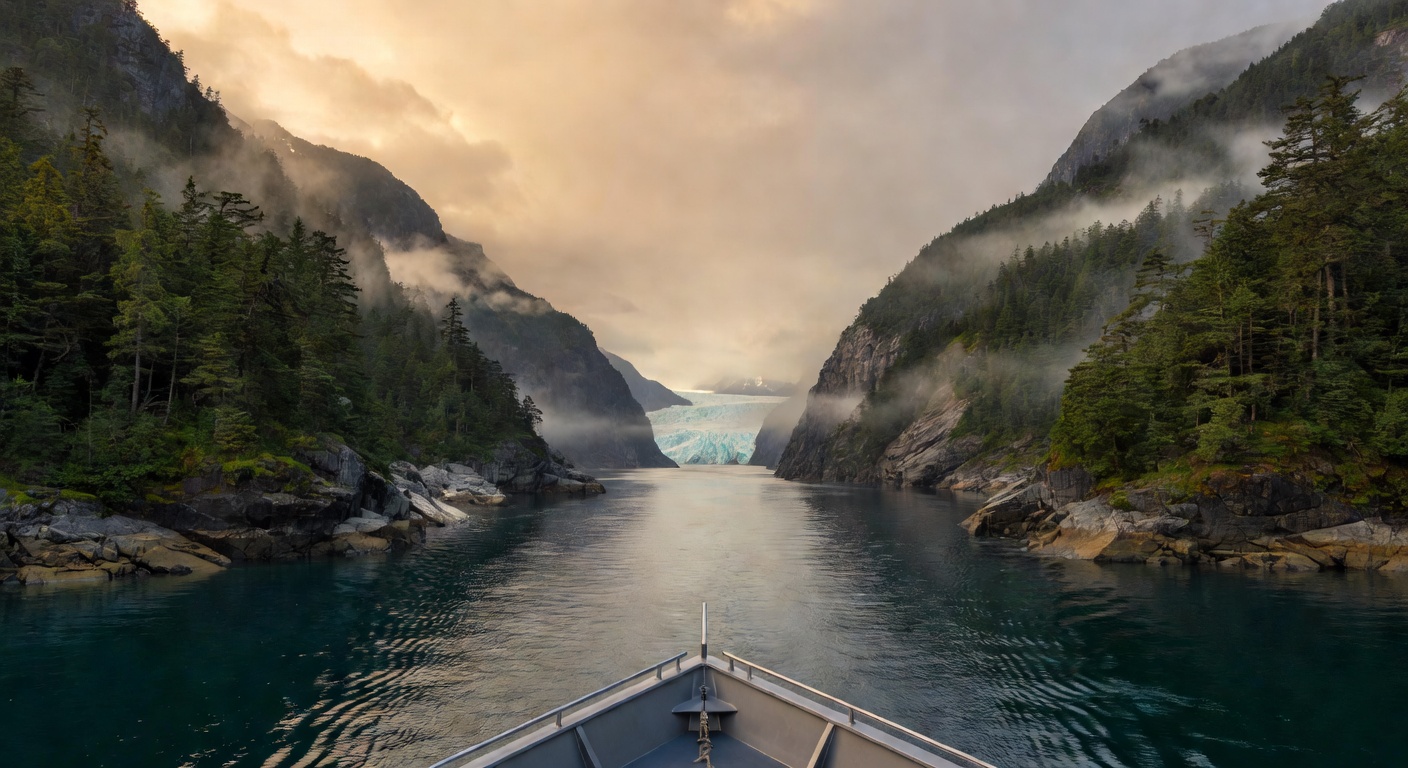
Practical characteristics that shape an Alaska sailing from Juneau — not generic Alaska attractions, but what this embarkation point specifically changes about the trip.
No repositioning days — you are cruising past tidewater glaciers and through narrow fjords from the first full day aboard.
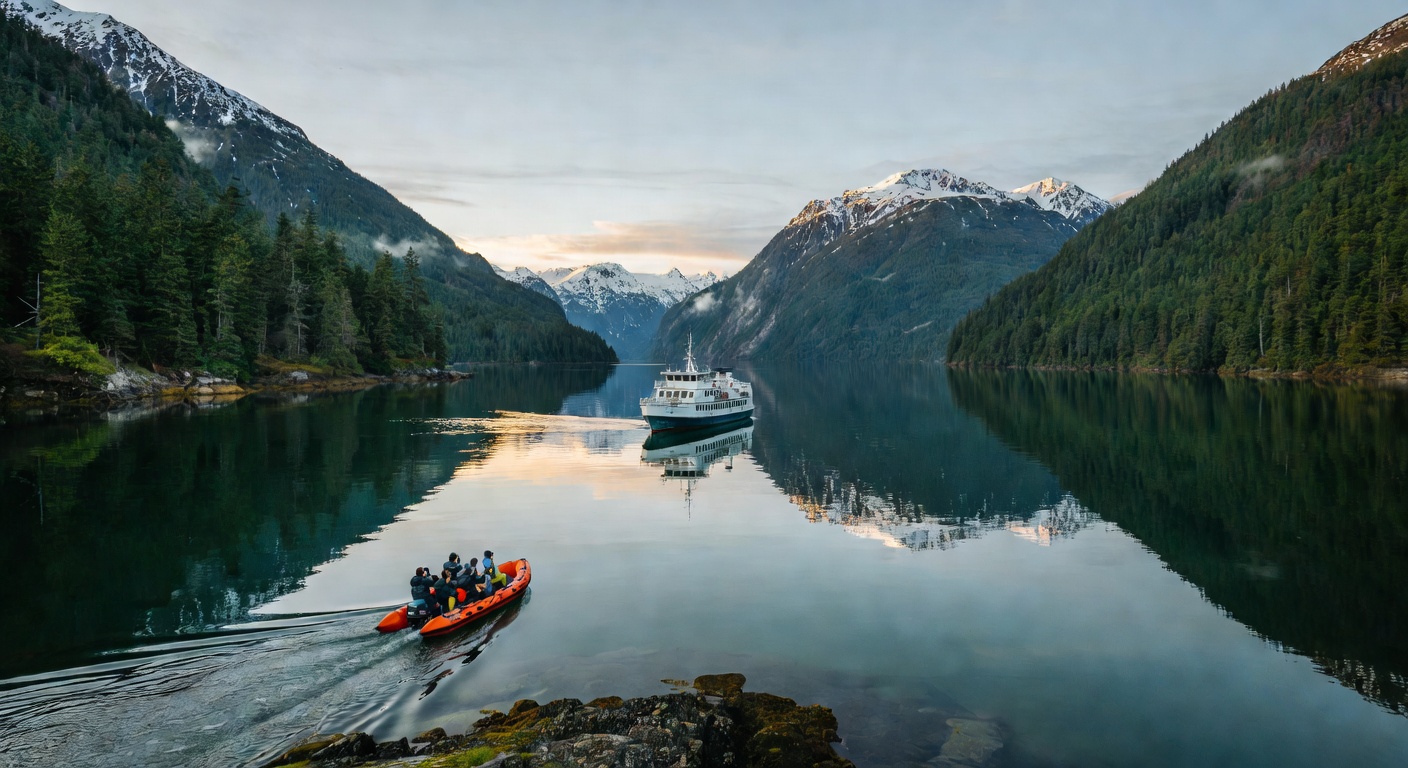
UnCruise, Lindblad, and Windstar base Juneau departures around vessels carrying 60–300 guests, offering zodiac landings and wildlife encounters that mega-ships cannot replicate.
Many sailings run Juneau to Sitka, Whittier, or Seward, letting you see more coastline without backtracking over the same route.
Juneau connects naturally with Anchorage and Denali land trips, making it easy to build a two-week Alaska itinerary that mixes ship and shore.
Without two days of open-water transit, a five-night Juneau sailing can deliver as many Alaska port stops as a seven-night Seattle round-trip.
Juneau has no road access to the wider highway system — you fly in, typically via Seattle or Anchorage, which adds a planning step but also an adventure.
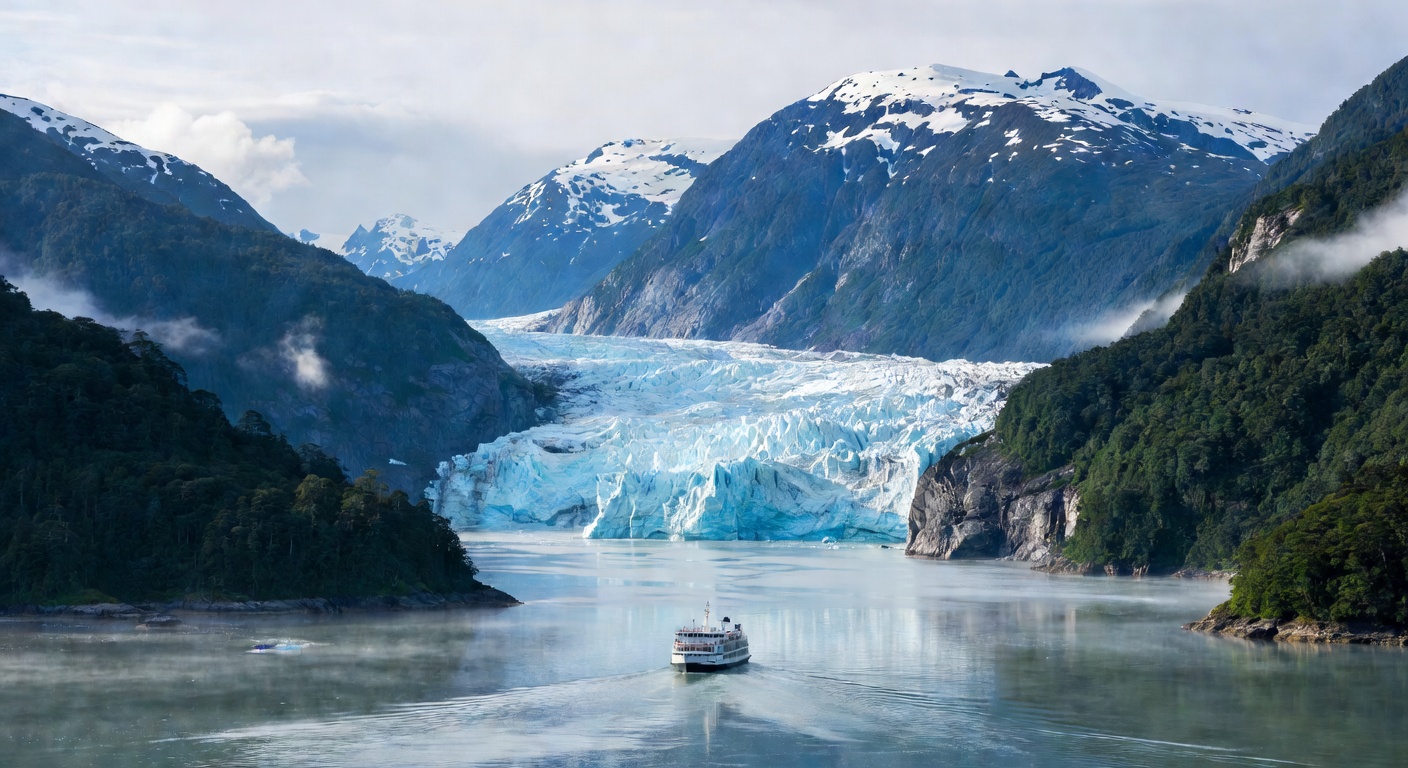
If you have done the seven-night Seattle round-trip and want to go further into the glaciers and channels rather than repeat the same port rotation, Juneau embarkation is the natural next step. Smaller ships and one-way routes mean more time in the water and less time in transit.
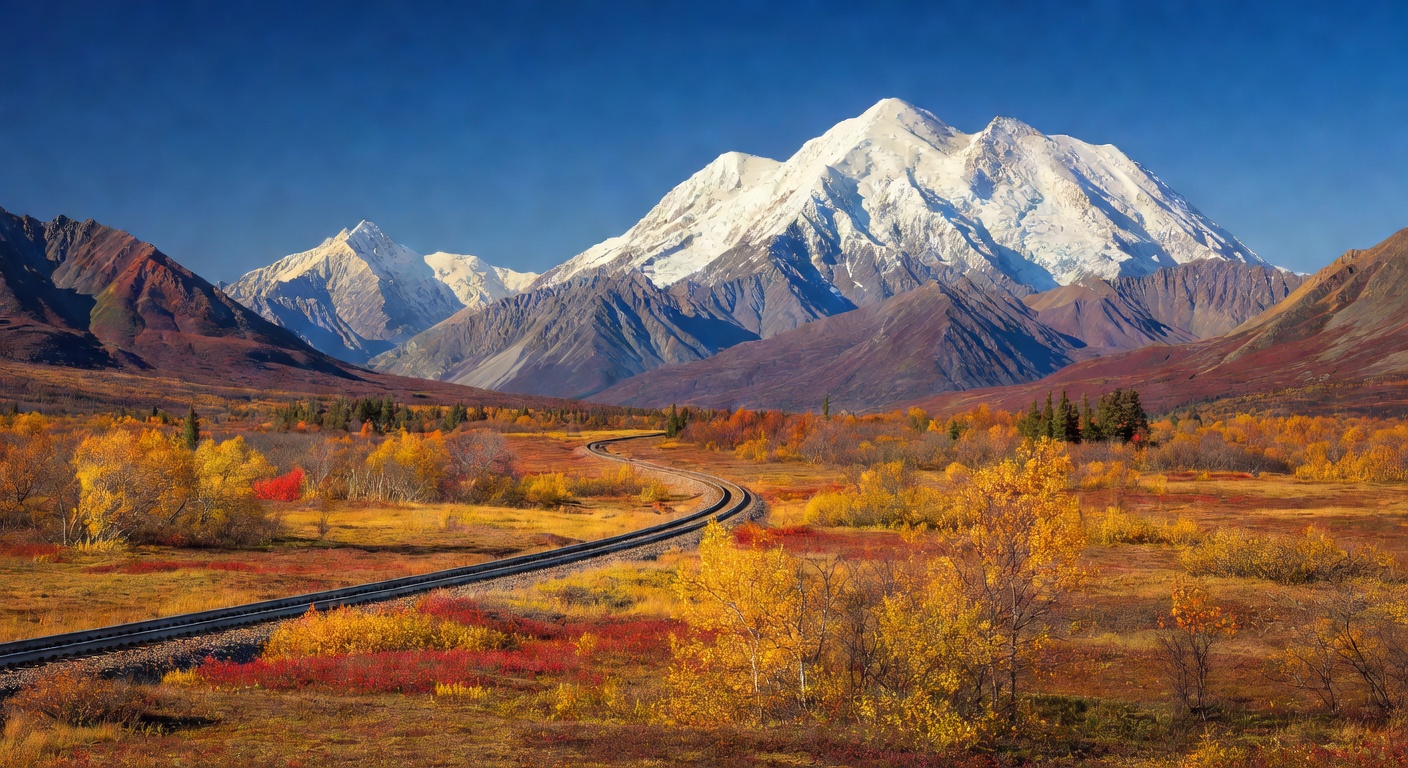
Juneau works beautifully as one end of a broader Alaska trip. Fly into Anchorage, spend time in Denali, then cruise from Juneau — or reverse the order. The one-way itinerary format is built for this kind of planning.
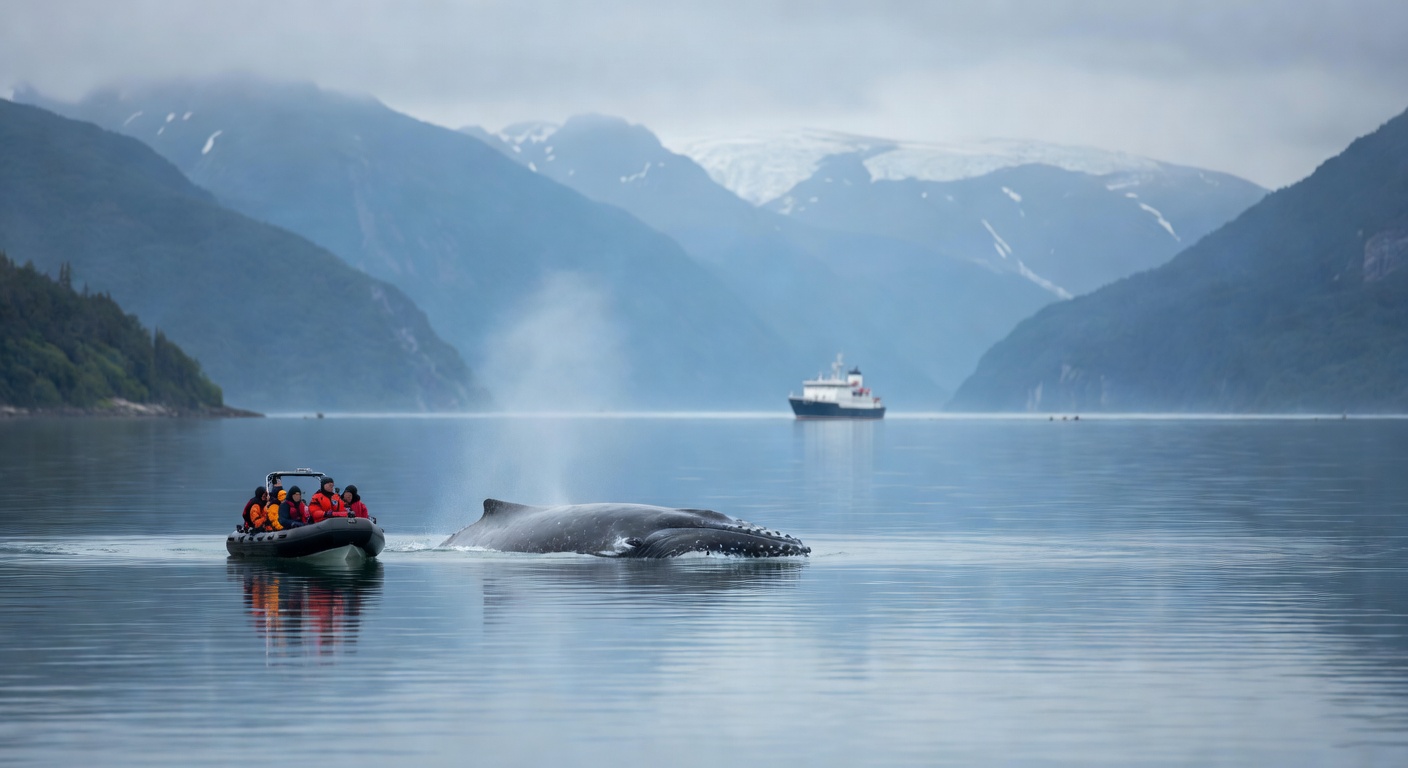
If you have never sailed on a small expedition ship, Juneau's operators offer an excellent introduction to the format. Just be aware that the experience is markedly different from a mega-ship — fewer amenities, smaller cabins, but dramatically closer access to wildlife and landscapes.
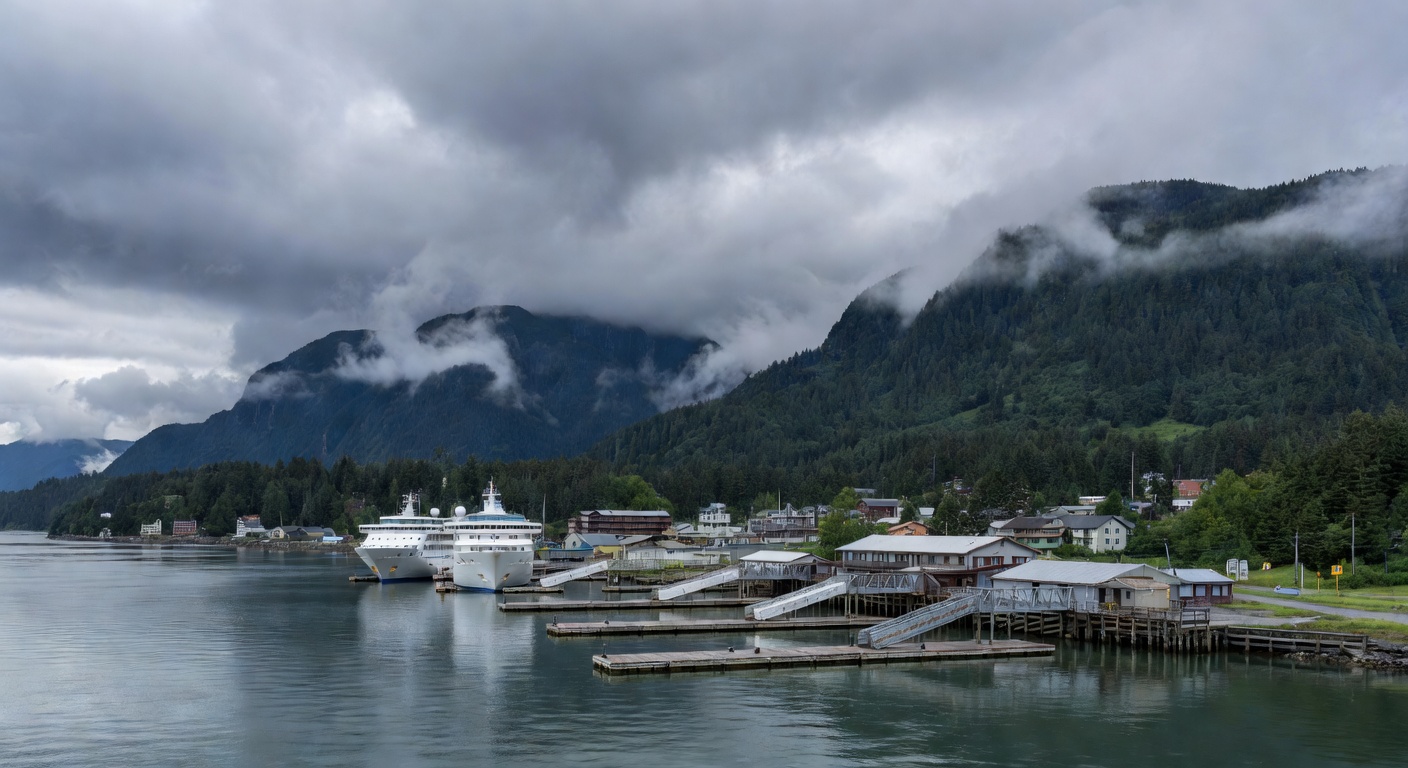
If waterslides, Broadway shows, and driving to the port are part of your ideal cruise, Juneau is not the right starting point. The embarkation infrastructure suits smaller vessels, and the fly-in requirement adds cost and a weather-dependent variable that Seattle and Vancouver do not have.
Departure Port Logic
Juneau is 900 miles north of Seattle. That geographic reality is the single most important thing about this embarkation choice. A round-trip Seattle sailing uses two of its seven nights just getting to and from Alaska. A Juneau departure puts those two nights back in your hands — you spend them in glacial fjords and wildlife-rich channels instead of open water. For a traveller who is paying per night and measuring the trip in Alaska experiences, not total sea days, that arithmetic matters.
The tradeoff is access and scale. Juneau is a fly-in city with a fog-sensitive airport. There is no option to drive to the port, no massive terminal with priority boarding lanes, and far fewer ships to choose from. You are trading the convenience and variety of a major gateway for immediacy and intimacy. That is a deliberate choice, and the right one for a specific kind of traveller — but it is not the right one for everyone.
Juneau's airport sees weather-related delays regularly enough that arriving the day before embarkation is a strong recommendation, not an optional luxury. Build in the buffer — and use it to explore the city.
Most travellers reach Juneau via connecting flights through Seattle-Tacoma or Anchorage. Alaska Airlines operates the most frequent service. Direct flights from other hubs are limited.
A Juneau-to-Seward sailing pairs naturally with a Denali or Kenai Peninsula land segment, creating a two-week Alaska trip that most round-trip itineraries cannot match.
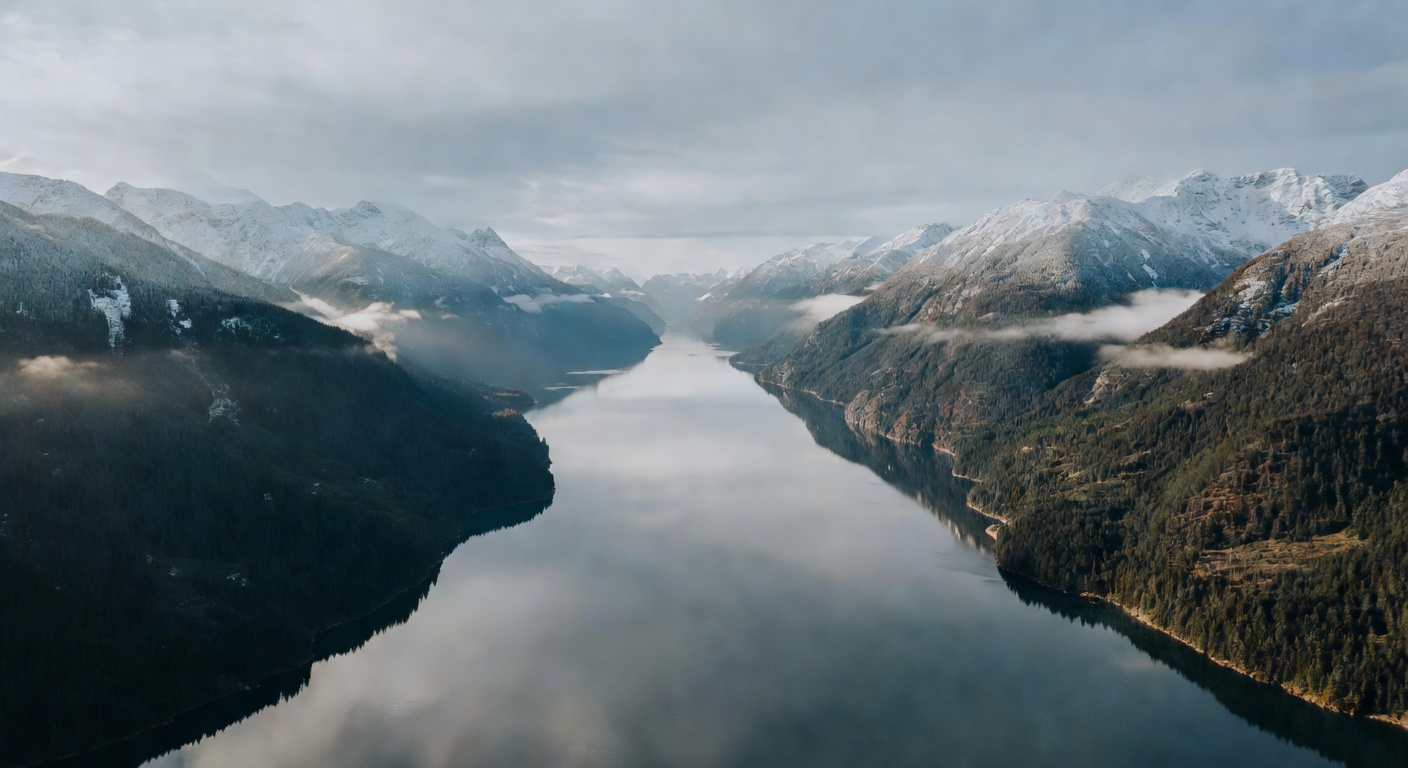
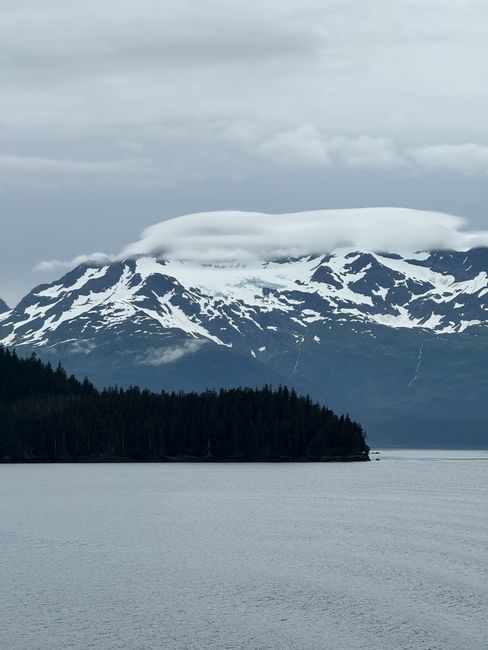
Expedition-style small-ship sailings through Southeast Alaska's most remote waterways, with zodiac landings, kayaking, and naturalist-guided wildlife encounters.
See UnCruise Alaska sailings from Juneau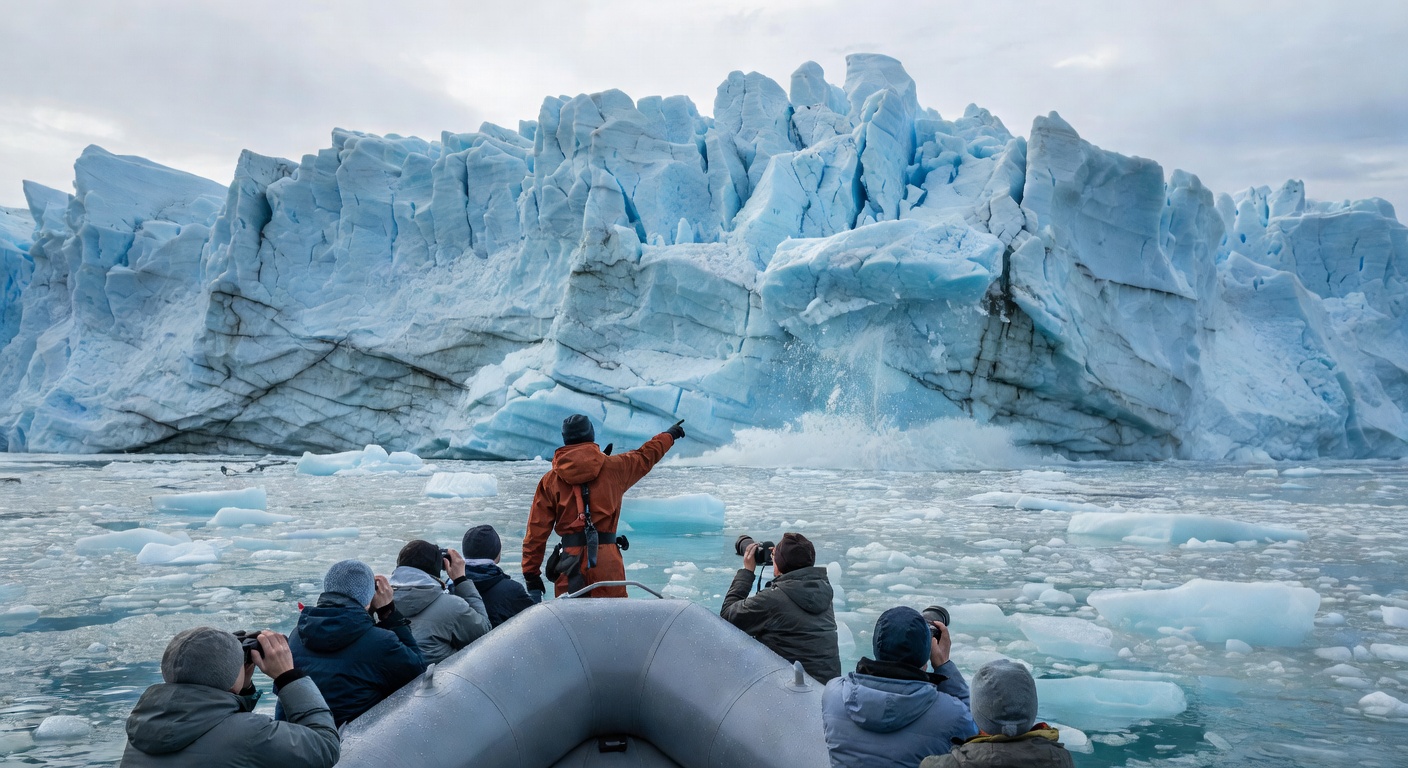
National Geographic-partnered expedition cruises with onboard naturalists, undersea specialists, and Zodiac-based exploration of glacial bays and wildlife habitats.
See Lindblad Alaska sailings from Juneau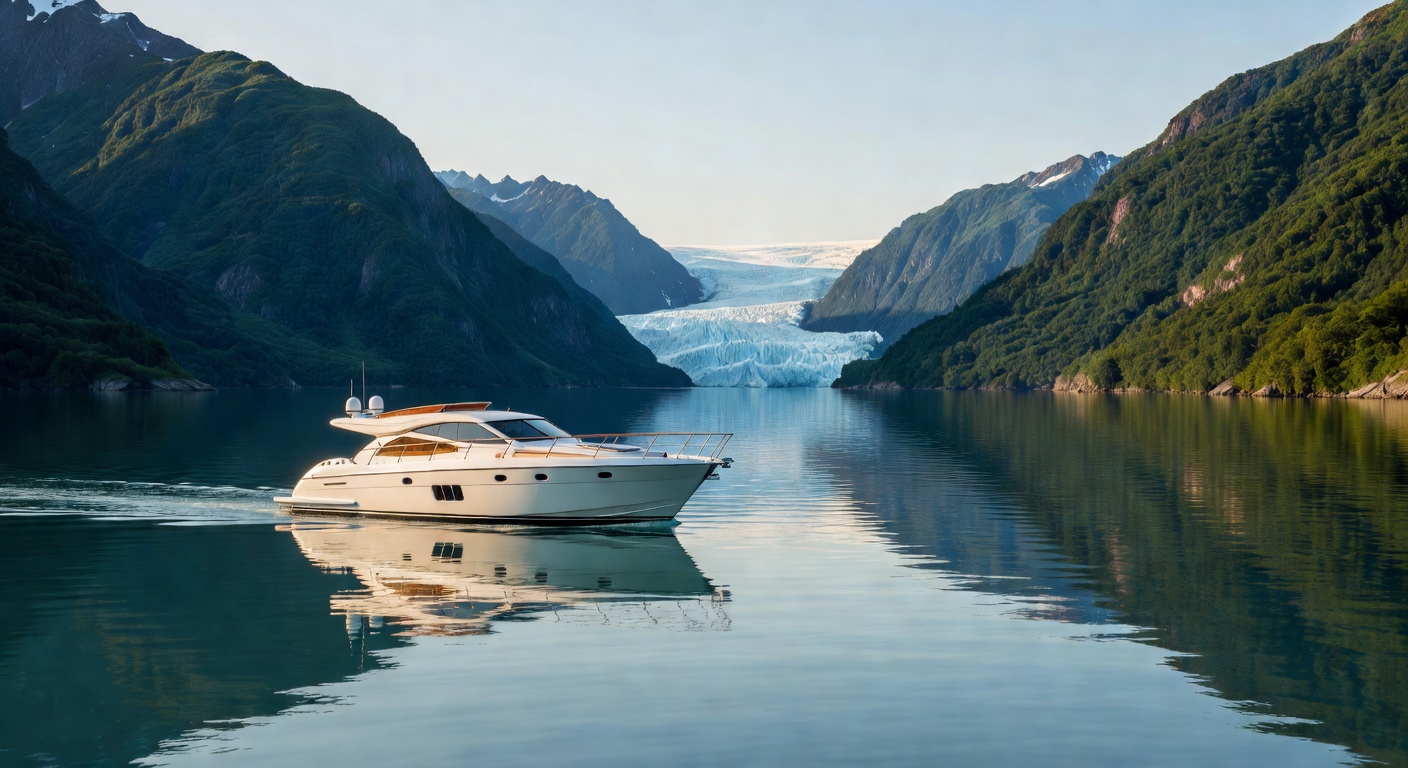
Small-ship cruising with a premium-casual atmosphere, offering a middle ground between expedition intensity and mainstream comfort.
See Windstar Alaska sailings from Juneau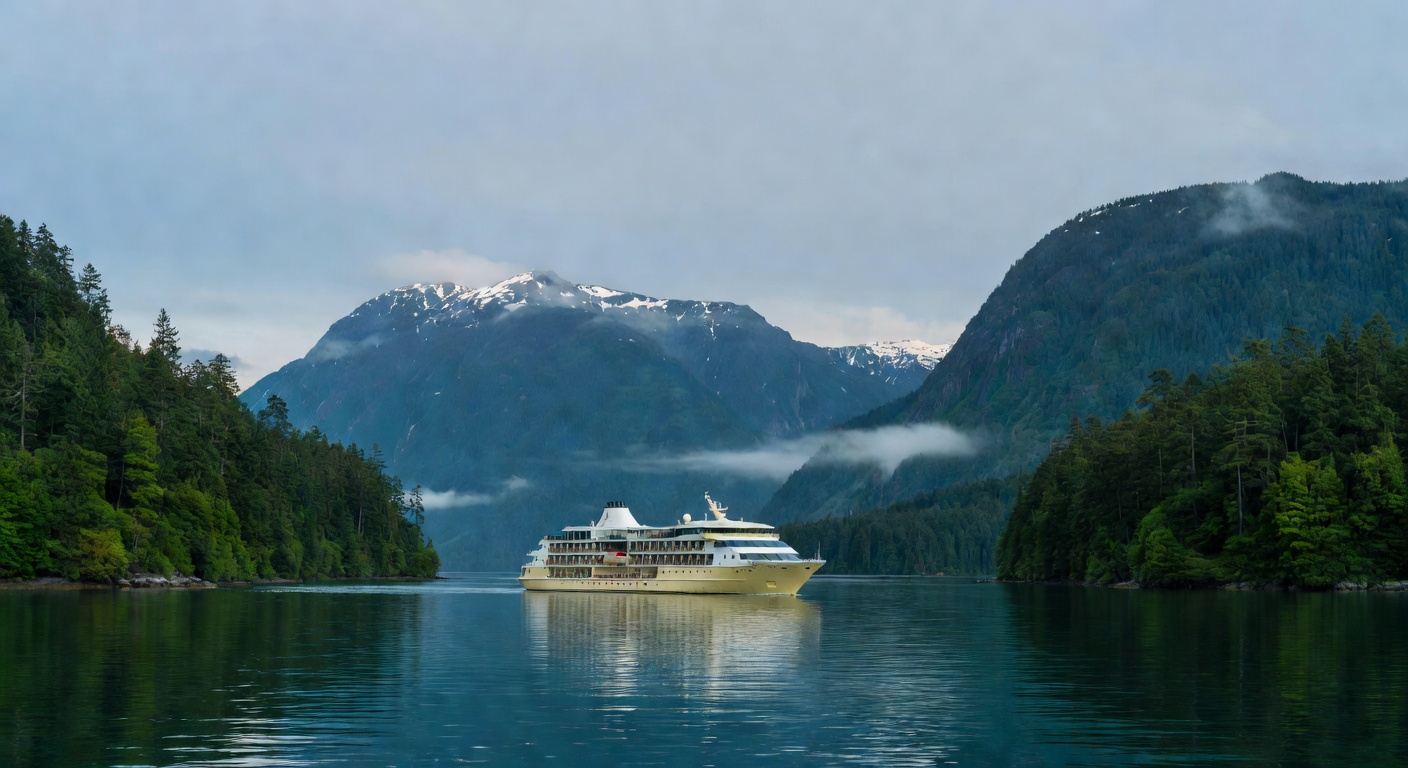
US-flagged small-ship cruising through the Inside Passage, with an emphasis on American history, local culture, and scenic coastal routes.
See American Cruise Lines Alaska sailings from Juneau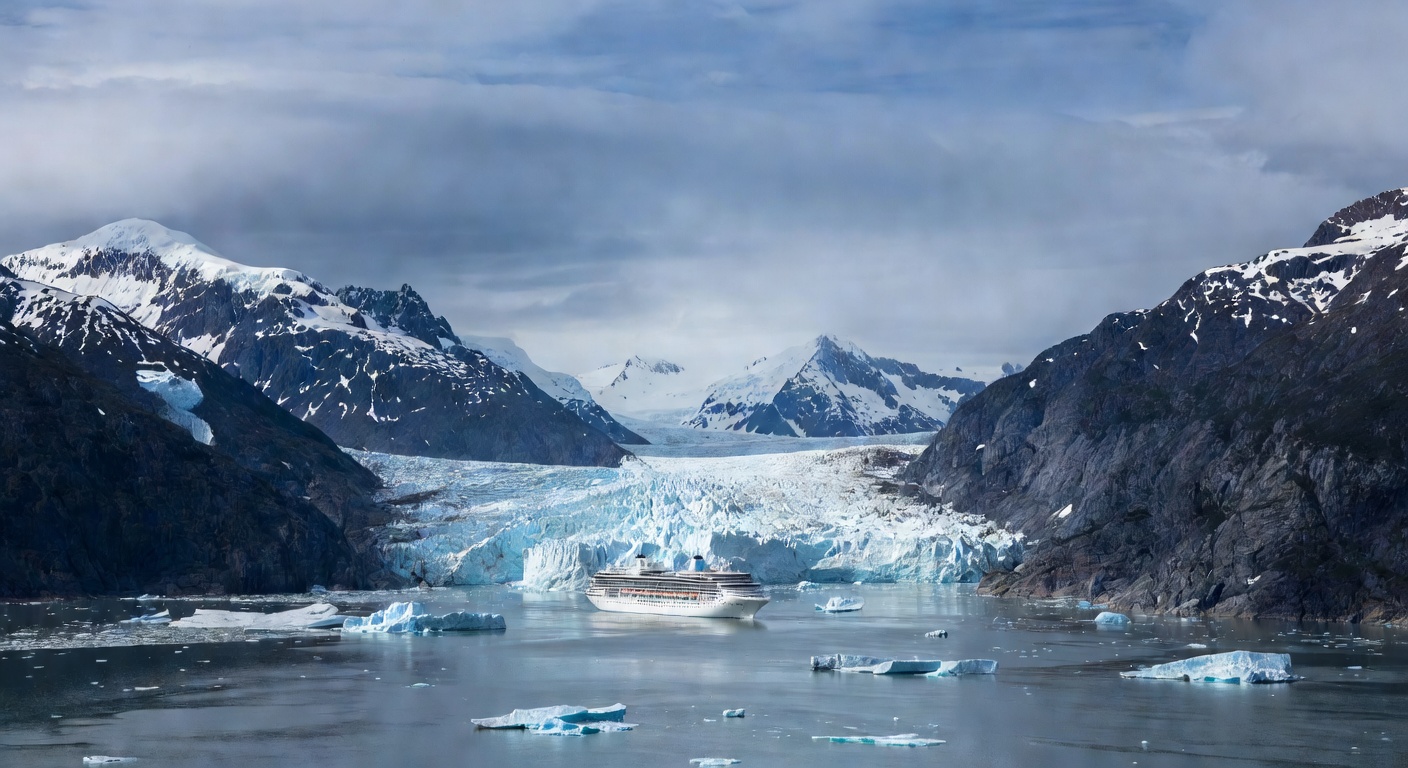
Juneau sailings waste no time getting you into Alaska's best scenery. Expect glacier-forward itineraries, wildlife encounters from day one, and more hours spent looking at mountains than open ocean. The pace is exploratory, not resort-style.
This route suits travellers who measure a good day by what they saw from the deck or the zodiac, not by what was playing in the theatre. If you are happiest with binoculars in hand and a rain shell on, this is your embarkation.
Juneau embarkation inventory is limited compared to Seattle or Vancouver — mostly small ships and expedition operators. You will also need flights into a fog-sensitive airport. Book early, arrive a day early, and build in flexibility.
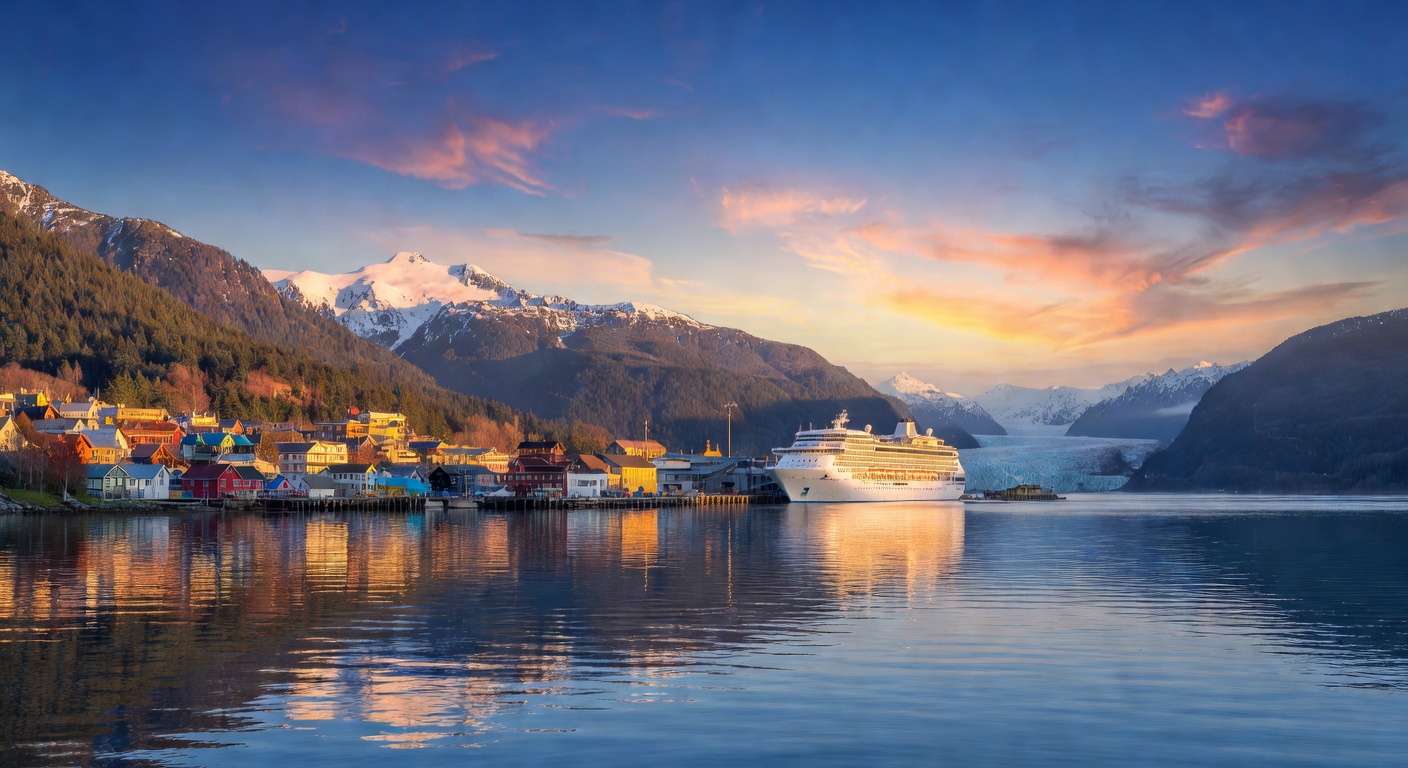
Juneau delivers more Alaska per sailing day than any other embarkation port — glaciers, wildlife, and remote waterways from the first morning. The tradeoff is fly-in logistics, limited ship selection, and a smaller-vessel experience that is not for everyone.










