


Cruising the Panama Canal - A memorable experience

October 30, 2016

The United States began building the Panama Canal in 1904, a 48-mile-long international waterway that connects the Atlantic Ocean and Pacific Ocean, (saving ships about 8000 miles from an otherwise journey around the southern tip of South America, Cape Horn!).   Called the 8th Wonder of the World, this historical engineering marvel is an undisputed travel bucket list destination.

The best way to appreciate the Canal is by taking a Panama Canal Cruise, but do you book a full transit cruise or a partial transit cruise.  Here’s the difference.‍


Panama Canal Cruises - Full Transits

A full transit offers the benefits of seeing the canal in its entirety, passing through all six locks, (three on each side), as well as sailing through Gatun Lake.  Most ships take a full day to cross the canal during daylight hours.


Large steel arch bridge crossing river surrounded by green trees and landscape

Ships often make the full transit on repositioning cruises that take them from one cruising destination to another.  For example, when a ship heads to Alaska in the late spring or returning from Alaska in the fall. Others travel several times during a season from California to Florida or vice-versa.

Full transit cruises are long; usually 11 days or more. In addition, you will need a one-way cross-country airline ticket which can be expensive.


Panama Canal Cruises - Partial Transits

Partial transits are one-way cruises from Florida that sail into the Panama Canal as far as Gatun Lake, usually as part of a western or southern Caribbean cruise. This is a great option for cruisers that don’t have a lot of time, yet want to experience the canal by going through at least one lock.

Shore excursions that are offered on partial transits such as a land tour to Panama City or a ride on the Panama Canal Railway enhance the canal experience.


Panama Canal Travel Tips

Regardless of full transit or partial transit, here are some tips you may find helpful.


The main event of a Panama Canal cruise is going through the canal, so make sure read up on the history before leaving on the trip. (May I suggest “The Path Between the Seas” by David McCullough).  Most ships will offer onboard films or lectures to educate guests.


While viewing the transit move around the ship.  Each spot, starboard or port, high deck or low and forward or aft offer a unique perspective.


If you choose a balcony stateroom be mindful of the location. If transiting from the Atlantic to the Pacific, the port (left) side of the ship may be a better consideration as this is the side that will have views of Panama City. If transiting from the Pacific to the Atlantic the opposite is true, and you may want to consider a Starboard (right side) room.

Thank you! Your submission has been received!
Oops! Something went wrong while submitting the form.

Cruising the Panama Canal - A memorable experience
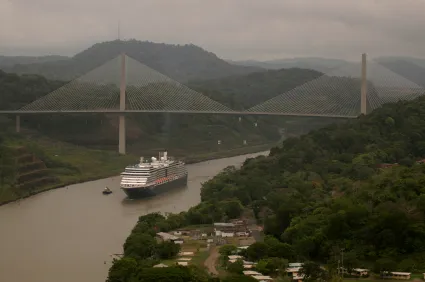
The United States began building the Panama Canal in 1904, a 48-mile-long international waterway that connects the Atlantic Ocean and Pacific Ocean, (saving ships about 8000 miles from an otherwise journey around the southern tip of South America, Cape Horn!).   Called the 8th Wonder of the World, this historical engineering marvel is an undisputed travel bucket list destination.

The best way to appreciate the Canal is by taking a Panama Canal Cruise, but do you book a full transit cruise or a partial transit cruise.  Here’s the difference.‍


Panama Canal Cruises - Full Transits

A full transit offers the benefits of seeing the canal in its entirety, passing through all six locks, (three on each side), as well as sailing through Gatun Lake.  Most ships take a full day to cross the canal during daylight hours.


Large steel arch bridge crossing river surrounded by green trees and landscape

Ships often make the full transit on repositioning cruises that take them from one cruising destination to another.  For example, when a ship heads to Alaska in the late spring or returning from Alaska in the fall. Others travel several times during a season from California to Florida or vice-versa.

Full transit cruises are long; usually 11 days or more. In addition, you will need a one-way cross-country airline ticket which can be expensive.


Panama Canal Cruises - Partial Transits

Partial transits are one-way cruises from Florida that sail into the Panama Canal as far as Gatun Lake, usually as part of a western or southern Caribbean cruise. This is a great option for cruisers that don’t have a lot of time, yet want to experience the canal by going through at least one lock.

Shore excursions that are offered on partial transits such as a land tour to Panama City or a ride on the Panama Canal Railway enhance the canal experience.


Panama Canal Travel Tips

Regardless of full transit or partial transit, here are some tips you may find helpful.


The main event of a Panama Canal cruise is going through the canal, so make sure read up on the history before leaving on the trip. (May I suggest “The Path Between the Seas” by David McCullough).  Most ships will offer onboard films or lectures to educate guests.


While viewing the transit move around the ship.  Each spot, starboard or port, high deck or low and forward or aft offer a unique perspective.


If you choose a balcony stateroom be mindful of the location. If transiting from the Atlantic to the Pacific, the port (left) side of the ship may be a better consideration as this is the side that will have views of Panama City. If transiting from the Pacific to the Atlantic the opposite is true, and you may want to consider a Starboard (right side) room.

Cruising the Panama Canal - A memorable experience

October 30, 2016

The United States began building the Panama Canal in 1904, a 48-mile-long international waterway that connects the Atlantic Ocean and Pacific Ocean, (saving ships about 8000 miles from an otherwise journey around the southern tip of South America, Cape Horn!).   Called the 8th Wonder of the World, this historical engineering marvel is an undisputed travel bucket list destination.

The best way to appreciate the Canal is by taking a Panama Canal Cruise, but do you book a full transit cruise or a partial transit cruise.  Here’s the difference.‍


Panama Canal Cruises - Full Transits

A full transit offers the benefits of seeing the canal in its entirety, passing through all six locks, (three on each side), as well as sailing through Gatun Lake.  Most ships take a full day to cross the canal during daylight hours.
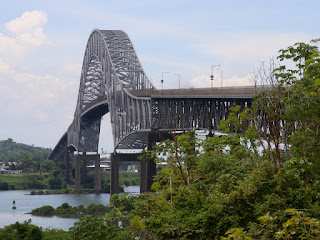

Large steel arch bridge crossing river surrounded by green trees and landscape

Ships often make the full transit on repositioning cruises that take them from one cruising destination to another.  For example, when a ship heads to Alaska in the late spring or returning from Alaska in the fall. Others travel several times during a season from California to Florida or vice-versa.

Full transit cruises are long; usually 11 days or more. In addition, you will need a one-way cross-country airline ticket which can be expensive.


Panama Canal Cruises - Partial Transits

Partial transits are one-way cruises from Florida that sail into the Panama Canal as far as Gatun Lake, usually as part of a western or southern Caribbean cruise. This is a great option for cruisers that don’t have a lot of time, yet want to experience the canal by going through at least one lock.

Shore excursions that are offered on partial transits such as a land tour to Panama City or a ride on the Panama Canal Railway enhance the canal experience.


Panama Canal Travel Tips

Regardless of full transit or partial transit, here are some tips you may find helpful.


The main event of a Panama Canal cruise is going through the canal, so make sure read up on the history before leaving on the trip. (May I suggest “The Path Between the Seas” by David McCullough).  Most ships will offer onboard films or lectures to educate guests.


While viewing the transit move around the ship.  Each spot, starboard or port, high deck or low and forward or aft offer a unique perspective.


If you choose a balcony stateroom be mindful of the location. If transiting from the Atlantic to the Pacific, the port (left) side of the ship may be a better consideration as this is the side that will have views of Panama City. If transiting from the Pacific to the Atlantic the opposite is true, and you may want to consider a Starboard (right side) room.